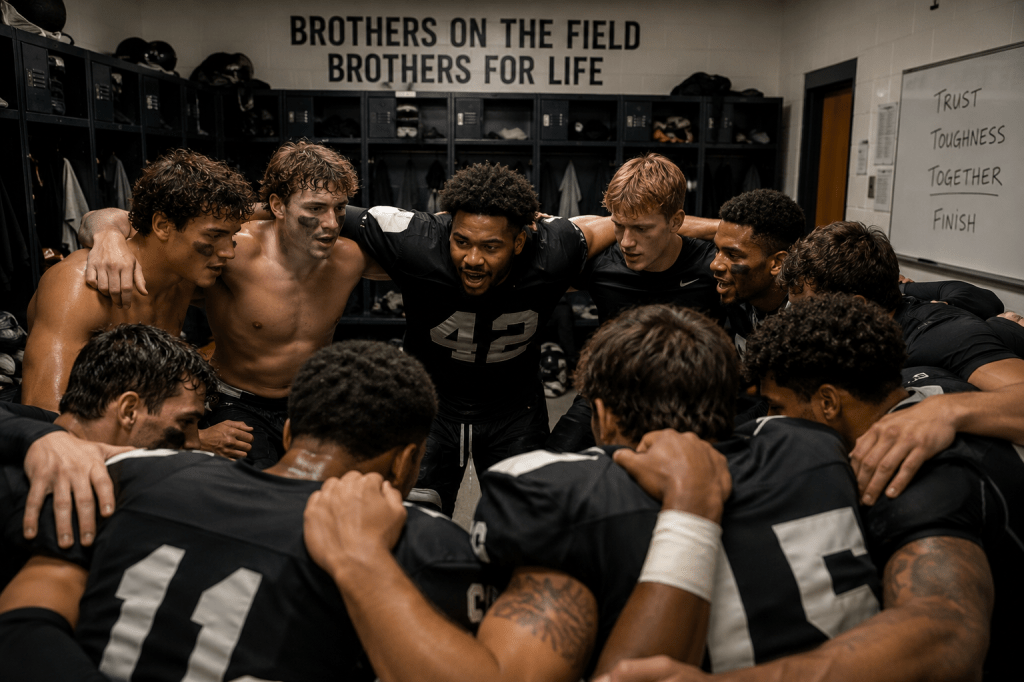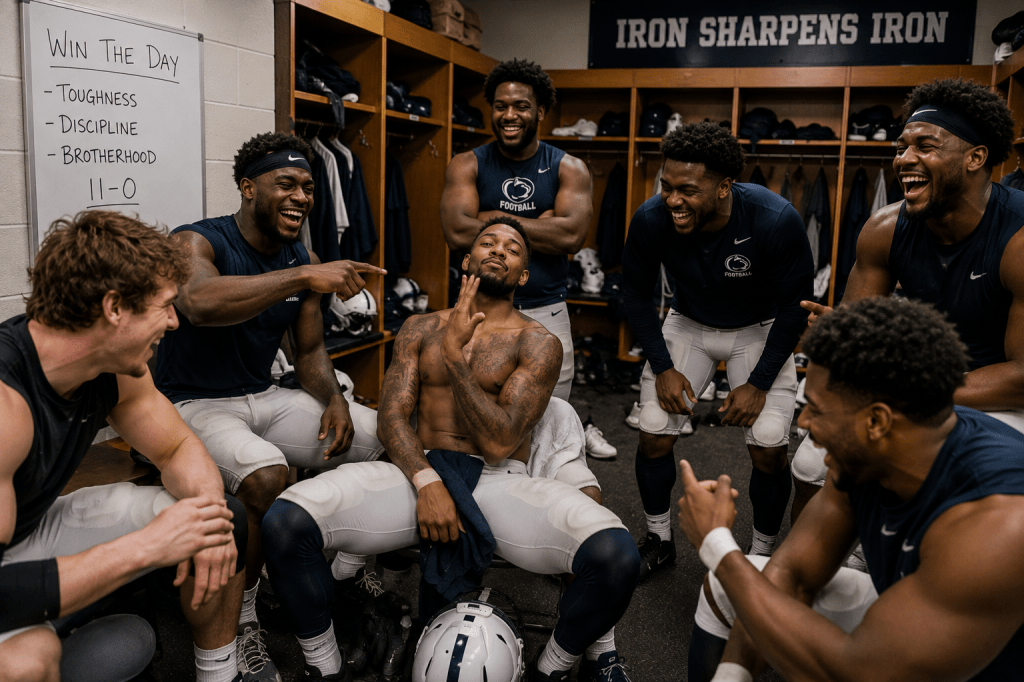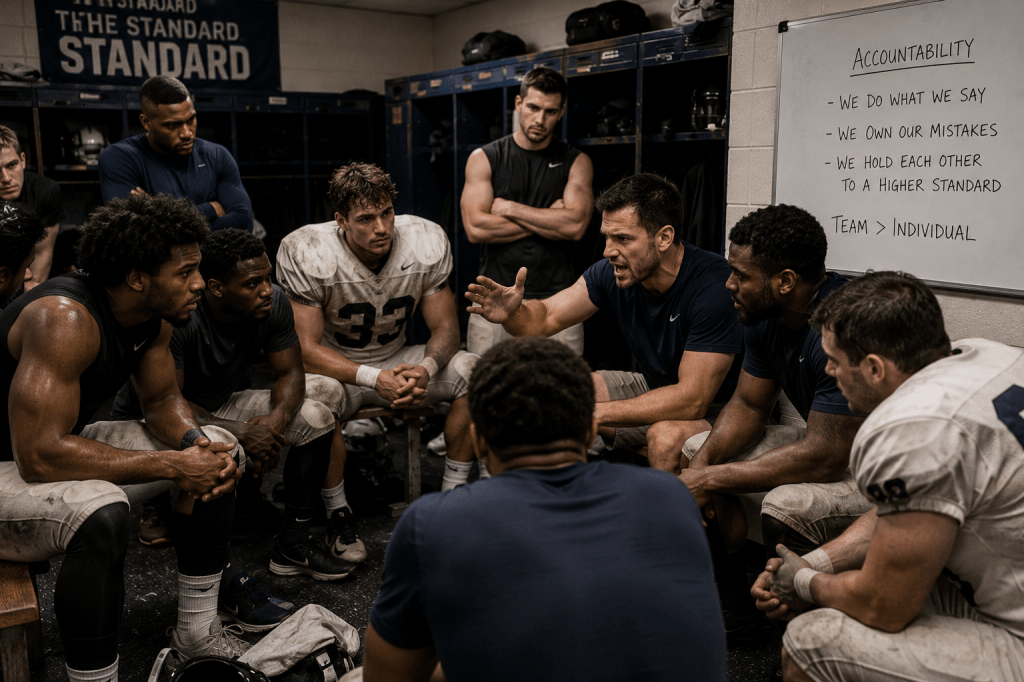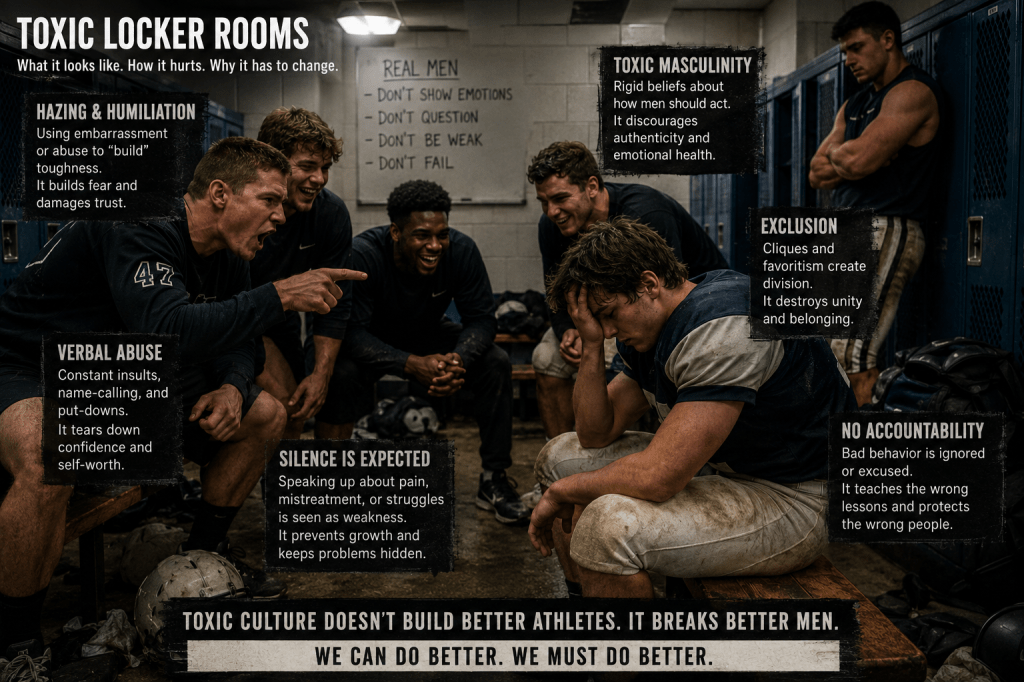
Athlete Mindset HQ Institute

A Blog for health, wellness and mindfulness information…

  • Welcome to The Athlete Mindset HQ!

    Where Mental Performance Meets Purpose

    Every athlete spends countless hours training their body.

    Early morning workouts. Extra reps after practice. Conditioning sessions. Film study. Strength training. Nutrition.

    All of those things matter.

    But there is one area that often receives far less attention—the mind.

    Welcome to The Athlete Mindset HQ, a place dedicated to helping athletes strengthen the mental side of performance just as intentionally as they strengthen the physical side.

    This isn’t just another sports page.

    It isn’t another collection of motivational quotes or highlight videos.

    It’s a community built around one belief:

    A strong mindset doesn’t guarantee success—but it gives you the best opportunity to reach your potential when it matters most.

    Why I Started The Athlete Mindset HQ

    Throughout my own life, I’ve learned that some of the toughest battles aren’t visible.

    Pressure.

    Self-doubt.

    Fear of failure.

    Setbacks.

    Unexpected adversity.

    Those experiences taught me something that continues to shape how I approach both sports and life: our mindset often determines how we respond when circumstances become difficult.

    That belief inspired me to pursue graduate education in sport psychology and to dedicate my career to helping others develop confidence, resilience, focus, and emotional well-being.

    The Athlete Mindset HQ is an extension of that mission.

    What You Can Expect

    Whether you’re a middle school athlete, a collegiate competitor, a coach, a parent, or someone simply striving to perform at your best, you’ll find practical, evidence-informed content designed to help you grow.
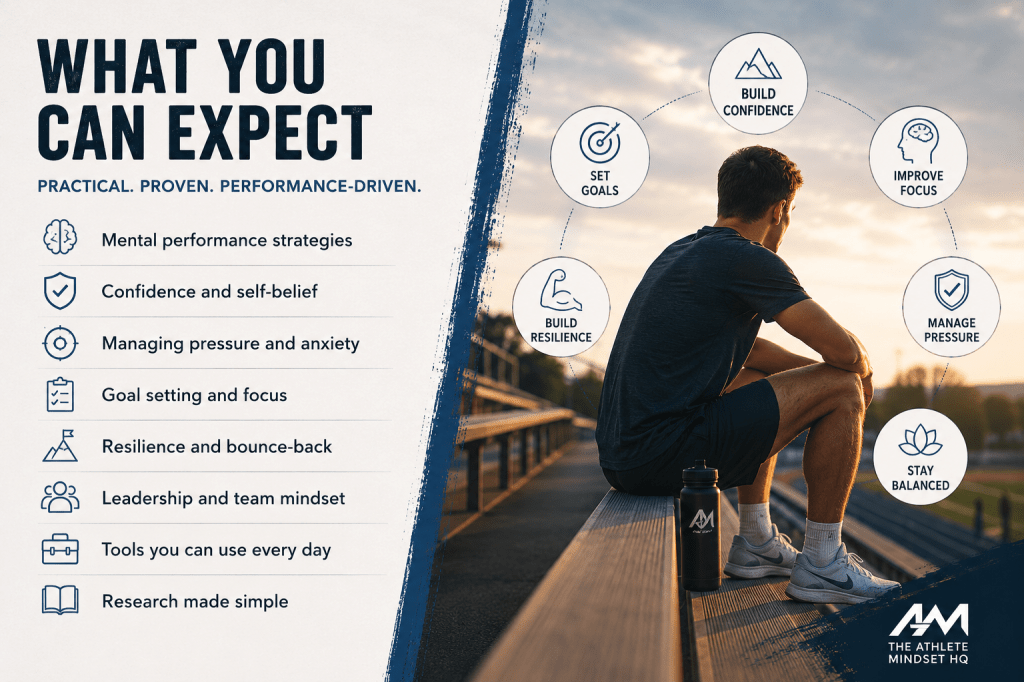
    Topics will include:

    • Building confidence that lasts.
    • Managing competitive anxiety and pressure.
    • Developing mental toughness without ignoring mental health.
    • Goal setting that actually works.
    • Visualization and performance routines.
    • Motivation and discipline.
    • Leadership and team culture.
    • Recovering from mistakes and setbacks.
    • Preventing burnout and staying balanced.
    • Mindfulness and psychological skills for competition.
    • Sports psychology research explained in everyday language.

    My goal is simple: to translate proven mental performance principles into strategies you can use immediately.

    More Than Winning
    Winning is exciting.

    Championships are memorable.

    Personal records are worth celebrating.

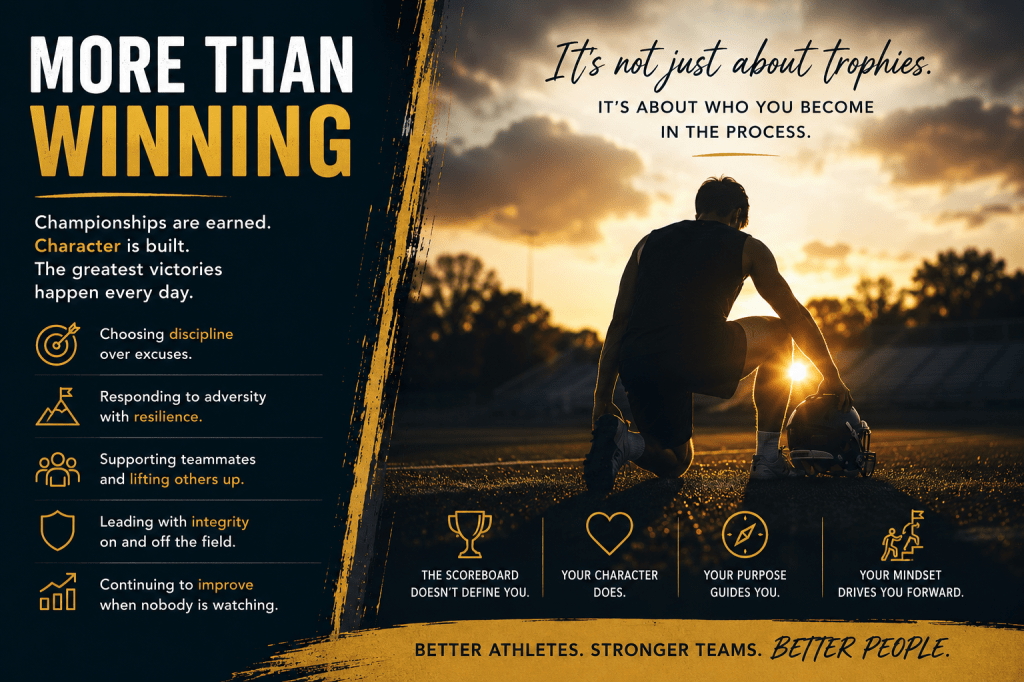
    But the greatest victories often happen long before the scoreboard is final.

    They’re found in choosing discipline over excuses.

    Responding to adversity with resilience.

    Supporting teammates.

    Leading with integrity.

    Continuing to improve when nobody is watching.

    Those qualities don’t just create better athletes.

    They create stronger people.

    And those lessons last long after the final whistle.

    Join the Journey

    This is only the beginning.
    Over the coming weeks and months, I’ll be sharing blog posts, videos, practical exercises, interviews, research insights, and tools you can apply in competition, school, work, and everyday life.

    My hope is that The Athlete Mindset HQ becomes more than a website or social media page.

    I hope it becomes a trusted resource—a place where athletes can learn, grow, ask questions, and discover that mental performance is a skill that can be developed with intention and practice.

    Thank you for being here at the beginning.

    Whether you’re chasing a championship, working toward a personal goal, coaching the next generation, or simply looking to become the best version of yourself, I’m grateful you’re part of this community.

    Together, we’ll build confidence.

    We’ll develop resilience.

    We’ll strengthen our mindset.

    And we’ll remember that our greatest competition isn’t always the opponent in front of us—it’s becoming a little better than we were yesterday.

    Welcome to The Athlete Mindset HQ.

    The work starts now.

    #theathletemindsethq #fitness #exercise #menshealth #womenshealth #empathy #compassion #confidence #personaltraining #sportspsychology

    About John Schessler
    Welcome to The Athlete Mindset HQ.

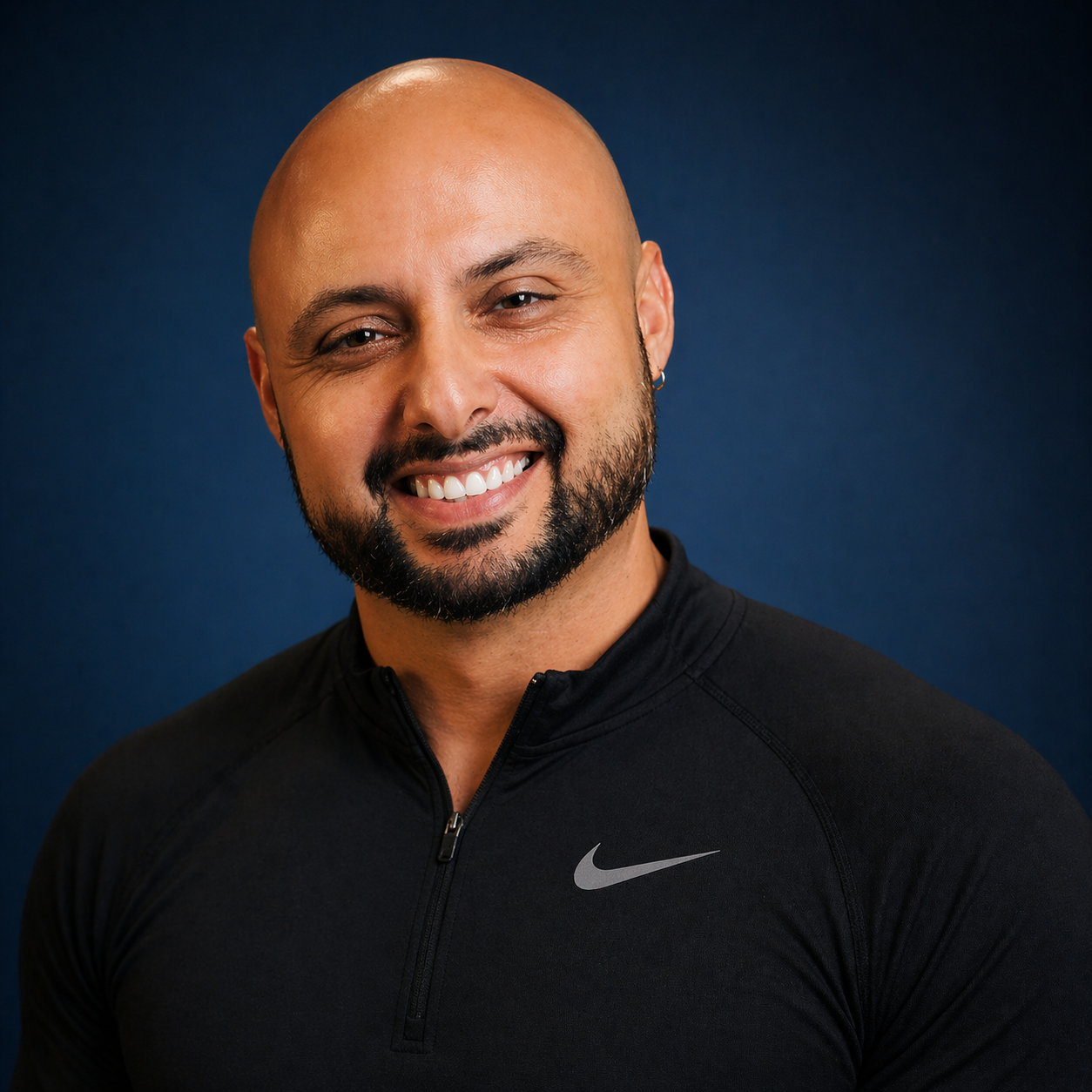
    I’m John Schessler—a mental performance coach, certified personal trainer, intervention specialist, and graduate of a master’s program in Sport Psychology. More importantly, I’m someone who believes that the strongest athletes are built from the inside out.

    My passion for mental performance wasn’t born in a classroom. It was shaped through adversity, personal growth, and a lifelong commitment to helping others overcome challenges. Those experiences taught me that success isn’t determined solely by talent or physical ability—it’s built through resilience, confidence, discipline, and the mindset to keep moving forward when life gets difficult.

    Throughout my career, I’ve worked with individuals from diverse backgrounds, helping them navigate obstacles, develop healthier perspectives, and unlock their potential. Whether coaching athletes, supporting students, or working with individuals facing significant life challenges, one truth has remained constant:

    The greatest performance breakthroughs begin in the mind.

    That belief inspired me to create The Athlete Mindset HQ.

    My mission is to make the science of sport psychology practical, relatable, and immediately useful for athletes, coaches, parents, and anyone striving to become their best. Here you’ll find evidence-informed strategies for building confidence, managing pressure, improving focus, strengthening resilience, enhancing leadership, and developing the mental skills that support success both in competition and in everyday life.

    While winning championships is exciting, I believe the greatest victories happen long before the scoreboard tells the story. They happen when athletes choose discipline over excuses, respond to setbacks with resilience, lead with integrity, and continue growing when no one is watching.

    At The Athlete Mindset HQ, we don’t just develop better competitors.

    We develop stronger people.

    Whether you’re preparing for your next season, overcoming adversity, pursuing a lifelong goal, or simply looking to strengthen your mindset, I’m honored you’re here.

    Let’s build confidence.

    Let’s strengthen resilience.

    Let’s pursue excellence—together.

    Train Your Body. Strengthen Your Mind. Live Your Purpose.

    John Schessler, MS, CPT, SPC
    Founder, The Athlete Mindset HQ

    Athlete Mindset HQ Institute

    John Schessler is a mental performance coach, certified personal trainer, intervention specialist, and master’s graduate in Sport Psychology. Through The Athlete Mindset HQ, he helps athletes and high performers build confidence, resilience, focus, and purpose using practical mental performance strategies grounded in sport psychology. His mission is simple: develop stronger minds, better athletes, and even better people.

    Train Your Body. Strengthen Your Mind. Live Your Purpose.

    Contact

    Menu

  • Spend enough time around sports, and you’ll witness some of humanity’s greatest moments. You’ll also see some of its darkest. The same arena that produces stories of courage, perseverance, and selflessness can also become a stage for greed, abuse, and division.

    That contradiction is exactly what makes sports so fascinating.

    At their best, sports teach lessons that extend far beyond the scoreboard. They encourage discipline when motivation fades, teamwork when egos collide, and resilience when setbacks seem insurmountable. Athletes learn to manage adversity, respect opponents, and strive for excellence through hard work rather than shortcuts. Coaches become mentors, teammates become lifelong friends, and communities unite behind a common purpose. In those moments, sports reflect the very best qualities of society.

    But sports also expose our flaws.

    The pressure to win can fuel unethical behavior, from cheating and performance-enhancing drugs to corruption and exploitation. Parents can push children beyond healthy limits. Fans can turn competition into hostility. Athletes may tie their entire identity to performance, leading to anxiety, burnout, depression, or a sense of worthlessness when results don’t go their way. The pursuit of fame, money, or status can overshadow the values that sports are supposed to represent.

    Social media has amplified both sides of this equation. A young athlete can receive worldwide praise for an inspiring performance one day and endure relentless criticism after a single mistake the next. The same platforms that celebrate perseverance can also spread bullying, unrealistic expectations, and toxic comparisons.

    Yet perhaps the greatest strength of sports is that they don’t hide human nature—they reveal it.

    Every competition offers a choice. Do we encourage or belittle? Do we compete with integrity or cut corners? Do we define success solely by wins and losses, or by growth, character, and effort? These decisions shape not only athletes but also coaches, parents, officials, and fans.

    As a mental performance coach, I believe the ultimate goal of sport isn’t simply creating champions. It’s creating resilient, ethical, and emotionally healthy people who can thrive both on and off the field. Confidence built through preparation, emotional control under pressure, and respect for others is a victory that lasts far longer than any championship trophy.

    Sports will always contain moments that make us proud and moments that make us uncomfortable. They showcase extraordinary generosity alongside painful selfishness, remarkable courage alongside devastating failure.

    In the end, sports are not separate from society—they are a reflection of it. And perhaps that’s why they matter so much. Every practice, every game, and every interaction presents an opportunity to model the kind of culture we want to build.

    If we choose integrity over shortcuts, empathy over hostility, and personal growth over obsession with winning, then sports can become more than entertainment. They can become one of society’s greatest classrooms for developing character, leadership, and resilience.

    #thebestofus #theworstofus #sports #societysmirror #empathy #hostility #growth #teamwork #sportspsychology #metaphors #CMPC #entertainment #SPC

    ABOUT ME

    About Me

    Hi, I’m John Schessler Jr., a graduate student in Sports Psychology, a Behavior Interventionist, and a certified Sports Psychology Coach (AFAA) with a passion for helping athletes build stronger minds, healthier habits, and unshakable confidence. My work blends mental performance coaching, psychology, and lived experience to help people show up as the best version of themselves—on the field, in the gym, and in everyday life.

    I’ve always believed that mental strength is the real competitive edge. That belief pushed me toward a career where I could combine my love of sport with my mission to support mental wellness. Whether I’m working with students at Merakey, coaching athletes through pressure and performance anxiety, or developing new mental-skills tools, I’m constantly exploring how mindset, behavior, and resilience shape performance.

    Right now, I’m 99.9% finished with my M.S. in Sports Psychology with the goal of becoming an Athletic Mental Health Counselor. I want to change the narrative around athlete well-being, break stigmas, and help athletes of all backgrounds access mental-performance support that actually meets them where they are.

    This blog is a place where I bring together everything I’ve learned—research, personal experience, coaching insights, and the lessons athletes teach me every day. My hope is that you’ll find something here that inspires you, supports you, or simply reminds you that you’re not alone in your journey to become mentally stronger.

  • Steroids. Masculinity, and the Price Some Men Are Willing to Pay

    By John J. Schessler, MS, CMT

    Walk into almost any gym today and you’ll hear the same conversation.

    “Everyone’s doing it.”

    “You only live once.”

    “What’s the difference between steroids and cosmetic surgery?”

    “People are just jealous.”

    When the topic of anabolic steroids comes up, opinions are rarely neutral. Some people condemn them outright. Others defend them passionately. As someone who works in performance, psychology, and fitness, I’ve become increasingly interested in a deeper question:

    Why do some men defend steroid use so strongly, even when the risks are well documented?

    The answer has less to do with the drugs themselves and more to do with what they represent.

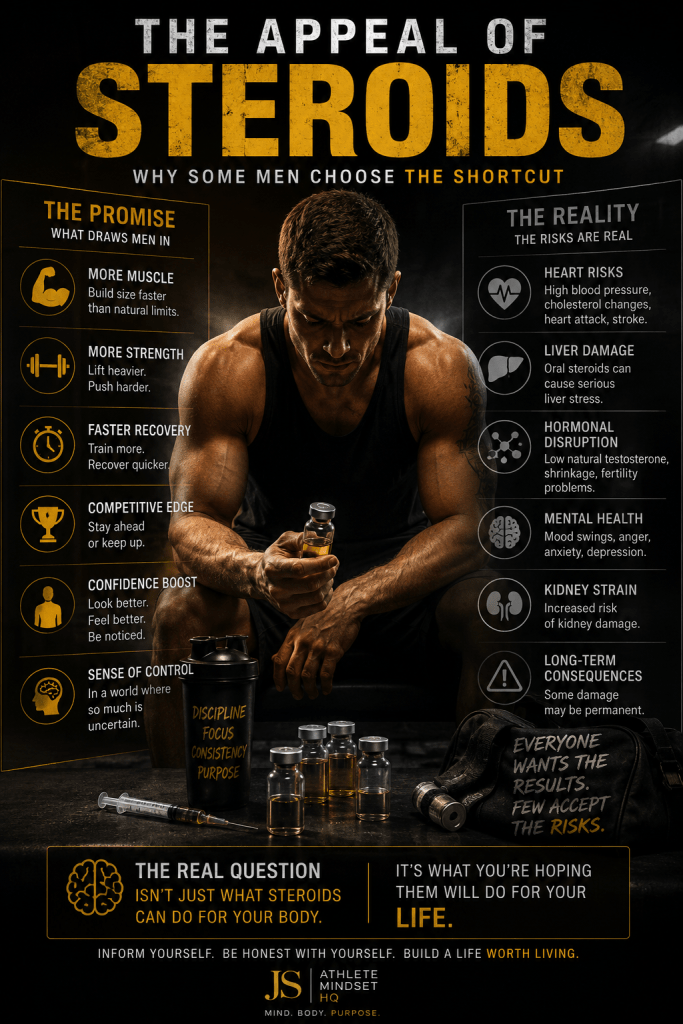
    The Appeal Is Easy to Understand

    Let’s start with honesty.

    Steroids work.

    They can increase muscle mass, strength, recovery, and training capacity at levels that are difficult or impossible to achieve naturally. For a man who has spent years training hard with limited results, the appeal is obvious.

    Many users report feeling:

    • More confident.
    • More attractive.
    • More respected.
    • More powerful.
    • More capable in the gym and in life.

    For some men, steroids become associated with the first time they truly felt comfortable in their own skin.

    That’s a powerful experience.

    The Conversation We Rarely Have

    Most discussions about steroids focus on biology.

    We talk about hormones, cholesterol, blood pressure, liver enzymes, and cardiovascular risk.

    Those conversations matter.

    But there is another conversation that often gets ignored:

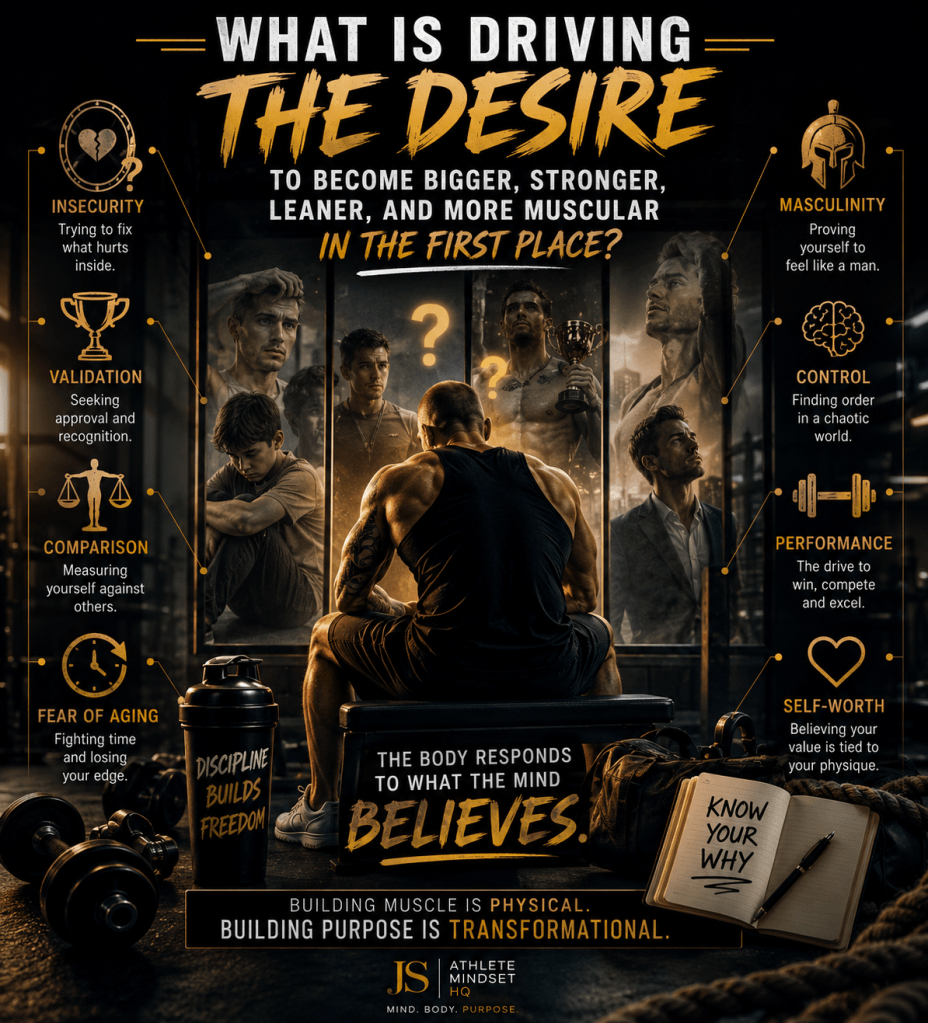
    What is driving the desire to become bigger, stronger, leaner, and more muscular in the first place?

    For many men, the answer is complicated.

    Some are chasing athletic performance.

    Some are trying to keep up with unrealistic social media standards.

    Some are attempting to regain youth.

    Some are looking for validation.

    Others are trying to outrun feelings of inadequacy, rejection, loneliness, or insecurity.

    The muscle isn’t always the goal.

    Sometimes it’s what the muscle represents.

    The Hidden Cost

    One reason steroid use concerns many health professionals is that the risks often develop gradually.

    Unlike many substances that produce immediate life-threatening consequences, steroid-related complications may emerge years later.

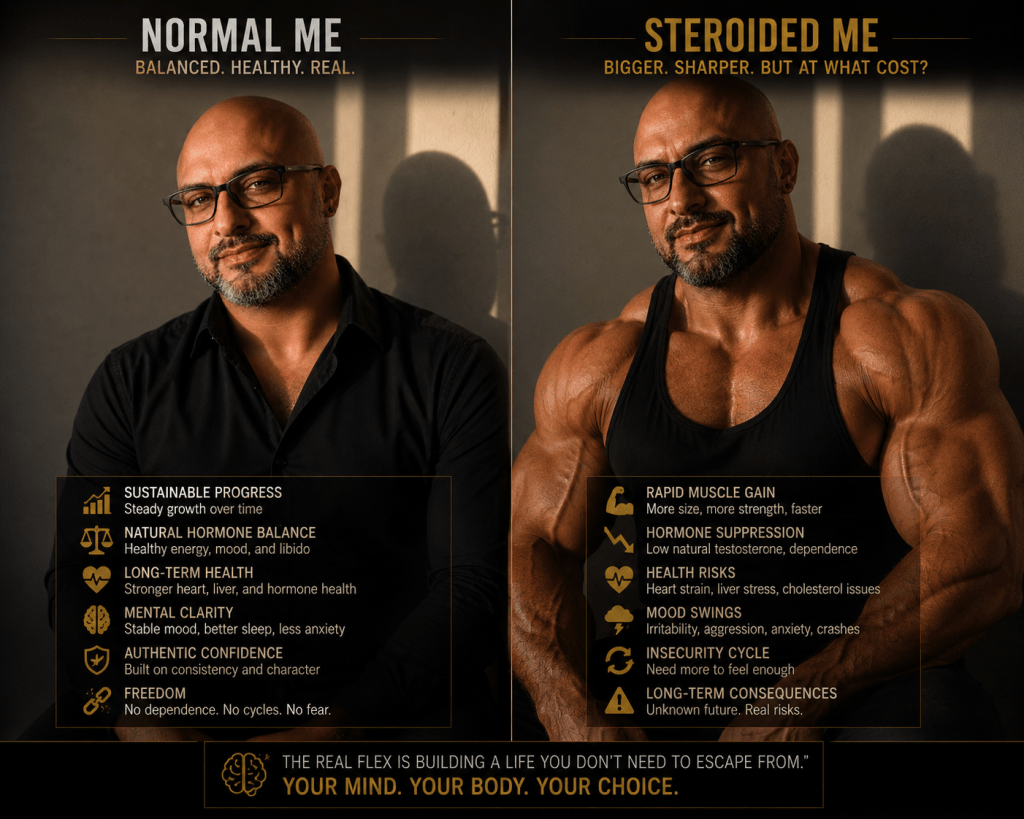
    Potential risks include:

    • Heart enlargement.
    • High blood pressure.
    • Elevated cholesterol.
    • Increased risk of heart attack and stroke.
    • Hormonal dysfunction.
    • Fertility problems.
    • Liver damage.
    • Kidney stress.
    • Mood disturbances.
    • Depression after cycling off.

    Not everyone who uses steroids experiences these complications.

    However, pretending the risks do not exist is just as irresponsible as exaggerating them.

    The reality lies somewhere in the middle.

    Social Media Changed the Game

    Twenty years ago, elite physiques were mostly seen on bodybuilding stages.

    Today they appear on our phones every few minutes.

    Many young men compare themselves to influencers, fitness models, and athletes without realizing how many of those physiques are enhanced.

    As a result, perfectly healthy and athletic men increasingly view themselves as inadequate.

    The standard keeps moving.

    The comparison never ends.

    And for some men, steroids begin to feel less like an option and more like a requirement.

    When Confidence Depends on a Physique

    One of the biggest concerns from a psychological perspective is when self-worth becomes attached exclusively to appearance.

    If confidence only exists when body fat is low, muscles are full, veins are visible, and compliments are flowing, confidence becomes fragile.

    True confidence is built from:

    • Character.
    • Competence.
    • Consistency.
    • Relationships.
    • Purpose.
    • Personal values.

    A muscular body can enhance confidence.

    It cannot replace these foundations.

    A Better Question

    Instead of asking whether steroid users are good or bad, disciplined or weak, maybe we should ask a different question:

    What are men searching for when they pursue extreme physiques?

    For some, it’s performance.

    For some, it’s belonging.

    For some, it’s confidence.

    For some, it’s acceptance.

    For some, it’s control.

    Understanding those motivations allows us to have more productive conversations than simply arguing about the drugs themselves.

    Final Thoughts

    This is not an anti-steroid article.

    It is not a pro-steroid article.

    It is an invitation for honesty.

    Every man has the right to make decisions about his own body. However, every decision comes with consequences.

    Before asking whether steroids can make you bigger, stronger, or leaner, ask yourself a more important question:

    What problem am I hoping this physique will solve?

    Because sometimes the greatest transformation doesn’t happen in the mirror.

    It happens in the mind.

    And no drug can do that work for you.

    ABOUT ME

    I’m Coach John — the mind behind AthleteMindsetHQ — and my mission is simple: help athletes build the kind of mental toughness, confidence, and resilience that shows up long after the final whistle blows.

    I coach from experience, education, and heart. As a Sports Psychology Coach and Behavior Interventionist, I’ve spent years working with athletes and students who carry big potential but also big pressure. My job? Teach them how to channel that pressure into power.

    Right now, I’m finishing up my graduate degree in Sports Psychology so I can support athletes at an even higher level. Every day, I study how mindset, emotion, and performance work together — and every day, I bring that knowledge straight to the athletes and readers who trust me.

    This blog is your locker room talk for the mind.
    Here, we break limits.
    We train confidence.
    We learn how to stay locked in when it matters most.

    Because winning isn’t just physical — it’s mental.
    And when you master your mind, the rest follows.

    If you’re ready to grow, challenge yourself, and build an unshakeable mental edge… welcome to the team. Let’s get to work.

  • The Missing Piece of Performance

    Athletes spend countless hours training their bodies. They lift weights, practice skills, follow nutrition plans, and work with coaches to improve their physical performance. Yet when competition begins, many athletes discover that physical preparation alone is not enough.

    A missed free throw, a costly turnover, a mental mistake in the final seconds, or a sudden loss of confidence can quickly derail performance. The difference between success and failure is often not physical ability—it’s mental performance.

    This is where a sports psychology coach becomes invaluable.

    What Is a Sports Psychology Coach?

    A sports psychology coach, often referred to as a mental performance coach, helps athletes develop the psychological skills necessary to perform consistently under pressure.

    Just as strength coaches help athletes build physical strength, sports psychology coaches help athletes build mental strength.

    These professionals teach athletes how to:

    • Manage pressure and competitive stress.
    • Build and maintain confidence.
    • Improve concentration and focus.
    • Develop effective pre-performance routines.
    • Recover from mistakes quickly.
    • Set meaningful performance goals.
    • Strengthen resilience after setbacks or injuries.
    • Improve motivation and commitment.

    Mental skills are trainable, and sports psychology coaches provide athletes with the tools and strategies to strengthen those skills.

    The Mental Side of Sports Matters

    Research consistently suggests that mental factors play a significant role in athletic performance. Athletes at every level—from youth sports to professional competition—face psychological challenges that can impact their ability to perform.

    Consider the following situations:

    • A baseball player strikes out repeatedly and begins doubting their abilities.
    • A swimmer experiences anxiety before every race.
    • A basketball player struggles to perform in front of large crowds.
    • A dancer becomes overwhelmed by perfectionism.
    • A football player loses confidence after an injury.

    These challenges are not solved by more physical training alone. They require mental skills training.

    A sports psychology coach helps athletes understand their thoughts, emotions, and behaviors while teaching strategies to maintain optimal performance regardless of circumstances.

    Confidence Is Built, Not Born

    One of the biggest misconceptions in sports is that confidence is something athletes either have or don’t have.

    In reality, confidence is a skill that can be developed.

    Sports psychology coaches teach athletes how to build confidence through preparation, self-awareness, positive self-talk, goal achievement, and evidence-based mental training techniques.

    Rather than depending on outcomes, athletes learn how to develop a stable sense of confidence rooted in effort, preparation, and personal growth.

    When athletes understand how confidence works, they become less vulnerable to performance slumps and setbacks.

    Learning to Perform Under Pressure

    Pressure is an unavoidable part of sports.

    Championship games, crucial performances, important competitions, and high expectations all create stress. While some athletes crumble under pressure, others thrive.

    The difference often comes down to preparation.

    Sports psychology coaches teach athletes how to regulate their emotions, control their breathing, manage anxiety, and focus on what they can control in high-pressure situations.

    The goal is not to eliminate nerves. The goal is to help athletes perform effectively despite them.

    Athletes who learn these skills often discover that pressure becomes an opportunity rather than a threat.

    Resilience Through Adversity

    Every athlete encounters setbacks.

    Injuries occur. Playing time decreases. Teams lose. Mistakes happen.

    How athletes respond to adversity often determines their long-term success.

    Sports psychology coaches help athletes develop resilience by teaching them how to:

    • Reframe setbacks as opportunities for growth.
    • Learn from mistakes rather than fear them.
    • Maintain motivation during difficult periods.
    • Focus on controllable factors.
    • Develop a growth mindset.

    These skills not only improve athletic performance but also benefit athletes in school, in their careers, and in their personal relationships.

    Sports Psychology Benefits More Than Athletes

    Mental performance coaching is not limited to athletes.

    Coaches, teams, dancers, performers, referees, and other high-performing individuals can all benefit from sport psychology principles.

    Teams often use sports psychology to improve:

    • Communication.
    • Leadership.
    • Team cohesion.
    • Accountability.
    • Trust.
    • Culture development.

    When entire teams commit to mental skills training, the results often extend far beyond wins and losses.

    The Future of Athletic Performance

    As sports continue to evolve, mental performance training is becoming increasingly recognized as a critical component of athletic success.

    Professional organizations, collegiate athletic departments, Olympic programs, and elite training facilities now regularly incorporate sports psychology into athlete development.

    Athletes are realizing that physical talent may get them to the starting line, but mental skills often determine who reaches the finish line first.

    Final Thoughts

    The strongest athletes are not always the most successful. The fastest athletes are not always the most consistent. The most talented athletes do not always reach their potential.

    What often separates high performers from everyone else is their ability to manage pressure, maintain confidence, stay focused, and bounce back from adversity.

    Sports psychology coaches help athletes develop these essential skills.

    Because at the highest levels of performance, success is not just physical.

    It’s mental.

    Train your body. Train your skills. But don’t forget to train your mind.

    ABOUT ME

    Hi, my name is John Schessler, the owner of AthleticMindsetHQ, and welcome to my blog, the Unbreakable Man. My goal is simple: to help athletes and individuals become the best versions of themselves by removing the mental roadblocks that may be holding them back from becoming the best athletes they know they are. I am currently a Master of Science candidate majoring in Sports Psychology at Capella University, set to graduate next month. I also hold a Bachelor of Arts in Psychology from Southern New Hampshire University and am employed as an Intervention Specialist. I primarily assist students with autism by helping them navigate difficult behaviors and by acting as their Physical Education/Health coach.

    What I would like to stress to you is that to do anything well, you need to take responsibility for your actions, stay organized in your approach, and hold yourself accountable, especially when it’s so easy to quit or be lazy. Is it always easy? No, of course not, and it shouldn’t be. But I promise you, the end result will be worth it. So let’s begin a solid coach/client relationship aned let’s get to work.

    #sportspsychology #coaching #wrestlingcoach #athletics #sportsperformance #trainyourskills #communication #leadership

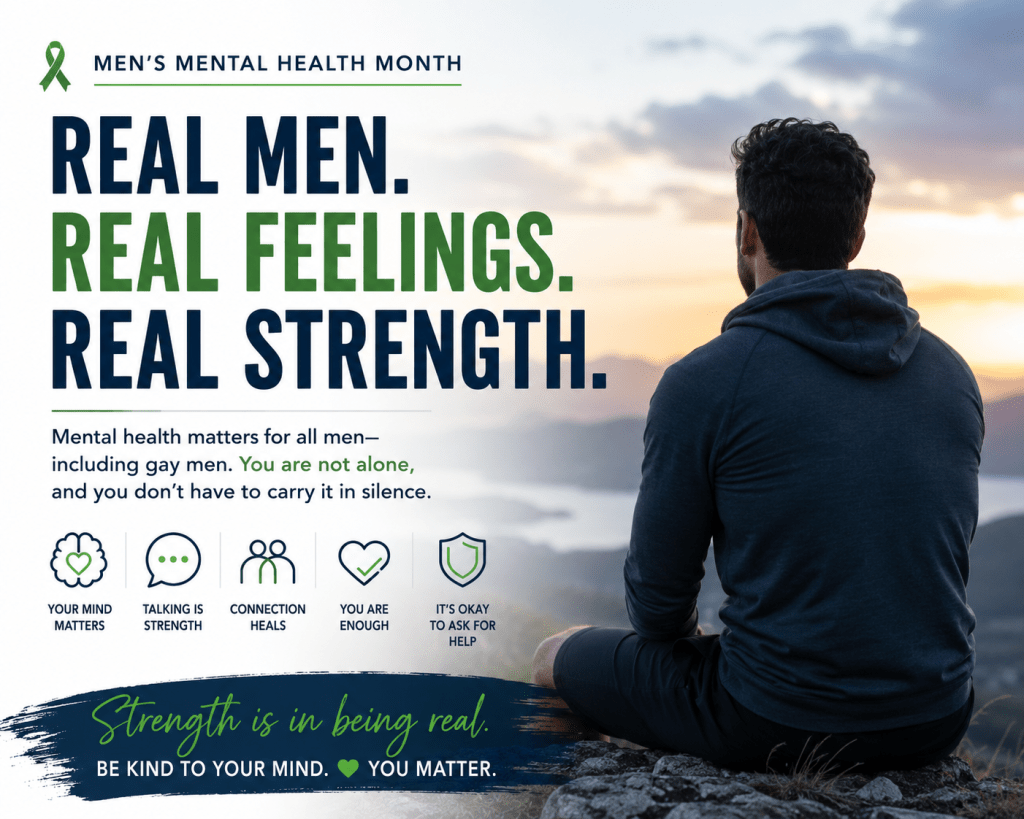
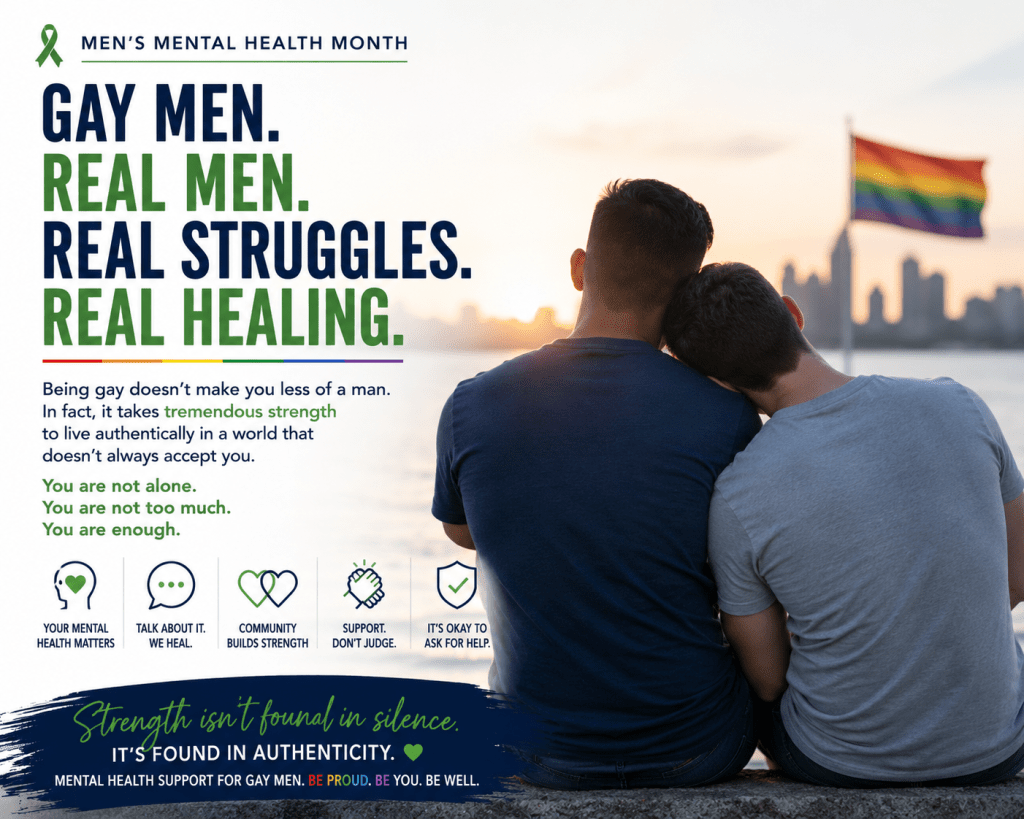
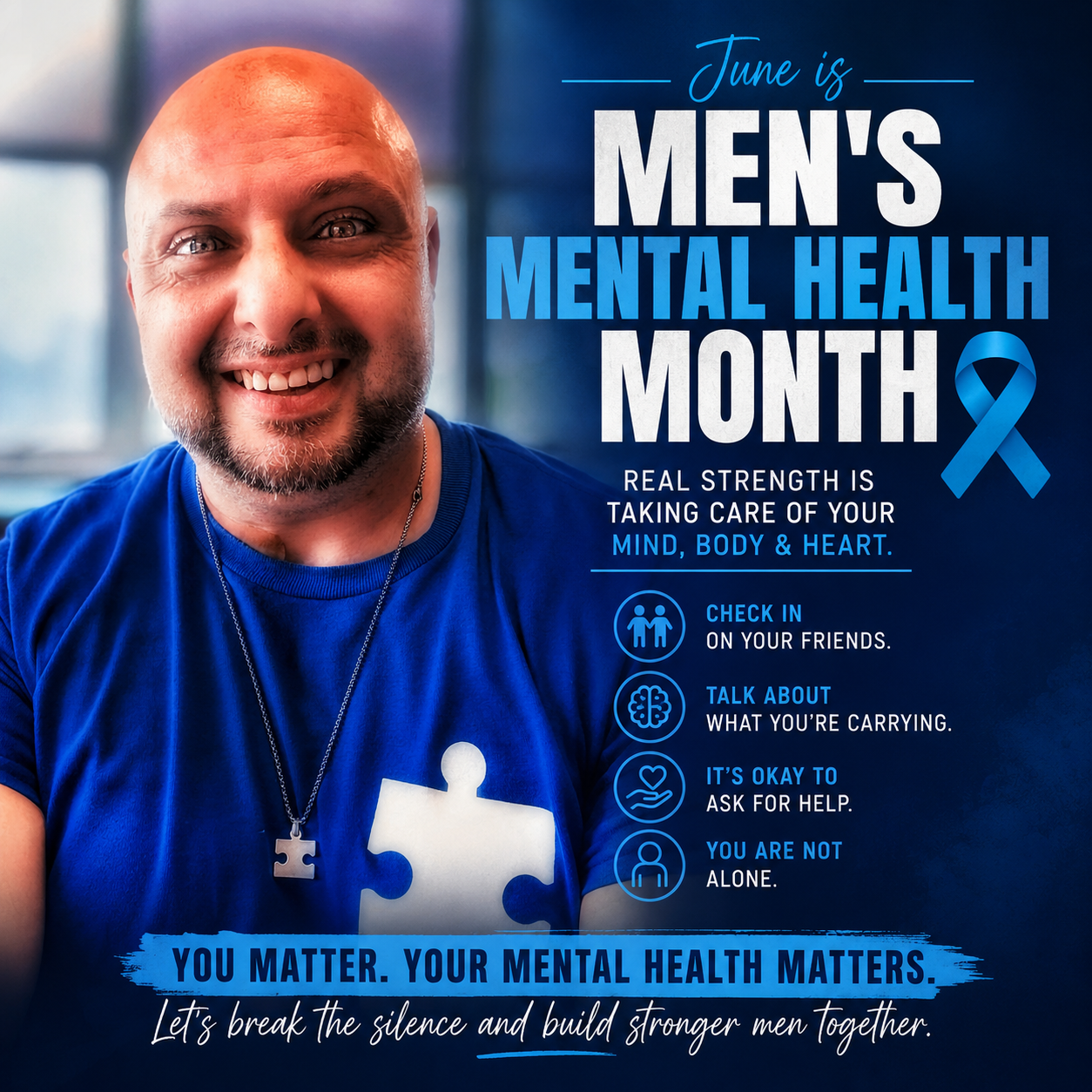
  • June is Men’s Mental Health Month, a time dedicated to bringing awareness to the emotional struggles, psychological challenges, and silent battles that many men face every day.

    For gay men, however, mental health often carries an additional layer of complexity.

    Long before many gay men begin navigating careers, relationships, finances, or aging, they are often navigating something much deeper: acceptance.

    Many gay men grow up learning to monitor themselves. We learn to watch how we walk, how we talk, who we find attractive, and whether we fit into the expectations placed upon us. Some of us spend years hiding parts of ourselves, fearing rejection from family, friends, teammates, faith communities, or society as a whole.

    Even when acceptance eventually comes, the effects of those early experiences can linger.

    Many gay men continue to struggle with:

    Anxiety
    Depression
    Loneliness
    Body image concerns
    Perfectionism
    Shame
    Relationship insecurity
    Fear of vulnerability

    The reality is that many men are taught that strength means silence. Gay men often receive that same message while simultaneously being told that who they are is somehow different or less acceptable.

    That combination can be powerful—and damaging.

    The result is that many gay men become experts at surviving while never learning how to truly thrive.

    We become high achievers.

    We become caretakers.

    We become funny.

    We become successful.

    We become resilient.

    But underneath those accomplishments, many of us are still carrying wounds that were never fully acknowledged.

    Mental health is not weakness.

    Seeking therapy is not weakness.

    Talking about your emotions is not weakness.

    Asking for help is not weakness.

    The strongest thing a man can do is tell the truth about what he is carrying.

    This Men’s Mental Health Month, I encourage all men—gay, straight, bisexual, transgender, and questioning—to check in with themselves honestly.

    Ask yourself:

    What am I feeling that I haven’t said out loud?
    What am I carrying that no one knows about?
    What would healing look like for me?
    Who can I trust enough to let them see the real me?

    Healing doesn’t begin when we become perfect.

    Healing begins when we stop pretending we are.

    As men, we need strength.

    But we also need connection.

    We need purpose.

    We need belonging.

    And perhaps most importantly, we need spaces where we can show up as our authentic selves and know that we are enough.

    This June, let’s remind ourselves and one another that mental health matters.

    Not just for some men.

    For all men.

    And that includes gay men too.

    — John J. Schessler, Jr., BA, CMT, SPC
    M.S. Sports Psychology Candidate

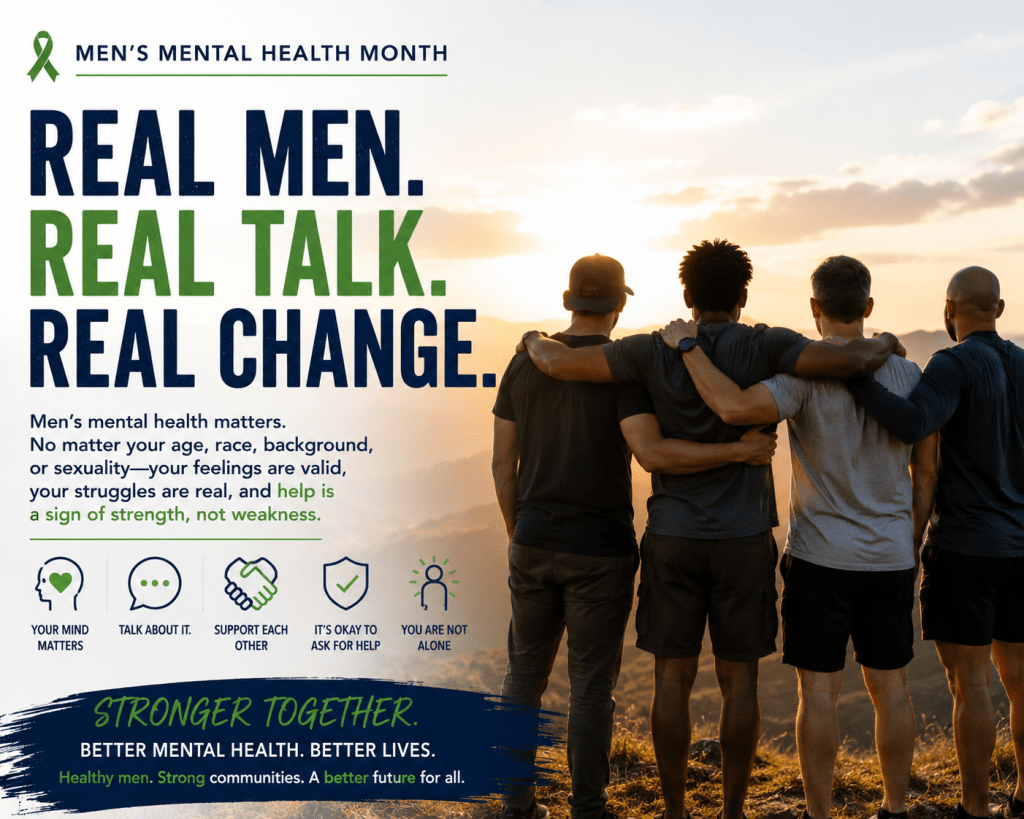
  • 💙 June Is Men’s Mental Health Month 💙

    Men are often taught to be strong, to push through, to handle problems on their own, and to keep moving no matter what they’re carrying.

    But real strength isn’t pretending you’re okay when you’re not.

    Real strength is having the courage to acknowledge stress, anxiety, depression, grief, loneliness, burnout, or emotional pain—and taking steps to address it.

    The reality is that many men struggle in silence. They may not always talk about what they’re experiencing, but that doesn’t mean they aren’t carrying heavy burdens. Careers, finances, relationships, family responsibilities, health concerns, and the pressure to “have it all together” can take a toll on anyone.

    This month, let’s challenge the idea that asking for help is a weakness.

    ✅ Check in on your friends.
    ✅ Make time for your physical and mental health.
    ✅ Have the difficult conversations.
    ✅ Reach out when you need support.
    ✅ Let the men in your life know they matter.

    Mental health is not a men’s issue or a women’s issue—it’s a human issue. But Men’s Mental Health Month serves as an important reminder that men deserve support, connection, and spaces where they can be honest about what they’re going through.

    You don’t have to carry everything alone.

    Sometimes the strongest words a man can say are:
    “I’m struggling.”
    “I need help.”
    “Can we talk?”

    Let’s make June a month of awareness, compassion, accountability, and brotherhood.

    💙 Check on your strong friends.
    💙 Check on your quiet friends.
    💙 Check on yourself.

    MensMentalHealthMonth #MensMentalHealth #MentalHealthAwareness #StrongerTogether #MensWellness #MentalHealthMatters #Brotherhood #HealthyMasculinity #EndTheStigma #YouAreNotAlone #AthleteMindsetHQ #CoachJohn

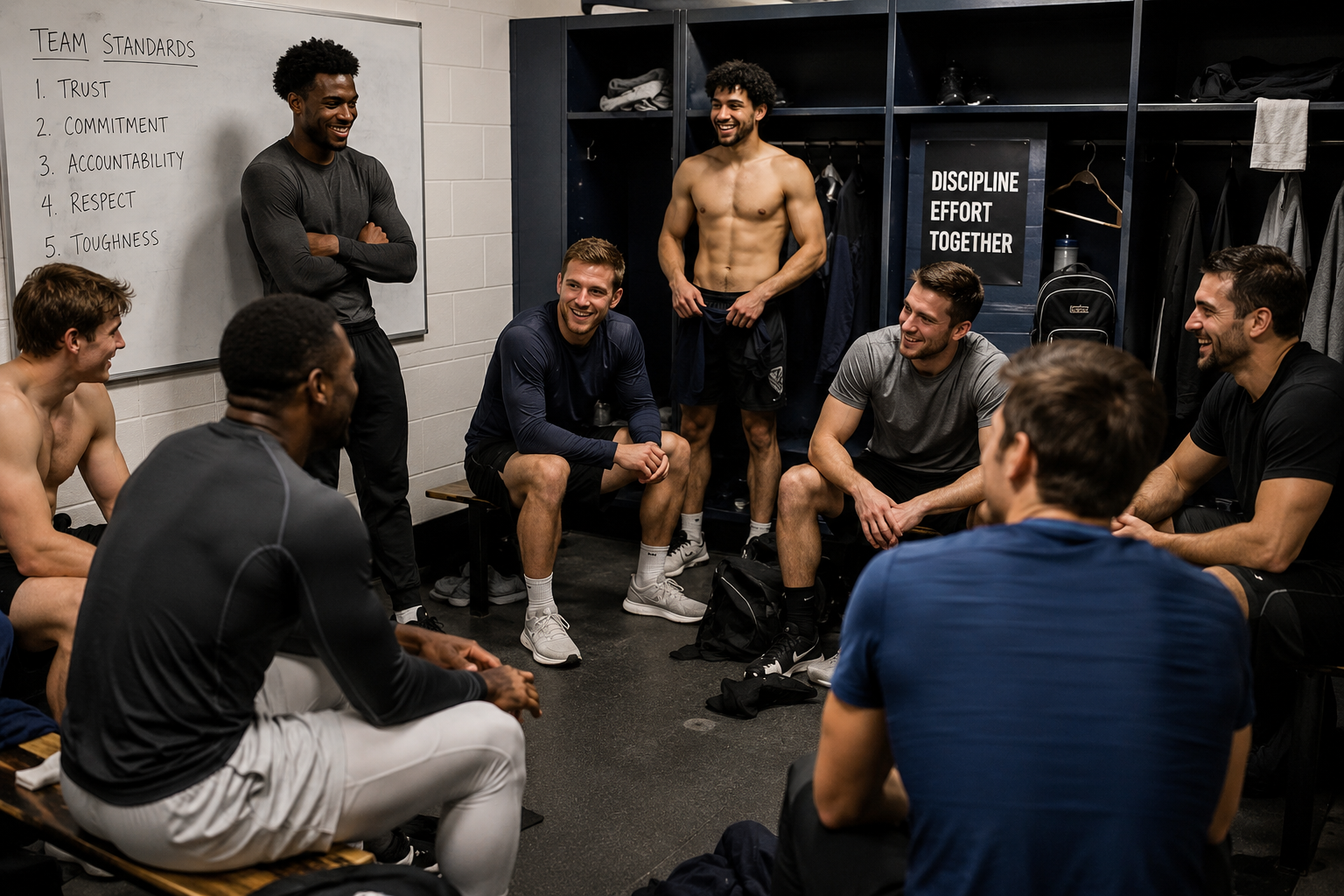
  • For years, the phrase “locker room talk” has carried a negative connotation. Popular culture often paints locker rooms as places of crude jokes, hyper-masculinity, and immature behavior.

    But as someone who has spent years around athletics, fitness centers, and men’s spaces, I can tell you that’s only part of the story—and often not the most important part.

    The reality is that healthy locker rooms serve a purpose many people overlook: they are among the last remaining places where men naturally learn to socialize with other men.

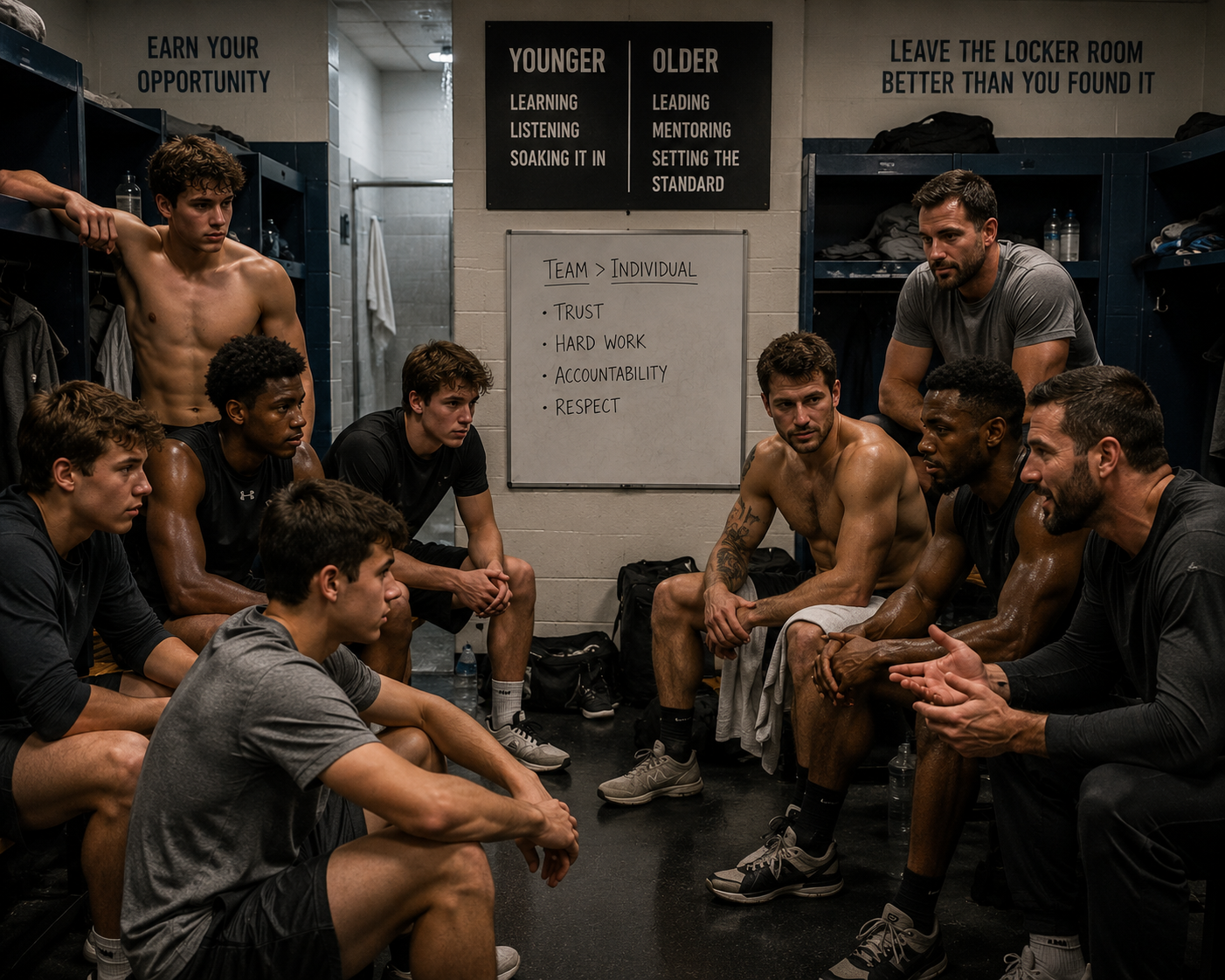
    The Unofficial Classroom

    Nobody walks into a locker room and announces they’re about to receive a lesson in masculinity.

    Yet it happens every day.

    A younger athlete watches how an older athlete handles a tough loss.

    A rookie listens as veterans discuss family responsibilities.

    A teenager hears men talking about careers, relationships, fatherhood, finances, and personal struggles.

    Advice is exchanged. Stories are shared. Humor breaks tension.

    These interactions aren’t scheduled. There is no curriculum. But lessons are being taught nonetheless.

    For generations, locker rooms have functioned as informal classrooms where boys and young men learn what adult male behavior looks like.

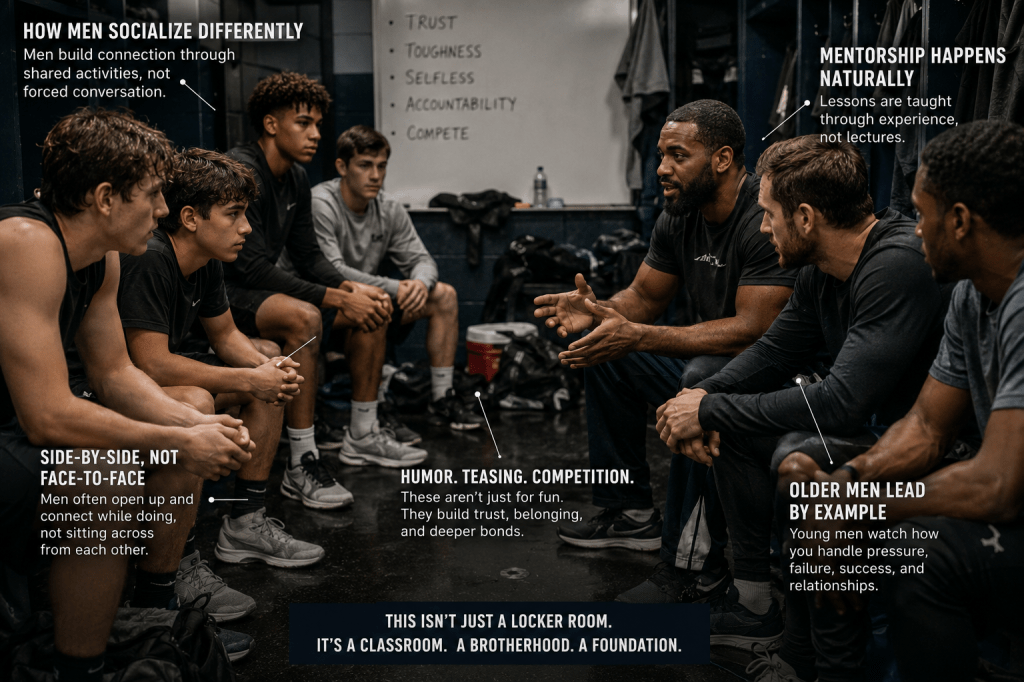
    Men Socialize Differently

    Research consistently shows that men often build relationships through shared activities rather than face-to-face emotional disclosure.

    Many men find it easier to open up while lifting weights, playing sports, working on a project, or simply sitting beside someone rather than directly across from them.

    The locker room naturally creates this environment.

    Conversations happen while tying shoes, putting equipment away, or cooling down after practice.

    Ironically, some of the most meaningful conversations occur when nobody is trying to have one.

    The pressure is gone.

    The masks come off.

    The conversation becomes real.

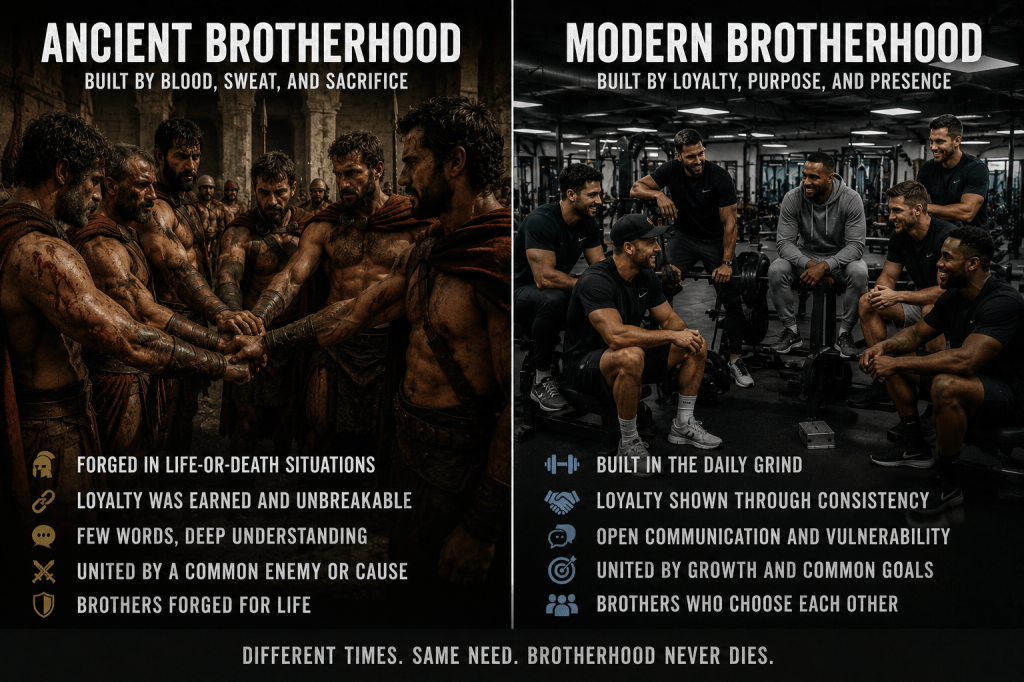
    Brotherhood and Belonging

    One of the strongest psychological needs humans possess is the need to belong.

    For many men, sports teams, gyms, and athletic communities provide that sense of belonging.

    The locker room becomes the physical space where that bond is reinforced.

    It’s where teammates celebrate victories.

    It’s where losses are processed.

    It’s where people learn they are not alone in their struggles.

    Many men who appear confident and self-assured on the outside are quietly dealing with anxiety, depression, loneliness, career stress, or family problems.

    Sometimes the first place those conversations emerge is in the locker room.

    Not in therapy.

    Not online.

    Not on social media.

    In the locker room.

    The Role of Humor

    Outsiders often misunderstand the role of humor among men.

    Good-natured teasing is frequently less about aggression and more about acceptance.

    When done respectfully, humor serves as a bonding mechanism.

    It creates trust.

    It lowers defenses.

    It communicates, “You’re one of us.”

    Of course, there is a line.

    Humor that humiliates, isolates, or degrades someone crosses into toxicity.

    Healthy locker rooms understand that distinction.

    The goal isn’t cruelty.

    The goal is connection.

    Accountability and Standards

    Healthy locker rooms don’t just build friendships—they build accountability.

    Athletes learn that their actions affect the group.

    Showing up late impacts teammates.

    Giving less than full effort impacts teammates.

    Poor attitude impacts teammates.

    This environment teaches responsibility, discipline, and commitment to something larger than oneself.

    In many ways, the locker room becomes a miniature society.

    Everyone has a role.

    Everyone contributes.

    Everyone is expected to uphold shared standards.

    When Locker Rooms Become Toxic

    Not every locker room is healthy.

    Some environments promote bullying, hazing, exclusion, or unhealthy ideas about masculinity.

    Those behaviors should never be defended simply because they occur in a male space.

    Healthy masculinity isn’t about dominance.

    It’s about responsibility.

    It’s about protecting weaker members of the group.

    It’s about respect.

    It’s about integrity.

    The best locker rooms challenge men to become better versions of themselves—not more aggressive versions.

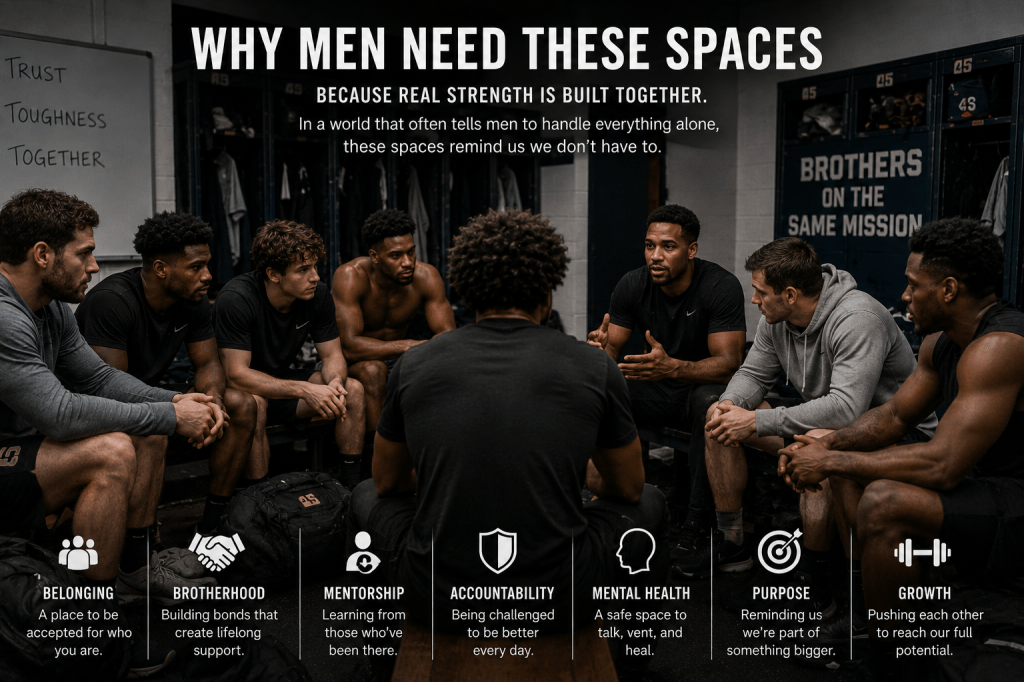
    Why Men Need These Spaces

    Many experts are concerned about increasing levels of loneliness among men.

    Fewer men belong to clubs.

    Fewer men participate in community organizations.

    Many friendships become increasingly isolated as men age.

    As a result, opportunities for meaningful male connection continue to shrink.

    That’s one reason why gyms, sports teams, recreational leagues, and locker rooms remain so important.

    They provide a place where men can gather without needing an agenda.

    A place where mentorship can happen naturally.

    A place where friendships can form organically.

    A place where men can learn, grow, and support one another.

    Final Thoughts

    The locker room isn’t perfect.

    It never has been.

    But when its culture is healthy, it becomes far more than a place to change clothes.

    It becomes a community.

    A classroom.

    A support system.

    A brotherhood.

    And in a world where many men are increasingly disconnected from one another, those spaces may be more important than ever.

    The goal shouldn’t be to eliminate locker room culture.

    The goal should be to create locker rooms worth being a part of.

    About Me

    Hi, I’m John J. Schessler, Jr.

    AFAA Sports Psychology Coach and graduate student pursuing my Master of Science in Sports Psychology, graduating in August 2026 from Capella University. More importantly, I’m someone who has spent much of my life exploring one question:

    What helps people become stronger—physically, mentally, and emotionally?

    My passion for human performance isn’t rooted solely in textbooks or certifications. It’s rooted in experience.

    At the age of ten, I was diagnosed with Guillain-Barré Syndrome, a rare neurological condition that placed me in a coma for six weeks and forced me to relearn many of the basic skills most people take for granted. That experience taught me lessons about resilience, identity, and perseverance that continue to shape my life today.

    Since then, I’ve dedicated my career to helping others overcome obstacles and unlock their potential.

    Professionally, I work with autistic students as a Behavior Interventionist, helping young people develop the skills necessary to navigate challenges and build meaningful lives. In the fitness and performance space, I’ve spent years coaching individuals toward healthier lifestyles, improved confidence, and greater physical performance.

    Through Athlete Mindset HQ, I bring these worlds together.

    This blog explores the intersection of sports psychology, fitness, men’s mental health, resilience, leadership, and personal growth. You’ll find conversations about athletic performance, motivation, masculinity, mindset, discipline, relationships, confidence, and the realities of growing as a man in today’s world.

    I believe strength is more than muscle.

    I believe mental toughness is more than simply “pushing through.”

    I believe healthy masculinity includes accountability, courage, emotional intelligence, and service to others.

    Most of all, I believe that growth happens when we are willing to challenge ourselves, learn from others, and remain committed to becoming better than we were yesterday.

    Whether you’re an athlete, coach, fitness enthusiast, or simply someone looking to improve your mindset and performance, I’m glad you’re here.

    Welcome to Athlete Mindset HQ.

    Let’s get to work.

  • If you walk into any gym at 6:00 AM or 9:00 PM, you’ll see them: guys staring intently at a barbell, plugging in headphones like they’re putting on armor, and moving weights with a quiet, almost desperate intensity.

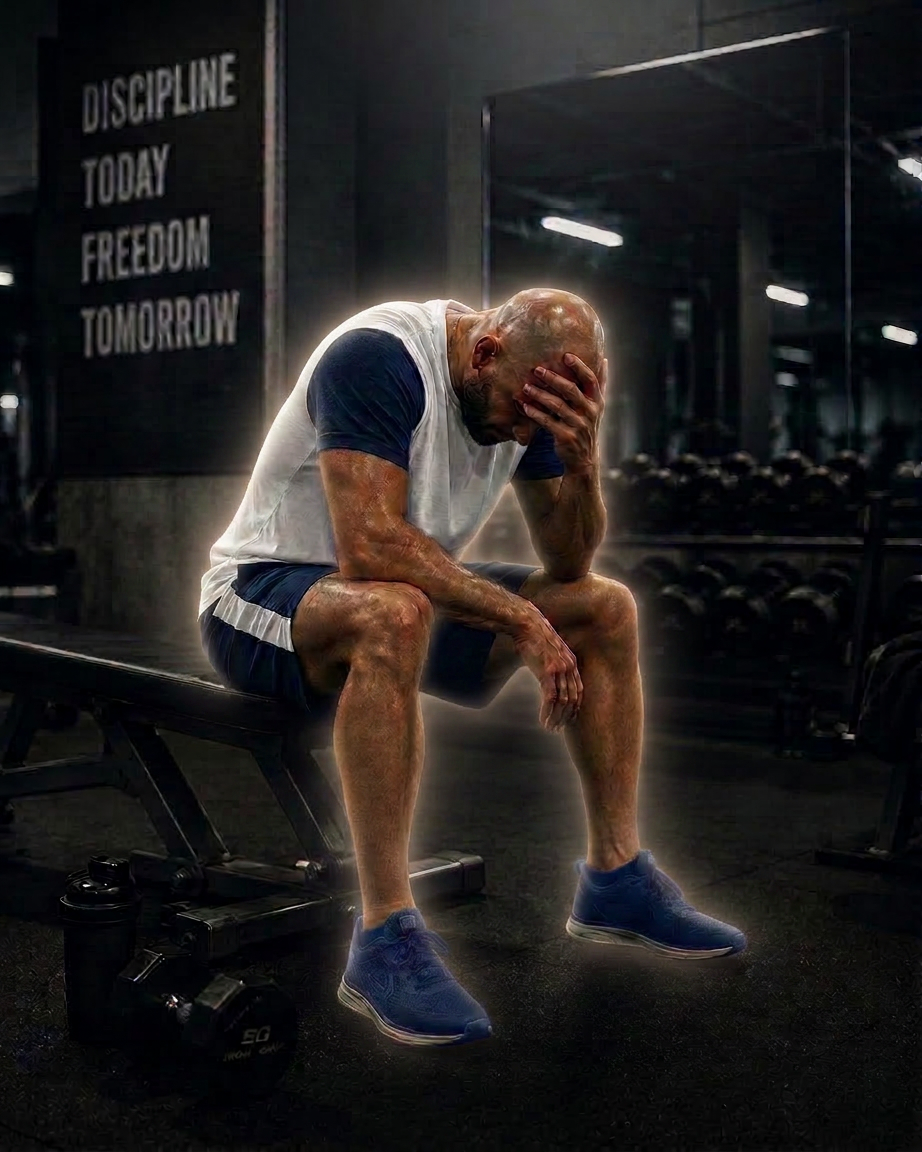
    To the casual observer, it looks like pure physical vanity—chasing a bigger chest or lower body fat. But look a little closer and you’ll realize that for millions of men, the gym isn’t just about building muscle. It is a sanctuary. It’s a coping mechanism.

    In a world where men are often unsure of where to take their emotional baggage, the gym has become the ultimate, unspoken therapy session. Here is why the iron locker room is doing the heavy lifting for men’s mental health.

    1. The Need for Actionable Coping (Instrumental Grieving)
      Psychologists often talk about two primary styles of dealing with pain: intuitive (talking it out, expressing feelings) and instrumental (doing, fixing, and physical action).

    Society often pushes men toward intuitive coping, but many men naturally gravitate toward instrumental processing. When life hits hard—a breakup, a job loss, or a grief they can’t put into words—sitting on a couch and talking about it can feel paralyzing.

    Moving a heavy object from point A to point B provides an immediate, tangible problem to solve. It translates abstract, chaotic emotional pain into a physical language they can actually understand and control.

    1. A Socially Acceptable “Zone Out”
      Men are often conditioned to “stay strong” and carry the weight of their world without complaining. While emotional vulnerability is slowly becoming more accepted, many men still feel immense pressure to never show weakness.

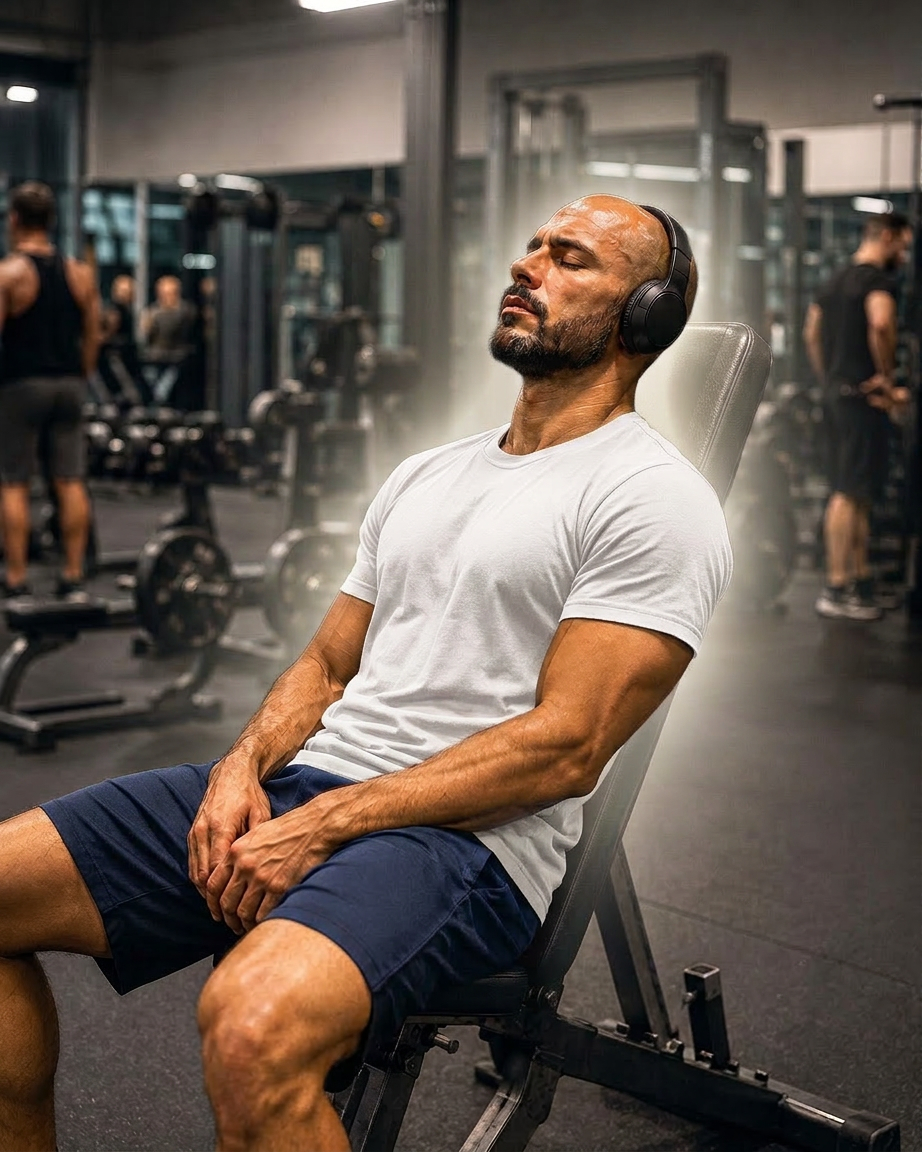
    The gym is one of the few places where a man can completely isolate himself without being questioned.

    Put the headphones in? You’re focused.

    Grunting or looking angry? You’re pushing yourself.

    Sitting alone in a corner staring at the wall? You’re just resting between sets.

    It provides a perfect camouflage. It allows men to be entirely in their own heads, processing anger, anxiety, or sadness, while looking completely normal to the outside world.

    1. The Biology of the “Reset Button”
      We can’t talk about the gym without talking about the chemical cocktail it provides. When stress spikes, the body is flooded with cortisol and adrenaline—the “fight or flight” hormones. If you’re stressed about a mortgage or a relationship, you can’t physically fight it or run away from it, so that chemical stress just stews inside you.

    Lifting weights or doing intense cardio gives those hormones an outlet. It tricks the brain into thinking the “battle” has been fought.

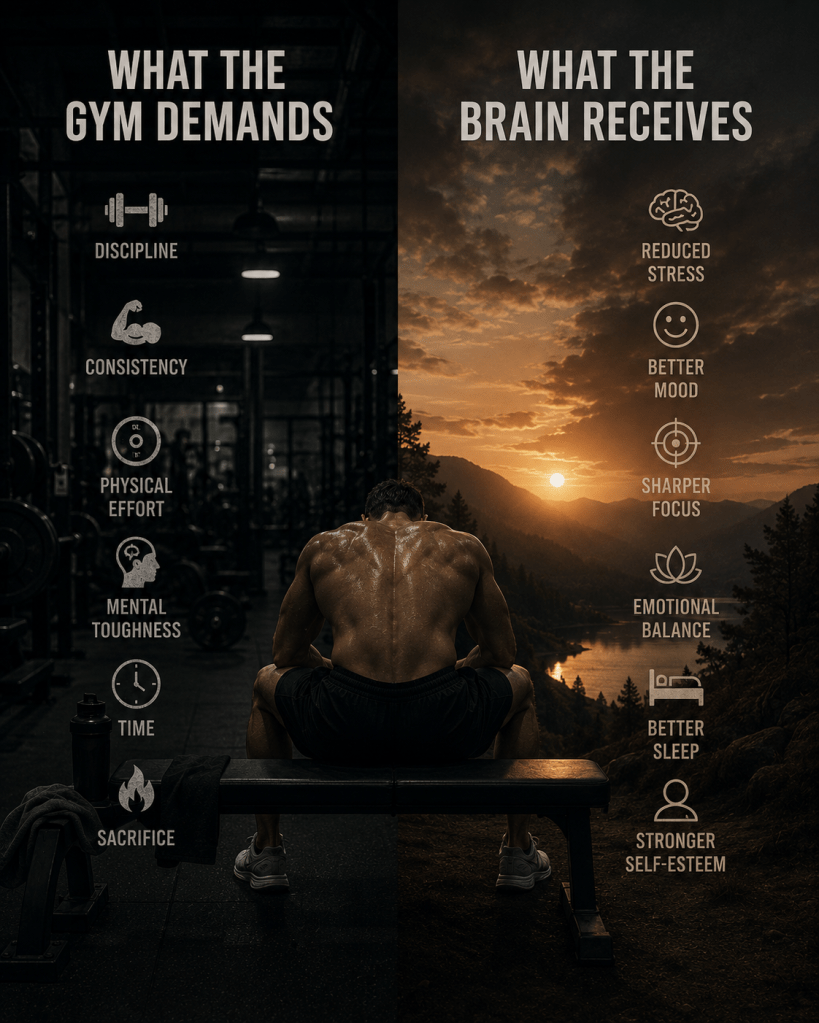
    What the Gym Demands What the Brain Receives
    High-intensity physical exertion: A massive drop in cortisol. (stress hormone)
    Pushing past a pain barrier, a flood of endorphins and dopamine. (the “feel-good” chemicals)
    Rhythmic, repetitive movement. A state of flow that mimics active meditation.
    After a brutal workout, the nervous system transitions from a sympathetic state (high alert) to a parasympathetic state (rest-and-digest). For a guy suffering from chronic anxiety, that post-workout calm is the closest thing to peace he might feel all day.

    1. Reclaiming a Sense of Control
      When life falls apart, it usually happens in ways we can’t control. You can’t force an ex to come back, you can’t force a boss to promote you, and you can’t fix a sick relative.

    But the gym is a micro-universe of absolute meritocracy. If you put 225 pounds on the bar, it will always weigh 225 pounds. It won’t lie to you, it won’t leave you, and it won’t change its mind. If you do the work, you get the result. In a chaotic life, the gym offers a predictable, controllable environment where effort directly correlates with progress.

    The Catch: When the Sanctuary Becomes a Cage
    While “Iron Therapy” is an incredible tool, it does have a dark side. Sometimes, the gym stops being a place to process emotions and becomes a place to numb them.

    If a man is using physical exhaustion to run away from problems he desperately needs to face, or if he is punishing his body out of self-loathing rather than building it up out of self-care, the gym ceases to be therapy. It becomes an addiction.

    The Bottom Line
    The next time you see a guy pushing his absolute limits on a random Tuesday night, remember that he probably isn’t just trying to fit into a smaller t-shirt. He might be lifting the weight of a bad week, a broken heart, or a quiet mind that refuses to shut up.

    The gym isn’t a replacement for a therapist, a supportive friend, or a good conversation. But for a lot of men, it is the first step toward healing—one rep at a time.

    About Me — Coach John Schessler

    I’m Coach John — the mind behind athleteMindsethq — and my mission is simple: help athletes build the kind of mental toughness, confidence, and resilience that shows up long after the final whistle blows.

    I coach from experience, education, and heart. As a Sports Psychology Coach and Behavior Interventionist for students with Autism. I’ve spent 15+ years working with athletes and students who have great potential but also face significant anxiety and pressure. My job? Teach them how to channel that pressure into power.

    Right now, I’m ascending to the next level of my professional career, pursuing my graduate degree in Sports Psychology so I can support athletes at an even higher level. Every day, I study how mindset, emotion, and performance work together — and every day, I bring that knowledge straight to the athletes and readers who trust me.

    This blog is your locker room talk for the mind.
    Here, we break limits.
    We train confidence.
    We learn how to stay locked in when it matters most.

    Because winning isn’t just physical — it’s mental.
    And when you master your mind, the rest follows.

    If you’re ready to grow, challenge yourself, and build an unshakeable mental edge… welcome to the team. Let’s get to work.

    #beingaman #emotionallyavailable #fitnessmindset #performancemindset #supermen #winning #goalsetting #clarityandbalance #confidence #resiliencemakesmen #lockedin

  • Walk into almost any gym today and you’ll notice something immediately:

    Most people aren’t training to move better anymore.
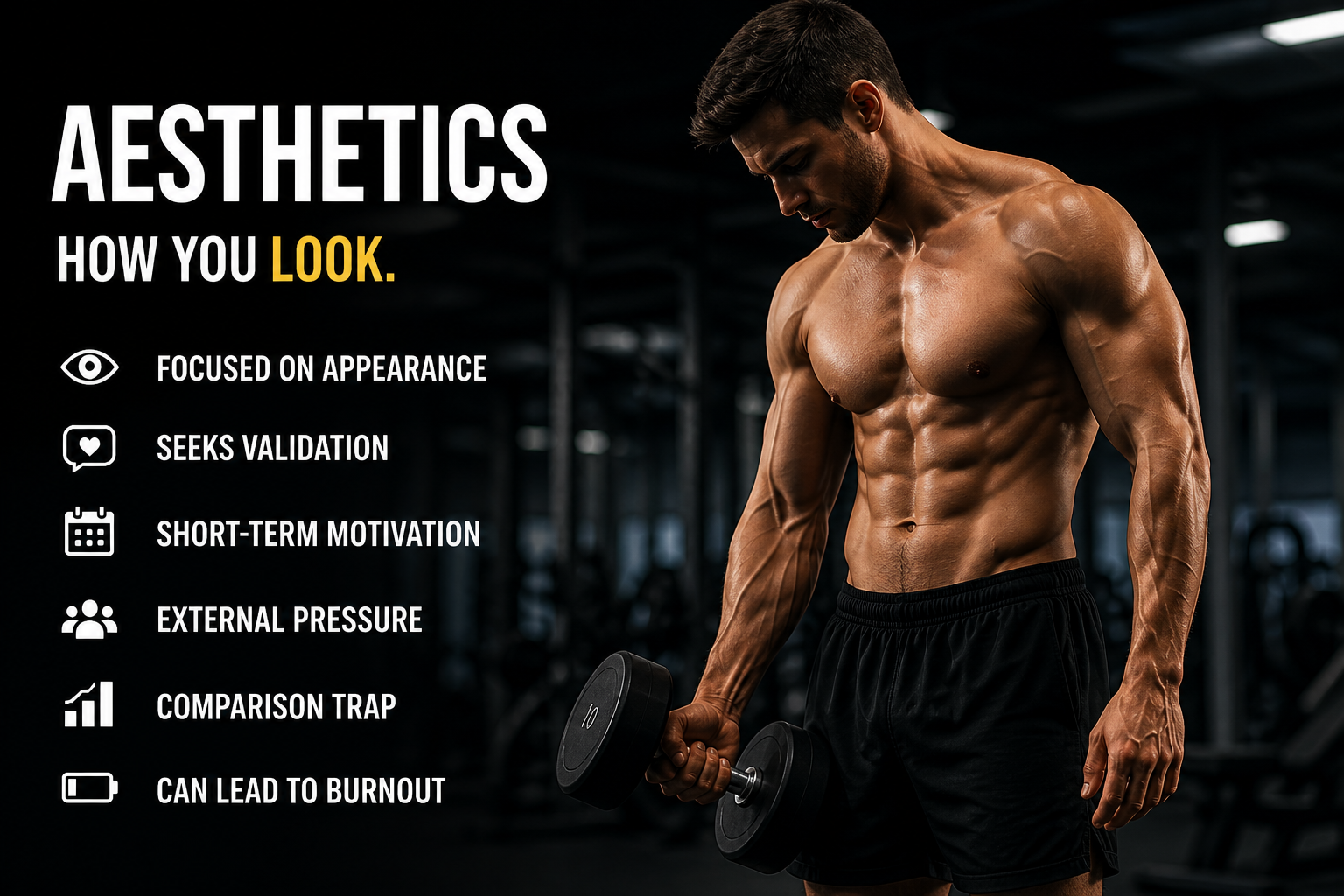
    They’re training to look better.

    Visible abs. Bigger shoulders. Leaner waistlines. Veins. The perfect physique under perfect lighting.

    And to be fair — there’s nothing inherently wrong with aesthetics. Wanting to feel attractive and confident is completely human. Physical appearance has always mattered socially, psychologically, and culturally.

    But somewhere along the way, modern fitness culture blurred the line between health and appearance.

    Now many people equate being fit with simply looking fit.

    And those are not always the same thing.


    The Rise of Aesthetic Fitness

    Social media transformed fitness into visual performance.

    Platforms like Instagram and TikTok reward physiques that photograph well:

    • Extremely lean body fat percentages
    • Hyper-developed muscle groups
    • Unrealistic proportions
    • Constant “transformation” content
    • Extreme dieting and training methods

    The problem is that social media rarely shows the full reality behind those bodies:

    • Dehydration before photos
    • Performance-enhancing drugs
    • Editing and filters
    • Strategic lighting and angles
    • Unsustainable routines
    • Mental burnout

    Over time, these physiques become normalized.

    People start comparing themselves to curated snapshots instead of real human health.

    And eventually, fitness can stop being about wellness altogether.

    It becomes image management.


    What Is Functional Fitness?

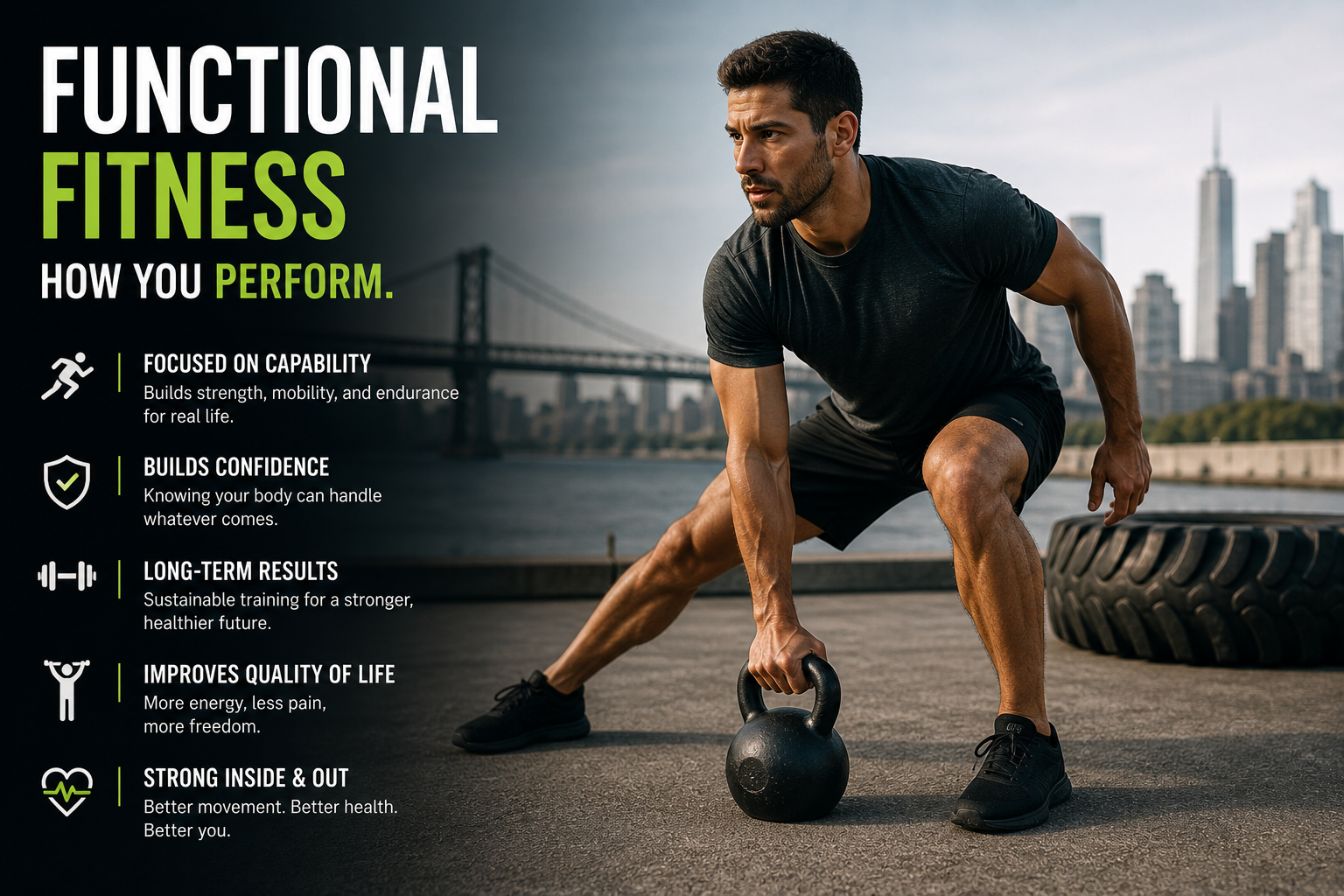
    Functional fitness focuses less on appearance and more on capability.

    Instead of asking:

    “How does my body look?”

    Functional training asks:

    “What can my body do?”

    Can you:

    • Run without exhaustion?
    • Move pain-free?
    • Carry heavy objects?
    • Stay athletic as you age?
    • Recover properly?
    • Maintain mobility and balance?
    • Perform well under physical stress?
    • Sustain energy throughout your day?

    Functional fitness emphasizes:

    • Strength
    • Endurance
    • Mobility
    • Coordination
    • Athleticism
    • Longevity
    • Injury prevention
    • Real-world movement

    It trains the body as a system — not just as something to visually optimize.


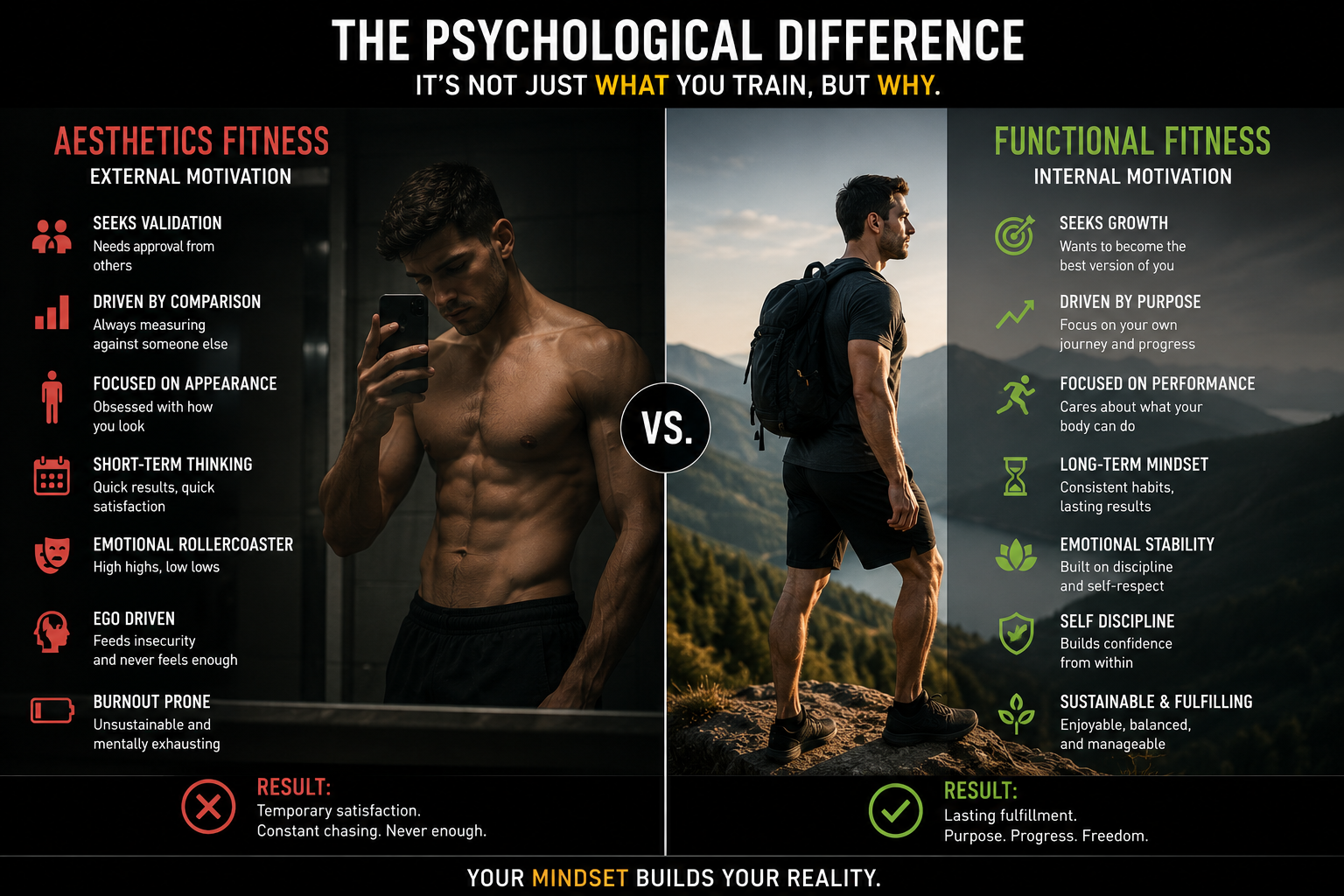
    The Psychological Difference

    One of the biggest differences between aesthetic fitness and functional fitness is psychological.

    Aesthetic-focused training often creates external motivation:

    • Validation
    • Attention
    • Comparison
    • Approval
    • Attractiveness

    Functional fitness tends to create internal motivation:

    • Performance
    • Discipline
    • Confidence
    • Energy
    • Resilience
    • Self-respect

    That difference matters.

    Because external validation is unstable.

    If your confidence depends entirely on staying shredded year-round, eventually your mental health becomes tied to fluctuations in body fat, muscle size, and appearance.

    That’s a dangerous foundation.

    Many people trapped in aesthetic-only fitness cycles experience:

    • Body dysmorphia
    • Food guilt
    • Obsessive mirror checking
    • Anxiety around social eating
    • Overtraining
    • Burnout
    • Constant comparison

    Ironically, the pursuit of looking “healthy” can sometimes become psychologically unhealthy.


    Why Functional Fitness Ages Better

    Aesthetics naturally change with time.

    Everyone ages.
    Recovery slows.
    Hormones shift.
    Life responsibilities increase.
    If identity is built entirely around physical perfection, aging can feel devastating.

    Functional fitness offers something more sustainable.
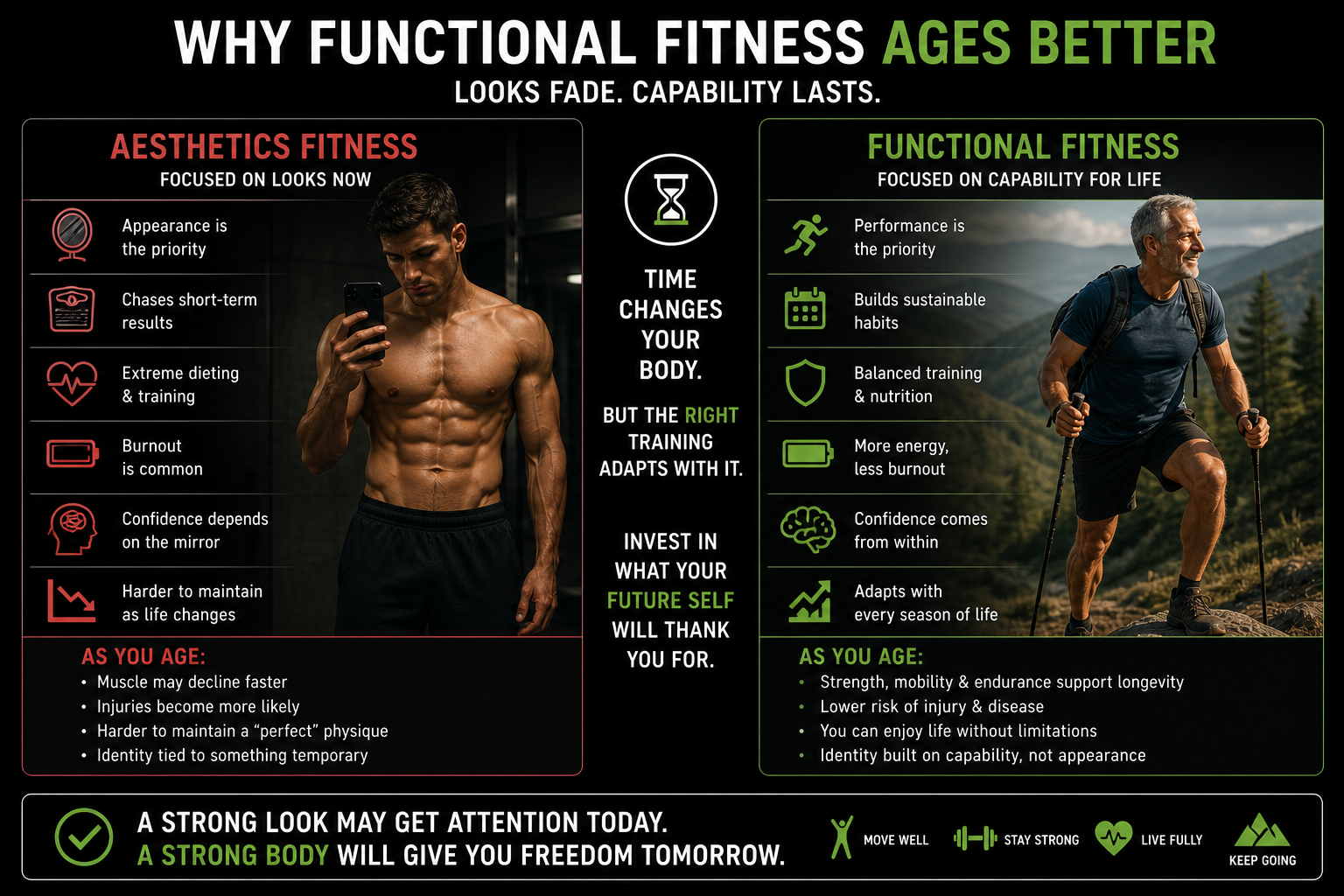
    A person who trains functionally may still care about appearance — but appearance is not the sole objective.
    The goal becomes:

    • Staying capable
    • Staying active
    • Staying mentally sharp
    • Staying independent
    • Staying strong enough to fully participate in life

    That mindset tends to create a healthier long-term relationship with fitness.

    And interestingly enough, many people who train primarily for function still end up looking impressive physically.

    But there’s less desperation attached to it.


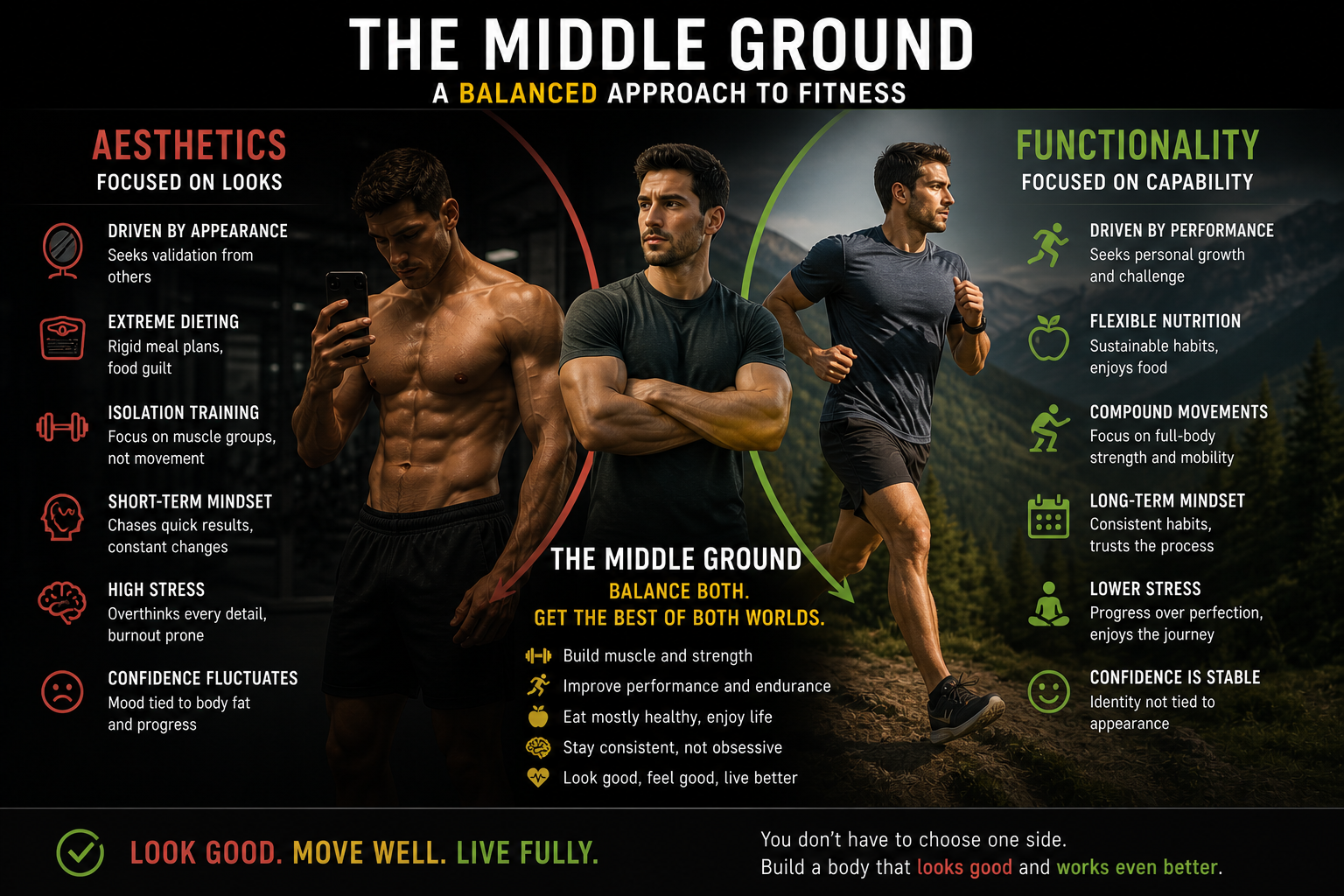
    The Middle Ground

    This doesn’t have to be an either-or conversation.

    You can care about aesthetics and functionality.

    You can want muscle definition while also prioritizing:

    • Heart health
    • Mobility
    • Performance
    • Mental wellness
    • Longevity

    The issue begins when aesthetics become the only measure of success.

    Because the mirror is never fully satisfied.

    There will always be:

    • Someone leaner
    • Someone bigger
    • Someone younger
    • Someone more genetically gifted
    • Someone more enhanced

    If fitness becomes purely appearance-driven, the finish line keeps moving forever.


    What Real Fitness Might Actually Look Like

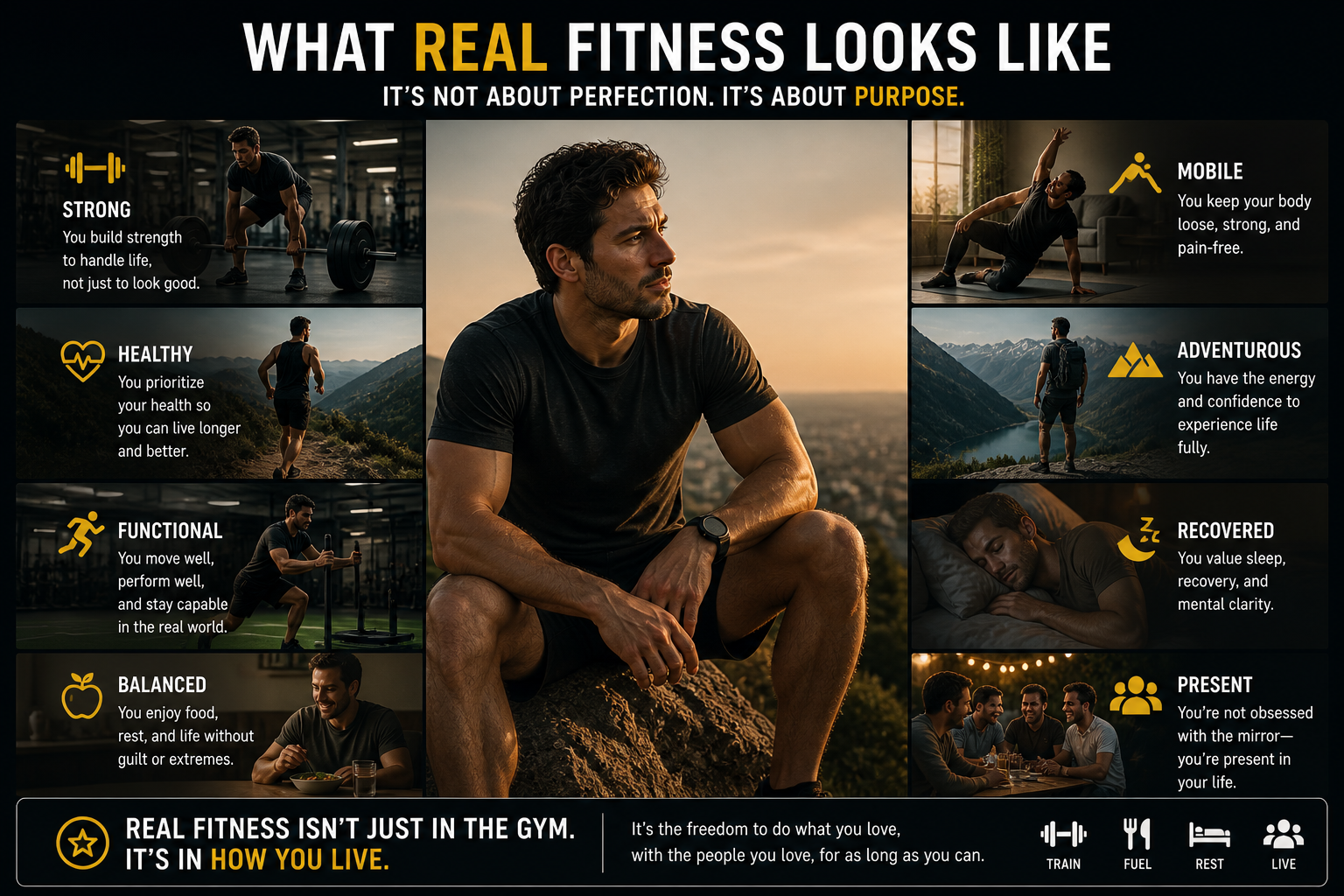
    Real fitness is probably less about chasing perfection and more about building a body that supports your life.

    A body that:

    • Has energy
    • Handles stress
    • Moves confidently
    • Performs reliably
    • Feels strong
    • Allows freedom
    • Supports mental health instead of harming it

    There’s nothing wrong with wanting to look good.

    But functionality gives fitness something aesthetics alone cannot:
    purpose beyond the mirror.

    And in the long run, purpose usually lasts longer than appearance.

    #fitness #aesthetics #functionality #beyondthemirror #findyourwhy #menshealth #masculinity #accountability #proactivemedicine #lookinggood #feelinggood #confident #strong

    About THE AUTHOR

    Coach John Schessler Jr.

    I’m Coach John — the mind behind AthleteMindsetHQ — and my mission is simple: help athletes build the kind of mental toughness, confidence, and resilience that shows up long after the final whistle blows.

    I coach from experience, education, and heart. As a Sports Psychology Coach and Behavior Interventionist, I’ve spent years working with athletes and students who carry big potential but also big pressure. My job? Teach them how to channel that pressure into power.

    Right now, I’m leveling up my own game, pursuing my graduate degree in Sports Psychology so I can support athletes at an even higher level. Every day, I study how mindset, emotion, and performance work together — and every day, I bring that knowledge straight to the athletes and readers who trust me.

    This blog is your locker room talk for the mind.
    Here, we break limits.
    We train confidence.
    We learn how to stay locked in when it matters most.

    Because winning isn’t just physical — it’s mental.
    And when you master your mind, the rest follows.

    If you’re ready to grow, challenge yourself, and build an unshakeable mental edge… welcome to the team. Let’s get to work.

  • In today’s culture, masculinity is often misunderstood.

    Some people reduce it to aggression, dominance, or emotional suppression. Others reject it entirely, treating masculine traits as outdated or problematic. But when properly understood, masculinity is not about intimidation or ego—it is about disciplined strength, responsibility, integrity, and self-mastery.

    Few environments reveal the truth about masculinity more clearly than sports.

    Sports strip away performance and expose character. When the pressure rises, when fatigue sets in, when adversity hits, who a man really is begins to show. And one of the clearest reflections of mature masculinity in athletics is sportsmanship.

    Sportsmanship Is Masculinity Under Control

    Anyone can be aggressive.

    Anyone can talk tough when things are going their way.

    But it takes a different kind of man to remain composed in victory, respectful in defeat, and disciplined in conflict.

    Sportsmanship is not weakness.
    It is strength governed by character.

    True sportsmanship requires a man to:

    Compete ferociously without losing emotional control
    Respect opponents without fearing them
    Handle defeat without excuses
    Win without arrogance
    Accept accountability when he falls short

    That is not softness. That is disciplined masculinity.

    Competition Reveals Character

    Sports have always been one of the greatest proving grounds for young men because competition forces internal growth.

    You cannot hide from:

    Failure
    Pressure
    Criticism
    Physical discomfort
    Emotional frustration

    In those moments, boys either develop resilience—or they collapse into excuses.

    This is why sports matter far beyond the scoreboard.

    The right coach, team culture, and competitive environment do not merely build athletes. They build men.

    Because every rep, every loss, every hard practice teaches lessons about:

    -Delayed gratification
    -Emotional regulation
    -Accountability
    -Leadership
    -Humility
    -Brotherhood
    -Masculinity Without Character Becomes Toxic

    Strength alone is not virtue.

    Confidence without humility becomes arrogance.
    Aggression without discipline becomes recklessness.
    Competitiveness without respect becomes selfishness.

    Masculinity is only healthy when it is paired with character.

    Sportsmanship serves as the balancing force.

    It reminds athletes that:

    Dominating an opponent does not make you superior as a person
    Losing does not diminish your worth
    Respect for others enhances, rather than weakens, competitive fire
    Leadership means elevating teammates, not just yourself
    Young Men Need Better Models

    Too many boys today learn masculinity from extremes.

    They are told either:

    Masculinity is inherently dangerous and should be softened, or
    Masculinity means dominance, emotional detachment, and brute force

    Both messages miss the mark.

    Young men need examples of masculinity that are:

    -Strong but controlled
    -Confident but humble
    -Competitive but respectful
    -Assertive but emotionally intelligent
    -Tough but principled

    Sports, when taught correctly, can provide that model.

    At its best, sportsmanship teaches men one of life’s most important lessons:

    Power means little without control.

    The strongest man in the room is not the loudest.
    Not the most aggressive.
    Not the most feared.

    It is the man who can harness his strength with discipline, compete with honor, and carry himself with integrity regardless of outcome.

    That is masculinity.

    And that is what sports should be teaching.

    Real Examples of Masculinity Done Right

    It’s easy to talk about character in theory. It’s harder—and more powerful—to point to men who consistently live it out under the brightest lights and highest pressure.

    Some of the strongest examples of masculinity in sports today aren’t just dominant athletes—they’re disciplined, respectful, and accountable competitors.

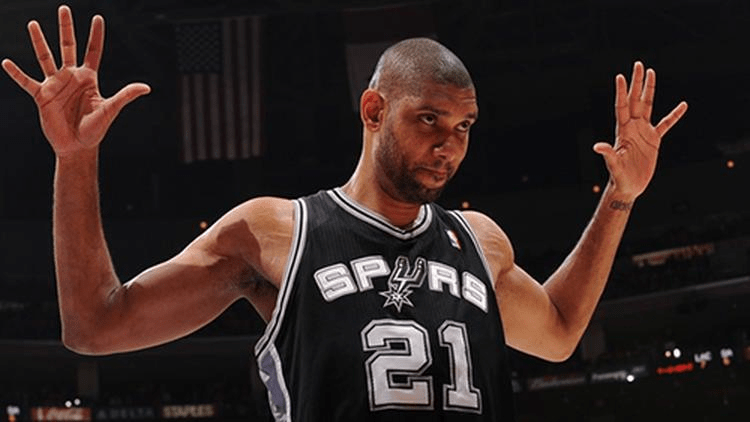
    Tim Duncan – Quiet Leadership, Relentless Consistency

    Nicknamed “The Big Fundamental,” Duncan wasn’t flashy, loud, or attention-seeking. He didn’t need to be.

    He led through:

    Consistency
    Composure
    Respect for the game

    He rarely argued with officials, never chased the spotlight, and treated teammates and opponents with the same level of professionalism. His greatness came from mastery and discipline—not ego.

    That’s masculinity rooted in self-control.

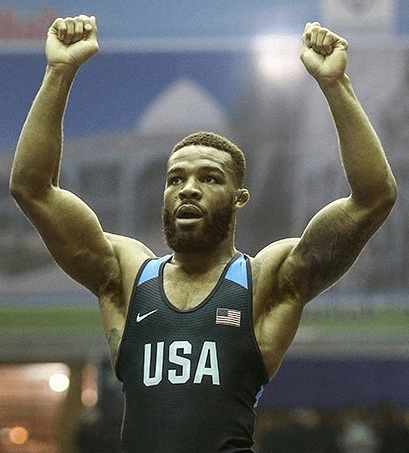
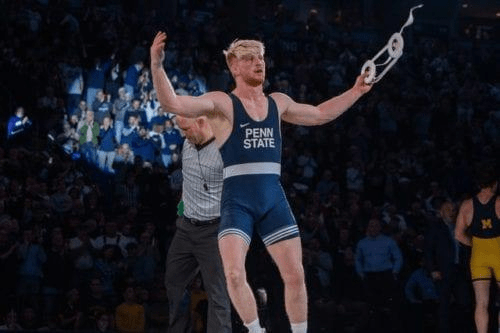
    Jordan Burroughs – Fierce Competitor, Respectful Champion

    Burroughs is one of wrestling’s greatest competitors, yet he consistently displays humility, gratitude, and respect for the sport and his opponents. He embodies the idea that you can compete with intensity while remaining grounded in character.

    These men remind us that masculinity is not about being the most intimidating person in the room—it is about carrying strength with discipline and responsibility.

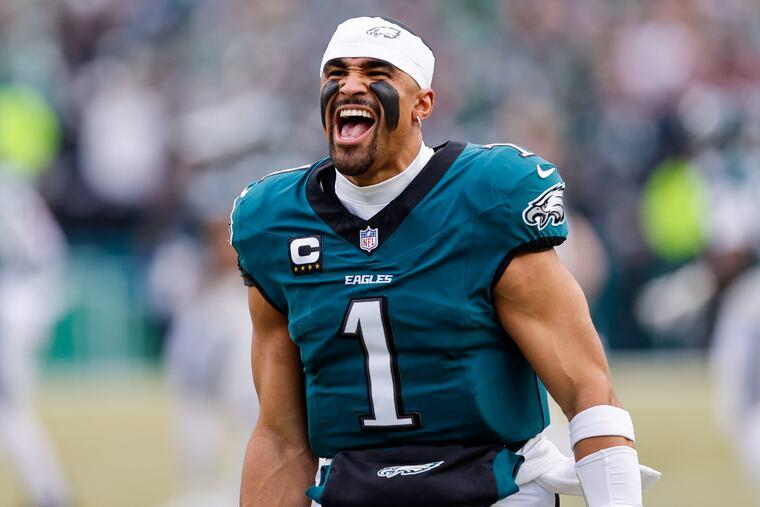
    Jalen Hurts – Accountability in the Face of Pressure

    Hurts has become one of the clearest modern examples of composed leadership.

    Win or lose, his message stays the same:

    “I take full responsibility.”
    “We’ll learn from it.”

    No excuses. No finger-pointing. No emotional volatility.

    In a league built on ego and pressure, Hurts models something different—steady confidence, humility, and emotional control.

    That’s masculinity grounded in accountability.

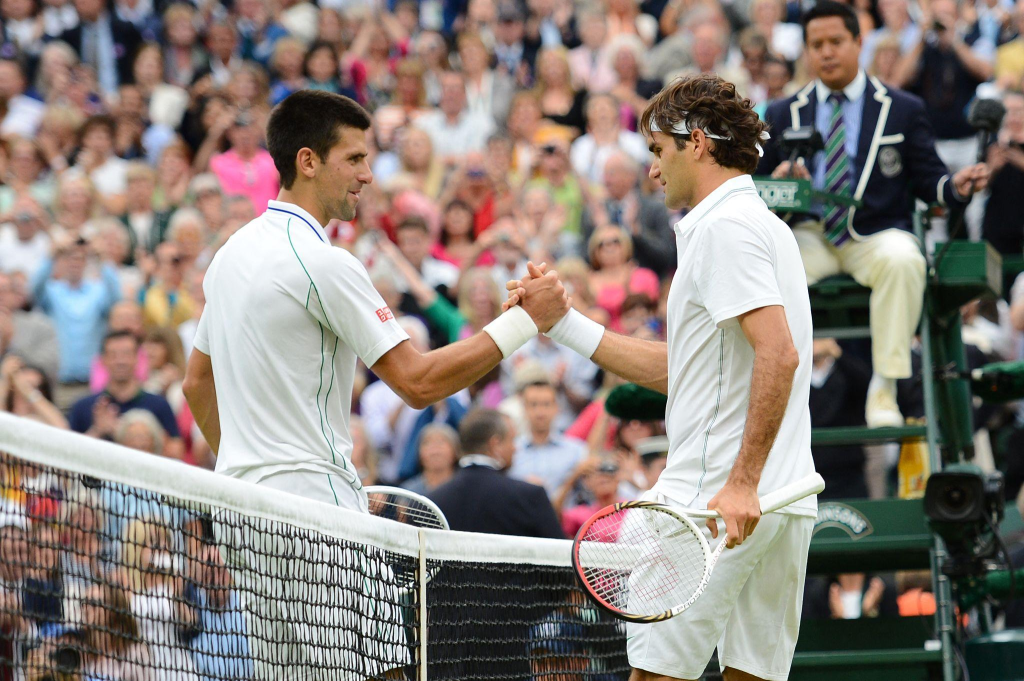
    Roger Federer – Grace in Victory and Defeat

    Federer dominated tennis for years, but what set him apart wasn’t just his skill—it was his grace.

    He showed:

    Respect for opponents, even in intense rivalries
    Emotional honesty (including tears after both wins and losses)
    Deep appreciation for the game

    He proved that emotional expression and masculinity are not opposites—they’re part of maturity.

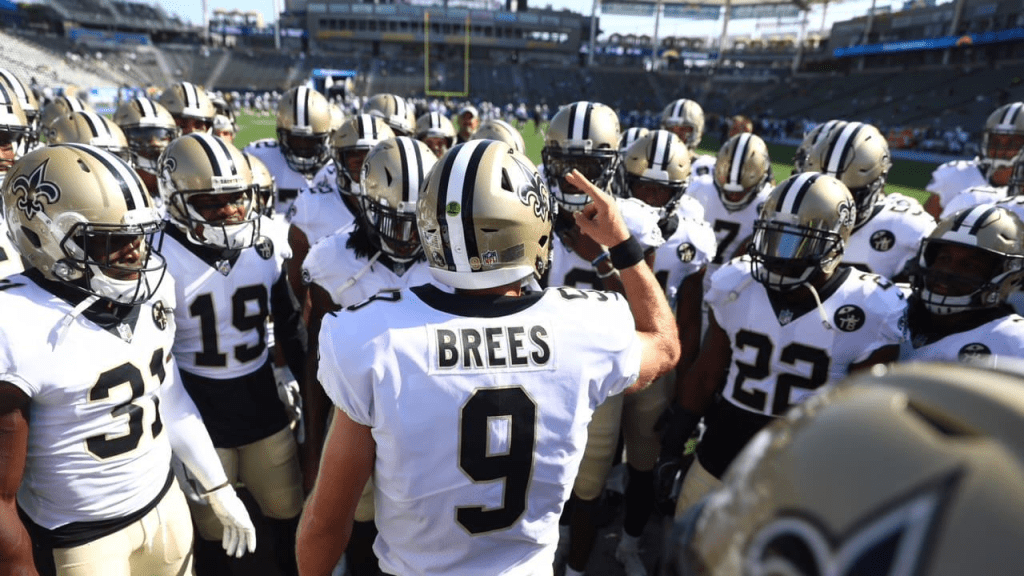
    Drew Brees – Leadership Beyond the Game

    Brees built a reputation not just as a great quarterback, but as a respected leader.

    He consistently demonstrated:

    Respect for opponents
    Care for teammates
    Commitment to community

    His leadership extended beyond performance—it was about responsibility and influence.

    That’s masculinity expressed through service.

    What These Men Show Us

    These athletes are not perfect—but they consistently model something deeper than performance.

    They show that masculinity is not about:

    Being the loudest
    Being the most intimidating
    Or proving dominance at all costs

    It’s about:

    -Discipline over impulse
    -Respect over ego
    -Accountability over excuses
    -Composure under pressure

    In a culture that often confuses masculinity with intensity alone, these men remind us:

    True strength is controlled, not chaotic.

    About Me

    Hi, I’m John Schessler, a graduate student in Sports Psychology, Behavior Interventionist, and certified Sports Psychology Coach (AFAA) with a passion for helping athletes build stronger minds, healthier habits, and unshakable confidence. My work blends mental performance coaching, psychology, and lived experience to help people show up as their best selves—on the field, in the gym, and in everyday life.

    I’ve always believed that mental strength is the real competitive edge. That belief pushed me toward a career that combined my love of sport with my mission to support mental wellness. Whether I’m working with students at Merakey Autism Education Centers, coaching athletes through pressure and performance anxiety, or developing new mental-skills tools, I’m constantly exploring how mindset, behavior, and resilience shape performance.

    Right now, I’m pursuing my M.S. in Sports Psychology with the goal of becoming an Athletic Mental Health Counselor. I want to change the narrative around male athletes’ well-being, break stigmas, and help athletes of all backgrounds access mental-performance support that actually meets them where they are.

    This blog is a place where I bring together everything I’ve learned—research, personal experience, coaching insights, and the lessons athletes teach me every day. My hope is that you’ll find something here that inspires you, supports you, or simply reminds you that you’re not alone in your journey to become mentally stronger.

    If you’re an athlete, parent, coach, educator, or someone chasing self-improvement, welcome. You’re exactly where you need to be.

    #menandmasculinities #fitness #menhealth #athletes #football #coaching #education #sportspsychology #malemind #sportmanship #communication #wrestling #discipline #followthroughpodcast