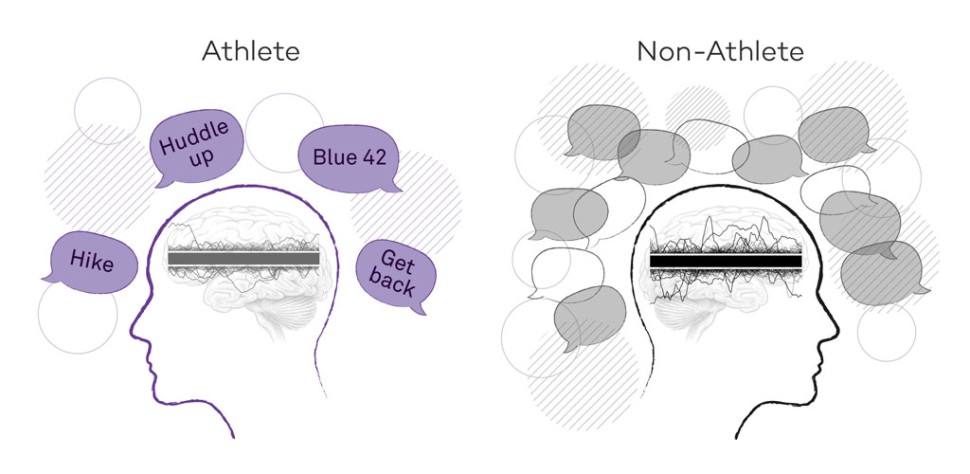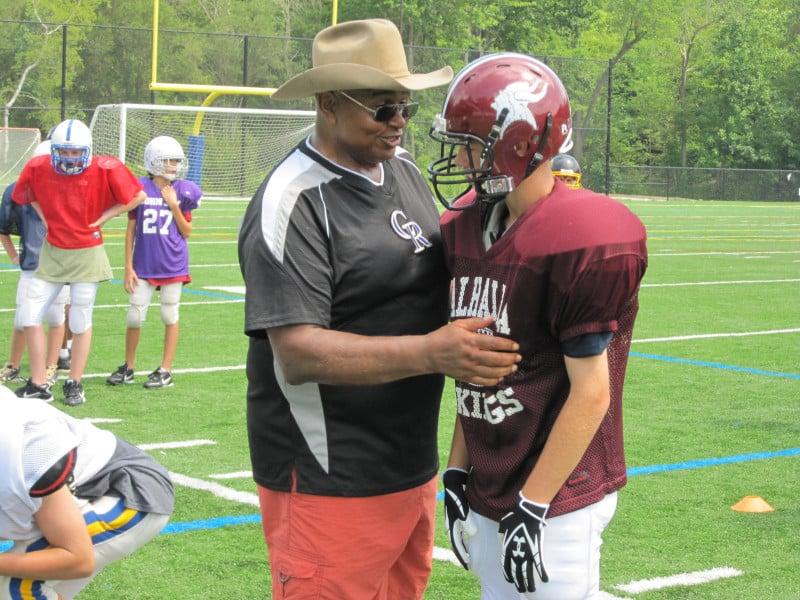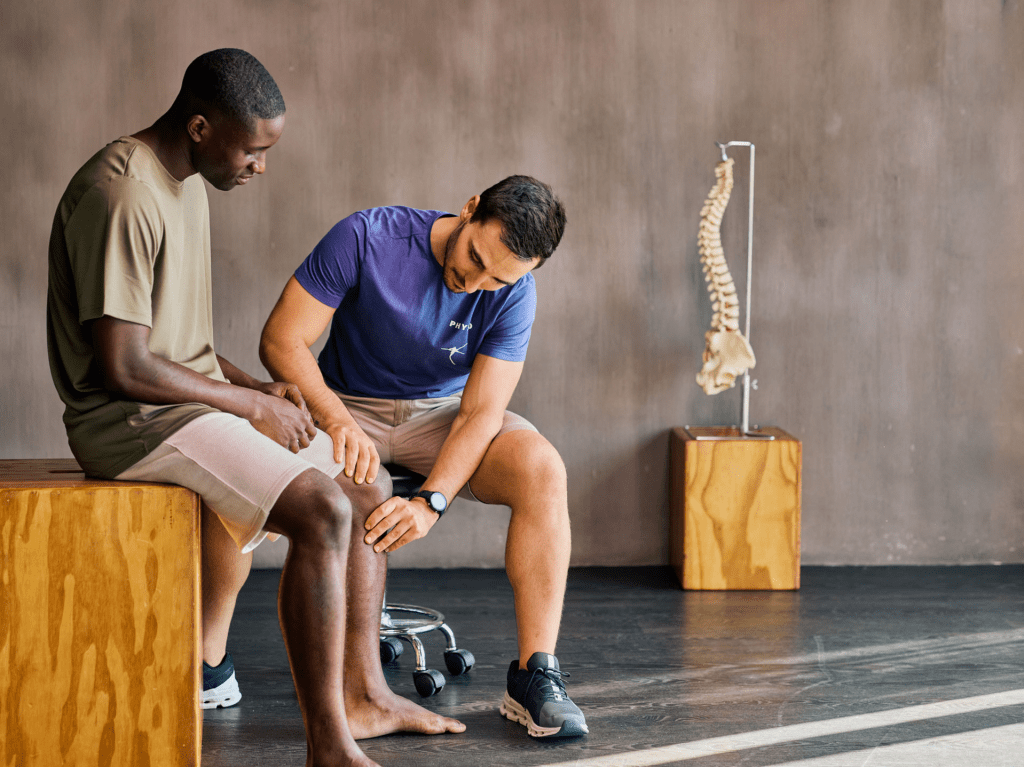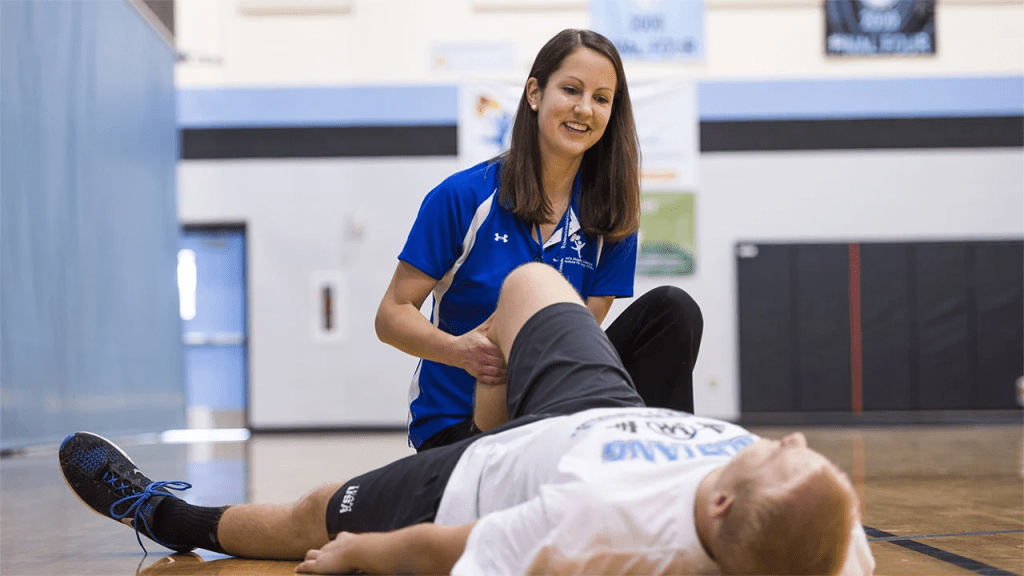
Athlete Mindset HQ Institute

A Blog for health, wellness and mindfulness information…

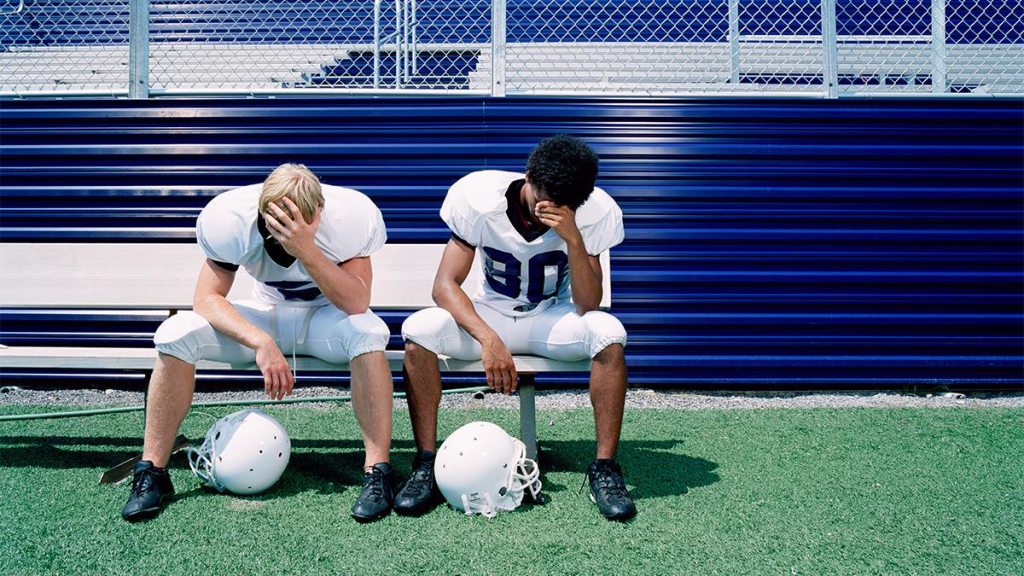
  • There’s a hard truth about raising boys that doesn’t get talked about enough: they’re always watching. Not just when you’re teaching them something, but in the quiet, everyday moments—how you handle stress, how you treat people, how you respond when life doesn’t go your way.

    For a son, a father isn’t just a parent. He’s the first blueprint of manhood.

    Modeling Over Messaging

    You can give a boy all the right advice in the world—be disciplined, be respectful, be strong—but if your actions don’t match, the message won’t stick. Kids don’t become what they’re told. They become what they consistently see.

    If you want your son to be disciplined, let him see your routines. Let him see you follow through when it’s inconvenient.

    If you want him to be respectful, show him what that looks like—toward strangers, toward family, and especially in moments where it would be easier not to be.

    If you want him to be strong, redefine strength for him. Strength isn’t just toughness. It’s accountability. It’s emotional control. It’s being able to admit when you’re wrong and grow from it.

    The Power of Presence

    Being a role model isn’t about perfection—it’s about presence.

    A lot of fathers feel pressure to “get it right” all the time. But what matters more is showing up consistently. Being there. Being engaged. Letting your son see you try, struggle, adjust, and improve.

    That’s where real learning happens.

    Because when a boy watches his father navigate challenges with effort and integrity, he starts to build an internal standard for how he’ll handle his own life.

    What You Pass Down (Whether You Mean To or Not)
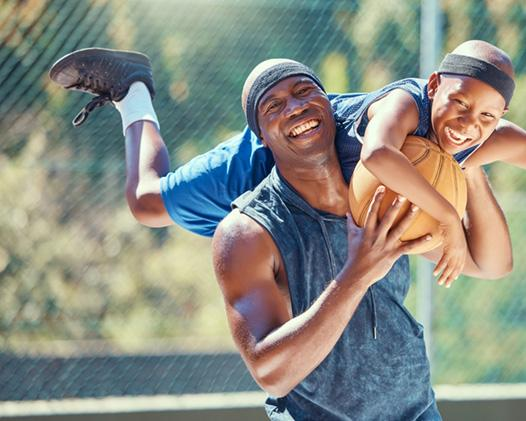
    Every father passes something down—habits, beliefs, emotional patterns, standards.

    The question isn’t if your son will carry pieces of you into the world. It’s which pieces.

    Will he carry discipline or avoidance?
    Respect or indifference?
    Confidence or insecurity masked as ego?

    Those things aren’t inherited by accident. They’re learned through repetition—through what he sees day after day.

    The Long Game of Leadership
    Fatherhood is leadership, whether it’s approached that way or not.

    It’s not about control. It’s about influence. And influence is built through consistency over time.

    The way you speak.
    The way you react.
    The standards you hold when nobody’s watching.

    That’s what shapes him.

    Final Thought

    You’re not just raising a boy—you’re shaping a future man.

    One day, your son will step into the world carrying pieces of you in how he thinks, how he acts, and how he treats others.

    Make sure those pieces are strong enough to build something meaningful.

    Because in the end, the greatest lesson a father can give his son isn’t something he says—

    It’s something he lives.

    #thefutureofmen #raisingboys #authenticmanhood #goodmenraisegoodmen #healthymasculinity #lifelessons #fathersandsons #teachers #mentors #educators #manhood

    About Me

    Hi, I’m John Schessler Jr., a graduate student in Sports Psychology, Behavior Interventionist, and certified Sports Psychology Coach (AFAA) with a passion for helping athletes build stronger minds, healthier habits, and unshakable confidence. My work blends mental performance coaching, psychology, and lived experience to help people show up as their best selves—on the field, in the gym, and in everyday life.

    I’ve always believed that mental strength is the real competitive edge. That belief pushed me toward a career where I could combine my love of sport with my mission to support mental wellness. Whether I’m working with students at Merakey, coaching athletes through pressure and performance anxiety, or developing new mental-skills tools, I’m constantly exploring how mindset, behavior, and resilience shape performance.

    Right now, I’m pursuing my M.S. in Sports Psychology with the goal of becoming an Athletic Mental Health Counselor. I want to change the narrative around athlete well-being, specifically male athletes; break stigmas and help athletes of all backgrounds access mental-performance support that actually meets them where they are.

    This blog is a place where I bring together everything I’ve learned—research, personal experience, coaching insights, and the lessons athletes teach me every day. My hope is that you’ll find something here that inspires you, supports you, or simply reminds you that you’re not alone in your journey to become mentally stronger.

    If you’re an athlete, parent, coach, educator, or someone chasing self-improvement, welcome. You’re exactly where you need to be.

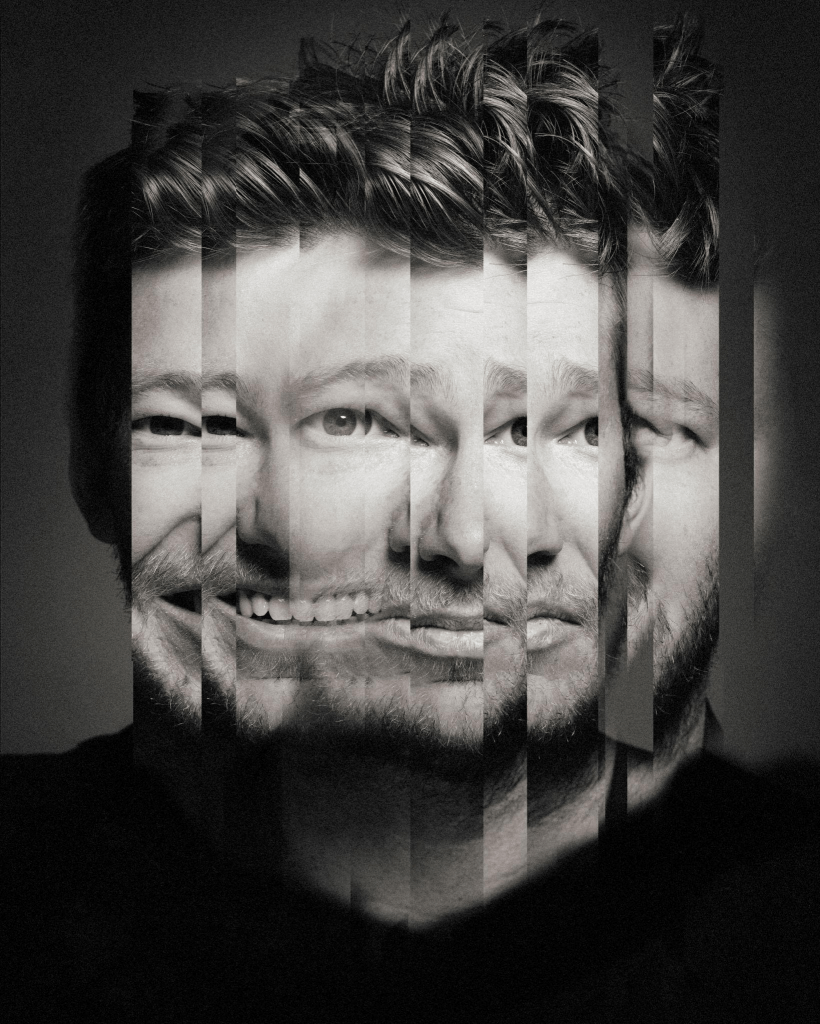
  • Masculinity shows up loudest in performance environments.

    On the field. In the gym. In competition. Under pressure.

    Because for many men, performance isn’t just something they do—it’s something they are.

    And that’s where masculine psychology becomes a performance factor, not just a personality trait.

    For a lot of male athletes, identity gets built around one core question:

    “Am I good enough?”

    From a young age, boys are reinforced for:

    • Winning
    • Being tough
    • Pushing through pain
    • Not showing weakness

    Psychologist William Pollack described this as the “Boy Code”—a system that rewards toughness while discouraging emotional expression (Pollack, 1998).

    Layer that into sport, and identity becomes performance-based:

    • Play well → confidence rises
    • Play poorly → identity takes a hit

    Developmentally, this connects to Erik Erikson’s theory of identity formation—where unresolved questions of competence and self-worth continue into adulthood (Erikson, 1968).

    So when an athlete struggles, it’s not just “a bad game.”

    It can feel like:

    “I’m not enough.”


    ⚔️ Pressure: Why It Feels So Heavy

    Pressure hits men differently in sport because of what’s underneath it:

    Expectation + Identity + Visibility

    Research by Ronald F. Levant shows that many men struggle to process emotions due to restrictive norms around expression (Levant, 1992).

    So instead of saying:

    “I’m nervous”
    “I’m overwhelmed”

    It turns into:

    Overthinking
    Tightness
    Hesitation
    Anger

    Add in gender role conflict theory from James O’Neil, and you get a clearer picture: men feel pressure to succeed and pressure not to show struggle (O’Neil, 2008).

    That’s a brutal combination in performance settings.


    🧩 The Invisible Grind (And Why It Matters)

    Here’s something athletes feel but rarely say:

    A lot of what they do goes unnoticed.

    Early mornings. Extra reps. Playing through pain. Mental battles no one sees.

    And when effort isn’t acknowledged, it creates:

    • Mental fatigue
    • Burnout
    • “Why am I doing this?” thoughts

    For many male athletes, effort = worth.

    So when effort feels invisible, motivation starts to crack.

    This is where good coaching matters—not just correcting performance, but recognizing it.

    Sometimes all it takes is:

    “I see the work you’re putting in.”

    That line hits deeper than people think.


    🧒 The Inner Game: The “Little Boy” Shows Up Under Pressure

    This is the part most athletes don’t talk about:

    Pressure doesn’t just test skill—it exposes identity.

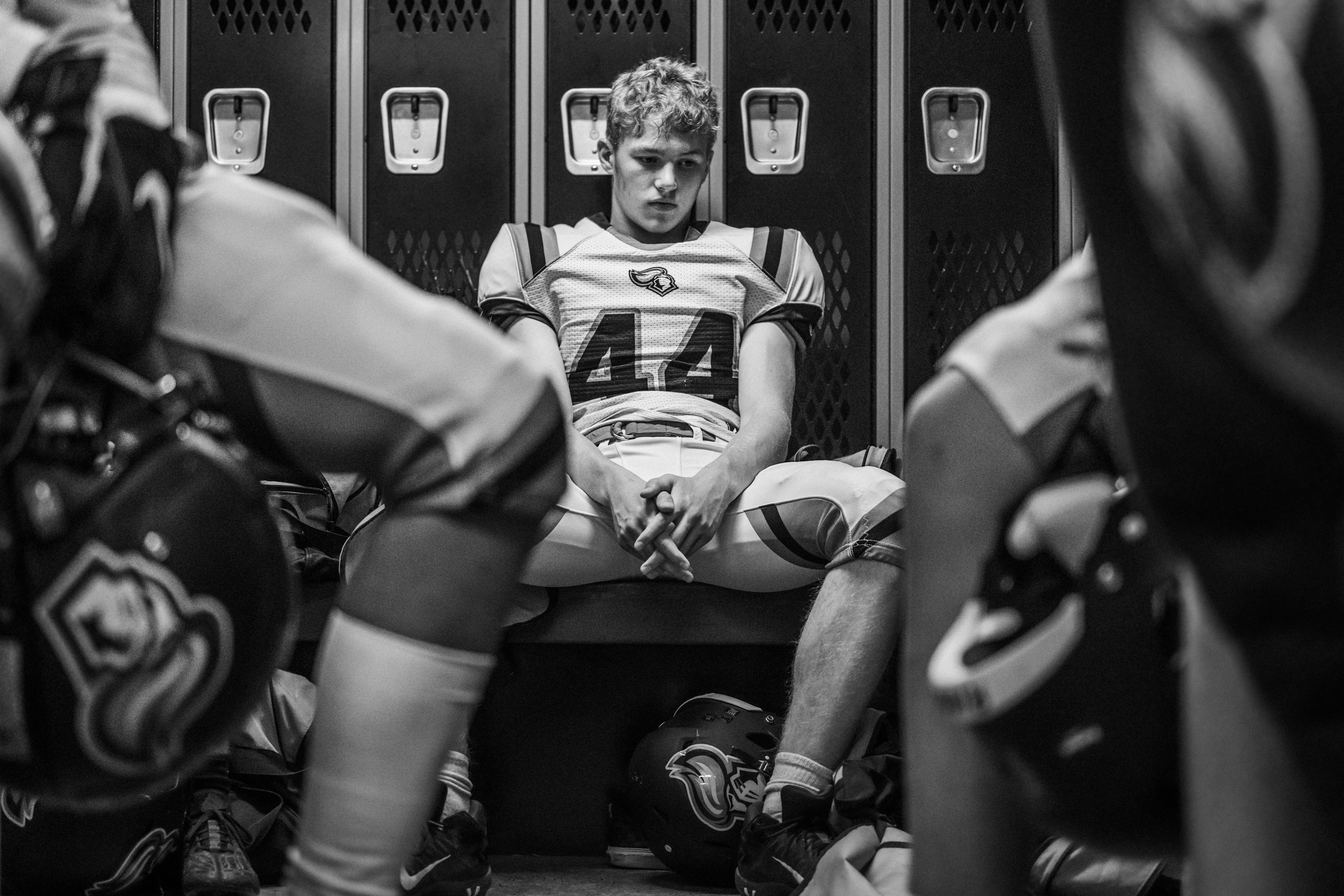
    Underneath the confident athlete is often a younger version still asking:

    • “What if I mess this up?”
    • “What will people think?”
    • “Do I belong here?”

    Psychodynamic theory (Sigmund Freud; Carl Jung) explains that earlier emotional experiences stay active and influence current behavior (Freud, 1923; Jung, 1969).

    More directly, Internal Family Systems by Richard Schwartz suggests athletes carry multiple “parts”—including younger, uncertain ones that surface under stress (Schwartz, 1995).

    So when an athlete “chokes” or tightens up?

    It’s not just physical.

    It’s psychological:

    The younger, uncertain part just got loud.


    🤝 Why Athletes Struggle to Talk About It

    Most male athletes don’t lack connection—they lack depth.

    Locker rooms are full of:

    • Banter
    • Competition
    • Surface-level bonding

    But rarely:

    • Vulnerability
    • Honest conversations about pressure

    Attachment theory (John Bowlby; Mary Ainsworth) shows that early emotional environments shape how people seek support (Bowlby, 1988; Ainsworth, 1978).

    If an athlete learned:

    • “Handle it yourself”
    • “Don’t show weakness”

    Then even when support is available… they won’t reach for it.


    🧭 Purpose: The Performance Anchor

    The athletes who last—and thrive—aren’t just talented.

    They’re anchored.

    Purpose stabilizes performance.

    When an athlete knows:

    • Why they compete
    • Who they’re doing it for
    • What it means beyond results

    They become more resilient under pressure.

    Without purpose?

    Performance becomes fragile.

    Because if results drop… identity drops with it.


    🔄 What This Means for Performance

    If you’re working with male athletes—or you are one—this matters:

    Performance improves when you:

    • Separate identity from results
    • Normalize pressure instead of hiding it
    • Create space for honesty (without killing competitiveness)
    • Recognize effort, not just outcomes
    • Teach emotional awareness as a skill—not a weakness

    Because here’s the truth:

    You don’t get peak performance by ignoring psychology.
    You get it by understanding it.


    💬 Final Thought

    A lot of male athletes don’t just feel pressure to perform.

    They feel pressure to be someone.

    And underneath that?

    There’s often a younger version of them just trying to prove:

    “I belong here.”

    The best athletes aren’t the ones who silence that voice.

    They’re the ones who learn how to perform with it—without letting it take over.


    📚 References

    Ainsworth, M. D. S. (1978). Patterns of attachment. Erlbaum.
    Bowlby, J. (1988). A secure base. Basic Books.
    Erikson, E. H. (1968). Identity: Youth and crisis. Norton.
    Freud, S. (1923). The ego and the id.
    Jung, C. G. (1969). The structure and dynamics of the psyche.
    Levant, R. F. (1992). Masculinity and emotional restriction. Journal of Family Psychology.
    O’Neil, J. M. (2008). Gender role conflict. The Counseling Psychologist.
    Pollack, W. (1998). Real boys.
    Schwartz, R. (1995). Internal family systems therapy.

    About Me — Coach John Schessler Jr.

    I’m Coach John — the mind behind ThePGHSportsPsyCoach — and my mission is simple: help athletes build the kind of mental toughness, confidence, and resilience that shows up long after the final whistle blows.

    I coach from experience, education, and heart. As a Sports Psychology Coach and Behavior Interventionist, I’ve spent years working with athletes and students who carry big potential but also big pressure. My job? Teach them how to channel that pressure into power.

    Right now, I’m leveling up my own game, pursuing my graduate degree in Sports Psychology so I can support athletes at an even higher level. Every day, I study how mindset, emotion, and performance work together — and every day, I bring that knowledge straight to the athletes and readers who trust me.

    This blog is your locker room talk for the mind.
    Here, we break limits.
    We train confidence.
    We learn how to stay locked in when it matters most.

    Because winning isn’t just physical — it’s mental.
    And when you master your mind, the rest follows.

    If you’re ready to grow, challenge yourself, and build an unshakeable mental edge… welcome to the team. Let’s get to work.

    #mindsetperformance #athleticmindset #masculinepsychology #mentalhealth #findyourwhy #physicalfitness #personaltrainer #sportspsychology #masculinity #boystomen #firdaynightlights #boysofsummer #fitness #confidence #breakinglimits #NASM

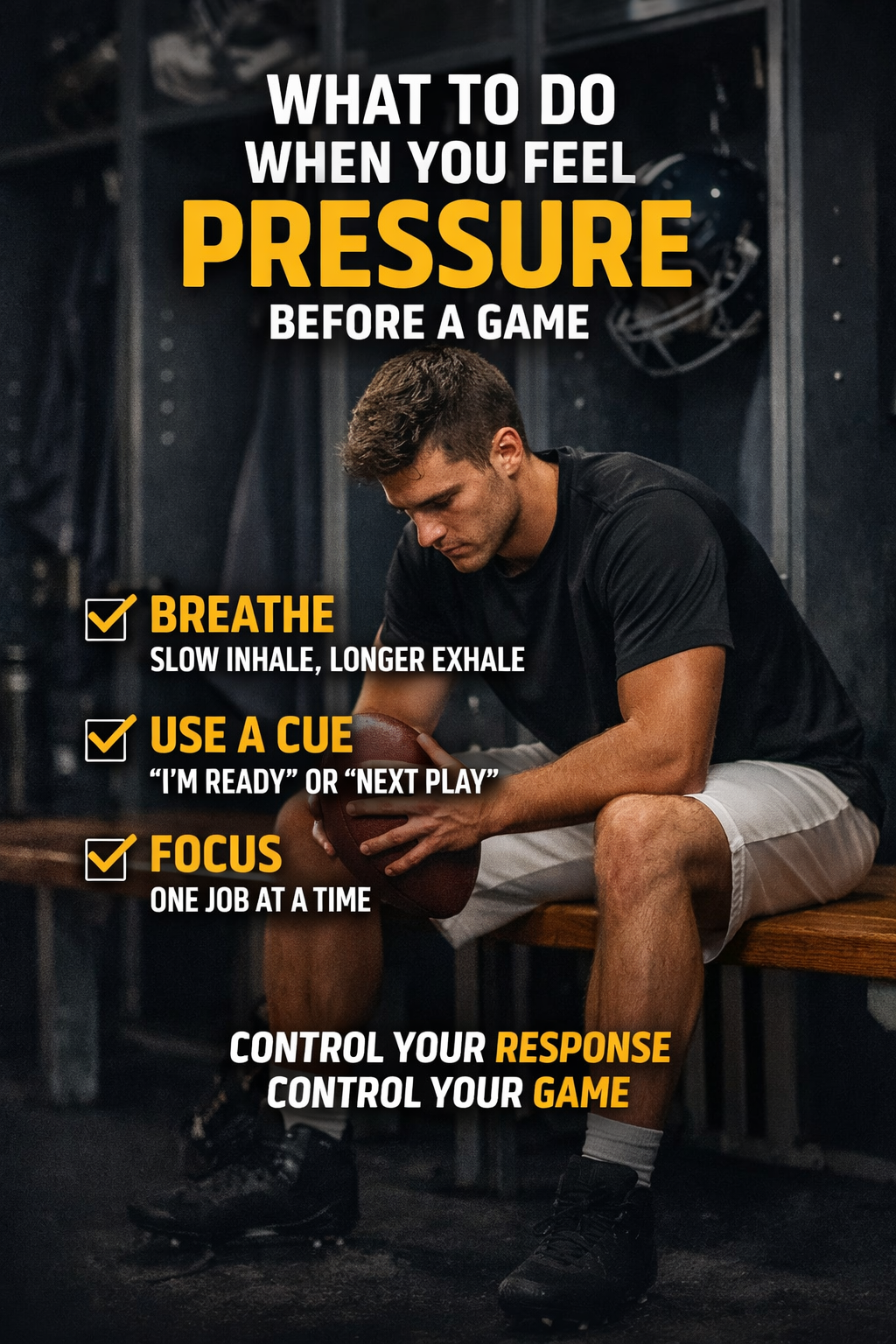
  • Pressure before a game? Good.
    It means it matters.

    Most athletes struggle because they try to fight it instead of control it.

    Next time you feel it:

    ✔️ Breathe
    ✔️ Use a cue
    ✔️ Focus on one job

    That’s how you stay locked in.

    mentalperformance #sportspsychology #athletemindset #confidence #focus #gameday

    About Me — Coach John Schessler Jr.

    I’m Coach John — the mind behind ThePGHSportsPsyCoach — and my mission is simple: help athletes build the kind of mental toughness, confidence, and resilience that shows up long after the final whistle blows.

    I coach from experience, education, and heart. As a Sports Psychology Coach and Behavior Interventionist, I’ve spent years working with athletes and students who carry big potential but also big pressure. My job? Teach them how to channel that pressure into power.

    Right now, I’m leveling up my own game, pursuing my graduate degree in Sports Psychology so I can support athletes at an even higher level. Every day, I study how mindset, emotion, and performance work together — and every day, I bring that knowledge straight to the athletes and readers who trust me.

    This blog is your locker room talk for the mind.
    Here, we break limits.
    We train confidence.
    We learn how to stay locked in when it matters most.

    Because winning isn’t just physical — it’s mental.
    And when you master your mind, the rest follows.

    If you’re ready to grow, challenge yourself, and build an unshakeable mental edge… welcome to the team. Let’s get to work.

  • Why competition, identity, and belonging run deeper than the scoreboard.

    For many men, sports are far more than entertainment. They are a psychological arena where identity, belonging, competition, and emotional expression all collide.

    From childhood pickup games to professional stadiums, sports often serve as one of the primary ways men learn about themselves and their place in the world. While it may look like a simple game from the outside, the psychological impact of sports on male identity runs deep.

    Sports as a Testing Ground for Identity

    From a young age, many boys learn about capability and confidence through competition. Sports offer clear feedback: effort leads to improvement, discipline leads to results, and perseverance leads to growth.

    Athletics often answer some of the most basic psychological questions men ask themselves:

    Am I capable?
    Am I strong enough?
    Can I handle pressure?

    Through wins, losses, and adversity, sports help shape self-concept. This is one reason many athletes struggle when they retire. When a sport has been a central part of someone’s identity for years, walking away from it can feel like losing a piece of oneself.

    The Power of the Tribe

    Humans are wired for belonging, and sports recreate one of the oldest psychological structures in human history: the tribe.

    Teams become tribes.

    Fans wear the same colors, celebrate the same victories, and feel the same heartbreaks. In stadiums and living rooms alike, sports create instant bonds between people who may have never met before.

    For many men, sports provide one of the few socially accepted ways to experience deep group connection and shared identity.

    A Safe Outlet for Emotion

    Men are often taught to suppress emotional expression in many areas of life. Sports, however, create a socially acceptable outlet for those emotions.

    Think about the emotional spectrum displayed during a game:

    joy
    frustration
    anger
    relief
    pride
    disappointment

    Grown men screaming, hugging, crying, or celebrating together might seem unusual in most settings. In sports culture, it is completely normal.

    In this sense, sports serve as a powerful emotional release valve.

    Competition and the Drive for Status

    Competition taps into deeply rooted evolutionary psychology. Historically, male competition played a role in determining leadership roles, social standing, and survival.

    Sports simulate that competitive environment in a safe and structured way.

    Instead of competing for territory or resources, athletes compete for points, records, championships, and personal improvement. The brain still responds with the same surge of adrenaline, motivation, and reward.

    Competition in sports satisfies a natural human drive to test limits and strive for excellence.

    Discipline, Purpose, and Personal Growth

    Beyond competition, sports also provide something many people crave: structure.

    Training requires commitment, patience, and resilience. Athletes learn to tolerate failure, adjust strategy, and pursue long-term goals.

    These lessons extend far beyond the playing field. Many of the qualities developed through athletics—discipline, accountability, and perseverance—become foundational traits in careers, relationships, and leadership.

    More Than Just a Game

    Sports fulfill several core psychological needs at once: identity, belonging, emotional expression, competition, and purpose.

    This is why sports continue to hold such a powerful place in male culture.

    To outsiders it may appear to be just a game. But for many men, sports represent something deeper: a place where they learn who they are, what they are capable of, and how they connect with others.

    #sportspsychology #malemindset #masculinepsychology #mensdevelopment #modernmasculinity #athletementality #sportsmindset #highperformance #coaching #mindsetmatters

    About Me — Coach John Schessler Jr.

    I’m Coach John — the mind behind ThePGHSportsPsyCoach — and my mission is simple: help athletes build the kind of mental toughness, confidence, and resilience that shows up long after the final whistle blows.

    I coach from experience, education, and heart. As a Sports Psychology Coach and Behavior Interventionist, I’ve spent years working with athletes and students who carry big potential but also big pressure. My job? Teach them how to channel that pressure into power.

    Right now, I’m leveling up my own game, pursuing my graduate degree in Sports Psychology so I can support athletes at an even higher level. Every day, I study how mindset, emotion, and performance work together — and every day, I bring that knowledge straight to the athletes and readers who trust me.

    This blog is your locker room talk for the mind.
    Here, we break limits.
    We train confidence.
    We learn how to stay locked in when it matters most.

    Because winning isn’t just physical — it’s mental.
    And when you master your mind, the rest follows.

    If you’re ready to grow, challenge yourself, and build an unshakeable mental edge… welcome to the team. Let’s get to work.

  • A coach’s perspective on weight-loss medications vs. traditional fat-loss methods.

    GLP-1s and Weight Loss: Are They the New Standard or Just Another Tool?

    Over the past few years, medications known as GLP-1 receptor agonists have exploded into the weight-loss conversation. Drugs like Ozempic, Wegovy, and Mounjaro are showing results that rival — and sometimes exceed — traditional diet programs.

    But where do these medications actually fit when compared with long-standing weight loss methods like diet, exercise, coaching, and lifestyle change?

    Let’s break it down.

    What GLP-1 Medications Actually Do

    GLP-1 stands for glucagon-like peptide-1, a hormone naturally produced in the gut. These medications mimic that hormone and influence several systems involved in appetite and metabolism.

    They work by:

    • Slowing how quickly the stomach empties
    • Increasing feelings of fullness
    • Reducing hunger signals in the brain
    • Helping regulate blood sugar levels

    For many people, this leads to significantly reduced calorie intake without feeling constant hunger.

    Clinical studies of medications like Wegovy have shown average weight loss of around 15% of body weight, which is far beyond what many traditional diet programs produce.

    But that doesn’t mean they replace everything else.

    Traditional Weight Loss Methods

    Before GLP-1 medications, weight loss largely depended on four pillars:

    1. Nutrition

    Calorie control, macronutrient balance, and food quality drive most weight loss outcomes. Structured diets — whether Mediterranean, low-carb, or high-protein — aim to create a sustainable calorie deficit.

    1. Exercise

    Strength training and cardiovascular exercise increase energy expenditure, maintain muscle mass, and support long-term metabolic health.

    1. Behavioral Change

    Sleep, stress management, emotional eating patterns, and lifestyle habits all influence body composition.

    1. Coaching & Accountability

    Trainers, dietitians, therapists, and support systems help people maintain consistency.

    The challenge? These methods require sustained discipline, and biological hunger signals often work against people trying to lose weight.

    Where GLP-1s Change the Game

    GLP-1 medications address the biological resistance to weight loss that many people experience.

    When someone diets, the body often responds by:

    • Increasing hunger hormones
    • Lowering metabolic rate
    • Increasing cravings

    GLP-1 medications blunt many of those responses. In simple terms:

    They make eating less feel easier.

    For people who have struggled with obesity for years, this can be life-changing.

    The Limitations of GLP-1 Medications

    Despite the impressive results, GLP-1 drugs are not a magic solution.

    Common considerations include:

    1. Cost
      These medications can cost $900–$1,300 per month without insurance coverage.
    2. Side Effects
      Nausea, digestive discomfort, and fatigue are common during early stages.
    3. Muscle Loss Risk
      Rapid weight loss without strength training can lead to loss of lean muscle mass.
    4. Long-Term Dependency
      Many individuals regain weight when the medication is discontinued.
    5. Supply and Access
      High demand has caused shortages of drugs like Ozempic and Wegovy.

    The Best Approach: Medication + Lifestyle

    The most successful long-term outcomes appear when GLP-1 medications are combined with lifestyle changes, not used as a replacement for them.

    That means pairing medication with:

    • Strength training
    • High-protein nutrition
    • Structured physical activity
    • Behavioral support
    • Sustainable habits

    Think of GLP-1 medications as a tool that lowers the barrier, not the entire strategy.

    The Bigger Conversation About Weight Loss

    The rise of GLP-1 medications is changing how we think about obesity. Rather than viewing weight loss purely as a matter of willpower, many researchers now recognize obesity as a complex metabolic and hormonal condition.

    GLP-1 drugs help correct some of those biological factors.

    But they also raise important questions:

    • Who should use them?
    • Are they sustainable long-term?
    • How do we balance medication with lifestyle change?

    Those answers are still evolving.

    Final Thoughts

    GLP-1 medications like Wegovy and Mounjaro are undeniably reshaping the weight-loss landscape.

    For some people, they represent a breakthrough.

    For others, traditional strategies like nutrition, exercise, and behavioral change remain the most practical path.

    The real takeaway?

    There is no single solution for everyone.
    The best approach is the one that supports long-term health, sustainability, and a lifestyle someone can realistically maintain.

    #Ozempic #Wegovy #GLP1 #medicine #weightloss #dietingsolutions #behaviorchange #mindsetperformance #healtheducation #nutrition #wellnessblog

    ABOUT THE AUTHOR

    Hi, I’m John Schessler Jr., a graduate student in Sports Psychology, Behavior Interventionist, and certified Sports Psychology Coach (AFAA) with a passion for helping athletes build stronger minds, healthier habits, and unshakable confidence. My work blends mental performance coaching, psychology, and lived experience to help people show up as the best version of themselves—on the field, in the gym, and in everyday life.

    I’ve always believed that mental strength is the real competitive edge. That belief pushed me toward a career where I could combine my love of sport with my mission to support mental wellness. Whether I’m working with students at Merakey, coaching athletes through pressure and performance anxiety, or developing new mental-skills tools, I’m constantly exploring how mindset, behavior, and resilience shape performance.

    Right now, I’m pursuing my M.S. in Sports Psychology with the goal of becoming an Athletic Mental Health Counselor. I want to change the narrative around athlete well-being, break stigmas, and help athletes of all backgrounds access mental-performance support that actually meets them where they are.

    This blog is a place where I bring together everything I’ve learned—research, personal experience, coaching insights, and the lessons athletes teach me every day. My hope is that you’ll find something here that inspires you, supports you, or simply reminds you that you’re not alone in your journey to become mentally stronger.

    If you’re an athlete, parent, coach, educator, or someone chasing self-improvement, welcome. You’re exactly where you need to be.

  • A conversation about desire, self-control, and what it really means to be a man.

    Let’s talk about something most men joke about but rarely think deeply about.

    Having a penis comes with responsibility. What????

    Yeah, it sounds blunt. Maybe even uncomfortable. But if we’re being honest, a lot of problems in the world come from men acting like their sexuality has no responsibility attached to it.

    And that’s simply not true.

    Being a man means learning to handle power—physical, emotional, and sexual.

    Desire Isn’t the Problem

    Men are wired with strong sexual drives. Testosterone, attraction, competition—those things are real. Biology plays a role.

    But here’s the important part:

    Biology explains desire. It does not excuse behavior.

    What separates a boy from a man isn’t whether he has urges.
    It’s whether he has discipline over them.

    Responsibility Means Respect

    A responsible man understands that attraction doesn’t mean entitlement.

    Interest doesn’t mean permission.

    Respect for consent isn’t just about avoiding harm—it’s about understanding that real connection is built on mutual choice.

    Strong men respect boundaries.

    Responsibility Means Awareness of Consequences

    Sex isn’t just an act. It carries real-world consequences.

    Pregnancy. Emotional connection. Relationships. Trust.

    Men have the biological ability to create life in a single moment. That alone should shape how seriously we think about sexual responsibility.

    A mature man doesn’t pretend those consequences don’t exist.

    He owns them.

    Responsibility Means Self-Control

    Strength isn’t measured by how much you can chase.

    Strength is measured by what you can control.

    Discipline is one of the most powerful traits a man can develop. It applies to training, work, relationships—and yes, sexuality.

    The strongest men are the ones who know when to act and when to step back.

    Responsibility Means Setting the Tone

    Men influence other men.

    How you talk about women.
    How you talk about relationships.
    How you behave when nobody’s watching.

    Other guys notice.

    Young men notice.

    Your example shapes the culture around you.

    The Bottom Line

    Having a penis isn’t just anatomy.

    It’s responsibility.

    Responsibility to respect others.
    Responsibility to control yourself.
    Responsibility to understand the consequences of your actions.

    That’s not weakness. That’s mature masculinity. And the world could use a lot more of it.

    Real masculinity isn’t reckless.

    It’s disciplined.

    It’s a man who understands his own power and chooses to handle it with respect and responsibility. It’s a man who knows that desire doesn’t control him—he controls himself.

    Because strength isn’t about chasing every impulse.

    Strength is about character.

    And the strongest men in the room are usually the ones who have learned how to lead themselves first.

    #peniscardholder #maleanatomy #malesexuality #maledrive #sexuality #responsiblemale #maturemasculinity #masculinity #health #fitness #understandyourself #havingapenis #male #healthysex #selfcontrol #maleepidemic #guysnotice #meninfluencingmen #johnschesslerjr

    ABOUT THE AUTHOR

    Hi, I’m John Schessler Jr., a graduate student in Sports Psychology, Behavior Interventionist, and certified Sports Psychology Coach (AFAA) and Men’s Coach with a passion for helping athletes build stronger minds, healthier habits, and unshakable confidence. My work blends mental performance coaching, psychology, and lived experience to help people show up as the best version of themselves—on the field, in the gym, and in everyday life.

    I’ve always believed that mental strength is the real competitive edge. That belief pushed me toward a career where I could combine my love of sport with my mission to support mental wellness. Whether I’m working with students at Merakey, coaching athletes through pressure and performance anxiety, or developing new mental-skills tools, I’m constantly exploring how mindset, behavior, and resilience shape performance.

    Right now, I’m pursuing my M.S. in Sports Psychology with the goal of becoming an Athletic Mental Health Counselor. I want to change the narrative around athlete well-being, break stigmas, and help athletes of all backgrounds access mental-performance support that actually meets them where they are.

    This blog is a place where I bring together everything I’ve learned—research, personal experience, coaching insights, and the lessons athletes teach me every day. My hope is that you’ll find something here that inspires you, supports you, or simply reminds you that you’re not alone in your journey to become mentally stronger.

    If you’re an athlete, parent, coach, educator, or someone chasing self-improvement, welcome. You’re exactly where you need to be.
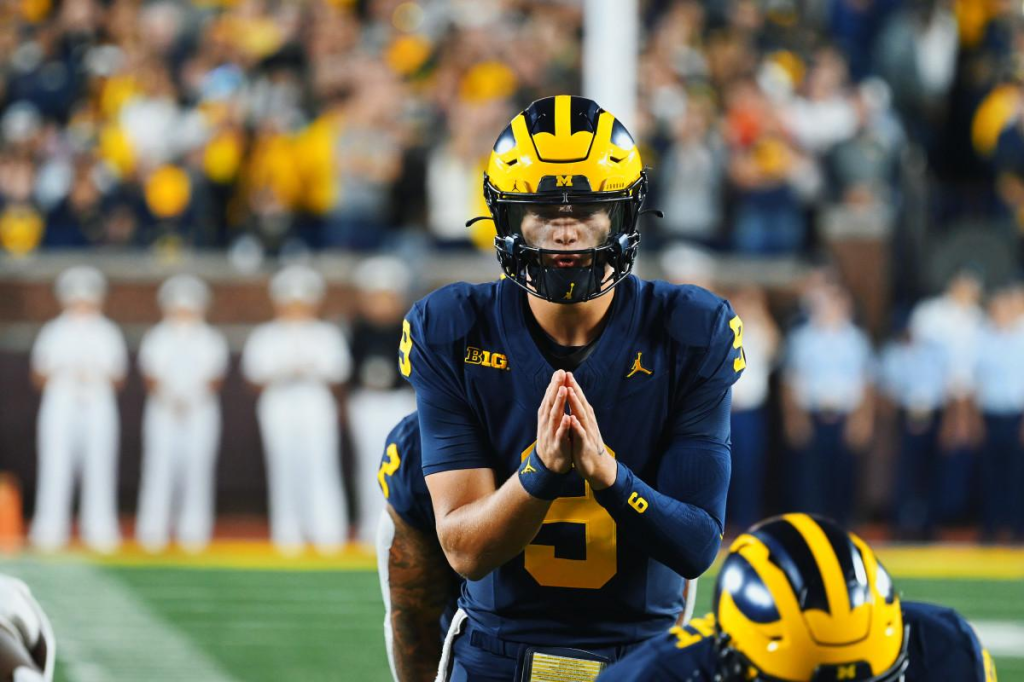
  • A Coach’s Perspective

    cdan you write a blog post about why sports physicals are so important?

    Absolutely — this is a great topic, especially if you’re speaking to athletes, parents, and coaches. I’ll write it in a clear, engaging blog style that would work well on a website or LinkedIn.


    Why Sports Physicals Are So Important for Athletes

    Every season, athletes prepare in different ways. They train harder, improve conditioning, refine technique, and mentally prepare for competition. But before any of that begins, there is one step that often gets overlooked or treated like a formality: the sports physical.

    A sports physical is much more than a requirement to check a box before the season starts. It is a critical opportunity to ensure athletes are healthy, safe, and ready to perform at their best.

    Injury Prevention Starts Before the Season

    One of the biggest benefits of a sports physical is identifying potential injury risks before they become real problems.

    During the evaluation, healthcare providers assess things like:

    • Joint stability
    • Muscle strength and balance
    • Previous injuries
    • Range of motion
    • Cardiovascular health

    These assessments can reveal weaknesses or imbalances that may increase the likelihood of injury. When identified early, athletes can address these issues with targeted training or physical therapy before they lead to time lost during the season.

    Protecting the Athlete’s Heart and Overall Health

    Sports place significant demands on the body, particularly the heart and lungs. A sports physical helps detect underlying health concerns that might not show obvious symptoms.

    Medical providers review:

    • Family history of heart conditions
    • Previous episodes of dizziness or fainting
    • Breathing issues during exercise
    • Blood pressure and heart function

    In rare cases, these screenings can detect conditions that could become dangerous during intense activity. Catching these issues early can literally save lives.

    Managing Previous Injuries the Right Way

    Many athletes enter a season carrying lingering injuries from the previous one. Without proper evaluation, they may return to play too quickly and make the injury worse.

    A sports physical provides a chance to:

    • Evaluate healing progress
    • Determine readiness to return to play
    • Develop a safe progression back to full activity

    This helps athletes avoid setbacks that could cost them weeks or even entire seasons.

    Building a Baseline for Performance

    Sports physicals also create a baseline record of the athlete’s health and physical condition.

    If an injury occurs during the season, medical professionals can compare current symptoms to the athlete’s baseline measurements. This makes it easier to make accurate return-to-play decisions.

    For coaches, trainers, and medical staff, having this information can be incredibly valuable.

    An Opportunity for Education

    Sports physicals are also a chance for athletes to learn more about how to take care of their bodies.

    Providers often discuss topics such as:

    • Hydration strategies
    • Nutrition for performance
    • Injury prevention habits
    • Sleep and recovery
    • Mental health in sports

    For young athletes especially, this education can shape healthy habits that last throughout their athletic careers.

    A Simple Step That Makes a Big Difference

    While a sports physical might only take 20–30 minutes, its impact can extend across an entire season.

    It helps athletes:

    • Stay healthy
    • Reduce injury risk
    • Perform at their best
    • Compete safely

    In sports, preparation is everything. A sports physical is one of the simplest and most effective ways to make sure athletes start the season ready — both physically and medically.


    If you’d like, I can also help you create:
    • a shorter social media version
    • a more “coach voice” version (which might fit your performance mindset content)
    • an SEO-optimized version for your website
    • a featured image idea to go with the blog.

    more coach version and pics to accompany this

    Alright Johnny, let’s lean into a stronger coach voice — the kind that speaks to athletes and parents the way a coach or performance specialist would. I’ll also include visual ideas/images you can pair with each section so the blog feels more powerful and engaging.


    Why Sports Physicals Matter More Than You Think

    A Coach’s Perspective

    https://www.uchicagomedicine.org/_next/image?q=75&url=https%3A%2F%2Fedge.sitecorecloud.io%2Funichicagomc-81nbqnb3%2Fmedia%2Fimages%2Fucmc%2Fforefront%2Fchannel-pages%2Fpediatrics%2Funiversal%2Fsports-physicals-universal-832x469.jpg&w=3840

    Every athlete wants to improve.

    They train harder.
    They push conditioning.
    They chase the next level.

    But before any of that matters, there’s one question that has to be answered first:

    Is the athlete healthy enough to compete?

    That’s where a sports physical comes in.

    And if you’re serious about performance, it’s not just paperwork — it’s a performance checkpoint.

    The First Line of Injury Prevention

    In coaching, one thing is always true:

    The best ability is availability.

    If an athlete can’t stay healthy, talent doesn’t matter.

    A good sports physical evaluates things like:

    • Joint stability
    • Muscle imbalances
    • Previous injuries
    • Range of motion
    • Movement limitations

    These small issues often become the big injuries later in the season.

    A sports physical helps catch those red flags early so athletes can fix the problem before it costs them playing time.

    Protecting the Most Important Muscle — The Heart

    Most athletes feel invincible.

    But high-intensity sports place serious demands on the cardiovascular system.

    A sports physical screens for things like:

    • Family history of heart conditions
    • Abnormal heart rhythms
    • Blood pressure concerns
    • Breathing issues during exercise

    These screenings are rare moments where hidden conditions can be identified before they become dangerous.

    It’s not about limiting athletes.

    It’s about protecting them so they can compete safely.

    Making Sure Athletes Actually Healed

    Every coach has seen it.

    An athlete says:

    “Yeah coach, it feels fine.”

    But “feels fine” isn’t always actually healed.

    A sports physical gives medical professionals the chance to evaluate:

    • Old injuries
    • Rehab progress
    • Strength balance
    • Readiness to return to play

    This prevents athletes from rushing back too early and turning a small injury into a season-ending one.

    Great Athletes Prepare Before the Season Starts

    Championship teams prepare differently.

    They don’t wait for problems to appear.

    They build systems that prevent problems from happening in the first place.

    A sports physical is part of that preparation.

    It sets the foundation for:

    • Safe training
    • Smart recovery
    • Injury prevention
    • Long-term athletic development

    Final Thought From a Coach

    The athletes who stay on the field the longest usually aren’t just the most talented.

    They’re the ones who take care of their bodies.

    A sports physical may only take 20 minutes…

    But it can protect an athlete’s entire season.

    And sometimes, their entire career.

    ABOUT THE AUTHOR

    I’m Coach John — the mind behind ThePGHSportsPsyCoach — and my mission is simple: help athletes build the kind of mental toughness, confidence, and resilience that shows up long after the final whistle blows.

    I coach from experience, education, and heart. As a Sports Psychology Coach and Behavior Interventionist, I’ve spent years working with athletes and students who carry big potential but also big pressure. My job? Teach them how to channel that pressure into power.

    Right now, I’m leveling up my own game, pursuing my graduate degree in Sports Psychology so I can support athletes at an even higher level. Every day, I study how mindset, emotion, and performance work together — and every day, I bring that knowledge straight to the athletes and readers who trust me.

    This blog is your locker room talk for the mind.
    Here, we break limits.
    We train confidence.
    We learn how to stay locked in when it matters most.

    Because winning isn’t just physical — it’s mental.
    And when you master your mind, the rest follows.

    If you’re ready to grow, challenge yourself, and build an unshakeable mental edge… welcome to the team. Let’s get to work.


    #Unshakeable

    #ThePGHSportsPsyCoach
    #CoachJohnSchessler
    #MentalEdgeCoaching
    #MindGymWork

  • Every baseball player loves game day.

    The lights. The walk-up songs. The crowd. The competition.

    But none of that matters if you skip the work that comes first.

    Pre-season conditioning is where seasons are built.

    Not during the seventh inning of a big game.

    Not when the scoreboard is lit up.

    It’s built right now—when the field is quiet and the work is hard.

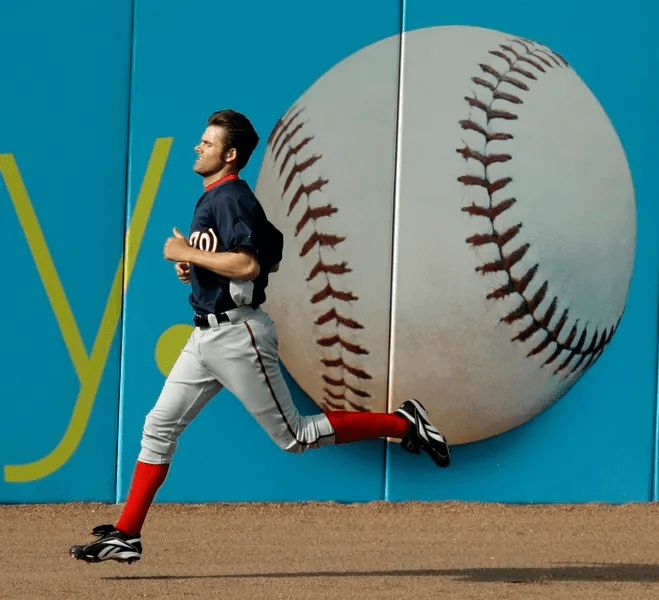
    When your legs feel heavy on the last sprint.
    When your lungs are burning and your body wants to slow down.

    This is the phase where athletes separate themselves.

    Baseball is a sport of explosive effort. You sprint out of the box. You react to a ground ball in a split second. You accelerate for a

    stolen base. The game rewards athletes who can move fast, recover quickly, and stay sharp deep into games.

    Conditioning builds that engine.

    But more importantly, it builds something else.

    It builds toughness.

    When you show up day after day and do hard things on purpose, you start building a different mindset. You learn how to stay composed when things get uncomfortable. You learn that fatigue doesn’t control you.

    That mindset shows up when the season gets tight.

    When it’s the seventh inning and the game is on the line, the athlete who did the work in February isn’t hoping they’re ready.

    They know they are.

    Because confidence doesn’t come from talent alone.

    It comes from preparation.

    The season will test you. Every team gets tired. Every team faces adversity.

    The teams that survive it are the ones that built their foundation before the first pitch was ever thrown.

    So run the sprint.

    Lift the weight.

    Finish the rep.

    Because this is where the season really starts.

    #MentalToughness

    #PerformanceMindset

    #Resilience

    ControlledIntensity

    #Compete

    #StayReady

    #DisciplineEqualsFreedom

    ABOUT THE AUTHOR

    Hi, I’m John Schessler. I’m a Coach, a Special Ed. Interventionist and a Sports Psychology Coach. I tend to write about the psychology of stepping into the arena and male psychology perspectives in sports.

    As a performance coach and behavior interventionist, my work explores the intersection of identity, resilience, and elite performance. I study what happens when athletes and performers confront pressure, failure, self-doubt, and expectation—and how those moments shape who they become.

    My perspective blends psychology, coaching, and lived experience working with athletes navigating both competition and adversity. Rather than focusing only on outcomes, I’m more interested in the deeper process: how people regulate their nervous systems, rebuild confidence after failure, and develop the mental discipline required to perform when it matters most.

    Through this blog, I examine the uncomfortable but necessary parts of growth—ego, vulnerability, setbacks, and the courage it takes to keep showing up.

    Because the most important work in performance rarely happens in the spotlight.

    It happens in the arena.

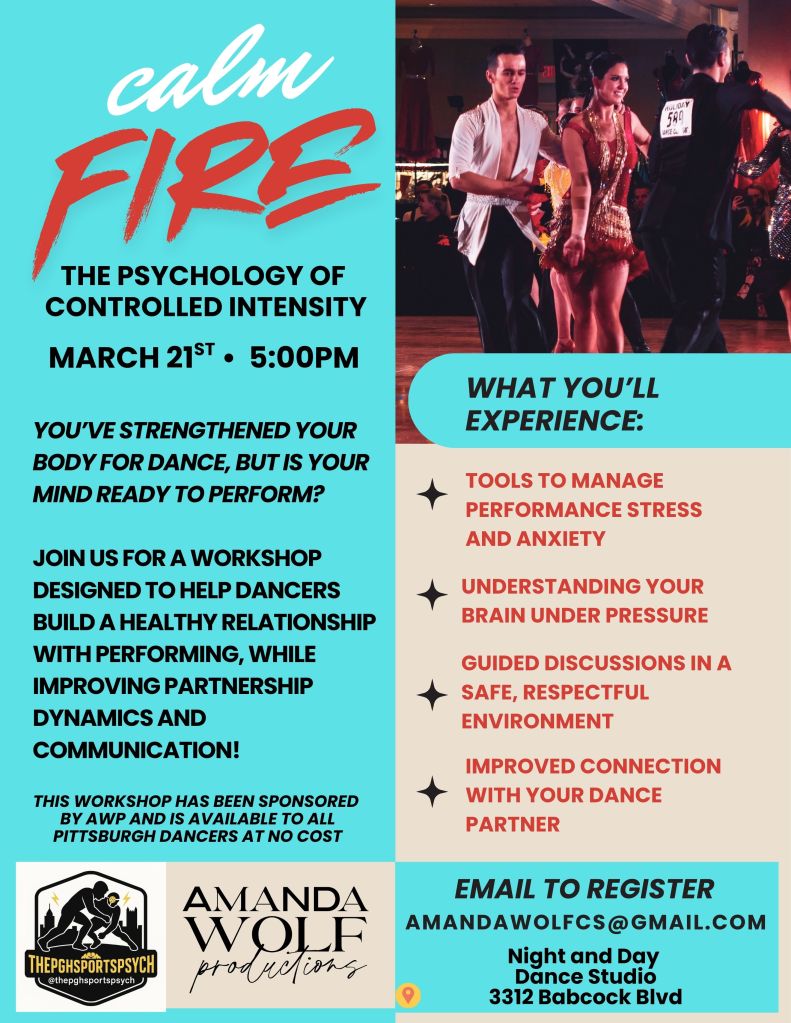
  • Dancers train their bodies endlessly…

    But when the lights come on, the mind decides what happens next.

    Join me as the guest speaker for
    🔥 Calm Fire: The Psychology of Controlled Intensity 🔥

    We’ll cover:

    ✨ Managing performance anxiety
    ✨ Understanding your brain under pressure
    ✨ Mental tools for elite performance
    ✨ Strengthening connection with your partner

    🗓 March 21 • 5:00 PM
    📍 Night & Day Dance Studio
    💥 Free for Pittsburgh dancers

    To register:
    📧 amandawolfcs@gmail.com

    Trust your training. Perform freely.

    #DancePerformance #SportsPsychology #PerformanceMindset #BallroomDance #DancePsychology #PeakPerformance

    ABOUT THE AUTHOR

    I’m Coach John — the mind behind ThePGHSportsPsyCoach — and my mission is simple: help athletes build the kind of mental toughness, confidence, and resilience that shows up long after the final whistle blows.

    I coach from experience, education, and heart. As a Sports Psychology Coach and Behavior Interventionist, I’ve spent years working with athletes and students who carry big potential but also big pressure. My job? Teach them how to channel that pressure into power.

    Right now, I’m leveling up my own game, pursuing my graduate degree in Sports Psychology so I can support athletes at an even higher level. Every day, I study how mindset, emotion, and performance work together — and every day, I bring that knowledge straight to the athletes and readers who trust me.

    This blog is your locker room talk for the mind.
    Here, we break limits.
    We train confidence.
    We learn how to stay locked in when it matters most.

    Because winning isn’t just physical — it’s mental.
    And when you master your mind, the rest follows.

    If you’re ready to grow, challenge yourself, and build an unshakeable mental edge… welcome to the team. Let’s get to work.

  • In baseball, the season does not begin on Opening Day.

    It begins in the quiet.


    Early bullpens. Dim cages. Lift sessions without music.
    Repetitions without applause.

    Pre-season in baseball is often framed as a physical ramp-up: build the arm, condition the legs, find timing at the plate.

    But from a performance psychology standpoint, pre-season serves a deeper purpose:

    It is a nervous system preparation phase.

    And most athletes do not train it that way.


    Baseball Is a Sport of Interruption and Anticipation

    Baseball is not continuous. It is episodic.

    There are long pauses followed by brief, high-intensity moments requiring precision under scrutiny. A hitter may wait minutes for a 400-millisecond decision. A pitcher may sit between innings, then be expected to command the strike zone immediately.

    This structure places unique demands on:

    • Emotional regulation
    • Attentional control
    • Arousal management
    • Self-talk patterns

    Pre-season should be used to deliberately train these psychological skills — not hope they emerge in-season.


    1. Arm Care Is Physical. Confidence in Your Arm Is Psychological.

    Pitchers spend pre-season building volume and velocity.

    But equally important is rebuilding trust.

    Following an off-season, many pitchers experience subtle doubt:

    • “Does it feel the same?”
    • “Am I behind?”
    • “Will my velocity return?”

    Unchecked, this internal dialogue increases cognitive load and interferes with motor efficiency.

    Pre-season bullpens should include:

    • Intentional breathing between pitches
    • Reset routines after misses
    • Simulated adversity (e.g., 2-0 counts, runners on base scenarios)

    Confidence is not a feeling that appears.

    It is a byproduct of controlled exposure.


    2. Hitters Must Train Perception, Not Just Mechanics

    Batting practice can easily become mechanical rehearsal without perceptual challenge.

    But hitting is fundamentally a perceptual-cognitive task.

    The brain must:

    • Track spin
    • Predict trajectory
    • Inhibit premature swing decisions
    • Execute under time constraint

    Pre-season should include:

    • Live reads off varied arm slots
    • Mixed-speed batting practice
    • Decision-based drills (“take,” “yes-no,” situational hitting calls)

    From a sports psych perspective, this enhances response inhibition and improves decision confidence — critical in high-pressure at-bats.


    3. Conditioning the Mind for Slumps Before They Happen

    Baseball is statistically unforgiving.

    Even elite hitters fail most of the time. Even dominant pitchers surrender hits.

    Pre-season is the appropriate time to discuss:

    • Identity beyond batting average
    • Process-oriented goal setting
    • Self-efficacy development
    • Cognitive reframing strategies

    Athletes who attach identity exclusively to outcomes are more vulnerable to performance anxiety and extended slumps.

    The pre-season environment — with lower external stakes — allows athletes to practice separating performance from self-worth.

    That skill preserves longevity across a season.


    4. Arousal Regulation: The Under-Trained Variable

    Baseball requires modulation, not constant intensity.

    Too much activation:

    • Overthrowing
    • Chasing pitches
    • Tight hands in the box

    Too little activation:

    • Flat fastballs
    • Slow first steps
    • Passive at-bats

    Pre-season should help athletes identify their optimal arousal zone.

    This includes:

    • Breath work between reps
    • Heart rate awareness
    • Establishing individualized pre-performance routines

    Athletes who can regulate their physiological state on demand are more stable performers across long seasons.


    5. Durability Is a Psychological Trait

    Physical durability is built in the weight room.

    Psychological durability is built in repetition under monotony.

    February practices are rarely glamorous.

    This is where discipline is revealed.

    Does the athlete:

    • Complete shoulder maintenance consistently?
    • Execute mobility work when unsupervised?
    • Maintain nutrition and sleep standards?

    Sustained adherence reflects self-regulation capacity — a predictor of in-season availability.

    In college and high school baseball, availability is often more valuable than peak talent.


    The Question Pre-Season Should Answer

    Pre-season is not about proving you are ready.

    It is about discovering where you are not.

    Where does frustration surface?
    Where does focus drift?
    Where does doubt emerge?

    These are diagnostic opportunities.

    The athlete who ignores them will meet them again in April — under brighter lights.

    The athlete who confronts them now develops competitive composure.


    Baseball exposes psychology more than most sports.

    It is slow enough to think.
    Public enough to judge.
    Unforgiving enough to test identity.

    Pre-season is where that identity can be strengthened.

    Not just the swing.
    Not just the arm.

    But the mind that must carry both through 40, 50, sometimes 60 games.

    And when the season inevitably presents volatility — a slump, an error, a rough inning — the athlete who trained the nervous system will not panic.

    They will reset.

    That is the quiet purpose of pre-season baseball.


    About Me — Coach John Schessler Jr.

    I’m Coach John — the mind behind ThePGHSportsPsyCoach — and my mission is simple: help athletes build the kind of mental toughness, confidence, and resilience that shows up long after the final whistle blows.

    I coach from experience, education, and heart. As a Sports Psychology Coach and Behavior Interventionist, I’ve spent years working with athletes and students who carry big potential but also big pressure. My job? Teach them how to channel that pressure into power.

    Right now, I’m leveling up my own game, pursuing my graduate degree in Sports Psychology at Capella University so I can support athletes at an even higher level. Every day, I study how mindset, emotion, and performance work together — and every day, I bring that knowledge straight to the athletes and readers who trust me.

    This blog is your locker room talk for the mind.
    Here, we break limits.
    We train confidence.
    We learn how to stay locked in when it matters most.

    Because winning isn’t just physical — it’s mental.
    And when you master your mind, the rest follows.

    If you’re ready to grow, challenge yourself, and build an unshakeable mental edge… welcome to the team. Let’s get to work.

    #mindsetperformance #baseballseason #coaching #sportspsychology #pittsburghpirates #boysofsummer #athletemindset #fitness #health #preseason #mentalpreparation