
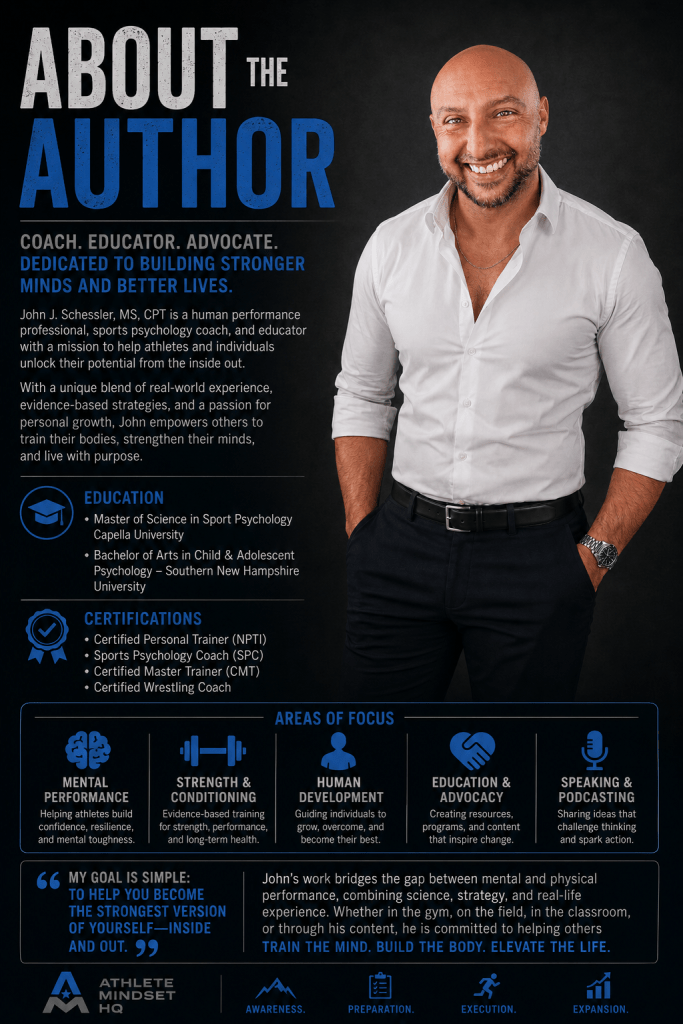
by John J. Schessler, MS, CPT, SPC
One of the most common goals I hear in fitness sounds something like this:
“I want to lose fat, but I don’t want to get smaller. I want to look more muscular.”
That goal has a name: body recomposition.
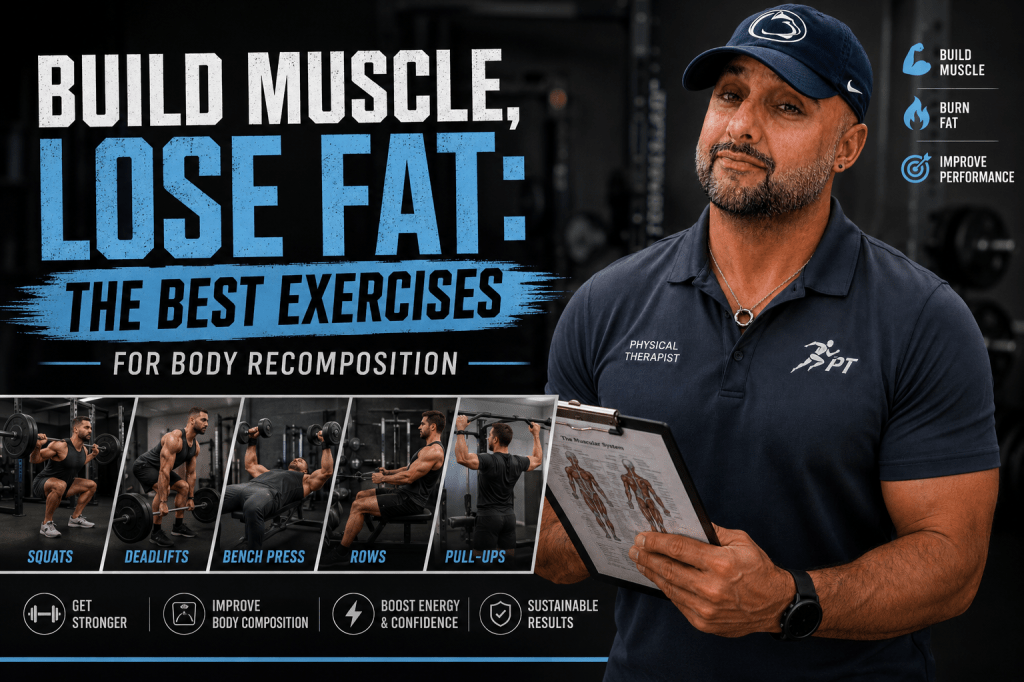
Instead of focusing exclusively on making the number on the scale go down, body recomposition is about changing what your body is made of, either increasing or preserving lean muscle while gradually decreasing body fat.
And while nutrition plays a huge role, what you do in the gym matters just as much.
If building muscle while losing fat is the goal, endless cardio probably shouldn’t be the centerpiece of your program.
Resistance training should be.
First: Can You Really Build Muscle and Lose Fat at the Same Time?
Yes—but there are some important caveats.
Muscle growth requires a training stimulus, sufficient protein, recovery, and enough energy to support adaptation. Fat loss occurs when the body uses more energy than it receives over time.
At first, those goals might sound contradictory.
But under the right circumstances, the body can use stored energy while still building or preserving muscle tissue.
Body recomposition tends to be particularly achievable for:
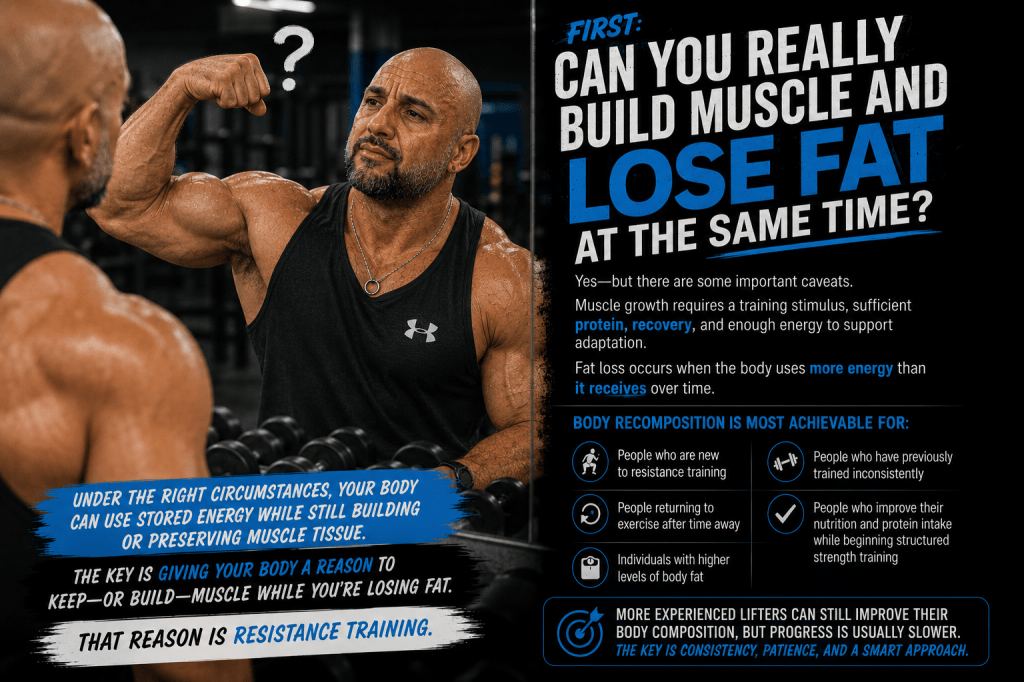
- People who are relatively new to resistance training
- People returning to exercise after time away
- Individuals with higher levels of body fat
- People who have previously trained inconsistently
- People who significantly improve their nutrition and protein intake while beginning structured strength training
More experienced lifters can still improve their body composition, but progress is usually slower.
The key is giving your body a reason to keep—or build—muscle while you’re losing weight.
That reason is resistance training.
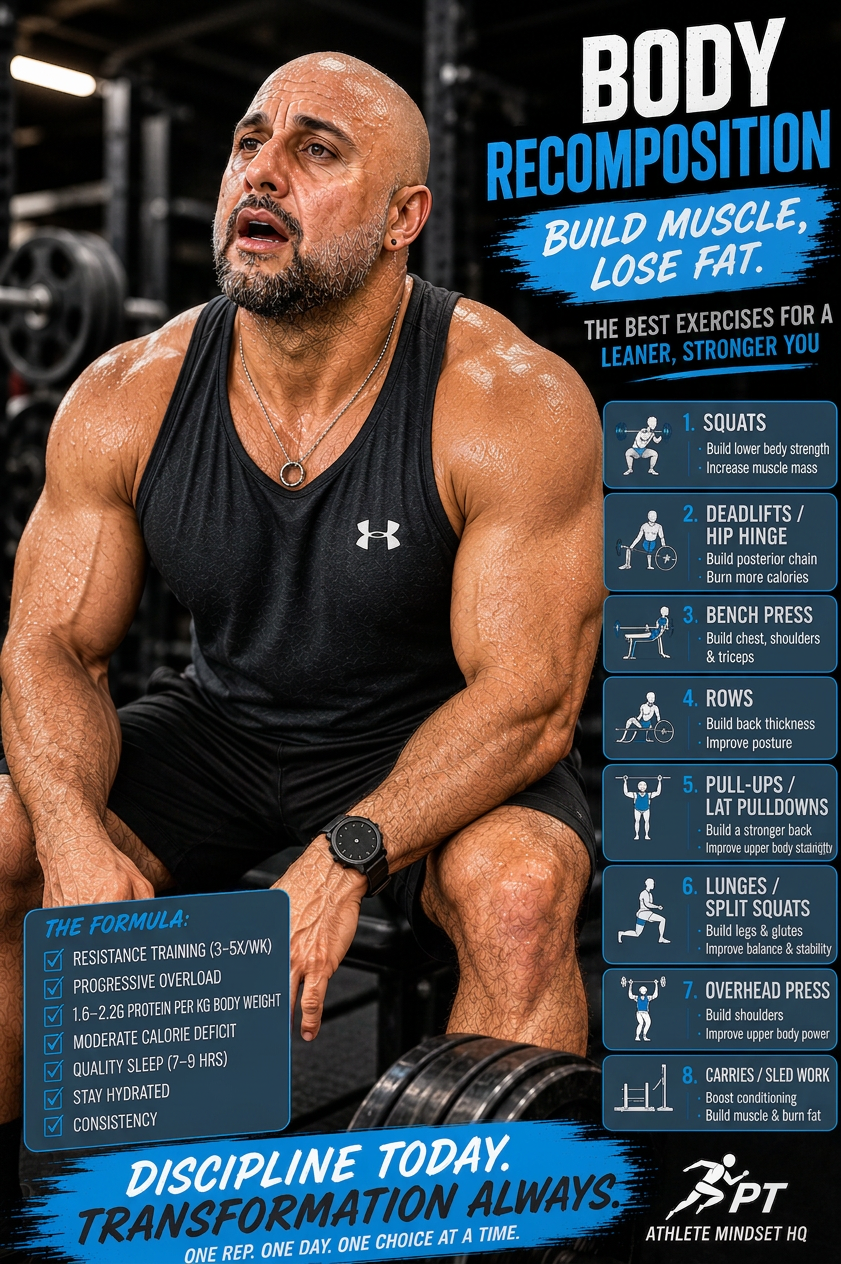
1. Squats
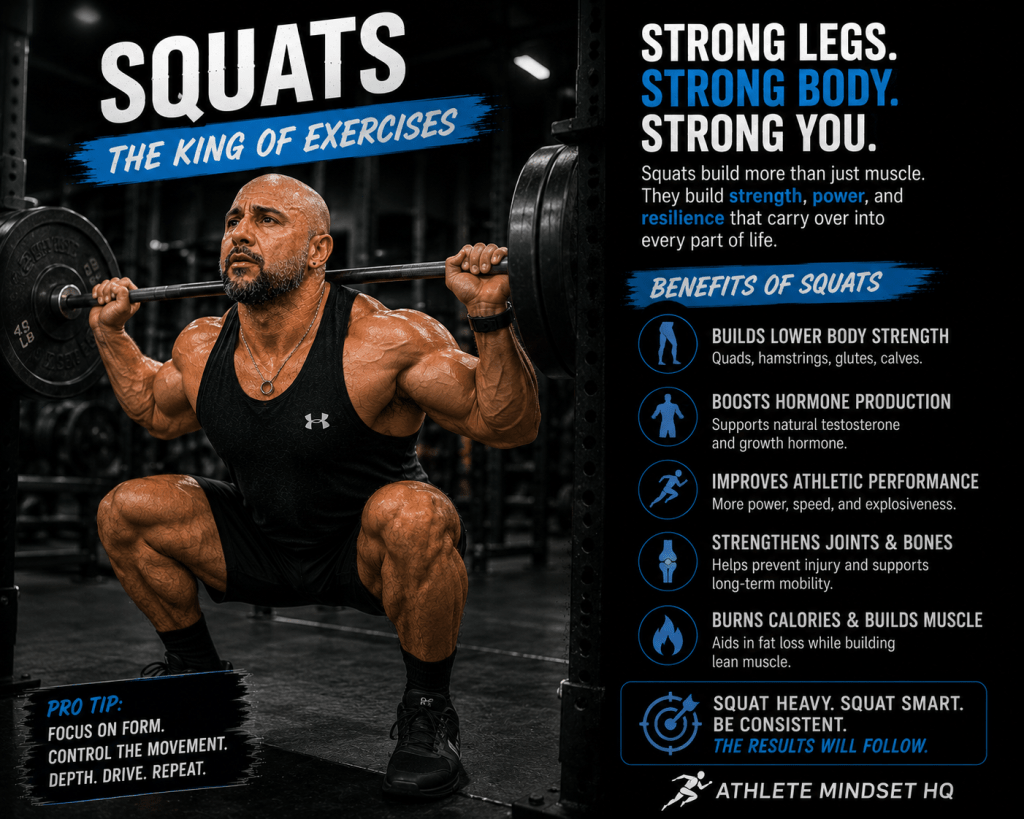
Squats are one of the best exercises for building overall lower-body strength and muscle.
They primarily train the:
- Quadriceps
- Glutes
- Hamstrings
- Core
Because so much muscle mass is involved, squats can be an extremely efficient addition to a body-recomposition program.
And you don’t necessarily need a barbell.
Depending on someone’s experience and ability, options include:
Beginner: Bodyweight squat or box squat
Intermediate: Goblet squat
Advanced: Barbell back squat or front squat
The goal isn’t simply to burn calories doing squats.
The goal is to progressively challenge the muscles so they have a reason to adapt.
2. Deadlifts and Hip-Hinge Movements
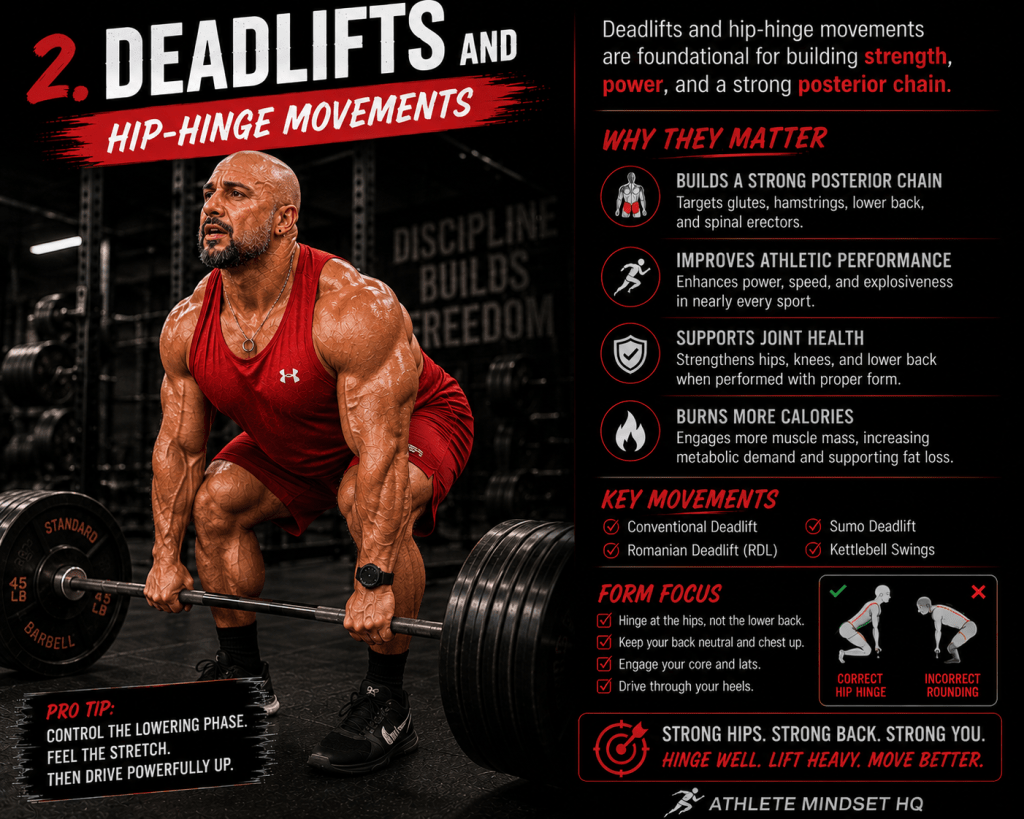
The deadlift is another major compound movement because it involves multiple muscle groups simultaneously.
Depending on the variation, deadlifts train the:
- Glutes
- Hamstrings
- Back
- Core
- Forearms and grip
Traditional deadlifts aren’t mandatory, either.
Romanian deadlifts are one of my favorite options for emphasizing the
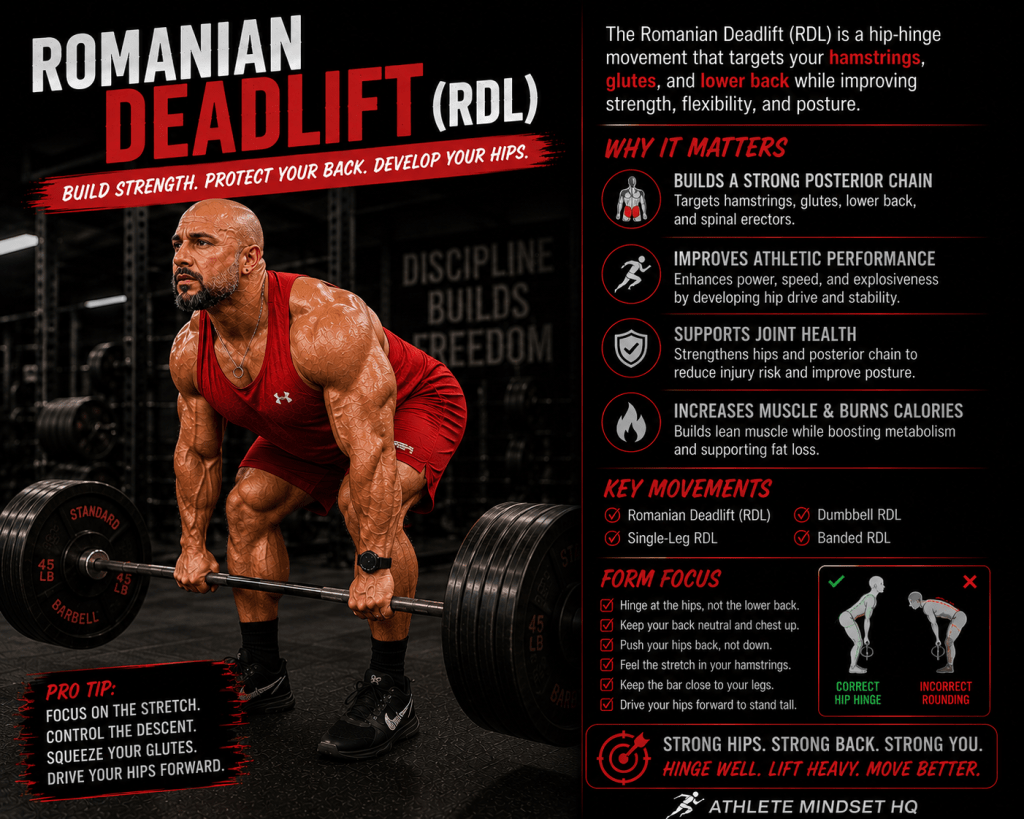
hamstrings and glutes.
Other alternatives include:
- Dumbbell Romanian deadlifts
- Trap-bar deadlifts
- Cable pull-throughs
- Kettlebell deadlifts
Learning the hip-hinge movement pattern is ultimately more important than forcing everyone to perform the same version of a deadlift.
3. Bench Press and Chest Presses
If you want to build the chest, shoulders, and triceps, pressing movements deserve a place in your program.
Good options include:
- Barbell bench press
- Dumbbell bench press
- Incline dumbbell press
- Machine chest press
- Push-ups
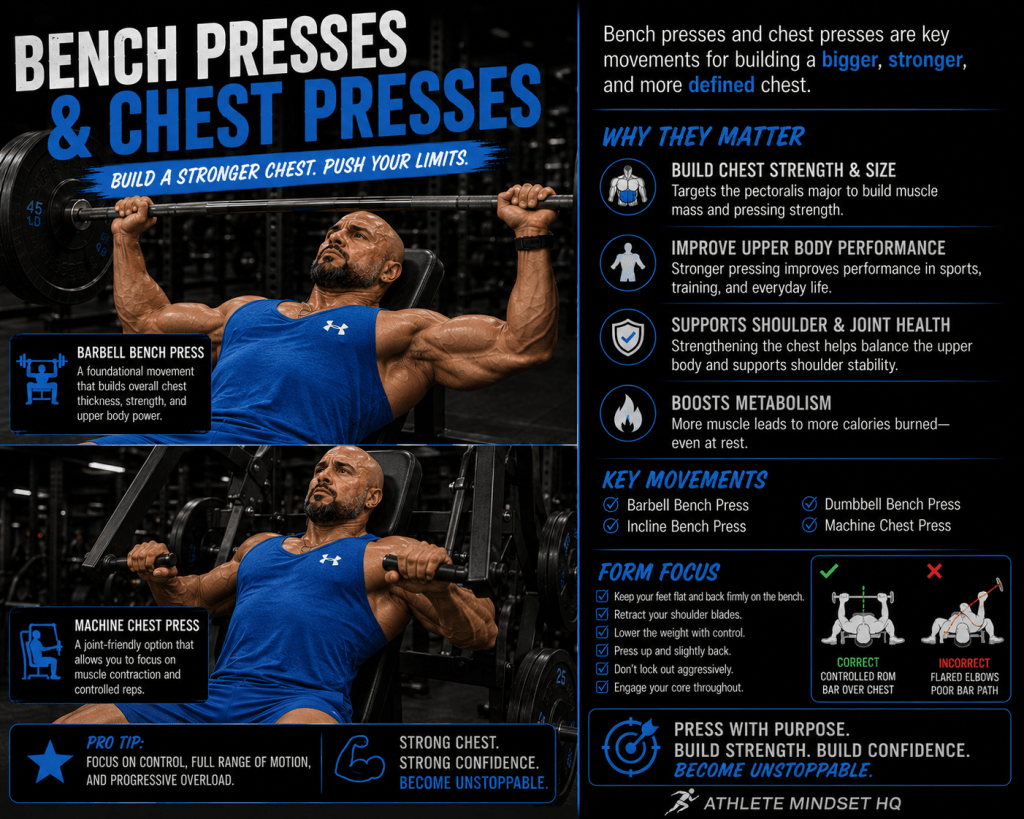
Don’t dismiss machines, either.
Machines can be excellent muscle-building tools because they provide stability and allow someone to concentrate on challenging the targeted muscles.
For body recomposition, the question isn’t:
“Is this exercise hardcore enough?”
A better question is:
“Can I safely challenge this muscle and gradually become stronger at this movement?”
4. Rows
People sometimes focus heavily on what they can see in the mirror—chest, shoulders, arms and abs—while neglecting the back.
That’s a mistake.
Rows help develop the upper and middle back while also training the biceps.
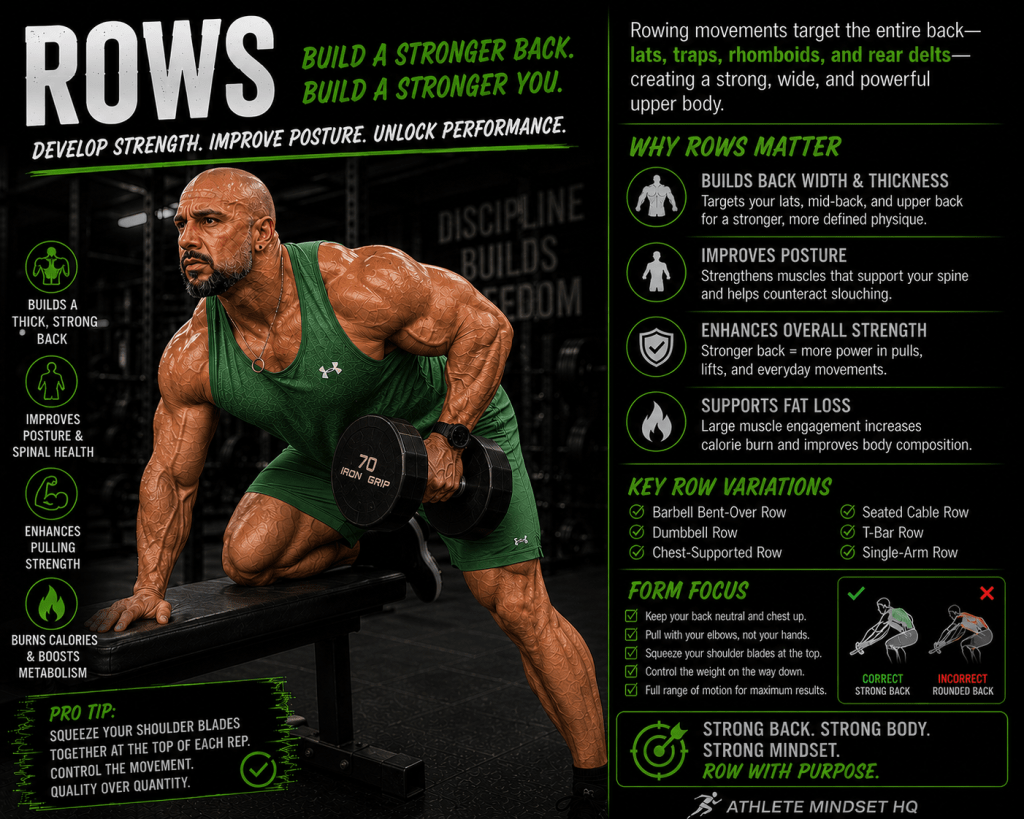
Options include:
- Seated cable rows
- Dumbbell rows
- Chest-supported rows
- Barbell rows
- Machine rows
A developed back can also make a dramatic difference in someone’s overall physique by creating more upper-body width and muscular definition.
5. Lat Pulldowns and Pull-Ups
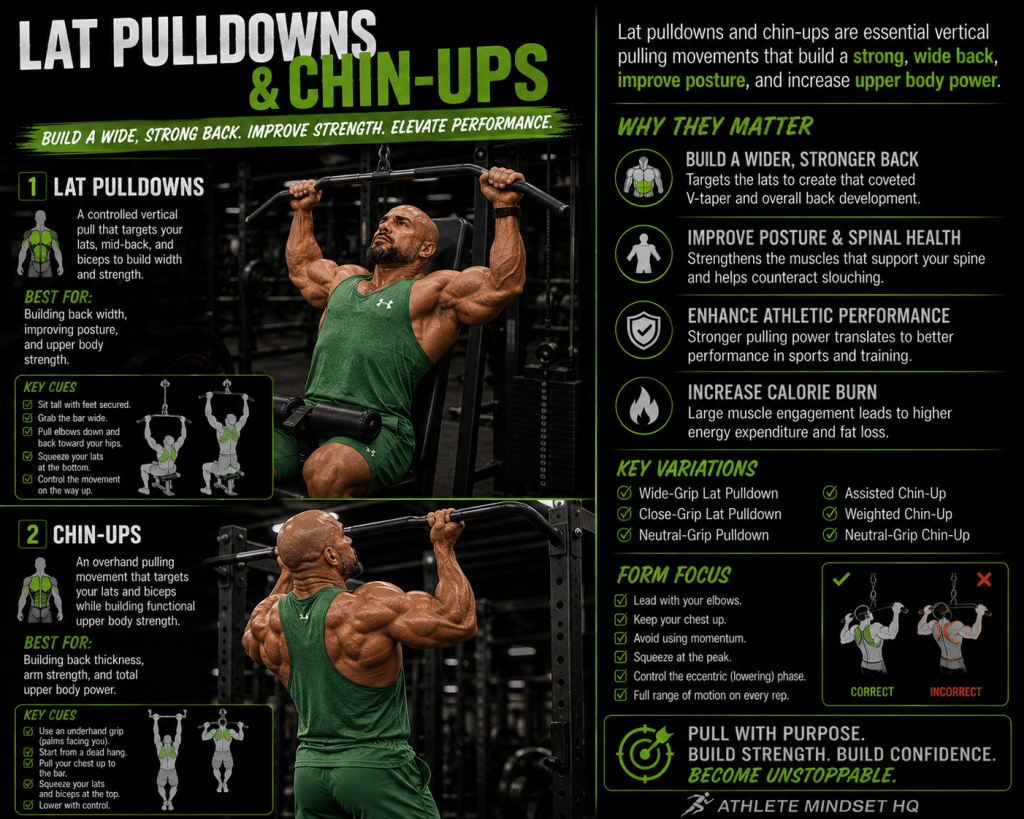
Vertical pulling exercises complement rowing movements.
Pull-ups are fantastic, but you don’t need to be able to perform them to develop your back.
Lat pulldowns are an excellent alternative.
Other options include:
- Assisted pull-ups
- Neutral-grip pulldowns
- Chin-ups
- Machine pulldowns
Again, progression matters more than choosing the exercise that looks most impressive.
6. Lunges and Split Squats
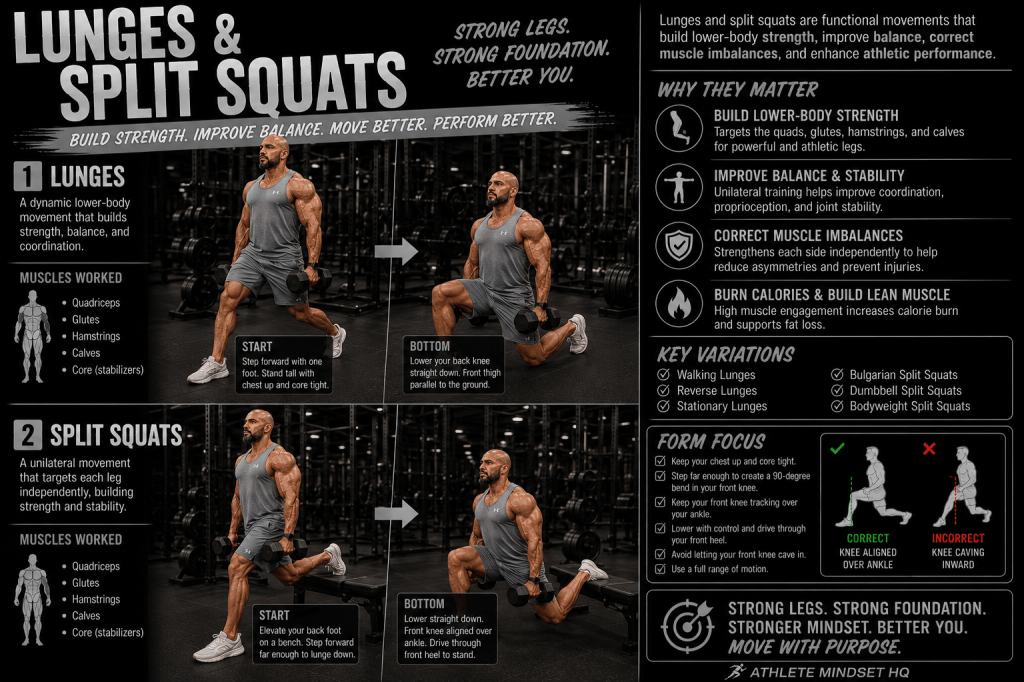
Single-leg exercises are incredibly useful because they challenge the legs differently than traditional bilateral exercises such as squats.
Examples include:
- Reverse lunges
- Walking lunges
- Bulgarian split squats
- Step-ups
- Static split squats
These movements train the quads and glutes while also challenging balance, coordination, and stability.
They can also expose differences in strength between your right and left sides.
7. Overhead Presses
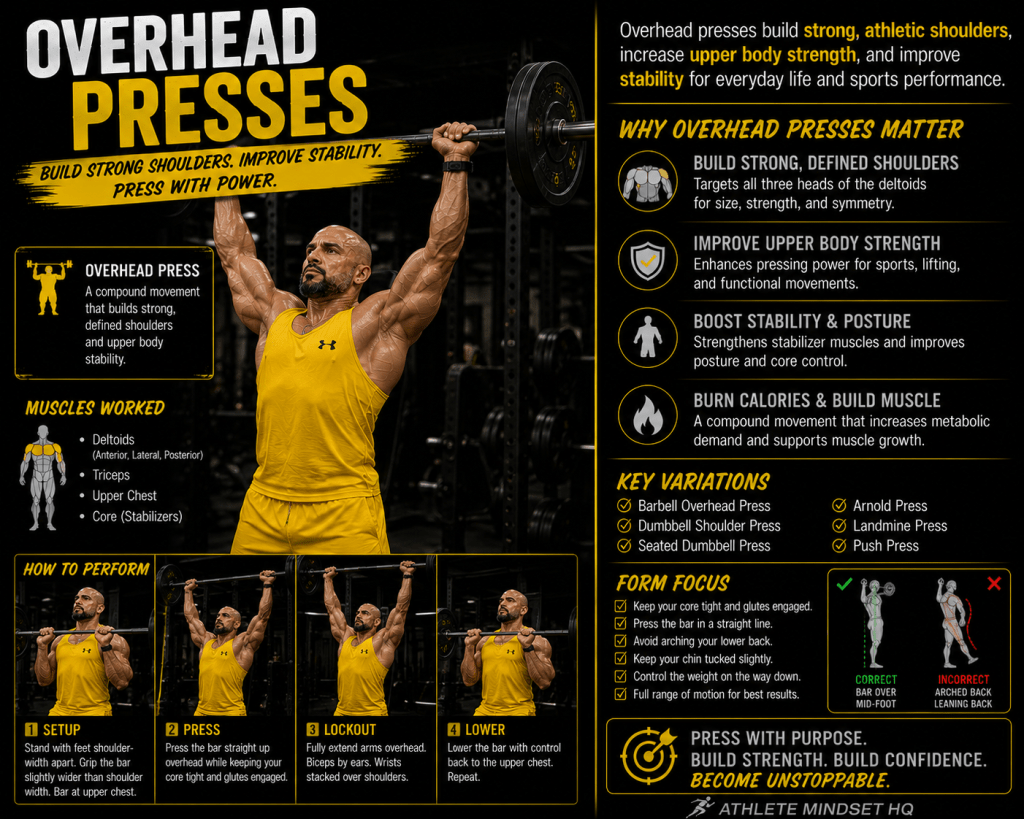
For building stronger, more developed shoulders, include some form of vertical pressing.
Good choices include:
- Dumbbell shoulder press
- Machine shoulder press
- Barbell overhead press
- Landmine press
Combine these with lateral raises and rear-delt exercises, and you have a solid foundation for developing the shoulders.
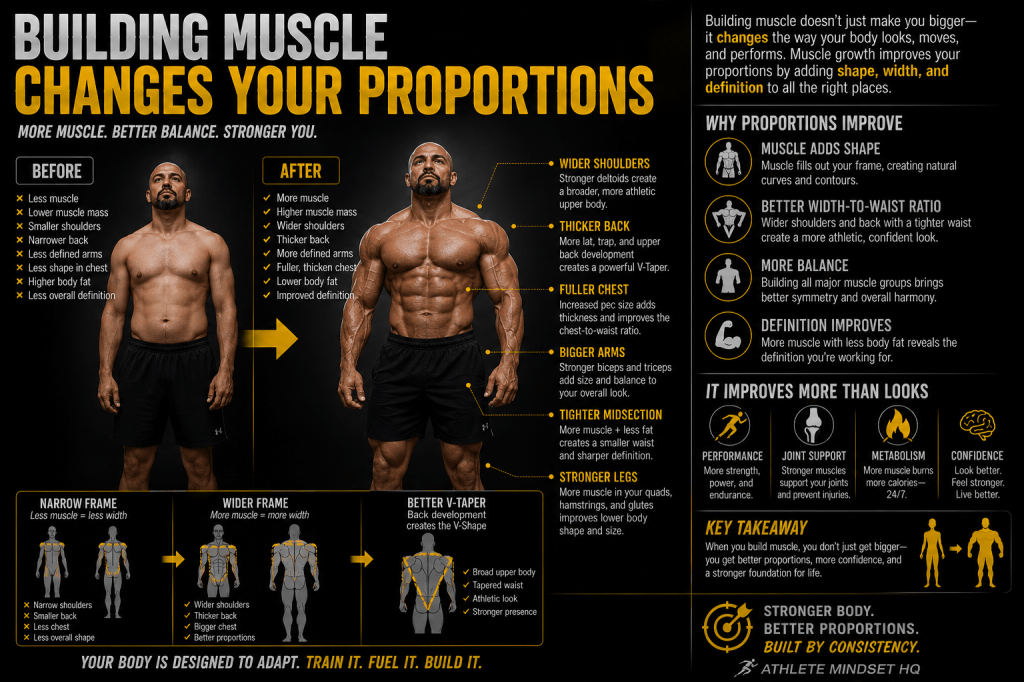
Why does that matter for body composition?
Because losing fat isn’t the only thing that changes how your physique looks.
Building muscle changes your proportions.
Adding muscle to the shoulders, back, chest and legs can dramatically change someone’s appearance even if their scale weight doesn’t change as much as expected.
8. Carries, Sleds and Loaded Conditioning
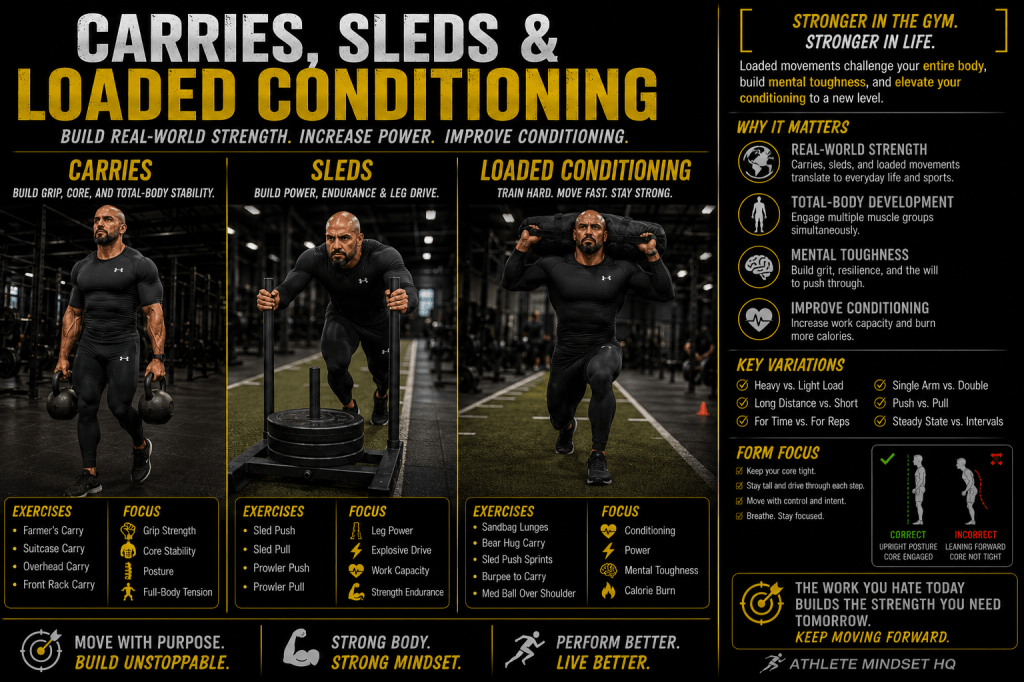
Not everything has to fit neatly into “strength training” or “cardio.”
Loaded carries and sled work can provide a combination of muscular and cardiovascular demand.
Examples include:
- Farmer’s carries
- Sled pushes
- Sled pulls
- Suitcase carries
These exercises can challenge conditioning while still requiring substantial muscular effort.
They also make training feel a little more athletic—which, in my opinion, is sometimes much more enjoyable than staring at the treadmill timer for 45 minutes.
What About Isolation Exercises?
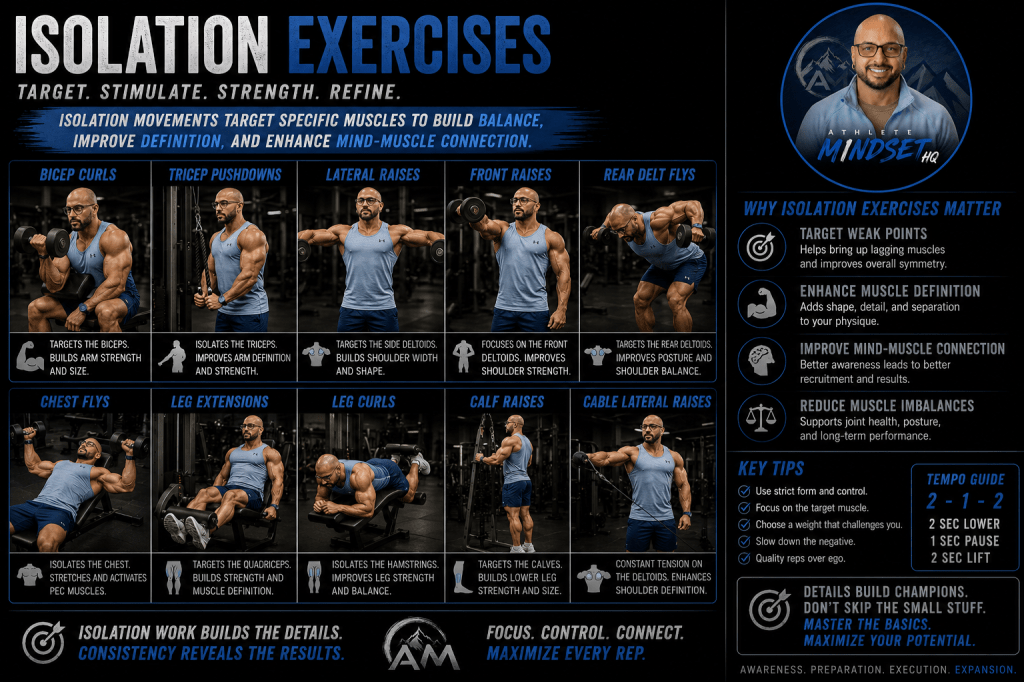
Compound movements should make up a significant portion of many resistance-training programs, but isolation exercises aren’t useless.
Far from it.
Exercises such as:
- Biceps curls
- Triceps extensions
- Lateral raises
- Leg extensions
- Hamstring curls
- Calf raises
- Cable flyes
can provide additional training volume to specific muscles without requiring the same systemic effort as another heavy compound lift.
If bigger arms are important to you, train your arms.
If you want more developed shoulders, train your shoulders directly.
Your program should reflect your goals.
What About Cardio?
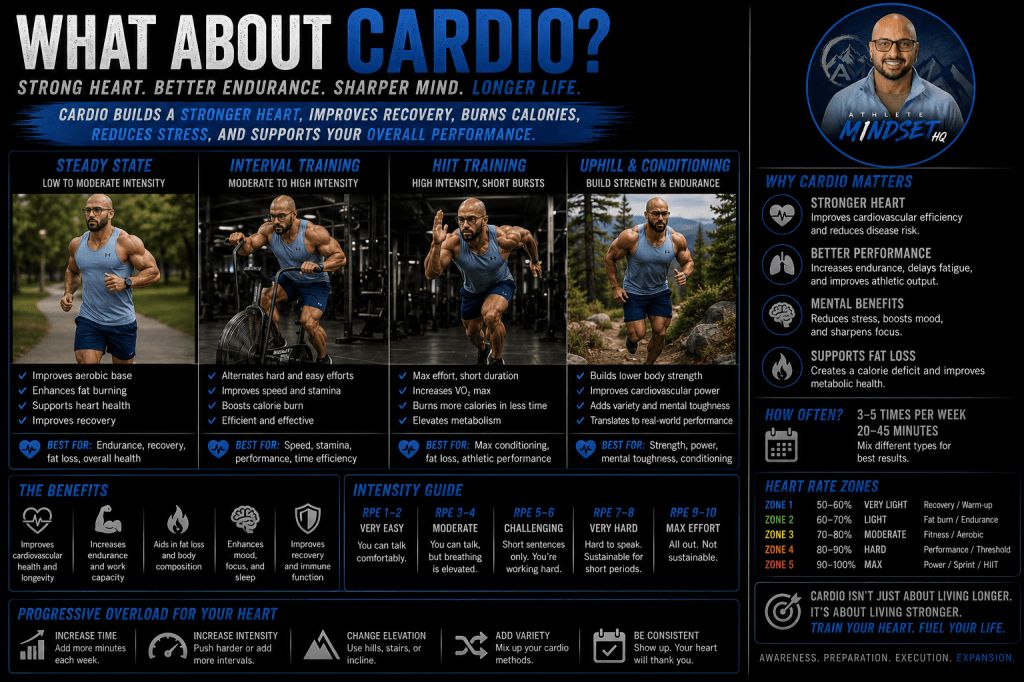
Cardio absolutely has a place in a body-recomposition program.
The mistake is thinking that more cardio automatically equals more fat loss.
Cardiovascular exercise can help increase energy expenditure, improve cardiovascular fitness, support work capacity, and contribute to overall health.
But if muscle preservation and growth are priorities, resistance training shouldn’t become an afterthought.
A practical approach might include:
3–4 days of resistance training per week
combined with
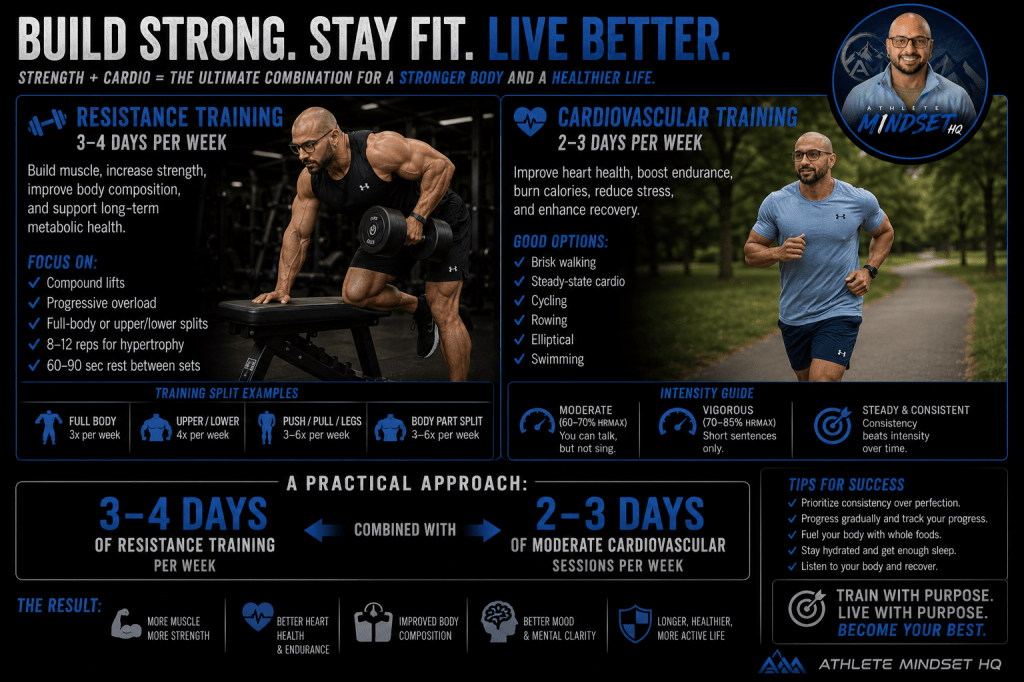
2–3 moderate cardiovascular sessions
plus regular everyday movement such as walking.
You don’t have to destroy yourself every workout.
In fact, constantly training at maximum intensity can make recovery harder.
The Missing Ingredient: Progressive Overload
Simply performing these exercises isn’t enough.
Your body adapts to the demands placed upon it.
Eventually, the same workout that once challenged you becomes something your body can easily handle.
That’s where progressive overload comes in.
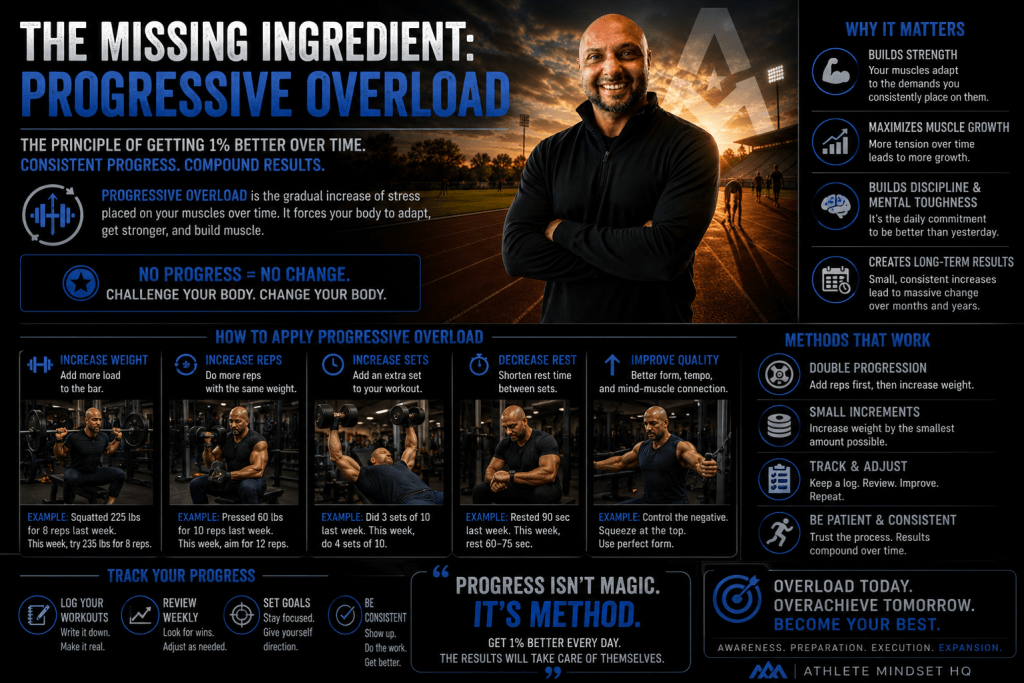
Over time, you might progress by:
- Increasing the weight
- Performing additional repetitions
- Adding sets
- Improving technique
- Increasing range of motion
- Controlling the lowering portion of an exercise
- Progressing to a more challenging variation
Progress doesn’t mean adding weight every single workout.
It means creating a gradually increasing training stimulus over time.
How Heavy Should You Lift?
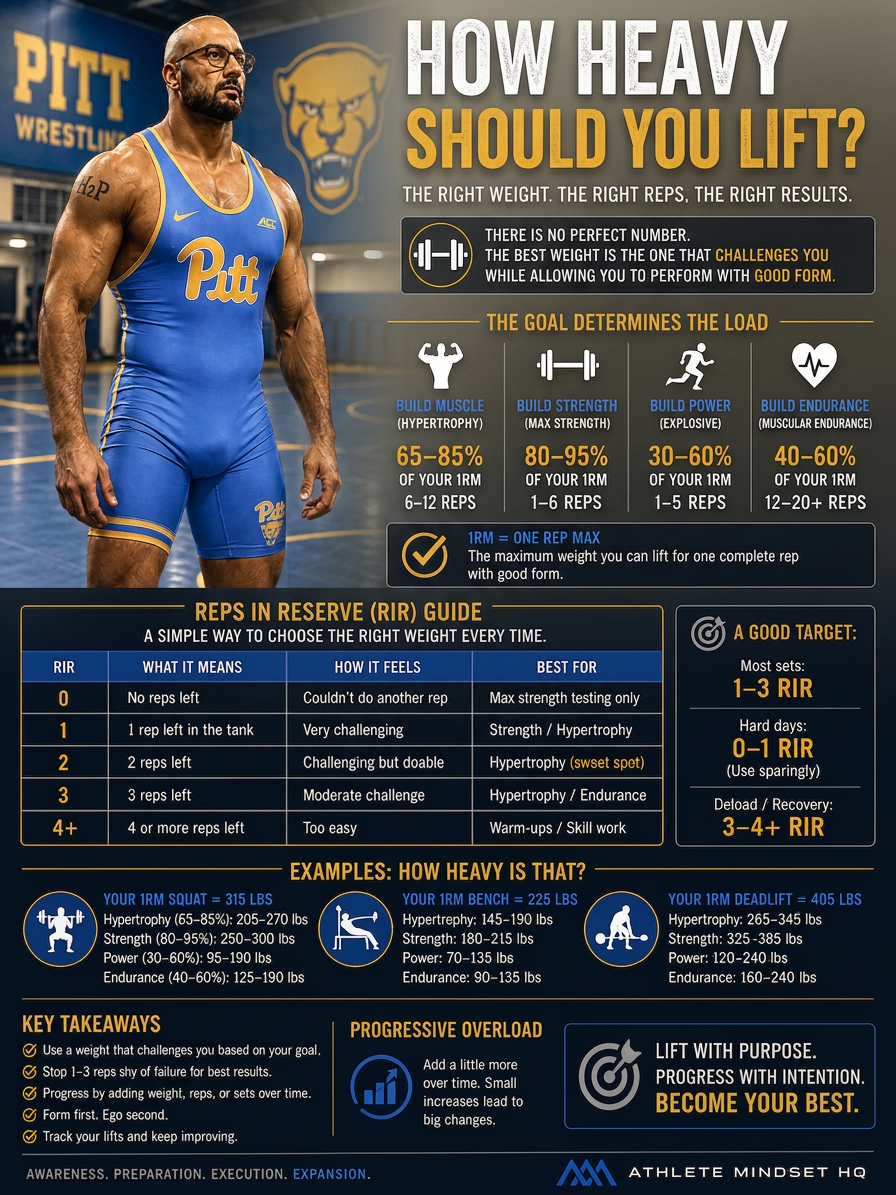
You don’t have to lift the heaviest weight possible to build muscle.
Muscle can grow across a fairly broad range of repetitions when sets provide sufficient effort.
For many recreational lifters, a useful starting point is:
6–12 repetitions for many compound movements
and
10–20 repetitions for many accessory exercises.
But don’t become obsessed with a particular number.
A set of 10 repetitions that you could have performed 20 times probably isn’t providing much stimulus.
A set of 10 where the last few repetitions are genuinely challenging is very different.
Effort matters.
Don’t Forget Protein
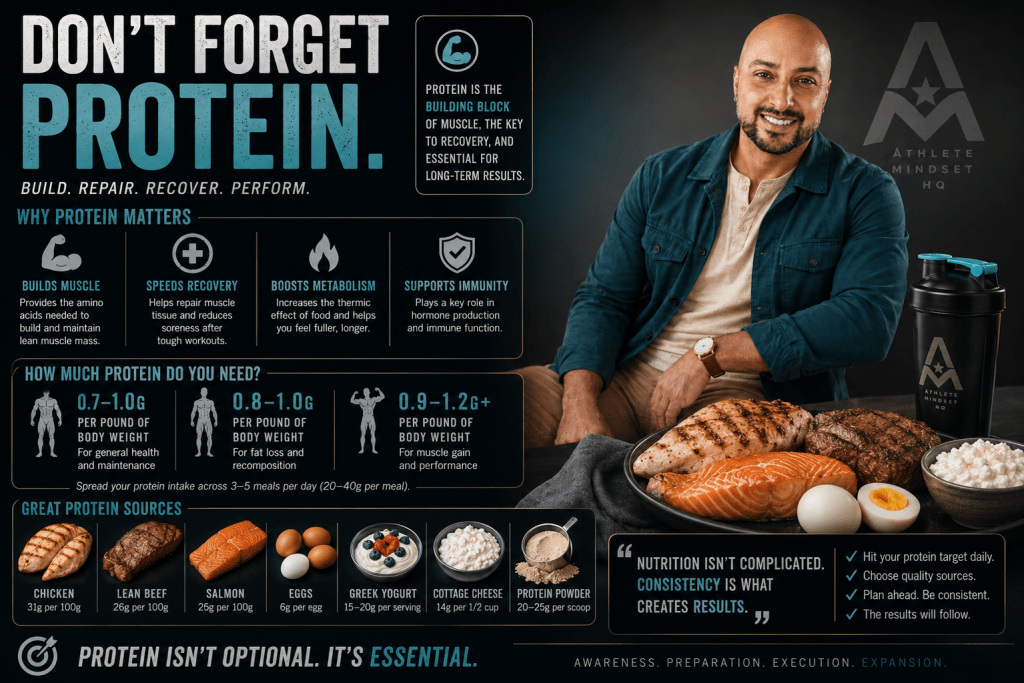
You can’t talk about body recomposition without talking about nutrition.
Resistance training provides the stimulus.
Protein provides amino acids your body uses to repair and build muscle tissue.
For active adults trying to build or preserve muscle, protein intake often lands somewhere around 1.6–2.2 grams per kilogram of body weight per day, depending on the person, goals, total calorie intake, and training demands.
Protein-rich foods might include:
- Chicken
- Turkey
- Fish
- Eggs
- Greek yogurt
- Cottage cheese
- Lean beef
- Tofu
- Beans and lentils
- Protein shakes when convenient
You don’t need to live on chicken and broccoli.
You need a nutritional pattern you can actually maintain.
Don’t Make the Calorie Deficit Too Aggressive
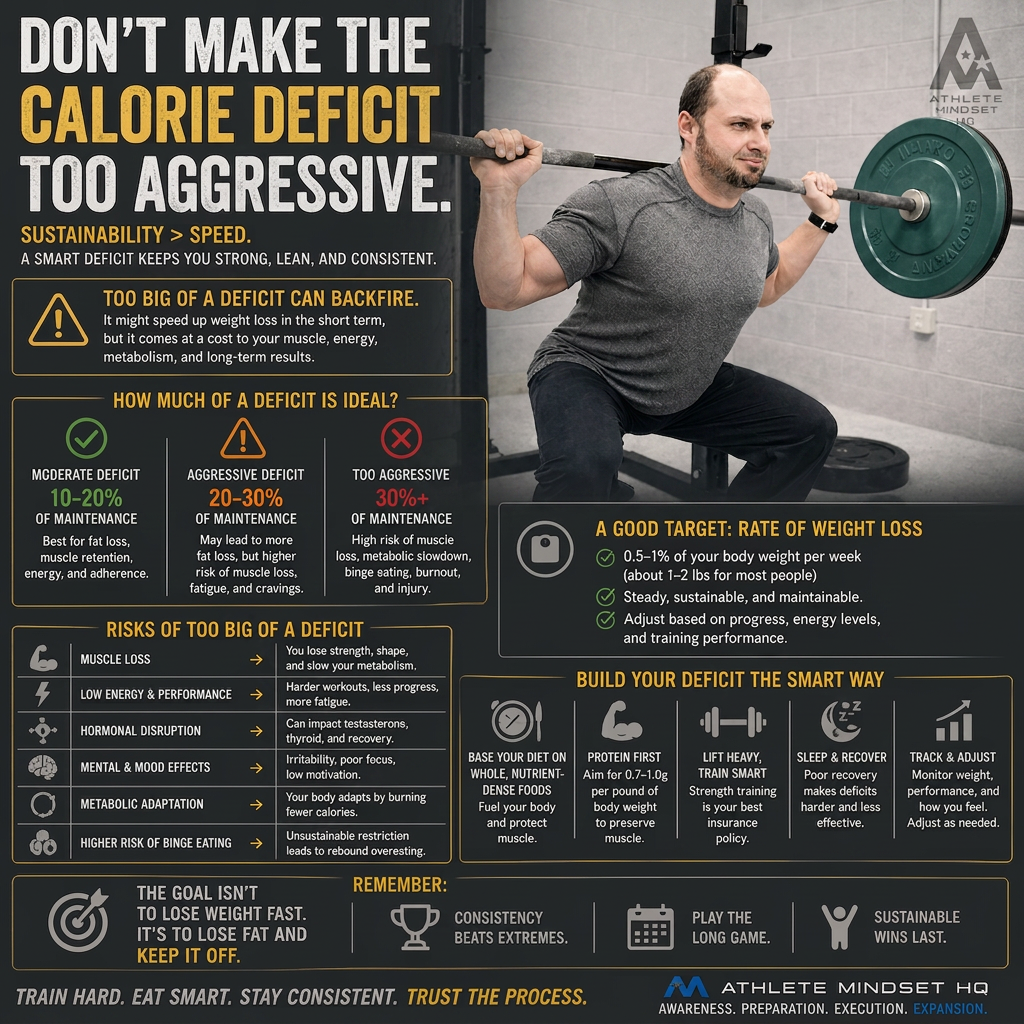
This is another common mistake.
Someone decides they want to lose fat, dramatically cuts calories, starts doing cardio every day, and wonders why their gym performance falls apart.
A very aggressive calorie deficit can make muscle growth more difficult and increase the risk of losing lean tissue.
If body recomposition is the goal, think:
Slow fat loss + resistance training + sufficient protein + recovery.
Not:
Eat as little as possible and exercise as much as possible.
Those are very different strategies.
Sleep Is Part of the Program
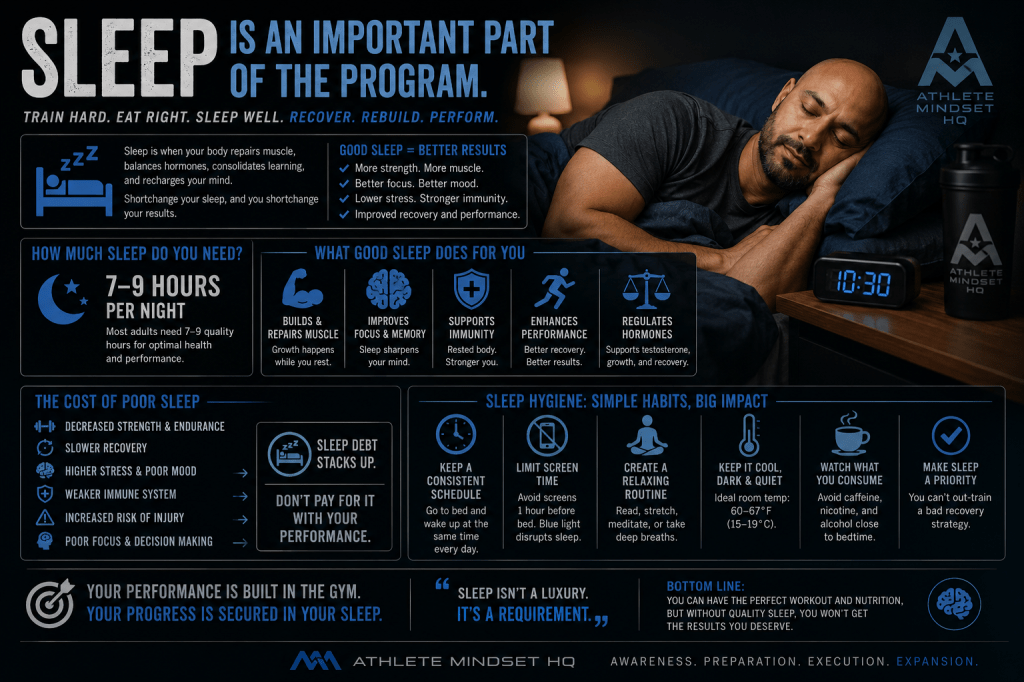
We love talking about workouts because workouts feel productive.
Recovery isn’t nearly as exciting.
But your muscles don’t actually grow while you’re performing the exercise.
Training provides the stimulus. Recovery allows adaptation.
Consistently poor sleep can interfere with training performance, recovery, appetite regulation, and your ability to stick with a program.
If you’re training hard but sleeping five hours a night, recovery deserves just as much attention as your workout split.
A Simple Body-Recomposition Workout
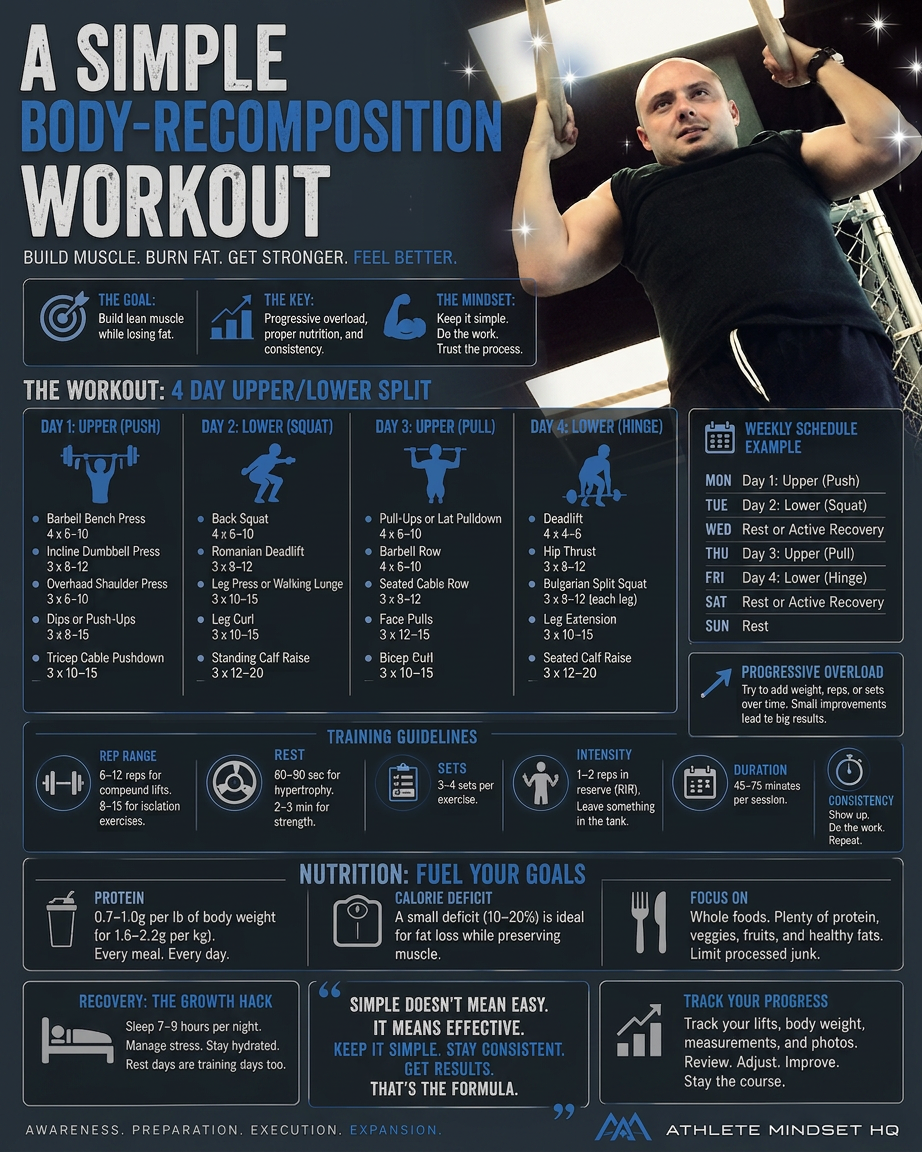
You don’t need 15 exercises every time you walk into the gym.
A full-body session could look something like:
1. Squat or Leg Press — 3 sets × 6–10 reps
2. Romanian Deadlift — 3 × 8–12
3. Dumbbell or Machine Chest Press — 3 × 8–12
4. Seated Cable Row — 3 × 8–12
5. Lat Pulldown — 3 × 8–12
6. Dumbbell Shoulder Press — 2–3 × 8–12
7. Biceps Curl — 2 × 10–15
8. Triceps Extension — 2 × 10–15
Finish with some walking, cycling, sled work, or another form of conditioning if appropriate.
That may not look flashy.
That’s okay.
Effective training doesn’t need to look complicated.
Stop Judging Progress Only by the Scale
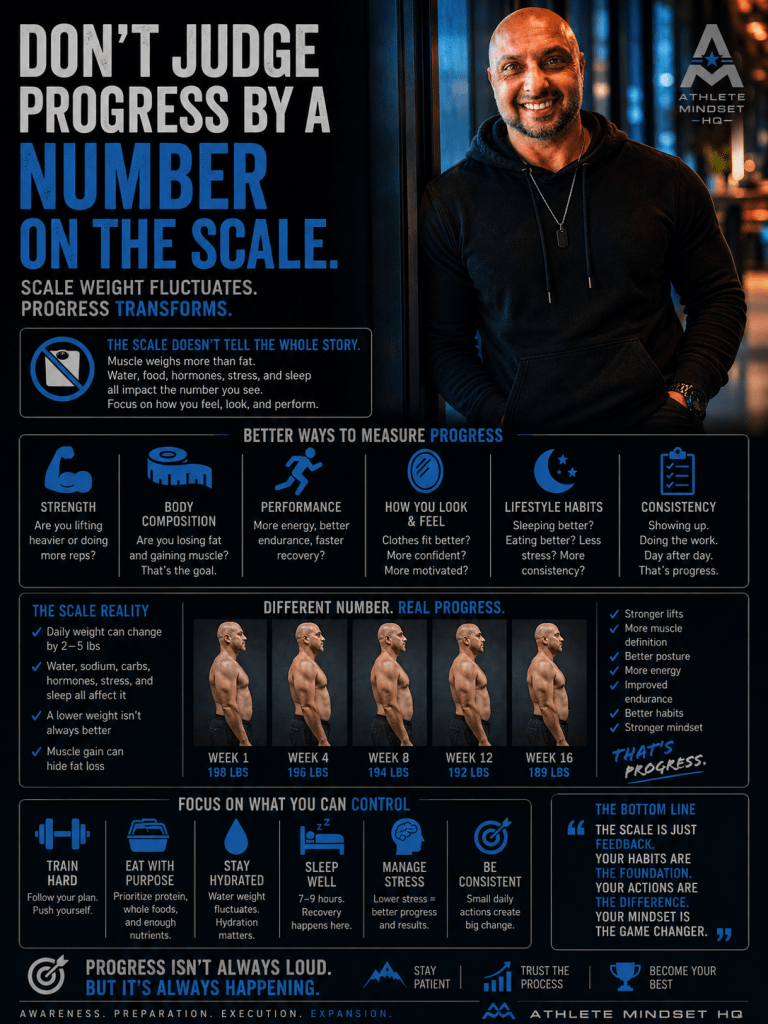
This might be the most important part of body recomposition.
Imagine someone loses five pounds of fat while gaining three pounds of muscle.
The scale only moves two pounds.
If scale weight is the only measurement they’re watching, they might think:
“This isn’t working.”
Meanwhile, their waist is smaller, their clothes fit differently, their shoulders look broader, they’re noticeably stronger, and their body-fat percentage has decreased.
That’s progress.
Consider tracking:
- Waist circumference
- Progress photos
- Strength improvements
- How clothing fits
- Body measurements
- Training performance
- Body-fat estimates, when measured consistently
- Scale weight as one piece of information—not the entire story
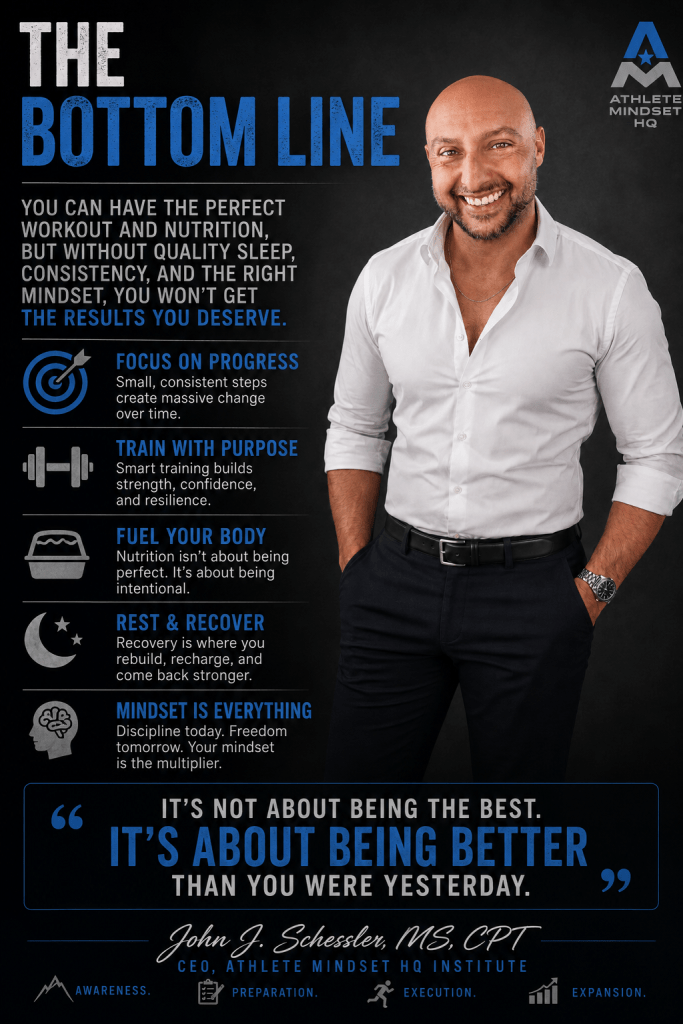
The Bottom Line
If your goal is to increase muscle while decreasing body fat, don’t build your entire fitness program around burning calories.
Build it around giving your body a reason to become stronger.
Prioritize resistance training.
Train the major movement patterns.
Progress your exercises over time.
Eat enough protein.
Maintain a reasonable calorie intake.
Use cardio strategically.
Walk more.
Sleep.
Recover.
And be patient.
Body recomposition doesn’t usually produce the dramatic week-to-week scale changes people associate with crash diets.
But that’s partly the point.
You’re not simply trying to become a smaller version of yourself.
You’re trying to build a stronger, leaner, more capable version of yourself.
And that takes time.
Train for the body you want to build—not simply the calories you want to burn.
ABOUT THE AUTHOR


Leave a Reply