
by John J. Schessler, MS
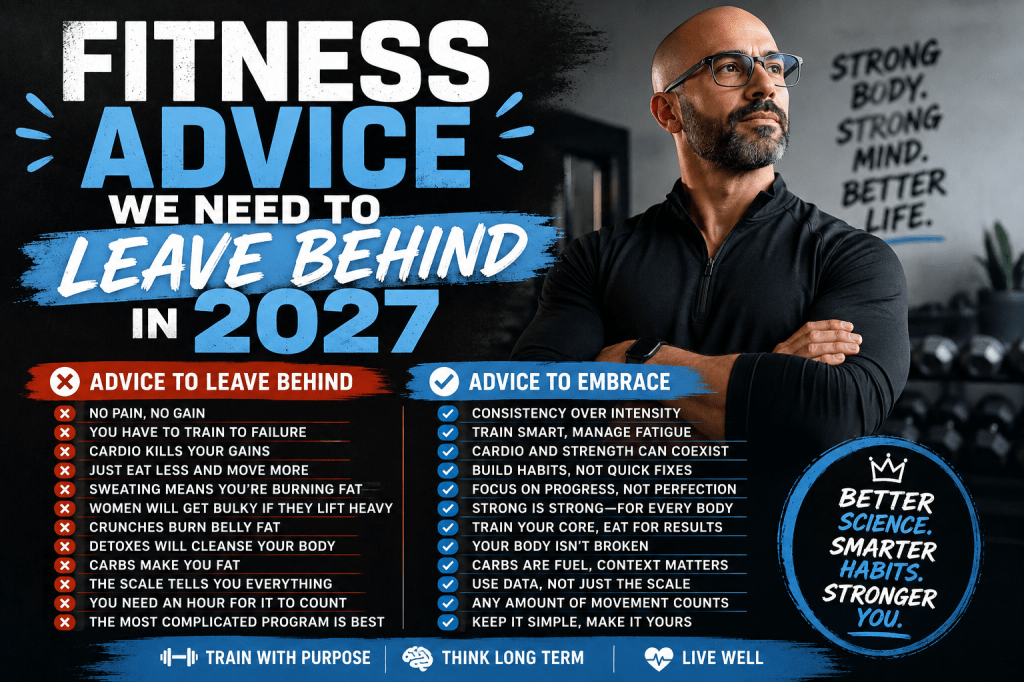
For decades, the fitness industry has been remarkably good at turning simple concepts into complicated rules.
Don’t eat after 8 p.m.
You have to do cardio to lose weight.
Women should lift light weights so they don’t get bulky.
No pain, no gain.
You need to train six days a week.
If you’re not sweating, you’re not working hard enough.
And perhaps the most famous one of all:
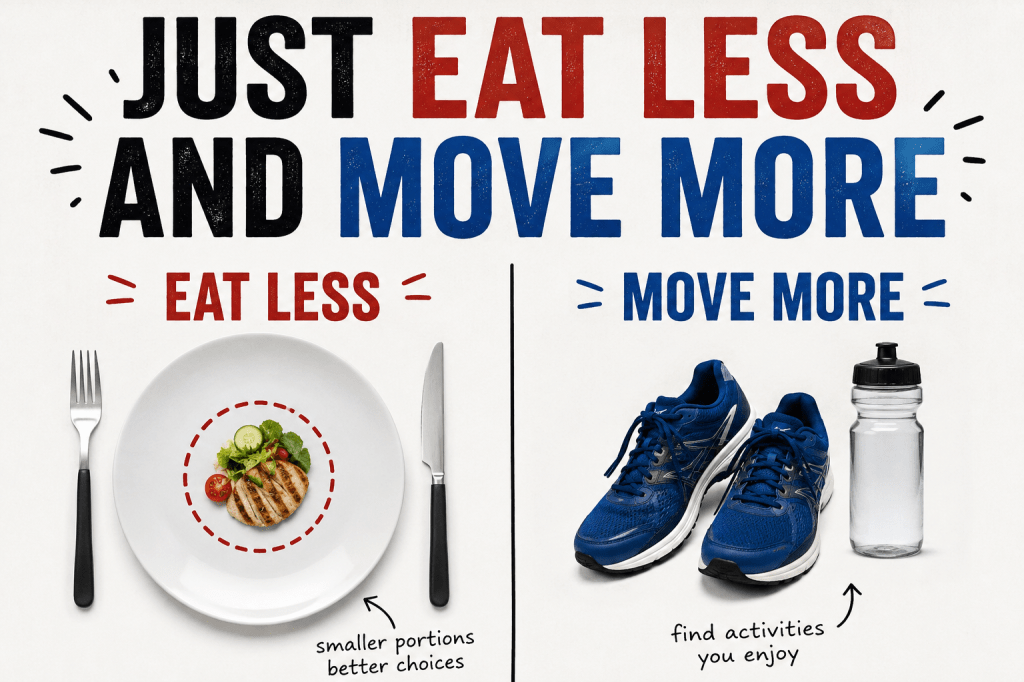
“Just eat less and move more.”
Some of these ideas contain a tiny piece of truth. Others were never particularly good advice in the first place.
But as we move into 2027, exercise science—and our understanding of human behavior—has given us a much better way of thinking about fitness.
The future of fitness isn’t about finding another secret.
It’s about finally letting go of some of the myths we’ve been carrying around for decades.
1. “No Pain, No Gain”
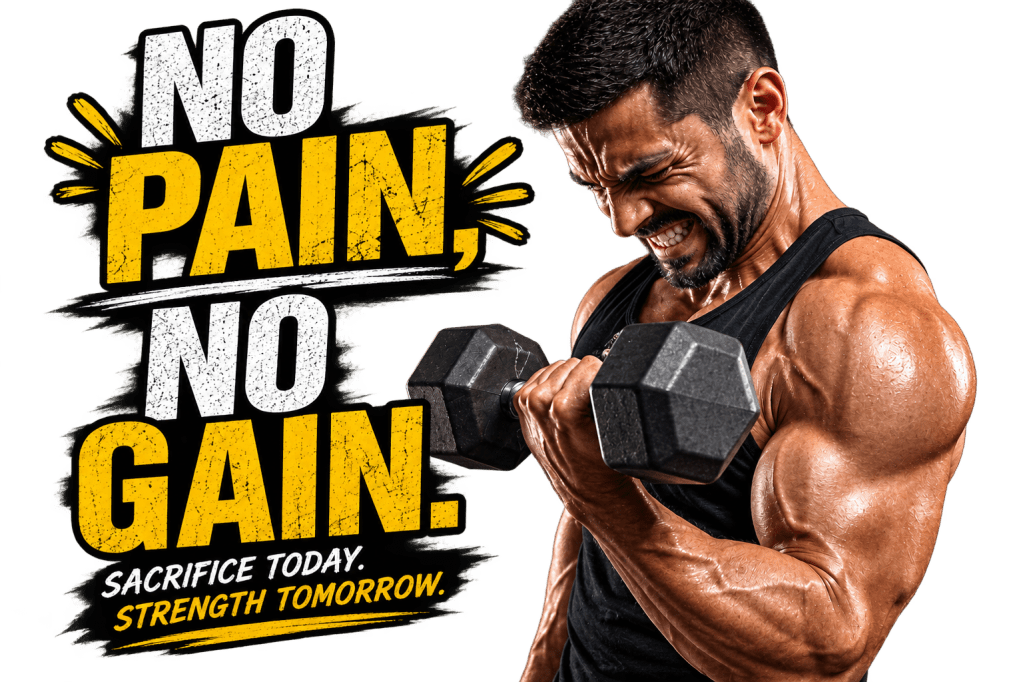
Let’s start with the classic.
Hard training can absolutely be uncomfortable. Your muscles may burn. Your breathing may become heavy. The final repetitions of a challenging set probably shouldn’t feel easy.
But pain and effort are not the same thing.
Pain is information.
And treating every painful sensation as evidence of a productive workout is a terrible long-term training strategy.
Muscle soreness isn’t a report card, either. You can have an excellent workout without struggling to walk down the stairs the next morning.
The better question isn’t:
“How badly did this workout beat me up?”
It’s:
“Did this workout provide enough stimulus for my body to adapt?”
Those are two very different things.
2. “You Have to Train to Failure”
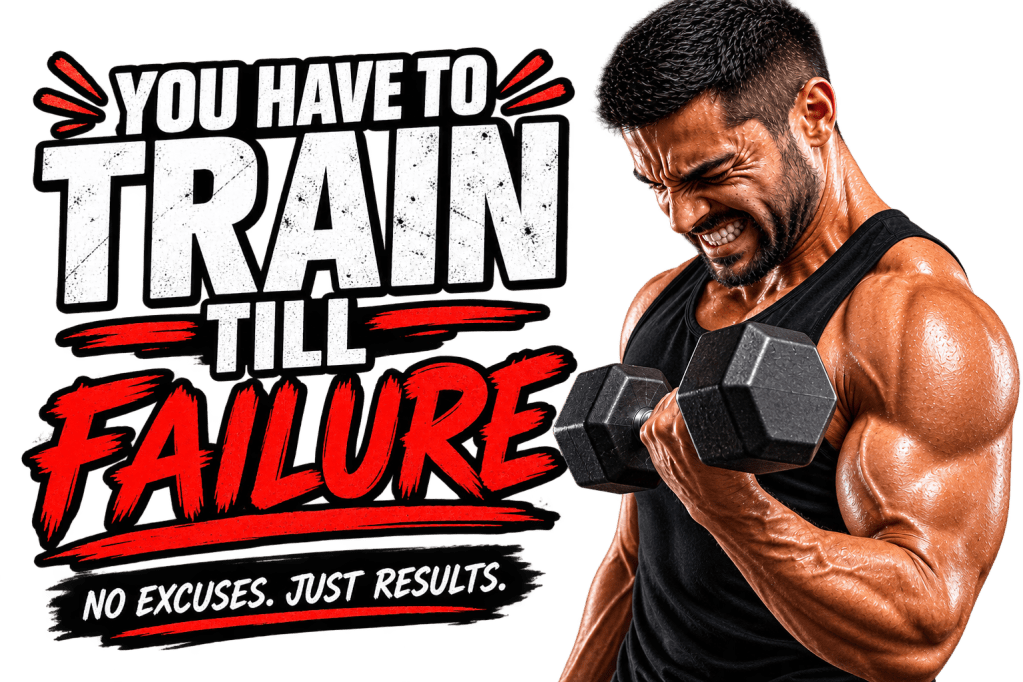
Training to muscular failure became almost synonymous with serious lifting in certain corners of gym culture.
If you had another repetition left, apparently you weren’t trying hard enough.
Except that’s not necessarily how adaptation works.
The American College of Sports Medicine (#ACSM)’s updated resistance-training guidance emphasizes something refreshingly practical: many different approaches to resistance training can produce meaningful improvements, and training to momentary muscular failure is not consistently necessary for the average healthy adult.
There may be situations where training very close to failure is useful.
But every set does not need to become a battle between you and the barbell.
Good programming manages fatigue rather than worshiping it.
3. “Cardio Kills Your Gains”
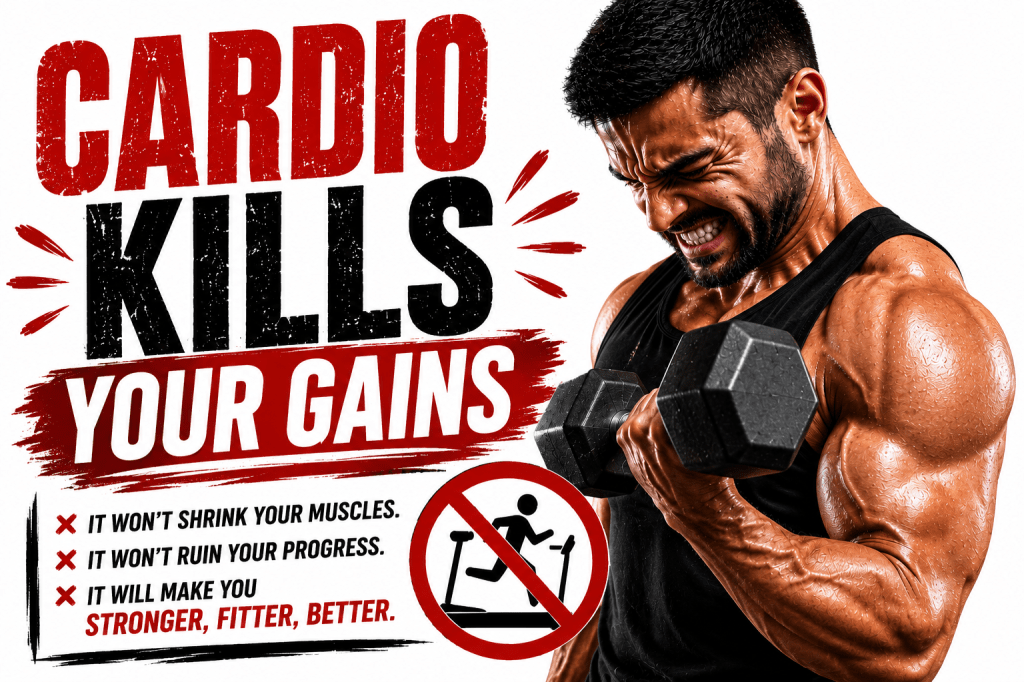
This one refuses to die.
Yes, an enormous amount of endurance training combined with poorly programmed resistance training can potentially interfere with certain strength or hypertrophy goals.
But that’s very different from saying:
“Cardio makes you lose muscle.”
For most recreational lifters, cardiovascular fitness and muscular fitness should coexist.
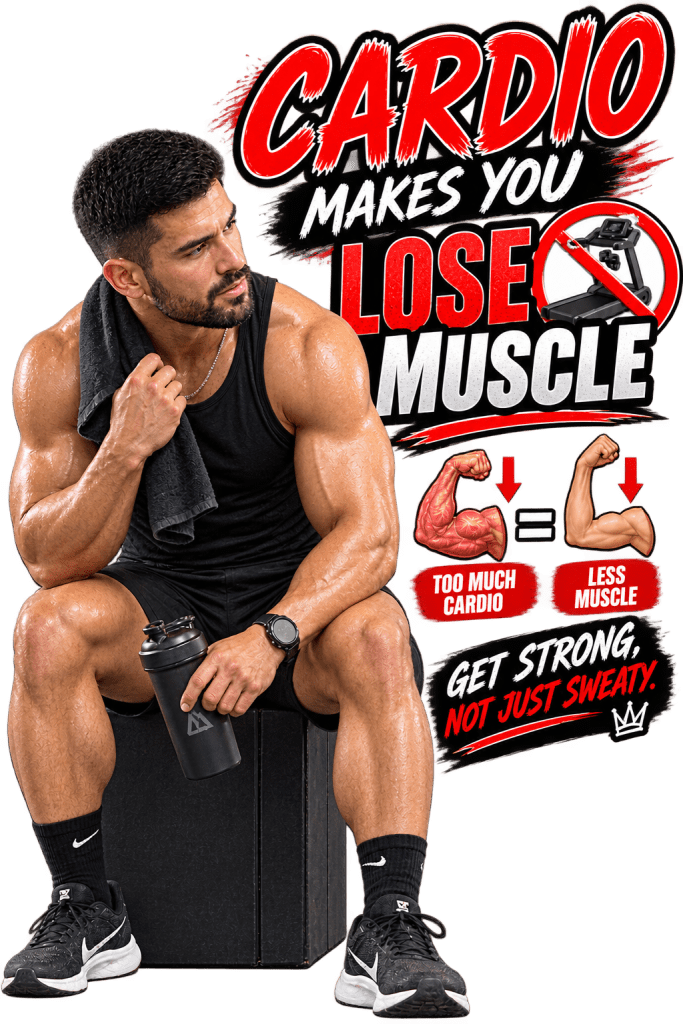
Current physical-activity recommendations still call for adults to combine aerobic activity with
muscle-strengthening exercise.
Walk.
Bike.
Swim.
Run.
Use the elliptical.
Push a sled.
Play basketball.
Lift weights.
Your heart and your biceps do not have to be enemies.
4. “Sweating Means You’re Burning More Fat”
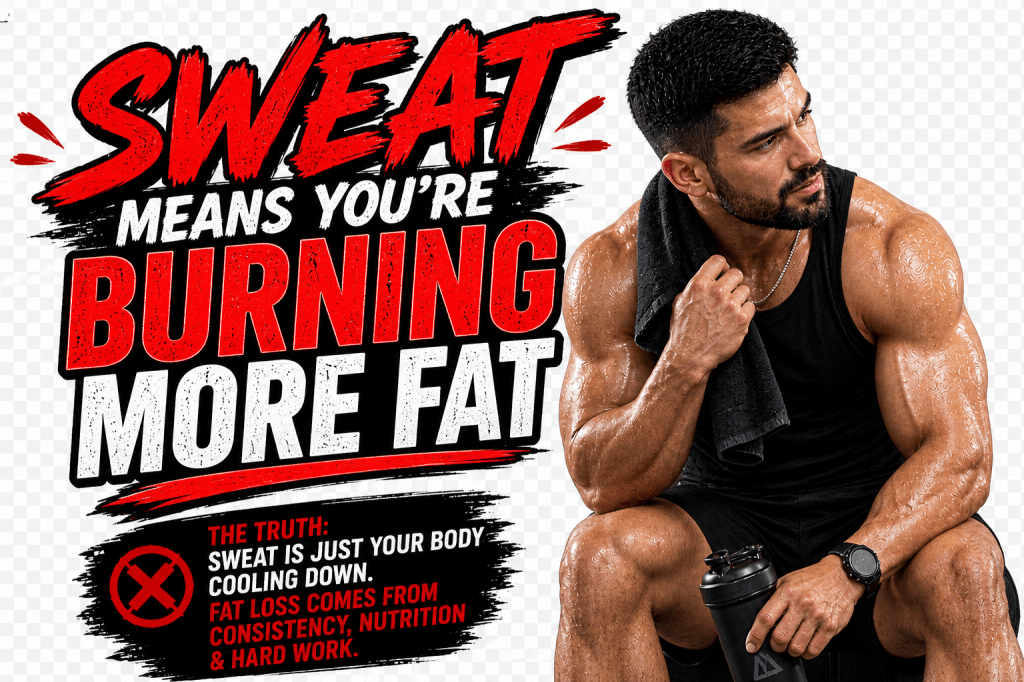
Sweat is your body’s cooling system.
It is not fat leaving your body.
Someone exercising in a hot room may sweat dramatically more than someone performing a challenging strength workout in an air-conditioned gym.
That doesn’t automatically make the first workout more effective.
Yes, your body weight may temporarily decrease after sweating heavily.
Most of that change is water.
Drink fluids and—surprise—the scale moves again.
Sweat can tell you that you’re hot.
It cannot tell you whether you’re having a great workout.
5. “You Need an Hour in the Gym for Exercise to Count”
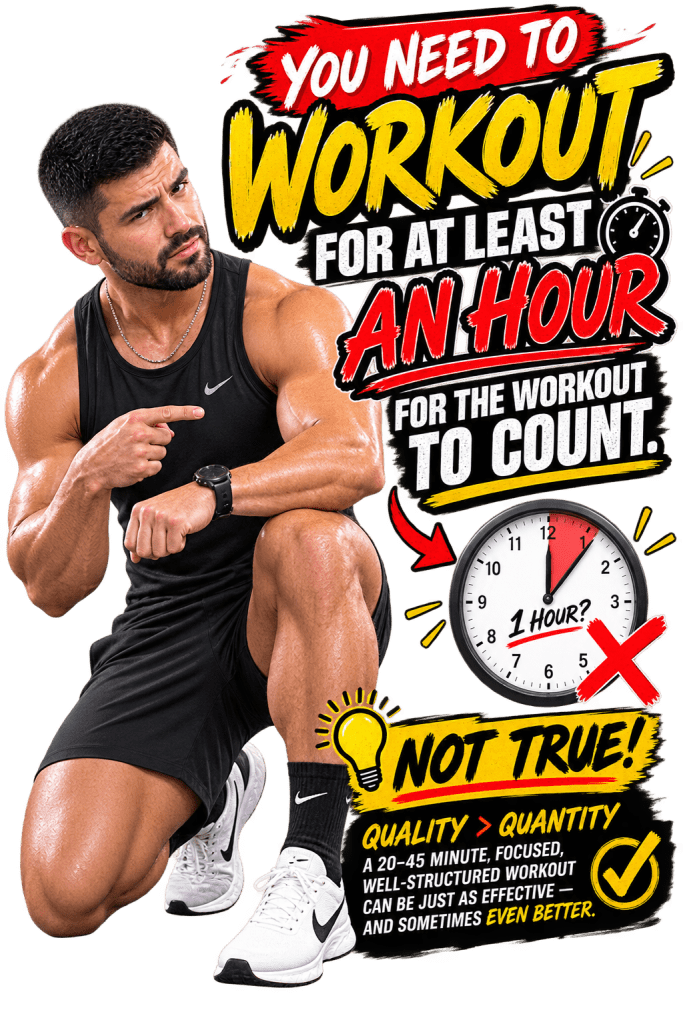
This idea has probably prevented more exercise than it has encouraged.
Someone has 25 minutes available and thinks:
“Well, I can’t get a real workout in today.”
So they do nothing.
But twenty-five minutes of training is infinitely more productive than the imaginary 60-minute workout you didn’t do.
Current physical-activity guidance explicitly recognizes that activity can be accumulated rather than completed in one long session, and that some physical activity is better than none.
The 2027 mindset should be:
Stop chasing perfect workouts and start collecting productive ones.
Twenty minutes counts.
Walking counts.
Two strength sessions per week count.
Something is almost always better than nothing.
6. “Free Weights Are Better Than Machines”
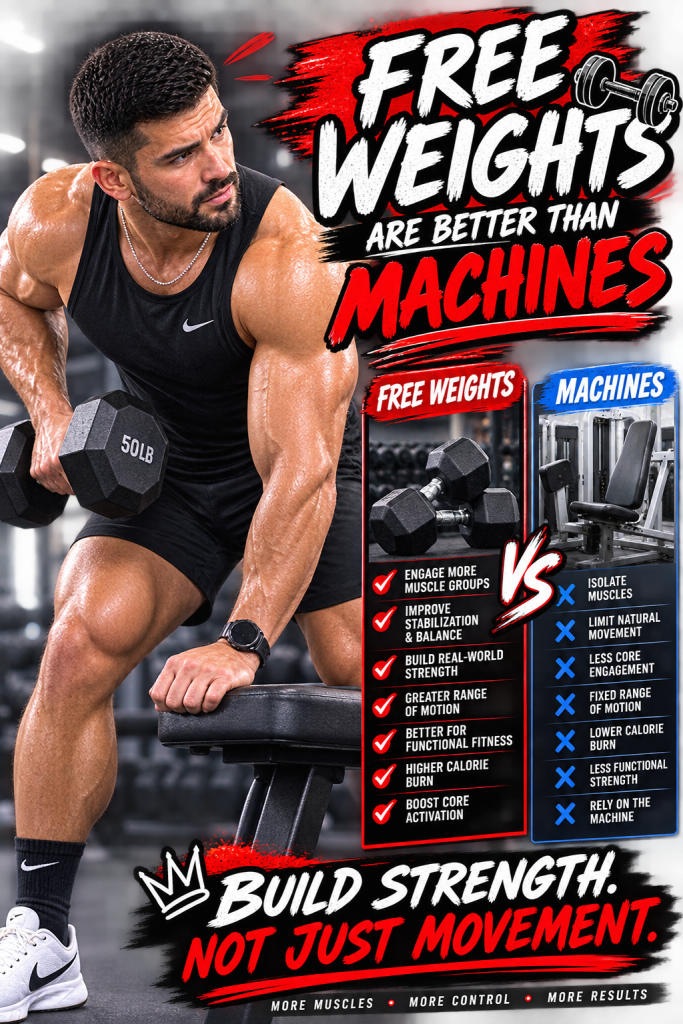
The dumbbell rack doesn’t give you bonus points.
Neither does the squat rack.
Free weights are excellent.
Machines are excellent.
Cables are excellent.
Resistance bands can be excellent.
Bodyweight exercises can be excellent.
ACSM’s 2026 review found that nontraditional approaches—including elastic bands, bodyweight exercise and home-based resistance training—can meaningfully improve strength, hypertrophy and physical function.
Equipment is a tool.
The important question is whether you can safely and progressively challenge the muscles you’re trying to train.
A chest press machine doesn’t suddenly stop stimulating your chest because someone on social media prefers dumbbells.
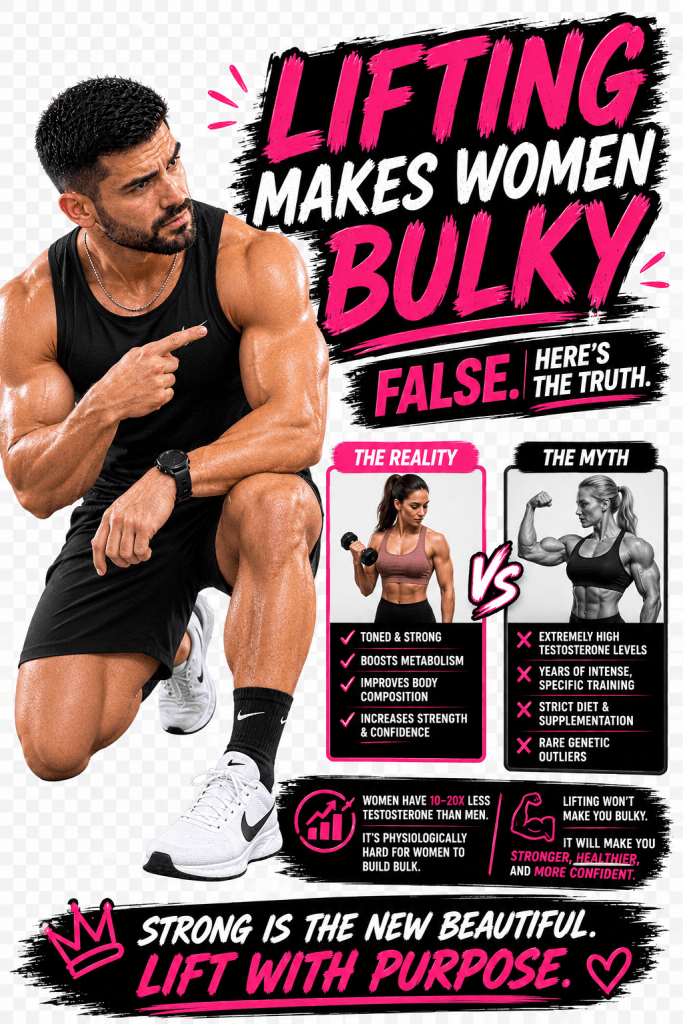
7. “Lifting Heavy Makes Women Bulky”
Can we finally retire this one?
Building substantial amounts of muscle takes time, adequate nutrition, progressive resistance training and consistency.
It does not happen accidentally because someone picked up a 20-pound dumbbell.
Resistance training can improve strength, physical function, body composition and long-term independence.
The goal isn’t to convince every woman that she needs to become a powerlifter.
It’s simply to stop treating strength as something women should fear.
Strong isn’t bulky. Strong is useful.
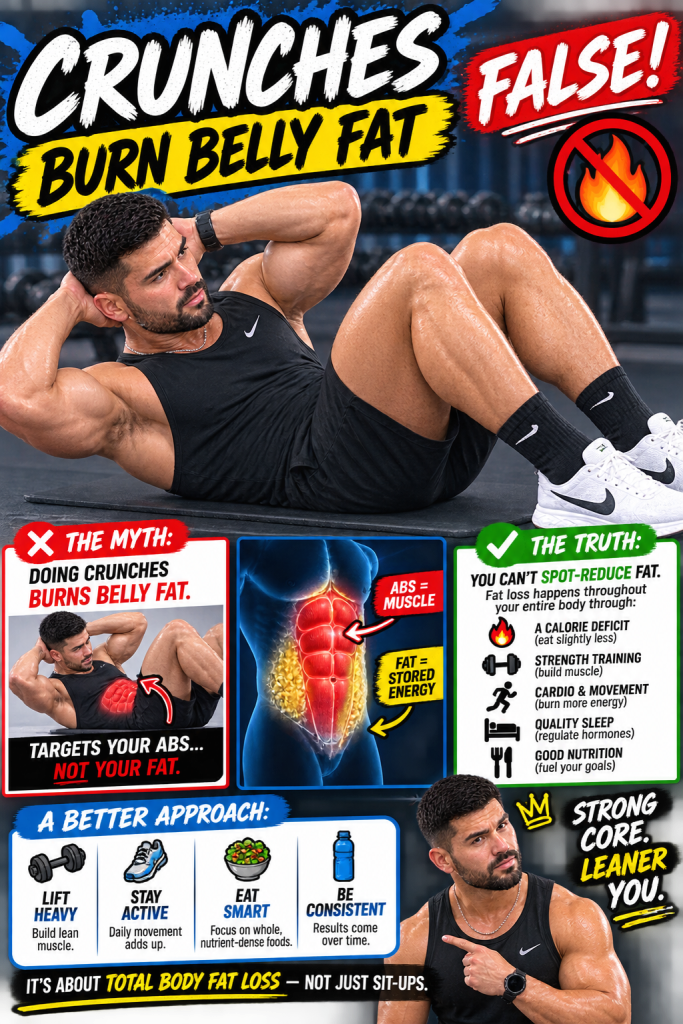
8. “Crunches Burn Belly Fat”
Your abdominal muscles are muscles.
You can train them.
You can strengthen them.
You can develop them.
But doing 500 crunches doesn’t instruct your body to remove fat specifically from your stomach.
If only biology were that cooperative.
Where people store and lose body fat varies considerably.
So train your abs because having a strong trunk is useful.
Just don’t expect your abdominal workout to function like a targeted fat-removal program.
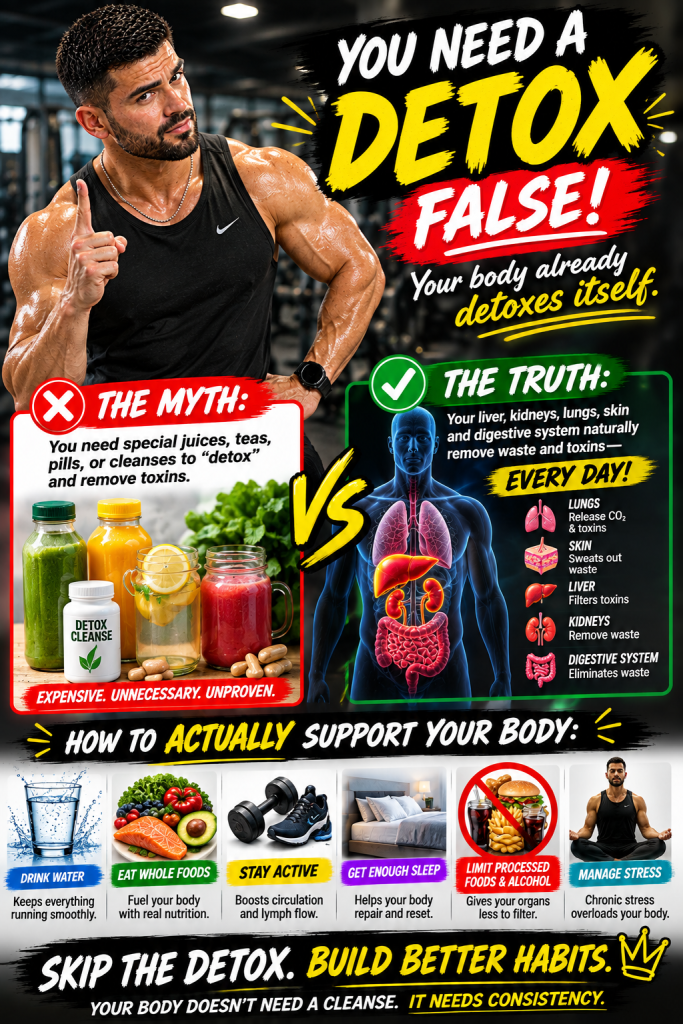
9. “You Need a Detox”
Your body already comes equipped with a surprisingly sophisticated detoxification system.
Your liver and kidneys would probably like a word with the wellness industry.
You generally don’t need a three-day juice cleanse because you ate pizza Saturday night.
Nor do you need to punish yourself Monday morning.
One meal doesn’t ruin your fitness.
One weekend doesn’t ruin your fitness.
And one green juice doesn’t create it.
Fitness is built through patterns.
Hydration.
Nutrition.
Movement.
Sleep.
Training.
Recovery.
Repeat.
Boring?
Maybe.
Effective?
Absolutely.
10. “Carbs Make You Fat”
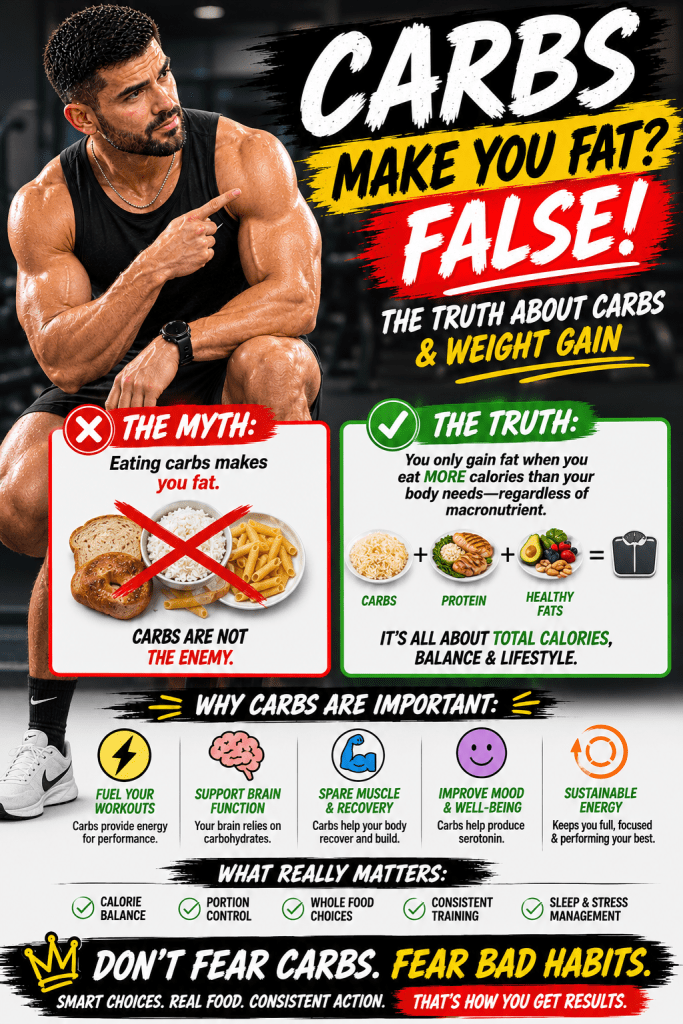
Carbohydrates have had one of the strangest public-relations journeys in nutrition.
They’re either portrayed as essential athletic fuel or the reason civilization is gaining weight.
Reality is less dramatic.
Carbohydrates are one of the body’s major energy sources and can be particularly useful for supporting higher-intensity exercise.
That doesn’t mean unlimited carbohydrates are appropriate for everyone.
It means a potato isn’t inherently responsible for your waistline.
Context matters.
Total dietary intake matters.
Food quality matters.
Individual goals matter.
The nutritional pendulum doesn’t need to swing from “fat is evil” to “carbs are evil.”
Food doesn’t need villains.
11. “The Scale Tells You Whether Your Program Is Working”
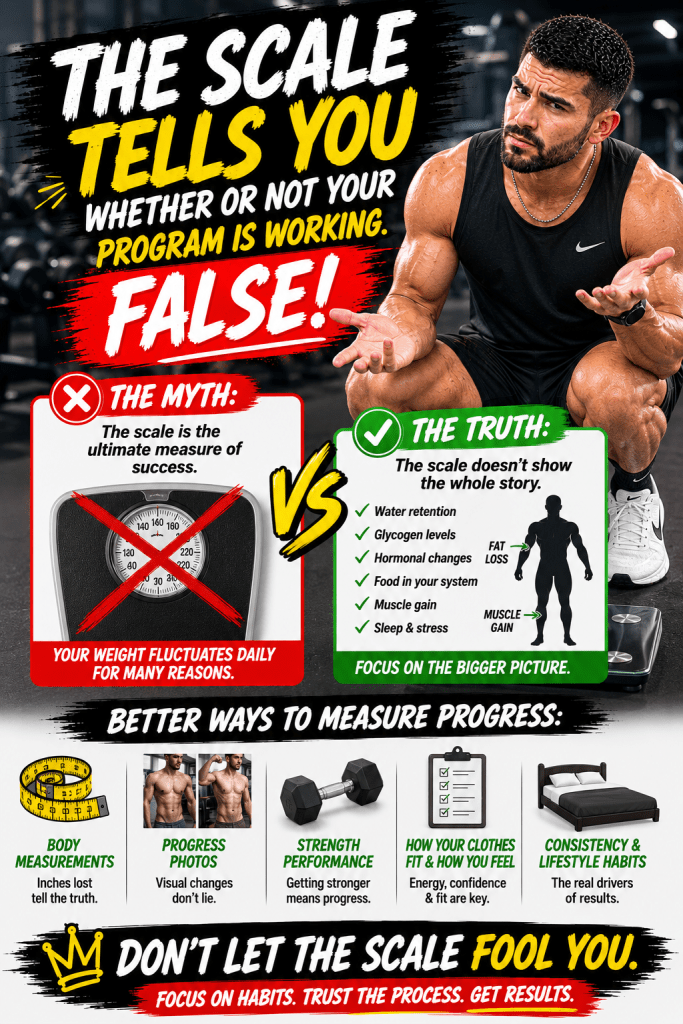
This may be one of the most psychologically damaging ideas in fitness.
Imagine someone begins resistance training.
Their waist becomes smaller.
Their clothes fit better.
Their strength increases.
Their blood pressure improves.
They sleep better.
They have more energy.
They’ve developed muscle.
Then they step on the scale.
Same weight.
And suddenly they think:
“Nothing is working.”
The scale measures gravitational force on your total body mass.
That’s it.
It cannot tell you your confidence.
It cannot tell you your strength.
It cannot tell you how your clothes fit.
It cannot tell you how easily you climbed the stairs.
And it certainly cannot determine your worth.
Use body weight as one piece of information when it’s relevant to your goal.
Don’t turn it into a verdict.
12. “The Best Program Is the Most Advanced Program”
This might be the biggest lesson fitness needs heading into 2027.
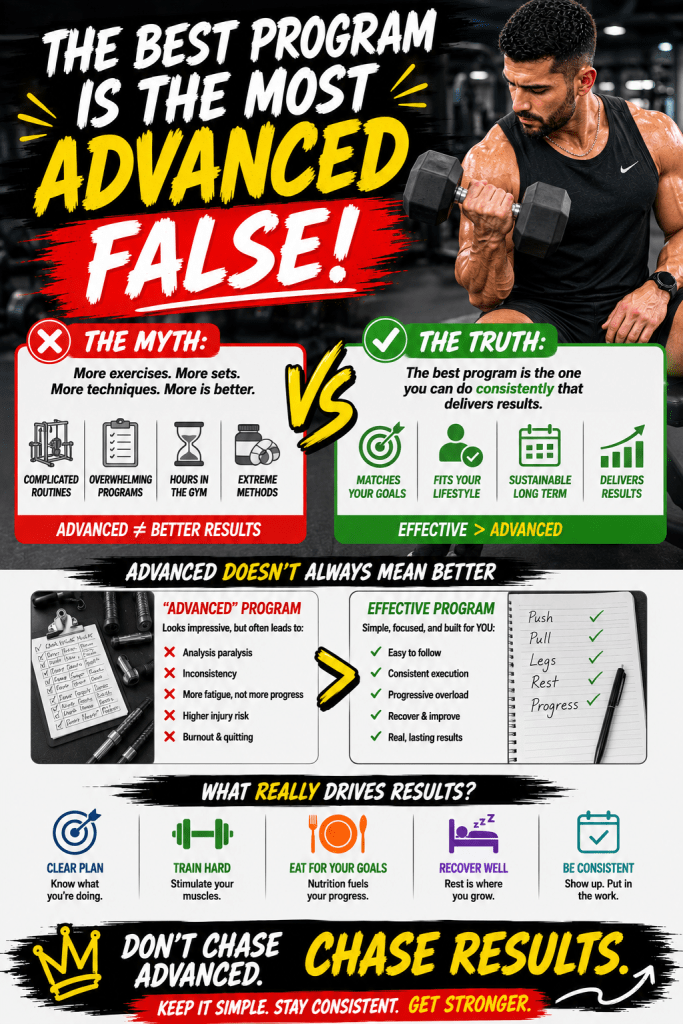
Social media has made exercise incredibly complicated.
Optimal exercise order.
Optimal rep ranges.
Optimal rest periods.
Optimal training splits.
Optimal supplements.
Optimal exercise variations.
Optimal recovery metrics.
Optimal everything.
Meanwhile, someone has spent 45 minutes researching the optimal workout without actually exercising.
The latest ACSM resistance-training guidance sends a much simpler message: consistency beats complexity. Many forms of resistance training work, while variables such as load and weekly volume can then be adjusted according to the person’s specific goal.
For strength, muscle growth, athletic performance or advanced physique development, programming details absolutely matter.
But for most people?
Start by showing up.
Then worry about optimization.
13. “If You’re Not Motivated, You’re Lazy”
This one isn’t really exercise science.
It’s psychology.
And it’s one of the fitness industry’s worst habits.
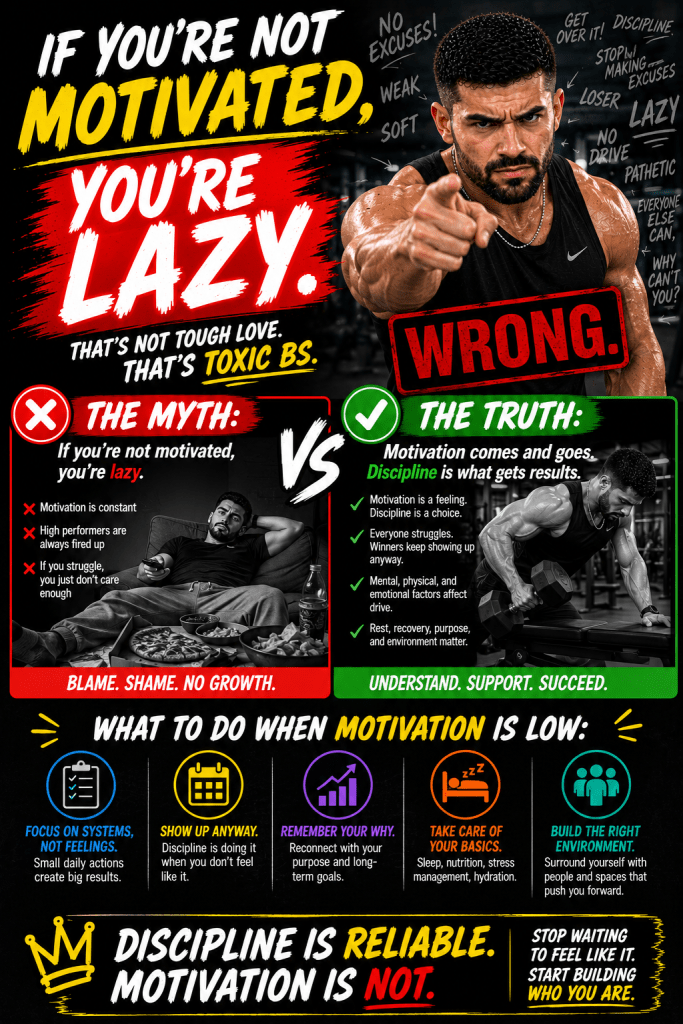
People aren’t robots.
Motivation changes.
Energy changes.
Work gets stressful.
Kids get sick.
Relationships struggle.
Mental health fluctuates.
Sleep gets disrupted.
Life happens.
The solution isn’t always:
TRY HARDER.
Sometimes the better strategy is changing the environment.
Make the workout shorter.
Train closer to home.
Find an activity you actually enjoy.
Train with someone.
Set a smaller goal.
Remove unnecessary barriers.
Instead of asking:
“Why can’t I stay motivated?”
Try asking:
“How can I make this behavior easier to repeat?”
That question can completely change someone’s relationship with fitness.
What Fitness Should Look Like in 2027
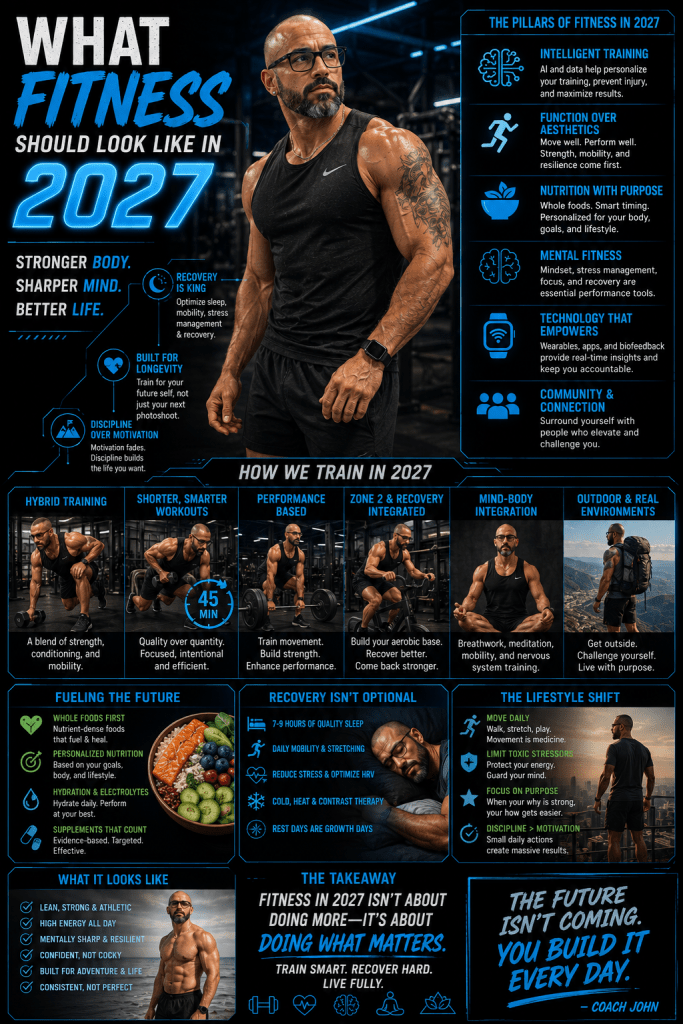
The fitness industry doesn’t need another miracle workout.
It needs better perspective.
And interestingly, that’s already where fitness appears to be heading.
Current industry trends emphasize traditional strength training, exercise for mental health, programs for older adults, functional fitness, recreational sports, wearable technology and more individualized approaches to training.
Technology will continue becoming part of the equation, too. Wearables increasingly provide information about activity, sleep, heart rate and recovery, while data-driven training can help people make more individualized decisions. But even ACSM cautions that technology evolves faster than validation sometimes does.
Your smartwatch can provide information.
It shouldn’t become your boss.
The real evolution of fitness may therefore be surprisingly human.
Train for the life you actually live.
Build muscle.
Develop cardiovascular fitness.
Move well.
Eat reasonably.
Sleep.
Recover.
Find activities you enjoy.
Challenge yourself.
Rest when you need to.
Progress when you’re ready.
And most importantly:
Build something you can continue doing.
Because the best workout isn’t the one that burns the most calories.
It isn’t the one that leaves you lying on the floor.
It isn’t the program your favorite influencer follows.
It isn’t even necessarily the scientifically “optimal” program.
The best fitness program is the one that improves your health, moves you toward your goals, fits your life—and gives you a reason to come back tomorrow.
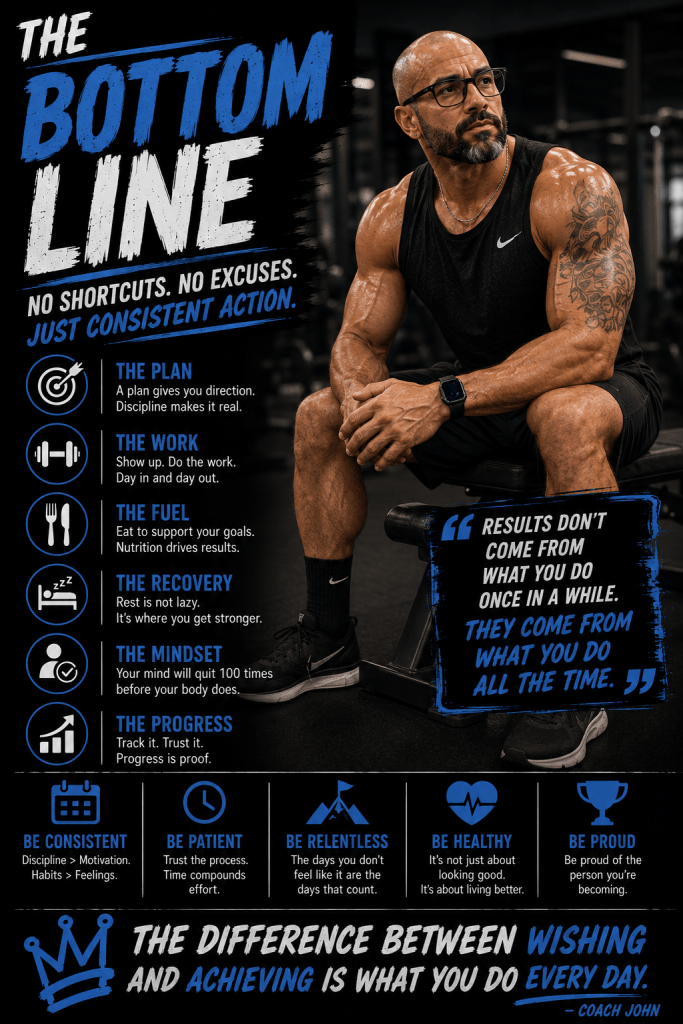
The Bottom Line
Maybe that’s the biggest piece of outdated fitness advice we need to leave behind:
The belief that getting fit requires suffering.
It doesn’t.
It requires adaptation.
And adaptation requires something much less exciting:
Consistency.
Fitness in 2027 shouldn’t be about punishing the body you have.
It should be about building the body—and the life—you want to carry into the decades ahead.
About the Author
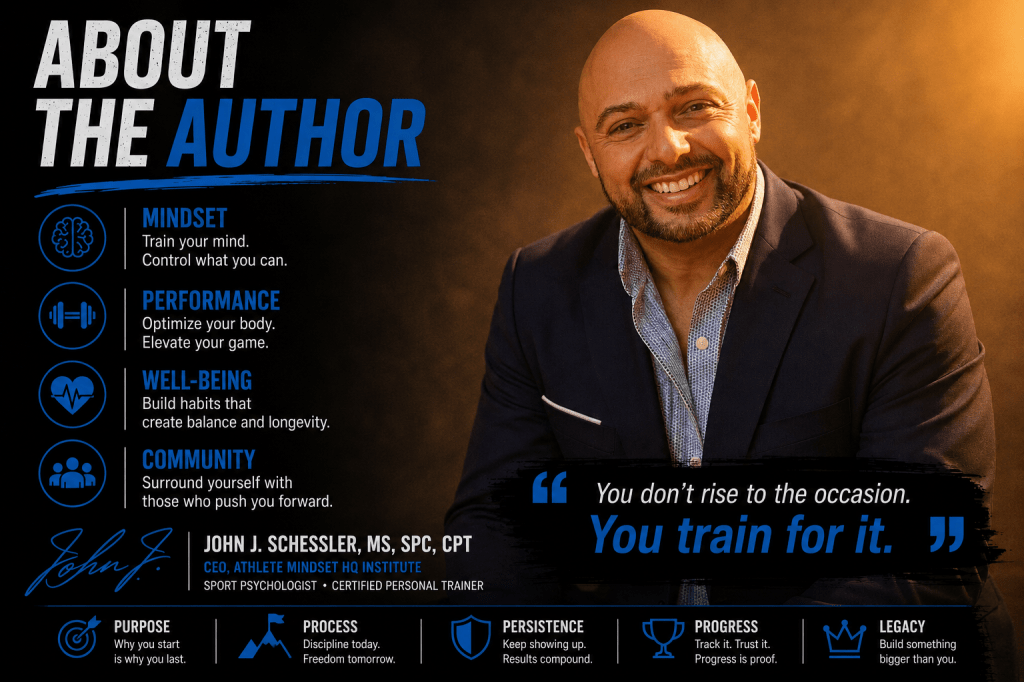
John J. Schessler, MS, SPC, CPT is a sport psychology and fitness professional, educator, content creator, and founder of Athlete Mindset HQ, where he explores the connection between mindset, physical performance, mental well-being, and long-term health.
With a Master of Science in Sport Psychology, a Bachelor’s degree in Child & Adolescent Psychology, and professional training in personal fitness and sports psychology coaching, John brings a multidisciplinary perspective to health and performance. His work is grounded in a simple idea: fitness should prepare people for more than a number on a scale or a reflection in the mirror. It should help them become stronger, more capable, confident, resilient, and prepared for life.
John’s perspective is also deeply personal. After experiencing Guillain-Barré Syndrome as a child and undergoing an extensive rehabilitation process, he developed an early appreciation for movement, recovery, perseverance, and what the human body is capable of overcoming. Those experiences continue to influence the way he approaches fitness and performance today.
Through his writing, coaching, educational content, and Athlete Mindset HQ, John challenges fitness misinformation while translating exercise science and performance psychology into ideas everyday people can actually use.
His philosophy emphasizes progress over perfection, consistency over extremes, and sustainable habits over short-term fixes.
Because ultimately, fitness isn’t just about looking better.
It’s about building a stronger body, a stronger mind, and a life you’re physically and mentally prepared to live.


Leave a Reply