
Masculinity shows up loudest in performance environments.
On the field. In the gym. In competition. Under pressure.
Because for many men, performance isn’t just something they do—it’s something they are.
And that’s where masculine psychology becomes a performance factor, not just a personality trait.
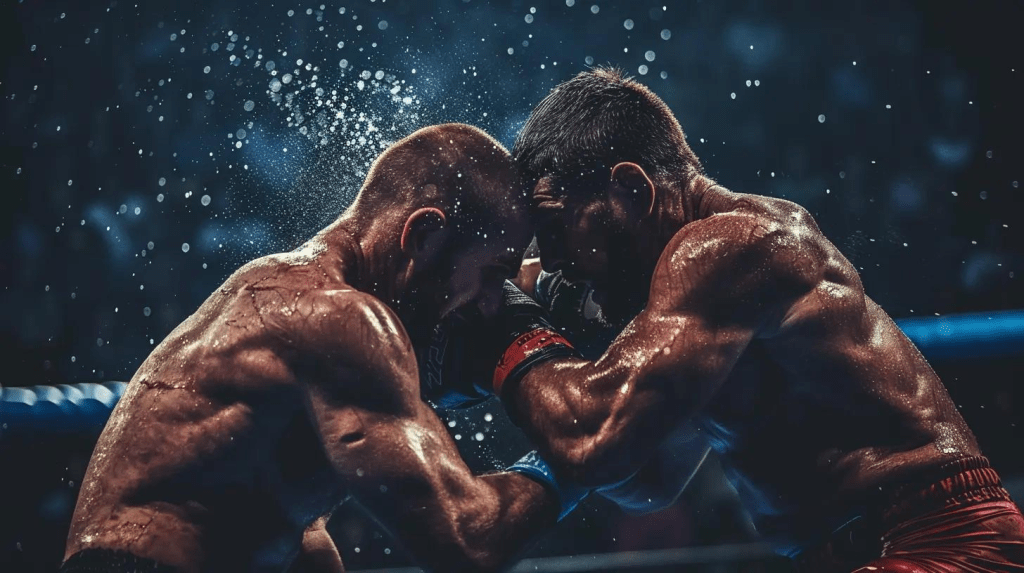
For a lot of male athletes, identity gets built around one core question:
“Am I good enough?”
From a young age, boys are reinforced for:
- Winning
- Being tough
- Pushing through pain
- Not showing weakness
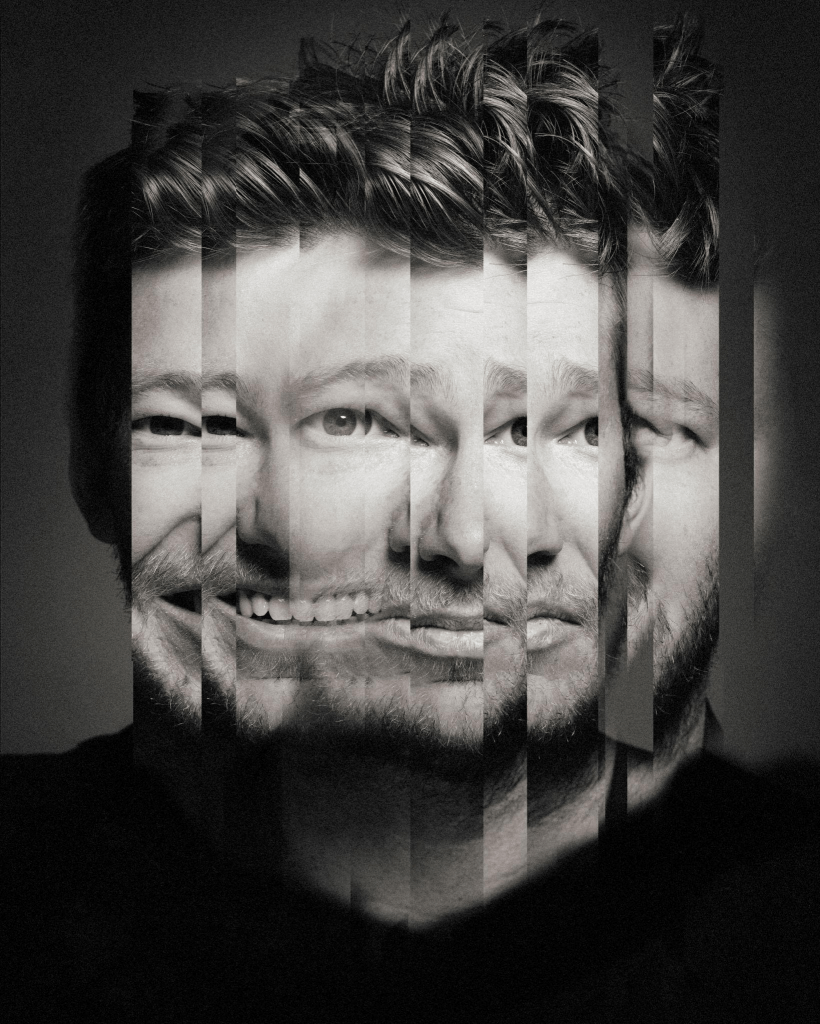
Psychologist William Pollack described this as the “Boy Code”—a system that rewards toughness while discouraging emotional expression (Pollack, 1998).
Layer that into sport, and identity becomes performance-based:
- Play well → confidence rises
- Play poorly → identity takes a hit
Developmentally, this connects to Erik Erikson’s theory of identity formation—where unresolved questions of competence and self-worth continue into adulthood (Erikson, 1968).
So when an athlete struggles, it’s not just “a bad game.”
It can feel like:
“I’m not enough.”
⚔️ Pressure: Why It Feels So Heavy
Pressure hits men differently in sport because of what’s underneath it:
Expectation + Identity + Visibility
Research by Ronald F. Levant shows that many men struggle to process emotions due to restrictive norms around expression (Levant, 1992).
So instead of saying:
“I’m nervous”
“I’m overwhelmed”
It turns into:
Overthinking
Tightness
Hesitation
Anger
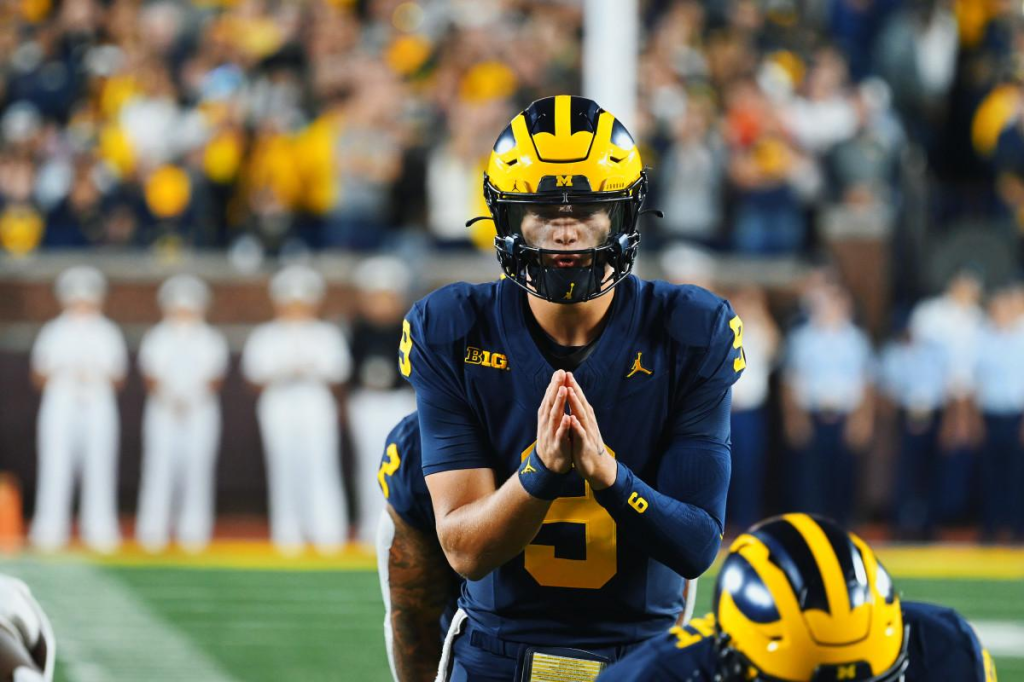
Add in gender role conflict theory from James O’Neil, and you get a clearer picture: men feel pressure to succeed and pressure not to show struggle (O’Neil, 2008).
That’s a brutal combination in performance settings.
🧩 The Invisible Grind (And Why It Matters)

Here’s something athletes feel but rarely say:
A lot of what they do goes unnoticed.
Early mornings. Extra reps. Playing through pain. Mental battles no one sees.
And when effort isn’t acknowledged, it creates:
- Mental fatigue
- Burnout
- “Why am I doing this?” thoughts
For many male athletes, effort = worth.
So when effort feels invisible, motivation starts to crack.
This is where good coaching matters—not just correcting performance, but recognizing it.
Sometimes all it takes is:
“I see the work you’re putting in.”
That line hits deeper than people think.
🧒 The Inner Game: The “Little Boy” Shows Up Under Pressure
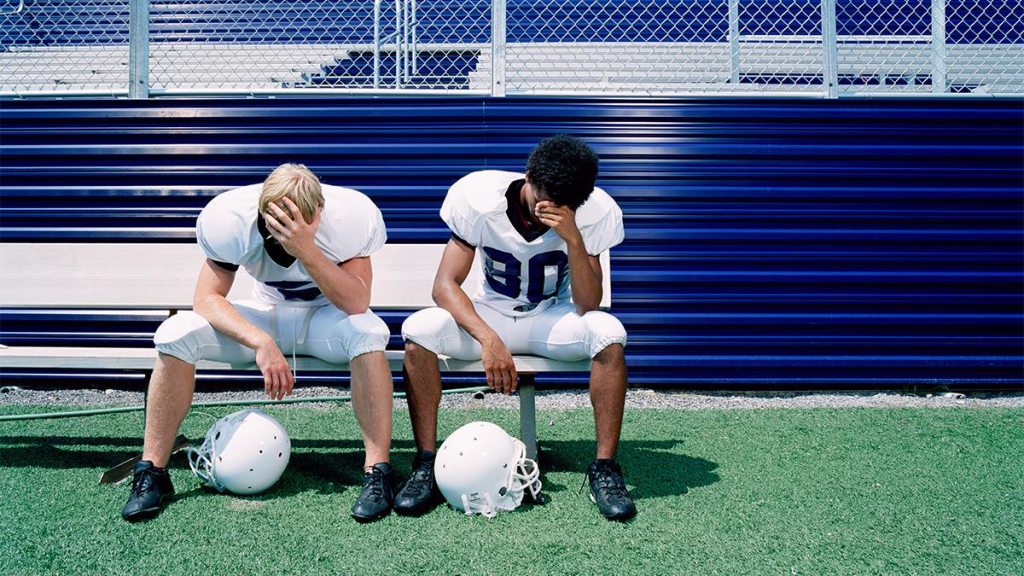
This is the part most athletes don’t talk about:
Pressure doesn’t just test skill—it exposes identity.
Underneath the confident athlete is often a younger version still asking:
- “What if I mess this up?”
- “What will people think?”
- “Do I belong here?”
Psychodynamic theory (Sigmund Freud; Carl Jung) explains that earlier emotional experiences stay active and influence current behavior (Freud, 1923; Jung, 1969).
More directly, Internal Family Systems by Richard Schwartz suggests athletes carry multiple “parts”—including younger, uncertain ones that surface under stress (Schwartz, 1995).
So when an athlete “chokes” or tightens up?
It’s not just physical.
It’s psychological:
The younger, uncertain part just got loud.
🤝 Why Athletes Struggle to Talk About It
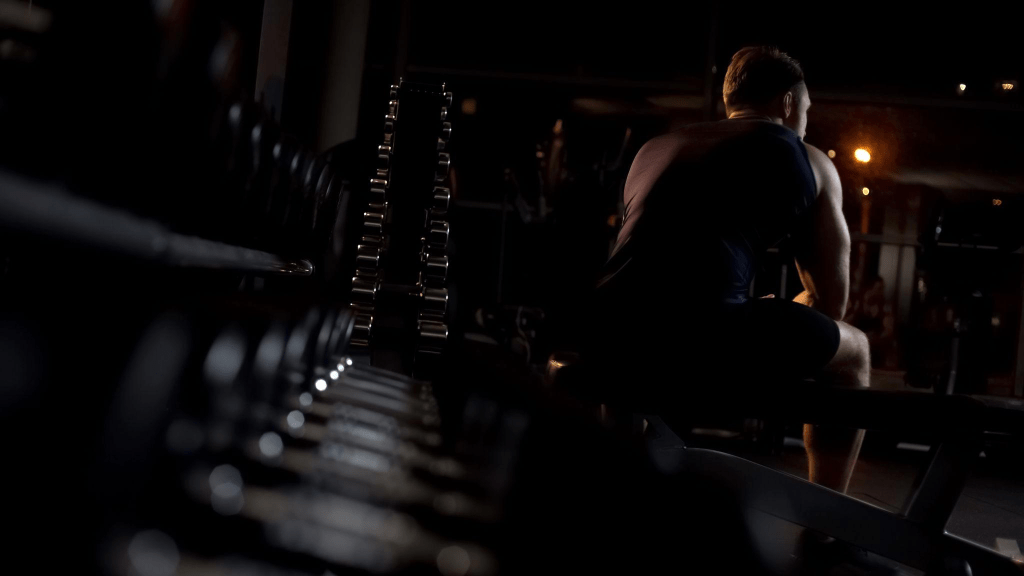
Most male athletes don’t lack connection—they lack depth.
Locker rooms are full of:
- Banter
- Competition
- Surface-level bonding
But rarely:
- Vulnerability
- Honest conversations about pressure
Attachment theory (John Bowlby; Mary Ainsworth) shows that early emotional environments shape how people seek support (Bowlby, 1988; Ainsworth, 1978).
If an athlete learned:
- “Handle it yourself”
- “Don’t show weakness”
Then even when support is available… they won’t reach for it.
🧭 Purpose: The Performance Anchor

The athletes who last—and thrive—aren’t just talented.
They’re anchored.
Purpose stabilizes performance.
When an athlete knows:
- Why they compete
- Who they’re doing it for
- What it means beyond results
They become more resilient under pressure.
Without purpose?
Performance becomes fragile.
Because if results drop… identity drops with it.
🔄 What This Means for Performance
If you’re working with male athletes—or you are one—this matters:
Performance improves when you:
- Separate identity from results
- Normalize pressure instead of hiding it
- Create space for honesty (without killing competitiveness)
- Recognize effort, not just outcomes
- Teach emotional awareness as a skill—not a weakness
Because here’s the truth:
You don’t get peak performance by ignoring psychology.
You get it by understanding it.
💬 Final Thought
A lot of male athletes don’t just feel pressure to perform.
They feel pressure to be someone.
And underneath that?
There’s often a younger version of them just trying to prove:
“I belong here.”
The best athletes aren’t the ones who silence that voice.
They’re the ones who learn how to perform with it—without letting it take over.
📚 References
Ainsworth, M. D. S. (1978). Patterns of attachment. Erlbaum.
Bowlby, J. (1988). A secure base. Basic Books.
Erikson, E. H. (1968). Identity: Youth and crisis. Norton.
Freud, S. (1923). The ego and the id.
Jung, C. G. (1969). The structure and dynamics of the psyche.
Levant, R. F. (1992). Masculinity and emotional restriction. Journal of Family Psychology.
O’Neil, J. M. (2008). Gender role conflict. The Counseling Psychologist.
Pollack, W. (1998). Real boys.
Schwartz, R. (1995). Internal family systems therapy.
About Me — Coach John Schessler Jr.
I’m Coach John — the mind behind ThePGHSportsPsyCoach — and my mission is simple: help athletes build the kind of mental toughness, confidence, and resilience that shows up long after the final whistle blows.

I coach from experience, education, and heart. As a Sports Psychology Coach and Behavior Interventionist, I’ve spent years working with athletes and students who carry big potential but also big pressure. My job? Teach them how to channel that pressure into power.
Right now, I’m leveling up my own game, pursuing my graduate degree in Sports Psychology so I can support athletes at an even higher level. Every day, I study how mindset, emotion, and performance work together — and every day, I bring that knowledge straight to the athletes and readers who trust me.
This blog is your locker room talk for the mind.
Here, we break limits.
We train confidence.
We learn how to stay locked in when it matters most.
Because winning isn’t just physical — it’s mental.
And when you master your mind, the rest follows.
If you’re ready to grow, challenge yourself, and build an unshakeable mental edge… welcome to the team. Let’s get to work.
#mindsetperformance #athleticmindset #masculinepsychology #mentalhealth #findyourwhy #physicalfitness #personaltrainer #sportspsychology #masculinity #boystomen #firdaynightlights #boysofsummer #fitness #confidence #breakinglimits #NASM


Leave a comment