

Why competition, identity, and belonging run deeper than the scoreboard.
For many men, sports are far more than entertainment. They are a psychological arena where identity, belonging, competition, and emotional expression all collide.
From childhood pickup games to professional stadiums, sports often serve as one of the primary ways men learn about themselves and their place in the world. While it may look like a simple game from the outside, the psychological impact of sports on male identity runs deep.
Sports as a Testing Ground for Identity
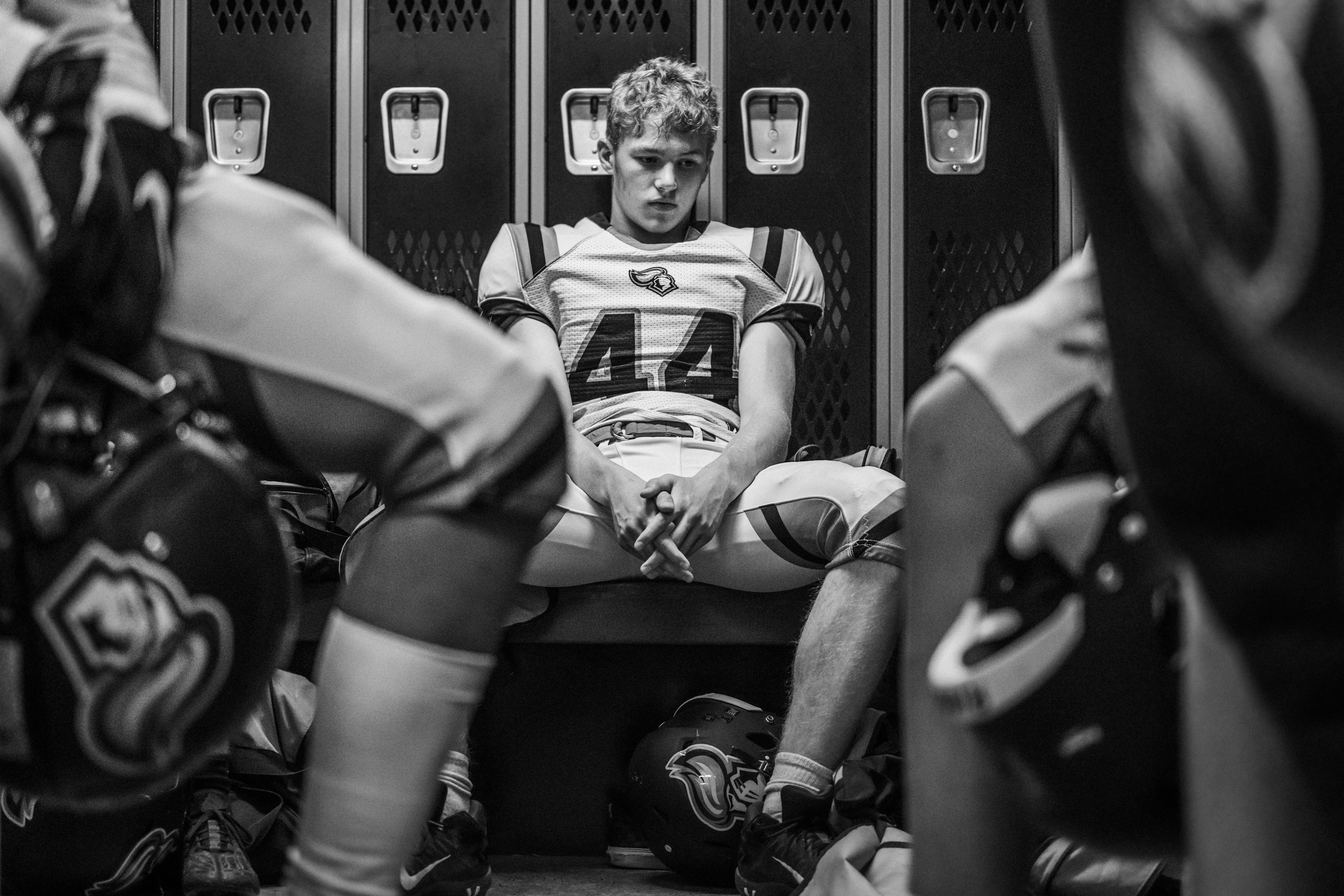
From a young age, many boys learn about capability and confidence through competition. Sports offer clear feedback: effort leads to improvement, discipline leads to results, and perseverance leads to growth.
Athletics often answer some of the most basic psychological questions men ask themselves:
Am I capable?
Am I strong enough?
Can I handle pressure?
Through wins, losses, and adversity, sports help shape self-concept. This is one reason many athletes struggle when they retire. When a sport has been a central part of someone’s identity for years, walking away from it can feel like losing a piece of oneself.
The Power of the Tribe
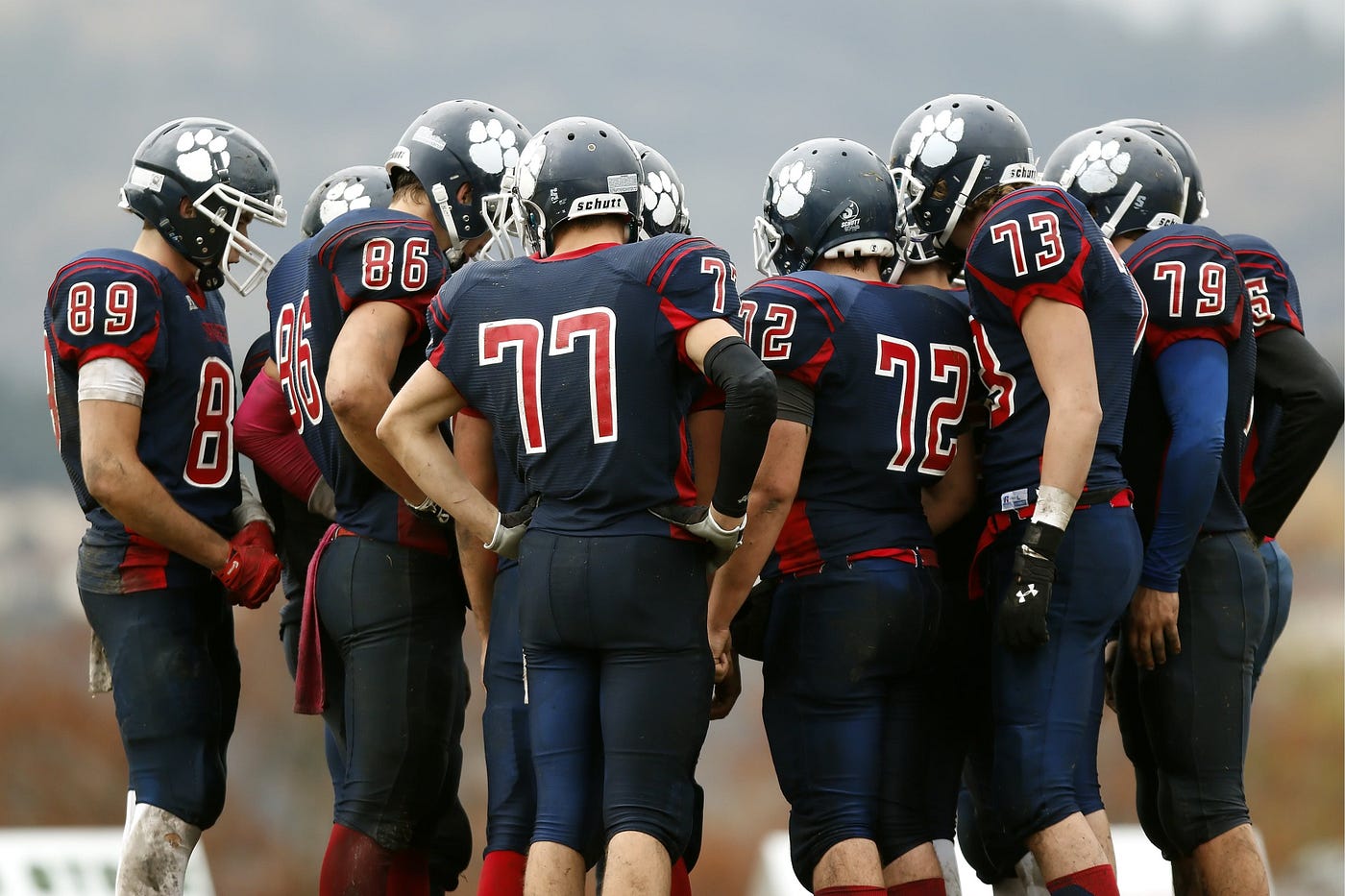
Humans are wired for belonging, and sports recreate one of the oldest psychological structures in human history: the tribe.
Teams become tribes.
Fans wear the same colors, celebrate the same victories, and feel the same heartbreaks. In stadiums and living rooms alike, sports create instant bonds between people who may have never met before.
For many men, sports provide one of the few socially accepted ways to experience deep group connection and shared identity.
A Safe Outlet for Emotion
Men are often taught to suppress emotional expression in many areas of life. Sports, however, create a socially acceptable outlet for those emotions.
Think about the emotional spectrum displayed during a game:
joy
frustration
anger
relief
pride
disappointment
Grown men screaming, hugging, crying, or celebrating together might seem unusual in most settings. In sports culture, it is completely normal.
In this sense, sports serve as a powerful emotional release valve.
Competition and the Drive for Status
Competition taps into deeply rooted evolutionary psychology. Historically, male competition played a role in determining leadership roles, social standing, and survival.
Sports simulate that competitive environment in a safe and structured way.
Instead of competing for territory or resources, athletes compete for points, records, championships, and personal improvement. The brain still responds with the same surge of adrenaline, motivation, and reward.
Competition in sports satisfies a natural human drive to test limits and strive for excellence.
Discipline, Purpose, and Personal Growth
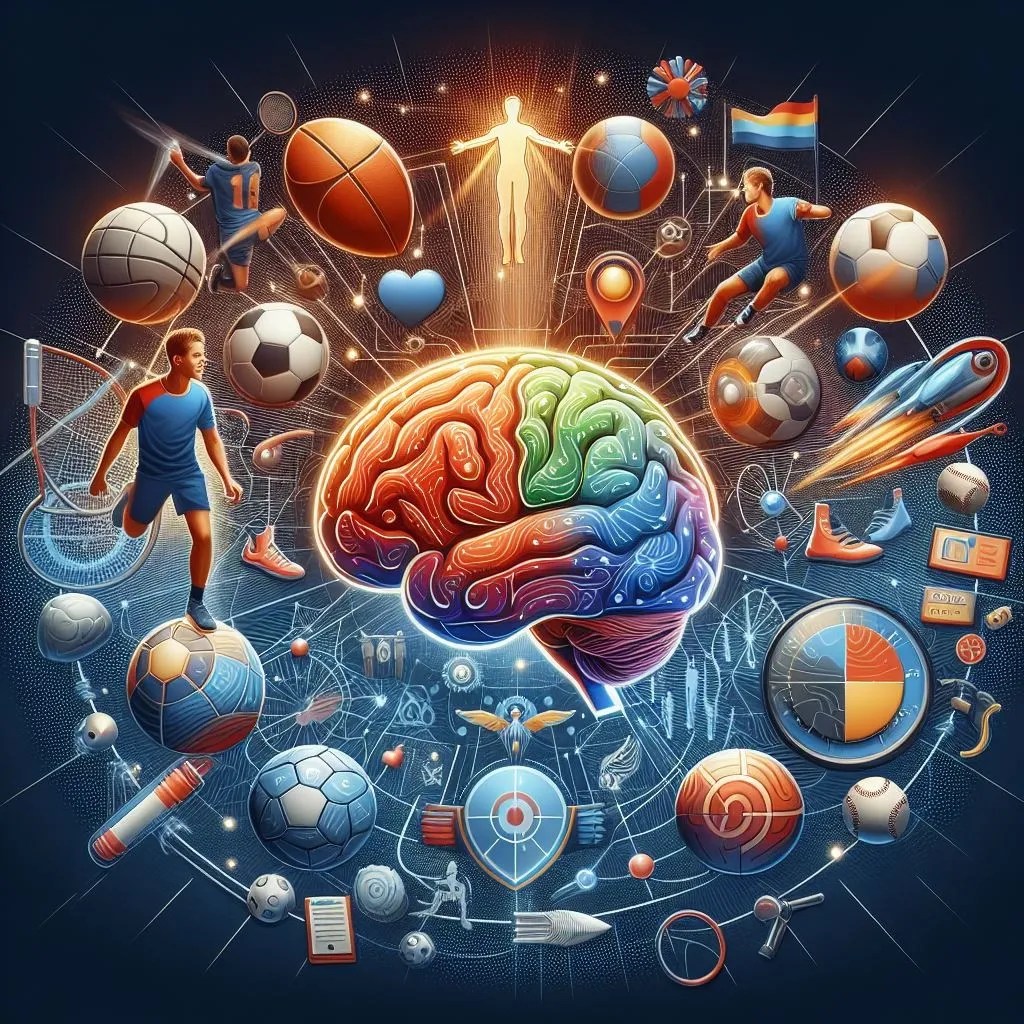
Beyond competition, sports also provide something many people crave: structure.
Training requires commitment, patience, and resilience. Athletes learn to tolerate failure, adjust strategy, and pursue long-term goals.
These lessons extend far beyond the playing field. Many of the qualities developed through athletics—discipline, accountability, and perseverance—become foundational traits in careers, relationships, and leadership.
More Than Just a Game
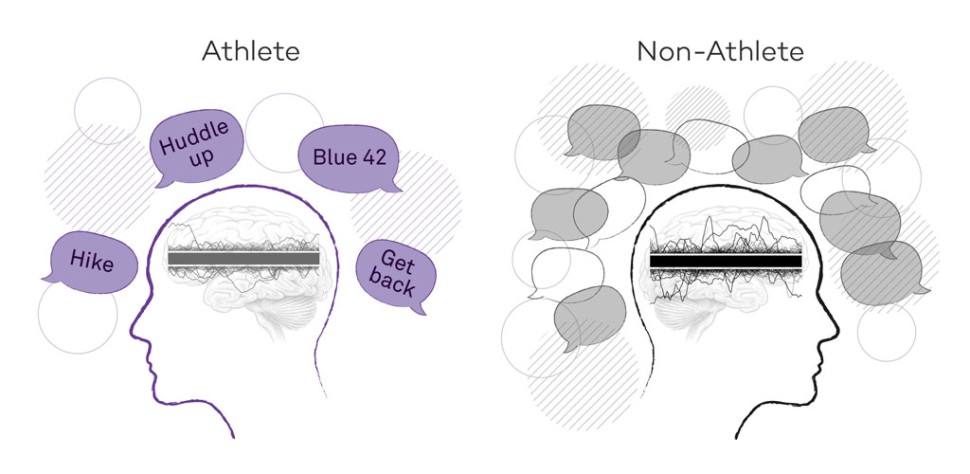
Sports fulfill several core psychological needs at once: identity, belonging, emotional expression, competition, and purpose.
This is why sports continue to hold such a powerful place in male culture.
To outsiders it may appear to be just a game. But for many men, sports represent something deeper: a place where they learn who they are, what they are capable of, and how they connect with others.
#sportspsychology #malemindset #masculinepsychology #mensdevelopment #modernmasculinity #athletementality #sportsmindset #highperformance #coaching #mindsetmatters
About Me — Coach John Schessler Jr.

I’m Coach John — the mind behind ThePGHSportsPsyCoach — and my mission is simple: help athletes build the kind of mental toughness, confidence, and resilience that shows up long after the final whistle blows.
I coach from experience, education, and heart. As a Sports Psychology Coach and Behavior Interventionist, I’ve spent years working with athletes and students who carry big potential but also big pressure. My job? Teach them how to channel that pressure into power.
Right now, I’m leveling up my own game, pursuing my graduate degree in Sports Psychology so I can support athletes at an even higher level. Every day, I study how mindset, emotion, and performance work together — and every day, I bring that knowledge straight to the athletes and readers who trust me.
This blog is your locker room talk for the mind.
Here, we break limits.
We train confidence.
We learn how to stay locked in when it matters most.
Because winning isn’t just physical — it’s mental.
And when you master your mind, the rest follows.
If you’re ready to grow, challenge yourself, and build an unshakeable mental edge… welcome to the team. Let’s get to work.


Leave a comment