
by John J. Schessler, MS, CPT, SPC

Nutrition can feel unnecessarily confusing.
One person tells you to avoid carbohydrates. Someone else says you should fast until noon. Social media promises that a supplement, detox, or strict meal plan will completely transform your body.
For most everyday people, however, better nutrition does not require an extreme diet. It requires a handful of practical habits that can be repeated consistently.
The goal is not to eat perfectly. The goal is to build a way of eating that supports your health, energy, performance, and lifestyle.
Start With What Nutrition Is Supposed to Do

Food is more than a collection of calories. It provides your body with the energy and nutrients it needs to function.
What you eat can affect:
- Energy and concentration
- Hunger and fullness
- Exercise performance and recovery
- Muscle maintenance
- Digestion
- Mood and stress tolerance
- Sleep quality
- Long-term health
That does not mean every meal must be nutritionally perfect. Your overall pattern matters much more than any single food, snack, or day.
Build Most Meals Around a Simple Formula
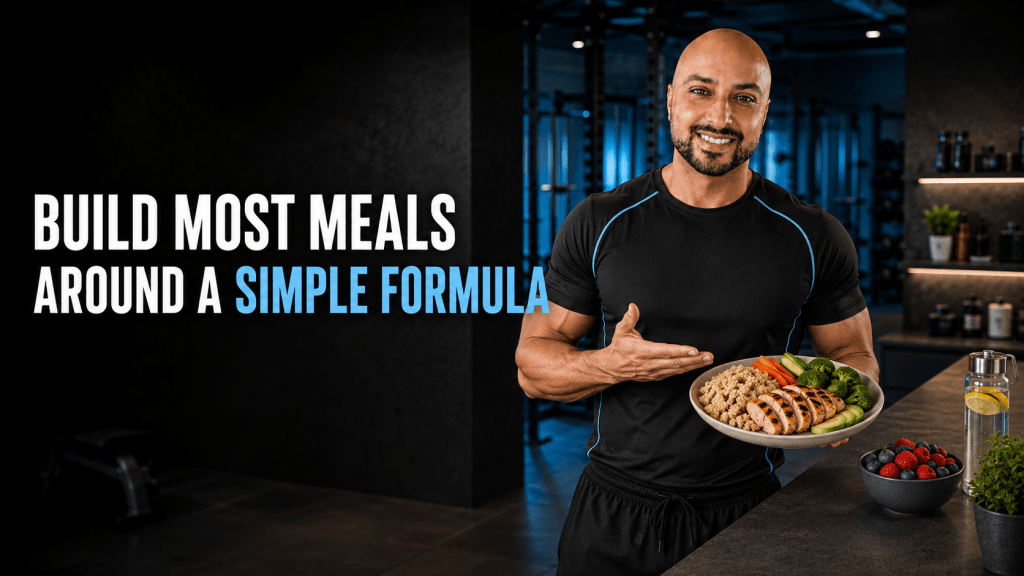
You do not necessarily need to weigh every ingredient or track every calorie. A practical meal can usually be built around four components:
- A source of protein
- A fruit or vegetable
- A source of carbohydrates
- A moderate amount of healthy fat
For example:
- Grilled chicken, rice, roasted vegetables, and olive oil
- Scrambled eggs, whole-grain toast, and fruit
- Greek yogurt, berries, oats, and peanut butter
- Turkey on whole-grain bread with vegetables and a piece of fruit
- Beans, rice, salsa, vegetables, and avocado
Not every meal will follow this formula exactly—and that is okay. It is simply a useful structure that makes balanced eating easier.
Include Protein Throughout the Day
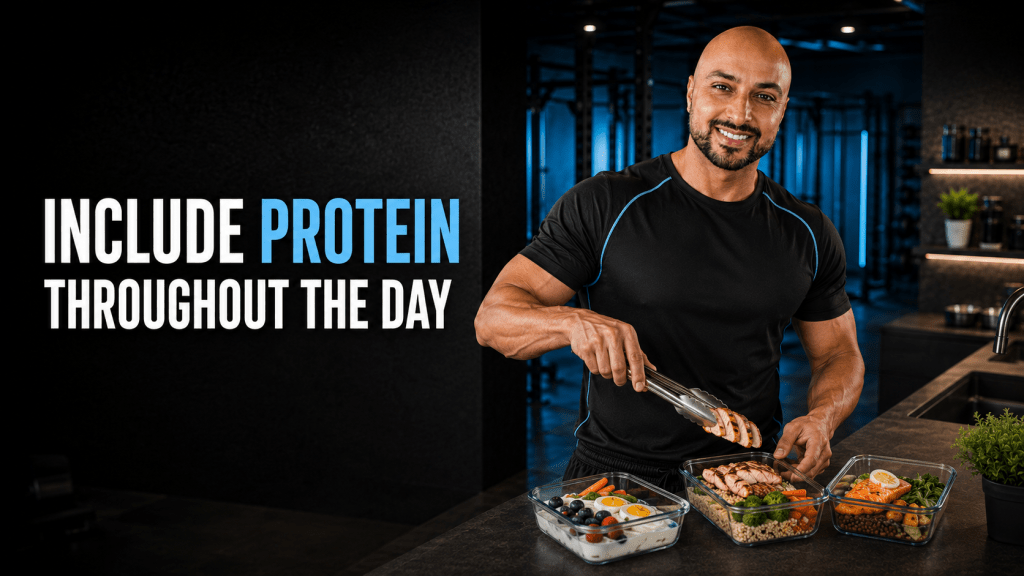
Protein is often associated with bodybuilding, but it is important for everyone. It helps maintain muscle, supports recovery, contributes to immune function, and can make meals more satisfying.
Practical protein sources include:
- Eggs
- Chicken or turkey
- Fish
- Lean beef
- Greek yogurt
- Cottage cheese
- Milk
- Beans and lentils
- Tofu or tempeh
- Protein shakes
Instead of trying to consume most of your protein at dinner, include a reasonable source at breakfast, lunch, dinner, and possibly a snack.
A protein shake can be convenient, but it does not need to replace regular food. Think of it as a tool—not a requirement.
Carbohydrates Are Not the Enemy
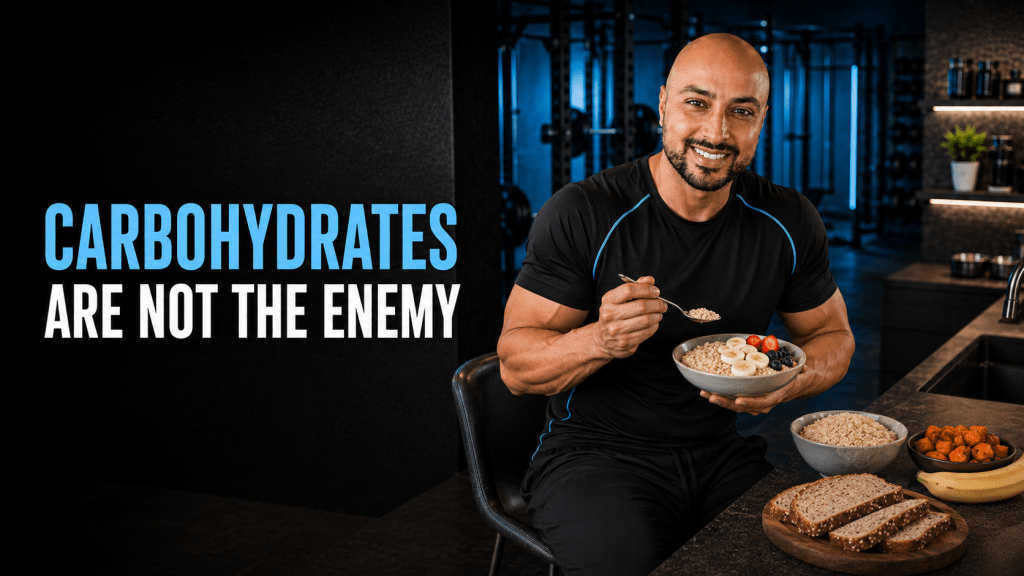
Carbohydrates provide the body with energy. They are especially useful for people who work demanding jobs, exercise regularly, play sports, or simply want to remain active.
Carbohydrate sources include:
- Fruit
- Potatoes
- Rice
- Oats
- Pasta
- Bread
- Beans
- Cereal
- Dairy products
The type and amount of carbohydrate matter, but carbohydrates themselves are not automatically unhealthy.
Whole grains, beans, fruits, and vegetables provide fiber and nutrients. Foods such as sweets, chips, and baked goods can also be part of a healthy diet when eaten in moderation.
The better question is not, “Are carbohydrates bad?” It is, “How does this food fit into my overall eating pattern?”
Eat More Fruits and Vegetables—Without Overthinking It
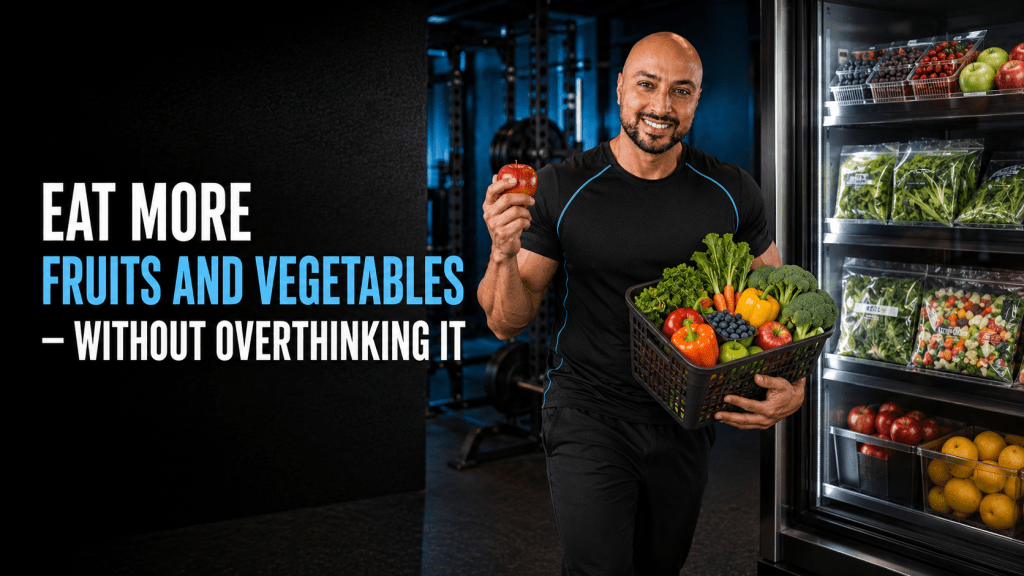
Fruits and vegetables provide vitamins, minerals, fiber, and other beneficial compounds. You do not need to rely exclusively on fresh produce, either.
Frozen and canned options can be nutritious, affordable, and easier to store. If you use canned vegetables, you can look for lower-sodium varieties or rinse them before eating.
Simple ways to add produce include:
- Adding berries or a banana to breakfast
- Keeping frozen vegetables for quick dinners
- Adding lettuce and tomato to sandwiches
- Eating fruit with lunch
- Mixing vegetables into eggs, pasta, soup, or rice
- Pairing raw vegetables with hummus or dip
Start by adding one serving instead of trying to completely rebuild your diet overnight.
Do Not Ignore Dietary Fat

Fat supports hormone production, cell function, nutrient absorption, and overall health. It also adds flavor and satisfaction to meals.
Helpful sources include:
- Nuts and seeds
- Nut butter
- Olive oil
- Avocado
- Eggs
- Salmon and other fatty fish
Because fat is energy-dense, portions still matter—especially if weight loss is a goal. But eliminating fat is neither necessary nor beneficial.
Hydration Matters More Than Most People Realize
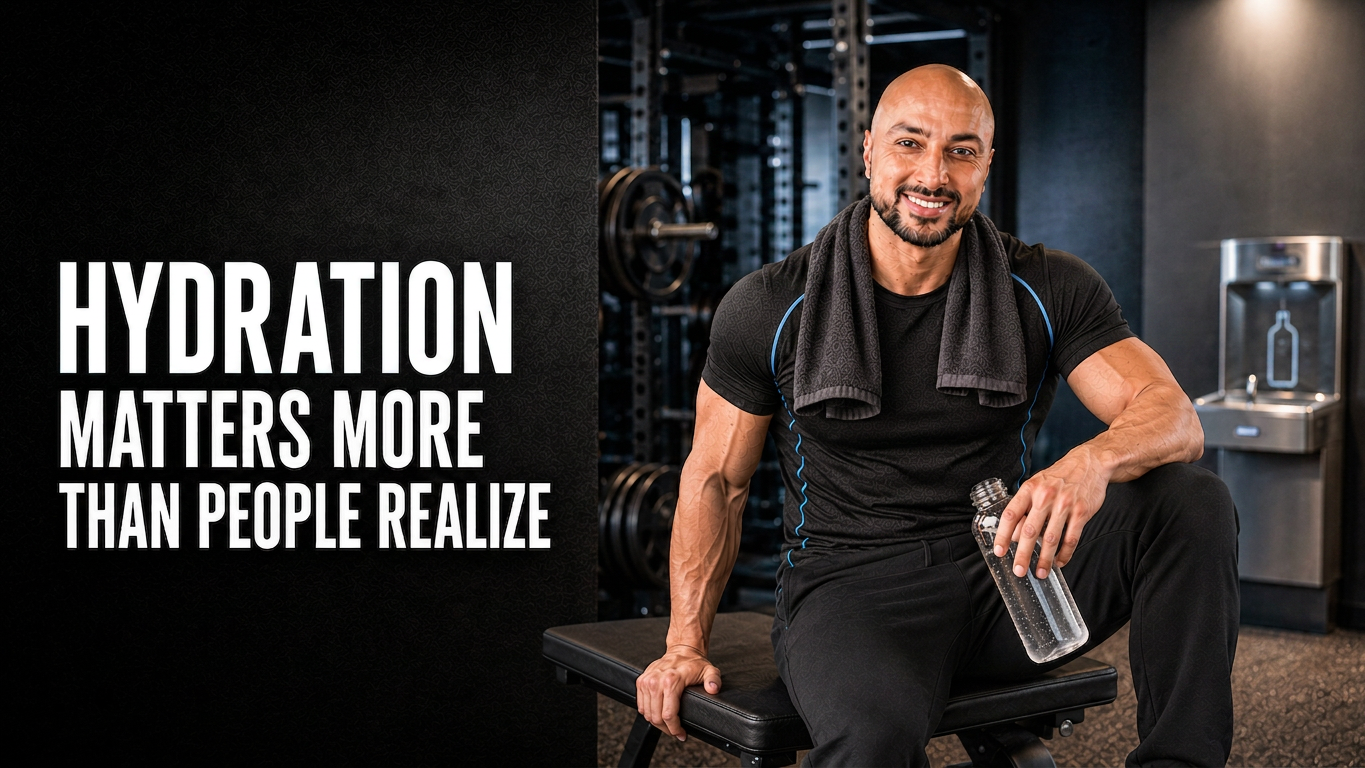
Even mild dehydration can affect energy, concentration, exercise performance, and perceived effort.
Water needs vary according to body size, activity level, weather, medications, and health conditions. A practical approach is to drink consistently throughout the day rather than waiting until you feel extremely thirsty.
Keeping a water bottle nearby can help. Milk, tea, coffee, flavored water, fruits, vegetables, and soups can also contribute to fluid intake.
People with certain heart or kidney conditions—or those taking medications that affect fluid balance—should follow the guidance of their healthcare provider.
Make Healthy Eating More Convenient
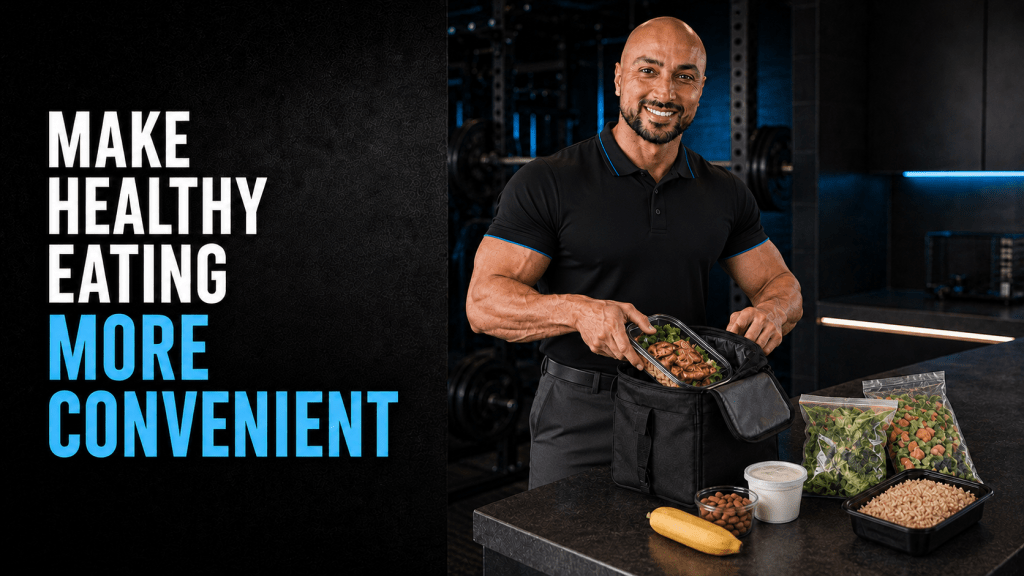
Nutrition is not only about knowledge. It is also about environment and preparation.
When you are tired, stressed, or rushed, you will usually choose what is easiest. Make the easier choice a little more supportive of your goals.
Convenient options might include:
- Rotisserie chicken
- Microwaveable rice
- Frozen vegetables
- Pre-cut produce
- Greek yogurt
- Tuna packets
- Hard-boiled eggs
- Pre-portioned nuts
- Whole-grain wraps
- Bagged salads
- Low-sodium soups
There is nothing wrong with taking shortcuts. A convenient, balanced meal is often more useful than an elaborate meal you never have time to prepare.
Avoid the All-or-Nothing Trap
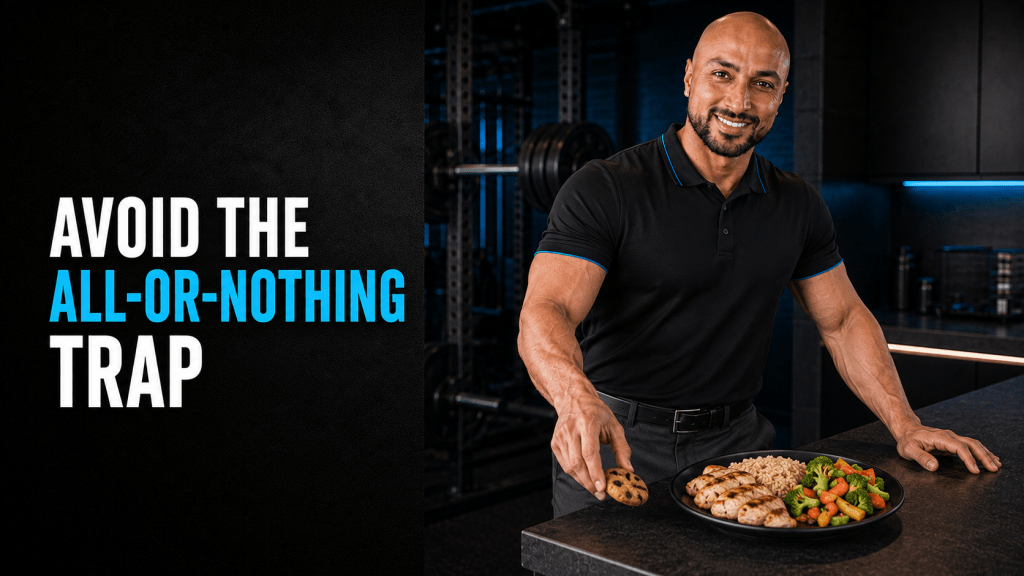
One of the biggest obstacles to better nutrition is the belief that you must follow a plan perfectly.
You eat one unplanned meal and think the entire day is ruined. One difficult weekend becomes a reason to abandon your goals until Monday—or next month.
That is all-or-nothing thinking.
One meal does not determine your health, just as one workout does not determine your fitness. What matters is what you return to consistently.
You can enjoy pizza, dessert, restaurant meals, and holiday foods without failing. Flexibility is part of a sustainable approach to nutrition.
Focus on Progress You Can Maintain
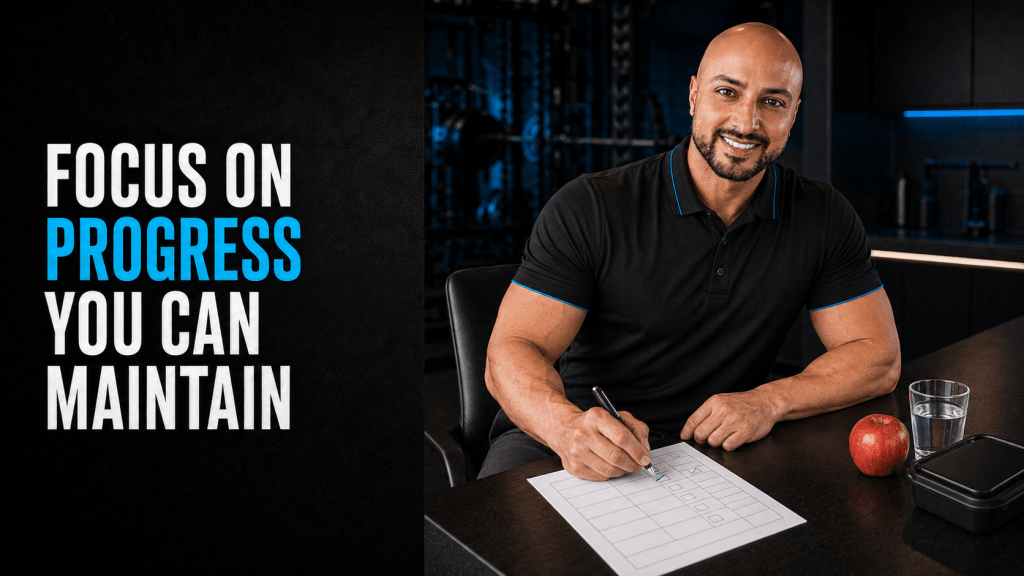
A complete lifestyle overhaul may feel motivating for a few days, but small changes are often more sustainable.
You might begin by:
- Eating protein with breakfast
- Bringing lunch to work twice a week
- Drinking water with meals
- Adding one vegetable to dinner
- Planning one reliable afternoon snack
- Cooking at home one additional night
- Slowing down while eating
- Reducing distracted eating in front of a screen
Choose one or two changes and practice them until they feel normal. Then build from there.
The Bottom Line

Practical nutrition is not about fear, punishment, or perfection. It is about giving your body what it needs while still enjoying your life.
Eat enough protein. Include fruits and vegetables. Use carbohydrates for energy. Include healthy fats. Drink fluids consistently. Plan for busy days. Enjoy less-nutritious foods without guilt, and return to your usual habits afterward.
The best nutrition plan is not the strictest one.
It is the one that supports your goals, fits your real life, and can still be practiced when life is not perfect.
Better nutrition is not built through one dramatic decision. It is built through ordinary choices repeated consistently.
ABOUT THE AUTHOR
John J. Schessler, M.S., is a Mental Performance Coach, Behavior Interventionist, speaker, and founder of Athlete Mindset HQ—a high-performance coaching platform dedicated to helping athletes, professionals, and everyday individuals develop the mindset needed to thrive under pressure and perform at their highest potential.

John earned his Master of Science in Sport Psychology from Capella University and his Bachelor of Arts in Child & Adolescent Psychology from Southern New Hampshire University. His work bridges the gap between psychology, human performance, behavioral science, and personal development, combining evidence-based strategies with practical coaching that people can immediately apply in sport, work, and everyday life.
His passion for helping others is rooted in his own journey. As a child, John survived Guillain-Barré Syndrome, spending weeks in a coma before fighting through rehabilitation to reclaim his life. That experience shaped his belief that resilience isn’t something you’re born with—it’s something you build through adversity, discipline, and purpose.
Today, John works with individuals from all walks of life, helping them strengthen confidence, improve emotional resilience, overcome obstacles, and develop the habits that lead to lasting success. Whether coaching athletes, mentoring students, speaking to organizations, or creating educational content, his mission remains the same: to help people become mentally stronger than the challenges they face.

John is also the co-host of The Follow Through Podcast with Erika Reid, where they explore sports psychology, leadership, mental health, motivation, resilience, and human performance through practical conversations that inspire listeners to move beyond intention and into action.
His philosophy is simple:
Mental strength isn’t about never struggling. It’s about developing the confidence, discipline, and resilience to keep moving forward—especially when life gets difficult.
Because success isn’t built by what you intend to do.
It’s built by what you follow through on.
Personal Brand Statement
John J. Schessler is dedicated to helping people unlock their potential by strengthening the one asset that influences every area of life—the mind. Through education, coaching, and authentic conversation, he empowers others to develop confidence, resilience, and the discipline to follow through on their goals.
#confidence #sportspsychology #psychology #nutrition #medicine #healthyeating #fitforlife #coaching #personaltraining #wrestlingcoach #author #inspire #authenicity #empowerment


Leave a comment