
The Missing Piece of Performance
Athletes spend countless hours training their bodies. They lift weights, practice skills, follow nutrition plans, and work with coaches to improve their physical performance. Yet when competition begins, many athletes discover that physical preparation alone is not enough.
A missed free throw, a costly turnover, a mental mistake in the final seconds, or a sudden loss of confidence can quickly derail performance. The difference between success and failure is often not physical ability—it’s mental performance.
This is where a sports psychology coach becomes invaluable.
What Is a Sports Psychology Coach?
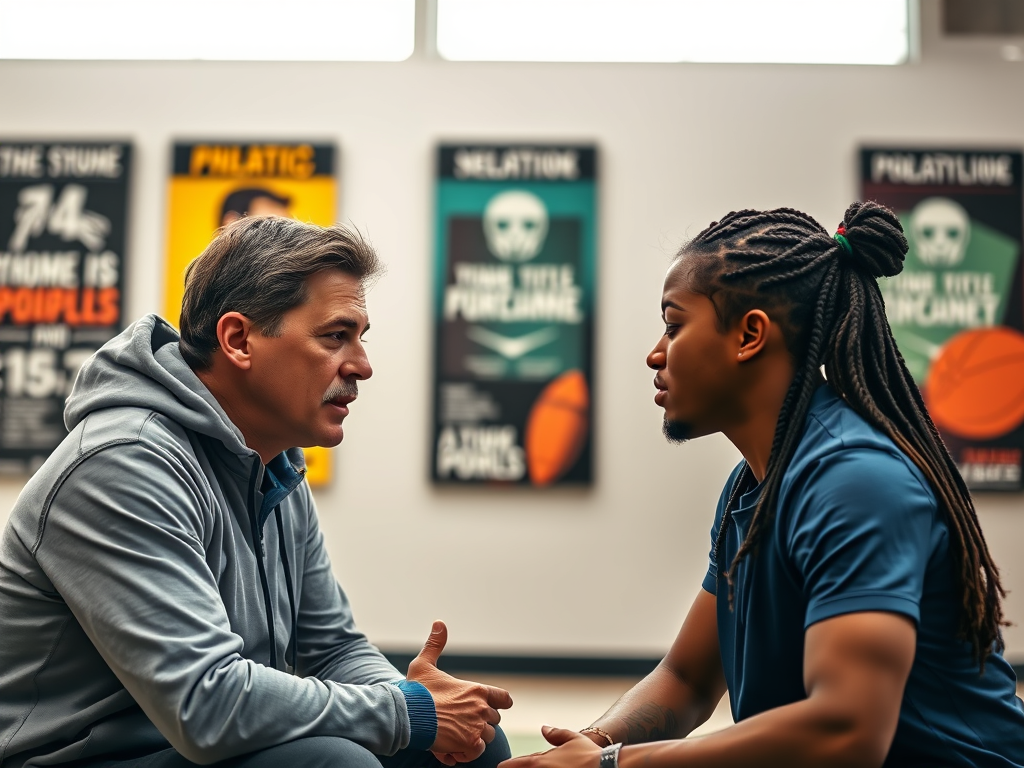
A sports psychology coach, often referred to as a mental performance coach, helps athletes develop the psychological skills necessary to perform consistently under pressure.
Just as strength coaches help athletes build physical strength, sports psychology coaches help athletes build mental strength.
These professionals teach athletes how to:
- Manage pressure and competitive stress.
- Build and maintain confidence.
- Improve concentration and focus.
- Develop effective pre-performance routines.
- Recover from mistakes quickly.
- Set meaningful performance goals.
- Strengthen resilience after setbacks or injuries.
- Improve motivation and commitment.
Mental skills are trainable, and sports psychology coaches provide athletes with the tools and strategies to strengthen those skills.
The Mental Side of Sports Matters
Research consistently suggests that mental factors play a significant role in athletic performance. Athletes at every level—from youth sports to professional competition—face psychological challenges that can impact their ability to perform.
Consider the following situations:
- A baseball player strikes out repeatedly and begins doubting their abilities.
- A swimmer experiences anxiety before every race.
- A basketball player struggles to perform in front of large crowds.
- A dancer becomes overwhelmed by perfectionism.
- A football player loses confidence after an injury.
These challenges are not solved by more physical training alone. They require mental skills training.
A sports psychology coach helps athletes understand their thoughts, emotions, and behaviors while teaching strategies to maintain optimal performance regardless of circumstances.
Confidence Is Built, Not Born
One of the biggest misconceptions in sports is that confidence is something athletes either have or don’t have.
In reality, confidence is a skill that can be developed.
Sports psychology coaches teach athletes how to build confidence through preparation, self-awareness, positive self-talk, goal achievement, and evidence-based mental training techniques.
Rather than depending on outcomes, athletes learn how to develop a stable sense of confidence rooted in effort, preparation, and personal growth.
When athletes understand how confidence works, they become less vulnerable to performance slumps and setbacks.
Learning to Perform Under Pressure
Pressure is an unavoidable part of sports.
Championship games, crucial performances, important competitions, and high expectations all create stress. While some athletes crumble under pressure, others thrive.
The difference often comes down to preparation.
Sports psychology coaches teach athletes how to regulate their emotions, control their breathing, manage anxiety, and focus on what they can control in high-pressure situations.
The goal is not to eliminate nerves. The goal is to help athletes perform effectively despite them.
Athletes who learn these skills often discover that pressure becomes an opportunity rather than a threat.
Resilience Through Adversity
Every athlete encounters setbacks.
Injuries occur. Playing time decreases. Teams lose. Mistakes happen.
How athletes respond to adversity often determines their long-term success.
Sports psychology coaches help athletes develop resilience by teaching them how to:
- Reframe setbacks as opportunities for growth.
- Learn from mistakes rather than fear them.
- Maintain motivation during difficult periods.
- Focus on controllable factors.
- Develop a growth mindset.
These skills not only improve athletic performance but also benefit athletes in school, in their careers, and in their personal relationships.
Sports Psychology Benefits More Than Athletes
Mental performance coaching is not limited to athletes.
Coaches, teams, dancers, performers, referees, and other high-performing individuals can all benefit from sport psychology principles.
Teams often use sports psychology to improve:
- Communication.
- Leadership.
- Team cohesion.
- Accountability.
- Trust.
- Culture development.
When entire teams commit to mental skills training, the results often extend far beyond wins and losses.
The Future of Athletic Performance
As sports continue to evolve, mental performance training is becoming increasingly recognized as a critical component of athletic success.
Professional organizations, collegiate athletic departments, Olympic programs, and elite training facilities now regularly incorporate sports psychology into athlete development.
Athletes are realizing that physical talent may get them to the starting line, but mental skills often determine who reaches the finish line first.
Final Thoughts
The strongest athletes are not always the most successful. The fastest athletes are not always the most consistent. The most talented athletes do not always reach their potential.
What often separates high performers from everyone else is their ability to manage pressure, maintain confidence, stay focused, and bounce back from adversity.
Sports psychology coaches help athletes develop these essential skills.
Because at the highest levels of performance, success is not just physical.
It’s mental.
Train your body. Train your skills. But don’t forget to train your mind.
ABOUT ME

Hi, my name is John Schessler, the owner of AthleticMindsetHQ, and welcome to my blog, the Unbreakable Man. My goal is simple: to help athletes and individuals become the best versions of themselves by removing the mental roadblocks that may be holding them back from becoming the best athletes they know they are. I am currently a Master of Science candidate majoring in Sports Psychology at Capella University, set to graduate next month. I also hold a Bachelor of Arts in Psychology from Southern New Hampshire University and am employed as an Intervention Specialist. I primarily assist students with autism by helping them navigate difficult behaviors and by acting as their Physical Education/Health coach.
What I would like to stress to you is that to do anything well, you need to take responsibility for your actions, stay organized in your approach, and hold yourself accountable, especially when it’s so easy to quit or be lazy. Is it always easy? No, of course not, and it shouldn’t be. But I promise you, the end result will be worth it. So let’s begin a solid coach/client relationship aned let’s get to work.
#sportspsychology #coaching #wrestlingcoach #athletics #sportsperformance #trainyourskills #communication #leadership


Leave a comment