
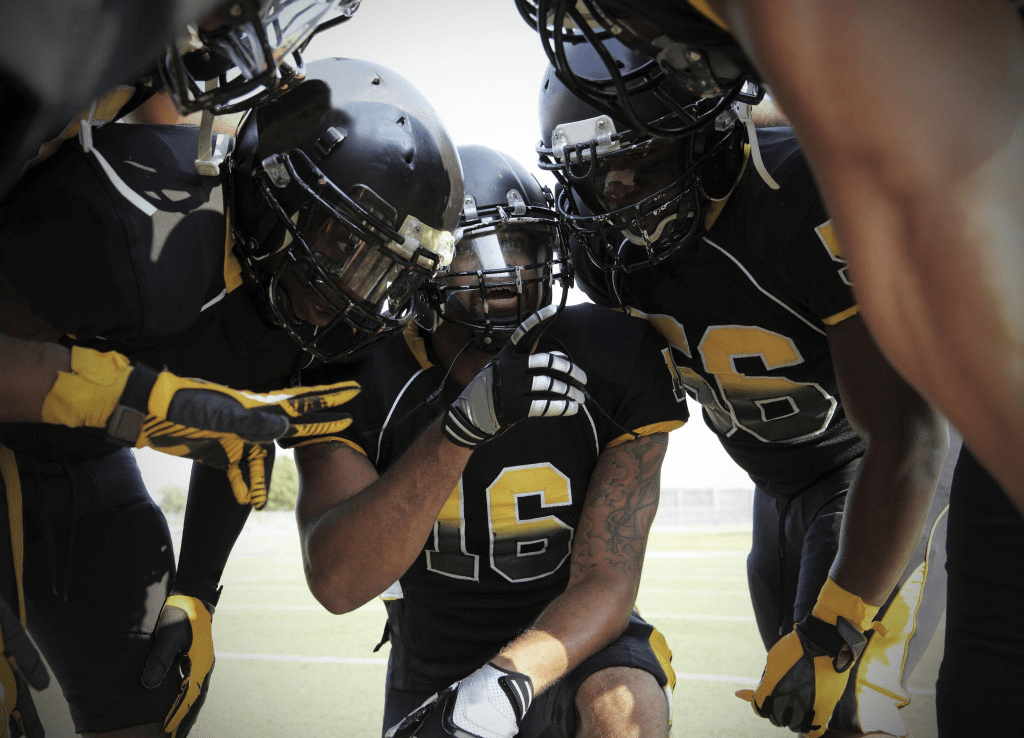
In today’s culture, masculinity is often misunderstood.
Some people reduce it to aggression, dominance, or emotional suppression. Others reject it entirely, treating masculine traits as outdated or problematic. But when properly understood, masculinity is not about intimidation or ego—it is about disciplined strength, responsibility, integrity, and self-mastery.
Few environments reveal the truth about masculinity more clearly than sports.
Sports strip away performance and expose character. When the pressure rises, when fatigue sets in, when adversity hits, who a man really is begins to show. And one of the clearest reflections of mature masculinity in athletics is sportsmanship.
Sportsmanship Is Masculinity Under Control
Anyone can be aggressive.
Anyone can talk tough when things are going their way.
But it takes a different kind of man to remain composed in victory, respectful in defeat, and disciplined in conflict.
Sportsmanship is not weakness.
It is strength governed by character.
True sportsmanship requires a man to:
Compete ferociously without losing emotional control
Respect opponents without fearing them
Handle defeat without excuses
Win without arrogance
Accept accountability when he falls short
That is not softness. That is disciplined masculinity.
Competition Reveals Character
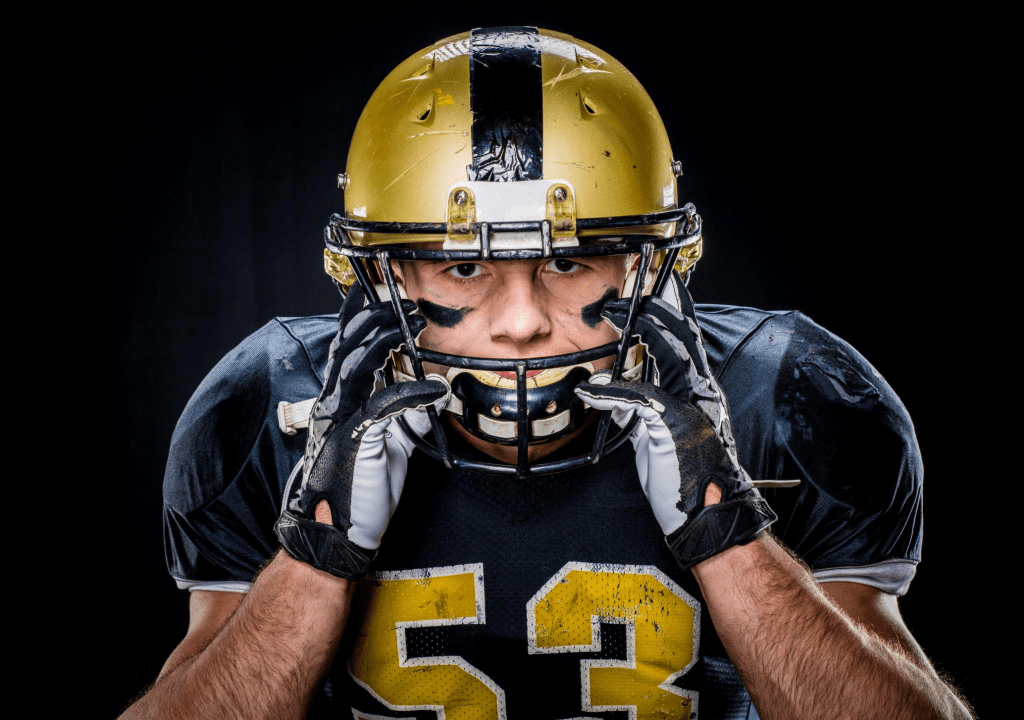
Sports have always been one of the greatest proving grounds for young men because competition forces internal growth.
You cannot hide from:
Failure
Pressure
Criticism
Physical discomfort
Emotional frustration
In those moments, boys either develop resilience—or they collapse into excuses.
This is why sports matter far beyond the scoreboard.
The right coach, team culture, and competitive environment do not merely build athletes. They build men.
Because every rep, every loss, every hard practice teaches lessons about:
-Delayed gratification
-Emotional regulation
-Accountability
-Leadership
-Humility
-Brotherhood
-Masculinity Without Character Becomes Toxic
Strength alone is not virtue.
Confidence without humility becomes arrogance.
Aggression without discipline becomes recklessness.
Competitiveness without respect becomes selfishness.
Masculinity is only healthy when it is paired with character.
Sportsmanship serves as the balancing force.
It reminds athletes that:
Dominating an opponent does not make you superior as a person
Losing does not diminish your worth
Respect for others enhances, rather than weakens, competitive fire
Leadership means elevating teammates, not just yourself
Young Men Need Better Models
Too many boys today learn masculinity from extremes.
They are told either:
Masculinity is inherently dangerous and should be softened, or
Masculinity means dominance, emotional detachment, and brute force
Both messages miss the mark.
Young men need examples of masculinity that are:
-Strong but controlled
-Confident but humble
-Competitive but respectful
-Assertive but emotionally intelligent
-Tough but principled
Sports, when taught correctly, can provide that model.
At its best, sportsmanship teaches men one of life’s most important lessons:
Power means little without control.
The strongest man in the room is not the loudest.
Not the most aggressive.
Not the most feared.
It is the man who can harness his strength with discipline, compete with honor, and carry himself with integrity regardless of outcome.
That is masculinity.
And that is what sports should be teaching.
Real Examples of Masculinity Done Right
It’s easy to talk about character in theory. It’s harder—and more powerful—to point to men who consistently live it out under the brightest lights and highest pressure.
Some of the strongest examples of masculinity in sports today aren’t just dominant athletes—they’re disciplined, respectful, and accountable competitors.
Tim Duncan – Quiet Leadership, Relentless Consistency
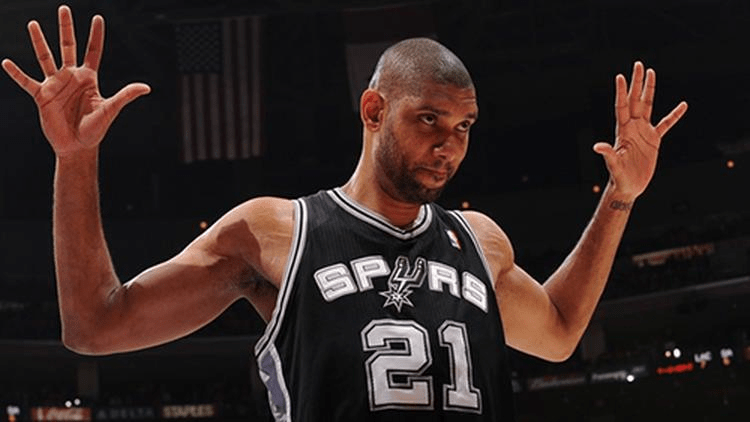
Nicknamed “The Big Fundamental,” Duncan wasn’t flashy, loud, or attention-seeking. He didn’t need to be.
He led through:
Consistency
Composure
Respect for the game
He rarely argued with officials, never chased the spotlight, and treated teammates and opponents with the same level of professionalism. His greatness came from mastery and discipline—not ego.
That’s masculinity rooted in self-control.
Jordan Burroughs – Fierce Competitor, Respectful Champion
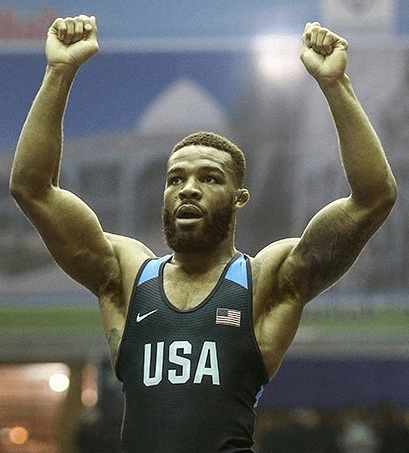
Burroughs is one of wrestling’s greatest competitors, yet he consistently displays humility, gratitude, and respect for the sport and his opponents. He embodies the idea that you can compete with intensity while remaining grounded in character.
These men remind us that masculinity is not about being the most intimidating person in the room—it is about carrying strength with discipline and responsibility.
Jalen Hurts – Accountability in the Face of Pressure
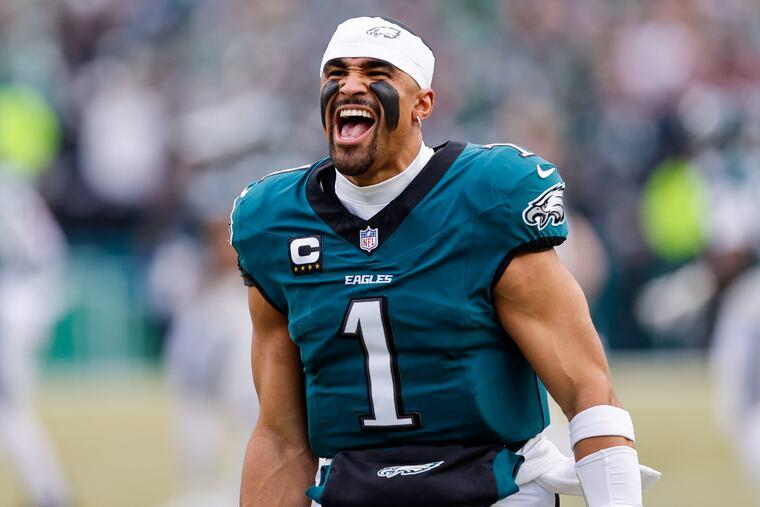
Hurts has become one of the clearest modern examples of composed leadership.
Win or lose, his message stays the same:
“I take full responsibility.”
“We’ll learn from it.”
No excuses. No finger-pointing. No emotional volatility.
In a league built on ego and pressure, Hurts models something different—steady confidence, humility, and emotional control.
That’s masculinity grounded in accountability.
Roger Federer – Grace in Victory and Defeat
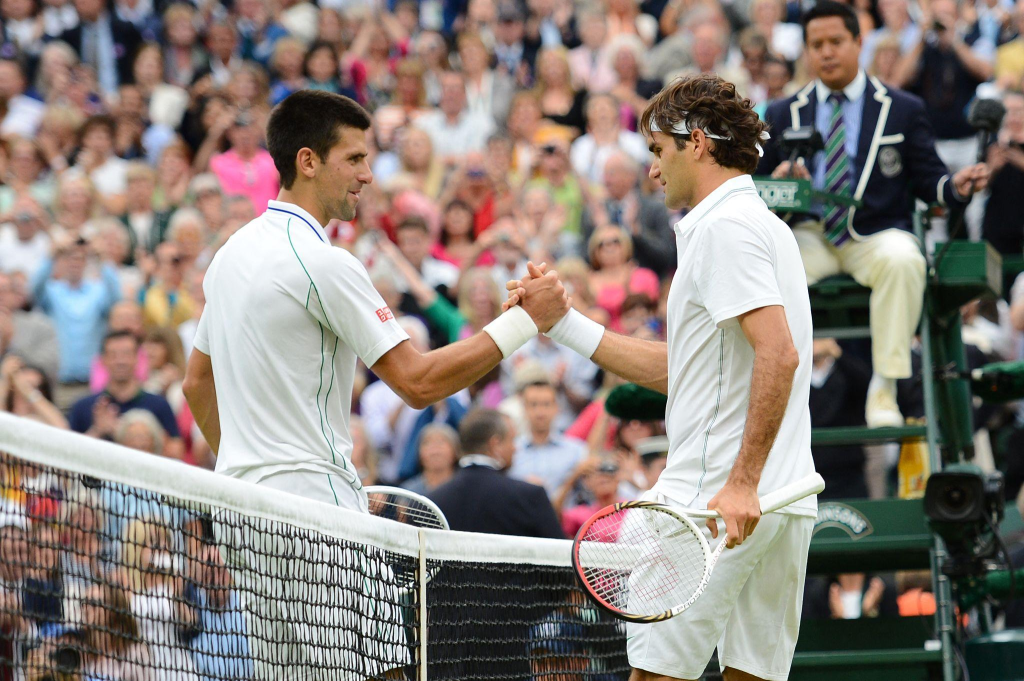
Federer dominated tennis for years, but what set him apart wasn’t just his skill—it was his grace.
He showed:
Respect for opponents, even in intense rivalries
Emotional honesty (including tears after both wins and losses)
Deep appreciation for the game
He proved that emotional expression and masculinity are not opposites—they’re part of maturity.
Drew Brees – Leadership Beyond the Game
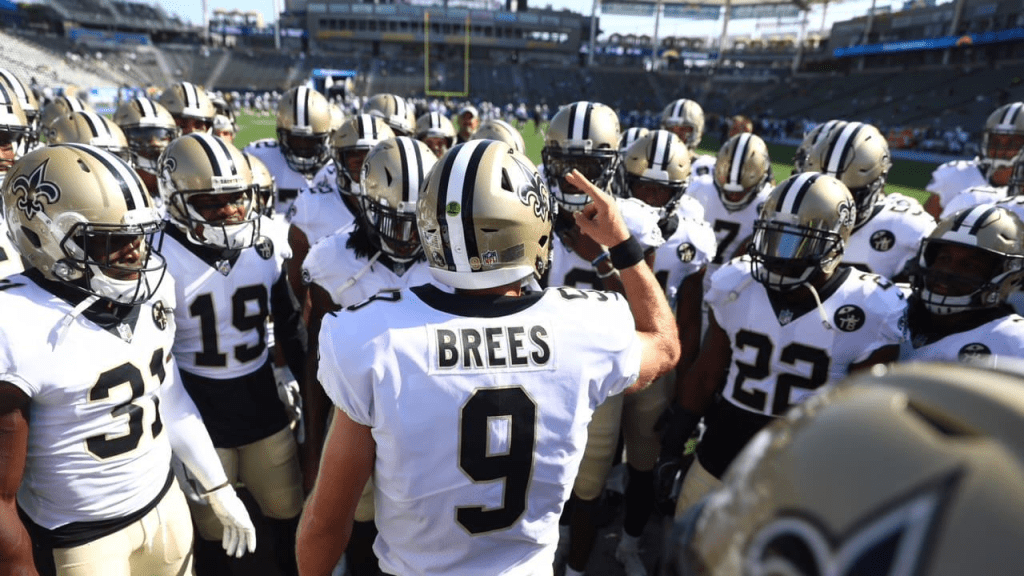
Brees built a reputation not just as a great quarterback, but as a respected leader.
He consistently demonstrated:
Respect for opponents
Care for teammates
Commitment to community
His leadership extended beyond performance—it was about responsibility and influence.
That’s masculinity expressed through service.
What These Men Show Us
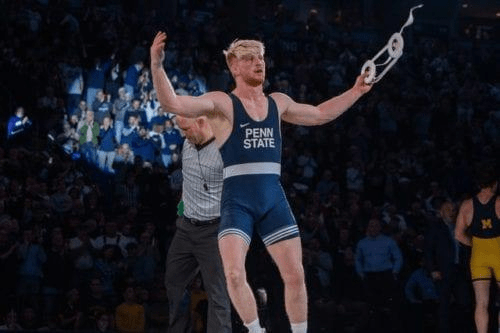
These athletes are not perfect—but they consistently model something deeper than performance.
They show that masculinity is not about:
Being the loudest
Being the most intimidating
Or proving dominance at all costs
It’s about:
-Discipline over impulse
-Respect over ego
-Accountability over excuses
-Composure under pressure
In a culture that often confuses masculinity with intensity alone, these men remind us:
True strength is controlled, not chaotic.
About Me
Hi, I’m John Schessler, a graduate student in Sports Psychology, Behavior Interventionist, and certified Sports Psychology Coach (AFAA) with a passion for helping athletes build stronger minds, healthier habits, and unshakable confidence. My work blends mental performance coaching, psychology, and lived experience to help people show up as their best selves—on the field, in the gym, and in everyday life.
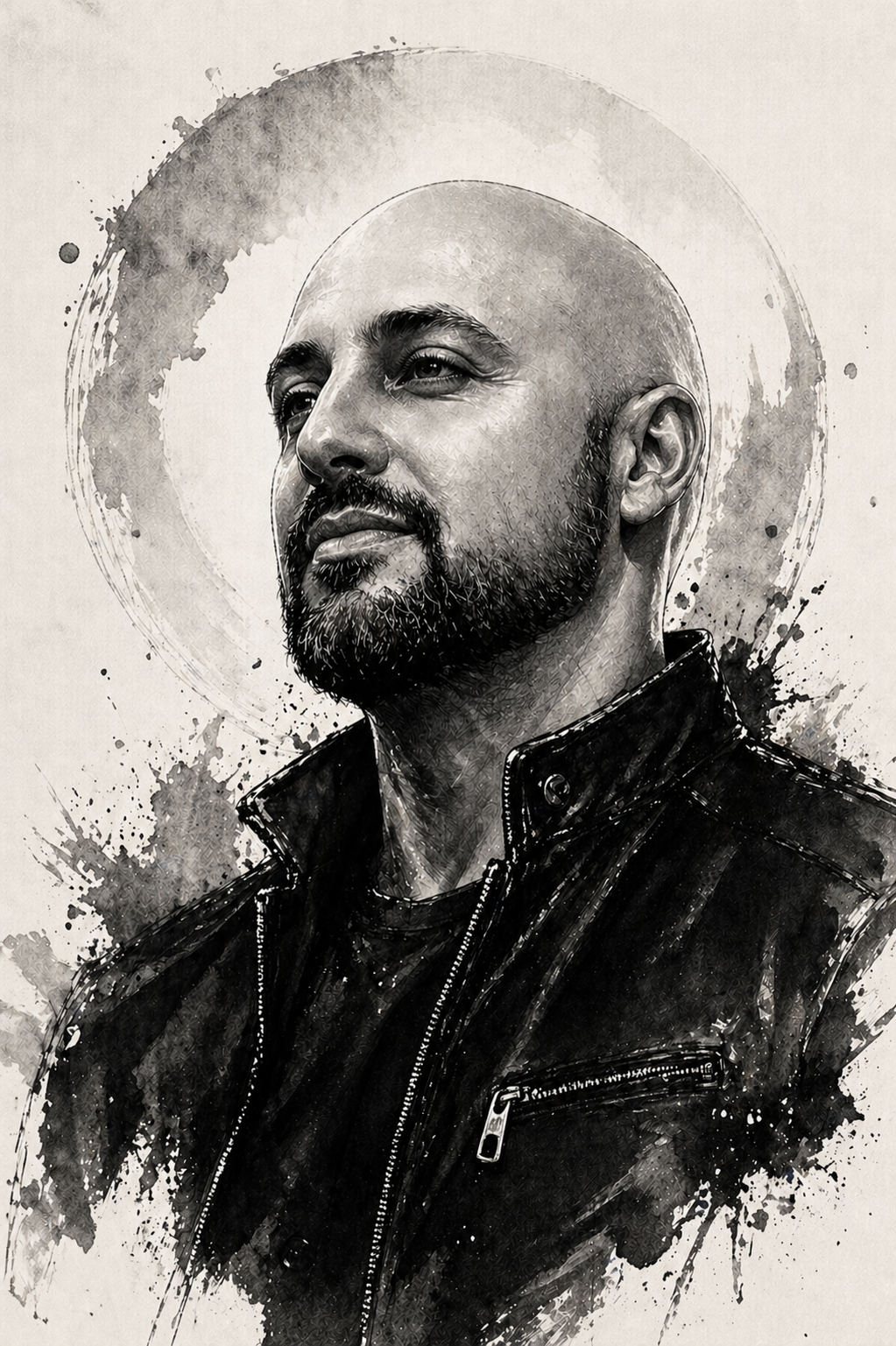
I’ve always believed that mental strength is the real competitive edge. That belief pushed me toward a career that combined my love of sport with my mission to support mental wellness. Whether I’m working with students at Merakey Autism Education Centers, coaching athletes through pressure and performance anxiety, or developing new mental-skills tools, I’m constantly exploring how mindset, behavior, and resilience shape performance.
Right now, I’m pursuing my M.S. in Sports Psychology with the goal of becoming an Athletic Mental Health Counselor. I want to change the narrative around male athletes’ well-being, break stigmas, and help athletes of all backgrounds access mental-performance support that actually meets them where they are.
This blog is a place where I bring together everything I’ve learned—research, personal experience, coaching insights, and the lessons athletes teach me every day. My hope is that you’ll find something here that inspires you, supports you, or simply reminds you that you’re not alone in your journey to become mentally stronger.
If you’re an athlete, parent, coach, educator, or someone chasing self-improvement, welcome. You’re exactly where you need to be.
#menandmasculinities #fitness #menhealth #athletes #football #coaching #education #sportspsychology #malemind #sportmanship #communication #wrestling #discipline #followthroughpodcast


Leave a comment