
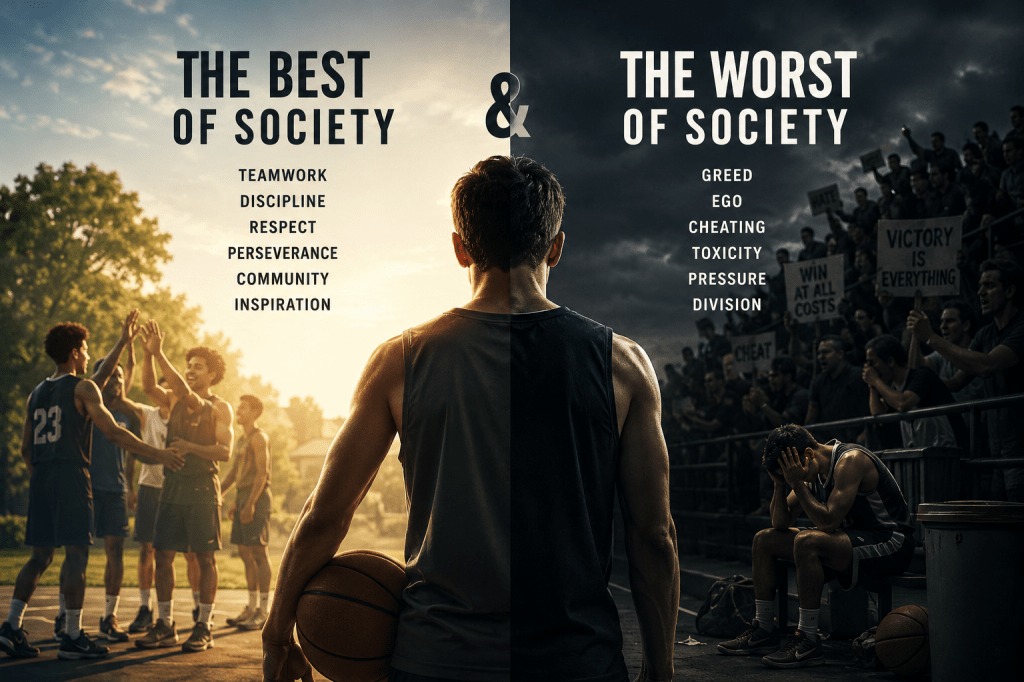
Spend enough time around sports, and you’ll witness some of humanity’s greatest moments. You’ll also see some of its darkest. The same arena that produces stories of courage, perseverance, and selflessness can also become a stage for greed, abuse, and division.
That contradiction is exactly what makes sports so fascinating.
At their best, sports teach lessons that extend far beyond the scoreboard. They encourage discipline when motivation fades, teamwork when egos collide, and resilience when setbacks seem insurmountable. Athletes learn to manage adversity, respect opponents, and strive for excellence through hard work rather than shortcuts. Coaches become mentors, teammates become lifelong friends, and communities unite behind a common purpose. In those moments, sports reflect the very best qualities of society.
But sports also expose our flaws.
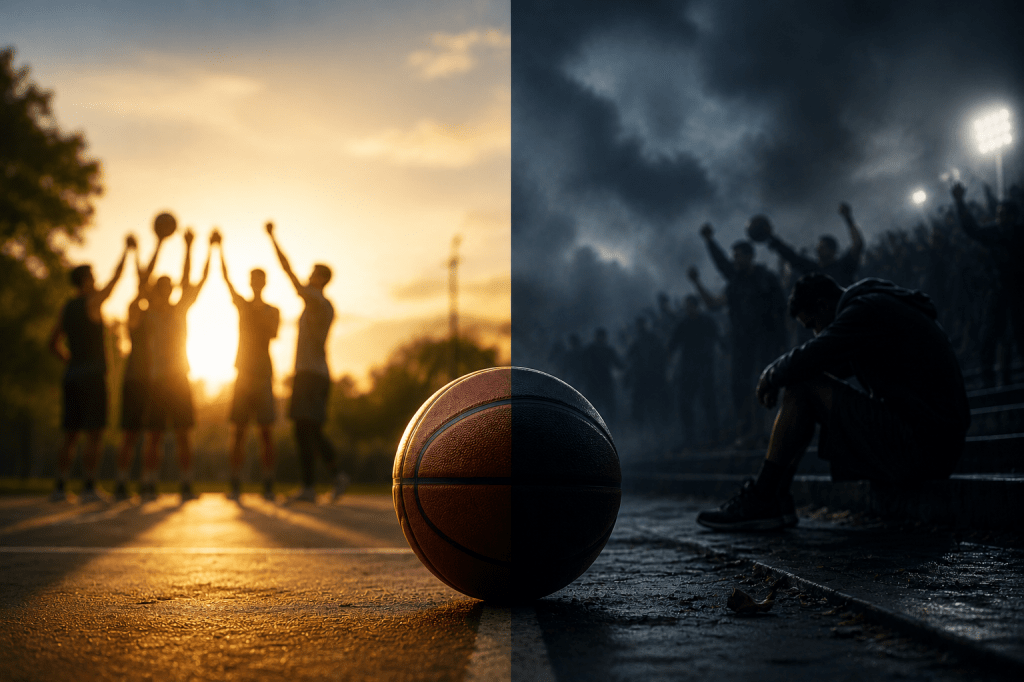
The pressure to win can fuel unethical behavior, from cheating and performance-enhancing drugs to corruption and exploitation. Parents can push children beyond healthy limits. Fans can turn competition into hostility. Athletes may tie their entire identity to performance, leading to anxiety, burnout, depression, or a sense of worthlessness when results don’t go their way. The pursuit of fame, money, or status can overshadow the values that sports are supposed to represent.
Social media has amplified both sides of this equation. A young athlete can receive worldwide praise for an inspiring performance one day and endure relentless criticism after a single mistake the next. The same platforms that celebrate perseverance can also spread bullying, unrealistic expectations, and toxic comparisons.
Yet perhaps the greatest strength of sports is that they don’t hide human nature—they reveal it.
Every competition offers a choice. Do we encourage or belittle? Do we compete with integrity or cut corners? Do we define success solely by wins and losses, or by growth, character, and effort? These decisions shape not only athletes but also coaches, parents, officials, and fans.
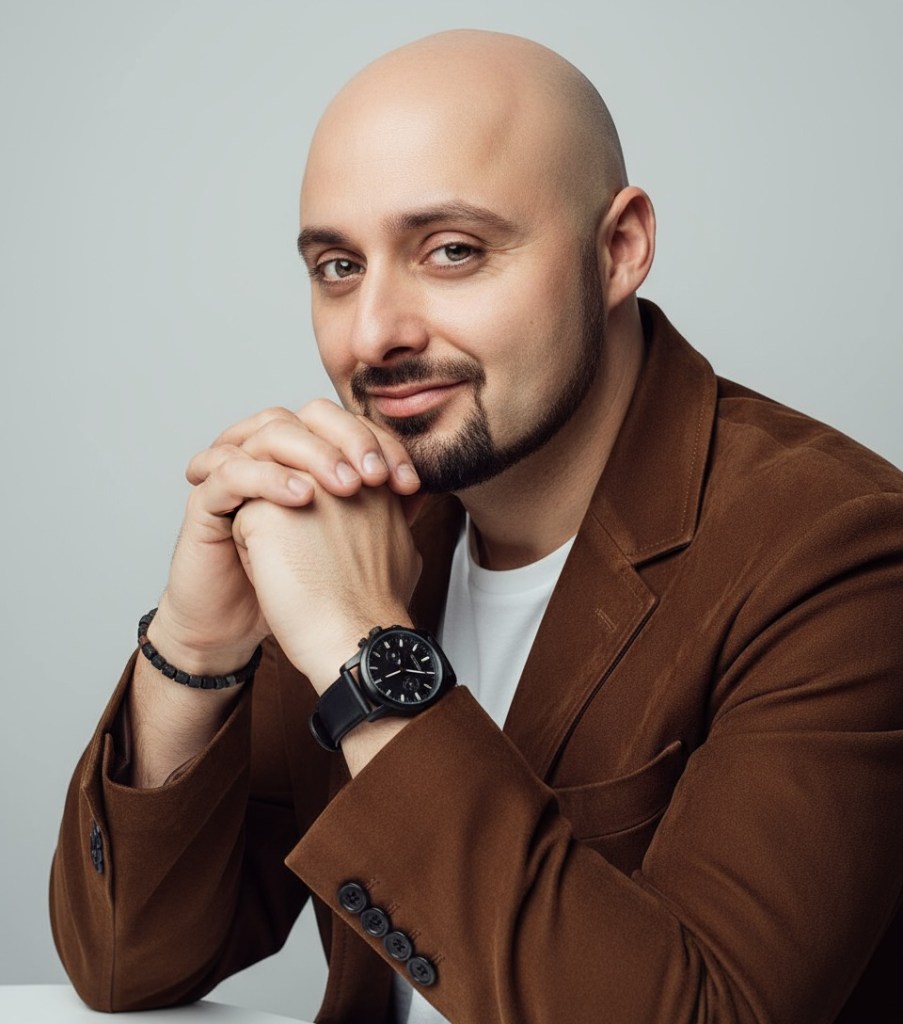
As a mental performance coach, I believe the ultimate goal of sport isn’t simply creating champions. It’s creating resilient, ethical, and emotionally healthy people who can thrive both on and off the field. Confidence built through preparation, emotional control under pressure, and respect for others is a victory that lasts far longer than any championship trophy.
Sports will always contain moments that make us proud and moments that make us uncomfortable. They showcase extraordinary generosity alongside painful selfishness, remarkable courage alongside devastating failure.
In the end, sports are not separate from society—they are a reflection of it. And perhaps that’s why they matter so much. Every practice, every game, and every interaction presents an opportunity to model the kind of culture we want to build.
If we choose integrity over shortcuts, empathy over hostility, and personal growth over obsession with winning, then sports can become more than entertainment. They can become one of society’s greatest classrooms for developing character, leadership, and resilience.
#thebestofus #theworstofus #sports #societysmirror #empathy #hostility #growth #teamwork #sportspsychology #metaphors #CMPC #entertainment #SPC
ABOUT ME
About Me
Hi, I’m John Schessler Jr., a graduate student in Sports Psychology, a Behavior Interventionist, and a certified Sports Psychology Coach (AFAA) with a passion for helping athletes build stronger minds, healthier habits, and unshakable confidence. My work blends mental performance coaching, psychology, and lived experience to help people show up as the best version of themselves—on the field, in the gym, and in everyday life.
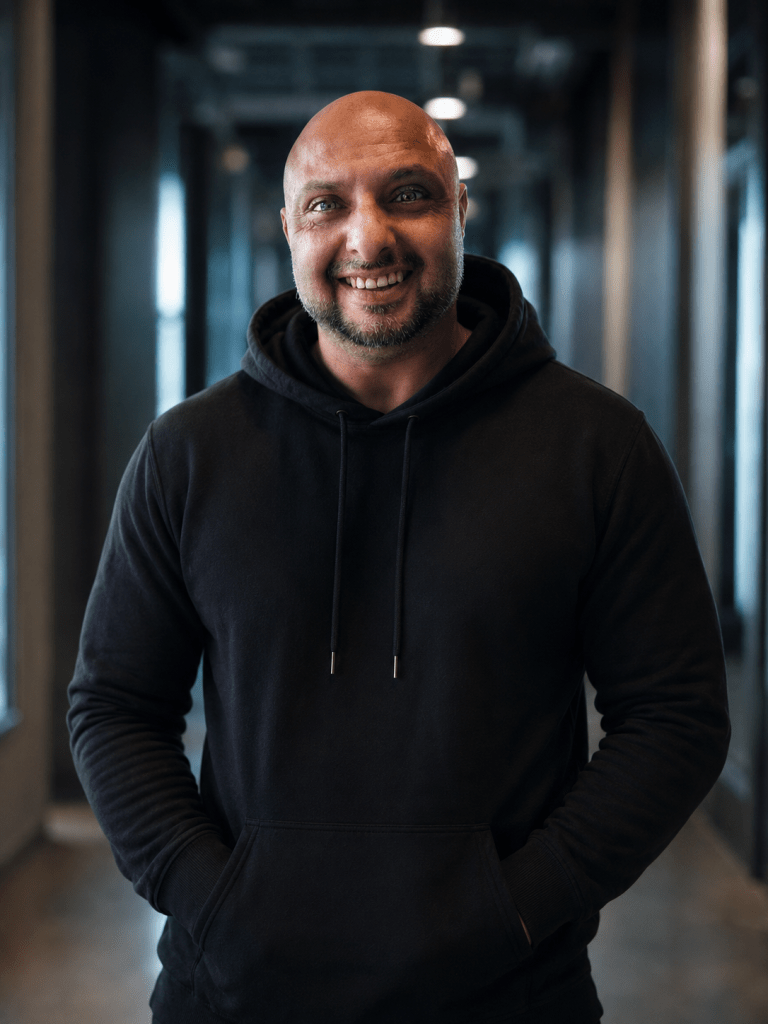
I’ve always believed that mental strength is the real competitive edge. That belief pushed me toward a career where I could combine my love of sport with my mission to support mental wellness. Whether I’m working with students at Merakey, coaching athletes through pressure and performance anxiety, or developing new mental-skills tools, I’m constantly exploring how mindset, behavior, and resilience shape performance.
Right now, I’m 99.9% finished with my M.S. in Sports Psychology with the goal of becoming an Athletic Mental Health Counselor. I want to change the narrative around athlete well-being, break stigmas, and help athletes of all backgrounds access mental-performance support that actually meets them where they are.
This blog is a place where I bring together everything I’ve learned—research, personal experience, coaching insights, and the lessons athletes teach me every day. My hope is that you’ll find something here that inspires you, supports you, or simply reminds you that you’re not alone in your journey to become mentally stronger.


Leave a comment