Athlete Mindset HQ Institute

A Blog for health, wellness and mindfulness information…

  • By ThePGHSportsPsyCoach

    For a long time, athletes were taught one thing:
    Shake it off. Get back in. Don’t be soft.

    I’ve coached enough athletes — and worked with enough people after sport — to tell you this straight:

    That mindset has done real damage.

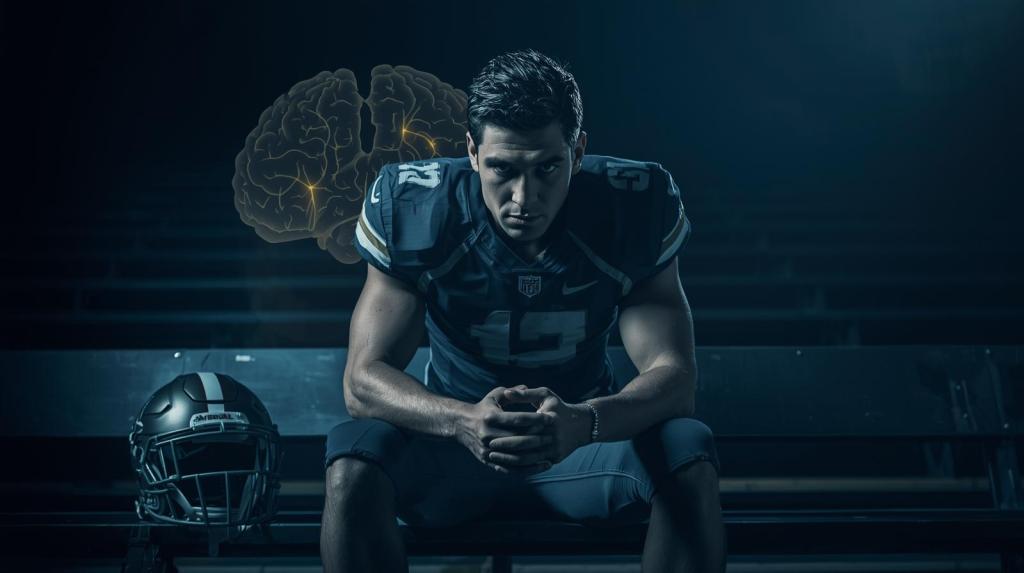
    Concussions aren’t just part of the game. Repeated head trauma doesn’t build toughness. It changes the brain — and sometimes, it changes a life forever.

    What a Concussion Really Is

    A concussion isn’t just getting hit hard. It’s a brain injury.

    You don’t need to be knocked out. You don’t need to “see stars.”
    If the brain moves violently inside the skull, damage can happen.

    Common signs I tell athletes to never ignore:

    • Head pressure or headaches
    • Dizziness or balance issues
    • Brain fog or slow reaction time
    • Sensitivity to light or sound
    • Mood swings, irritability, anxiety
    • Sleep problems

    One concussion is serious. Multiple concussions stack risk fast.

    What Is CTE — and Why It Matters

    CTE (Chronic Traumatic Encephalopathy) is linked to repeated head impacts over time, including hits that don’t cause obvious symptoms.

    That part matters.

    It’s not just the “big hit.”
    It’s the thousands of smaller ones that add up over years.

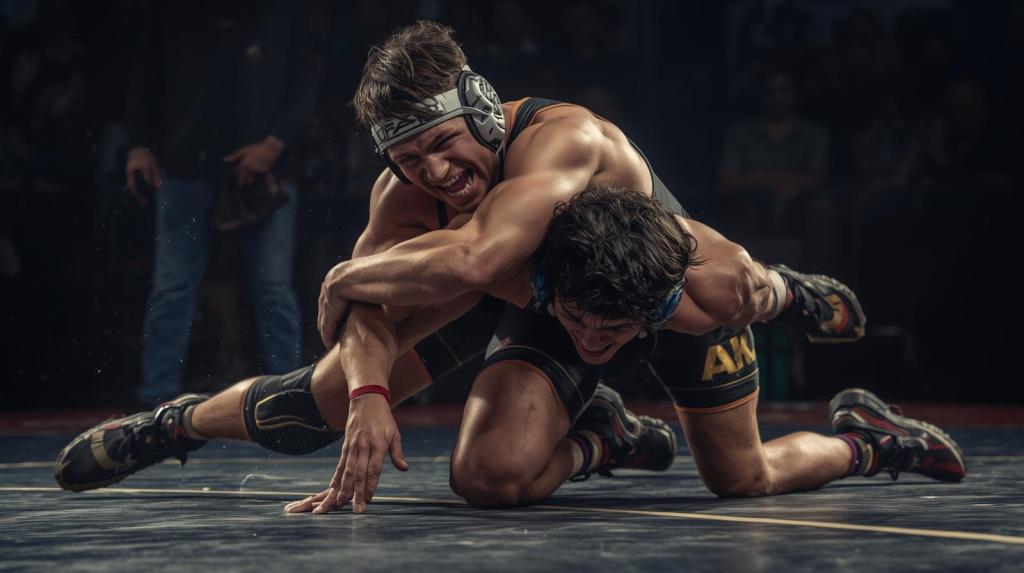
    CTE has been found in athletes from football, hockey, soccer, wrestling, boxing, and MMA — from youth levels all the way to the pros.
    Symptoms don’t always show up right away. Many athletes feel them years after their playing days are over:

    • Memory problems
    • Emotional instability
    • Impulsivity or aggression
    • Depression
    • Difficulty regulating mood
    • Cognitive decline

    This isn’t meant to scare you.
    It’s meant to inform you.

    The Mental Health Side No One Talks About Enough

    Here’s the piece that often gets missed:

    Brain injuries affect mental health. Period.

    When the brain takes repeated trauma, the systems that control:

    • Emotion
    • Stress response
    • Impulse control
    • Motivation

    can be disrupted.

    That’s why athletes with concussion histories may struggle with anxiety, depression, emotional regulation, or identity loss after injury. It’s not weakness. It’s neurology.

    And pretending mental health isn’t part of recovery is a mistake we can’t keep making.

    “Cleared to Play” Isn’t the Same as Fully Recovered

    Passing a concussion protocol doesn’t automatically mean the brain is fully healed.

    Coming back too soon increases the risk of:

    • Longer recovery timelines
    • Repeated concussions
    • Long-term cognitive effects

    Real recovery means:

    • Honest symptom reporting
    • Gradual return-to-play
    • Cognitive rest, not just physical rest
    • Mental performance and emotional support

    Athletes shouldn’t feel pressure to choose between their future and the next rep.

    We Have to Change What We Call “Tough”

    Old-school toughness said: push through it no matter what.
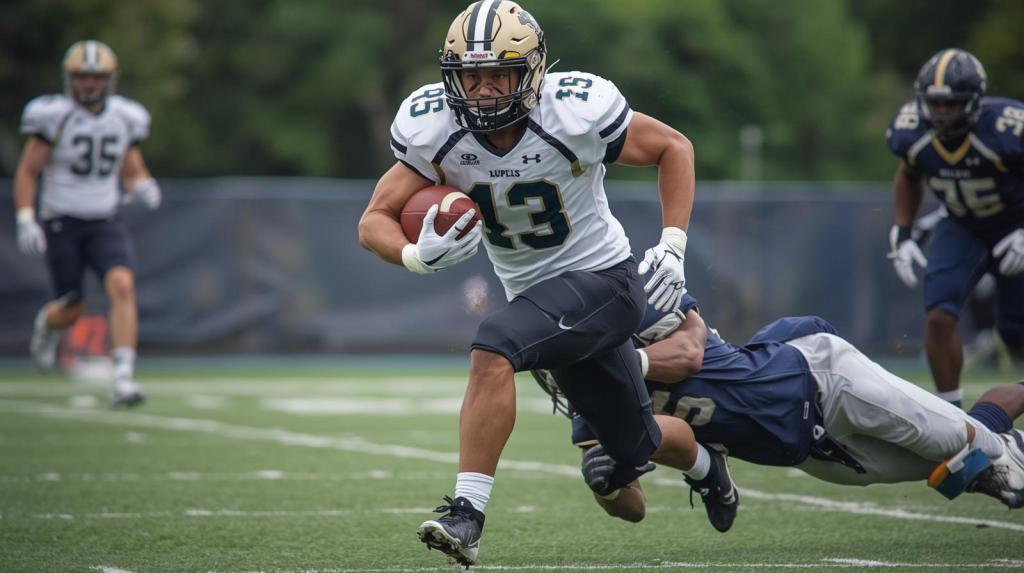
    Real toughness today looks like:

    • Speaking up early
    • Sitting out when needed
    • Supporting teammates who do the same
    • Coaches protecting athletes, not egos

    Protecting your brain doesn’t make you soft.
    It makes you smart enough to have a life after sport.

    Where Mental Performance Coaching Fits In

    This is where mental performance coaching matters.

    I help athletes:

    • Manage frustration during injury recovery
    • Rebuild confidence after head injuries
    • Reframe identity when sport is temporarily taken away
    • Develop healthier definitions of toughness
    • Regulate emotions under stress

    Performance isn’t just physical.
    It’s mental. It’s emotional. It’s neurological.

    And if we want athletes performing at their best — we have to protect the system that runs everything.


    Final Word

    You only get one brain.

    Championships end. Careers end.
    Your quality of life shouldn’t.

    Playing smart isn’t weakness.
    It’s awareness — and awareness is power.
    About Me — Coach John Schessler Jr.

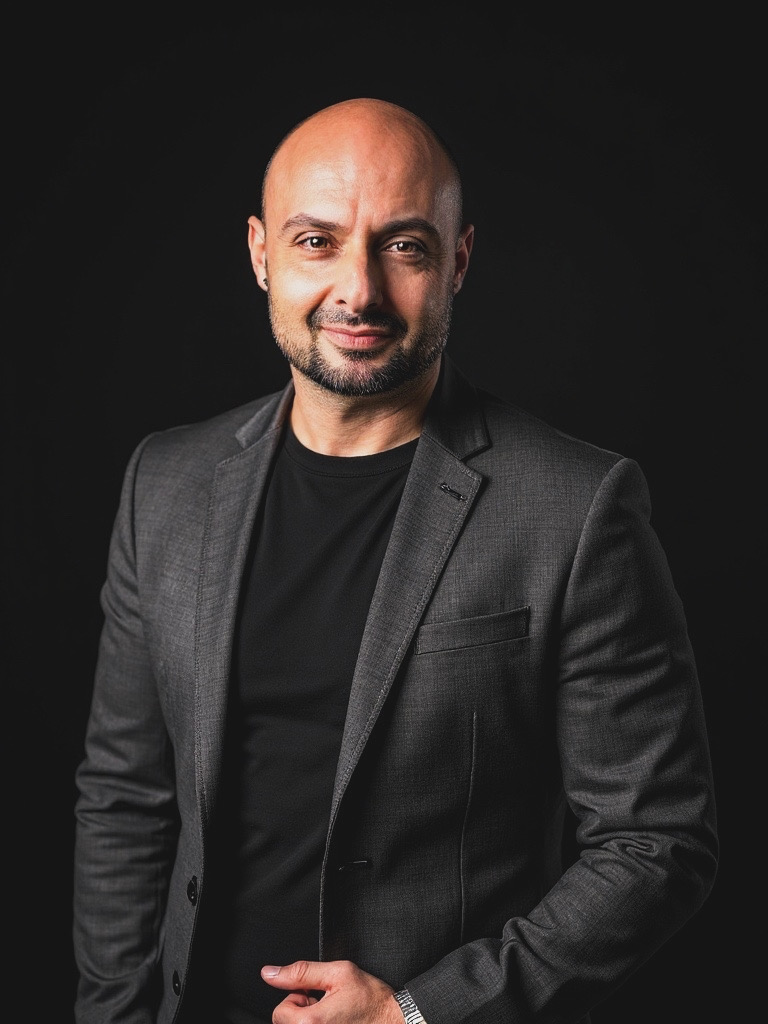
    I’m Coach John — the mind behind ThePGHSportsPsyCoach — and my mission is simple: help athletes build the kind of mental toughness, confidence, and resilience that shows up long after the final whistle blows.

    I coach from experience, education, and heart. As a Sports Psychology Coach and Behavior Interventionist, I’ve spent years working with athletes and students who carry big potential but also big pressure. My job? Teach them how to channel that pressure into power.

    Right now, I’m leveling up my own game, pursuing my graduate degree in Sports Psychology so I can support athletes at an even higher level. Every day, I study how mindset, emotion, and performance work together — and every day, I bring that knowledge straight to the athletes and readers who trust me.
    This blog is your locker room talk for the mind.
    Here, we break limits.
    We train confidence.
    We learn how to stay locked in when it matters most.

    Because winning isn’t just physical — it’s mental.
    And when you master your mind, the rest follows.

    If you’re ready to grow, challenge yourself, and build an unshakeable mental edge… welcome to the team. Let’s get to work.

    #ThePGHSportsPsyCoach, #CoachJohnSchessler, #MentalEdgeCoaching, #MindGymWork, #AthleteLife, #AthleteMotivation, #ResilientAthlete

  • Why do athletes freeze in big moments… even when they’ve trained for them?

    It’s not weakness.
    It’s not lack of effort.
    It’s your brain switching into survival mode when it senses threat — judgment, expectations, failure, letting people down.

    Here’s the good news:
    You can train your nervous system the same way you train your muscles.

    🔥 𝗕𝗿𝗲𝗮𝗸 𝘁𝗵𝗲 𝗣𝗿𝗲𝘀𝘀𝘂𝗿𝗲 𝗖𝘆𝗰𝗹𝗲
    • Train “game-speed” breathing
    • Set process goals, not perfection goals
    • Build mental reps before physical reps
    • Reframe nerves as activation
    • Practice pressure instead of avoiding it

    When you learn to stay present, your body stops panicking — and your performance finally lines up with your potential.

    This is where champions are built.
    Not in the spotlight…
    But in the moments when they choose courage over fear.

    🏋️‍♂️🧠
    — ThePGHSportsPsyCoach
    Helping athletes own their mindset + dominate their performance.

    #SportsPsychology #MentalPerformance #AthleteMindset #PressureToPerform #MentalStrength #ThePGHSportsPsyCoach #MindsetMatters #AthleteLife #PerformUnderPressure #SportsMentalHealth #TrustYourTraining

  • Every athlete has been there — mid-workout, lungs burning, muscles shaking, focus fading, and that little voice in your head whispering, “Just stop. You’ve done enough.”
    And honestly? That voice is convincing. It sounds logical. It sounds protective. Sometimes it even sounds like a friend.

    But it’s not a friend.
    It’s your brain choosing comfort over growth.

    Understanding why we quit — and how to override that instinct — is the difference between mediocre progress and unstoppable momentum.

    Let’s break down the psychology behind quitting… and how athletes can flip the script.


    🔥 Why Athletes Quit When Things Get Hard (The Real Psychology Behind It)

    1. Your brain is wired to avoid discomfort

    Humans aren’t naturally built for suffering — your brain prioritizes survival, not performance.
    When things get uncomfortable, your brain sends signals like:

    • “This hurts.”
    • “This is dangerous.”
    • “Stop before something bad happens.”

    But here’s the truth:
    Your brain can’t tell the difference between challenge and threat — unless you train it to.

    2. You overestimate the discomfort

    Studies show athletes often think they’re at 90% capacity when they’re actually around 50–60%.
    Translation?
    Your brain lies to you about how “done” you are.

    3. Emotional fatigue feels like physical fatigue

    Stress, lack of sleep, frustration, comparison…
    All of these make a workout FEEL harder than it actually is.

    4. You don’t have a plan for the tough moments

    Most athletes never train their mental response to adversity.
    So when the wall hits… they fold.

    But that’s fixable — and that’s where mental performance coaching comes in.


    🔥 The Shift: Training Yourself Not to Quit

    1. Shrink the moment

    Instead of thinking:

    “I have 10 minutes left.”
    Shift to:
    ✔️ “I can do the next 10 seconds.”

    Ten seconds is doable.
    Ten seconds builds momentum.
    Ten seconds keeps you alive.

    Athletes don’t need massive motivation — they need micro-commitments.

    2. Create a “quit-proof” self-talk script

    When fatigue hits, your default self-talk decides everything.

    Here are three PGHSportsPsyCoach-approved scripts:

    • “This is where I get better.”
    • “I don’t need easy — I need progress.”
    • “Breathe. Lock in. Go again.”

    Say it OUT LOUD if you have to.
    Self-talk is performance fuel.

    3. Rewrite the meaning of discomfort

    Right now, discomfort = danger.
    We flip that to:

    Discomfort = growth.
    Discomfort = proof you’re leveling up.
    Discomfort = the doorway to the athlete you want to become.

    When the meaning changes, your behavior changes.

    4. Use “one more rep” psychology

    Not a full set.
    Not perfection.
    Just one more rep.
    Then another.
    Then another.

    This builds consistency without overwhelming the nervous system.

    5. Build identity over intensity

    The athletes who stick with hard workouts aren’t the ones with the biggest muscles.

    They’re the ones who tell themselves:

    “I’m the type of person who finishes.”

    Identity > motivation.
    Identity > discipline.
    Identity = automatic behavior.

    6. Pre-commit before the workout starts

    Say this before you begin:

    “When it gets hard, I already know my answer.”

    No negotiating in the moment.
    No talking yourself out of it.
    No emotional decision-making.

    You make the commitment before fatigue shows up.


    🔥 Why This Matters for Athletes of All Levels

    Learning not to quit isn’t about bragging rights.
    It’s about developing:

    • Mental resilience
    • Physical confidence
    • Emotional self-regulation
    • Trust in your own abilities
    • The ability to perform under pressure

    When you build this skill in workouts, it follows you everywhere —
    into competition, academics, relationships, and life.


    🔥 The Truth: You Don’t Need to Be Motivated — You Need to Be Mentally Prepared

    Motivation is inconsistent.
    Discomfort is guaranteed.
    But your mindset?
    THAT is trainable.

    A Mental Performance Coach helps athletes:

    • Recognize the moment the brain tries to quit
    • Rewire self-talk to stay locked in
    • Build identity-based habits
    • Increase tolerance for discomfort
    • Improve consistency across training sessions

    When athletes train their mind the same way they train their body…
    quitting stops being an option.


    🔥 Final Message From ThePGHSportsPsyCoach

    You don’t level up during the easy reps.
    You level up during the ugly ones —
    the shaking legs, the burning lungs, the “I want to stop” moments.

    Those moments?
    That’s where champions are built.

    And you?
    You’ve got everything you need to stop quitting on yourself —
    you just have to train your mind to stick around when the pressure shows up.

    About Me — Coach John

    I’m Coach John — the mind behind ThePGHSportsPsyCoach — and my mission is simple: help athletes build the kind of mental toughness, confidence, and resilience that shows up long after the final whistle blows.

    I coach from experience, education, and heart. As a Sports Psychology Coach and Behavior Interventionist, I’ve spent years working with athletes and students who carry big potential but also big pressure. My job? Teach them how to channel that pressure into power.

    Right now, I’m leveling up my own game, pursuing my graduate degree in Sports Psychology so I can support athletes at an even higher level. Every day, I study how mindset, emotion, and performance work together — and every day, I bring that knowledge straight to the athletes and readers who trust me.

    This blog is your locker room talk for the mind.
    Here, we break limits.
    We train confidence.
    We learn how to stay locked in when it matters most.

    Because winning isn’t just physical — it’s mental.
    And when you master your mind, the rest follows.

    If you’re ready to grow, challenge yourself, and build an unshakeable mental edge… welcome to the team. Let’s get to work.

    #SportsPsychology #MentalPerformance #MentalStrength #MindsetCoach #CoachLife #SportsCoach #MindsetMatters #AthleteLife #AthleteMotivation #ResilientAthlete #ThePGHSportsPsyCoach #CoachJohnSchessler #MentalEdgeCoaching


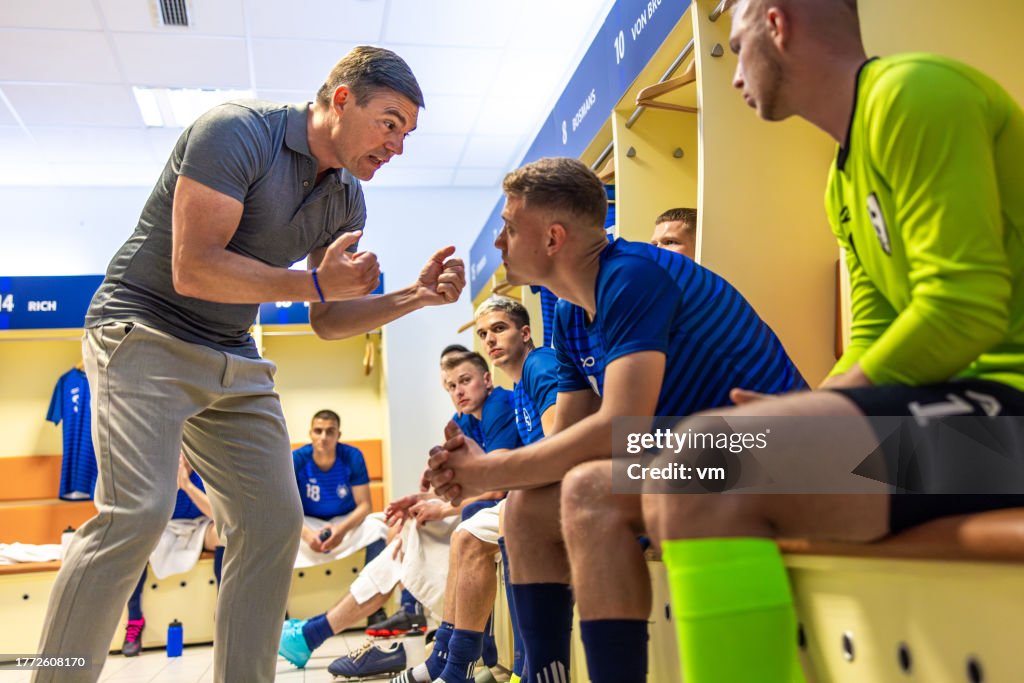
  • Football coach motivating male players team before match in locker room

    Introduction

    Sports psychology is all about helping athletes think better, perform better, and handle the mental chaos that comes with competition. But here’s the truth that often gets overlooked:

    Being a coach doesn’t just help you understand athletes — it makes you instantly more credible in the world of sports psychology.

    When you’ve been in the trenches — the locker rooms, late practices, heartbreaking losses, and emotional highs — you don’t just study performance…
    You’ve lived it.


    Happy Latin American soccer coach talking to his team about their strategy for the game – sports concepts

    Coaches Understand Athletes on a Level Textbooks Can’t Reach

    Athletes trust people who “get it.” And coaches get it.

    You’ve seen athletes when they’re:

    • Frustrated after a bad game
    • Fired up after a personal record
    • Burned out in the middle of the season
    • Fighting quiet battles no one else notices

    That lived experience means your insight is grounded in reality, not just theory. When you offer mental skills training or mindset strategies, athletes know it’s coming from someone who’s actually stood on the sideline and felt the pulse of competition.

    That’s credibility you cannot fake.


    You Already Speak the Language of Performance

    Sports psychology has its own vocabulary — focus cues, arousal levels, visualization, confidence-building, flow states.

    But coaches are already speaking that language long before they crack open a psych textbook.

    You’re constantly talking about:

    • Keeping composure under pressure
    • Making in-game adjustments
    • Staying coachable
    • Building routines and habits
    • Learning from mistakes instead of fearing them

    Coaching gives you a front-row seat to the mental side of sport, even if you didn’t label it as “psychology” at the time. That familiarity makes you a more intuitive, relatable sports psych professional.


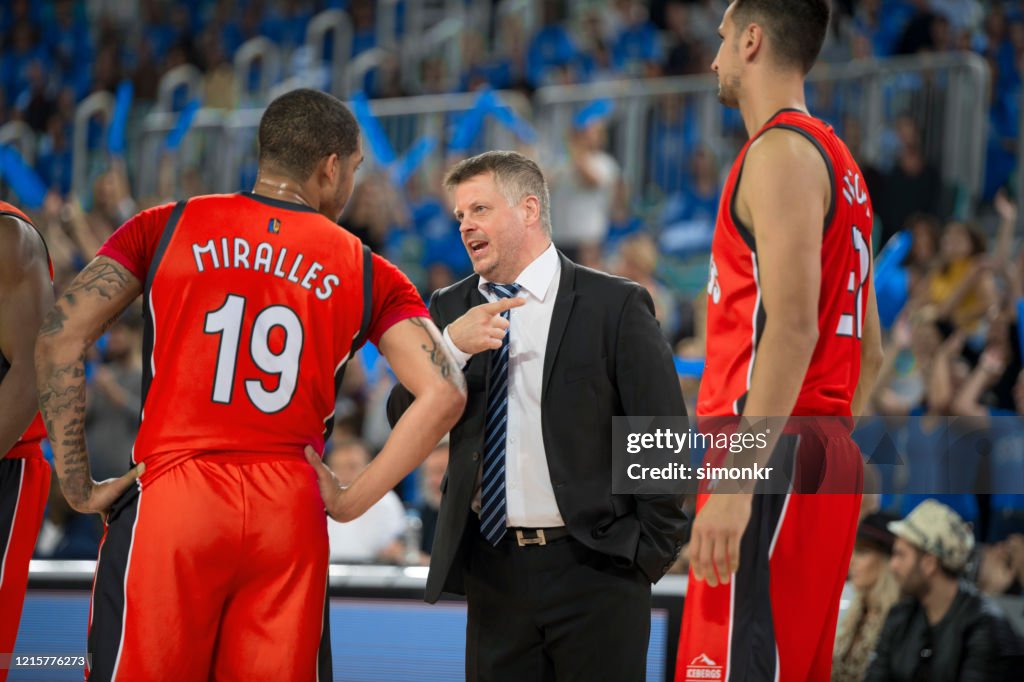
    Coach giving instructions to basketball team during the match at Arena Stozice, Ljubljana, Slovenia.

    Athletes See You as a Guide — Not Just a Professional

    A lot of athletes hesitate to open up to “mental health providers” or “psychologists,” especially if they imagine a cold office and a clipboard.

    But a coach? That’s different.

    Coaches are:

    • Trusted
    • Approachable
    • Present
    • Supportive
    • Embedded in the athlete’s daily world

    That existing relationship makes it easier for athletes to accept mindset training, mental strategies, and performance guidance. They’re not talking to a stranger — they’re talking to someone who has already invested in their growth.

    That alone skyrockets your credibility.


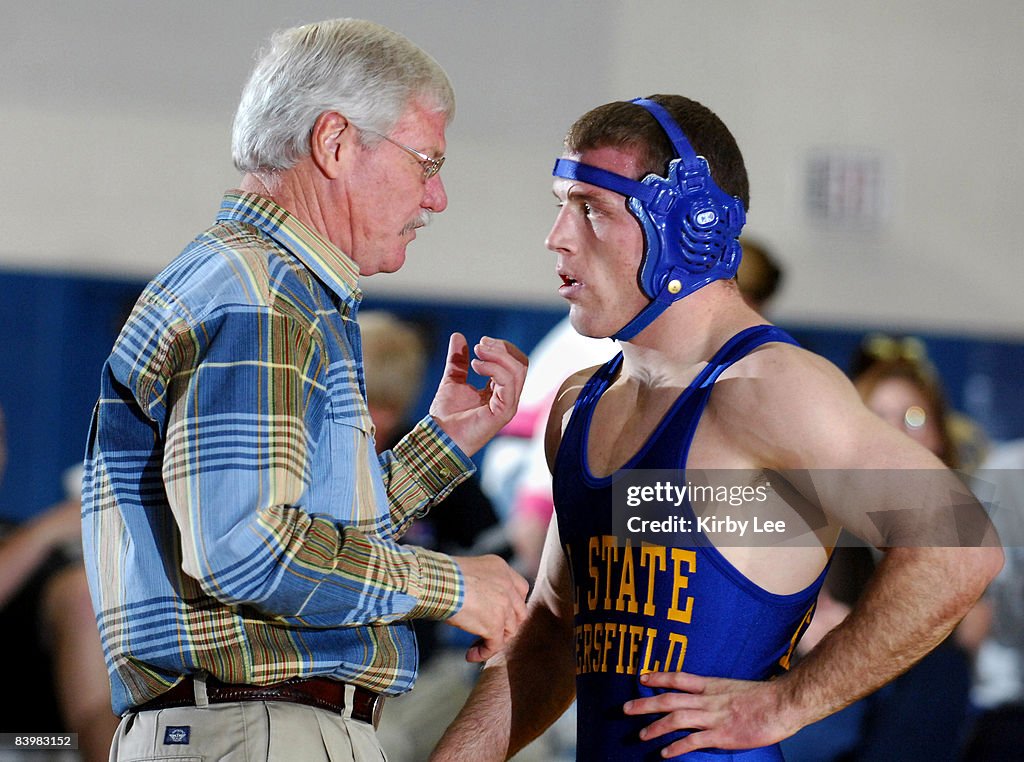
    Cal State Bakersfield coach T.J. Kerr talks with Brandon Doyle during the 149-pound bout of a Pacific-10 Conference wrestling match in Bakersfield, Calif., on Sunday, January 21, 2007. (Photo by Kirby Lee/WireImage)

    Coaching Gives You Real-Time Data You Can’t Get Anywhere Else

    Reading about performance struggles is one thing.
    Watching them happen in real time is something else entirely.

    As a coach, you get direct insight into:

    • The body language of a discouraged athlete
    • The micro-moments before confidence cracks
    • The nonverbal signs of stress or anxiety
    • Team chemistry and leadership gaps

    This level of observation lets you connect psychological principles to real practice — which is exactly what athletes need. And when they’ve seen you manage their highs and lows in real time, they’re far more likely to trust your mental game advice.


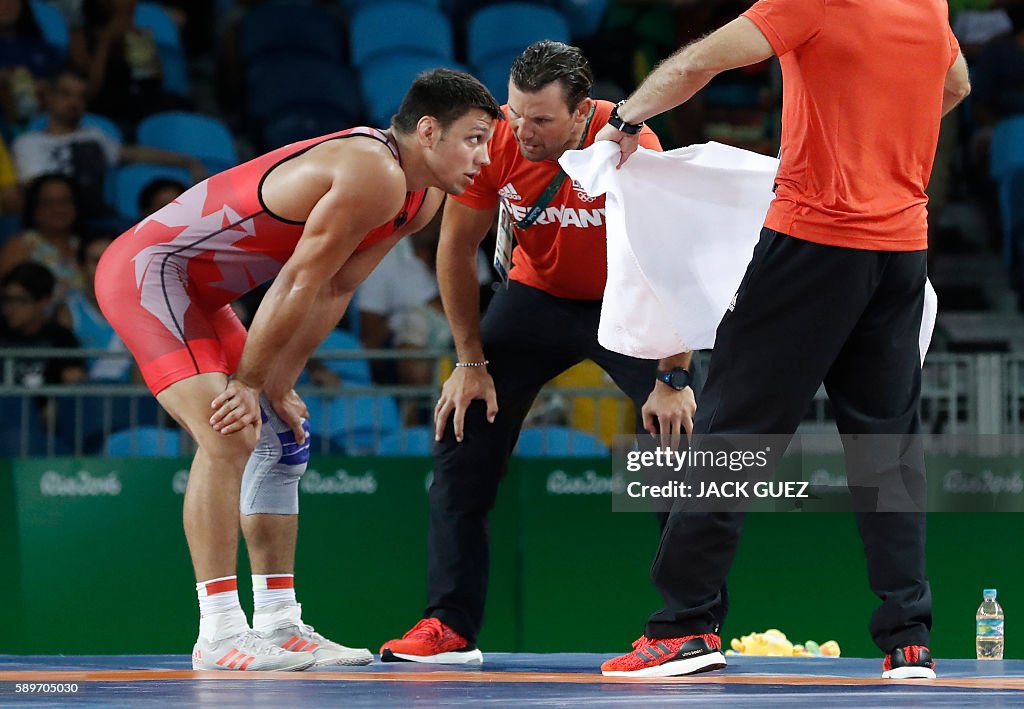
    Germany’s Denis Maksymilian Kudla speaks with his coach as he wrestles with Kirghyzstan’s Zhanarbek Kenzheev in their men’s 85kg greco-roman qualification match on August 15, 2016, during the wrestling event of the Rio 2016 Olympic Games at the Carioca Arena 2 in Rio de Janeiro. / AFP / Jack GUEZ (Photo credit should read JACK GUEZ/AFP via Getty Images)

    Coaching Proves You’re a Lifelong Learner

    Great coaches are always evolving:

    • New drills
    • New communication styles
    • New motivational strategies
    • New ways to build grit and resilience

    When you combine that growth mindset with formal sports psychology training, you become a well-rounded, modern professional who understands both the science and the human story behind performance.

    That blend makes you incredibly credible — and incredibly valuable — to athletes, teams, and organizations.


    Final Takeaway

    Being a coach doesn’t just enhance your credibility in sports psychology…

    It supercharges it.

    Coaching is where psychology lives.
    It’s where mindset meets movement.
    It’s where confidence, fear, resilience, doubt, and hunger show up every single day.

    A sports psychology professional who has coached athletes isn’t just offering knowledge — they’re offering:

    • Perspective
    • Empathy
    • Trust
    • Lived experience

    And that combination is exactly what today’s athletes are craving.

    About The Author

    I’m John Schessler, better known as The PGH Sports Psy Coach, and my mission is simple: help athletes master the mindset needed to succeed — not just in sports, but in life.

    With years of coaching experience and a genuine passion for sports psychology, I base my work on the belief that confidence, resilience, focus, and emotional control are just as vital as strength and skill. As a current sports psychology graduate student and AFAA-certified Sports Psychology Coach, I connect science with real-world coaching to provide athletes with practical tools they can actually apply.

    I’ve coached athletes through setbacks, comebacks, performance pressure, burnout, and everything in between — and I know firsthand how powerful the mental side of the game really is. Through my blog, coaching sessions, and mindset content, my goal is to help athletes flip the script, break their own limits, and perform with clarity, confidence, and purpose.

    If you’re ready to train your mind the same way you train your body, you’re in the right place.

    #ThePGHSportsPsyCoach #sportspsychology #coaching #athletes #mindset #performance #practicemakesperfect #lifelonglearning #sportsperformance #personaltraining #psychology #realtimedata #beaguide #speakthelanguage

  • The player feels the effects of mental health and how it is affecting his performance on the field.

    In today’s competitive sports world, physical talent gets the spotlight—but mental health is often the deciding factor between a good athlete and a great one. Even the strongest, fastest, or most technically skilled players can struggle when their mental game isn’t locked in. Anxiety, pressure, fear of failure, burnout, social stress, and expectations from coaches, fans, or family take a real toll. And when mental health suffers, so does performance.

    Athletes aren’t machines—they’re human beings with emotional needs, internal battles, insecurities, and stressors that don’t magically disappear when the competition starts. Many athletes describe moments where their body was ready, but their mind wasn’t. That disconnect is where confidence drops, mistakes increase, and performance spirals.

    But there’s good news: teams no longer have to guess, hope, or “tough it out.” Mental health awareness in sports is growing, and so is the recognition of mental performance coaching as a powerful tool for success on and off the field.


    Why Athlete Mental Health Matters in Competition

    When an athlete’s mental health is compromised, everything is affected:

    • Confidence declines

    Even highly skilled athletes can start doubting themselves, hesitating in key moments, or second-guessing their instincts.

    • Focus becomes scattered

    A worried mind can’t concentrate—leading to missed plays, slow reactions, and poor decision-making.

    • Motivation drops

    Burnout, depression, or stress can remove the joy from a sport athletes once loved.

    • Team dynamics suffer

    Unmanaged emotions or pressure can fuel conflict, isolation, or communication breakdowns.

    • Performance becomes inconsistent

    The athlete may look unstoppable one day and completely shut down the next.

    Mental health is not a side issue—it is a performance issue.


    The Pressure Athletes Face (More Than Most People Realize)

    Athletes juggle a unique combination of stressors, including:

    • High expectations from coaches, parents, fans, and themselves
    • Fear of injury or not meeting potential
    • Social media criticism
    • Balancing school, work, and athletics
    • Body image pressures
    • Perfectionism and comparison to teammates or competitors

    These pressures can build up silently. And because athletes often feel expected to be “tough,” many hide their struggles—making things worse over time.


    Where Mental Performance Coaches Make the Difference

    A Mental Performance Coach (MPC) bridges the gap between physical skill and mental readiness. They don’t replace therapists or counselors, but they optimize the mindset needed for consistent, high-level performance.

    How MPCs help athletes and teams win:

    1. Build Mental Toughness (The Healthy Kind)

    Not the “suck it up” mentality—
    but real resilience, emotional control, and the ability to bounce back from mistakes.

    2. Improve Focus and Decision-Making

    MPCs teach athletes how to lock in, quiet distractions, and stay present in the moment.

    3. Reduce Game-Day Anxiety

    Breathing techniques, visualization, reframing, and confidence-building routines help athletes step into competition calm and ready.

    4. Strengthen Confidence

    Self-belief affects every movement in sports. MPCs help athletes develop genuine, internal confidence—not just hype.

    5. Develop Team Cohesion

    Teams win when communication, trust, and shared goals come together. MPCs often mediate, guide team-building, and align athletes mentally.

    6. Build Routines for Consistency

    Mental performance isn’t random—it’s trained. MPCs help athletes develop structured habits that replicate success.


    The Result? More Wins and Healthier Athletes

    Teams that invest in mental performance see:

    • Improved game-day execution
    • Stronger team culture
    • Better communication under pressure
    • More confident decision-making
    • Higher resilience after losses
    • Athletes who stay motivated and focused

    Mental performance is often the missing piece separating elite teams from average ones. When athletes feel supported mentally and emotionally, their physical abilities naturally rise.


    The Future of Sports: Mental Health and Mental Performance Go Hand-in-Hand

    The narrative is changing.

    We’re seeing athletes speak openly about anxiety, depression, and performance pressure. We’re seeing teams hire more sports psychologists and mental performance coaches. And most importantly, we’re seeing the undeniable truth: The mind drives the body.

    When teams care about the whole athlete—not just the stats—they not only protect their players’ long-term well-being, but they also create a stronger path to victory.

    Mental health isn’t just about feeling better.

    It’s about playing better, communicating better, leading better, and winning better.

    #mentalperformancecoach #athletes #victory #minddrivesbody #mentalhealthawareness #mentalhealth #psychology #sportspsychology #sports #feelbetter #communication #leadership #teamwork #worktogether #pittsburgh #winning #strongerlonger #resilience

    About the Author

    Hi, I’m John Schessler Jr., a graduate student in Sports Psychology, a full-time Behavior Interventionist for students with autism, and certified Sports Psychology Coach (AFAA) with a passion for helping athletes build stronger minds, healthier habits, and unshakable confidence. My work blends mental performance coaching, psychology, and lived experience to help people show up as their best selves—on the field, in the gym, and in everyday life.

    I’ve always believed that mental strength is the real competitive edge. That belief pushed me toward a career that combined my love of sport with my mission to support mental wellness. Whether I’m working with students, coaching athletes through pressure and performance anxiety, or developing new mental-skills tools, I’m constantly exploring how mindset, behavior, and resilience shape performance.

    Right now, I’m pursuing my M.S. in Sports Psychology at Capella University with the goal of becoming an Athletic Mental Health Counselor. I want to change the narrative around athlete well-being, break stigmas, and help athletes of all backgrounds access mental-performance support that actually meets them where they are.

    This blog is a place where I bring together everything I’ve learned—research, personal experience, coaching insights, and the lessons athletes and students teach me every day. My hope is that you’ll find something here that inspires you, supports you, or simply reminds you that you’re not alone in your journey to become mentally stronger.

    If you’re an athlete, parent, coach, educator, or someone chasing self-improvement, welcome.

    You’re exactly where you need to be.

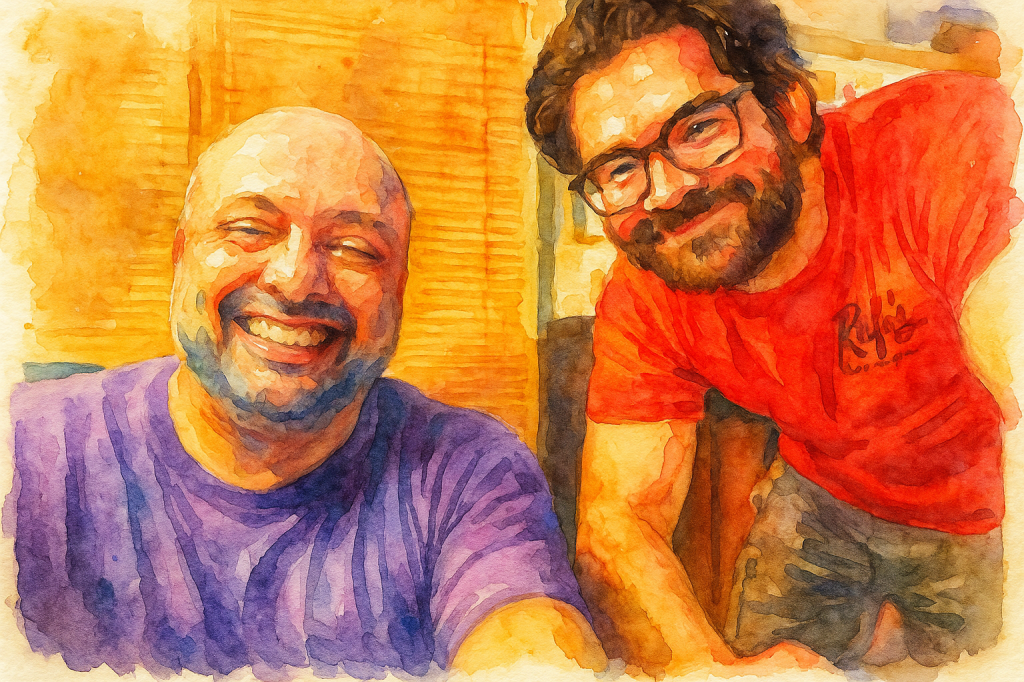
  • My best friend, Matt and I

    In 2025, men’s mental health challenges are rising — but so is the power of brotherly love. Discover why authentic male connection matters more than ever, and how friendships, mentorship, and community can save lives.

    The Meaning of Brotherly Love Today

    Brotherly love isn’t just about friendship — it’s about connection, vulnerability, and presence. It’s the quiet check-ins, the late-night talks, the gym sessions that turn into therapy. It’s about men learning to support each other openly, without judgment or ego.

    In 2025, as the world grows more digital and isolating, these bonds are a lifeline for mental health. With suicide rates among men still alarmingly high and many men hesitant to seek help, the simple act of showing up for one another becomes revolutionary.

    Old male friends drinking beer and talking on outdoor terrace. Two young men in casual meeting outside. Informal discussion concept

    The Challenge: Men’s Mental Health in 2025

    Despite progress, men still face cultural pressure to be “strong,” stoic, and self-sufficient. According to recent studies:
    • Men are significantly less likely than women to seek mental-health treatment.
    • Loneliness has become a silent epidemic — worsened by social media and the pandemic’s lasting effects.
    • Younger generations of men are redefining masculinity, but stigma still lingers.

    Brotherly love directly combats these challenges by creating safe, judgment-free spaces where men can be real, express emotion, and support one another’s healing.

    The Power of Connection

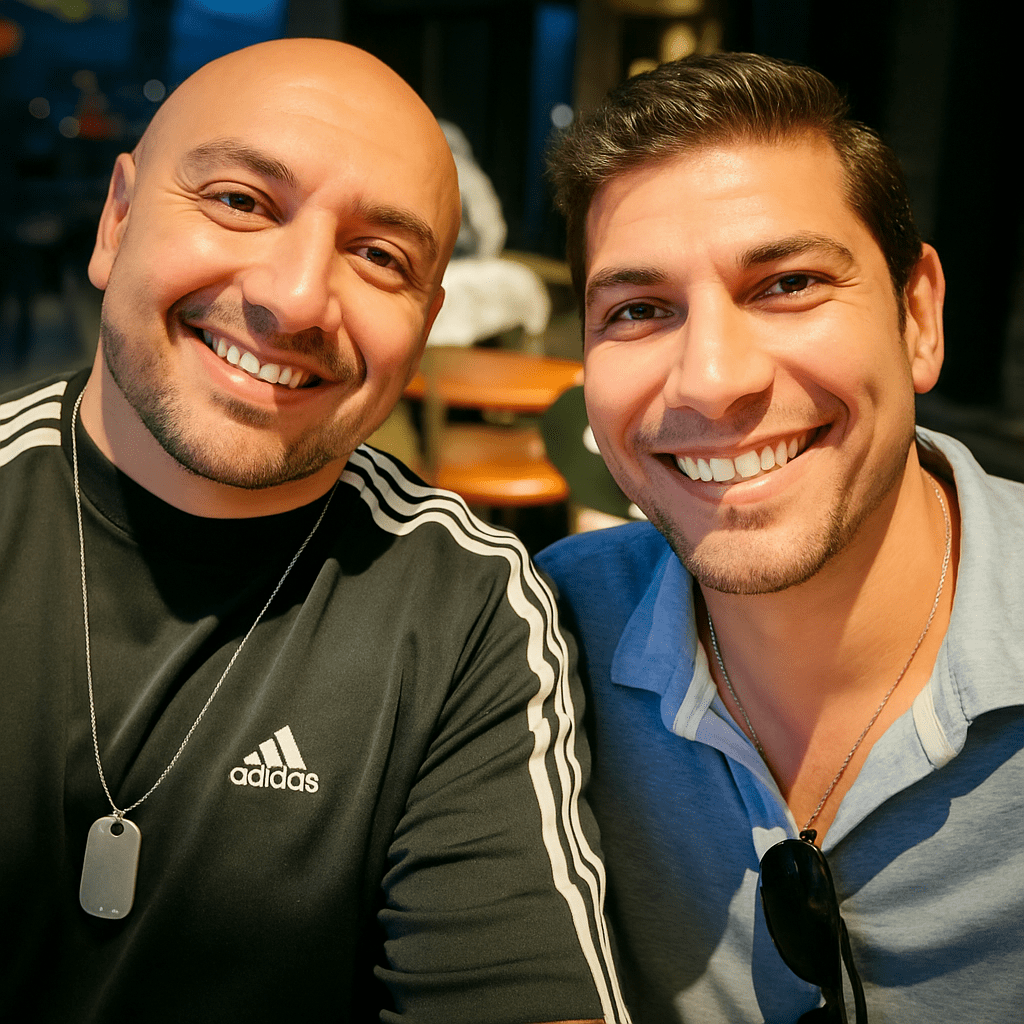
    My friend Ari and me

    When men have deep, trusting relationships, powerful things happen:
    • Isolation decreases — genuine friendship reminds men they’re not alone.
    • Help-seeking increases — hearing “I’ve been there” can normalize therapy and vulnerability.
    • Resilience grows — emotional connection helps men handle stress and bounce back stronger.
    • Identity expands — men learn they are more than achievements — they are human beings with value, compassion, and depth.

    Brotherly love becomes both prevention and treatment: a buffer against anxiety, depression, and burnout.

    How to Cultivate Brotherly Love

    Two young men exchange ideas in a cafe

    For individuals:
    • Check in with your friends — not just when things are good.
    • Replace “I’m good” with honesty: “It’s been a rough week.”
    • Create rituals — a workout group, breakfast meet-ups, or video calls.
    • Encourage your brothers to seek help when needed.

    For communities and workplaces:
    • Form men’s circles or peer-support groups.
    • Bring male-focused mental-health education to gyms, schools, and workplaces.
    • Redefine masculinity through open conversation, mentorship, and shared stories.

    Brotherly love starts with one small act — and multiplies through every man who dares to care.

    Love, Not Fixing

    Brotherly love isn’t about solving each other’s problems. It’s about listening, validating, and walking beside one another through life’s storms. True strength is found in connection, not in silence.

    Final Reflection

    As 2025 unfolds, the modern man is rewriting what it means to be strong. Strength now includes empathy, vulnerability, and connection. Brotherly love is no longer optional — it’s a cornerstone of men’s mental well-being.

    So this week, send that text. Call that friend. Take that walk. Ask, “How are you really doing?” That simple question might be the most powerful form of love there is.

    Author Bio

    John Schessler Jr. is a graduate student in Sports Psychology and a certified Sports Psychology Coach (AFAA). Known as The PGH Sports Psy. Coach, he focuses on athlete mental health, mindset, and personal development through coaching, writing, and mentorship. Follow his work on Instagram at @ThePGHsportspsycoach.

  • In recent years, sports psychology has evolved from a niche specialty for elite athletes into one of the most exciting and important fields in mental health. It’s no longer just about winning championships or perfecting a golf swing—it’s about helping people understand the mind-body connection, build resilience, and perform at their best in every area of life.

    What Exactly Is Sports Psychology?

    At its core, sports psychology focuses on how mental and emotional factors influence physical performance, and how participation in sports and exercise can impact mental well-being. Sports psychologists and mental performance coaches help individuals develop tools like focus, confidence, stress management, motivation, and emotional regulation—skills that benefit athletes and non-athletes alike.

    A sports psychologist might work with:

    • Professional or college athletes to manage pressure and anxiety
    • Coaches or teams to build positive culture and communication
    • Everyday people who use fitness to support mental health goals
    • Youth athletes learning to cope with performance setbacks

    In short, it’s about training the mind like you’d train your muscles—through awareness, consistency, and practice.

    Why It’s Becoming So Important in Mental Health

    The growing attention around sports psychology reflects a larger cultural shift toward holistic wellness. We’re finally acknowledging that mental health is not separate from physical health—it’s deeply interconnected.

    Here’s why it’s gaining traction:

    1. Athletes Are Speaking Out. From Simone Biles to Michael Phelps, top athletes have opened up about anxiety, depression, and burnout, breaking the stigma around seeking help.
    2. Performance Pressure Is Everywhere. You don’t need to be in the Olympics to feel competitive pressure—students, professionals, and parents all juggle high expectations. Sports psychology provides strategies for focus and balance.
    3. Exercise and Mental Health Go Hand-in-Hand. Movement is medicine. Techniques from sports psychology—like goal setting, visualization, and self-talk—enhance the benefits of physical activity for mood and motivation.
    4. It’s Preventative. Early mental skills training builds resilience and emotional awareness before stress leads to burnout or crisis.

    The Broader Impact

    Sports psychology has become a bridge between performance and mental wellness, teaching people that being strong isn’t just physical—it’s emotional and psychological too. Schools, gyms, and even workplaces are starting to integrate these principles into their wellness programs, proving that mental fitness is as vital as physical fitness.

    Final Thoughts

    As conversations about mental health continue to grow, sports psychology offers a practical, empowering approach: one rooted in discipline, mindset, and self-belief. Whether you’re an athlete, coach, teacher, or simply someone trying to show up better each day, understanding and training your mind might just be the next step toward lasting success and balance.

    🧠 About John Schessler Jr.

    John Schessler Jr. is a Behavior Interventionist, Certified Personal Trainer, and graduate student in Sports Psychology who bridges the worlds of mental health, fitness, and performance coaching. His mission is to help people strengthen the connection between mind and body — building resilience, confidence, and purpose through both movement and mindset.

    With years of experience supporting neurodiverse students and training clients from all walks of life, John brings empathy, structure, and motivation to everything he does. Whether he’s developing behavior support programs, leading fitness sessions, or writing about the psychology of performance, his work focuses on helping others find balance and sustainable success.

    John is also the creator of The Follow Through podcast and The Unbreakable Man blog — platforms dedicated to honest conversations about mental wellness, accountability, and personal growth.

    📍 Areas of focus: Sports psychology, motivation, mental performance, emotional regulation, autism support, and inclusive wellness.
    💡 Motto: “Train your mind like you train your muscles.”


    #SportsPsychology #MentalHealthAwareness #MindsetMatters #AthleteWellness #PerformancePsychology #MentalFitness #Resilience #GrowthMindset #YourHealthMatters #PersonalTraining #Pittsburgh #Fitness #MentalHealth

  • Whether you’re gearing up for a photo shoot, refining your personal brand, or simply polishing your everyday look, 2025 brings some exciting masculinity-infused fashion and lifestyle shifts. Below you’ll find a breakdown of the major trends — with visuals, tips, and how to make them your own.


    1. The Refined Classic Returns

    https://m.media-amazon.com/images/I/61EZrng4%2BIL._AC_UY1000_.jpg
    https://i.ebayimg.com/images/g/BpUAAOSwpiNn5PmY/s-l1200.jpg
    https://i5.walmartimages.com/seo/VEKDONE-2025-Clearance-Mens-Fashion-Short-Sleeve-Flannel-Shirts-Slim-Fit-Causal-Button-Plaid-Designer-Shirts-Mens-Western-Shirts-Causal-Cowboy-Short_59c24dd2-6598-4e03-9686-0fe6483a97ea_1.bc7e601cf5030bb94465a9db4d93834a.jpeg

    6

    One of the strongest threads this year is a return to timeless, rugged-but-polished style. According to the editors at GQ, Fall 2025 is seeing:

    • Neo-prep rugby shirts as a staple. GQ
    • Western-inspired flannels with strong structure (snap buttons, pointed collars) doubling as lightweight jackets. GQ
    • Leather racing jackets – smart, masculine outerwear with heritage cues. GQ

    How you can make this your own:

    • Invest in a quality leather jacket with clean lines — the cut matters.
    • Use a flannel shirt as a layering piece rather than just casual — over a tee, under a bomber, etc.
    • Rugby shirts: go bold with the stripes or colour-blocking, pair with chinos or dark jeans.

    2. Elevated Simplicity & Quality Over Quantity

    https://www.beigebrown.com/cdn/shop/articles/BB-blog_neutral-colors_men_cover_4402be1d-c708-43f4-9d20-c4f5ae8d2cd5.jpg?v=1754648225&width=2048
    https://cdn.shopify.com/s/files/1/0347/3225/files/NeutralColors_Men_3_600x600.png?v=1698078332
    https://hips.hearstapps.com/hmg-prod/images/mhl-tshirts-mackweldon-0260-688a641b198e3.jpg?crop=1.00xw%3A1.00xh%3B0%2C0&resize=1120%3A%2A

    In an era of fast trends, 2025 is doubling down on “buy fewer, buy better.” A men’s style blog highlights this:

    “In 2025, we’re seeing a return to neutral colour tones, an embrace of classic vintage items, and a shift toward buying fewer, better clothes.” Merz b. Schwanen

    What this means for you:

    • Choose fabrics that hold up (wool, heavyweight cotton, quality knits) rather than novelty pieces.
    • Stick to neutral palettes: greys, tans, olive, muted navy. They allow layering and flexibility.
    • Think timeless: a great tee, a well-fitted knit, trustworthy chinos. Build your base first.

    3. Colour & Pattern Pops

    https://wwd.com/wp-content/uploads/2024/07/auralee-spring-2025-rtw-ctsy-036.jpeg?w=800
    https://wwd.com/wp-content/uploads/2024/07/Ralph_Lauren_RTW_SS25_Runway_ARS_0001.jpg?crop=0px%2C624px%2C2037px%2C1143px&resize=1000%2C563
    https://i5.walmartimages.com/asr/a53e72b5-f75e-472e-850b-c264d391bf27.758a889968a91244a9dfe32123e29147.jpeg?odnBg=FFFFFF&odnHeight=768&odnWidth=768

    6

    While basics and neutrals dominate, a few accent trends are worth noting:

    • Pastels are creeping into menswear — mint, lavender, soft pinks. Taelor.Style
    • Plaids (checks) are making a strong resurgence. “The Checkmate: Plaids Take Over.” Taelor.Style
    • Floral prints are no longer just for the daring — subtle and refined floral shirts are in. Taelor.Style

    Tips:

    • If you’re not ready for bold, swap a pastel tee under a neutral jacket for a hint of trend.
    • For pattern, let it be the focal point: pattern shirt + subdued trousers.
    • Stay proportionate: bold prints aren’t just “loud”; they should still feel tailored and intentional.

    4. Silhouette Shifts – Slimmer Cuts & Structured Fit

    https://cdn.shopify.com/s/files/1/0338/2932/2887/files/kahve-yuksek-bel-pileli-relaxed-fit-ba-e34706_480x480.jpg?v=1733534448
    https://cdn.shopify.com/s/files/1/0338/2932/2887/products/plain-grey-men-trousers-446247-19-B_480x480.jpg?v=1733533971
    https://cdn.shopify.com/s/files/1/0526/5496/4893/files/neutral-and-earth-toned-palettes_480x480.jpg?v=1735371308

    6

    After seasons of oversized and baggy styles, the trend compass is shifting:

    • Slimmer trousers are making a comeback. According to The Guardian, men’s shows for early 2025 featured trousers that “hugged the calves,” a clear pivot from wide-leg dominance. The Guardian
    • Tailoring with structure: suits in earthy tones and strong shoulder lines are being recommended. Taelor.Style+1

    Actionable advice:

    • Swap baggy cargos for a tailored straight-/slim leg trouser. Make sure the break at the shoe is clean.
    • If you wear suits, choose one in an earthy tone (olive, camel, deep taupe) and pair with a crisp white or muted shirt.
    • Keep proportions in mind: if your top layer is bulkier (e.g., a bomber or flannel shirt), keep the bottom more fitted.

    5. Masculinity Reimagined — Style with Intention

    https://cdn.sanity.io/images/cctd4ker/production/76a040106441bb6f8a6fcb2a2f267e023d399098-5120x5120.jpg?auto=format&fit=clip&q=75&w=3840
    https://assets.vogue.com/photos/6705b2be4f259ec06195ab09/2%3A3/w_1708%2Ch_2562%2Cc_limit/DP-13029-047-JPG%20Original%20300dpi_RET%20%282c%29_Small.png
    https://assets.vogue.com/photos/667707406d9fa8a242934d18/master/w_2560%2Cc_limit/Loewe_Mens_SS25_Backstage_AcielleStyleDuMonde-019RZ.jpg

    6

    Beyond just clothes, masculine trends in 2025 are about intentionality: how you dress, what you buy, how you present yourself. A few meta-trends:

    • The concept of “less but better” touches not only fabrics but ethics: durable, timeless pieces over fast fashion.
    • The recognition of heritage styles (e.g., dandyism) and tailoring as deliberate statements about identity and craft.
    • Grooming and styling are in alignment: clean hairlines, maintained facial hair, balanced accessories (not overly flashy) support the wardrobe.

    Pro tips:

    • Choose one piece each season that stands out for quality (leather jacket, wool blazer) and keep the rest simple.
    • Invest in grooming upkeep: clean hairstyle, well-trimmed facial hair or razor, good skincare — it matters when your clothes are more refined.
    • Accessorize thoughtfully: a high-quality belt, minimal watch, maybe a refined pair of boots — the kind of piece that ages well.

    Final Thought: Building Your 2025 Masculine Wardrobe

    As you curate your wardrobe for 2025, think of your style philosophy as three-fold:

    1. Foundation – High-quality basics in neutral tones and classic fits.
    2. Statement – One or two pieces each season that carry trend cues (plaid, pastel, leather) but still align with you.
    3. Craftsmanship & Fit – Excellent fit matters now more than hype. Tailoring, structure, and material matter.

    When you bring those together, your wardrobe doesn’t just look current — it communicates maturity, intention, and authenticity.

    #MasculineStyle #MensFashion2025 #ModernMasculinity #MensStyleGuide #SmartCasual #CapsuleWardrobe #MinimalMenswear #RuggedRefined #MenWithStyle #ElevatedBasics AuthenticMasculinity #MensWellness #ConfidenceCulture #MindsetMatters #PurposeDrivenLife #BalanceOverHustle #IntentionalLiving #MenOfCharacter #GrowthMindset #ModernManMovement TheFollowThrough #JohnSchesslerJr #MensLifestyleCoach #StyleWithPurpose #ConsistencyIsKey #PersonalBranding #EverydayDiscipline #MenWhoLead #AuthenticityWins

    About the Author

    John Schessler Jr. is a fitness coach, behavior interventionist, and mindset mentor who’s passionate about helping men build strength — both physically and mentally. Blending his background in psychology, education, and personal training, John creates content that challenges outdated ideas of masculinity and promotes a more balanced, confident, and authentic lifestyle. Through his blog, podcast The Follow Through with his co-host Erika Reid, and social media platforms, he shares practical tools for discipline, wellness, and self-awareness — inspiring men to show up, stay consistent, and keep becoming their best selves.

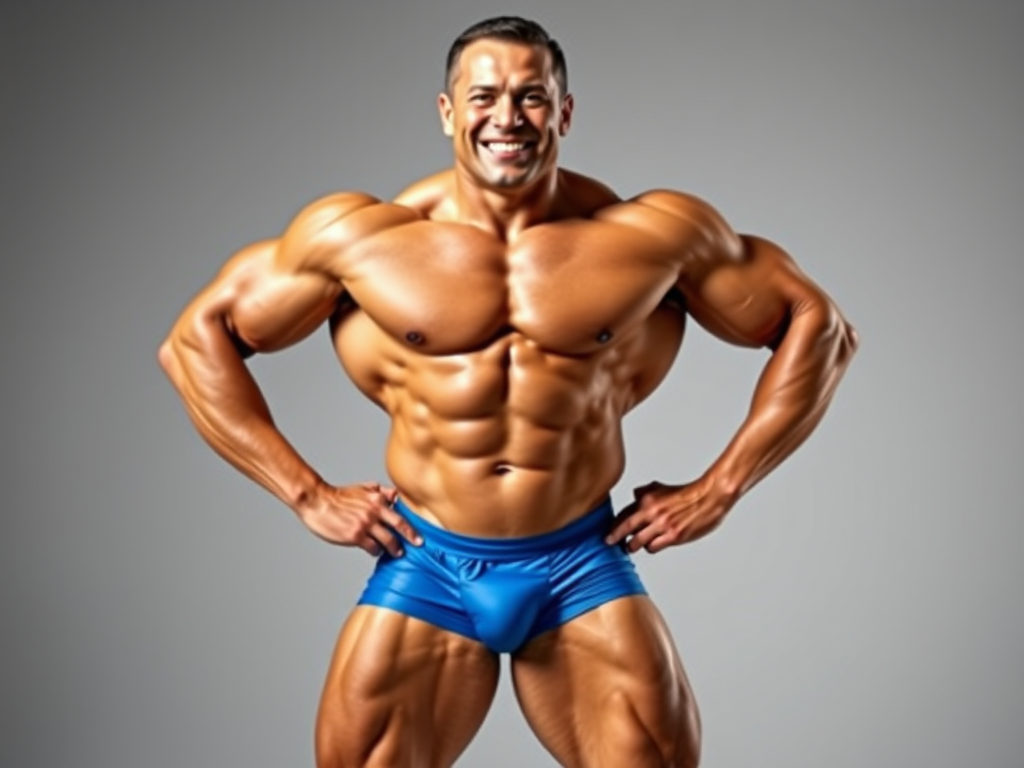
  • For decades, conversations about unrealistic beauty standards have focused largely on women—but in recent years, men have found themselves under growing pressure to look a certain way, too. From chiseled abs and broad shoulders to flawless skin and perfect hairlines, today’s media paints a narrow picture of what “masculine perfection” should look like.

    The Rise of the “Ideal” Male Image

    Social media, fitness influencers, and even superhero movies have created a cultural blueprint for the “ideal” male physique—one that’s often unattainable without extreme dieting, heavy supplementation, or, in many cases, digital enhancement. The message is subtle but persistent: to be successful, desirable, or confident, you must look a certain way.

    This constant exposure leads many men to measure themselves against an impossible standard, eroding confidence and feeding into cycles of self-criticism, anxiety, or even disordered eating and excessive exercise.

    The Silent Struggle

    Unlike women, men often face an added layer of silence around body image issues. Cultural norms teach boys from an early age to “tough it out,” to hide insecurity behind humor or bravado. Yet studies show that body dissatisfaction among men has skyrocketed—particularly among younger generations constantly exposed to filtered and photoshopped versions of reality.

    Even within gym culture—a place meant to build strength and confidence—comparison can become toxic. What starts as motivation often turns into obsession, with many men chasing validation through appearance rather than wellness.

    The Hidden Danger: Teen Boys and Steroid Use

    One of the most alarming trends tied to these unrealistic ideals is the rise in steroid and performance-enhancing drug use among teenage boys.
    What used to be confined to competitive bodybuilding has now entered locker rooms and high school gyms. Many young men, desperate to “catch up” or “look like” their fitness idols, turn to anabolic steroids, testosterone boosters, or unregulated supplements they find online.

    Behind the muscle gains and selfies, there’s often insecurity, social pressure, and the misconception that strength equals worth.
    What these teens truly need isn’t another supplement—it’s support, education, and reassurance that their value isn’t measured in muscle mass.

    But these substances come with serious physical and psychological risks—including liver and heart damage, hormonal imbalances, acne, infertility, aggression, mood swings, and depression. In teenage users, steroids can even stunt natural growth and cause permanent health issues.

    Redefining Strength and Confidence

    True strength isn’t about biceps or abs—it’s about self-acceptance. It’s about showing up for yourself, prioritizing health over aesthetics, and recognizing that confidence isn’t something you sculpt; it’s something you build from the inside out.

    Real men come in all shapes, sizes, and stages of growth. The world needs more images of authentic, imperfect men—men who are kind, vulnerable, compassionate, and secure in who they are.

    The next time you scroll through your feed or catch yourself comparing your reflection to someone else’s highlight reel, remind yourself: you are not a before or after photo—you’re a whole story in progress.


    #MensHealth #BodyImage #SelfAcceptance #MensWellness #PositiveMasculinity #MentalHealthAwareness #AuthenticStrength #MenMatterToo #RealBodiesRealMen #WellnessOverAesthetics #HealthyMindHealthyBody #masculinity #mensroom #fitnessformen #wisdomforguys #education #personaltrainer #pittsurgh #aestheticallypleasing #nothinwrongwithdadbods #themaleexperience #checkyourboys #aguyslife

    About the Author

    John Schessler Jr. is a Behavior Interventionist at Merakey Education Center in Mt. Pleasant, Pennsylvania, and a graduate student in Capella University’s M.S. in Sports Psychology program. With a Bachelor’s degree in Child & Adolescent Psychology and over a decade of experience as a certified personal trainer, John is passionate about mental health, personal growth, and redefining modern masculinity. Through his writing, coaching, and podcast The Follow Through, he aims to help others build authentic confidence and well-being from the inside out.

  • If you’ve ever trained with a strength coach who seemed to have a deep, scientific understanding of how the human body performs, chances are you’ve met someone with the letters CSCS after their name. But what exactly does that mean — and how can working with a CSCS help you reach your goals?

    What “CSCS” Means

    CSCS stands for Certified Strength and Conditioning Specialist, a credential offered by the National Strength and Conditioning Association (NSCA). It’s considered one of the gold standards in the fitness industry, especially for those who train athletes or clients looking to seriously improve performance, not just appearance.

    To earn this certification, candidates must hold at least a bachelor’s degree and pass a rigorous exam that covers:

    • Exercise science and biomechanics
    • Nutrition and physiology
    • Program design and testing
    • Injury prevention and recovery
    • Coaching and performance strategies

    In short, a CSCS doesn’t just “know workouts” — they understand the science behind performance.


    How a CSCS Helps You Expand Your Fitness

    Whether you’re a weekend warrior, a recreational lifter, or an athlete training for competition, a CSCS can help you bridge the gap between where you are now and your true physical potential.

    Here’s how:

    1. Personalized Program Design

    A CSCS builds training programs based on your individual goals, sport, and current fitness level. They consider everything — from muscular imbalances to energy systems — to ensure your workouts are purposeful, balanced, and progressive.

    2. Evidence-Based Training

    Rather than relying on internet fads, CSCS professionals use research-backed methods. Every rep, rest period, and training block is built from proven principles in exercise science.

    3. Performance & Recovery Optimization

    A CSCS understands that performance isn’t just about lifting heavier or running faster — it’s also about recovery, nutrition, and injury prevention. They’ll teach you how to manage load, incorporate rest strategically, and keep your body resilient over time.

    4. Athletic Mindset & Accountability

    Many CSCS-certified coaches work with competitive athletes, which means they bring that same discipline and performance mindset to your training. You’ll get professional-level motivation and structure — even if you’re training for life, not a championship.


    Who Can Benefit From a CSCS?

    You don’t have to be an elite athlete to benefit. A CSCS can help:

    • Beginners develop a safe, structured foundation of movement.
    • Busy adults learn how to train efficiently and avoid plateaus.
    • Recreational lifters break through barriers with smarter programming.
    • Athletes enhance sport-specific strength, speed, and endurance.

    The Takeaway

    Working with a CSCS means you’re not just exercising — you’re training with intention. Whether your goal is to lift heavier, move better, or simply feel stronger in your everyday life, a Certified Strength and Conditioning Specialist can help you get there safely, efficiently, and sustainably.

    #exercisescience #fitnesseducation #CSCSCertfied #Coach #AthleteDevelopment #SportsScience #MovementMatters #CoachLife #PerformanceCoach #PersonalTrainer #LevelUpYourFitness #EveryRepCounts #Pittsburgh #AthleteMindset #TrainLikeAnAthlete #ProLevelTraining


    Author Bio:
    John Schessler Jr. is a certified fitness professional and behavior interventionist who helps individuals and athletes bridge the gap between mental and physical performance. He combines evidence-based training with a human-centered approach to build consistency, confidence, and lasting results.