

In recent years, sports psychology has evolved from a niche specialty for elite athletes into one of the most exciting and important fields in mental health. It’s no longer just about winning championships or perfecting a golf swing—it’s about helping people understand the mind-body connection, build resilience, and perform at their best in every area of life.
What Exactly Is Sports Psychology?
At its core, sports psychology focuses on how mental and emotional factors influence physical performance, and how participation in sports and exercise can impact mental well-being. Sports psychologists and mental performance coaches help individuals develop tools like focus, confidence, stress management, motivation, and emotional regulation—skills that benefit athletes and non-athletes alike.
A sports psychologist might work with:
- Professional or college athletes to manage pressure and anxiety
- Coaches or teams to build positive culture and communication
- Everyday people who use fitness to support mental health goals
- Youth athletes learning to cope with performance setbacks
In short, it’s about training the mind like you’d train your muscles—through awareness, consistency, and practice.

Why It’s Becoming So Important in Mental Health
The growing attention around sports psychology reflects a larger cultural shift toward holistic wellness. We’re finally acknowledging that mental health is not separate from physical health—it’s deeply interconnected.
Here’s why it’s gaining traction:
- Athletes Are Speaking Out. From Simone Biles to Michael Phelps, top athletes have opened up about anxiety, depression, and burnout, breaking the stigma around seeking help.
- Performance Pressure Is Everywhere. You don’t need to be in the Olympics to feel competitive pressure—students, professionals, and parents all juggle high expectations. Sports psychology provides strategies for focus and balance.
- Exercise and Mental Health Go Hand-in-Hand. Movement is medicine. Techniques from sports psychology—like goal setting, visualization, and self-talk—enhance the benefits of physical activity for mood and motivation.
- It’s Preventative. Early mental skills training builds resilience and emotional awareness before stress leads to burnout or crisis.
The Broader Impact
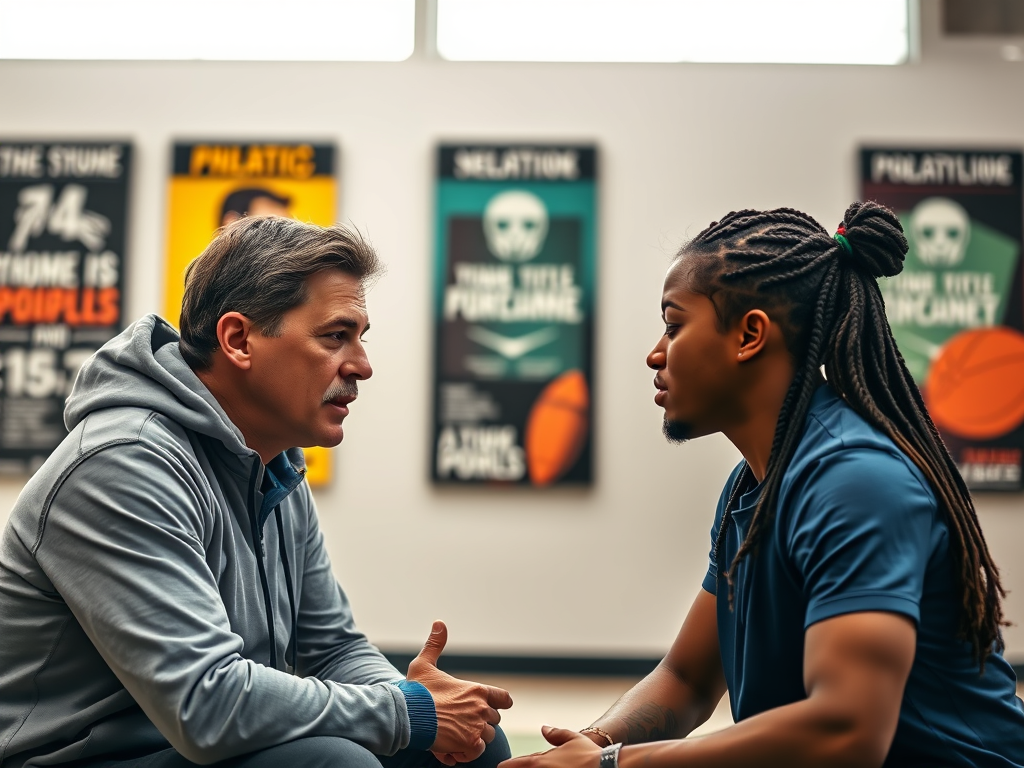
Sports psychology has become a bridge between performance and mental wellness, teaching people that being strong isn’t just physical—it’s emotional and psychological too. Schools, gyms, and even workplaces are starting to integrate these principles into their wellness programs, proving that mental fitness is as vital as physical fitness.
Final Thoughts
As conversations about mental health continue to grow, sports psychology offers a practical, empowering approach: one rooted in discipline, mindset, and self-belief. Whether you’re an athlete, coach, teacher, or simply someone trying to show up better each day, understanding and training your mind might just be the next step toward lasting success and balance.
🧠 About John Schessler Jr.

John Schessler Jr. is a Behavior Interventionist, Certified Personal Trainer, and graduate student in Sports Psychology who bridges the worlds of mental health, fitness, and performance coaching. His mission is to help people strengthen the connection between mind and body — building resilience, confidence, and purpose through both movement and mindset.
With years of experience supporting neurodiverse students and training clients from all walks of life, John brings empathy, structure, and motivation to everything he does. Whether he’s developing behavior support programs, leading fitness sessions, or writing about the psychology of performance, his work focuses on helping others find balance and sustainable success.
John is also the creator of The Follow Through podcast and The Unbreakable Man blog — platforms dedicated to honest conversations about mental wellness, accountability, and personal growth.
📍 Areas of focus: Sports psychology, motivation, mental performance, emotional regulation, autism support, and inclusive wellness.
💡 Motto: “Train your mind like you train your muscles.”
#SportsPsychology #MentalHealthAwareness #MindsetMatters #AthleteWellness #PerformancePsychology #MentalFitness #Resilience #GrowthMindset #YourHealthMatters #PersonalTraining #Pittsburgh #Fitness #MentalHealth


Leave a comment