Athlete Mindset HQ Institute

A Blog for health, wellness and mindfulness information…

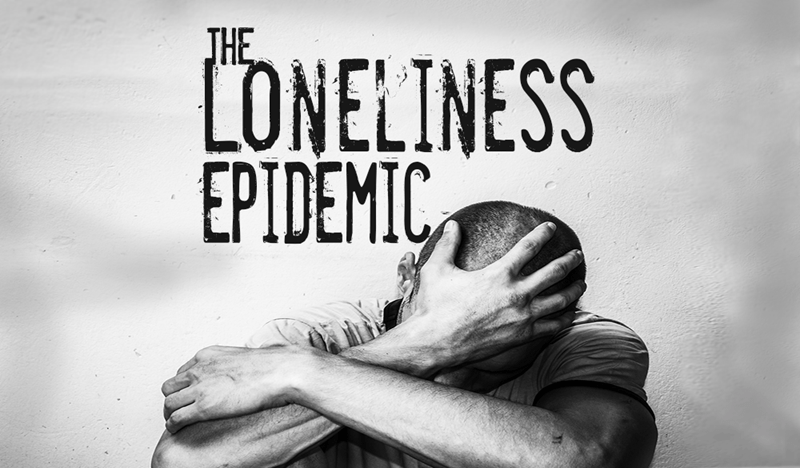
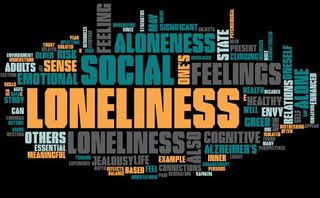
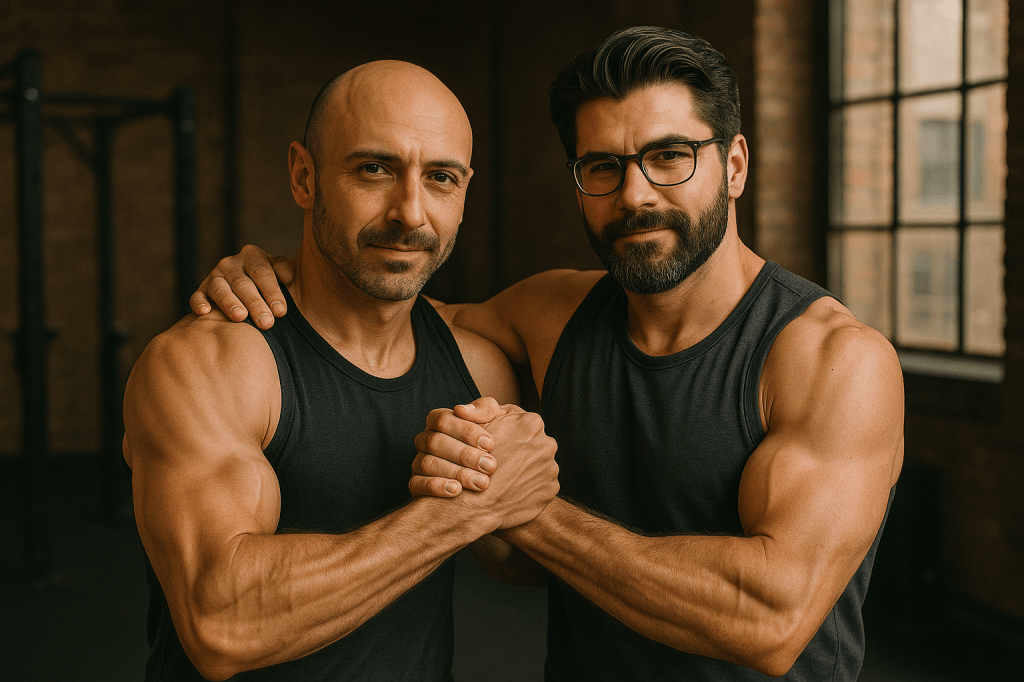
  • In a world that seems more connected than ever, many men are quietly living in emotional isolation. Between work, family obligations, and the pressure to stay “strong,” the average man’s social circle has shrunk dramatically over the past two decades. The result is something experts now call the loneliness epidemic — and men are among its most silent sufferers.

    The Hidden Cost of Disconnection

    Loneliness isn’t just a feeling; it’s a health issue. Studies have linked chronic social isolation to higher rates of anxiety, depression, cardiovascular disease, and even premature death. Men, in particular, are vulnerable because they’re often socialized to rely on independence rather than intimacy.

    The problem is that independence without connection isn’t strength — it’s survival mode. Many men who appear “fine” on the outside are carrying an invisible weight: the absence of brotherhood, of shared understanding, of meaningful friendship.

    The Changing Nature of Male Friendship

    For most boys and young men, friendship once came naturally — on the field, in the dorm, or through shared adventures. But adulthood changes the landscape. Careers demand attention. Relationships and fatherhood take priority. Before long, the casual connections that once felt effortless have faded, replaced by passing texts and surface-level conversations.

    Yet the need for belonging doesn’t disappear. What disappears is the time and permission to pursue it.

    What Brotherhood Really Means

    Brotherhood is more than camaraderie; it’s an emotional lifeline. It’s the network of men who remind each other that it’s okay to be human — to struggle, to fail, to feel.

    A true brother isn’t there just to celebrate your wins; he’s there to sit with you in silence when words don’t come. He’s the one who challenges you when you drift, who calls you out when you’re slipping, and who listens without judgment when you need to drop the armor.

    Brotherhood provides balance — a place where men can be both strong and vulnerable, driven and still. It’s not about toughness; it’s about trust.

    How Men Can Rebuild Connection
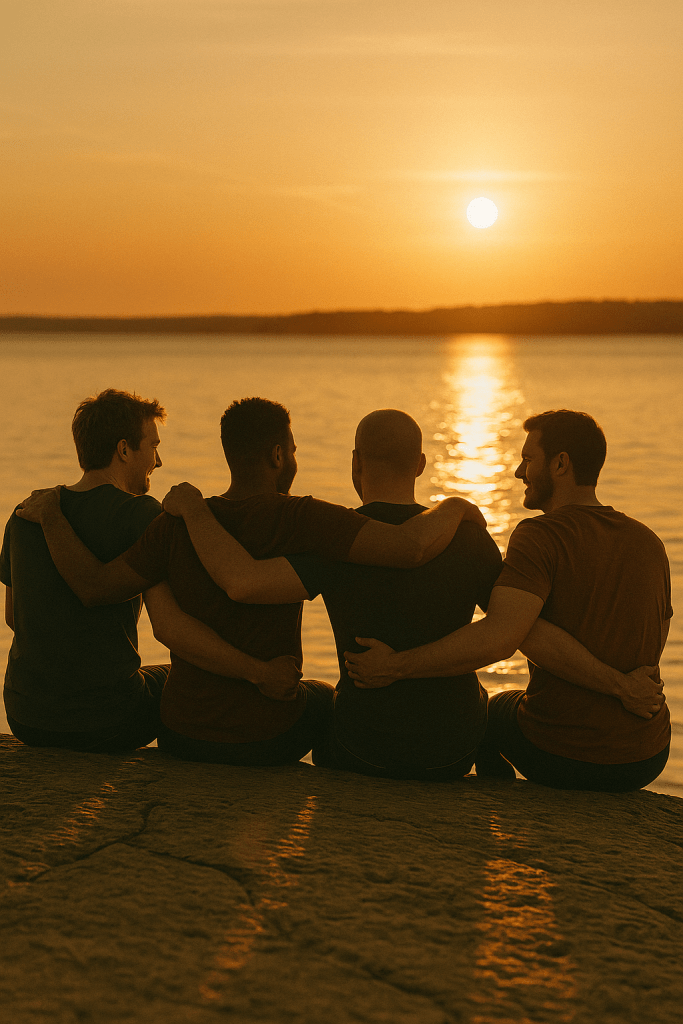
    Reclaiming friendship in adulthood takes effort, but it’s far from impossible. The first step is acknowledging that isolation doesn’t make you weak — it makes you human. From there, small actions can create big change:

    • Initiate contact. Don’t wait for someone else to reach out. Send the text. Make the plan. Connection starts with consistency.
    • Create shared experiences. Whether it’s a weekly workout, a hike, or a simple coffee ritual, doing things together builds natural spaces for authentic conversation.
    • Be open. Vulnerability doesn’t mean oversharing — it means honesty. Saying, “I’ve been struggling lately,” might be the invitation someone else needs to do the same.
    • Build your tribe intentionally. Surround yourself with men who value growth, respect, and authenticity. Brotherhood isn’t about quantity — it’s about quality.

    The Strength Found in Brotherhood
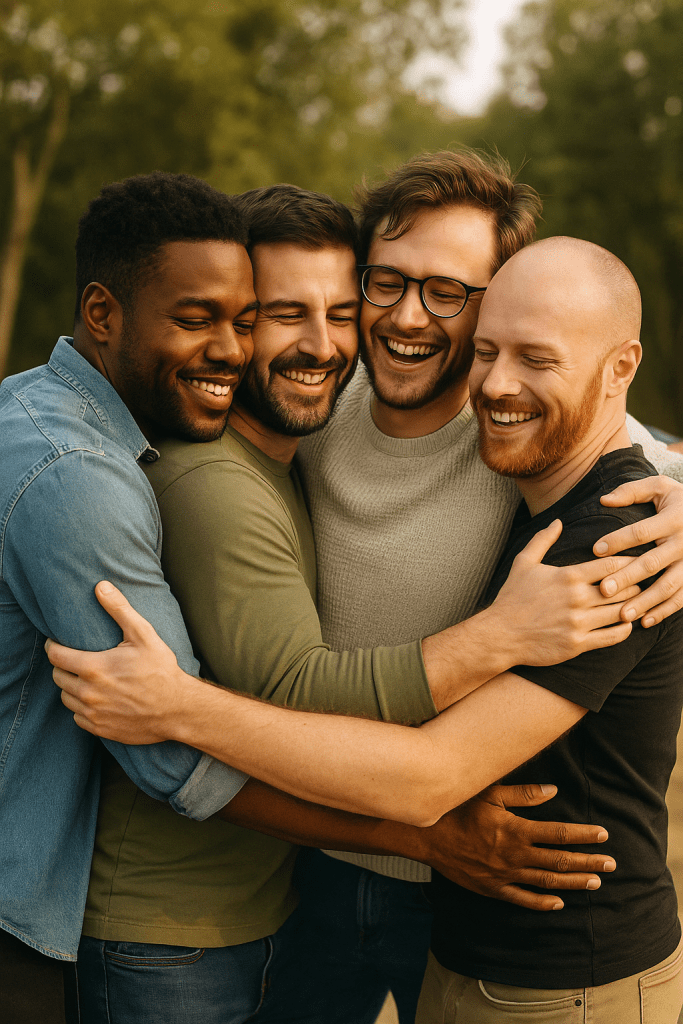
    Real strength isn’t about doing it all alone. It’s about the courage to connect — to admit when life feels heavy and to allow others to help carry the weight.

    When men invest in friendships, they’re not only improving their mental and emotional health; they’re reshaping the culture around masculinity itself. They’re showing that compassion, presence, and loyalty are every bit as masculine as grit and endurance.

    In the end, brotherhood isn’t optional — it’s essential. It’s the antidote to loneliness, the foundation of resilience, and one of the most powerful ways men can reclaim purpose and belonging in an increasingly disconnected world.

    Brotherhood #UnbreakableMan #ModernMasculinity #MensSupport #StrongMen #MaleBonding #MenSupportingMen #AuthenticManhood #HealthyMasculinity #RealMenConnect MensMentalHealth #MentalHealthAwareness #EndTheStigma #ItsOkayToNotBeOkay #MensWellbeing #EmotionalStrength #MindfulMen #MenHealing #MenMatter #MentalFitness ConnectionOverCompetition #TribeOfMen #BuildYourCircle #StrongerTogether #MaleFriendship #CommunityMatters #BrotherhoodCulture #MenOfPurpose #Solidarity
    About the Author
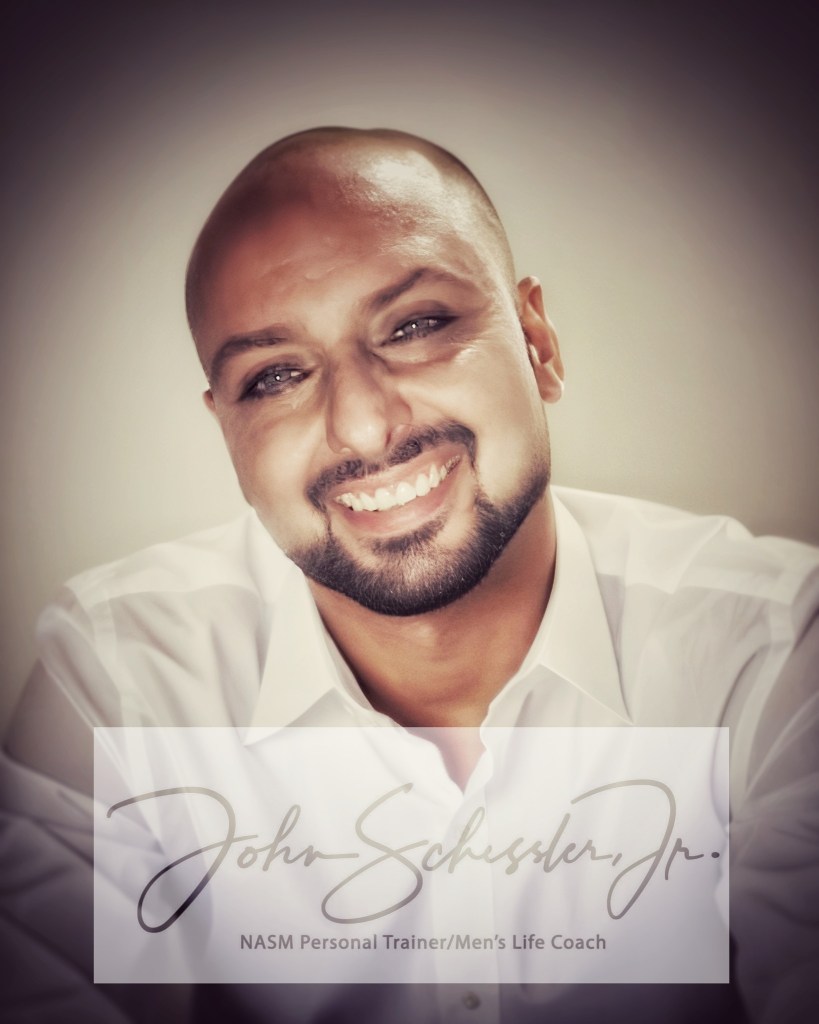
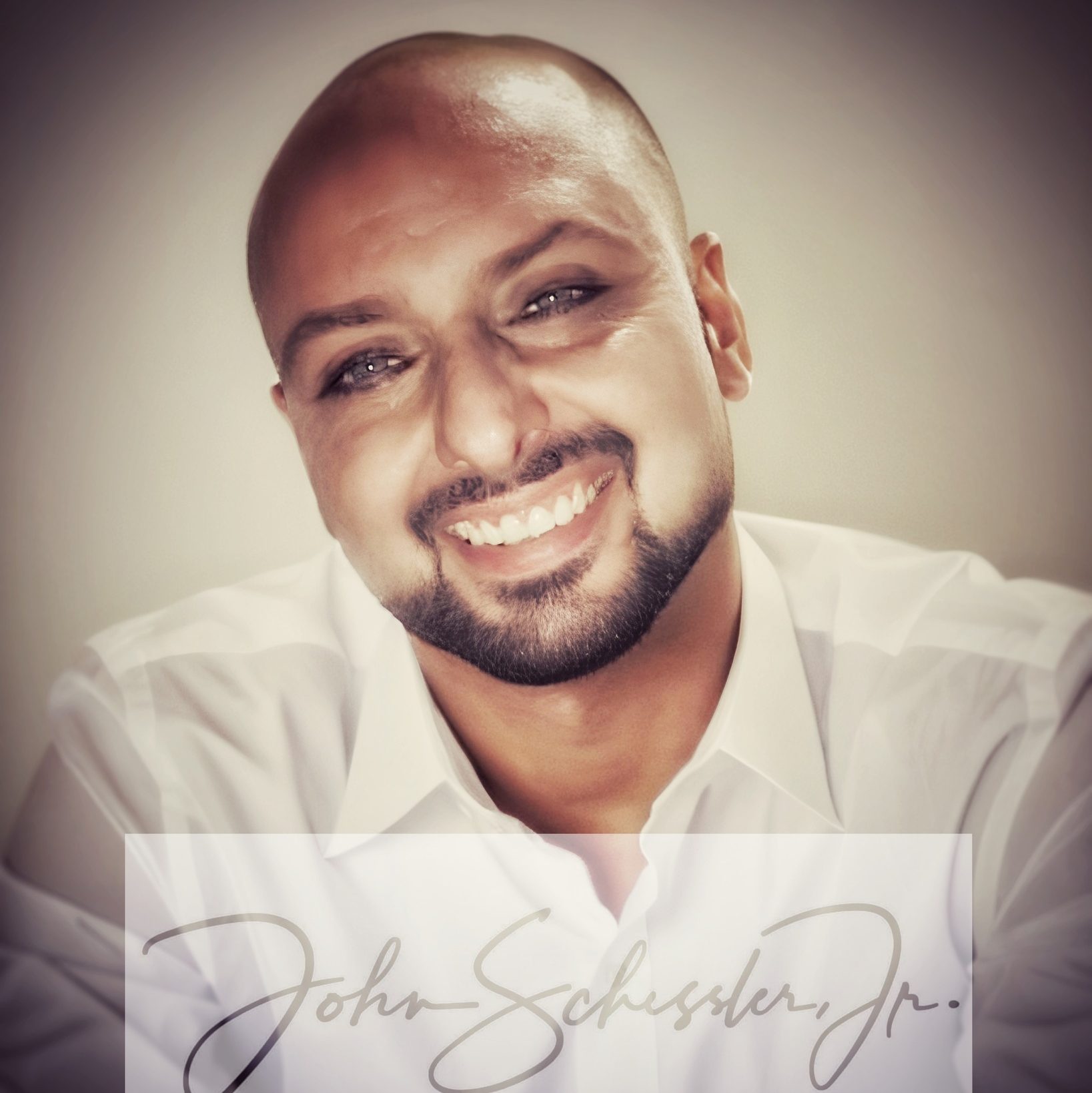
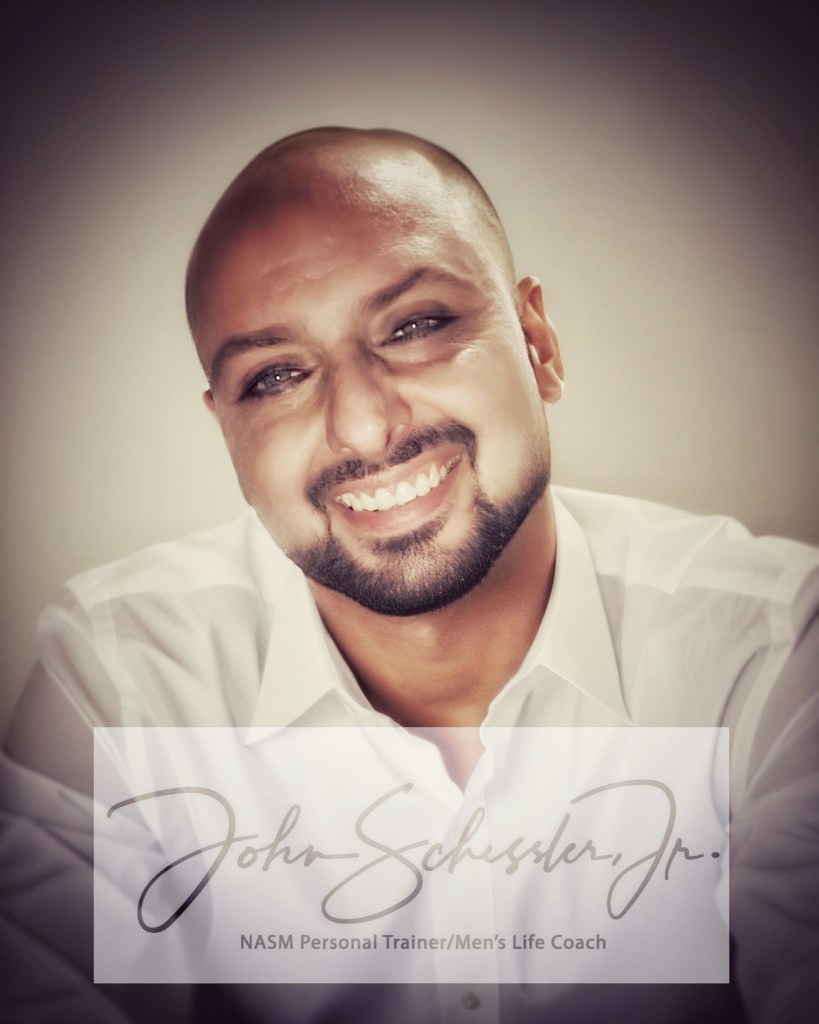
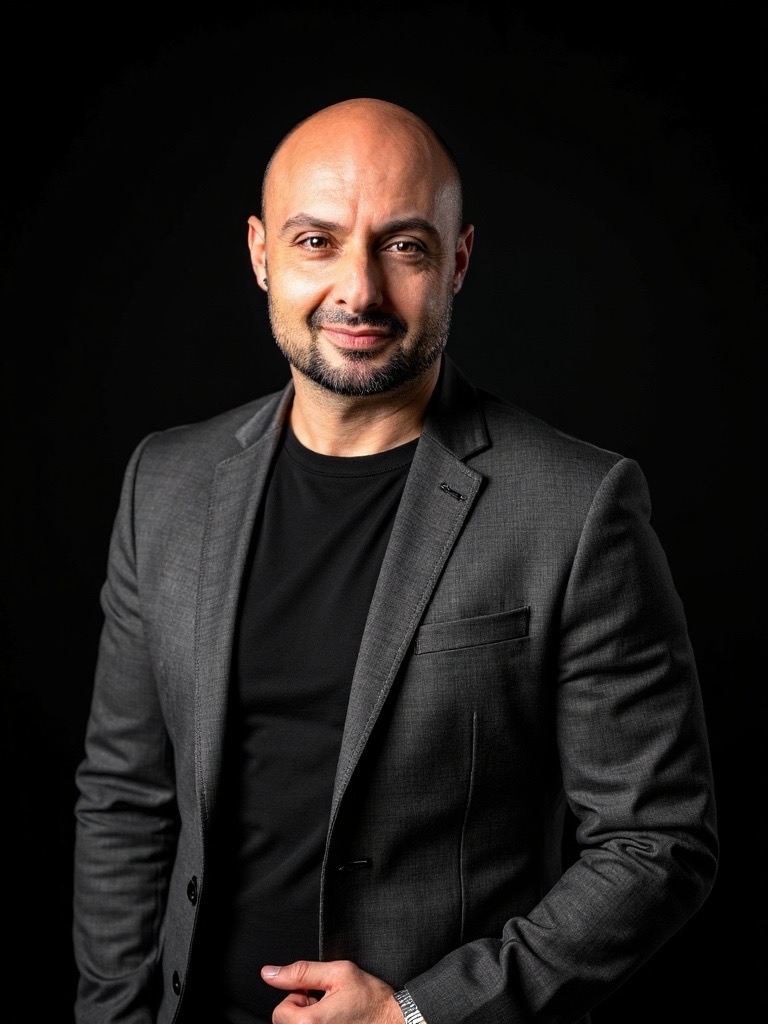
    John Schessler Jr. is a Behavior Interventionist, fitness trainer, and master’s candidate in Sports Psychology, who believes real strength begins with connection. Through Unbreakable Man, he helps men navigate the challenges of modern masculinity — breaking down stigma, promoting mental well-being, and redefining what it means to be unbreakable in today’s world.
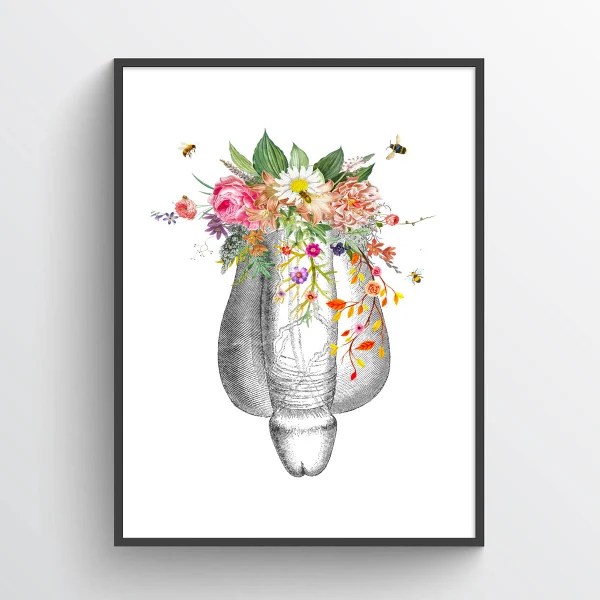
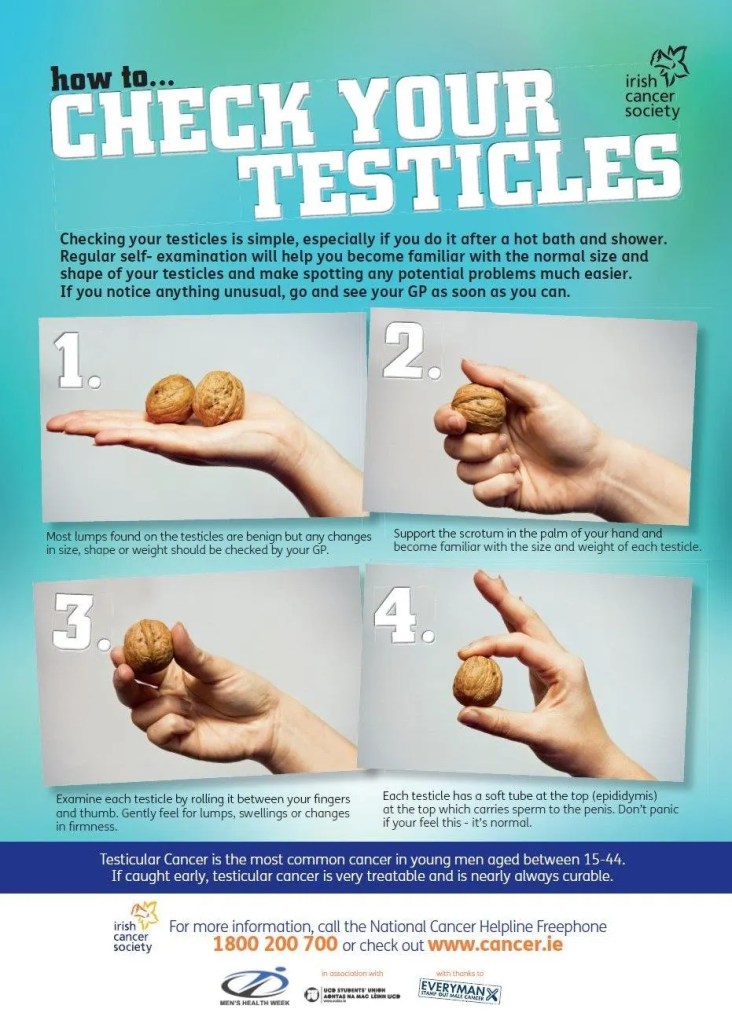
  • When men think about health, fitness, and nutrition, they usually come first. But penis health is just as important—it’s directly tied to sexual wellness, urinary function, and even heart health. True, this isn’t the most comfortable thing to discuss, but we need to be able to put our awkwardness aside because ignoring it can lead to infections, erectile dysfunction, or more serious complications. Here’s what every man should know.

    Hygiene and Care

    Good hygiene lowers the risk of irritation and infection. Wash daily with warm water; uncircumcised men should gently retract the foreskin to prevent buildup that can cause inflammation (balanitis). Avoid harsh soaps, which may lead to dryness (Baker & Kellogg, 2020).

    Sexual Wellness and STI Prevention

    Practicing safe sex protects long-term penile and reproductive health. Condoms reduce the risk of sexually transmitted infections (STIs) such as gonorrhea, chlamydia, syphilis, and HPV. The HPV vaccine is recommended for men through age 26 and may benefit men up to age 45 depending on risk (CDC, 2022). Regular STI screening is also essential.

    Warning Signs Not to Ignore

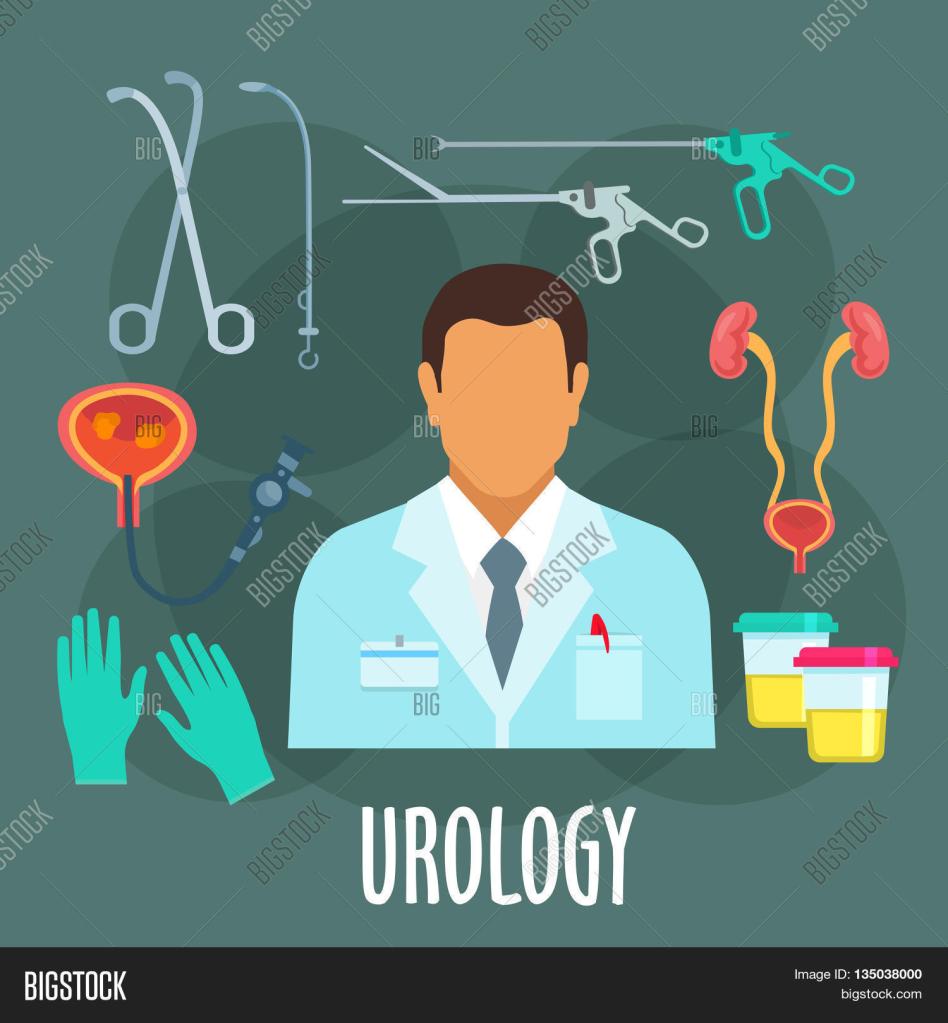
    See a urologist or healthcare provider if you experience:

    • Pain, swelling, or redness of the penis
    • Sores, discharge, or unusual lesions
    • Difficulty urinating or maintaining an erection
    • Lumps or curvature of the penis (possible Peyronie’s disease) (Kendirci & Hellstrom, 2021)

    Early evaluation can prevent long-term complications.

    Erectile Dysfunction and Lifestyle Factors

    Healthy circulation is vital for erections. Conditions like diabetes, high blood pressure, obesity, and smoking raise the risk of erectile dysfunction. A balanced diet, regular exercise, and limiting alcohol strengthen cardiovascular and sexual health (Miner et al., 2019). Erectile issues may also signal underlying heart disease—don’t ignore them.

    Mental Health and Sexual Performance

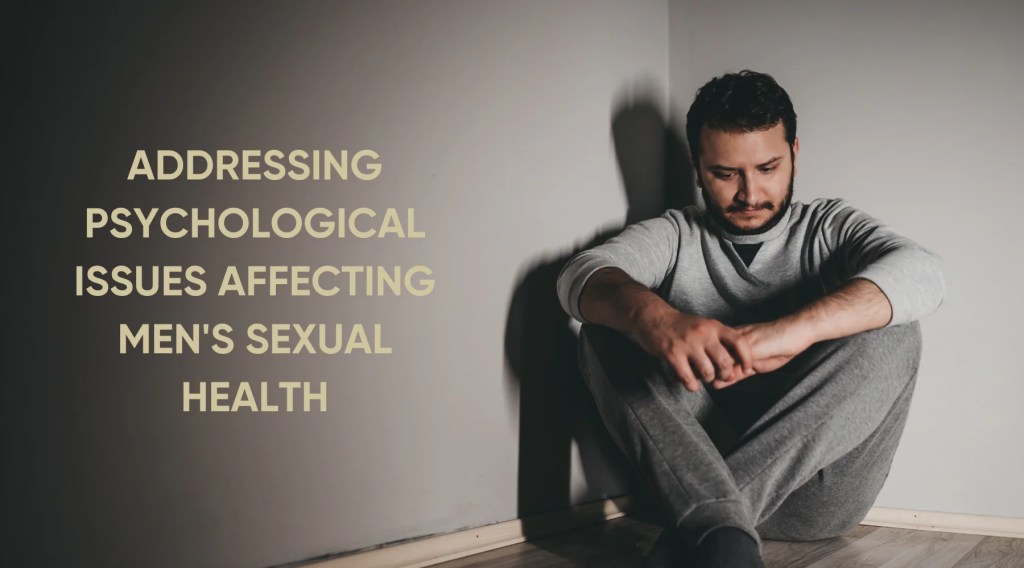
    Anxiety, stress, and depression often contribute to erectile dysfunction or other sexual performance concerns. Counseling and therapy, alongside medical treatment, improve both mental health and sexual wellness (McCabe et al., 2016).

    Preventive Checkups

    Routine checkups with a doctor or urologist are essential. These visits can detect infections, prostate concerns, or early signs of systemic disease. Preventive care is the cornerstone of lifelong penis health.


    Takeaway

    Penis health is men’s health. With proper hygiene, safe sex practices, a healthy lifestyle, and regular medical care, men can protect their sexual wellness and overall vitality. Being proactive not only prevents erectile dysfunction and infections but also supports long-term physical and emotional well-being.


    References

    • Baker, L. M., & Kellogg, S. (2020). Men’s health: Urologic considerations for primary care. Primary Care: Clinics in Office Practice, 47(3), 435–449.
    • Centers for Disease Control and Prevention. (2022). HPV vaccination recommendations. https://www.cdc.gov/vaccines/vpd/hpv/hcp/recommendations.html
    • Kendirci, M., & Hellstrom, W. J. (2021). Current concepts in the management of Peyronie’s disease. Therapeutic Advances in Urology, 13, 1–12.
    • Miner, M., Seftel, A. D., Nehra, A., Ganz, P., & Kloner, R. A. (2019). Prognostic utility of erectile dysfunction for cardiovascular disease. American Journal of Medicine, 132(7), 840–846.
    • McCabe, M. P., et al. (2016). Definitions of sexual dysfunctions in men and women. Journal of Sexual Medicine, 13(2), 135–143.

    #penishealth #healthandwellness #menshealth #penis #scrotum #wellness #anatomy #ychromosomeholder #itsnotgay #erectiledysfunction #frustrating #medicine #personaltrainer #counselor #kinesiology #protatehealth #peyroniesdisease #priapism #virility #cardiovasculardisease #urology #endocrinology #male #men

    John J. Schessler is a Pittsburgh-based Behavior Interventionist, Personal Trainer, Motivational Speaker, and Actor. He holds a BA in Child and Adolescent Psychology from Southern New Hampshire University and is a graduate student at Capella University, majoring in Sports Psychology and Behavior Management. He holds certifications in Orthopedics, Tactical Conditioning and Pediatric Training. For Speaker inquiries or Training questions, please email jschessler43@outlook.com.

  • Resetting Your Body and Mind for the Fall Season 🍂

    As the long days of summer give way to cooler mornings, vibrant leaves, and earlier sunsets, fall offers a natural opportunity to pause and reset. Just like the seasons change, our bodies and minds benefit from a shift in rhythm—one that balances productivity with restoration. Here are some ways to reset and realign as you transition into autumn.


    1. Embrace Seasonal Nutrition

    Fall brings nutrient-rich foods that not only taste comforting but also support your immune system as cold season approaches. Think roasted squash, apples, pears, pumpkins, and hearty greens. Warm teas, broths, and spices like cinnamon, ginger, and turmeric can help you feel grounded and energized. Try swapping some of your summer salads for nourishing soups and grain bowls.


    2. Realign Your Sleep Cycle

    With shorter days, our bodies naturally crave more rest. Use this seasonal cue to reset your sleep habits:

    • Create a calming nighttime routine (reading, stretching, journaling).
    • Limit screens an hour before bed.
    • Aim for 7–9 hours of restorative sleep.

    Giving your body consistency will help you feel more alert during the day and ready to embrace autumn’s slower pace.


    3. Refresh Your Movement Routine

    Cooler weather makes outdoor activity more inviting—think brisk walks, hikes, or bike rides with crisp fall air. If you’ve been less active during summer, use fall as a reset to commit to regular movement. Even 20–30 minutes a day can boost your energy and mood. Consider adding restorative practices like yoga or tai chi to balance the intensity.


    4. Declutter and Create Cozy Spaces

    Fall is a great time to clear out what you don’t need—physically and mentally. Donate summer clothes you no longer wear, tidy your living spaces, and add cozy touches like blankets, candles, or warm lighting. A comfortable environment supports calmness and focus as you move into the busy months ahead.


    5. Revisit Your Goals

    The year isn’t over yet, but fall often feels like a second “new year.” Take some time to reflect:

    • What goals from earlier this year still matter?
    • What can be adjusted or released?
    • What small steps can you commit to before the holidays arrive?

    This reset allows you to close the year with intention, not just momentum.


    6. Practice Mindful Presence

    Autumn encourages us to slow down and notice the beauty around us—the changing leaves, the crispness in the air, the warmth of a favorite sweater. Incorporate mindfulness by practicing gratitude, journaling, or simply pausing to breathe deeply during transitions in your day. These small moments help anchor you in the season.


    Final Thoughts

    Fall is more than just pumpkin spice lattes and cozy sweaters—it’s an invitation to reset, reflect, and restore balance. By tuning into seasonal rhythms, you give both your body and mind the chance to recharge before winter. Think of this time as a gentle reminder: just like the trees let go of their leaves, you too can release what no longer serves you and make space for renewal.

    #fallreset #health #wellness #fitness #bodybuilding #goalsetting #workout #accountability #sleepschedule #mindfulness #yoga #decluttering #movementgoals #routine #tuneup #seasonalnutrition #pittsburgh #sportspsychology #psychology #autism

    John J. Schessler is a Pittsburgh-based Intervention Specialist for students with Autism Spectrum Disorders, a NASM Certified Personal Trainer, Writer, Podcast Creator, Motivational Speaker, and Fitness Influencer and has been working in the Health/Fitness industry for over 20 years. He is also a graduate student at Capella University majoring in Sports Psychology and holds a BA in Child & Adolescent Developmental Psychology from Southern New Hampshire University. For personal training information or motivation speaker bookings, please email pghwellnesspt@gmail.com.

  • I would like to start this post off by stating that as someone who has worked in the education field for the past 20 years, I have nothing but great admiration and respect for the teachers and educators that take on the task each day to mold our youth into upstanding citizens. I work in Special Education, which is a whole other dimension in itself and specifically, I work with those students who have autism. My role as a Behavior Interventionist is to take things that are messy and make them less messy for these kiddos. In the past few years however, I’ve noticed that more emphasis has been put on mitigating and extinguishing b behaviors that sometimes, academics take a backseat. Currently, many teachers are leaving the field for various reasons…. low pay, high workloads and hours, out of pocket expenses for classroom items, etc. Those that are left are tasked with not only educating students but also, controlling behaviors, acting as a nurse and babysitter of sorts, among other things that it’s no wonder education gets pushed by the wayside.

    The laws of education are governed by individual state governments who, in turn, are told what the standards should be, testing and assessment markers and so much more. On top of that, districts may also require additional items such as data collection, therapeutic services, adhering to IEP’s, positive behavior support plans, etc. It’s enough to make your head spin honestly. Are we doing our kids a major disservice by educationally neglecting them, sometimes for big portions of the school day? This is an issue that is not easily solved.

    To do so, there are many aspects to this to examine. First, you would think eight hours is an adequate amount of time in a day to get everything you need done finished. Well, picture this for a moment….you’re a 5th grade special ed. teacher tasked with a classroom of 15 students, each with individual education programs, individual goals they must work on throughout the year and all the while, dealing with changes in their schedules and other ordeals that make them spiral into behaviors that need to be addressed right then and there, for their safety as well as others. Oh, and also add in the fact that they need to be helped with personal care needs, toileting and such. That’s just the morning and you haven’t even touched your coffee yet. Also, add in paperwork, planning lessons and activities, field trips, administering assessments, writing reports, and evaluating academic progress. You may also lack proper staffing so if a student’s IEP states they need a 1:1 aide and your school isn’t adequately staffed, guess what? You potentially get to be that student’s shadow if proper steps aren’t taken to rectify the situation.

    See how monotonous it can get? I’m not saying anything that’s readily shocking to most people or saying that I hate my job. I haven’t been employed in the education field for just under twenty years for just shits and giggles, I think that every child has the potential to be a viable asset to the community, the world and on a smaller scale, their family and friends.

    How did we get here? I personally think it’s because there are too many Chiefs calling the shots and very few Indians taking direction from those Chiefs. Being that too many people have their hands in the decision-making process, I also think few of us are on the same page when it comes to what’s best practice for some of the things being decided upon. Perhaps federal, state and local governments need to take a long hard look at the bigger picture of education as a whole, filter out the fluff and focus on what’s really important BUT that’s most likely not going to happen for a while.

    In the meantime, what can we as educator’s do to efficiently tend to all the tasks that we need to in a day? Be realistic. We can’t be Supermen and Superwomen every day, some things are more than likely going to fall through to the following day, week or even month. Work synergistically. Teachers shouldn’t be their own islands when it comes to solving classroom management problems. Reach out to other teachers in your building or district if you’re experiencing an issue. Odds are, someone you work with has already encountered said problem. Have some humility. We are only human; we make mistakes and sometimes things that are considered important fall by the wayside. It’s no reason to beat yourself up or quit the profession. Practice empathy. Put yourself in the shoes of other’s that you work with if they’re struggling. You probably have been there multiple times. Instead of laughing or making jokes, be compassionate and practice some understanding.

    Every child regardless of their ability level, disability, ethnicity, etc., should be able to receive a solid educati0n from educated and trained teachers who perform their jobs each day while wearing many hats and answering many demands. Are we educationally neglecting our students? Of course not but something needs to change because teachers, GOOD teachers are currently leaving the profession they once loved….not because we’re lazy or can’t stand our students. It’s burnout.

    #educationalneglect #education #interventionist #students #teaching #teachers #pittsburgh #assessments #evaluation #deptofed #compassion #autism #speced #behavior #children #lessonplanning #writer #author #motivationalspeaker #iep #answeringdemands #leavingtheprofession #trending #fyp #foryou #foryoupage #wellnesscoach #fitness

    John J. Schessler is a Pittsburgh-based Behavioral Interventionist in the Mt. Pleasant area. He is also a certified Personal Trainer and a Graduate Student at Capella University going for his M.Ed in Higher Education Leadership. He leads motivational talks for corporate events, schools and other entities as well. For personal training or motivational speaking inquiries or general questions, please email jschessler43@outlook.com, thank you!

  • Athlete Mindset HQ Institute

    It’s June and that means it’s Men’s Mental Health Month. Having been a male for 43 years and a grown man for the majority of that, I have some things to say on the topic, lol. From what we think of as what is a healthy, masculine man to what it means to be a man, we’ve gotten a lot of crossed signals over the years and decades that we need to address and try to extinguish some of those things that are holding men back from becoming what we truly are and what we need to become for the good of the planet and humanity.

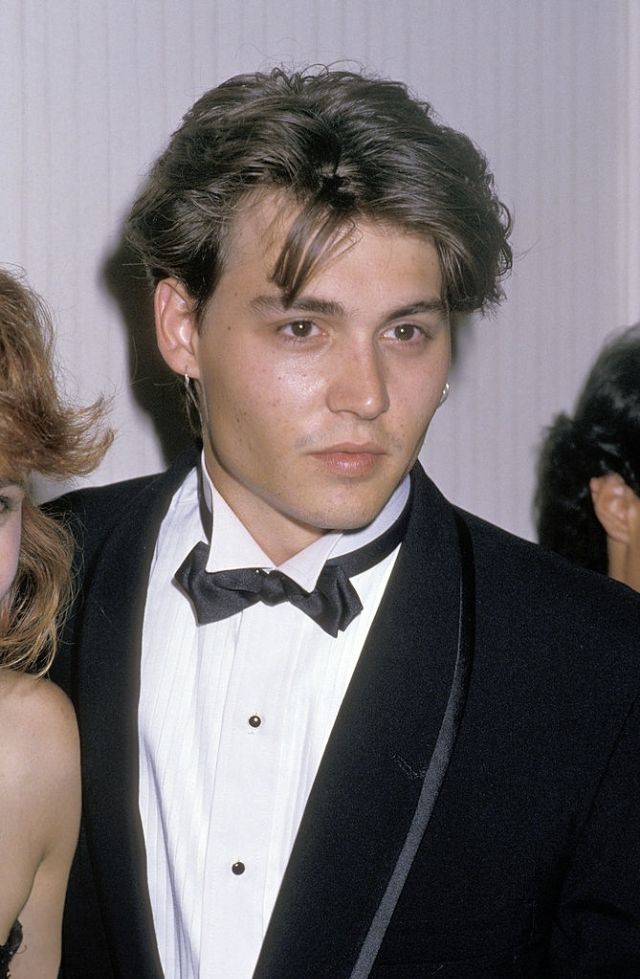
    Let’s start with masculinity, shall we? The mixed signals most men get on what is masculine and what’s not is mind-boggling. It’s no surprise that men in 2025 don’t really have a grasp on the concept because there’s no real concept of masculinity if one truly sits and thinks about it. Like most things concerning the brain, masculinity is on a spectrum on sorts, varying from man to man as to how much or how little a man’s ‘manliness’ can be. Growing up, I viewed masculinity to align with figures that I saw in the media, as do most people. Superman, Brad Pitt, Johnny Depp, etc. are just some of the male figures that were popular growing up in the 80’s and early 90’s that we our role models for what’s manly. Flash forward to 2016 and the reinvention of masculinity and the hold that it’s had ever since Donald Trump has entered into the presidential side of things. Today, masculinity is broadcasted as a Marlboro Man of sorts…..tall, dark, rugged. Doesn’t take shit from no one, is straight as an arrow and is sexually endowed. Sadly enough, most men do not fit this role due to a lack of height, endowment, etc. What do you do when you don’t fit the stereotype and measure up? Compensate, that’s what. Drive huge cars, date a ton of women, have a lot of money and be socially loved by everyone. It is any wonder we’re confused.

    And masculinity is just the tip of the iceberg. The loneliness epidemic is even worse. Men do not make friends easy or if they have them, they lack the crucial parts of really having someone in your life….intelligent & intimate conversations with one another, platonic touching (hugging, etc.) or reach out to each other when something’s wrong. A lot of men view this as being weak, a little ‘fruity’ or the opposite of what men are supposed to be. Personally, I try to be close with my male friends, it’s just my nature and has nothing to do with being gay. I’ve educated myself on the healthy ways men can create lasting friendships and close bonds and what most of us do, I would consider toxic.

    Tenderness, touch and being vulnerable with other guys should be just as normal as breathing but a lot of us rail against it. Here’s what I’ve learned from being 100% open with my guy friends: I feel a sense of protection when I’m around them, which for me is a big one. Being only 5’4″ and 165 lbs., having other guy friends who are willing to step in when I need them is very comforting. I’ve also learned that sharing the darkest parts of myself with my other male cohorts is very healing, for me as well as them. I have a friend who has a daughter with Autism. Since I work full-time as a Behaviorist, he’s opened up to me about some of the concerns he has with guiding her with the correct academics, schedules and how to handle himself as well.

    These are the types of things guys should be sharing with one another because no man is an island and to get through life, you need to be able to count on those close to you. It doesn’t make you gay, unmanly, or weak to reach out to your man friends because it may be the very thing that could save your life.

    #masculine #masculinity #educator #vulnerability #weakness #whativelearned #theresabetterway #male #men #ychromosome #interventionist #autism #protector #behaviorist #teacher #compassionate #flipyourscriptpt #pittsburgh #naturalasbreathing

    John J. Schessler, Jr. is a Behavioral Interventionist in Mount Pleasant, PA as well as a Personal Trainer near Pittsburgh, PA. He has over 20 years of experience in Fitness, Personal Training, & Special Education. He holds a B.A. in Child & Adolescent Psychology from Southern New Hampshire University and is currently a graduate student at Capella University pursuing his M.Ed. in Higher Education Leadership and Administration. He is available for Motivational Speaking bookings as well as Personal Training inquiries. Please email John at jschessler43@outlook.com

    Proudly powered by WordPress

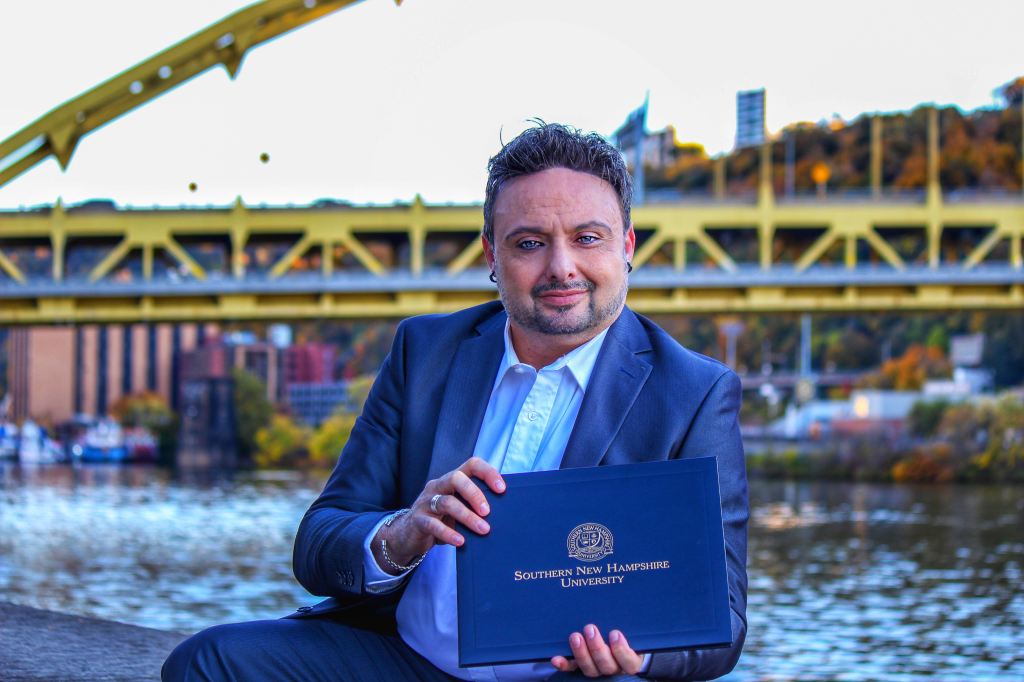
  • Today marks the end of a 25 year-long journey that started at Penn State University in 2000. I literally had very little idea what I wanted to do when I graduated high school, so after 5 years at PSU, I left degree-less. I earned my A.S. in Social work from a community college in 2007 but always had regretted not finishing my bachelor’s degree.

    I had the good sense last August to enroll at @SNHU and pursue my Bachelor’s in Child and Adolescent Psychology. Today, that dream became a reality! Never doubt the things that you can achieve, no matter how long they may take, a brighter future is right around the corner!

    Photo Credit: Dan Larson, 2024.

    Next up, my Master’s in Counseling Psychology!

    psychology #bachelorsdegree @snhu #pittsburgh #photoshoot #accomplished #brighterfuture #opportunities #goals #education #counselor

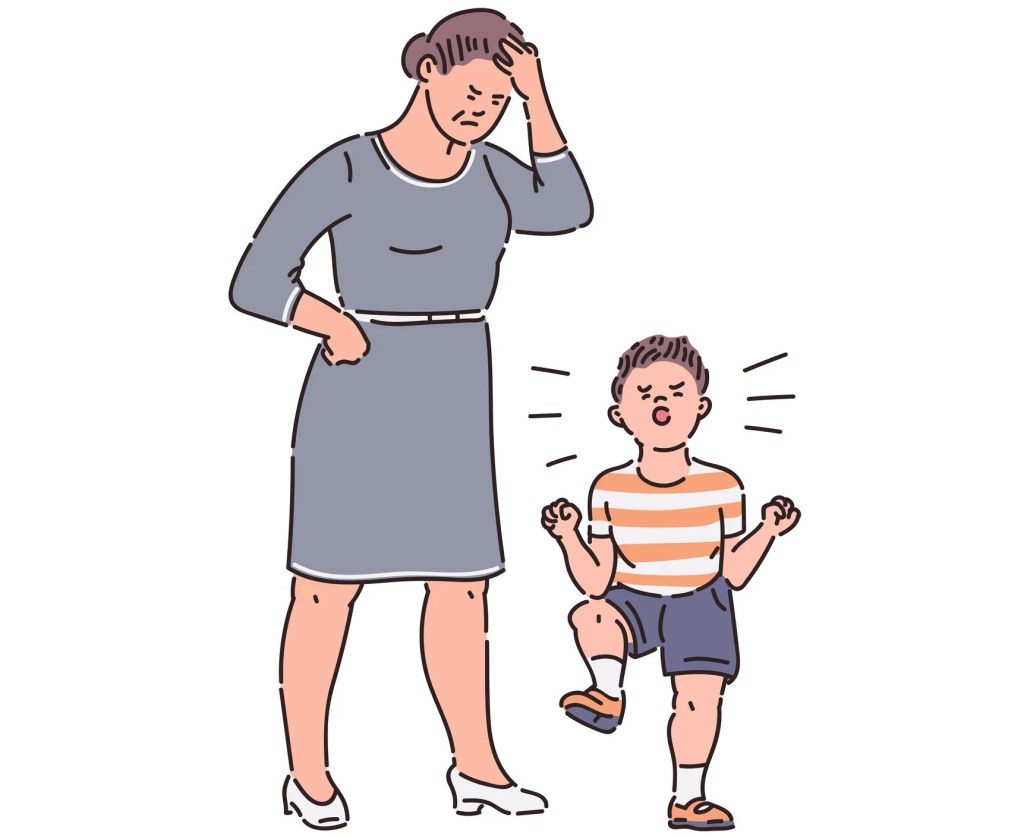
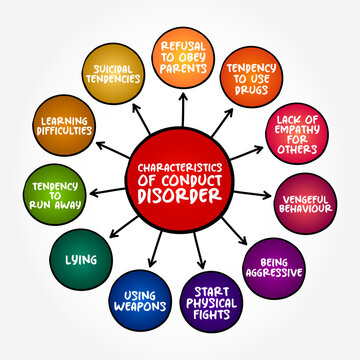
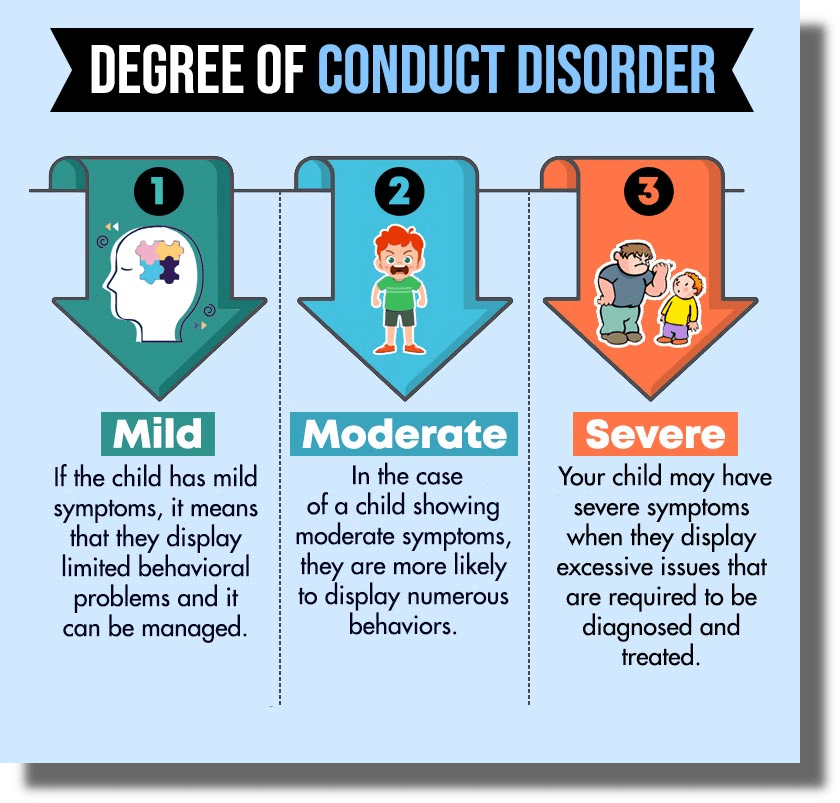
  • Children’s mental health should be at the forefront of our kids’ overall health and wellbeing. The healthier our children are will set them up for a successful and easier the transition will be from moving to a child to a teenager and then adult. What do we do though when a child’s behavior becomes negative and violent? Effective parenting skills sometimes aren’t enough to combat these excessive behaviors, leaving parents exhausted and needing somewhere to turn for assistance. Conduct disorders in children is a serious mental health conditions that fits a wide spectrum of behaviors. In general, Conduct Disorder, according to the DSM-V/TR is ‘a repetitive and persistent pattern of behavior in which the basic rights of others or major age-appropriate societal norms or rules are violated.’ Obivously, this definition goes beyond the notion of just ‘being mad’ or someone having a bad day. The specific behaviors that are attached to someone with a Conduct Disorder can go from very iinocent to very gruesome extrememly quick.

    In the United States, around 3% of children and teenagers suffer from Conduct Disorder and is twice as common among males than females. What causes a conduct disorder though? There are a few different factors than we can narrow it down to. Brain damage, traumatic events, genetics, child abuse, social problems or past school failures. Some experts believe that a series of traumatic experiences occurs for a child to develop a conduct disorder. These experiences then often lead to depressed mood, behavior problems, and involvement in a deviant peer group. The children who are most at risk for developing conduct disorders and conduct behaviors come from a few groups such as the disadvantaged, dysfunctional families and disorganized lifestyled individuals.

    Also, children with ADHD, PTSD, mood/anxiety disorders, substance use disorders and learning problems/disabilities are likely to have conduct disorders moreso than other children. Children or teens who are considered to have a difficult temperament are more likely to develop behavior problems. Conduct disorder can be diagnosed in children by a child psychiatrist or mental health expert who is qualified to make a definitive diagnosis for the child. These professionals will then, after making the diagnosis, will explain the different types of therapies available to help manage the conduct issues the child is exhibiting.

    Treatments for conduct disorder include Cognitive-Behavioral Therapy (CBT), in which a child learns how to better solve problems, communicate, and handle stress. He or she also learns how to control impulses and anger. Family therapy is also recommended to help make changes in the family. It improves communication skills and family interactions. Peer group therapy helps a child develop better social and interpersonal skills. And of course, medications are available BUT these are not often used to treat conduct disorder. But a child may need them for other symptoms or disorders, such as ADHD.

    Alot of parents and caregivers have asked how they can prevent their child from getting conduct disorder. The reality right now is that they is no real way of preventing someone from coming down with a conduct disorder as of right now. The best we can do is to be able to seek out appropriate therapies to help mitigate the characteristics of a conduct disorder.

    If you child is showing signs of a conduct disorder, the first step is to contact your PCP to get your child evaluated to start the process of getting help. If you are around the Pittsburgh area, the Southwestern Pennsylvania Human Services, Inc. has a great number of resources available. Please log onto http://www.sphs.org or call 724.489.9100.

    John J. Schessler, Jr. is a Pittsburgh-based NASM Certified Personal Trainer, author, writer, and motivational speaker. John is also a graduate of Southern New Hampshire University with a BA in Psychology with a concentration in Child & Adolescent Development. For any speaking engagements or training inquiries, please email pghwellnesspt@gmail.com

    #conductdisorder #psychology #fitness #SNHU #healthtips #medicine #johnschesslerjr #pittsburgh #DSM5 #gettingbetter #selfcare #braindevelopment #healthcare #childdevelopment #crisiscounselor #counseling #therapy #PT

  • Doesn’t it feel like for the past five years or so we’ve all been basically stagnant in our everyday roles? Caught in a slump and in need of a change? Yeah, me too, and I think it’s due to the social climate that we find ourselves immersed in lately….and it’s exhaustingly non-exciting. Here’s my take on it: In the US, we’ve created so many standards that constantly keep changing, being updated to the ‘next big thing’ that it’s hard to keep up with everything. Beauty standards, dieting, fitness, health, longevity….all of the old standards and what used to be considered the status quo have been or are now being tossed out because like it or not, we are at the dawn of a new world that we all need to accommodate.

    What is in this new world atmosphere and why is it so important? Communally, as a country, we had this dark veil over our heads the past few years due to COVID-19, political unrest, over-indulgence, etc. We can’t ignore the fact that these things exist and continue to affect how we live, and communicate with each other as civil humans and what an emotional/mental toll it takes on all of us. One of the things that is affecting us the most these days, and I didn’t want to touch this topic, but we can’t ignore the fact that politics is a key player in our collective unrest. Since 2016, when Donald Trump first threw his hat in the ring for being the Republican nominee for President against Hillary Clinton, I never thought he’d win, but it’s funny how things turn out sometimes. For the next four years, we all were witness to some scary events, a pandemic, job decline, and more. A biproduct of these happenings are the overwhelming anxiety it takes to be able to mitigate through all of the news updates, political outlook and everything else we have to deal with in a day.

    Without getting political but if you’ve read this blog for any length of time, you probably can guess where I lean, lol. Managing stress and anxiety over things that seemingly grow worse and worse by literally every single day is tough, even for people who work with individuals who experience depression, anxiety and a multitude of other issues. My adivce? TURN OFF and TUNE OUT! We’re bombarded with endless bits of information, updates and breaking stories that we aren’t able to digest it and really absorb what is going on. Our brains weren’t designed to handle so much changing information at a very fast pace, so there’s going to be some exhaust fumes that come out of your ears at some point.My daily digestion of headlines and important information consists of when I wake up and get ready for work, before I hit the pavement for another day, I check one or two news sources to see what is going on in the world that day. After that, I detach from news stories for the day. I think mentally that it makes me calmer and more equipped to separate fact from fake. This is what works for me and you are more than welcome to integrate it into your daily routine but you need to be able to find something that works for you and stick to it.

    Regardless of how you digest the news and find your way through the daily headaches that are going on in your lives, we all need to be able to cope with the changing landscape of this country and the world at large. Things aren’t so black and white anymore and the older we get, those colors seem to fade to a dreary gray. Open yourself up to new ideas, different ways of living and working together in your community to create the world that we all deserve and need to see.

    #brandnewworld #psychology #politics #anxeityawareness #depression #groupdynamics #equality #lgtbqia #pittsburgh #medicine #socialwork #fitness #lifecoaching #motivationalspeaker

    John J. Schessler, Jr. is a Pittsburgh, Pennsylvania based Personal Trainer, Author, Writer, Men’s Life Coach and creator of the podcast, “Flip Your Script”, which is in pre-production for it’s third season. John also has certifications in Sports Injury, Orthopedics and Pediatric Exercise from NASM, ISSA and NPTI. He is a recent graduate of Southern New Hampshire University with a Bachelor of Arts in Child & Developmental Psychology and has an Associate’s Degree in Social Work.

    For personal training and fitness inquiries, motivational speaking engagments and questions, please email pghwellnesspt@gmail.com. Thank you!

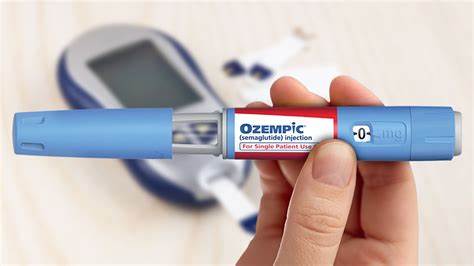
  • In recent months, the word has gotten out about Ozempic, the drug that improved individuals who have diabetes. Some of the side effects of Ozempic include thyroid tumors, trouble swallowing and hoarseness, all symptoms of thyroid cancer. Ozempic has also been in the news because of the weight loss that happens as a result of the drug. One of the first instances people saw was Kelly Clarkson, who has said that she takes Ozempic to regulate her diabetes. What people saw was her noticeable weight loss and that opened the doors for people to start asking their doctors to give them prescriptions for Ozempic to help them lose those pounds. Is Ozempic a weight loss drug though that the average person can and should be taking? Let’s take a dive into this.

    According to the Cleveland Clinic and the CDC, 42% of Americans are living with obesity (defined as a body mass index, BMI, of 30 or higher). For these people, Ozempic is working in their favor and for very good reason. For the rest of folks living with a BMI under 30, diet and exercise and usually the safest route to take for weight loss purposes. Annoying to most because, who wouldn’t want a quick fix, right? Obviously, using a medication for anything other than it’s intended purpose isn’t a good idea but what some physicians are prescribing for some people who suffer with obesity is giving them a prescription for off-label Ozempic called Wegovy. When medication that is categorized as off-label is prescribed, you can utilize that medication for other things than its main use. Does this mean I’m telling you to run out and get your doctor to prescribe this for you? Of course not, y’all know me better than that!

    How does Ozempic work?

    Ozempic is administered by injection once a week into the thigh, abdomen or upper arm areas. It’s in a class of medications called “GLP-1 receptor agonists” or “GLP-1 drugs” for short. These GLP medications release a synthetic type of hormone that is normally released into the digestive tract to help lower blood sugar and mimics a feeling of being full. When a person takes Ozempic, it causes your body to naturally make more of the GLP-1, causing your appetite to be suppressed, not causing you to feel hungry and ultimately, you eat less. Being obese as a medical issue is one that is very complex metabolic disease. Basically, obesity is a dysfunction of the normal pathways that regulate our body’s reaction to weight loss. So, in effect, Ozempic and other weight loss medications are not just ‘correcting bad behaviors’, they actually change how your body reacts to food.

    Let’s keep in mind that Ozempic isn’t FDA approved for weight loss purposes, only diabetes. As a personal trainer and someone who has worked in the fitness industry for over 15 years, this is one of those ‘trends’ for weight loss that is considerably dangerous. Especially if you have brand new clients come in, who are de-motivated from the start saying things like, “I could just go to my doctor, and they’d prescribe me a weight loss pill right?” This, THIS is why educating our clients and patients is so important. It’s our job as professionals to keep up with what’s trending, not only in fitness but medicine as well, because the two areas are often inter-connected…at least that’s how I’ve always thought about it. If you have a client who is already on the “I need Ozempic to lose weight” train when they come to see you for the first time, you need to educate them on why they may want to get off at the next stop. Education is power and information is the way you obtain that power.

    If you’re curious about weight loss measures and are considering taking weight loss pills, etc., please, please, please consult your physician first. They will be able to tell you the safe ways and methods to lose weight effectively will be, so you don’t harm your body and make yourself even sicker.

    #ozempic #weightloss #educationispower #medication #personaltrainer #advocateforyourself #physicaltherapy #orthopedics #therapy #therapist #influencer #motivationalspeaker #author #psychology #SNHU #pennstate

    John J. Schessler is a Pittsburgh-based personal trainer, author, motivational speaker, and Instagram influencer. Mr. Schessler has worked in the fitness and education fields for over 20 years and has worked with children, adolescents, and adults from all fitness levels and backgrounds. He holds Sports Injury, Pediatrics, Orthopedics, and Exercise Therapy certifications. For speaker engagements or personal training inquiries, please email pghwellnesspt@gmail.com.

  • By John J. Schessler, CMT, ET-C, Sports Injury/Pediatrics

    Most of us, if not all of us have been lonely at some point in our lives, probably more times than we care to think about. For us introverts, some of us actually enjoy being alone with moments of being around crowds and other people sprinkled in for good measure but there’s a blatant difference between being ‘alone’ and being ‘lonely’. The older I’ve become, the more I enjoy my solitude, which if you asked the 20-something me about, would be a foreign concept because for most of my 20’s, I purposely surrounded myself with friends, family and acquaintances to avoid being alone. What I didn’t realize at the time was that as we age, the more solitary we become and most of the time, it’s not on purpose, it’s more just a fact of life…friends start dating, getting married and having kids, etc. and because of these facts of life, friendships and relationships suffer somewhat in the meantime. However, what I’m talking about in this article isn’t what I just described. What I’m talking about is the epidemic in the US right now surrounding loneliness and how we are self-sabotaging ourselves into lives of recluse. I could be very blunt and say that technology is to blame but that’s only part of the problem. Given the recent climate of the country in the past few years, I can understand why people wouldn’t want to go out with friends as much or be in large groups of people. When fear overtakes our natural want of being together with others, there’s a definite problem and it’s one that’s growing bigger.

    According to MDLinx, a news source for doctor and medical professionals, loneliness affects 47% of American adults, which is double the number from a decade ago (Loneliness: A New Epidemic in the USA | Psychology Today, 2024.) In 2017, Surgeon General Vivek H. Murthy often talked about how emotional well-being and loneliness was a major public health concern because social connections are essential for human growth and development, no matter how old you may be. Before we get into the thick of this, let’s look at what loneliness actually is from a clinical perspective.

    Loneliness can be described as a tendency to feel, perceive, behave, and think in relatively consistent ways across time and across situations, would consider loneliness as present in detached, melancholy prone, solitary individuals, with limited interpersonal interactions and restricted affective experience and expression. (DSM-V, 2013.) Given this definition, loneliness is a very layered thing. Look at it this way: being sad often leads to isolation and becoming isolated can lead to loneliness and then leads to depression. It is a vicious cycle that one can find themselves relatively quickly, depending on the situation. Let me say this too, that it’s more than OK to be sad and stay there for a while. It only becomes a problem when it stops you from doing the things that you have to and want to do.

    Why is this more widespread in the country nowadays? Well, let’s look at the things that we as citizens have had to endure in the past few years. Let’s start with the pandemic. We all experienced that collective trauma that really was a day-to-day pandora’s box of anxiety and worry. Thousands of people died, more became violently ill and nobody really had any firm direction on how to navigate our way through it. The stress, depression and general sadness from being isolated for days, weeks or months from people was enough to drive anybody crazy and being alone tends to mess with your mental state if prolonged. Our minds are a really complex machine and every if we think that everything’s working correctly, it may not be.

    Aside from the pandemic, which is a lot, we also have constant fear of getting shot or killed when we go out. Let’s get rid of the smoke screen here…. people are more empowered today to make some sort of lasting statement for lack of something or not getting their way. Unfortunately, that thing to grab people’s attention is usually in the form of school shootings, killing of innocent people and a dozen other useless ways to prove a point. I know myself that I won’t go to movie theaters or certain other places just because of the possible chance of getting shot (I can’t even believe I have to put this in writing.) Millions of people fear the government and how they’re not doing enough for us in ways of protection but also in the fact of taking our certain rights away and it’s just undue stress among average, working people in the country. So, how do we cope we tense social climates like this?

    I think that we first have to recognize is that incidents like we see on the nightly news are often isolated incidents and they very rarely happen in most areas of the country. You may be thinking, “John, people are crazy though!” People are on the whole, misguided and ill-informed, not necessarily dealing with mental health issues that need monitoring. I think when something like Sandy Hook, Columbine or Virginia Tech happens, we panic and point to where we think the bad guy(s) are. The problem with that is while we’re concentrating on who we think is to blame, we’re missing an important part of the process, and that is trying to figure out how this affects us in a mental health way. What we usually do is get angry that an event like this has happened for a few days, get angry that government officials didn’t see it coming and after about 2 weeks, we return to normal. That is the current trend here in the good old US of A.

    As we have seen in the past few years, mental health awareness and medical care needs to be more widespread and accessible so people who need to avail themselves of it, have access to it when needed. Maybe if we decided to take mental health more seriously among the general population, we wouldn’t have these certain kinds of events every few months. At 42 years old, I never dreamed that we still would be having issues at this level with mass shootings, but here we are. I’ve kind of gotten off track here and that’s okay because I think beginning a dialogue is how I tend to cope. I pride myself on being a great writer so this is how I express myself.

    Let’s take care of each other and also, practice self-care. It’s a dangerous world out there but it’s also something beautiful too. Don’t spread too much time perseverating on the bad stuff too long.

    You’ll never make it out alive.

    John J. Schessler, Jr. is a Pittsburgh-based Personal Trainer, Motivational Speaker and Writer. He is also a Senior at Southern New Hampshire University majoring in Child and Adolescent Developmental Psychology and plans on moving to a career in collegiate student affairs or college admissions counseling. John has been working in the fitness and medical fields for over 15 years and has certifications in Sports Injury, Pediatric Physical Therapy, Tactical Conditioning and Exercise Therapy. John currently resides in White Oak, PA and works full-time for Planet Fitness LLC. For speaker bookings or training inquiries, please email pghwellnesspt@gmail.com.

    #mentalhealthawareness #fear #selfcare #strengthinnumbers #massshootings #emotioalneeds #counseling #gethelp #personaltrainer #beautifullife #startadialogue #psychology #children #protection #fyp #foryou #menswork #womenswork #humanity #groupproblem #happiness #snhu