
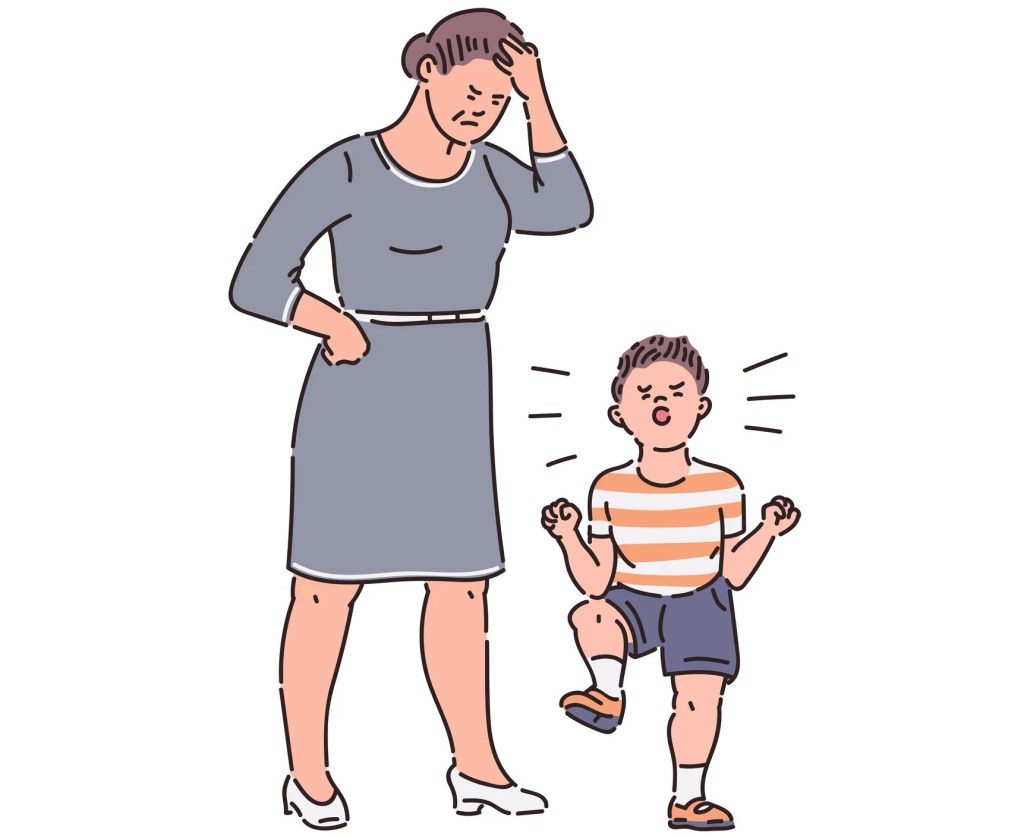
Children’s mental health should be at the forefront of our kids’ overall health and wellbeing. The healthier our children are will set them up for a successful and easier the transition will be from moving to a child to a teenager and then adult. What do we do though when a child’s behavior becomes negative and violent? Effective parenting skills sometimes aren’t enough to combat these excessive behaviors, leaving parents exhausted and needing somewhere to turn for assistance. Conduct disorders in children is a serious mental health conditions that fits a wide spectrum of behaviors. In general, Conduct Disorder, according to the DSM-V/TR is ‘a repetitive and persistent pattern of behavior in which the basic rights of others or major age-appropriate societal norms or rules are violated.’ Obivously, this definition goes beyond the notion of just ‘being mad’ or someone having a bad day. The specific behaviors that are attached to someone with a Conduct Disorder can go from very iinocent to very gruesome extrememly quick.
In the United States, around 3% of children and teenagers suffer from Conduct Disorder and is twice as common among males than females. What causes a conduct disorder though? There are a few different factors than we can narrow it down to. Brain damage, traumatic events, genetics, child abuse, social problems or past school failures. Some experts believe that a series of traumatic experiences occurs for a child to develop a conduct disorder. These experiences then often lead to depressed mood, behavior problems, and involvement in a deviant peer group. The children who are most at risk for developing conduct disorders and conduct behaviors come from a few groups such as the disadvantaged, dysfunctional families and disorganized lifestyled individuals.
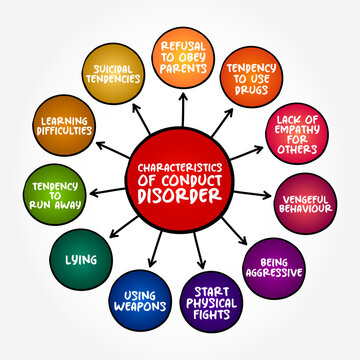
Also, children with ADHD, PTSD, mood/anxiety disorders, substance use disorders and learning problems/disabilities are likely to have conduct disorders moreso than other children. Children or teens who are considered to have a difficult temperament are more likely to develop behavior problems. Conduct disorder can be diagnosed in children by a child psychiatrist or mental health expert who is qualified to make a definitive diagnosis for the child. These professionals will then, after making the diagnosis, will explain the different types of therapies available to help manage the conduct issues the child is exhibiting.
Treatments for conduct disorder include Cognitive-Behavioral Therapy (CBT), in which a child learns how to better solve problems, communicate, and handle stress. He or she also learns how to control impulses and anger. Family therapy is also recommended to help make changes in the family. It improves communication skills and family interactions. Peer group therapy helps a child develop better social and interpersonal skills. And of course, medications are available BUT these are not often used to treat conduct disorder. But a child may need them for other symptoms or disorders, such as ADHD.
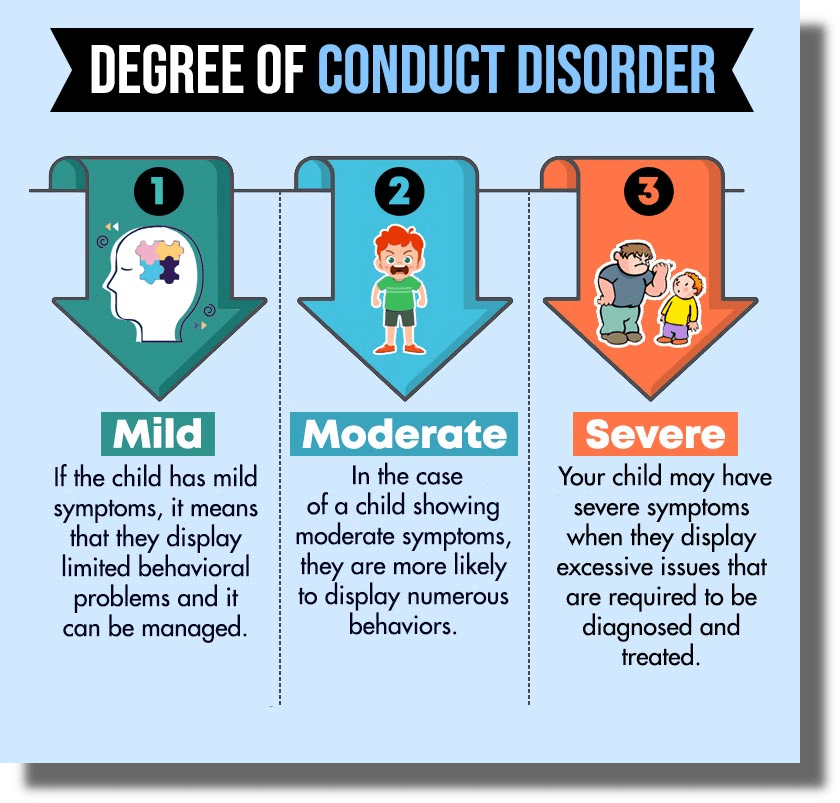
Alot of parents and caregivers have asked how they can prevent their child from getting conduct disorder. The reality right now is that they is no real way of preventing someone from coming down with a conduct disorder as of right now. The best we can do is to be able to seek out appropriate therapies to help mitigate the characteristics of a conduct disorder.
If you child is showing signs of a conduct disorder, the first step is to contact your PCP to get your child evaluated to start the process of getting help. If you are around the Pittsburgh area, the Southwestern Pennsylvania Human Services, Inc. has a great number of resources available. Please log onto http://www.sphs.org or call 724.489.9100.
John J. Schessler, Jr. is a Pittsburgh-based NASM Certified Personal Trainer, author, writer, and motivational speaker. John is also a graduate of Southern New Hampshire University with a BA in Psychology with a concentration in Child & Adolescent Development. For any speaking engagements or training inquiries, please email pghwellnesspt@gmail.com
#conductdisorder #psychology #fitness #SNHU #healthtips #medicine #johnschesslerjr #pittsburgh #DSM5 #gettingbetter #selfcare #braindevelopment #healthcare #childdevelopment #crisiscounselor #counseling #therapy #PT


Leave a comment