

When men think about health, fitness, and nutrition, they usually come first. But penis health is just as important—it’s directly tied to sexual wellness, urinary function, and even heart health. True, this isn’t the most comfortable thing to discuss, but we need to be able to put our awkwardness aside because ignoring it can lead to infections, erectile dysfunction, or more serious complications. Here’s what every man should know.
Hygiene and Care
Good hygiene lowers the risk of irritation and infection. Wash daily with warm water; uncircumcised men should gently retract the foreskin to prevent buildup that can cause inflammation (balanitis). Avoid harsh soaps, which may lead to dryness (Baker & Kellogg, 2020).

Sexual Wellness and STI Prevention
Practicing safe sex protects long-term penile and reproductive health. Condoms reduce the risk of sexually transmitted infections (STIs) such as gonorrhea, chlamydia, syphilis, and HPV. The HPV vaccine is recommended for men through age 26 and may benefit men up to age 45 depending on risk (CDC, 2022). Regular STI screening is also essential.
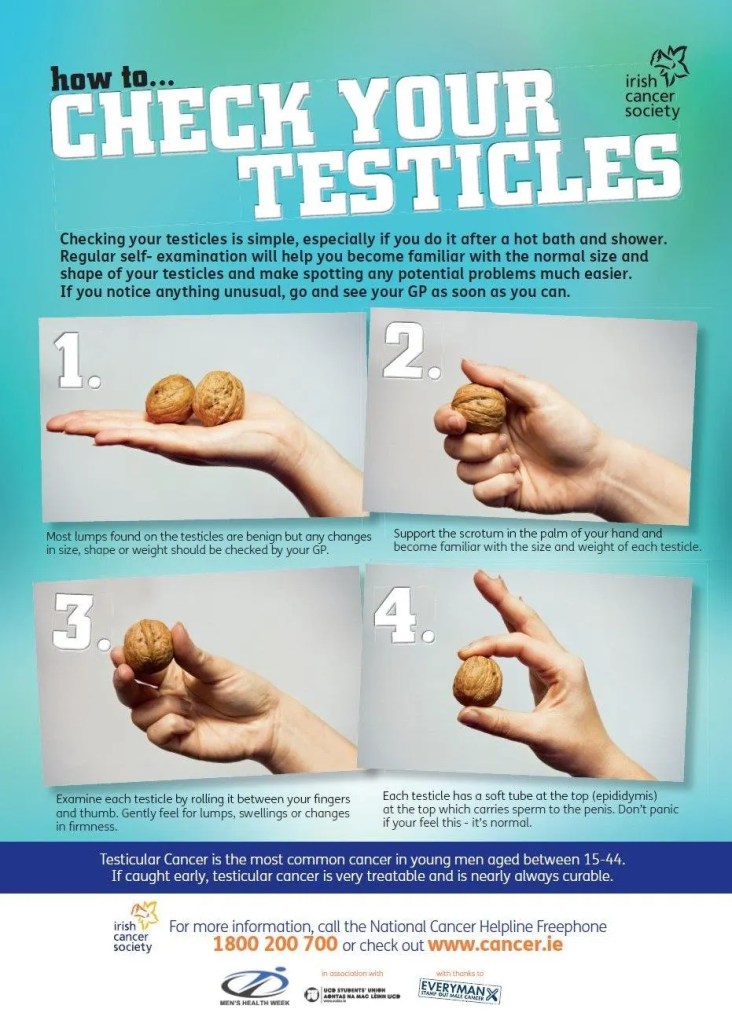
Warning Signs Not to Ignore
See a urologist or healthcare provider if you experience:
- Pain, swelling, or redness of the penis
- Sores, discharge, or unusual lesions
- Difficulty urinating or maintaining an erection
- Lumps or curvature of the penis (possible Peyronie’s disease) (Kendirci & Hellstrom, 2021)
Early evaluation can prevent long-term complications.
Erectile Dysfunction and Lifestyle Factors
Healthy circulation is vital for erections. Conditions like diabetes, high blood pressure, obesity, and smoking raise the risk of erectile dysfunction. A balanced diet, regular exercise, and limiting alcohol strengthen cardiovascular and sexual health (Miner et al., 2019). Erectile issues may also signal underlying heart disease—don’t ignore them.
Mental Health and Sexual Performance
Anxiety, stress, and depression often contribute to erectile dysfunction or other sexual performance concerns. Counseling and therapy, alongside medical treatment, improve both mental health and sexual wellness (McCabe et al., 2016).

Preventive Checkups
Routine checkups with a doctor or urologist are essential. These visits can detect infections, prostate concerns, or early signs of systemic disease. Preventive care is the cornerstone of lifelong penis health.
Takeaway
Penis health is men’s health. With proper hygiene, safe sex practices, a healthy lifestyle, and regular medical care, men can protect their sexual wellness and overall vitality. Being proactive not only prevents erectile dysfunction and infections but also supports long-term physical and emotional well-being.
References
- Baker, L. M., & Kellogg, S. (2020). Men’s health: Urologic considerations for primary care. Primary Care: Clinics in Office Practice, 47(3), 435–449.
- Centers for Disease Control and Prevention. (2022). HPV vaccination recommendations. https://www.cdc.gov/vaccines/vpd/hpv/hcp/recommendations.html
- Kendirci, M., & Hellstrom, W. J. (2021). Current concepts in the management of Peyronie’s disease. Therapeutic Advances in Urology, 13, 1–12.
- Miner, M., Seftel, A. D., Nehra, A., Ganz, P., & Kloner, R. A. (2019). Prognostic utility of erectile dysfunction for cardiovascular disease. American Journal of Medicine, 132(7), 840–846.
- McCabe, M. P., et al. (2016). Definitions of sexual dysfunctions in men and women. Journal of Sexual Medicine, 13(2), 135–143.
#penishealth #healthandwellness #menshealth #penis #scrotum #wellness #anatomy #ychromosomeholder #itsnotgay #erectiledysfunction #frustrating #medicine #personaltrainer #counselor #kinesiology #protatehealth #peyroniesdisease #priapism #virility #cardiovasculardisease #urology #endocrinology #male #men

John J. Schessler is a Pittsburgh-based Behavior Interventionist, Personal Trainer, Motivational Speaker, and Actor. He holds a BA in Child and Adolescent Psychology from Southern New Hampshire University and is a graduate student at Capella University, majoring in Sports Psychology and Behavior Management. He holds certifications in Orthopedics, Tactical Conditioning and Pediatric Training. For Speaker inquiries or Training questions, please email jschessler43@outlook.com.


Leave a comment