
In today’s competitive sports world, physical talent gets the spotlight—but mental health is often the deciding factor between a good athlete and a great one. Even the strongest, fastest, or most technically skilled players can struggle when their mental game isn’t locked in. Anxiety, pressure, fear of failure, burnout, social stress, and expectations from coaches, fans, or family take a real toll. And when mental health suffers, so does performance.
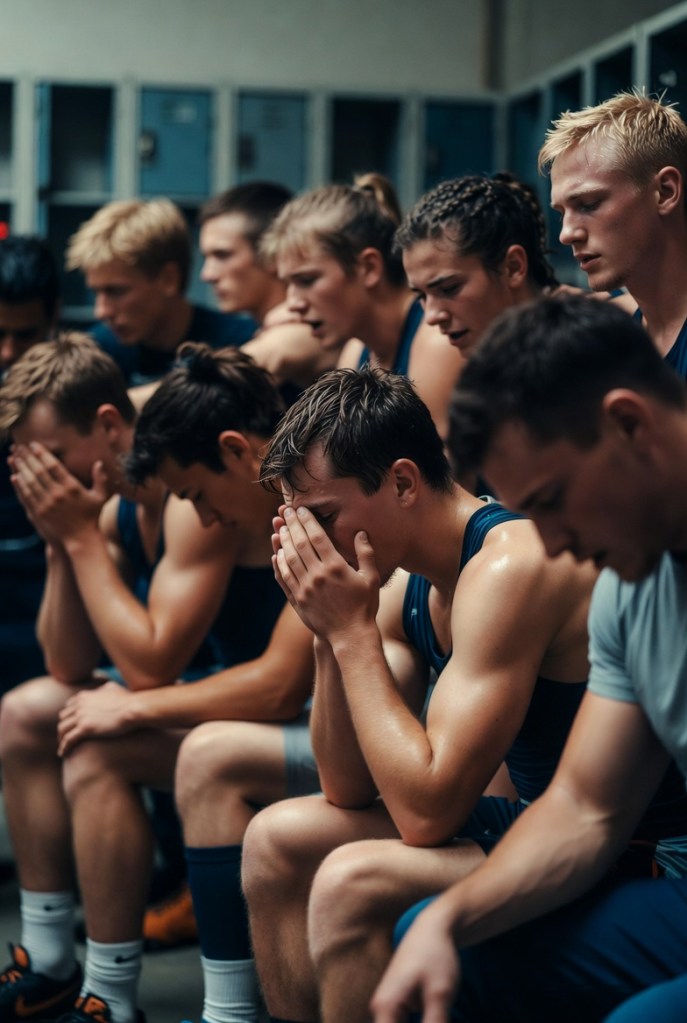
Athletes aren’t machines—they’re human beings with emotional needs, internal battles, insecurities, and stressors that don’t magically disappear when the competition starts. Many athletes describe moments where their body was ready, but their mind wasn’t. That disconnect is where confidence drops, mistakes increase, and performance spirals.
But there’s good news: teams no longer have to guess, hope, or “tough it out.” Mental health awareness in sports is growing, and so is the recognition of mental performance coaching as a powerful tool for success on and off the field.
Why Athlete Mental Health Matters in Competition
When an athlete’s mental health is compromised, everything is affected:
• Confidence declines
Even highly skilled athletes can start doubting themselves, hesitating in key moments, or second-guessing their instincts.
• Focus becomes scattered
A worried mind can’t concentrate—leading to missed plays, slow reactions, and poor decision-making.
• Motivation drops
Burnout, depression, or stress can remove the joy from a sport athletes once loved.
• Team dynamics suffer
Unmanaged emotions or pressure can fuel conflict, isolation, or communication breakdowns.
• Performance becomes inconsistent
The athlete may look unstoppable one day and completely shut down the next.
Mental health is not a side issue—it is a performance issue.
The Pressure Athletes Face (More Than Most People Realize)
Athletes juggle a unique combination of stressors, including:
- High expectations from coaches, parents, fans, and themselves
- Fear of injury or not meeting potential
- Social media criticism
- Balancing school, work, and athletics
- Body image pressures
- Perfectionism and comparison to teammates or competitors
These pressures can build up silently. And because athletes often feel expected to be “tough,” many hide their struggles—making things worse over time.

Where Mental Performance Coaches Make the Difference
A Mental Performance Coach (MPC) bridges the gap between physical skill and mental readiness. They don’t replace therapists or counselors, but they optimize the mindset needed for consistent, high-level performance.
How MPCs help athletes and teams win:
1. Build Mental Toughness (The Healthy Kind)
Not the “suck it up” mentality—
but real resilience, emotional control, and the ability to bounce back from mistakes.
2. Improve Focus and Decision-Making
MPCs teach athletes how to lock in, quiet distractions, and stay present in the moment.
3. Reduce Game-Day Anxiety
Breathing techniques, visualization, reframing, and confidence-building routines help athletes step into competition calm and ready.
4. Strengthen Confidence
Self-belief affects every movement in sports. MPCs help athletes develop genuine, internal confidence—not just hype.
5. Develop Team Cohesion
Teams win when communication, trust, and shared goals come together. MPCs often mediate, guide team-building, and align athletes mentally.
6. Build Routines for Consistency
Mental performance isn’t random—it’s trained. MPCs help athletes develop structured habits that replicate success.
The Result? More Wins and Healthier Athletes
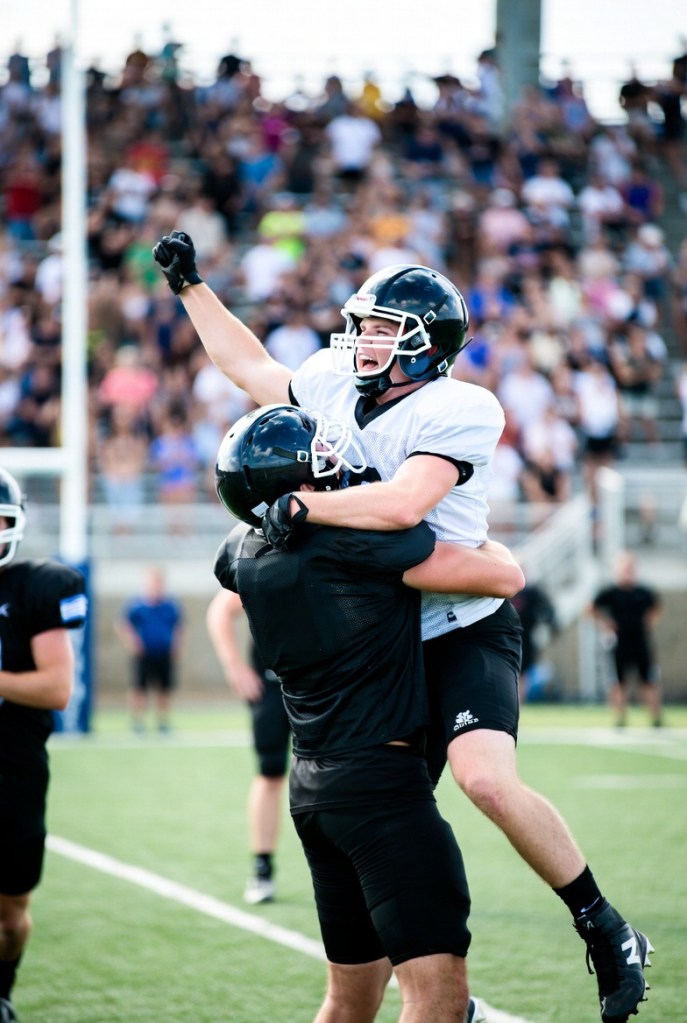
Teams that invest in mental performance see:
- Improved game-day execution
- Stronger team culture
- Better communication under pressure
- More confident decision-making
- Higher resilience after losses
- Athletes who stay motivated and focused
Mental performance is often the missing piece separating elite teams from average ones. When athletes feel supported mentally and emotionally, their physical abilities naturally rise.
The Future of Sports: Mental Health and Mental Performance Go Hand-in-Hand
The narrative is changing.
We’re seeing athletes speak openly about anxiety, depression, and performance pressure. We’re seeing teams hire more sports psychologists and mental performance coaches. And most importantly, we’re seeing the undeniable truth: The mind drives the body.
When teams care about the whole athlete—not just the stats—they not only protect their players’ long-term well-being, but they also create a stronger path to victory.
Mental health isn’t just about feeling better.
It’s about playing better, communicating better, leading better, and winning better.
#mentalperformancecoach #athletes #victory #minddrivesbody #mentalhealthawareness #mentalhealth #psychology #sportspsychology #sports #feelbetter #communication #leadership #teamwork #worktogether #pittsburgh #winning #strongerlonger #resilience
About the Author

Hi, I’m John Schessler Jr., a graduate student in Sports Psychology, a full-time Behavior Interventionist for students with autism, and certified Sports Psychology Coach (AFAA) with a passion for helping athletes build stronger minds, healthier habits, and unshakable confidence. My work blends mental performance coaching, psychology, and lived experience to help people show up as their best selves—on the field, in the gym, and in everyday life.
I’ve always believed that mental strength is the real competitive edge. That belief pushed me toward a career that combined my love of sport with my mission to support mental wellness. Whether I’m working with students, coaching athletes through pressure and performance anxiety, or developing new mental-skills tools, I’m constantly exploring how mindset, behavior, and resilience shape performance.
Right now, I’m pursuing my M.S. in Sports Psychology at Capella University with the goal of becoming an Athletic Mental Health Counselor. I want to change the narrative around athlete well-being, break stigmas, and help athletes of all backgrounds access mental-performance support that actually meets them where they are.
This blog is a place where I bring together everything I’ve learned—research, personal experience, coaching insights, and the lessons athletes and students teach me every day. My hope is that you’ll find something here that inspires you, supports you, or simply reminds you that you’re not alone in your journey to become mentally stronger.
If you’re an athlete, parent, coach, educator, or someone chasing self-improvement, welcome.
You’re exactly where you need to be.


Leave a comment