
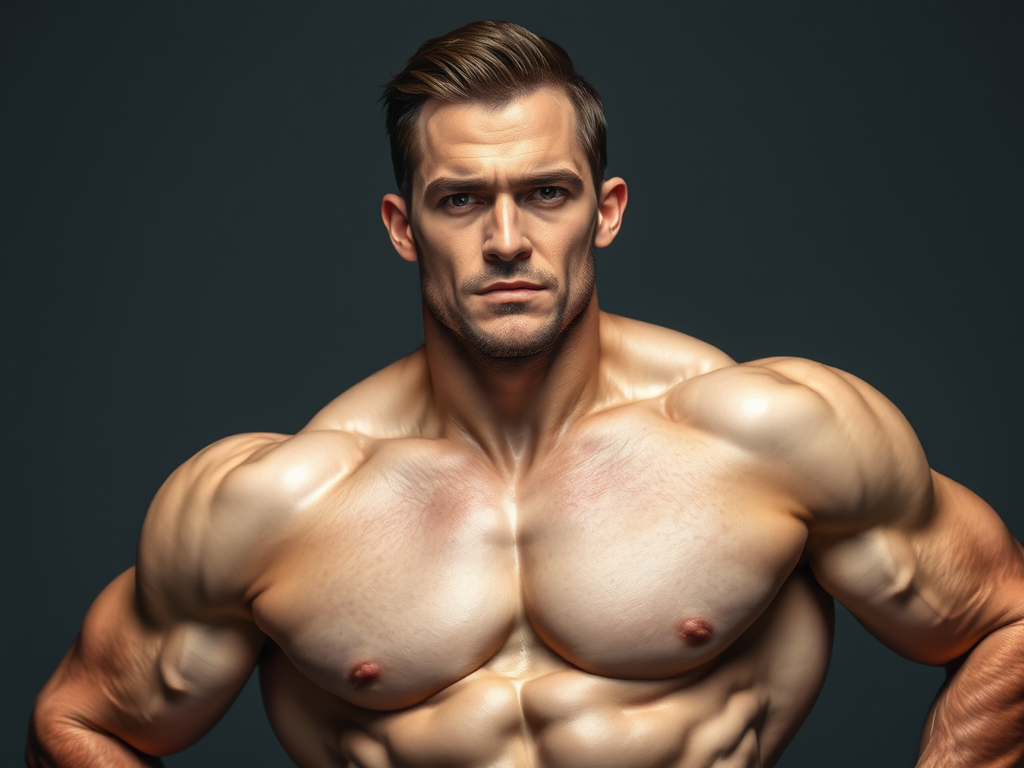
For decades, conversations about unrealistic beauty standards have focused largely on women—but in recent years, men have found themselves under growing pressure to look a certain way, too. From chiseled abs and broad shoulders to flawless skin and perfect hairlines, today’s media paints a narrow picture of what “masculine perfection” should look like.
The Rise of the “Ideal” Male Image
Social media, fitness influencers, and even superhero movies have created a cultural blueprint for the “ideal” male physique—one that’s often unattainable without extreme dieting, heavy supplementation, or, in many cases, digital enhancement. The message is subtle but persistent: to be successful, desirable, or confident, you must look a certain way.
This constant exposure leads many men to measure themselves against an impossible standard, eroding confidence and feeding into cycles of self-criticism, anxiety, or even disordered eating and excessive exercise.
The Silent Struggle
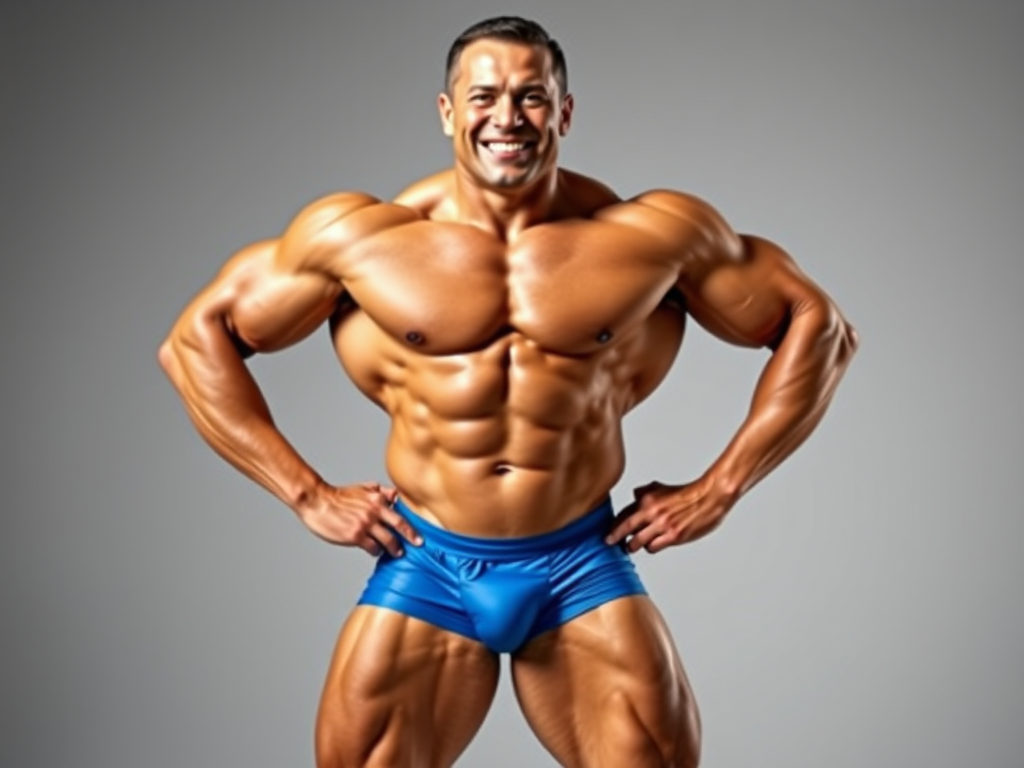
Unlike women, men often face an added layer of silence around body image issues. Cultural norms teach boys from an early age to “tough it out,” to hide insecurity behind humor or bravado. Yet studies show that body dissatisfaction among men has skyrocketed—particularly among younger generations constantly exposed to filtered and photoshopped versions of reality.
Even within gym culture—a place meant to build strength and confidence—comparison can become toxic. What starts as motivation often turns into obsession, with many men chasing validation through appearance rather than wellness.
The Hidden Danger: Teen Boys and Steroid Use
One of the most alarming trends tied to these unrealistic ideals is the rise in steroid and performance-enhancing drug use among teenage boys.
What used to be confined to competitive bodybuilding has now entered locker rooms and high school gyms. Many young men, desperate to “catch up” or “look like” their fitness idols, turn to anabolic steroids, testosterone boosters, or unregulated supplements they find online.
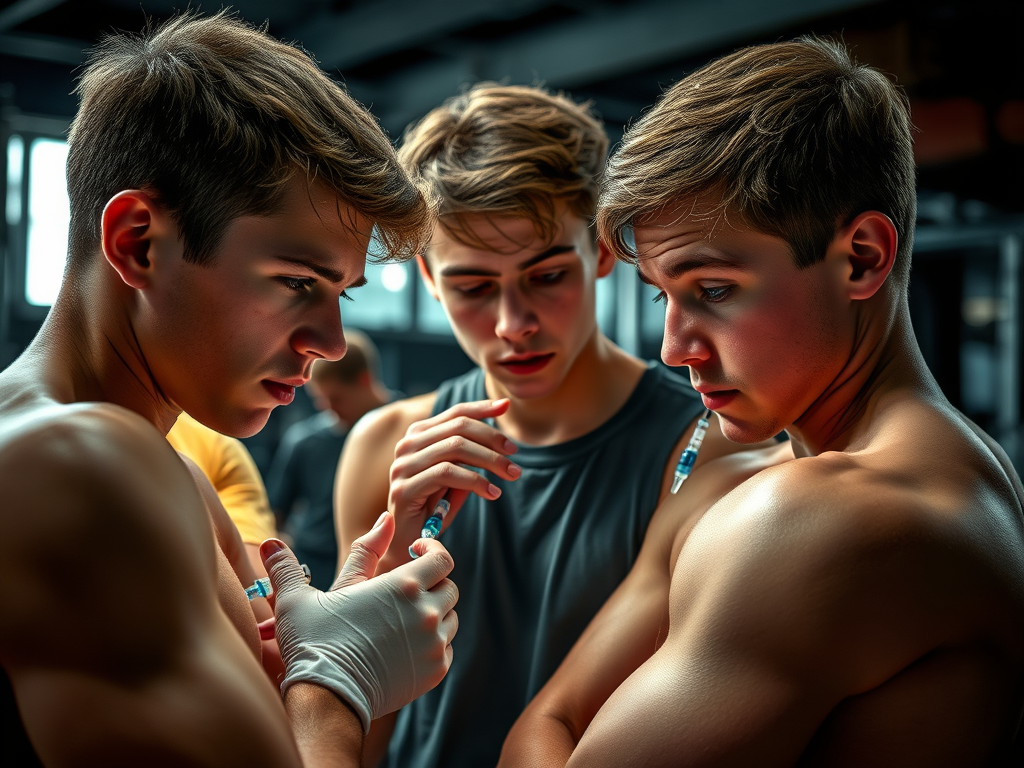
Behind the muscle gains and selfies, there’s often insecurity, social pressure, and the misconception that strength equals worth.
What these teens truly need isn’t another supplement—it’s support, education, and reassurance that their value isn’t measured in muscle mass.
But these substances come with serious physical and psychological risks—including liver and heart damage, hormonal imbalances, acne, infertility, aggression, mood swings, and depression. In teenage users, steroids can even stunt natural growth and cause permanent health issues.
Redefining Strength and Confidence
True strength isn’t about biceps or abs—it’s about self-acceptance. It’s about showing up for yourself, prioritizing health over aesthetics, and recognizing that confidence isn’t something you sculpt; it’s something you build from the inside out.
Real men come in all shapes, sizes, and stages of growth. The world needs more images of authentic, imperfect men—men who are kind, vulnerable, compassionate, and secure in who they are.
The next time you scroll through your feed or catch yourself comparing your reflection to someone else’s highlight reel, remind yourself: you are not a before or after photo—you’re a whole story in progress.
#MensHealth #BodyImage #SelfAcceptance #MensWellness #PositiveMasculinity #MentalHealthAwareness #AuthenticStrength #MenMatterToo #RealBodiesRealMen #WellnessOverAesthetics #HealthyMindHealthyBody #masculinity #mensroom #fitnessformen #wisdomforguys #education #personaltrainer #pittsurgh #aestheticallypleasing #nothinwrongwithdadbods #themaleexperience #checkyourboys #aguyslife
About the Author
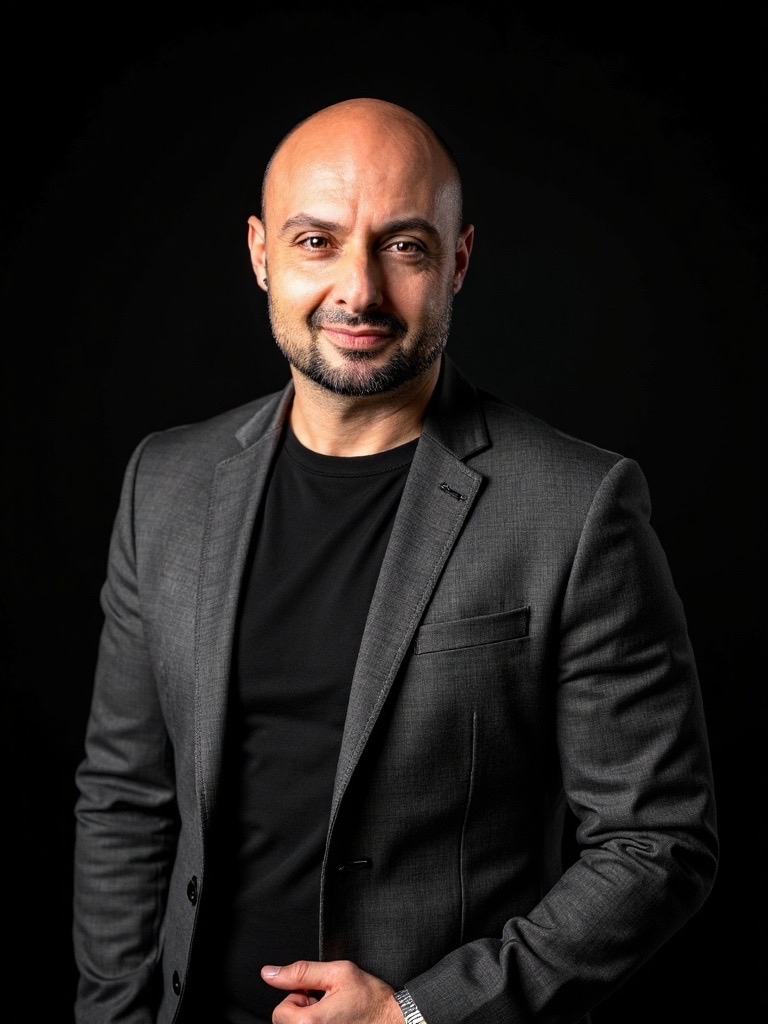
John Schessler Jr. is a Behavior Interventionist at Merakey Education Center in Mt. Pleasant, Pennsylvania, and a graduate student in Capella University’s M.S. in Sports Psychology program. With a Bachelor’s degree in Child & Adolescent Psychology and over a decade of experience as a certified personal trainer, John is passionate about mental health, personal growth, and redefining modern masculinity. Through his writing, coaching, and podcast The Follow Through, he aims to help others build authentic confidence and well-being from the inside out.


Leave a comment