Why Being a Coach Instantly Boosts Your Credibility in Sports Psychology
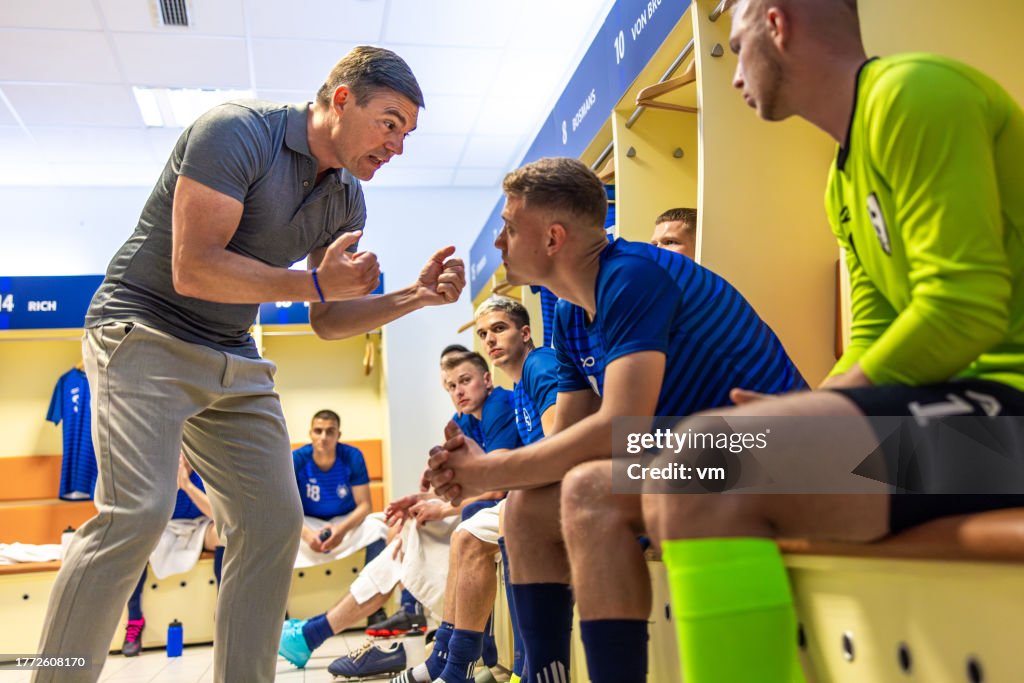
Football coach motivating male players team before match in locker room
Introduction
Sports psychology is all about helping athletes think better, perform better, and handle the mental chaos that comes with competition. But here’s the truth that often gets overlooked:
Being a coach doesn’t just help you understand athletes — it makes you instantly more credible in the world of sports psychology.
When you’ve been in the trenches — the locker rooms, late practices, heartbreaking losses, and emotional highs — you don’t just study performance… You’ve lived it.
Happy Latin American soccer coach talking to his team about their strategy for the game – sports concepts
Coaches Understand Athletes on a Level Textbooks Can’t Reach
Athletes trust people who “get it.” And coaches get it.
You’ve seen athletes when they’re:
Frustrated after a bad game
Fired up after a personal record
Burned out in the middle of the season
Fighting quiet battles no one else notices
That lived experience means your insight is grounded in reality, not just theory. When you offer mental skills training or mindset strategies, athletes know it’s coming from someone who’s actually stood on the sideline and felt the pulse of competition.
That’s credibility you cannot fake.
You Already Speak the Language of Performance
Sports psychology has its own vocabulary — focus cues, arousal levels, visualization, confidence-building, flow states.
But coaches are already speaking that language long before they crack open a psych textbook.
You’re constantly talking about:
Keeping composure under pressure
Making in-game adjustments
Staying coachable
Building routines and habits
Learning from mistakes instead of fearing them
Coaching gives you a front-row seat to the mental side of sport, even if you didn’t label it as “psychology” at the time. That familiarity makes you a more intuitive, relatable sports psych professional.
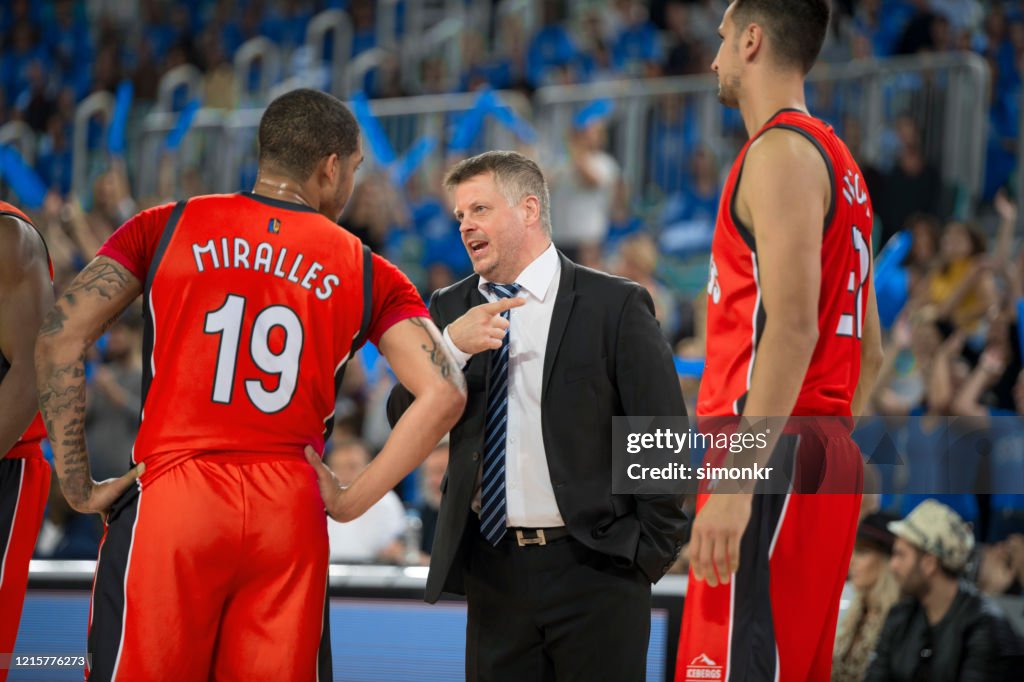
Coach giving instructions to basketball team during the match at Arena Stozice, Ljubljana, Slovenia.
Athletes See You as a Guide — Not Just a Professional
A lot of athletes hesitate to open up to “mental health providers” or “psychologists,” especially if they imagine a cold office and a clipboard.
But a coach? That’s different.
Coaches are:
Trusted
Approachable
Present
Supportive
Embedded in the athlete’s daily world
That existing relationship makes it easier for athletes to accept mindset training, mental strategies, and performance guidance. They’re not talking to a stranger — they’re talking to someone who has already invested in their growth.
That alone skyrockets your credibility.
Cal State Bakersfield coach T.J. Kerr talks with Brandon Doyle during the 149-pound bout of a Pacific-10 Conference wrestling match in Bakersfield, Calif., on Sunday, January 21, 2007. (Photo by Kirby Lee/WireImage)
Coaching Gives You Real-Time Data You Can’t Get Anywhere Else
Reading about performance struggles is one thing. Watching them happen in real time is something else entirely.
As a coach, you get direct insight into:
The body language of a discouraged athlete
The micro-moments before confidence cracks
The nonverbal signs of stress or anxiety
Team chemistry and leadership gaps
This level of observation lets you connect psychological principles to real practice — which is exactly what athletes need. And when they’ve seen you manage their highs and lows in real time, they’re far more likely to trust your mental game advice.
Germany’s Denis Maksymilian Kudla speaks with his coach as he wrestles with Kirghyzstan’s Zhanarbek Kenzheev in their men’s 85kg greco-roman qualification match on August 15, 2016, during the wrestling event of the Rio 2016 Olympic Games at the Carioca Arena 2 in Rio de Janeiro. / AFP / Jack GUEZ (Photo credit should read JACK GUEZ/AFP via Getty Images)
Coaching Proves You’re a Lifelong Learner
Great coaches are always evolving:
New drills
New communication styles
New motivational strategies
New ways to build grit and resilience
When you combine that growth mindset with formal sports psychology training, you become a well-rounded, modern professional who understands both the science and the human story behind performance.
That blend makes you incredibly credible — and incredibly valuable — to athletes, teams, and organizations.
Final Takeaway
Being a coach doesn’t just enhance your credibility in sports psychology…
It supercharges it.
Coaching is where psychology lives. It’s where mindset meets movement. It’s where confidence, fear, resilience, doubt, and hunger show up every single day.
A sports psychology professional who has coached athletes isn’t just offering knowledge — they’re offering:
Perspective
Empathy
Trust
Lived experience
And that combination is exactly what today’s athletes are craving.
About The Author
I’m John Schessler, better known as The PGH Sports Psy Coach, and my mission is simple: help athletes master the mindset needed to succeed — not just in sports, but in life.
With years of coaching experience and a genuine passion for sports psychology, I base my work on the belief that confidence, resilience, focus, and emotional control are just as vital as strength and skill. As a current sports psychology graduate student and AFAA-certified Sports Psychology Coach, I connect science with real-world coaching to provide athletes with practical tools they can actually apply.
I’ve coached athletes through setbacks, comebacks, performance pressure, burnout, and everything in between — and I know firsthand how powerful the mental side of the game really is. Through my blog, coaching sessions, and mindset content, my goal is to help athletes flip the script, break their own limits, and perform with clarity, confidence, and purpose.
If you’re ready to train your mind the same way you train your body, you’re in the right place.
John J. Schessler, M.S. is dedicated to helping people unlock their potential by strengthening the one asset that influences every area of life—the mind. Through education, coaching, and authentic conversation, he empowers others to develop confidence, resilience, and the discipline to follow through on their goals.
About the Coach ›
Newsletter
Weekly Thoughts on Personal Development
We know that life’s challenges are unique and complex for everyone. Coaching is here to help you find yourself and realize your full potential.









Leave a comment