
By ThePGHSportsPsyCoach
For a long time, athletes were taught one thing:
Shake it off. Get back in. Don’t be soft.
I’ve coached enough athletes — and worked with enough people after sport — to tell you this straight:
That mindset has done real damage.
Concussions aren’t just part of the game. Repeated head trauma doesn’t build toughness. It changes the brain — and sometimes, it changes a life forever.
What a Concussion Really Is
A concussion isn’t just getting hit hard. It’s a brain injury.
You don’t need to be knocked out. You don’t need to “see stars.”
If the brain moves violently inside the skull, damage can happen.
Common signs I tell athletes to never ignore:
- Head pressure or headaches
- Dizziness or balance issues
- Brain fog or slow reaction time
- Sensitivity to light or sound
- Mood swings, irritability, anxiety
- Sleep problems
One concussion is serious. Multiple concussions stack risk fast.
What Is CTE — and Why It Matters
CTE (Chronic Traumatic Encephalopathy) is linked to repeated head impacts over time, including hits that don’t cause obvious symptoms.
That part matters.
It’s not just the “big hit.”
It’s the thousands of smaller ones that add up over years.
CTE has been found in athletes from football, hockey, soccer, wrestling, boxing, and MMA — from youth levels all the way to the pros.
Symptoms don’t always show up right away. Many athletes feel them years after their playing days are over:
- Memory problems
- Emotional instability
- Impulsivity or aggression
- Depression
- Difficulty regulating mood
- Cognitive decline
This isn’t meant to scare you.
It’s meant to inform you.
The Mental Health Side No One Talks About Enough
Here’s the piece that often gets missed:
Brain injuries affect mental health. Period.
When the brain takes repeated trauma, the systems that control:
- Emotion
- Stress response
- Impulse control
- Motivation
can be disrupted.
That’s why athletes with concussion histories may struggle with anxiety, depression, emotional regulation, or identity loss after injury. It’s not weakness. It’s neurology.
And pretending mental health isn’t part of recovery is a mistake we can’t keep making.
“Cleared to Play” Isn’t the Same as Fully Recovered
Passing a concussion protocol doesn’t automatically mean the brain is fully healed.
Coming back too soon increases the risk of:
- Longer recovery timelines
- Repeated concussions
- Long-term cognitive effects
Real recovery means:
- Honest symptom reporting
- Gradual return-to-play
- Cognitive rest, not just physical rest
- Mental performance and emotional support
Athletes shouldn’t feel pressure to choose between their future and the next rep.
We Have to Change What We Call “Tough”
Old-school toughness said: push through it no matter what.
Real toughness today looks like:
- Speaking up early
- Sitting out when needed
- Supporting teammates who do the same
- Coaches protecting athletes, not egos
Protecting your brain doesn’t make you soft.
It makes you smart enough to have a life after sport.
Where Mental Performance Coaching Fits In
This is where mental performance coaching matters.
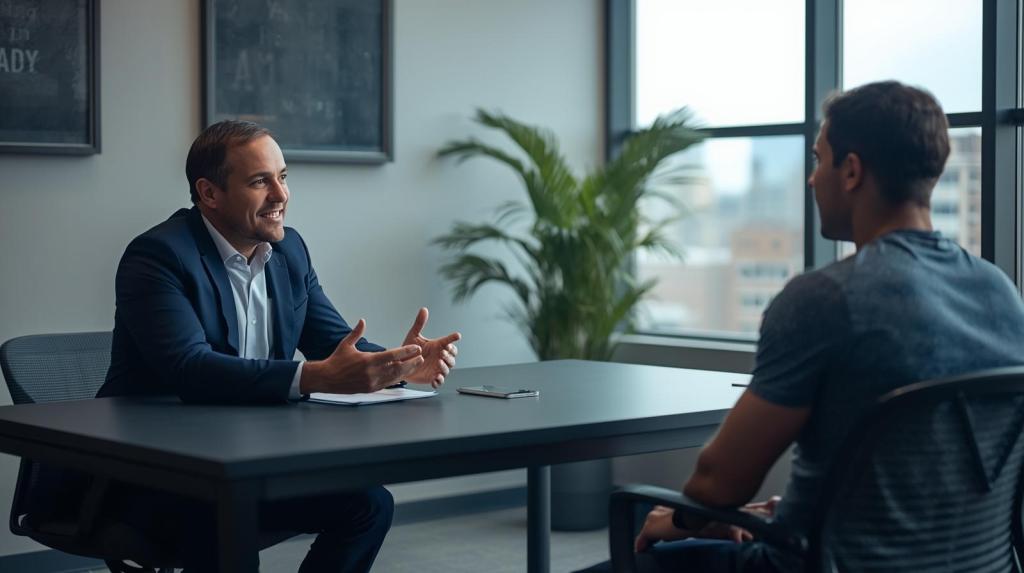
I help athletes:
- Manage frustration during injury recovery
- Rebuild confidence after head injuries
- Reframe identity when sport is temporarily taken away
- Develop healthier definitions of toughness
- Regulate emotions under stress
Performance isn’t just physical.
It’s mental. It’s emotional. It’s neurological.
And if we want athletes performing at their best — we have to protect the system that runs everything.
Final Word
You only get one brain.
Championships end. Careers end.
Your quality of life shouldn’t.
Playing smart isn’t weakness.
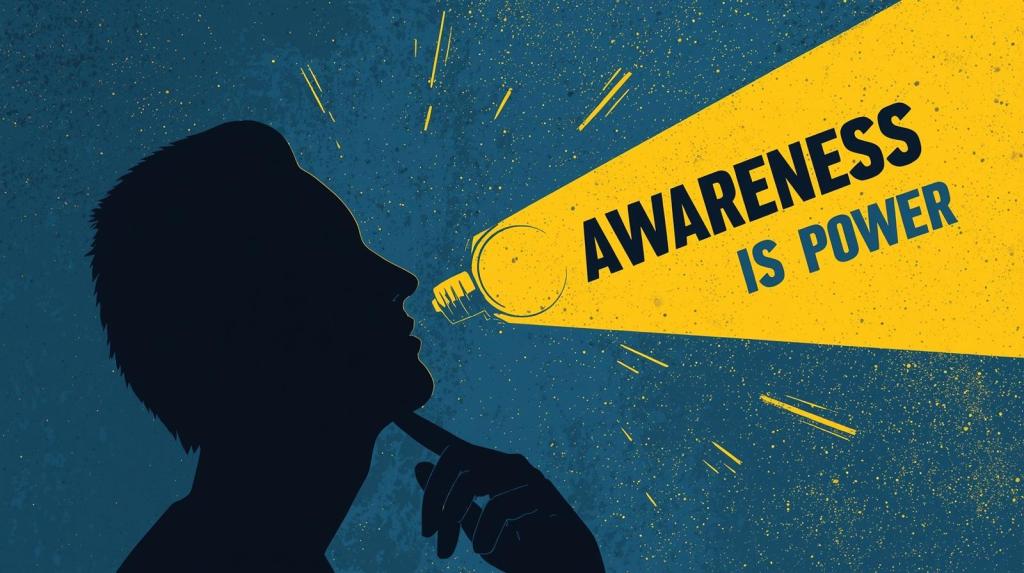
It’s awareness — and awareness is power.
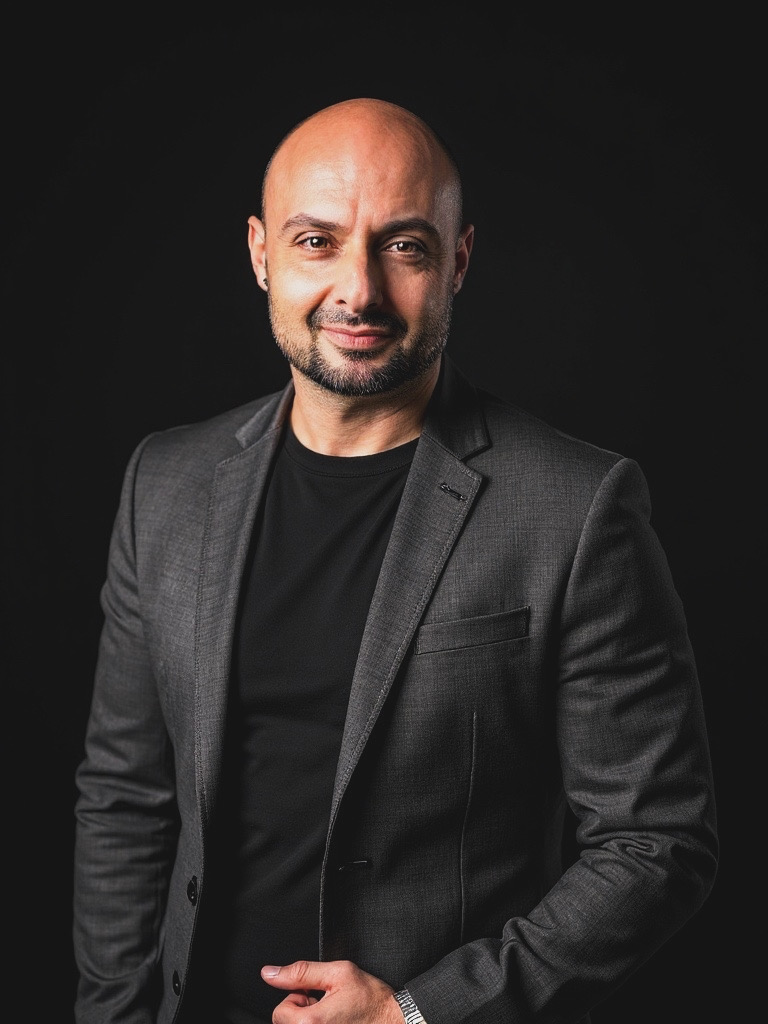
About Me — Coach John Schessler Jr.
I’m Coach John — the mind behind ThePGHSportsPsyCoach — and my mission is simple: help athletes build the kind of mental toughness, confidence, and resilience that shows up long after the final whistle blows.
I coach from experience, education, and heart. As a Sports Psychology Coach and Behavior Interventionist, I’ve spent years working with athletes and students who carry big potential but also big pressure. My job? Teach them how to channel that pressure into power.
Right now, I’m leveling up my own game, pursuing my graduate degree in Sports Psychology so I can support athletes at an even higher level. Every day, I study how mindset, emotion, and performance work together — and every day, I bring that knowledge straight to the athletes and readers who trust me.
This blog is your locker room talk for the mind.
Here, we break limits.
We train confidence.
We learn how to stay locked in when it matters most.
Because winning isn’t just physical — it’s mental.
And when you master your mind, the rest follows.
If you’re ready to grow, challenge yourself, and build an unshakeable mental edge… welcome to the team. Let’s get to work.


Leave a comment