Athlete Mindset HQ Institute

A Blog for health, wellness and mindfulness information…

  • Since the dawn of time, men’s sexual health has always been a topic of great importance for the person involved as well as their partners. From pills to tonics and beyond, we’ve always tried to improve on our sexual virility and potency. Since Viagra came on the scene, it’s been a ray of hope for men suffering from erectile dysfunction problems and has changed the way that men view their sexual health problems and now have treatment options to aid them in fixing whatever is giving them challenges. I’ve taken enough psychology courses in my lifetime, read many books and cited many resources on this subject both in college and beyond. What fascinates me about this subject is the simple question of “Why?” Why do we place so much importance on our sexual behaviors and our obvious physical endowments as men? The easy answer is that it’s how we’re built on a genetic level. Men are or at least consider themselves the dominant figures in their romantic relationships so taking the lead in the sexual realm is just nature taking over. Also, it’s how many men in society have been conditioned too. Images, articles and media have all adopted this trope that men need to be dominant, masculine and endowed enough to please a wide-range of partners. What happens though when a guy has a medical issue that prohibits him from satisfying his partner or more basically, himself? I’m going to take a look at this issue from a medical standpoint to figure some solutions and roadblocks to which therapies exist and what lengths men go to for seeking solutions for a rather trivial however important problem. If this kind of discussion makes you uncomfortable, perhaps you are one of the men that I’m targeting in this article. If it is, I hope this gives you options as to ho to move forward with some of these treatments.
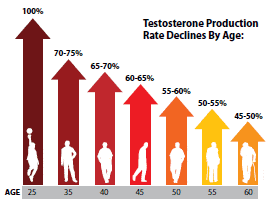
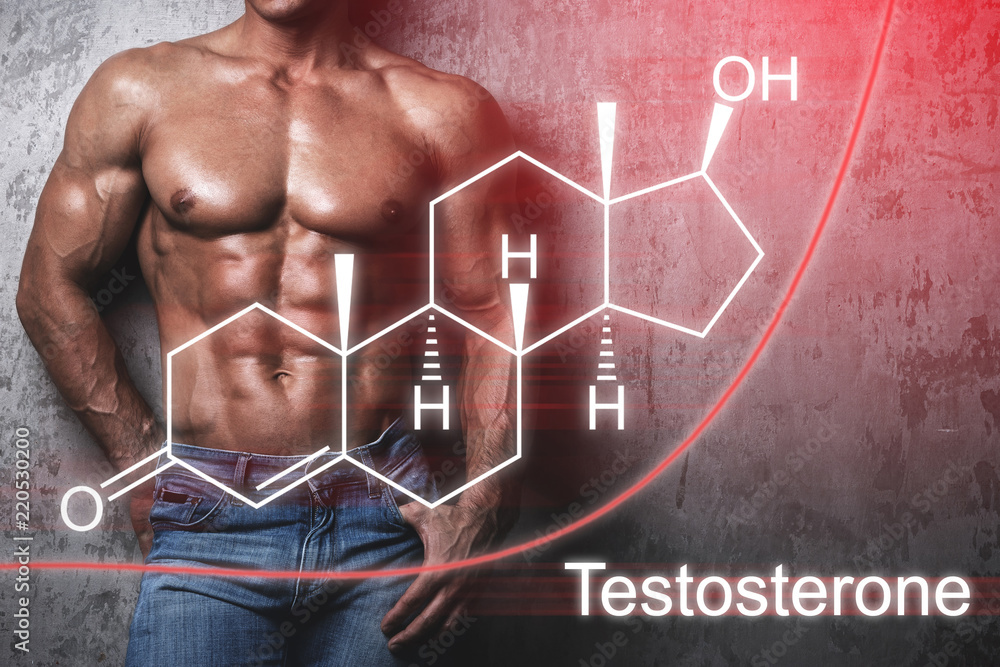
    Guys, think back to puberty and for some of us, that’s longer than we care to think back on, lol. When we were in the throes of it, what do you remember? Yup, that’s right….boners at all hours the day. Literally, a gust of wind blew the right way and there he was, staring right up at you again. The older we got though, the less that seems to happen, right? Well, there’s a few reasons for that. The first and most obvious is that after the age of 30 a man’s testosterone levels drop gradually, around 40-45% of all 30 year old men reported a drop in testosterone levels according to Healthline.com. This is one of the reasons that it’s so important for men in their 20s and 30s to have their T-levels checked every few years to make sure that things are where they need to be.

    What gets checked in a Total Testosterone Blood Test?

    A Total Testosterone blood test measures the total level of testosterone in the body, which is one of the factors responsible for regulating sex drive (libido), bone mass, fat distribution, muscle mass, and production of red blood cells and sperm. It’s also included in the CBC (Complete Blood Count) blood test as well.

    Keep in mind there’s a few forms of testosterone that doctors can test for. There’s total and free testosterone. Free testosterone is the small percentage of your total testosterone concentration that is not bound to any protein—hence it is “free.” Normal testosterone rates for adult males should have anywhere between 240 and 950 ng/dL. According to the American Urological Association (AUA), low-T rates are indicated by less than 300 ng/dL in an adult male. That being said, what exactly is Low-T and what are some of the symptoms?
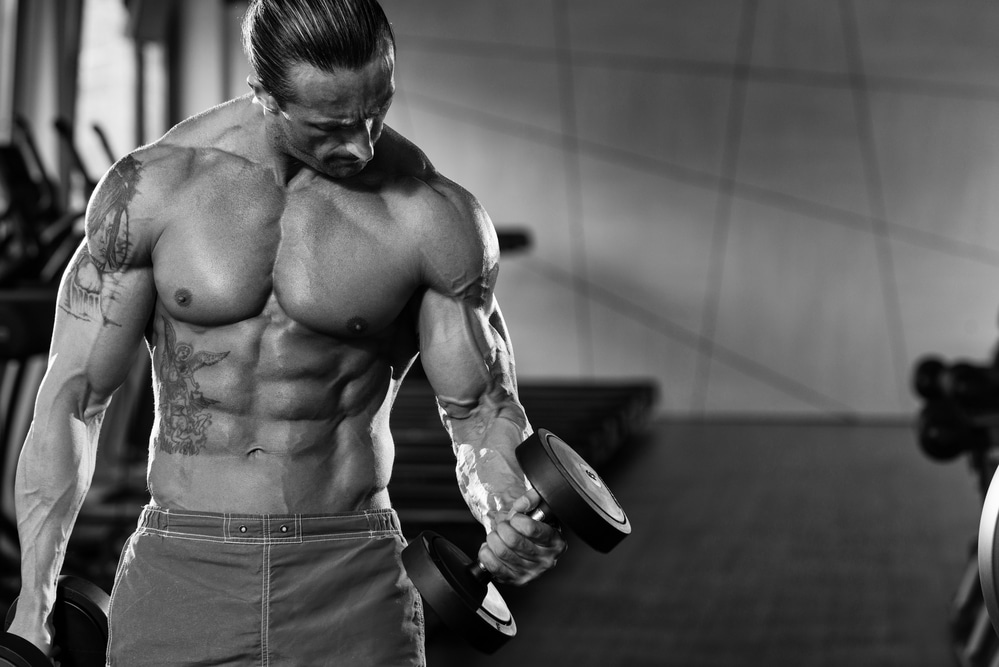
    Low Testosterone or Low-T is when your testosterone levels in the body dip below 300 ng/dL. Low-T has varied symptoms from man to man and sometimes very subtle so you may not even suspect anything is wrong. Symptoms may include: tiredness/fatigue, mood swings, loss of libido, erectile dysfunction/impotence, excessive snoring, digestive issues and skin irregularities, just to name a few. If you do suspect something may feel ‘off’, make an appointment with you doctor right away so they can take the steps necessary to develop a treatment plan or refer you to an endocrinologist or urologist for further testing. As someone who suffers from low-T, trust me, it’s not a walk in the park. Back when I didn’t know what was causing me to be moody, irritable and just downright piss poor to be around, it was definitely frustrating because I didn’t realize that my manhood was slowly being depleted, unbeknownst to me. When I finally got my levels checked the first time, I discovered that my numbers were around 225 ng/dL, a prime number for being in the low-T group. I was around 32 at the time and hearing that I had levels consistent with an man in his 70s was disheartening. Luckily, a medication called clomiphene or Clomid for short was prescribed to me. In about a week and a half, my levels shot up from 225 to around 775 and boy did I ever feel the effects! I had more energy, my mood was definitely more positive and experienced more ‘manly’ reactions to visual stimuli than before, if you know what I mean.

    As recent as last month, the FDA just approved use of an oral medication called Kyzatrex to aid in the treatment of adult males with Hypogonadism. However, testosterone replacement isn’t as new age as people may think as using testosterone medications and boosters goes as far back as 1942 but has gotten more press in the recent decades because more and more men are finding low testosterone a primary issue in their overall health and development. However, just because a doctor prescribes TRT as a means of boosting your testosterone levels doesn’t necessarily mean you’re in the clear. Hypergonadism can be a serious problem as well. This isn’t a common problem among most men, even those who experience above normal levels of testosterone for their age because most of the time, their bodies are able to regulate what is naturally created by the body. Every once in a while though, your body make be working overtime to compensate for the rising test. numbers, usually in negative ways. What happens when a man has too much test? Low sperm counts, heart muscle damage/risk for heart attacks/MI’s, enlargement of the prostate, liver disease, acne, insomnia, headaches, etc.
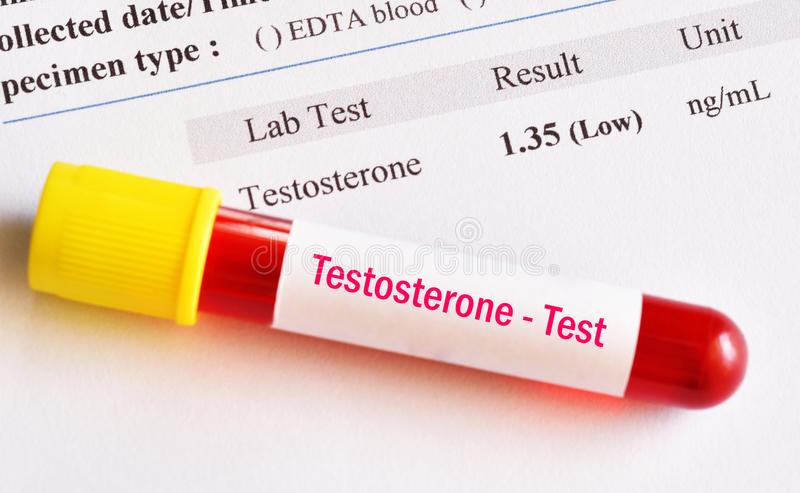
    The bottom line is that if you suspect that your hormones are out of whack, make an appointment to see your doctor and have your blood levels checked. Even if you don’t suspect anything, it’s always a good thing to get those levels checked to keep on top of things! For more information on testosterone and approved TRT therapies, please log onto http://www.FDA.gov.

    #lowtestosterone #fitness #personaltrainer #motivation #healthy #healthmotivation #actor #influencer #writer #blogger #sportsinjury #bodybuilding #menshealth #movement #lowt #TRT #testosteronetherapy #checkyourlevels #checkyourboys #motivationalspeaker #prostatehealth #hypogoadism #hypergonadism #pittsburgh
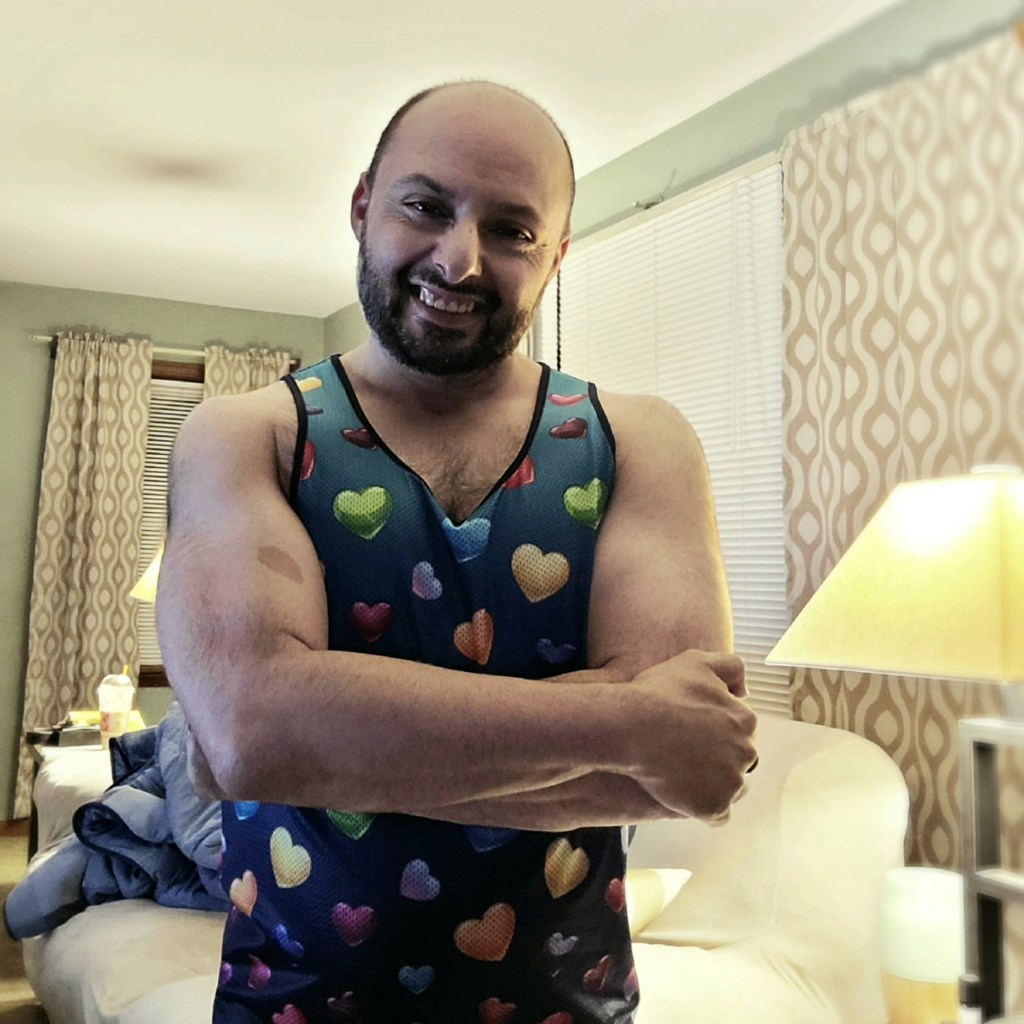
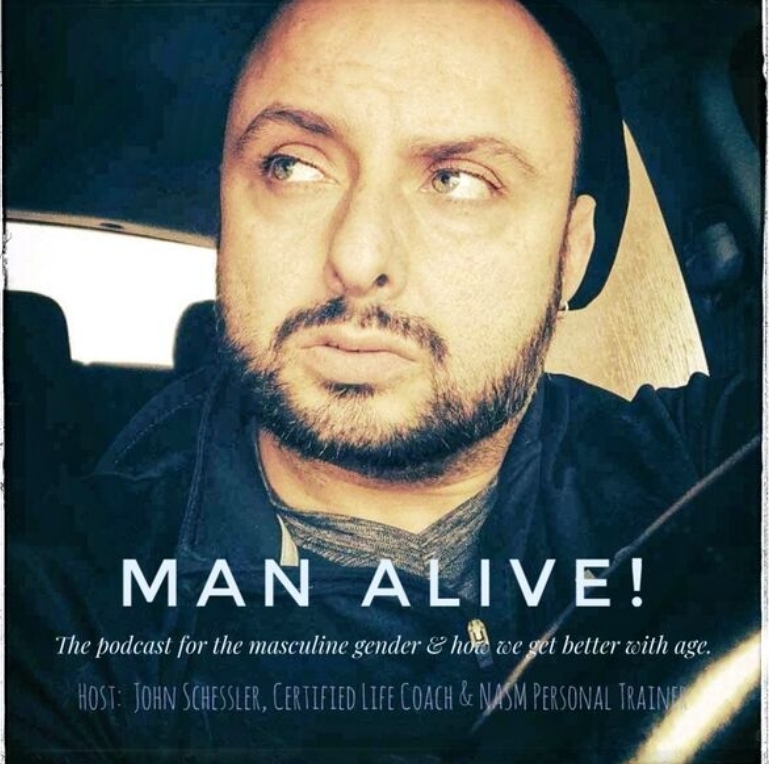
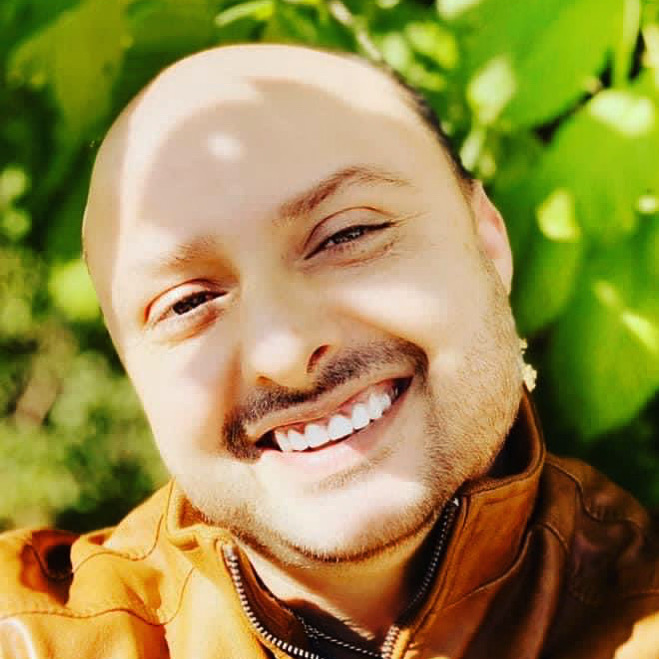
    John J. Schessler is a Pittsburgh-based Personal Trainer, Wellness Coach Men’s Life Coach and host of the podcast, ‘ManAlive!’, available on Apple Podcasts. He also has certifications in Sports Injury and Rehabilitative Therapy. If you would like to contact me for online training inquiries or podcast information/guesting, please email: j.schessler@pghwellnesscoach.com. Thank you and stay fantastic!
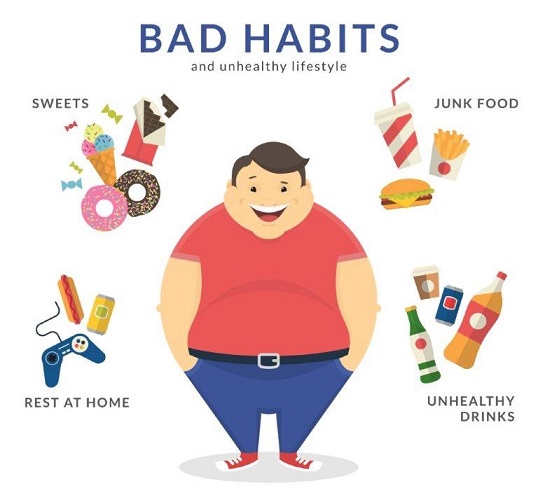
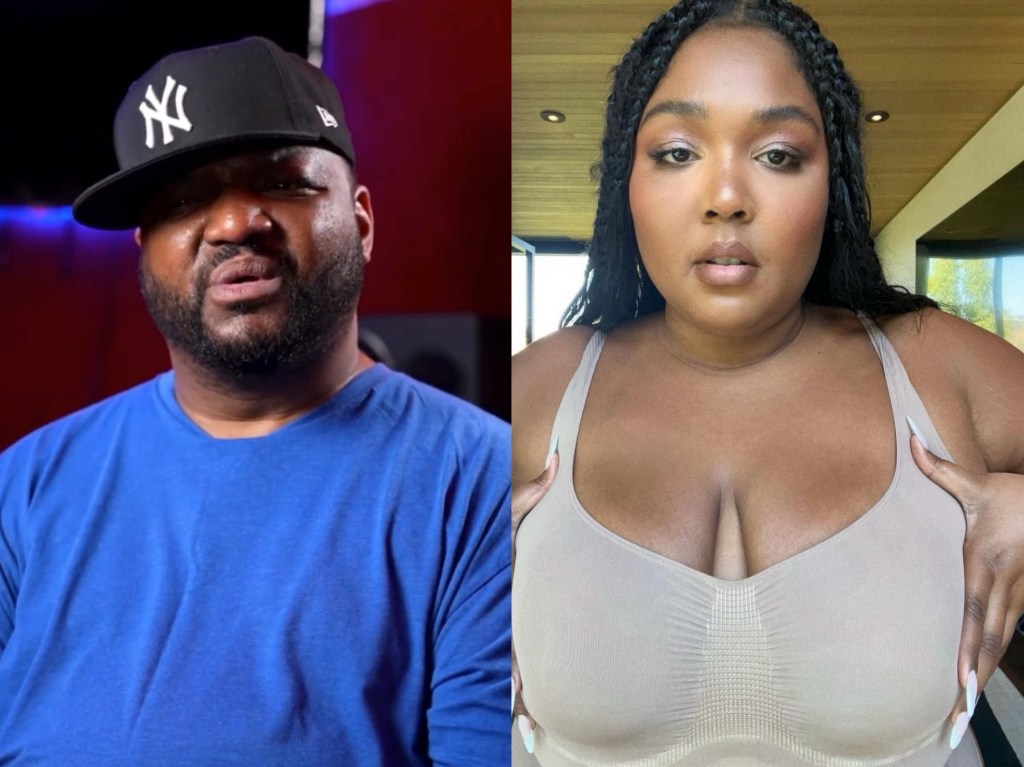
  • Fat-shaming and body shaming are relatively new terms to edge their way into the vernacular of American language but here we are. These types of discrimination have been going on since the beginning of civilized time, we just didn’t have names and phrases to convey what it was. Fat/Body-shaming is the direct or indirect way someone uses words or phrases to publicly embarrass an individual based on what they look like and it can get ugly. Look, this isn’t a new problem. What’s new about it is that social media and a vast majority of society have taken a part in it to make it more publicly known that it isn’t acceptable or should not be put up with in any way. ‘Should’ is the operative word here because people are going to be people unfortunately and they don’t always react the way that they should in these types of situations. The body-shaming issue was recently brought back into the limelight again when comedian Aries Spears (MadTV) made a comment about Lizzo’s appearance on one of his comedy specials. Comments like ‘she looks like a marshmallow with a head’ and things of that nature was said. America really doesn’t see much of Spears anymore since his departure from MadTV, the sketch comedy show that aired on the FOX Network in the late 90s and early 2000s. These comments he made about Lizzo cemented one thing, he should stick to comedy, which in my opinion, isn’t that funny in the first place.

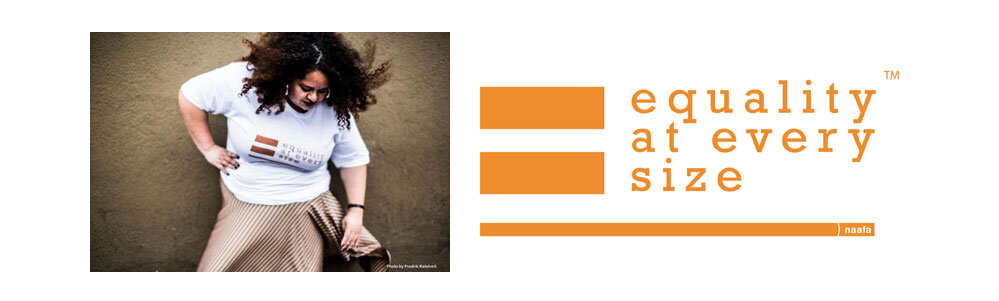
    The body positivity movement isn’t something that is new, in fact, it’s been around since the late 60’s. In 1969, New York engineer Bill Fabray wasn’t very pleased about the way the world was treating his overweight wife. After reading an article about the unfair ways overweight individuals were being treated at that time in the US, he along with a group of people created the National Association to Aid Fat Americans (NAAFA) or as it’s now called, the National Association to Advance Fat Acceptance or NAAFA. Their mission:

    The mission of the National Association to Advance Fat Acceptance is to change perceptions of fat and end size discrimination through advocacy, education, and support.

    NAAFA Website

    The NAAFA mobilizes the term “fat” in its fight against weight discrimination and fat-phobia in all aspects of life, including in employment, health care and education.

    There’s a lot of debate on this issue and some people are for it and some people are not. Those that aren’t for fat acceptance and body acceptance movements are claiming the health risks involved with weighing a certain number and the medical problems associated with it. Bill Maher made a statement on his late-night talk show that we’ve gotten to this place where being healthy is taboo, being overweight is glorified and people are getting mixed signals concerning the two.

    Look, there should be absolutely no blurred lines here, it is very true that being obese can severely lower your lifespan, give you certain medical illnesses, etc. However, people’s body-types are as individual as your thumbprint and as much as you try to change that body-type, sometimes you can’t. Some people’s body composition won’t allow for a huge amount of weight loss due to heredity and genetics sadly enough. I hate to say it like this but sometimes, your body just is what it is and you have to work with whatever you’ve got.

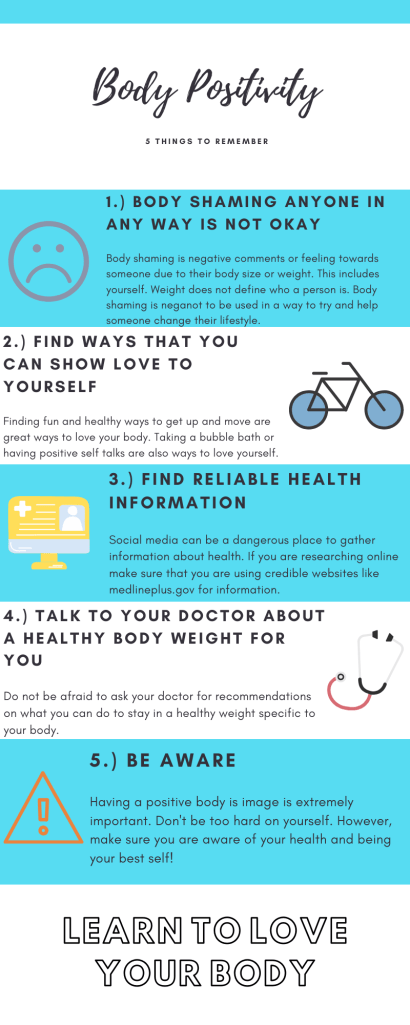
    I’m happy to see people putting a positive spin on being in a somewhat larger body than the norm and having to deal with the constant pressures of ‘fitting in’ to a society that tells these individuals that what they look like is everything. We all know it’s not and it’s sickening that we’ve gotten to the point where you have people committing physical acts of violence just because someone’s overweight. People have gotten beaten up, aggressively hurt and sometimes killed just because they’re fat. It’s sickening and we really need to take a proverbial look in the mirror and ask ourselves, “Am I this vain and shallow?” For the majority of us the answer would be no, at least I would hope so. We’ve all gotten bitten by this epidemic of society’s standards when it comes to beauty and looking good. People, like Lizzo, are trying to change the rhetoric surrounding this issue and those similar to it. As I said, aside from the health concerns, this is a very positive thing that like-minded individuals are trying to promote.It is important to note here that social media is not responsible for the obesity problem in America. However, the advertisements that promote fast food and other products and services that create things to foster becoming ‘fat’ do, in fact, help it along.

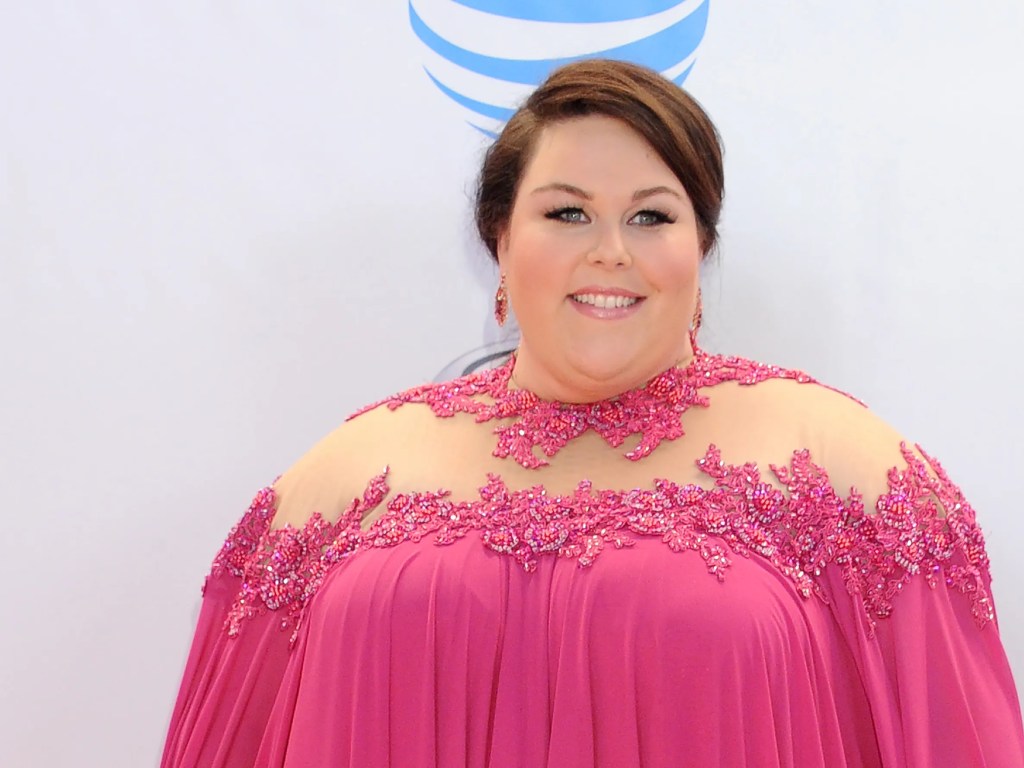
    As a trainer and as a human being, I personally am torn on the issue. On the professional side, I obviously have an individual’s health to think about. Being a body positive person, I do abide by the adage, ‘Love the skin you’re in”, however, there’s a line that comes with that. When loving the skin you’re in hinders your health and well-being, you really need to take a step back and analyze that what you’re doing is healthy for yourself or not. People hire me to become the best version of themselves, not to remain the same or keep their body type similar to what they have currently. If Lizzo, Chrissy Metz and other body positive influencers want to make a statement that’s great however, they may not be putting their health first.

    Keep in mind that I don’t know their health and medical histories. If they are battling diseases such as Diabetes type II, Cushing’s Syndrome, etc., then that throws a wrench into the mix. These diseases screw with hormones causing the individual to gain and keep weight on. I’m getting off track here though. The initial question here is are body-positive influencers making things better or worse for people to lose weight?

    I think it really depends on the person to be perfectly honest. Motivation is one of the key elements in realizing that you meed to have a lifestyle change if you want to be on this planet for a long time. Also, we shouldn’t be afraid of saying the word ‘fat’. I used to dance around the word when talking to overweight clients about dieting, etc. but fat is their reality. If I’m to help a person actualize the weight (no pun intended) of their issue with food, I truly need to be as blunt as possible with some people. Dancing around the obvious isn’t helping them nor is it helping myself with structuring a treatment plan for them as well. Also, there’s a horrible double-standard from a section of the population that fitness trainers, bodybuilders and the like don’t have any body issues. That couldn’t be further from the truth. WE are some of the worst people for having issues with appearance, body acceptance, etc., why do you think we all workout so hard?? I can only speak for myself in saying that I’ve learned to accept and appreciate my 5’3″, 160 pound frame. I walk with a small limp and have daily muscle spasms in my legs BUT on the whole I like who I am. When I look in the mirror though, I knit-pick my body to death. We all do, it’s human nature to be unhappy with the current ways we look and are always wanting more.

    The body positivity movement is great, it promotes acceptance, a safe community of peers and a place to share experiences with each other. When that hinders your health though, that’s the issue. However you are packaged in your body, learn to accept it as is but know that there’s nothing wrong with wanting to improve yourself. We all should want to improve ourselves because if we didn’t, life would be pretty boring.

    #bodyshaming #bodypositive #fitness #motivation #health #exercise #personaltraining #bodybuilding #negativebodyimage #lifecoach #actor #influencer #selfie #thecameraneverlies #envy #jealousy #pittsburgh #healthychoices #debate #healthissues #diabetes #cushingsdisease #human #medical #podcaster #podcast #podcasterofinstagram

    John J. Schessler is a Pittsburgh-based Personal Trainer and Men’s Life Coach. He also has certifications as a Sports Injury/Orthopedics Specialist, Zumba-I Instructor and a Social Work Specialist. He is the host and creator of the podcast, “ManAlive!”, available on Apple podcasts. For fitness training or media inquiries, please email: pghwellnesspt@gmail.com.

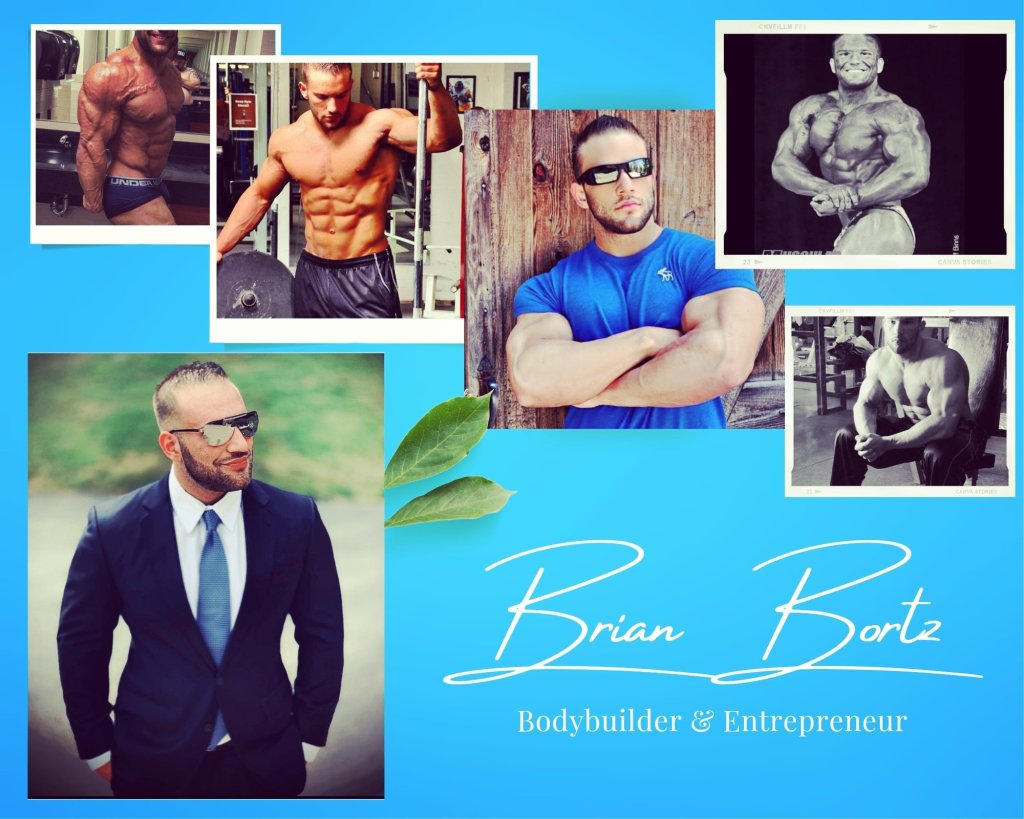
  • I sit down with my good buddy Brian Bortz, Bodybuilder, Entrepreneur and Fitness Coach to discuss how bodybuilding career, his role as a fitness coach and why he advocates fully for Magnum Ice Cream bars! Join the conversation tonight at 8:30pm on Zoom!

    Zoom ID: 816 6367 4031 Password: tdR6ug

    John Schessler is a Pittsburgh-based Wellness Coach, Personal Trainer and Men’s Life Coach. He is also certified as a Sports Injury Specialist and Orthopedic Exercise Specialist. For all inquiries please email: j.schessler@pghwellnesscoach.com.

  • “Did you hurt yourself?”, “Why are you limping?” These are questions that I hear if not everyday, every other day. For 30 years. 30!! It gets annoying sometimes but at least I know or hope that people are concerned for my well-being and not just being nosey. If you’ve read previous posts of mine, you already know that I had Gullain-Barre Syndrome (GBS) as a kid and how it turned my world upside-down into a chaotic mess. GBS is kind of like living with cancer in regards to the fact that you can have it but you’re never really cured. More or less it rests in a remission-like state, either forever or until it decides to make itself reactivate inside your body again. Needless to say, once you get it, you always have it. Even if it doesn’t make a full-on return, you still get these super-annoying reminders of its presence. In the past decade, I’ve been able to use this piece of my life when I need to perspective-check a client or talk them down from an emotional ledge.

    Any disease literally is a clusterf*** of a lot of things that are all forced on you by way of things outside your control…for the most part anyways. When I was going through my bouts with GBS, I had very little time to process what was going on and to focus on the depth of what was really taking place. Everyone experiences these things very differently though, no case is the same.

    Post-recovery brings on its own set of challenges too. When you return home and start living a ‘normal’ life again, you quickly find out that it is anything but. When I meet with a client for the first time, during my intake I try to find out as much as I can about the person. The health of the client is obviously number one when considering the right exercises and program design for them. When someone has a lot of medical baggage, they’re either very up front or extremely shy about divulging the information. I never press any client to tell me anything that they don’t want to discuss but sometimes, you just know. The people who are upfront concerning their medical issues, I appreciate their hutzpah. Those who aren’t as forthright sometimes can create programming issues for trainers due to now really knowing what affects them negatively or creates contraindications during training. A lot of this sounds petty on my part to some people but I take my job VERY seriously.

    Throughout the relationships I have with my clients, I try to encourage them on good days and motivate or inspire if they’re having a sour day. If they are having a bad day, odds are pretty good that I will hear about a portion of how the day has been (again with my psychologist analogy). Let me add here that I don’t mind at all if someone vents to me because for the client, it’s cleansing and much needed. My medical story has caused many of clients, past and present, to get much of a needed perspective-check and a show of inspiration. This is not me sounding egotistical either, that compliment comes straight from my clients mouths. It works most times because how many times in life do you meet someone who was A.) in a coma, B.) had to re-learn how to do literally EVERYTHING all over again and C.) Thrived for the next 30 years when doctors weren’t sure about me even walking again? Not very many I’d think. This story has the ability to create a bridge between trainer and apprehensive client. I like to think of it as my superpower of sort and something I carry with me everyday.

    I realize a lot of trainers do not have a story like this to breakdown barriers with clients but I do think it’s super important for trainers and health coaches to find something they can utilize to help them in creating a solid rapport and mutual trust in each other. Give it a try and see what surfaces. If it works, you scored a big win. If it doesn’t, it’s totally cool man. Not everyone responds in the same way to praise, motivation, etc. You just may need to re-route your plan a little. At the end of the day, we all just want our voices to be heard, so just practice empathy and compassion and you’ll catch those good vibes from your clients as well as yourself.

    YOU DIG?

    #youdig #teacher #fitnesstrainer #personaltrainer #hutzpah #wellnesscoach #writer #author #actor #podcaster #sportsinjury #management #gymlife #fitspo #bodybuilding #influencer #coach #menslifecoach #journey #lifepath #compassion #empathy #healthy #menshealth #womenshealth #disease #gullainbarresyndrome #survivor #survivalguide

    John J. Schessler is a Pittsburgh-Based Health & Wellness Coach, NASM Personal Trainer, Men’s Life Coach and host of the podcast, “ManAlive!”, available for download on Apple Podcasts. He is also a Sports Injury Specialist, Orthopedic Exercise Specialist, writer and Instagram Fitness Influencer (@flipyourscriptpt). For personal training or other inquiries, please email: j.schessler@pghwellnesscoach.com or call 412-295-4406.

  • No, I’m not talking about which leggings are hot and which ones are not. What I’m talking about specifically is the lifting choices people make when working out. In my years as a trainer, I often have found myself walking the gym floor, looking at patrons working out and wondering to myself, “Why are they choosing that way of lifting and not another way? What benefit are they getting specifically from lifting one way instead of another?” Weightlifting is a very personal thing when it comes to style choices and how people choose to lift weights. There are so many resources at everyone’s fingertips so finding ideas for your most effective workouts are relatively easy, all you really need is access to the internet. With that in mind, what weightlifting style is right for you?

    With choosing a weightlifting style, you first have to look at what kind of physique you want to have. Are you a dancer? You want to look into things like Barre, Pilates and Yoga type workouts as well as stretching to assist with dancer-like movements during performances and practices. Are you an athlete? For which sport? If you have an athletic background, odds are that you already have enough knowledge about your individual sport that you know which type of training works for you and what doesn’t. For type.the run of the mill gym-goer who just wants to ‘be healthy’, knowing which type of training can be difficult, which is why it’s important to have in your mind a body type you wish to aspire to. Once you have that figured out, it’s important to research different types of workouts that are consistent with that particular body type. Body types are usually divided into three groupings: Endomorph, Mesomorph and Ectomorph.

    • Ectomorphs are long and lean, with little body fat, and little muscle. They have a hard time gaining weight. Fashion models and basketball players fit this category. While most of us love to hate these genetically-blessed individuals, some male ectomorphs may not be thrilled with their narrow-chested frames, and some female ectomorphs long for more womanly curves. Exs. – Brad Pitt, Ryan Gosling
    • Endomorphs, on the other hand, have lots of body fat, lots of muscle, and gain weight easily. “Football lineman tend to be endomorphs — they’re heavier and rounder individuals.” “And they don’t have to necessarily be overweight. Ex.Chris Pratt
    • Mesomorphs are athletic, solid, and strong. “They’re not overweight and not underweight. They can eat what they want without worrying too much about it.” They both gain and lose weight without too much effort. Exs.Ryan Reynolds, Mark Wahlberg

    Our body types are in a big way determined by our genetics and heredity, however, living a certain way and the foods that we eat do play a role as well. Since genetics are a major part of the puzzle when it comes to determining what your body can and can’t handle, you need to take that fact into consideration when practicing for a sport or training for size, speed and/or strength. NOTE: I am not saying don’t try, just be cognizant that the human body can only go so far in ways of physicality so don’t be shocked when you hit a plateau that seems impossible to get over. If you’re super determined, good for you! Fitness in itself is a personal journey and some people’s journeys just happen to be longer than others. If you get frustrated, instead of quitting, re-assess why you’re hitting roadblocks and then figure out a way to overcome them.

    A lot of people have certain ways of lifting and depending on who you ask, their way is always the BEST way. In this age of having knowledge right at our fingertips, everybody is an expert in ways of lifting techniques, proper forms and dieting do’s and don’ts. What do I think? Well, for one, I think you need to do your own research. Search reputable sites and see where articles are being posted. Fake news is literally everywhere so make sure you do your due diligence and scan multiple sources before you try any diets or try certain lifts that may or may not hurt you in the gym.

    Some exercises that people try in the gym may look cool but you don’t always know the stressors it’s putting on their body OR the lifting experience that that person may have. Needless to say, some exercises and ways of lifting are usually the result of a personal style choice or hey are purposely lifting that way. They might be trying something new or they night be showing off….regardless, don’t try everything you see for yourself because you may run the risk of getting hurt or winding up in the ER. I’ve worked with a lot of clients in the past who have said to me during our sessions about somebody lifting at the same time in the gym as us and how they wanted to try what the other person was doing. At some points, it’s as if I had to talk someone down from the ledge because they were so adamant in trying the lift, even if they were going to hurt themselves.

    This goes without saying but if you’re not sure, do your research, try the lift under guidance from a trainer or a trusted friend first. You never want to perform a lift by yourself that you’ve never done before. People have their own ways of performing certain exercises and lifts in the gym and like i said, 95% of people performing lifts you’ve never seen before are a result of a purposeful style choice made by the lifter. If you’re curious as to why they do it a certain way, ask them. They may be able to give you value input into your own lifting style.

    #liftingstyle #strength #fitness #motivation #themoreyouknow #whydotheydothat #motivation #innovative #personaltrainer #bodybuilding #exercise #programdesign #podcaster #podcastersofinstagram #author #writer #actor #voiceoverartist #menslifecoach #testosterone #theychromosome #onlinetraining #empathy #compassion #lgbtqia

    John J. Schessler is a Pittsburgh-based Wellness Coach (HWC), Personal Trainer (NASM/NPTI-CPT), Orthopedics/Sports Injury Specialist and host of the podcast, “ManAlive!”, available on Apple Podcasts. He is also a Men’s Life Coach and works with clients on how to deal with emotional, physical and behavioral techniques to cope with men’s issues within society. If you have any questions or inquires concerning online or in person personal training, either call 412.925.4066 or email j.schessler@pghwellnesscoach.com.

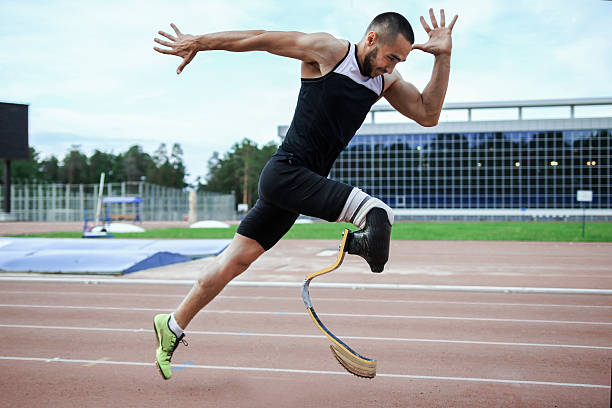
  • Explosive start of man athlete amputee at stadium

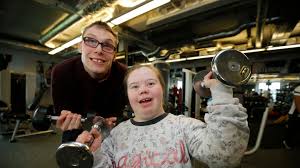
    At one point during my schooling, I had a vision of opening a fitness facility specifically aimed for people with special needs and disabilities. When I actually sat down and did the research, figured out the financial needs of starting such a business…needless to say, I put that on the back burner. Over the years, I’ve trained with and taught my fair share of people with disabilities and those with medical diagnoses. I’ve always thought though, for every person with a disability that I’ve worked with, there’s about thirty or so ‘normal-functioning’ individuals as well. Why is there such a gap here? Shouldn’t it be about even? These are the individuals that should be filling the gym’s and fitness centers, right? Well, if only things were that simple and black and white. Let’s explore the ins and outs of working with this population and the hurdles included with it.

    Let’s split this conversation into two categories: the perspective of the person with the disability and the reality from the professional’s point of view.

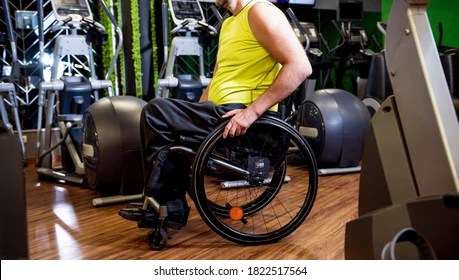
    Despite the fact that the individuals we’re talking about are disabled, there is still a lot of hurdles to potentially go through just to be able to exercise. No matter their limitations, people with special needs greatly benefit from physical training or any form of exercise. Why is this so difficult is because if you’re dealing with someone who has a physical disability, utilizing some equipment may be troublesome and hinder the person’s performance. Also, you run the risk of that person injuring themselves more. It may be more than just a physical issue too. They could also be having behavioral/mental health problems that make it difficult to focus, concentrate or behave in an acceptable manner. Whatever the case is, these issues limit the individual on what they’re able to tolerate and for how long. Another reason is that some parents don’t encourage their child with special needs to exercise. These parents may mean well but end up treating the child as if they’re broken and vulnerable and just want to protect them. Fear of getting hurt is definitely something to be concerned about but exercise, if done right, can be extremely effective and beneficial to the special needs individual to be more productive in their lives.

    From a professional standpoint, if the trainer doesn’t have advanced training in working with physically or developmentally delayed individuals, that will present somewhat of a challenge for the trainer or therapist assigned to the person in question. The better prepared you are at knowing about different scenarios that might play out during sessions and the appropriate steps to take when interacting with the client so that the sessions are productive as well as fun. Trainers as well as therapists need to keep in mind that people with disabilities are just that…people. They just need to be given the opportunity to learn and if that means you have to take a little more time than the average bear, that’s what need done. Remember, it’s not about you, this is all about assisting them in helping them gain confidence in themselves with trying something new.

    What helps us trainers and therapists achieve this is partly in assistive technology that is readily available to fitness facilities and clinics. Visual physical activity schedules help clients anticipate what is coming next so that it’s not a surprise or shock. Again, these implementing schedules like this into the person’s training sessions may make things go more smoothly when transitioning from one activity to another. If you are working with someone who doesn’t like loud noises, noise-cancelling headphones are an option to help minimize loud sounds for those that may be hyper-sensitive to sound such as those affected with Autism or Asperger’s Syndrome. For those with more physical limitations such as cerebral palsy, there are things such as adaptive equipment available. There are things ranging from communicative technology to mobility technology to help the individual get from one place to another or to vocalize their needs and wants through devices like a DynaVox communication system which allows the user to type words or use symbols to convey what they want to say.

    Trainers are extremely good at motivating their clients and people with special needs need that constant reassurance at times that they are doing a good job or words of encouragement. However, on the flip-side is having those tough conversations at times. For things such as acting out during a session or even something as simple as having to redirect a client back to the task at hand. Trainers can also be great weapons of choice in the clients arsenal they may need to call upon when they’re struggling at the gym with workouts or need that extra shot of inspiration. For trainers who may feel they aren’t that qualified to work with people with special needs, there are always training courses and CEU’s that specifically teach trainers how to coach people with special needs and physical disabilities. A quick Google search for programs in your area will give you some options to help you on your search!

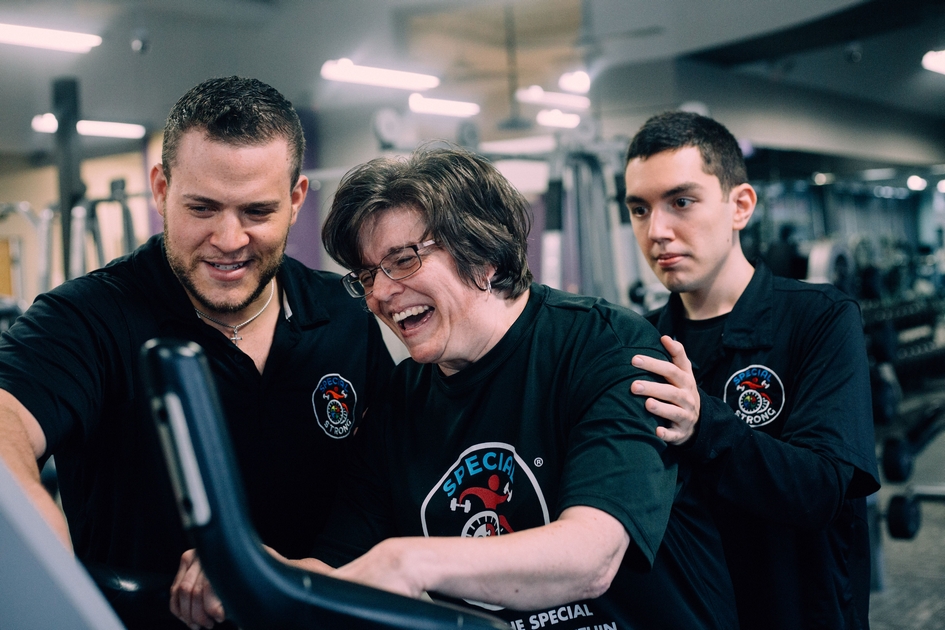
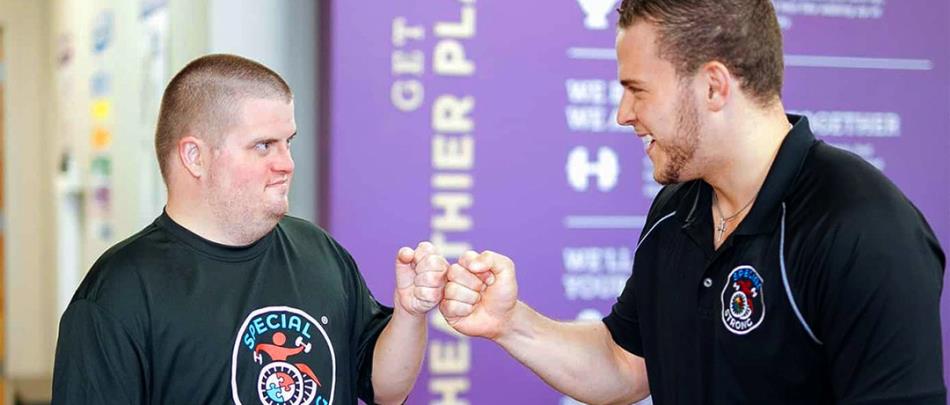
    Lastly, there are specially designed fitness programs and facilities that do cater to physically and mentally disabled patrons. One such facility called Special Strong, located in various locations in Texas, is a fitness center that works with the physically and mentally disabled. Founded by Dan Stein, who at 21 had been diagnosed with a learning disability, mood disorder and an autoimmune disease had successfully used exercise to overcome his illnesses and challenges. In 2016, Dan and his wife, Trinity had started one of the only fitness facilities in the country devoted to working with people who have physical and mental handicaps. They specialize in adaptive and inclusive training methods to help clients gain the most benefits from their trainings sessions that allow them continued use of their bodies and improve upon them daily. If you would like to learn more about Special Strong, log onto www.specialstrong.com.

    Trainers can be the bridge that fills the gap between what’s not possible and what is for people with special needs. Personal trainers just need to approach clients with open arms, practice patience, humility and compassion when interacting with these individuals. Together we can make this invisible population one that creates visibility within itself and show the world they are capable of the challenges they are faced with.

    #specialneeds #physicallydisabled #handicapped #personaltraining #exerciseforall #physicalability #writer #pittsburgh #visibility #awareness #challenges #persevere #compassion #caring #trainersbelike #empathy #encouragement #menswork #menshealth #womenshealth #nurturing #strength #fitfam #fitspo #fyp #foryou #foryoupage

    John J. Schessler, Jr. is a Pittsburgh-based NASM Personal Trainer, Wellness Coach and host of the podcast, “ManAlive!”, available on Apple Podcasts. He is also a certified Sports injury Specialist, Orthopedics Exercise Specialist, Men’s Life Coach and writer. For general inquiries, please email: j.schessler@pghwellnesscoach.com.

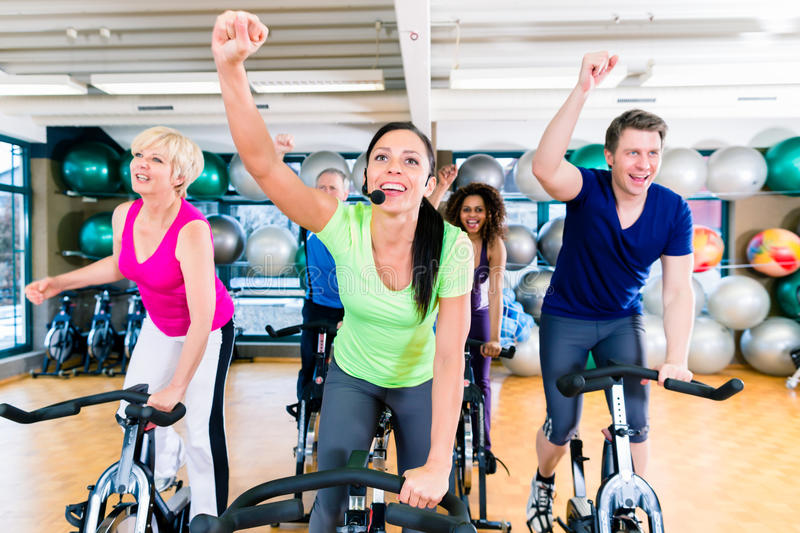
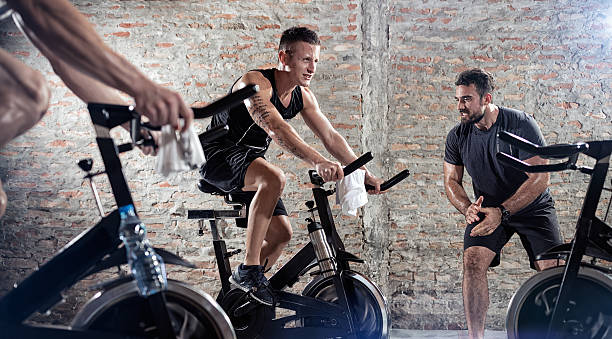
  • Around a decade ago, I became a certified Spinning instructor and I thought (and still do) that this way of exercising was the coolest and edgiest way to be active, not to mention fun! These days, brands like Peleton and others have made this music-filled, rocky terrain workout more interactive and user-friendly for the rider. If you aren’t familiar with spinning in the benefits you get from it, don’t worry! Trainer John has got you covered! Grab a bike and let’s ride!

    Bicycle exercising, young people on exercise bicycle

    Spinning, whether in a studio or at-home on your Peleton, is a completely different experience than riding on a gravel road or trail. What the spinning ‘experience’ includes is a forty-five to an hour long ride, broken down into seven or eight parts. Each section of the ride covers terrain consistent with that of climbing a hill and then coming down the other side. As one would assume, the rider is going to experience an increased heart rate, an overall workout of the quads, glutes, hamstrings and hip flexors. Your core is also one of the major muscle groups engaged as well as your lower back. Aside from the muscles being worked, spinning is overall working your cardiovascular capacity to the limit and sometimes beyond. Spinning also challenges and works on improving your balance as well. During a spin ride, you literally switch positions constantly – sitting, standing, squatting. These positions combined with your pedaling cadence and speed challenges the rider to engage muscles to assist them in keeping their balance while riding.

    A lot of people feel that they need to keep up with the pace and speed of the instructor, which is totally untrue. When I used to teach spin classes, I let my riders know ahead of time to go at their own pace if they were newer to spinning or they had certain health issues. The goal is to get a good workout, not kill yourself. Below are some tips to help make your ride a great one!

    Happy professional bicyclist in cycling sportswear and protective helmet showing thumbs up sitting on bike in front of green trees and smiling to camera. Sportsman satisfied after morning training
    • Make sure your bike is setup properly. If your bike is setup wrong that means your form is wrong. When your form is wrong, it screws up the power and force that is put our on your bike. If you stand next to your spin bike, you want to measure the seat so that it’s the same height as your hip. This allows for a knee bend of 10-20%, which is ideal. If you aren’t sure, ask the instructor! They are there to help their riders get properly fitting on their bikes! If you want to find out beforehand, YouTube offers some terrific tutorial videos as well.
    • Challenge yourself. According to sports performance consultants, you want to make your spin class uncomfortable as far as your effort goes. Most of your best body adaptations come from suffering when it comes to cardiovascular fitness. For example, when the instructor makes a change in resistance, take your threshold number up higher.
    • Take advantage of online communities. If you’re a Peleton or other at-home user, they connect with others online taking the same class. There are tons of different features that allow you to connect with others in the spin community.
    • No need to worry. Drop those workout fears and get into not worrying so much about what people think or how your performance is. The main thing is to listen to your body and if something feels uncomfortable, it usually means something’s up that needs attending to. This is the only thing you really should be worried about. Everything else should be fun and experiencing the moment.
    • Wear the proper gear. Spinning with the wrong gear is uncomfortable and robs you from your overall performance during the ride. Wearing the right gear will ensure you get the most benefit out of your ride. That being said…Guys, this is super important. If you want your spin ride to be a comfortable one wear BIKE SHORTS! Specifically ones that have padding in them. If you’re not wearing shorts with padding, the inside of your thighs are going to feel raw and chafed so any type of shifting or walking your legs do is going to be irritating. TO be on the super safe side, you may want to put vaseline or baby powder on those delicate areas to avoid chafing even more. OF course, this applies to women as well but after my first spin class, this happened to me so I’ve got first hand experience unfortunately. Check your footwear too. Regular sneakers may be fine for ordinary bike rides but spin bikes are specific for spin classes and spinning rides. Special spin shoes are specifically designed for these bikes because they have pieces on the bottom that actually hook on and lock into the pedals of the bike so during your ride, your foot doesn’t slip off the pedals.

    Spinning can be and is a lot of fun and a very effective way to workout if you don’t take things too seriously and just have fun with it. If you have questions, consult the instructor. They usually have heard or have been asked the question before. Once your find a class that is a good fit for you, mount your saddle and get ready to fly!

    #spinningbike #spinclass #fitness #motivation #howto #bikecare #cycling #actor #personaltrainer #wellnesscoach #podcaster #podcast #manalivepodcast #pittsburgh #workout #cardio #fitspo #informational #compressionshorts #fitnessgear #athleticwear #challengeyourself #gothedistance #letsride #mountyoursaddle #letsfly

    John J. Schessler is a Pittsburgh-based Personal Trainer, Wellness Coach and host of the podcast, “ManAlive”, available on Apple Podcasts. He is also a certified Sports Injury Specialist and Orthopedic Exercise Specialist and Men’s Life Coach. If you have any training inquiries or questions, please email John at: j.schessler@pghwellnesscoach.com.

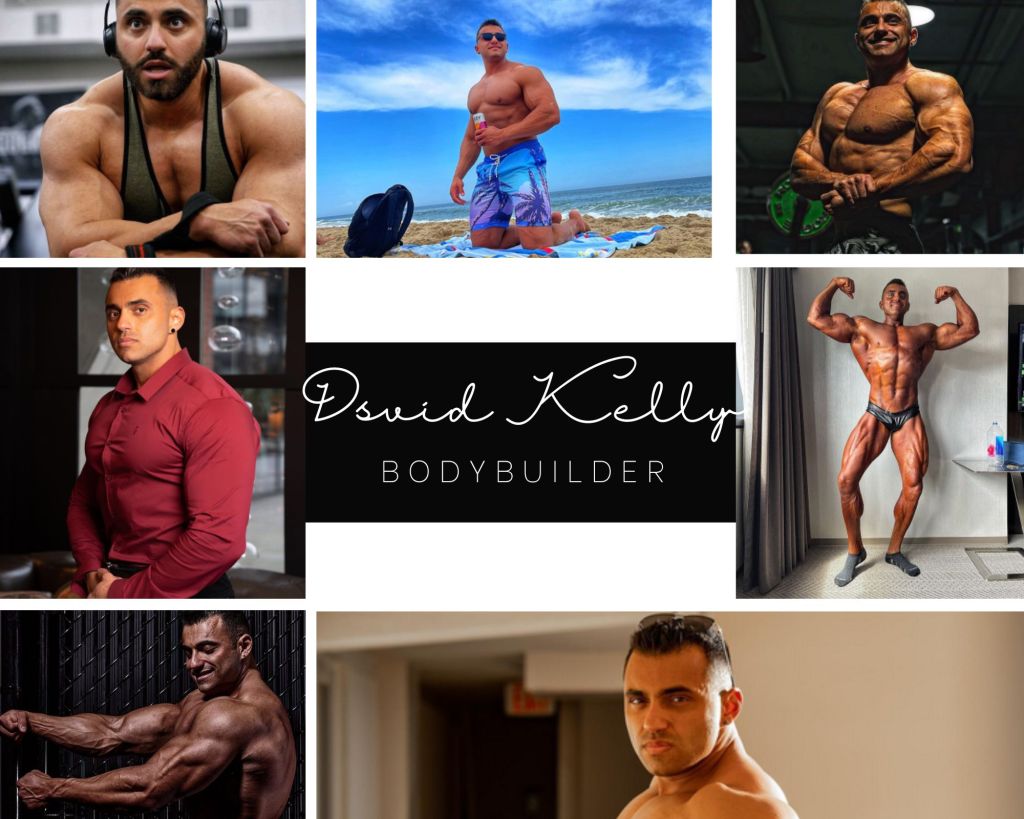
  • Coming up on the next ManAlive! podcast….I sit down with good friend and amateur bodybuilder, entrepreneur David Kelly to talk about his bodybuilding career, what motivates him and how his drive and determination has made him a force to be reckoned with in the bodybuilding world.

    This Friday at 2:30 EST, live on my Instagram Live channel! Join the conversation!
    @thedavidjkelly #fitness #bodybuiding #bodybuildingmotivation #naturalbodybuilding #fitspo #malemodel #dietingtips #entrepreneur #supplements #motivation #drive #passion #perseverance #muscle #strength #weightlifting #fitnessjourney

    John J. Schessler is a Pittsburgh-based Personal Trainer, Wellness Coach, Men’s Life Coach, Writer and Host of the podcast, “ManAlive!” on Apple Podcasts and Spotify. He also has certifications in Sports Injury and Orthopedics. If you have any topics you would like to see covered on this blog or on the podcast, please email John at j.schessler@pghwellnesscoach.com. Thanks so much!

  • Here is my latest video conversation from my Podcast, ManAlive! In this episode I have a conversation with Brandon Swaney, an amateur MMA fighter from Pennsylvania. Brandon and I have a great talk about MMA fighting, his goals, his future with the sport and more importantly, the role of mental health in his approach to his craft.

    #mma #fitness #personaltrainer #mentalhealthawareness #menswork #brandonswaney #johnschesslerjr #menslifecoach #wellnesscoach #suicideawareness #empathy #realtalk #mmafighter #survivor #masculinity

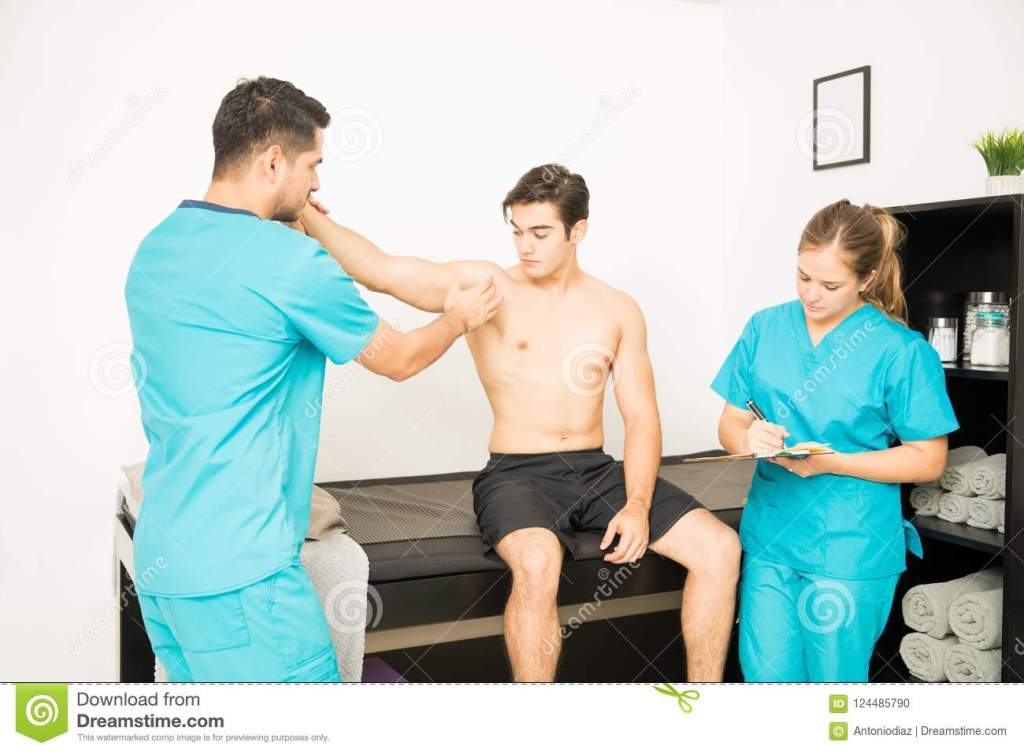
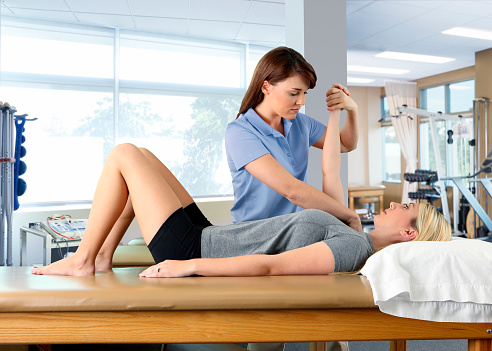
  • The older we become, the older and creakier our joints become. What some people don’t realize is that over usage or underusage of a joint may cause far more pain and immobility than we realize. Whenever I train clients, joint pain is the number one complaint I hear from my older and more athletic members. Seems unfair right? Why is that? Joint pain restricts movement and the older we become, the more our mobility is inhibited by these problems. Let’s talk about one of the more common issues: The Frozen Shoulder.

    Overall, joint problems affect women more than men with a 60% rate and frozen shoulder statistics are no different. Adhesive capsilitis, commonly known as a frozen shoulder, causes long-standing pain and over time, the shoulder becomes extremely difficult to move and becomes ‘frozen’. Frozen shoulder generally prsents itself in three stages:

    • Freezing – Slow progression of stiffness/pain.
    • Frozen – Improvement in pain levels; stiffness persists.
    • Thawing – Movement gradually returns to normal state of functioning.

    According to the American Academy of Orthopedic Surgery, frozen shoulder occurs in only 2% of the general population. Age and gender are both risk factors, affecting women more than men and older people more than younger. Other people who may be at risk include those with:

    • Diabetes
    • Hypo/Hyperthyroidism
    • Parkinson’s Disease
    • Heart Disease/Cardiac Conditions

    If a frozen shoulder goes without treatment, further complications can include:

    • Pain in the shoulders
    • Loss of mobility
    • Decreased Range of Motion
    • Muscle problems that persist over time
    • Complete immobilization of the shoulder

    Pain management and physical therapy needs to begin as soon as possible to ensure proper healing time and so that the joints do not freeze up to the point where pain is excruciating. During the freezing phase is when that pain is the more severe and the patient benefits the most from pain-relieving techniques. These exercises include gentle shoulder mobilization within the tolerated ROM.

    Depending on how severe someone’s shoulder is, there’s many surgical/non-surgical treatment options available. Possible options may be:

    • Bracing
    • Medication
    • Injections
    • Physical Therapy
    • Surgery

    Being that every case is different, your therapist/doctor will be able to discuss what are the best form of treatment for you.

    In PT school, I was nicknamed ‘Dr. Stretch’ and this article is just one of the reasons why. Staying active regularly, eating well and stretching as part of your daily routine will help your body remain loose, limber and liquidated so frozen joints don’t happen. If you experience pain in your shoulder or anywhere else for that matter, get it checked out! You might be saving yourself a whole lot of pain in the long run.

    #frozenshoulder #fitness #physicaltherapy #article #writer #podcaster #podcast #actor #personaltrainer #wellnesscoach #manalivepodcast #orthotics #sportsinjury #menslifecoach #exercisescience #kinesiology #frozenshoulderfriends #treatmentoptions #shoulderanatomy #healthy #menshealth #womenshealth #therapist #stretching #pain #acuteinjury

    John J. Schessler, Jr. is a Pittsburgh-based Personal Trainer, Wellness Coach, Writer, Actor and host of the podcast, “ManAlive!”, available on Apple Podcasts and Spotify. He has worked in the fitness industry for over ten years and is certified as a Sports Injury Specialist and Orthopedics Exercise Specialist. If you have Personal Training inquires, please email: j.schessler@pghwellnesscoach.com.