Athlete Mindset HQ Institute

A Blog for health, wellness and mindfulness information…

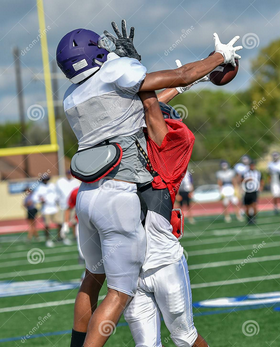
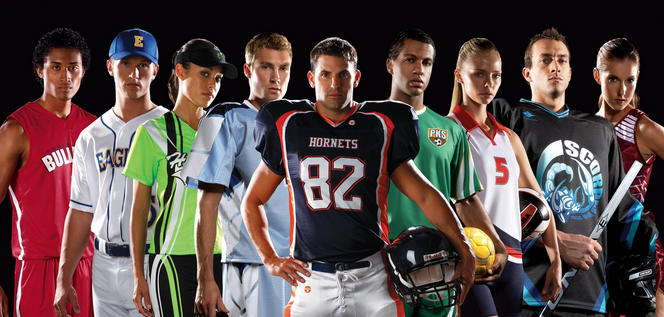
  • For many people, staying active is as natural as breathing, myself included. The psychology of athletics and mental health are often associated with each other quite often but do we actually know what’s happening inside our brains and bodies when we exercise, watch or play sports.
    Psychology says that the reason most of us wrap ourselves up inside of work, doing activities or just plainly staying busy is that we’re protecting ourselves. Busy-ness is a tool that we use to protect our brains and bodies from becoming stagnant and stale. Also, if you suffer from OCD, ADHD or similar disorders, staying busy is actually a way to keep your emotions in check. Your brain is so occupied with busy work that it doesn’t have time to process the emotions that you may be experiencing at the moment. So what’s the connection between sports and positive mental health?

    Consider this: you play in a baseball summer league and really enjoy it. Even if you don’t want to do it before you start playing, by the end of the game you’re so happy because you won and feel accomplished. Negative emotions play a role in physical health, tensing our muscles up, causing chest pain, migraines, headaches, etc. If you go into an event or sport with a negative outlook, odds are you’re going to experience feelings such as those. During the game however, the fact that your active releases a rush of hormones from the brain that cause you feel good, endorphins. Have you ever seen long distance runners after running a 10K? Sure, they may be tired, but they still have smiles on their faces and some of them may even want to run the race again. This is what endorphins do, they relieve pain and stress being put on our bodies. On top of the endorphins flowing through you, there is also serotonin as well. Increased serotonin positively affects a person’s mood and regulates your emotions, taking them from negative ones and turning them into more positive affects (emotions). Low levels of serotonin can contribute to depression, bipolar and anxiety-related disorders due to the low levels of serotonin in the body and how it reacts with other chemicals in our makeup. Serotonin is a natural mood stabilizer in the body so it main jobs are to help regulate sleep patterns, reduce anxiety, stimulate bone health and heal wounds. Aside from serotonin, there is also dopamine or the ‘happy’ hormone. It is directly responsible for us experiencing our happiness state of mind.  It not only controls mental and emotional responses but also motor reactions. The dopamine system plays a central role in several significant medical conditions, including Parkinson’s disease, attention deficit hyperactivity disorder, Tourette syndrome, schizophrenia, bipolar disorder, and addiction. Aside from dopamine itself, there are many other important drugs that act on dopamine systems in various parts of the brain or body.  Dopamine is considered an essential element in the brain reward system. So, to put that in real world scenarios, if you are watching a baseball game and your team scores three runs in, that happiness you feel is a result of increased dopamine levels in your body being produced by your brain.
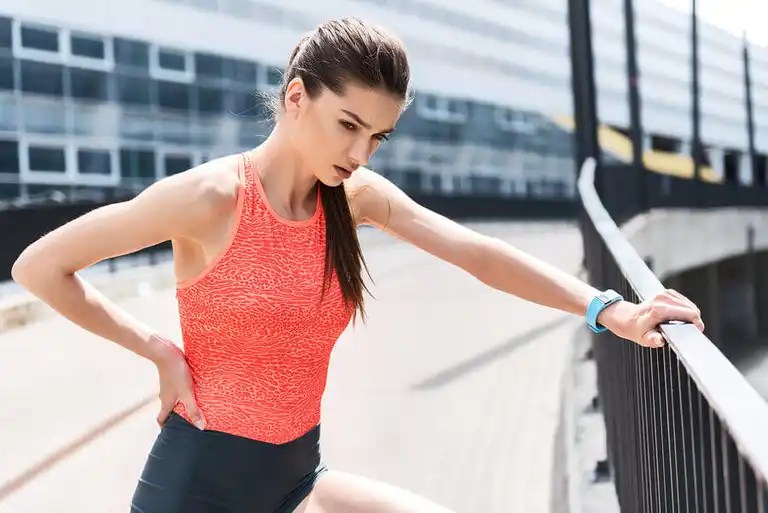
    Concerning mental health and sports psychology, there’s a lot of bocce balls in the air at once and sometimes it’s extremely difficult to sort through. Studies have shown that 20 to 30 minutes of exercise each day can make people feel calmer. This calmness continues several hours after exercise.

    Taking part in sports in a group has a greater impact on mental health than individual sports. Researchers in Australia found that women who played tennis and netball in clubs had better mental health than those who exercised alone, like walking or working out at the gym. There were no differences in physical health between the two groups. A study of teenage athletes found that those who played individual sports more likely reported experiencing anxiety and depression. This may be because those in team sports often play for fun. Individual sports don’t require another person to compete together and may make the athlete experience more stress than enjoyment. 

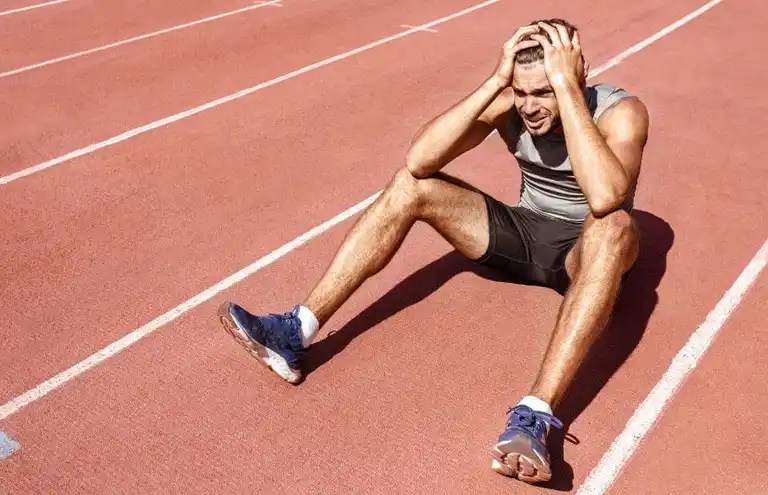
    With the good, comes the bad news though. Sports participation can cause a person a lot of stress and tension due to the rigorous training involved, game schedule or time being devoted to the overall sport. These kinds of interferences can cause mood swings, depression and anxiety, just to name a few and a lot of times isn’t regulated with medication unless the person is seen by a physician or specialist. There is also pressure for you to perform at your best so when you aren’t feeling so great and things go sour, coaches may react negatively to your performance causing even further issues with your mental health.
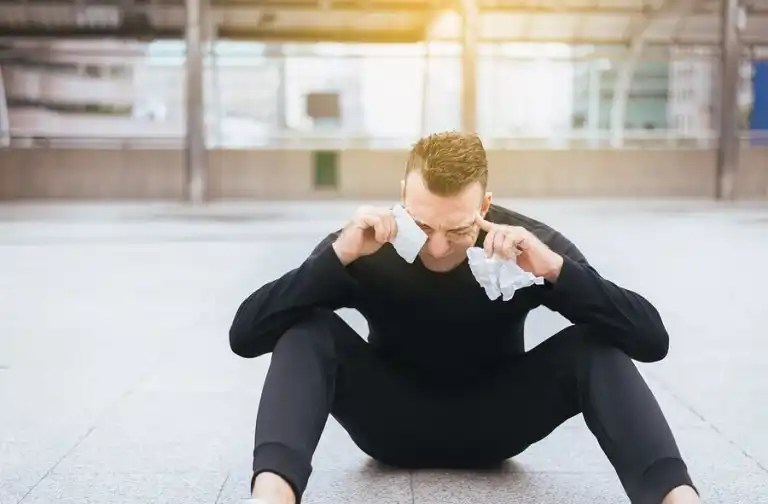
    A lot of athletes’ experience burnout during their careers due to the increasing demands placed on them by their coaches, fans and management companies. Sometimes an athlete can isolate themselves from public view or experience depression as a result from the burnout. In conclusion, it’s important to note the key role that sports play as a tool to fight the organic and psychological risks of depression. However, it’s also important to keep in mind that educational and formative activities are also important when it comes to athletes. Sports participation can be a great thing when the individual takes the correct steps to incorporate forms of self-care, medication schedules, etc. but the performance of the athlete is only as good as they recognize their issues to be. If you feel something may be off, as usual, consult a physician.

    #depression #sports #psychology #fitness #athletics #menslifecoach #wellnesscoach #actor #writer #author #personaltrainer #menswork #menshealth #womenshealth #dopamine #serotonin #endorphins #clarity #mentalbaggage #baseball #soccer #wrestling #lacrosse #football #wellness #health #biology #hormones #emotions
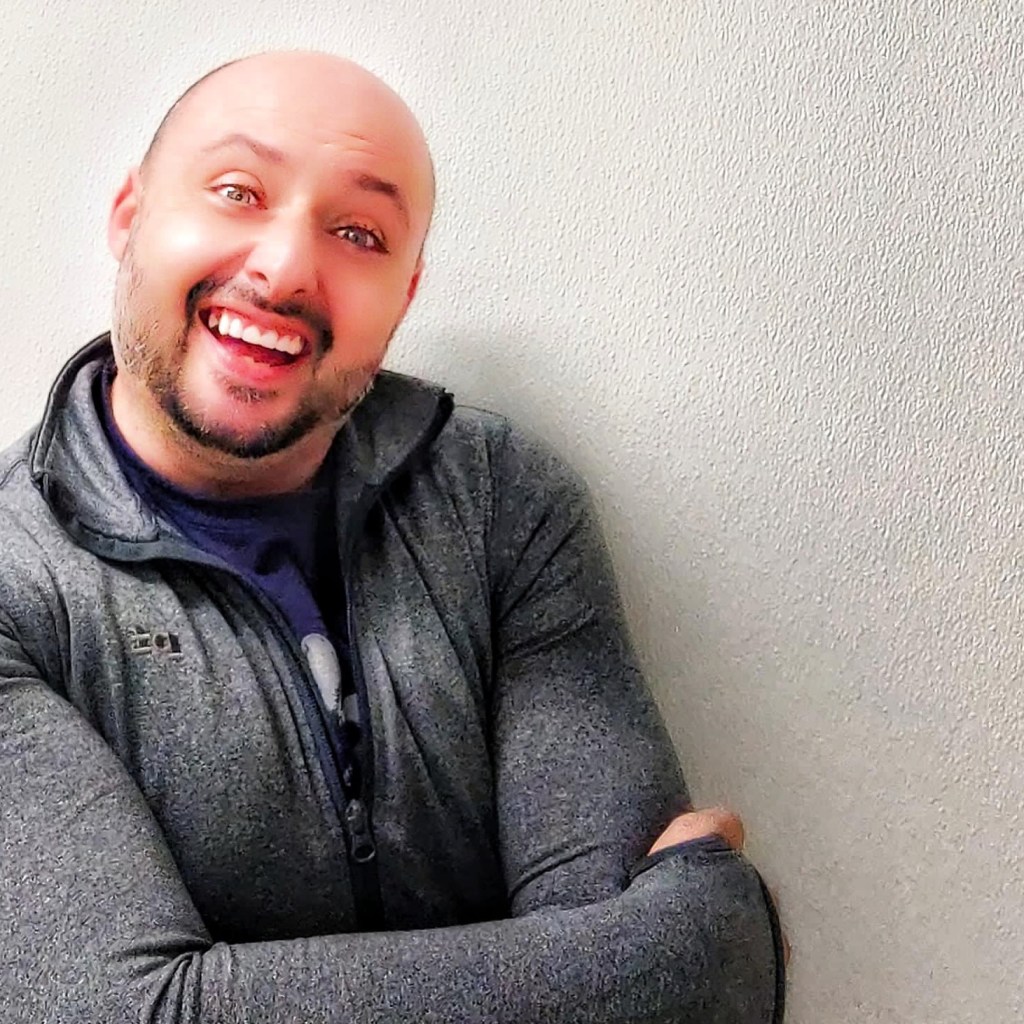
    John J. Schessler is a Pittsburgh-based Personal Trainer, Wellness Coach, Actor & Writer. He is also the host of the podcast, “ManAlive!”, available on Apple Podcasts and Spotify. If you have ideas for future articles or for future podcast episodes or interested in online training, please email: j.schessler@pghwellnesscoach.com.
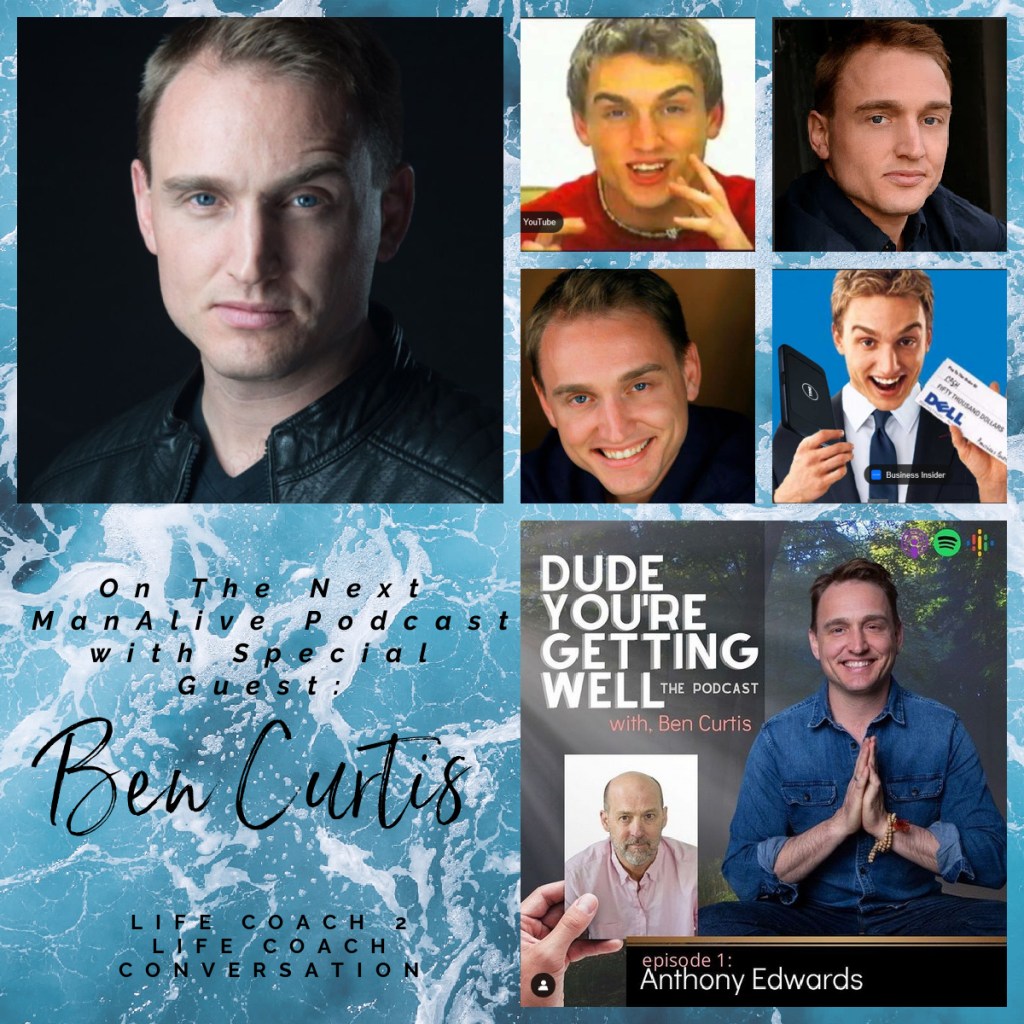
  • Below is my conversation with Life Coach, Actor and Musician Ben Curtis, host of the podcast, ‘Dude, you’re getting well’.  Many of you may remember him from the Dell commercials of the late 1990s as the Dell guy!

    #actor #thedellguy #dudeyouregettingwell #podcastersofinstagram #fitness #personaltrainer #wellnesscoach #thelionsden #menslifecoach #male #compassion #inclusion #empathy #equality #addiction #suicideawareness #mentalhealth #health #meditation

  • Traumatic Brain Injuries (TBI) are injuries that are characterized when there is a blow to the head. Whether it’s by a gunshot wound that penetrates through the skull or something non-invasive such as hitting your head in a car accident or off another players head during a football game, TBI’s can range in severity as well as recovery time. Where athletes are concerned, there is a lot of new information that’s being uncovered about preventative measures, testing and treatment options to help speed up recovery times, decrease the amount of brain inactivity and helping the patient return to a functioning life. Let’s take a short look into how TBI’s have affected certain athletes and how their prognosis affected their careers.

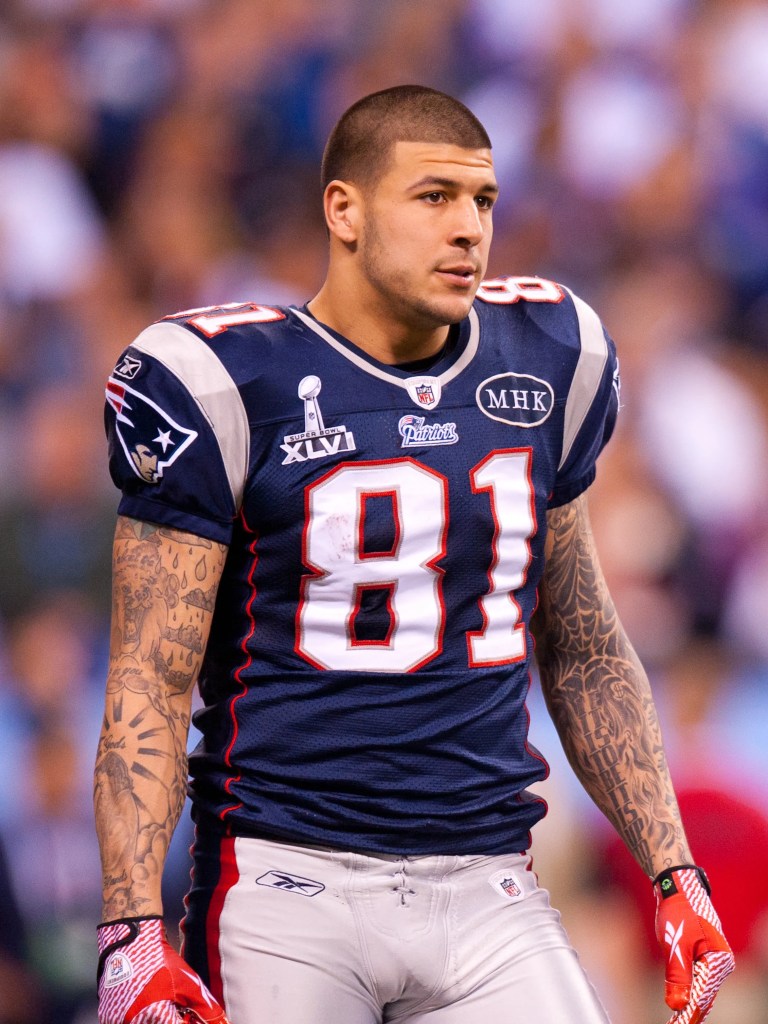
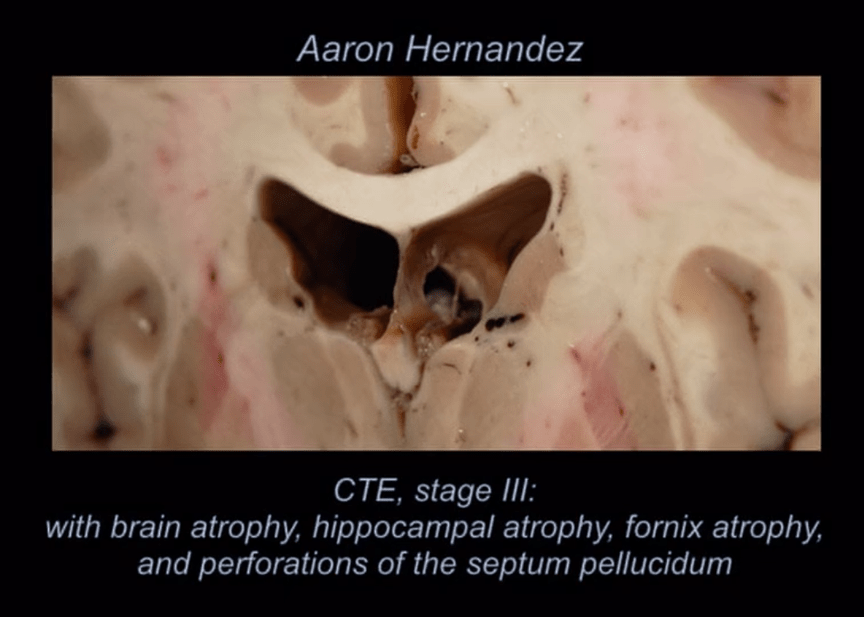
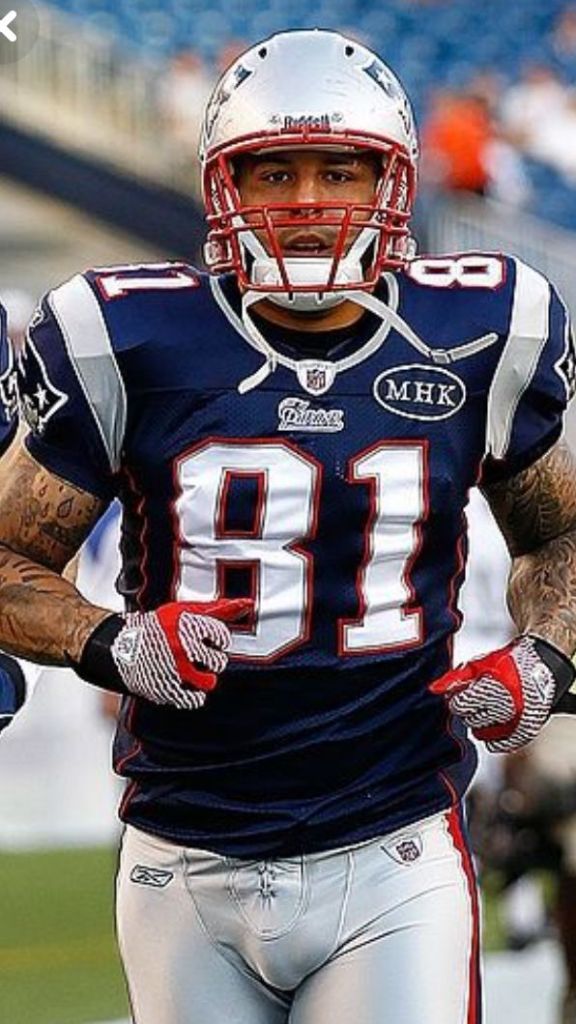
    When a TBI occurs, it’s usually classified as mild, moderate or severe. The classification is contingent on the amount of time the individual is rendered unconscious against how long they suffer cognitive symptoms. Probably one of the more recent instances of an athlete with a TBI is former New England Patriots TE, Aaron Hernandez. Most of us, if not all of us knows the story and tragic ending of Aaron Hernandez, famed tight end for the Patriots to convicted murderer to suicide statistic. Before doctors performed his autopsy, there was some speculation as to whether Hernandez had a varying degree of a TBI or something along those lines due to his mood swings and questionable behavior. When the autopsy was preformed, what physicians found was way worse than just a TBI. What they discovered was something called Chronic Traumatic Encephalopathy or CTE and after his autopsy, Hernandez was said to have Stage 3 CTE. What CTE is is brain degeneration due to repeated head traumas causing concussions, depression, short-term memory loss and impulsive behavior. It’s important to not that CTE cannot be seen in a living body and only when the body is in a post-mortem state can the forensic pathologist or attending physician see the damage of the brain fully. CTE isn’t the same as a concussion because concussions are reversible and CTE is degenerative. Like Alzheimer’s disease, CTE decreases brain functioning over a period of time, the main difference between the two is that CTE/TBI patients have taken one or many blows to their head which creates distortion between the brain signals and how the body reacts. Like most disease or disorders, CTE has a wide range of symptoms, such as suicidal thoughts, depression, mood changes, anxiety, paranoia and addictive behaviors. Due to the fact that CTE can’t be diagnosed until after death, making the connections between what symptoms can be seen in a patient while alive is difficult given that scientists and doctors can’t see the causes under their microscopes just yet in a living person.

    Obviously CTE isn’t just linked to football players but in recent history, that is where is has been mostly seen. Former players such as Junior Seau, Mike Webster, Chris Henry and Frank Gifford just to name a few all had varying degrees of CTE that probably affected their ability to make sound decisions, go day to day without experiencing depressive moods or even hyperactivity. Weeks following Hernandez’s autopsy, doctors were saying that his 27 year old brain had the makings of an 84 year old who had severe Alzheimer’s disease. This means that throughout his professional career with all of the blows to his head, Aaron Hernandez’s brain had been severely diminished. Reports of his sexuality and denial of his being a gay man started to surface during the court trials when he was convicted of murder and thought to have been a key factor in why he had murdered his victims, although no real clarification was ever made in that regard.

    If a person with a normal functioning brain had been facing those troubles with their sexuality, balancing a football career and family and normal adult issues, they would be able to sort out the severity of their own actions, weight the consequences about murdering a person and seeking therapy. Again, the big problem is that medical science hasn’t quite caught up to diagnosing CTE pre-death but progress is being made on finding certain patterns in patients with TBI’s who are presenting diminishing cognitive skills. After looking at cat scans of these patients, doctors are able to see patterns from one to the other of gray matter in the brain that are not present in other TBI patients who are not as severe. This helps create a baseline of sorts when physicians are determining where the line can be drawn when a person is on the borderline of being diagnosed with a TBI as opposed to CTE and vice versa.

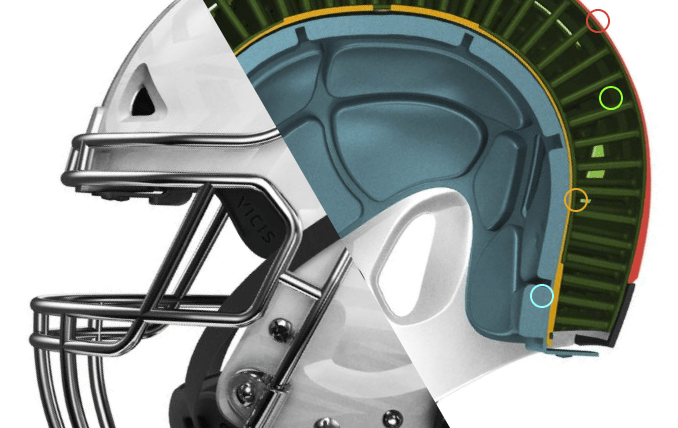
    The National Football League and the medical community in general have said, “Every time you have a tackle or a collision, you’re going to have these rapid forces affecting the brain.…That’s one of the difficulties of keeping football safe.” Wearing helmets while engaged in playing football isn’t enough but it’s the safest way that is known to help cushion the brain in case of a hard tackle which results in a blow to the head. Hernandez’s frontal lobes of his brain were severely diminished. The frontal lobes are responsible for decision-making, reasoning, communication, problem-solving, judgment, impulse control, and social behavior. If you look at the events from the time he was convicted of murder to his suicide, you can definitely point out instances where each of these factors came into play with abnormalities of a 27 year-old adult male.

    So what can we learn from this? A lot actually. The upside to a very dark ending for a very promising young athlete is that Hernandez’s brain can now be used to study CTE and different brain disorders in athletics, therefore helping to create safer rules and regulations concerning stricter guidelines on wearing helmets/pads, etc. Again, football is not the only sport that has this issue, both hockey, wrestling and boxing athletes have experienced the same instances with CTE as well. Sports are great to participate in but keep in mind that the brain is a closed space. Once you experience a concussion or tough jarring of the skull, it’s very easy for the brain to experience a lapse in memory, judgement-making skills and communication issues. Always err on the side of caution and be safe. Wear a helmet or other protective gear while on the field, court, mat or ice. If you put those caps on your heads, your brain will thank you in the long run!

    #football #CTE #TBI #braininjury #concussion #sportsinjury #brainscan #personaltrainer #writer #saferhelmets #aaronhernandez #juniorseau #frankgifford #mikewebster #protectivegear #athletics #sports #NFL #frontallobe #alzheimersdisease #wellnesscoach #orthopedicsspecialist #wrestling #boxing #braindisorder #encephalopathy #traumaticbraininjury #footballplayers #newenglandpatriots #suicide #awareness #youthsports #themoreyouknow #postmortem

    John J. Schessler is a Pittsburgh-based Wellness Coach & Personal Trainer specializing in Sports Injury and Orthopedics. He is also a Men’s Life Coach and host of the podcast, “ManAlive!”, available on Apple iTunes and Spotify. If you wish to contact him concerning personal training, podcast interviews and bookings, please email: j.schessler@pghwellnesscoach.com.
  • On the next ManAlive! podcast: I have another sit down with my good friend @bencurtisofficial to discuss life coaching for men, his new brand and his new podcast, ‘Dude, you’re getting well’.

    Want to be a part of the conversation? Logon to my Instagram (@flipyourscriptpt) Live this FRIDAY AT 3PM EST to ask either Ben or myself questions or just to say hi! See you then!

    bencurtisactor #podcasters #wellnesscoach #menslifecoach #branding #marketing #personaltrainer #fitness #meditation #clarity #peaceful #healing #compassion #author #writer #actors #voiceoverartists #brothers

  • Thanks to the internet and specifically social media nearly everyone can have a voice in this world, whether you are advocating for education, health & fitness, LGBTQIA+ Rights, etc., nearly every group, every career and passion is covered by social media. In the fitness world, I’m asked from time to time, “Who inspires you to be better? Where do you get your motivation from?” Well, I’d be lying if I didn’t have more than one answer to that question. In preparing the blog post for this week I thought, “Why don’t I tell everybody who I’m inspired by?” I’ve told clients and friends in general form time to time, nobody ever considers to ask a trainer who inspires THEM because for most of us in the industry, that’s one of our main jobs for our clients….to inspire. However, that inspiration we pass along had to come from somewhere, right? That being said, here’s my top favorite fitness influencers and trainers that I think you should be following on social media:

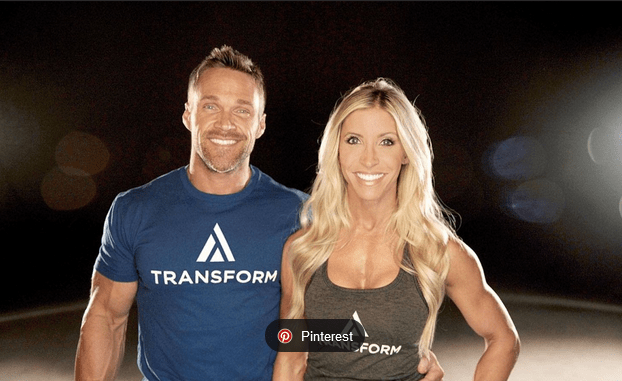
    1.) Chris & Heidi Powell – Probably two of the main reasons that I conduct myself the way that I do, Chris and Heidi Powell came in the spotlight as hosts of, “Extreme Makeover: Weight Loss Edition”, but they’ve been on the scene before that writing books covering a multitude of fitness and dieting topics. Like most trainers, Chris started out as a scrawny 14 year old kid as he describes himself on his website, www.chrispowell.com and has come to make a career out of one of his biggest vulnerabilities growing up. The main goal for these two top-notch trainers and humans: eradicate weight-related suffering from humanity. I’ve had mini-conversations with both Chris and Heidi through Instagram and they are truly down to earth, genuine people. Both of their Instagram profile handles are listed below:

    Chris – @realchrispowell; Heidi – @realheidipowell

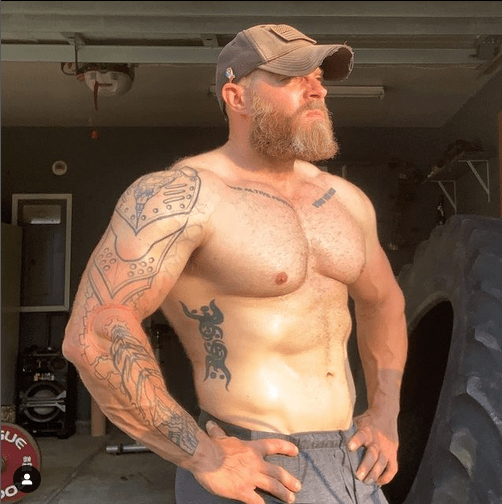
    2.) Joey Swoll – Have you ever seen those TikTok clips of people in the gym not practicing good gym etiquette and then a muscular dude comes on the screen and basically scolds them and corrects the behavior? That’s Joey Swoll. Joey Swoll is a bodybuilder and entrepreneur who was a partner and part of the creation of Shredz, a supplement company that exploded onto the scene. In just one year, it went from nothing into massive company paying out six figure salaries – all through social media marketing. After years of hard work in the gym, his body started to transform into an impressive physique. It was at this point that Joey decided to become a full-time bodybuilder and fitness model. Ever since the beginning of his journey, he’s become one of the leaders in the fitness industry and an inspiration to people around the world. You can find Joey online at:

    Instagram – @joeyswoll; Twitter – @thejoeyswoll; TikTok – @thejoeyswoll

    3.) Andrew Rose of Vanguard Barbell – This one hits close to home for me and I’m happy to share this man along with you, Andy Rose. Andy was one of my trainers back in the early 2010s with an impressive resume that keeps growing to this day. After leaving Pittsburgh for Charleston, SC, Andy started a company called Vanguard Barbell which is a gym that focuses on powerlifting and strength-based exercise. Andy provides online and in-person training with precision and guides members in a fun and innovative fashion. If you’re in the Charleston area, please look him up and tell him Trainer John sent you!

    Facebook – https://www.facebook.com/vanguardbarbell/;

    Instagram – https://www.instagram.com/vanguardbarbell/

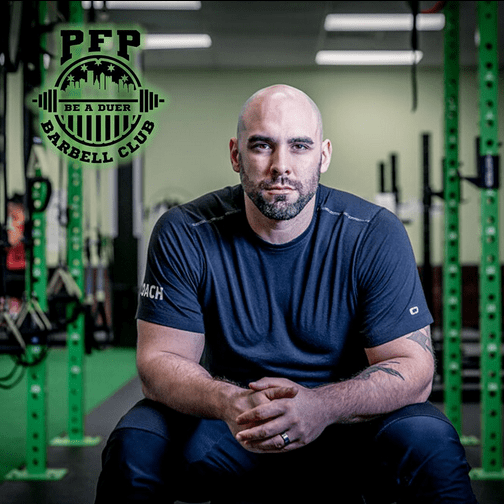
    4.) Tom Duer of The Pittsburgh Fitness Project – Yet another guy that hits close to home as another one of my former trainers, Tom Duer has been a staple in the Pittsburgh fitness scene for over a decade. Tom is the current co-owner of a facility called The Pittsburgh Fitness Project. PFP is a one-stop shop for your fitness needs! Based in the Lawrenceville section of Pittsburgh, PFP offers customized wellness, 1-on-1 training, group classes as well as massage therapy. Aside from PFP, Tom is an award holder USAW Nat’l Champion, IWF Masters World Champion and has also placed at the amateur bodybuilding level. He also has volunteered with the Big Brothers & Big Sisters for over a decade as well:)

    Instagram – https://www.instagram.com/tomduer/;

    PFP – https://www.instagram.com/pittfitproject/

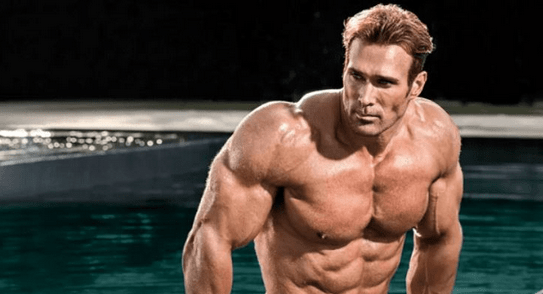
    5.) Mike O’Hearn – He’s probably one of the most recognizable name’s in bodybuilding today. Aside from being a 4-time Mr. Universe title holder, he’s a personal trainer, actor, entrepreneur and model. Mike has dedicated most of his life to supplementation routines to make solid gains while working out in the gym. He provides his clients with both one-on-one workouts as well as online classes and training. His own training consists of compound exercises with great intensity. He is one of the top standards for the bodybuilding and fitness communities.

    Instagram – @mikeohearn/@powerbodybuilding

    John J. Schessler is a Pittsburgh-based Personal Trainer, Actor, Wellness Coach and Influencer. He is also the host of the ‘ManAlive!’ Podcast, available on the Apple Podcasts and Spotify. For online or in-person training inquiries or if you would like to be a guest on my podcast, please email: j.schessler@pghwellnesscoach.com.
    #fitness #motivation #influencers #actor #writer #wellnesscoach #personaltrainers #menslifecoach #personality #fitspo #masculinity #bodybuilding #powerlifting #exercisemotivation #menshealth #testosterone #trt #trainingprogression #nutrition #vitamins #selfcare #muscles #lgbtqia+ #fitnesscommunity #men #malemodel

  • It’s 2025 and for those of us born in 1982 (this guy!!), we all just or will be very shortly turning 43 years old. OMG, what!? I can still remember being in my 20’s, attending college and hanging out with friends and such. Say what you want but time is extremely relative and it flies by super fast. Have you noticed though that a lot of people in their 30’s to mid-50’s don’t look their age? In fact most of us in that age grouping, tend to look younger than we actually are. I wish I could say that it was attributed to drinking water from some sort of magical fountain of youth but obviously it’s not. So what’s the secret to keeping yourself looking young and feeling young?

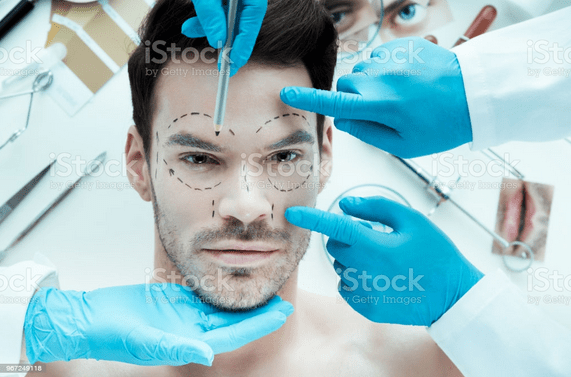
    In America we have a youth-obsessed culture and we’ve been that way for quite some time now. I remember when plastic surgery was growing in popularity in the 80’s. Unless you had a lot of money at your disposal, odds were that there would be no face lift for Christmas that year for you, lol. Fast forward to today, millions of Americans have taken the leap and have been indulging into getting all different kinds of elective procedures to help make their appearance improved upon. It’s true that some people to medically need surgeries such as liposuction or lap-band surgery because sometimes they are medically necessary to help prolong the life of that person. Of course, these surgeries are not what I’m talking about. That being said, the appeal and the allure of wanting to get plastic surgery or some sort of cosmetic procedure is very seductive for a lot of people to wrestle with.

    With all the pills, lotions, surgeries, etc., no one can stop the aging process but we are able to pump the brakes on it just a little bit. Thanks to medical science advancements over the years, there have been some breakthroughs in prolonging our joint health, helping our bodies fight certain diseases and using anti-aging cosmetics. Does this mean that we should stop growing old gracefully all together, try and pickle ourselves in lotions and live to be 100? Nope. Nor should we want to. Many people view growing older as a proverbial badge of honor that a lot of human beings are privy to. Once you reach a certain age, you want to stop living like the rest and start living you best. Aging gracefully means different things to men and women and it’s interesting how we each handle this fact of life. Concerning women, a lot of them get angry and bitter….which is totally understandable. In a world where you are judged most of the time on how you look, when those looks fade, I’d be angry too. However, not all women feel this way and some take on a very positive outlook on getting older. Some women opt to do a lot of self-reflection and inner-body work on themselves. These women have learned that you can re-write your story at any age and fully embrace yourself for who you are now, not who you used to be.

    Men tend to view things a little bit differently in this subject. With how very little a lot of men express feelings outwardly, it’s no surprise that on this topic it would be any different. With aging, men tend to go a few ways when coming to terms with it. We either don’t acknowledge it at all, remaining stoic and acting like it doesn’t bother us to not resemble the captain of the football team when you look in the mirror anymore. It does bother us though, more than we care to admit to be perfectly honest with you because we aren’t the young bucks we were once and again, there is some wrestling with those feelings that each of us has to do. We make stupid jokes about ourselves and how ‘the parts don’t work as well as they used to’ and things like that. This is actually a great way to view getting older and coming to terms with the inevitable. Not taking yourself too seriously and taking the time to laugh at yourself every now and then is healing and that in itself is a great life lesson.

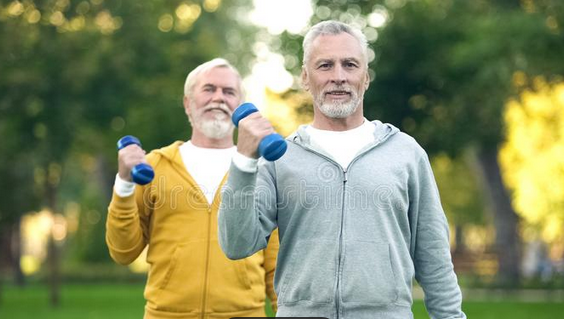
    Submitting yourself to getting older doesn’t mean that you should stop doing the things you enjoy or stop taking care of yourself. It is extremely important for older adults to continue to exercise regularly and keep visiting your doctor to make sure that everything is doing what it needs to be doing inside of your body.

    We’re all going to get older and have more limitations put on ourselves physically as well as mentally. Just as fast as our lives began, in the blink of an eye, it ends. There is a Latin phrase that’s very appropriate, ‘Memento Mori’, meaning “Remember you too will die.” Keeping this in mind isn’t meant to scare you or to make you feel sad in any way but it’s to help you put things into perspective and help you to breathe a little easier. Growing older gracefully is all a point of view and if you have a positive mindset, your natural beauty will definitely shine through the wrinkles and hang around that much longer.

    #aginggracefully #aging #mentalhealth #physicalhealth #plasticsurgery #fitness #health #womenshealth #menshealth #prostatehealth #cancer #memntomori #humor #exercise #olderamericans #lifelessons #actor #writer #author #personaltrainer #wellnesscoach #menslifecoach #trending #bodybuilding #motviation #education #informational #old #young #lgbtqia+ #inclusive #empathy #inthesameboat #truebeauty #beautyisfoundwithin

    John J. Schessler is a Pittsburgh-based Wellness Coach, Personal Trainer, Men’s Life Coach and host of the podcast, “ManAlive!”, available on Apple Podcasts and Spotify. He is a graduate of Penn State University ’05 with a degree in Corporate Communications and Psychology. He has been working in the fitness and health fields for the past 15 years with patients and clients from all walks of life. For booking or personal training information, please email: j.schessler@pghwellnesscoach.com.
  • Remember when you were in elementary gym class and you were going to play a game that involved picking teams? Just a the very thought of thinking about those moments wondering “Am I going to be picked last?” brings an ill feeling to my stomach. We’ve all had those thoughts before though growing up. We all try so hard when we’re young to ‘fit in’ with a certain group of people because they’re either popular, good-looking or come from money. Whatever the case may be, if you were one of those kids who came from prestige, everybody wanted to include you. Fitting in requires a lot from a person. It forces you to become something you’re not to gain approval from people you probably don’t like in the first place but since they’re popular, you suck it up, right? Right. We’ve all done it and for what? The chance to be associated with somebody who on the surface is a person ‘in the know’. Men tend to gravitate to the athletes in school and either befriend them very easily or try their damnest to become friends with the football players, jocks and studs of the school. It gives you clout, for a while at least. That’s not exactly what this post is about though. Suppose you find yourself ON the football team but you have some things that need addressed. Your autism diagnosis, inability to focus for long periods of time, your Tourette’s syndrome that sometimes gets out of hand and embarrassing. How do the other guys on the team react? How does the coaching staff set an example for good sportsmanship? We live in an age where being included is not only a social issue but it’s become the subject of some very heated arguments in the world’s of education and government in regards to passing laws to protect these individual from discrimination from other players, students and sadly, sometimes staff members. So how do we become more inclusive with athletes who require more assistance?

    Before we can discuss solutions, we have to breakdown what the term ‘Inclusion in Sport’ actually means. People with disabilities face many barriers in life, on an educational level but also in other areas as well such as athletics, the work force, relationships, etc. Therefore, inclusion in sports could mean that breaking down those barriers is the chief component to making people feel included and part of a team. To further explore this definition, there is a distinct difference between inclusion in sports and inclusion in education. Inclusion in an educational setting means that the student in question has all of the modifications, accessibility and assistance that is going to help him/her succeed in their educational journey to the best of their ability and is mandatory the student participate under the law. Inclusion in sports however means something else entirely. Sports inclusion is 100% voluntary by the individual participating in the sport or activity so if someone isn’t participating in sports it may be because the person has lost interest in the activity, not because of supports not being in place to assist that athlete help their team win. Education inclusion is 100% mandatory so if something is not working within the realm of the student’s educational needs, this means that the child is being excluded from learning.

    Wordage is extremely important these days as well. It seems we have words to label people of all shapes, sizes and genders. These labels are a type of inclusive item in itself but specifically, how do we refer to athletes or people in general with disabilities? Person-first language is a good place to start. Person-first language is just that, it places the person BEFORE the disability or diagnosis. Instead of saying ‘that autistic girl’, you would say ‘the girl who has autism’. Making this small change in your everyday speech when interacting with people who have disabilities will definitely make things easier if you are interacting with them as a teammate, friend or classmate.

    Like everything else, inclusivity is a spectrum. In sports psychology, inclusiveness can be broken up into five different areas:

    • Separate Activity – an activity designed for individuals with disabilities.
    • Parallel Activities – This is when the individuals with disabilities and the non-disabled participate in the same type of sport, but train and play separately based on the ability level.
    • Disability Sport Activity – This is when both non-disabled and individuals with disabilities  play a disability sport together, such as in the Paralympics.
    • Inclusive Activity – This is when everyone (both those with and without disabilities) plays the same sport, with minimal or no adaptations of the environment or equipment.
    • Modified Activity – This is when everyone plays the same sport, with adaptations to fit everyone’s needs and abilities.

    Kids and young adults today are more educated on being more inclusive with other students and recognizing those imperfections that may require more time to help the athlete concentrate on drills, plays and techniques. Through technology we also have created uniforms that are more durable, headgear that prevents traumatic brain injuries, concussions and helps lessen acute trauma. Thanks to Title IX which states:

    • Under Title IX ‘there are no sport exclusions or exceptions, so football is included under the law. Individual participation opportunities (numbers of athletes participating rather than number of sports) in all men’s sports and all women’s sports are counted in determining whether a school meets the Title IX participation standard.

    Title IX specifically is an inclusion law for all athletes and students to be able to participate in school-sanctioned sports and activities and will not be discriminated against on the basis of race, gender, creed, etc. Since 1972, this has been a mainstay for high-school athletic programs and after-school activities. More laws similar to Title IX need to be created and passed so that inclusion in not something that needs to be argued among people in this country but is considered normal.

    #titleix #inclusion #sportsinclusion #testosterone #fitness #personaltrainer #wellnesscoach #sportspsychology #sports #football #traumaticbraininjury #spinalcordinjury #concussions #headtrauma #writer #studentinclusion #education #highschoolathletics #lifecoach #menswork #actor #podcast #manalivepodcast2022 #podcasterofinstagram

    John Schessler is a Pittsburgh-Based Personal Trainer, Wellness Coach, Writer, Actor and host of the podcast, ‘ManAlive!’, available on Apple Podcasts and Spotify. All personal training inquiries and comments should be emailed to: j.schessler@pghwellnesscoach.com.
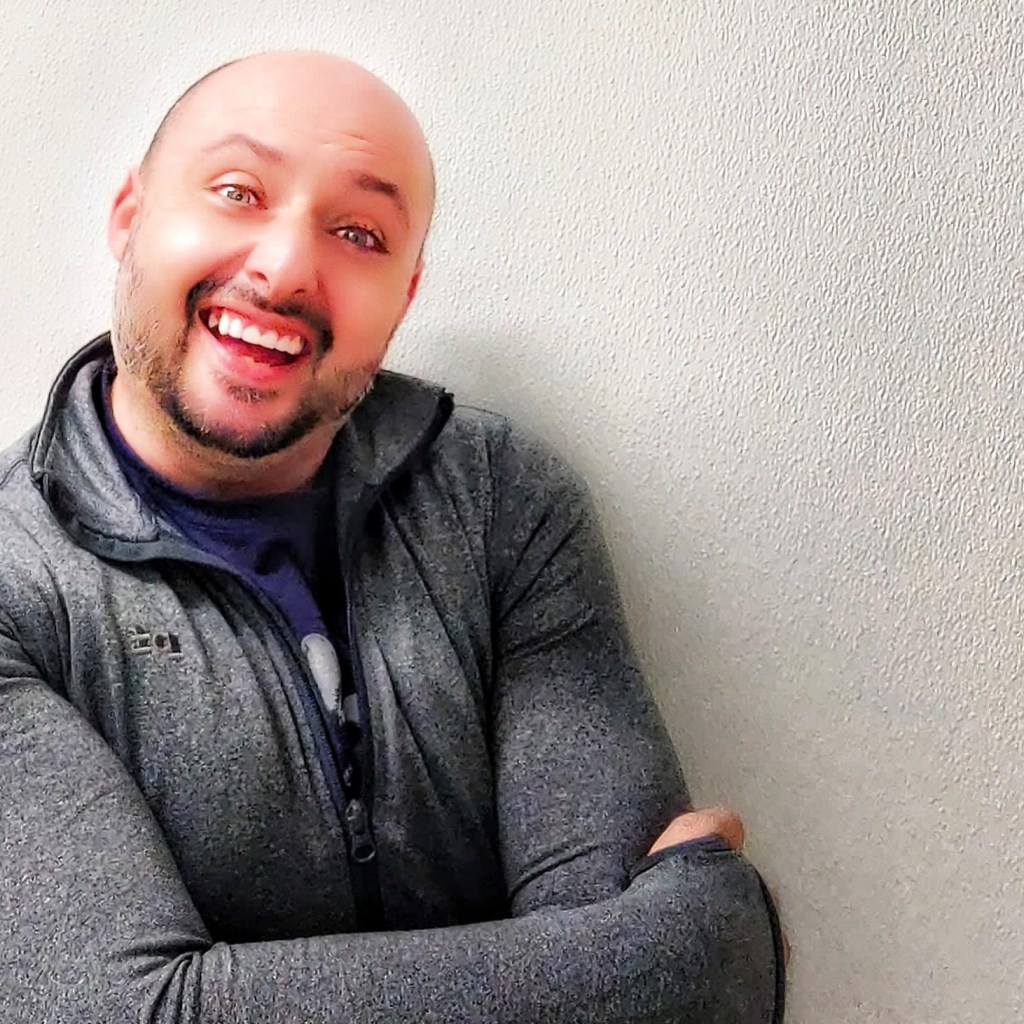
  • We’ve all heard stories like this before, right? Someone at some point in their life suffers an illness, recovers and A-HA!, they have a moment of clarity where it changes their entire outlook on things and points them in a totally different direction in their lives, i.e. they find their purpose. Buckle up because this is another one of those stories. Earlier in my blog, I did post about my bout with Guilian-Barre Syndrome and the effects that it had on me but this isn’t what this post is about, sort of. True, I’m going to tell you about my struggle and how it inspired me to be better BUT I’m also going to tell you about what there were many times that I wanted to give up, throw in the towel and just exist in a wheelchair, not really adding anything to my life. Not too many people know this part of this story and until right now as I type this, I don’t think my family knows the true weight that this whole life defining experience has had on me from my perspective.

    Ten years old, paralyzed and not able to speak at all. I couldn’t eat on my own or basically do anything but take up space. It’s a lot to process for a kid. Medical science has changed a hell of a lot in 30 years and the advancements that it has made in medical care for patients is astounding but in 1992, the medical community was still finding out about a lot of new illnesses, constructing new medical protocols and trying to look to the future of medicine. Needless to say in 1992, in ways of testing, I felt like a pincushion and a science experiment. Anyone suffering a spinal cord injury is usually put through the wringer in ways of being tested for things. Spinal taps, biopsies, things like that. When you have no control over your body from the neck down, every week or so, it’s another test. For example, one of my main issues was bladder control for me and bed-wetting was common. One of the most vivid memories of a bladder capacity test for me was when I was taken to another hospital one morning so the doctors could test the capacity and staying-power of my bladder. Ever had a catheter before?? Exactly. Cath’s are not fun for anyone and if you got a penis, it’s torture. Anyway, the nurse assisting with the procedure had the fun job of putting the catheter into my bladder so they testing could begin. For anyone who hasn’t had the luxury of having this done, basically it’s like putting a bamboo shoot up your shaft and it’s hurts like a mother****. The nurse tried the first time and couldn’t feed the catheter quite into my bladder so she took it out and tried again…and again, and again. Until after the ninth time, I was about to literally die right there on the table. The tenth time she finally got it into where it was supposed to be and I thought, “What the hell was that?!!” The test went on as planned and then I left with my parents.

    Now that I think about it, the abuse my poor dick has been through in the past 30 years, I’m surprised I still have one that works! Anyway, going through test after test, not really coming to any conclusions as to what I had left me very hopeless. To the point that no matter how good my therapists were telling me I was doing it what progress I was making, I figured it was just to make me and my family feel better and help pacify more time while the medical team figured out what to do next.

    Medical discoveries are like a puzzle and you can’t fully know the whole picture until you have all the pieces. The issue with medical diagnoses is that things are always changing, opinions get in the way and it becomes a big mess. Not often than not, I’m those moments when I was by myself, I often wondered is all this going to be worth it? Am I destined to live in this state forever? Am I going to die soon? What is going to happen to me? This is a lot of worry for a ten year old to be contemplating. I should’ve been thinking about summer vacation instead of survival but life doesn’t really care and now at 40, I’ve discovered that there’s usually a reason that things go the way that they do.

    So let’s flash forward a year or two after I was discharged and was back at home and back in school. School was a nightmare that first year back and that’s putting it lightly. I had been switched from my normal elementary school to a different building in the district that had a program for kids with my needs. It definitely took some getting used to after being home bound and tutored for the past year or so. Anyways, once I was healthy enough, I returned to my original elementary school and it was tough at first. Falling asleep in class, not quite getting a lot of the information because my brain was still healing and trying to figure out how to digest everything. I had back pain when I walked now, I had braces of my feet and the stares of the other kids made depression imminent and a daily thing almost.

    Suffering in silence was how I dealt with a lot back then because I felt that no one would really understand how I was feeling or what I was going through. I kept most of it inside and from where I sit these days and because I normally tell my clients and basically everyone to not do that because it does more harm than good. I knew this back then too but for a kid I thought that was too complex of an idea for people to be able to help me fix at the time. There’s no worse place to be than sitting alone with your thoughts and have nobody to express or tell them to, especially when you’re confused as to what’s happening to you or how you’re going to get out of whatever the situation might be.

    So, how did I turn it all around?

    Time, patience and learning the painful truth about myself as an individual. I learned that no matter how hard you try you cannot make physical problems disappear, no matter how hard you want them to, it’s a fact of life that our bodies aren’t always going to work with us. I also learned that you cannot get anywhere you want to in life without the help of others. That’s why we’re all here….connection. Connecting with others, building relationships and lending a hand where appropriate is not only the right thing to do but it should be so automatic for everyone. I guess that’s why the professions and careers that I have found myself in all center around that one point so much, I found out that I’m a helper, a guider and a counselor of sorts through my struggles. If you can change the course of just one person’s life for the better, you MUST do it. None of us are getting out of here alive and nobody knows where we might end up but the caring word or action of one person could make all the difference.

    So, why did I just tell you all of this? I don’t know really. Maybe it’s just me bringing up old wounds to make me feel better or to help you appreciate the not-so-bad life that you now see that you have. Everybody always has their own problems and although it may seem as if they don’t, trust me, things aren’t that black and white. Growing up, I had to do a lot of maturing in a very short amount of time and in many ways, at least of the mental end of things, I definitely feel like I’m some sort of universal mage, someone who knows a lot of things about a lot of things! Be a student of life, absorb, learn and grow form the things that you see, hear and visualize in your mind and you will be much better off in the long run.

    Sit, Breathe, Learn, Grow and Pass It On. You’ve got this. If you don’t know if you do or not, talk to me and I’ll set you straight.

    #fitness #lifejourney #personaltrainer #wellnesscoach #medical #guillianbarresyndrome #survivor #lessonslearned #actor #writer #compassion #menswork #masculinity #male #gayman #lgbtqia+ #fitfam #pittsburgh #daburgh #wisdom #podcast #podcasterofinstagram

    John Schessler is a Pittsburgh-based Personal Trainer, Wellness Coach, Men’s Life Coach, Actor & Writer. He is also the host of the podcast “ManAlive!” available on Apple Podcasts and Spotify. If you have any ideas for topics you wish to see covered here or on my podcast, please shoot me an email at j.schessler@pghwellnesscoach.com.
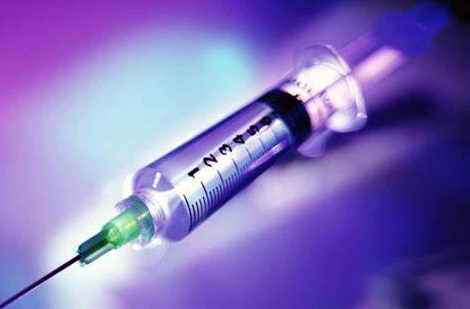
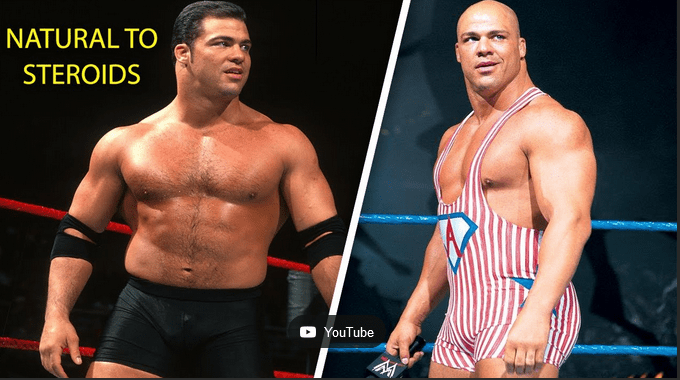
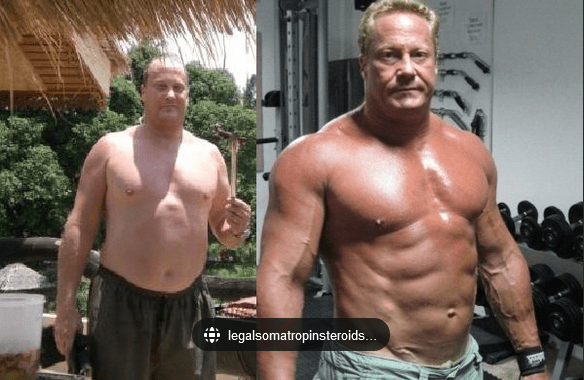
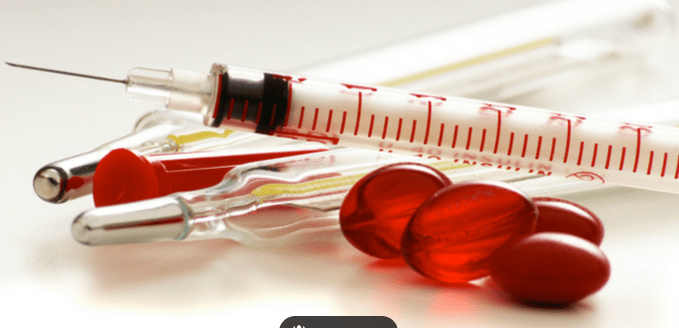
  • PED’s, steroid’s…..whatever you want to call them, have been a topic of debate probably for close to 40 years at this point. Steroids and performance-enhancing drugs are often looked at in terms of ‘cheating’ for professional athletes causing them to become suspended from their sport due to use and abuse. Steroids are divided into two groups, corticosteroids and anabolic steroids. Corticosteroids are made up of anti-inflammatory drugs prescribed by medical doctors to treat conditions that cause inflammation such as lupus or asthma. Anabolic steroids on the other hand, are man-made substances used to enhance the performance of the ‘user’. They work very similarly to the male sex hormone, androgen; giving out copious doses that assist the body in building and maintaining muscle growth and mass. Androgen’s also help with hair growth, fighting stress and so on and so on. In theory, prescribed use of androgen’s are not necessarily bad, it only turns sour when over-usage and abuse of the substance comes into play.

    Steroids are used for a variety of reasons, often recommended for a multitude of medical reasons…although it is totally up to the patient whether or not they wish to take the steroids, these substances aid in alleviating discomfort from asthma, lupus, multiple sclerosis and so many other conditions. Administering steroid comes in a few different forms: orally, by injections, eye drops and gels/creams.

    Medically needed steroids prescribed by doctors are one thing but what happens when athletes take it upon themselves to abuse the drug? Well, for one thing and the most obvious, there musculature is enhancing beyond normal muscle-building standards and taken to a whole new level. Also, athletes who cycle steroids in conjunction with their games or matches often become addicted to said substances. Cycling steroids is a process where people try to take multiple doses of the same steroid of a short period of time after which they take a long break from consuming the substance. They do this to either try to prevent addictive behaviors from forming or to prevent any other serious health concerns form surfacing.

    Stacking is another way people consume steroids. This process involves consuming two or more steroids at once. The general idea is that the user will get a better outcome from having consumed multiple steroids together. Keep in mind, there is absolutely no scientific evidence to back up this claim. There is also something called the pyramid method. This involves taking steroids in small doses over multiple weeks and increasing the dosages to get the most effects from the substances. Many users believe that this helps enhance the drugs effectiveness but again, there is no scientific evidence to support these claims either.

    There’s use and abuse and people who abuse steroids often find themselves mixed in the throes of addictive behaviors and cannot stop themselves from taking these substances. However, people who do manage to stop taking steroids often experience various withdrawal symptoms such as depression, anxiety, suicidal thoughts and behaviors, mood changes, fatigue, etc.

    Not all steroids are created equal and it’s true, there are some good ones among the bad ones. There is absolutely nothing wrong with steroids is they are prescribed and used under the guidance of a doctor or medical professional. The main issue and danger starts when people take matters into their own hands and believe that stacking, cycling or just taking steroids in general are going to give them the edge that they need to accomplish the goal that they’ve set for themselves. I’m not saying that contemplating using steroids isn’t seductive because anyone who has ever competed, has lifted or wanted to get in better shape probably has considered using them at some point or another. What I’m saying here is that you really need to exercise some self-discipline and self-control when considering starting to use these powerful drugs.

    #steroids #addiction #negativebehaviors #testosterone #androgens #maleenhancing #drugs #fitness #performance #cycling #stacking #moodchanges #roidrage #acne #bigorexia #athleticperformance #substanceabuse #personaltrainer #wellnesscoach #menswork #menslifecoach #podcaster #podcastersofinstagram #penisenhancement #testicleshrinkage #trt #stimulants

    John Schessler is a Pittsburgh-based Personal Trainer, Men’s Life Coach and host of the ‘ManAlive!’ podcast available on Apple Podcasts and Spotify Podcasts. If there is a topic that you would like to see discussed or just want to say hi, send me an email at j.schessler@pghwellnesscoach.com

  • Insecurities. We all get them and we all are insecure at times, some of us are just better than others in hiding it from the rest of the world. It’s not easy to navigate through the world with an over-abundance of confidence about yourself, especially when the world tells you how you are supposed to look, act, carry yourself, etc. Inside of all of us, there is still that insecure and scared little boy or girl that just wants to be accepted and belong with those in our tribe. As I already said, some of us have created defense mechanisms and trauma responses to avoid feeling insecure such as bullying others, making jokes about ourselves and pretending to not give a damn when other people make light of our bodies or the way we act. The sad part is that most of us DO care what other people think and we care what we think of OURSELVES. To promote Pride month and inclusion of self, here is my breakdown of the top 10 strategies to improve your body image, love yourself more and vibrate those feelings onto others.

    1. Appreciate all that your body is able to do. Not everyone is capable of doing everything, in a physical sense to be specific. Also, not everybody is in their 20s anymore either. Be grateful, especially if you are up there in years, that your body is in as good of shape as it is and if you are free of disease and other issues, celebrate that shit!
    2. Write a list of the things you like about yourself. If you are a visual person like me, sometimes writing down all the things that you like about yourself and the things that you are good at may spark some pride in yourself to create new goals, reflect on how far you’ve come and a reminder to not beat yourself up over the small things.
    3. Look at yourself as a whole person; not parts. Each of us is one being, not parts to nitpick about and talk negatively on. Sure, we all have things about ourselves we want to improve upon and having those kind of goals is awesome but try not to rip yourself apart piece by piece when the whole of you is doing a bang up job by itself.
    4. Be critical of social media messaging and advertising. This is where most of the negative thoughts in our heads about how we look and how people perceive us to be take root from. Social media can be a great tool if used correctly, however, there is a lot of negative advertising, body shaming, etc. that goes on as well. Before you get sucked into the negative social media rabbit hold, do your due diligence and don’t believe everything that you read or see online.
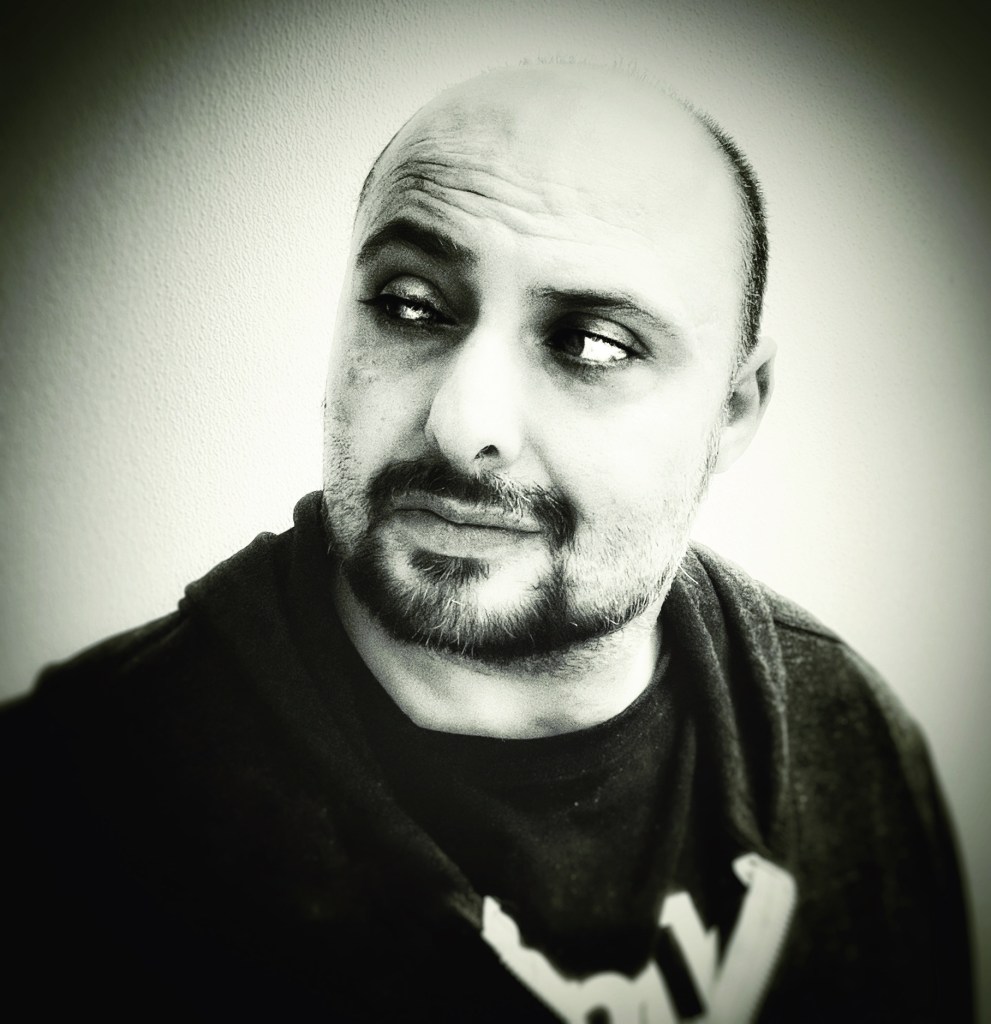
    5. Shut down the negative voices in your head. This is easier said than done most times. The thoughts we have about ourselves are usually 100% falsehoods and created by our own minds. Overthinking about who you are and how you look in a negative way can have lasting psychological effects in the long-term if you cannot change the narratives that you tell yourself about yourself.
    1. Practice self-care on a regular basis. At the end of the day, you’re all that you’ve got and if you are not operating on all cylinders, a little self-care may be needed to rejuvenate things. Take a small vacation, visit a spa, take a nap. Do something that makes you feel relaxed so that when the activity is finished, you feel better than before you started it.
    2. Worry less; use that energy to help others. We spend so much useless energy worry about things that in the long run, don’t amount to anything anyways. Harness that energy you’re spending on worrying and transfer it into helping those around you make better choices in their lives, listen if they need to vent, etc. Helping others creates good karma for yourself and you definitely will reap the benefits.
    3. Treat yo’ self! This goes along with self-care but definitely bears repeating. You are no good to anything if you can’t treat yourself kindly and with compassion. Treat yourself to a fancy dinner, go to a movie or on a solo vacation. You deserve to be pampered as well and who better to pamper yourself than you!
    4. Wear something that makes you feel good. Those comfy sweatpants, a nice suit, etc. Whatever makes you feel your best when you wear it, strut it out! You really have nobody to impress in this life because you are the most important person that you need to take care of. Squeezing yourself into something uncomfortable isn’t going to make you feel happy so trade the six-inch heels for some comfortable sandals every now and then.
    5. Don’t be deceived by appearances; true beauty is found within. My favorite line from Beauty and the Beast. Why’s that? Because it is so true. Judging a person by their outer appearance alone is simply unfair because what’s underneath the outside wrapper usually holds more substance than outside looks ever could.

    Loving yourself more requires getting to know yourself better, the good and the bad parts of you. Learning what things make you tick and what doesn’t is going to create a stronger connection to yourself. You also want to be your #1 cheerleader as well. No one wants you to succeed more than you want yourself to and if you’re not rooting for yourself, then what’s the point, right? Using positive language when you talk about yourself to others as well as when you talk to yourself (we all talk to ourselves and it doesn’t mean you’re crazy, lol) is so important because the again, the things that we tell ourselves carrying more weight than we think they do.

    These are just a few simple things that each of us can do to help create more positive spaces for ourselves from day to day. You will definitely be a lot better off in the long run!

    #bodypositive #bodypositivity #fitness #bodyimage #bodydysmorphia #athleticpsychology #psychology #menshealth #womenshealth #selftalk #negativeselftalk #weightloss #activity #livelivetothefullest #journey #fitnessjourney #writer #actor #photography #personaltrainer #wellnesscoach #supplementation #friendships #connection #compassion #empathy #podcaster #podcastersofinstagram #tvhost #broadway

    John Schessler is a Pittsburgh-based Personal Trainer, Author, Men’s Life Coach and the host of the “ManAlive!” Podcast available on Apple and Spotify Podcasts. He is also an advocate for LGBTQIA+ rights, educational and teacher rights, mental health and suicide awareness. If you have a specific topic you would like to have me write about or just want to say hello, email me at j.schessler@pghwellnesscoach.com!