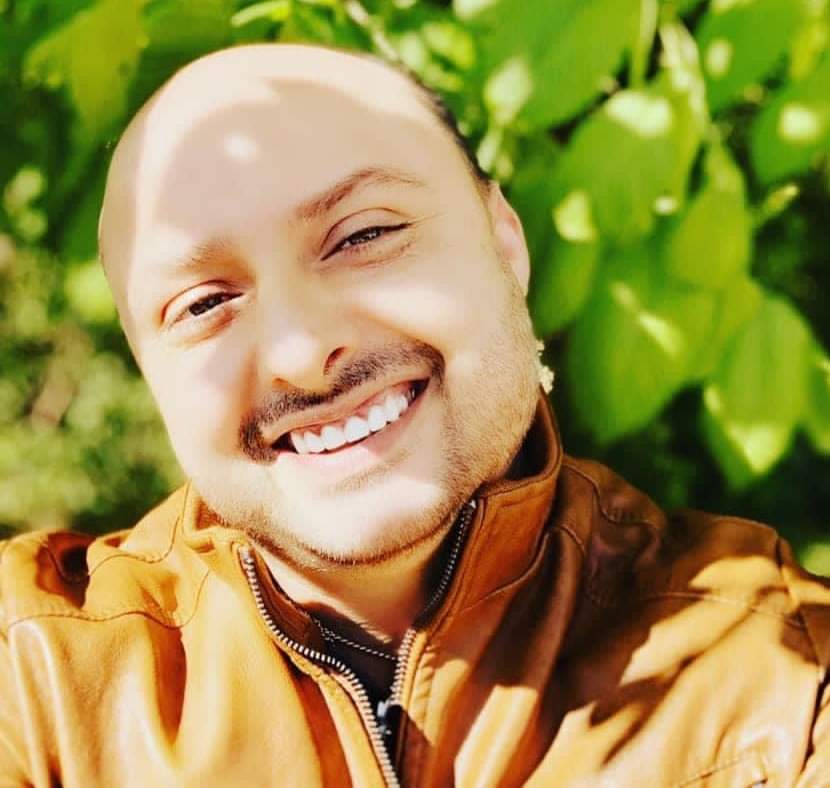
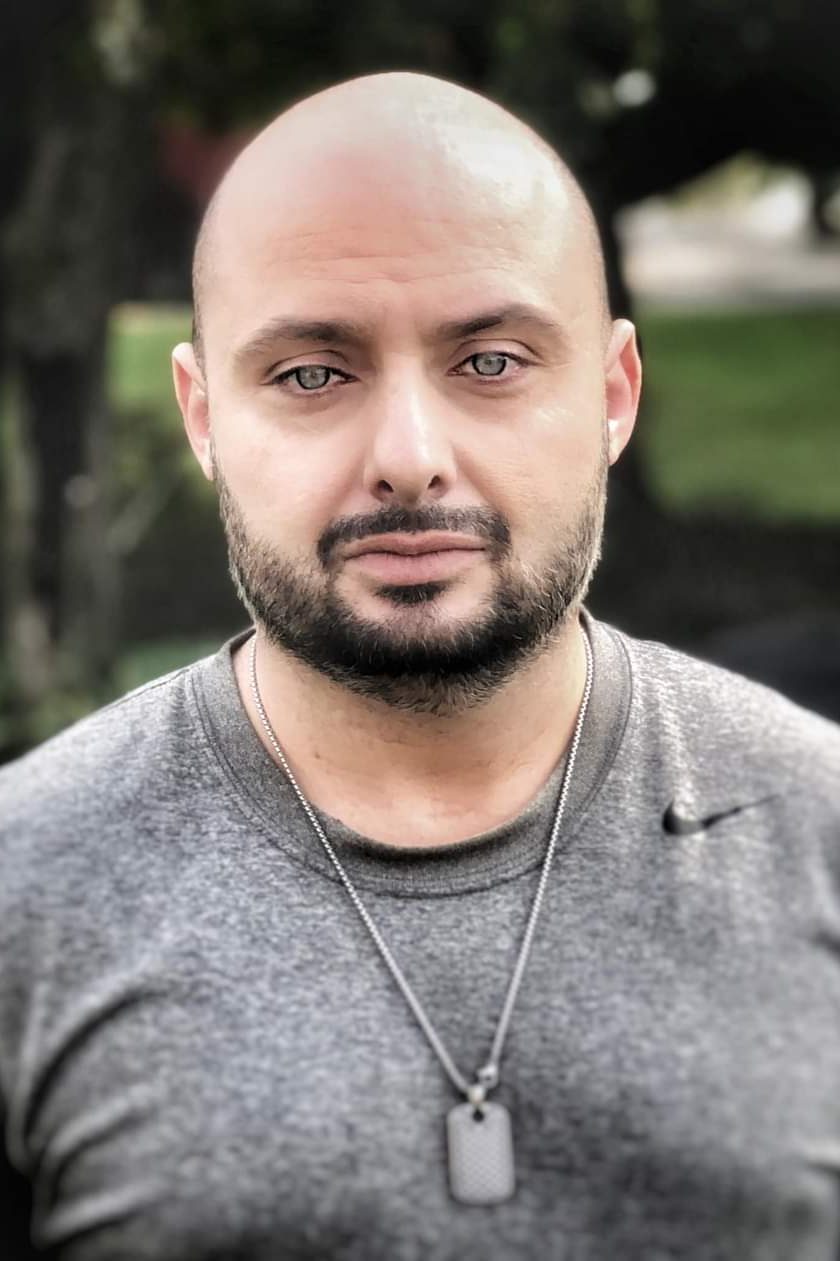
John J. Schessler, MS, SPC, CPT is the founder of Athlete Mindset HQ and a sport psychology, fitness, and performance professional with a background in child and adolescent psychology. His work explores the intersection of mindset, physical performance, mental well-being, fitness, and human development. Through practical, evidence-informed education, John challenges outdated ideas about fitness and performance while helping people build stronger bodies, healthier mindsets, and sustainable habits for life. His philosophy is simple: More Than Winning—build the person, and performance follows.
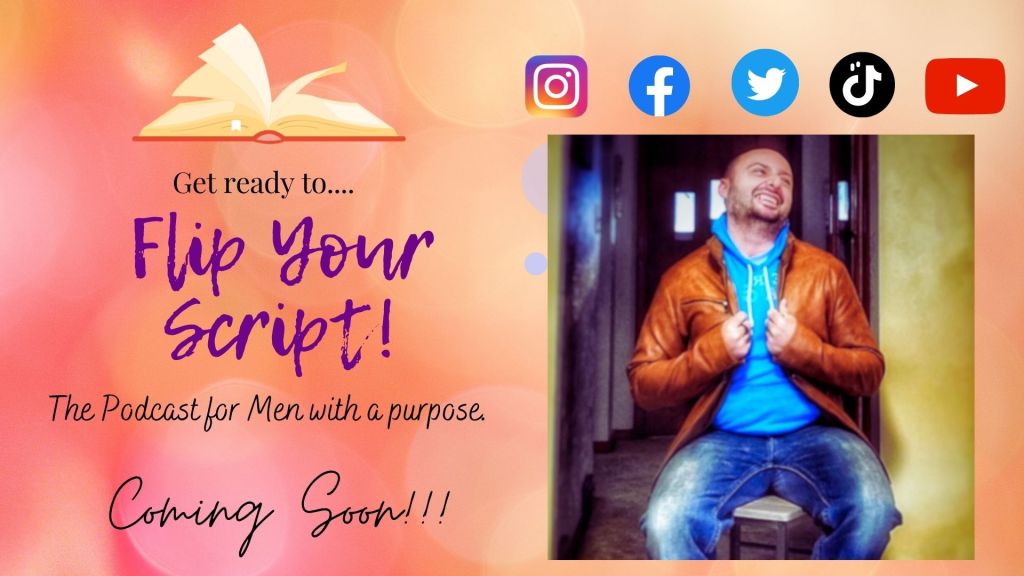
Remember the ManAlive Podcast??? Well……we now have a new name, a new brand & a new mission! Are you a part of the current Millennial, X, Y or Alpha generations? Are you confused as to what men’s roles are in today’s society? What is the future for the male species in 20, 30 years?
Here at the Flip Your Script Podcast, Inc., we plan to dissect these questions, have heartfelt discussions with other men and women on how the male gender can answer the call to greatness, become functioning members of society and end the stigma surrounding men for the last few decades in history.
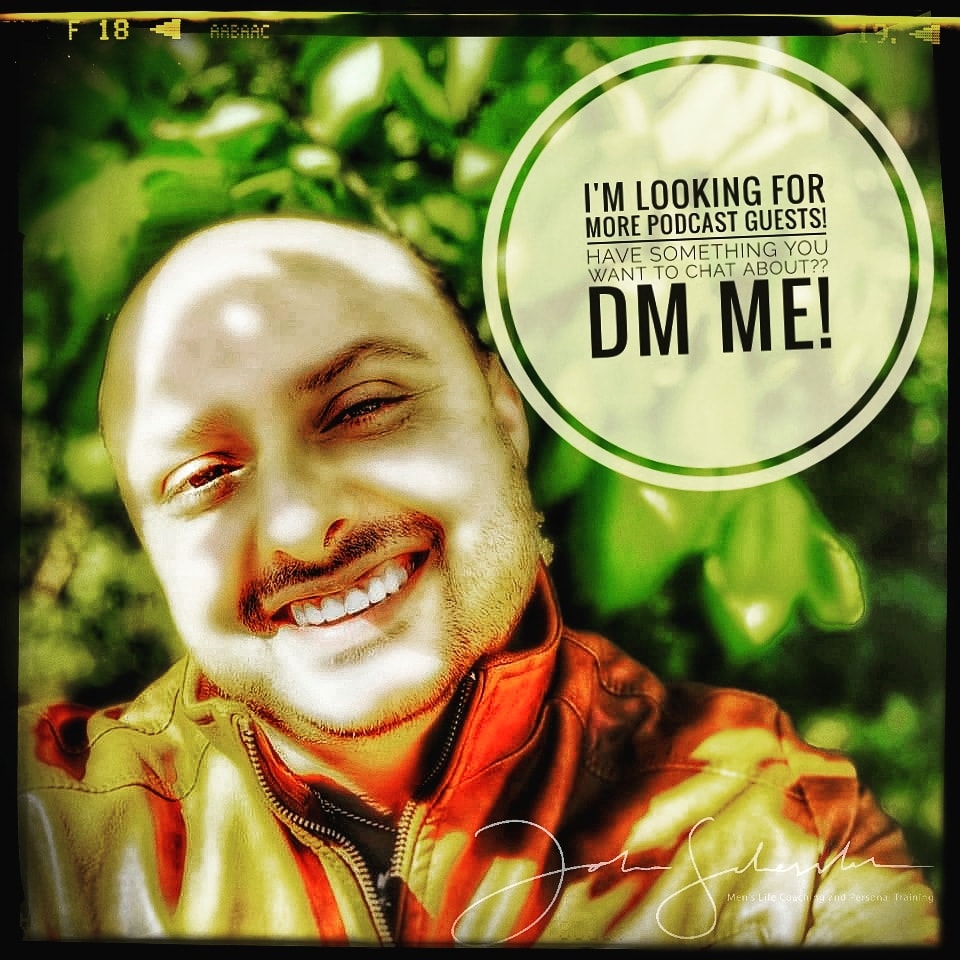
Interested in being a guest on the program? DM me for more details!
The Flip Your Script podcast is coming your way soon! #flipyourscript #podcast #podcaster #writer #motivationalspeaker #fitness #personaltrainer #psychology #maleissues #awareness #mentalhealth #physicalhealth #perspective #communication #empathy #vulnerability #discussion #guestpanel #pittsburgh #johnschesslerjr
Recreation therapy (RT) or therapeutic recreation as it is sometimes called, is a form of therapy that uses recreation and other activity-based methods to deliver therapeutic interventions that addresses the needs of an individual dealing with an illness or disability. RT includes activities and a variety of techniques such as arts/crafts, animal therapy/interactions, games, sports participation, events, drama, music, community outings, etc. Services are provided by a practitioner given the title of “Certified Therapeutic Recreational Specialist (CTRS).”
Young ethnic girl doing an exercise in a therapy session
For the past two decades, development and credentialing of CTRS’ has undergone major retooling and the need of these types of therapists’ in today’s medical and mental health fields are climbing due to the increasing percentages of disorders such as Autism, ADHD, etc.
What are the benefits of RT anyway? There’s plenty.
Treatments will not only aid in a patient’s psychological and physical health recovery, but it can help improve their overall well-being. Benefits include:
Reduces depression and stress
Reduces anxiety
Improves functional independence after an injury
Recovers basic motor functioning/reasoning
Builds confidence
Strengthens social connections
Increases self esteem
Increases strength and physical fitness
These are just some of the bigger ones too. The benefits are more individualistic depending on the person and diagnosis that the person has. One study conducted in 2014 at Spaulding Rehabilitation Hospital in Boston, Mass., was to retrospectively examine program participant feedback to identify additional perceived outcomes of sport-based therapeutic recreation that may warrant future empirical research. Taking participants from 7 to 75 years of age who were mostly outpatient male community members with varying disabilities (Spina Bifida, Cerebral Palsy and Traumatic Brain Injury), each participant was to participate in his/her own interest or sport. What they found that for the fitness group, the perceived progress in the individuals sport was relatively high, each reporting a improvement score of no less than 50% percent. The second perceived benefit was that progress was made regardless of sex, gender, participation rate or hospital status. This outcome simply reinforces the notion and potential of sports to be able to provide meaningful rehabilitation to a wide variety of persons with varying disabilities.
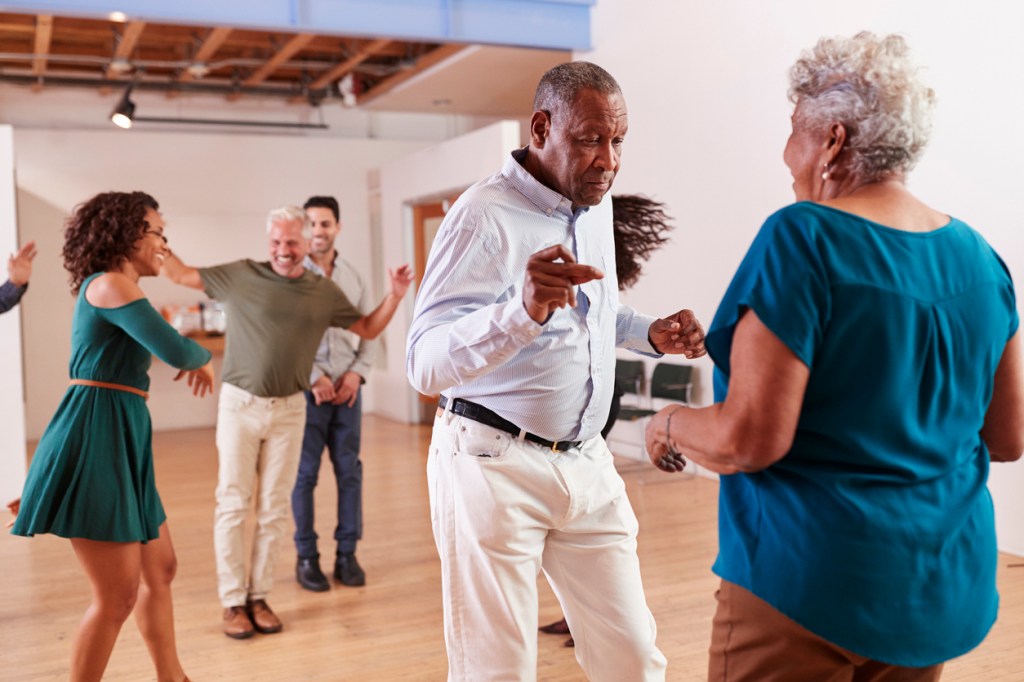
People Attending Dance Class In Community Center
Many inpatient/outpatient rehabilitation facilities have some sort of recreational therapy department that is geared toward improving the lives of children and adults through play activities. The Department of Veterans Affairs employs recreational therapists to help disabled Vets become more active, gain motor functioning and control as well as receiving exercise through sports.
The field of Recreational Therapy is one that is breaking through the traditional ‘OT, PT and Speech-Language Therapies’ to create a whole different and innovative approach to helping individuals with disabilities learn to succeed in their everyday lives through play, socialization and bonding with other members of the community through team sports and activities.
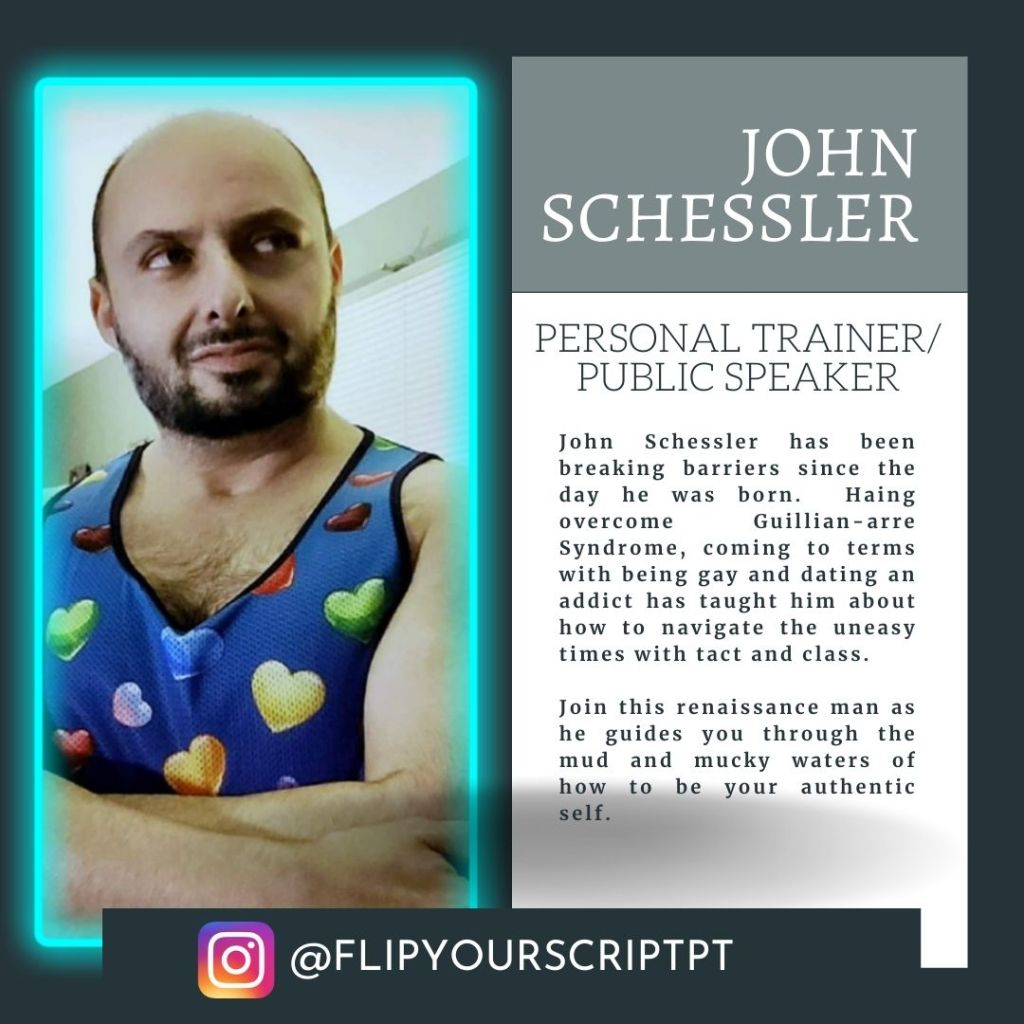
John J. Schessler is a Pittsburgh-Based ISSA-Certified Master Trainer, Exercise Therapist and Tactical Conditioning Specialist. He is also a writer, actor, motivational speaker and Men’s Life Coach. He has also been featured with the BBC News Channel, regarding Body Dysmorphia. He is listed on Instagram @flipyourscriptpt and currently is seeking new personal training and life coaching clients. If you would like to reach me directly, please email all inquiries and questions to pghwellnesspt@gmail.com. Thank You!
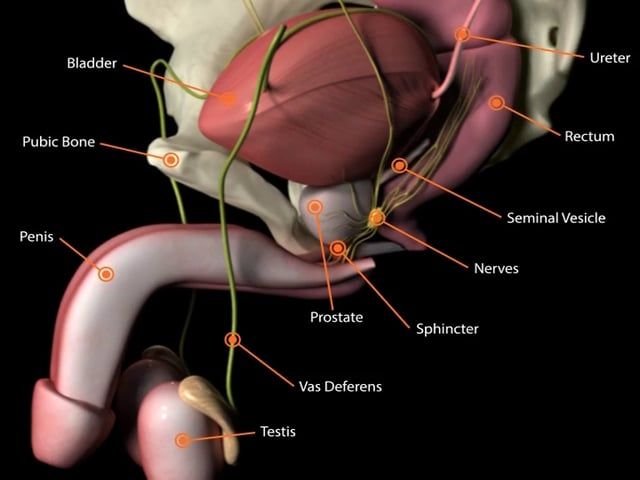
Over the years I have treated patients and trained clients who have/had pelvic floor dysfunction of some sort. The commonality of these types of issues is more prevalent than you think. One in three women will experience a pelvic floor disorder (PFD) in their lifetime. For women, PFD’s occur when women have weakened pelvic muscles or tears in the connective tissue, which may cause pelvic organ prolapse, bladder control problems, or bowel control problems. In men, PFD’s can present themselves in ways of Urinary or bladder control issues: feeling the need or urge to urinate, painful urination or an inability to fully empty the bladder during urination. Constipation, straining or pain during bowel movements. Pain or pressure in the rectum. A heavy or bulging feeling in the rectum. Many people mainly see PFD’s as a female issue but the reality is it one of the most common diagnoses for men over 50, accounting for nearly 2 million healthcare provider visits/year and can affect 10-15% of men. Being that this blog is primarily for men’s health and fitness, I am going to focus on the male side of PFD’s but I will cover some female issues as well and why diagnosing men is such a mystery of sorts.
WHAT IS MALE PELVIC FLOOR DISEASE?
Male PFD is usually a series of symptoms that affect the pelvic region. The spectrum of presenting symptoms can be broad and vary between men but there is commonality though. Most men find that symptoms change throughout the day or change from day to day. Symptoms can range anywhere from: pelvic/tailbone pain, painful ejaculation, abdomen aches, burning pain during urination/urethral pain, low back pain and testicular pain just to name a few. You can basically equate the pain with what’s associated getting kicked in the nuts.
One of the most common diagnoses for men under 50 is Prostatitis or inflammation of the prostate. This is sometimes caused by a bacterial infection and a round of antibiotics can clear it up in a few days/weeks. Regarding chronic prostatitis, antibiotics won’t help so you may need to see a Pelvic Physical Therapist for help to manage pain/discomfort in conjunction with your PCP.
Pudendal Neuralgia is the nerve that innervates the underside of the penis, the perineum, the scrotum, some pelvic floor muscles and around the anus. These nerves travel through the pelvic floor muscles and can get irritated if the pelvic floor muscles become very tight. Often times when the pelvic floor muscles become very tight, that prevents you from using them correctly. When you go to a Physical Therapist they will often times tell you that there are many reasons that these muscles can become tight and they will evaluate them during an initial screening. Common reasons can include trauma, heavy lifting, sitting, previous infections, scar tissue, etc.
HOW DO MEN KNOW THAT THEY HAVE A PELVIC FLOOR DYSFUNCTION?
Believe it or not, your penis is probably one of the best indicators that something may be wrong with your pelvic floor muscles. Inability to maintain erections, leaking urine during the day, trouble ejaculating are all symptoms of an issue with your pelvic floor and if you suspect something is wrong, make an appointment with your doctor to see what avenues of treatment are available for you. Other symptoms you may experience are urgency in urination, painful urination and the inability to empty the bladder fully. Constipation, straining or pain during bowel movements. Pain or pressure in the rectum. A heavy or bulging feeling in the rectum. Yeah, it is as bad as it seems so if you suspect something is wrong, make an appointment with your doctor and see what avenues of treatment are available for you.
WHAT DOES A TREATMENT PLAN LOOK LIKE FOR PATIENTS?
Obviously, this is a serious condition and must be treated as such because it can have a real impact on the quality of your everyday life. The good news is that it is 100% treatable, usually by a Physical Therapist who specializes in pelvic floor dysfunction. Pelvic floor therapy or pelvic rehabilitation as it is called is a type of treatment that can help patients manage the symptoms associated with their pelvic floor muscles. We rarely hear about men’s pelvic floor issues, mainly because we tend to forget that men even have pelvic floors because most of the issues stem from women in pregnancy and experience trauma delivering. A pelvic floor physical therapist can help men improve their pelvic muscle strength and control, increase blood flow to the area, and reduce pain and discomfort. It may also help men improve their bladder control, bowel control and even erectile dysfunction. A men’s pelvic floor physical therapist can provide education and exercises to help men learn to strengthen, relax, and stretch the pelvic floor muscles to improve their function.
What exercises help strengthen the pelvic floor? One of the exercises that PT’s focus on is called diaphragmatic breathing. This type of breathing is belly-breathing that quiets our nervous system. It helps our abdominal wall expand and, more importantly, helps our pelvic floor muscles to relax. Many women who have these problems are known to do kegel exercises as part of their therapy plan but should men do kegel exercises? Well….sometimes. These exercises can be performed by tightening and releasing the muscles that control urine flow. “I will often have my male patients stand in front of a mirror so that they can visualize the muscles working. It is important not only do contract the muscles, but also to give themselves time to fully relax between contractions.”, says a PT from the Franciscan Health Network. However, for many of our patients with bladder urgency/frequency or pelvic pain, kegel exercises can actually make their symptoms worse. “If your problem is due to tense muscles instead of just weak muscles, repeatedly contracting the pelvic muscles can be irritating to the muscles and result in more tension.”
Pelvic floor therapy is something necessary for both men and women suffering from pelvic floor dysfunction. Still stuck with the question “Should you go for pelvic floor therapy?” You don’t have to live in pain and you shouldn’t. Call your doctor and let them help you set up an appointment to have testing conducted so you can receive the proper care that you need to get on with your active life.
John J. Schessler, Jr. is a Pittsburgh-based certified Master Trainer, Bodybuilding Specialist & Exercise Therapist. He has been working in the fitness industry for over 15 years and has helped numerous clients become healthier and surpass their goals. He is also the host of the podcast, “ManAlive!”, available on Apple Podcasts and is a Men’s Life Coach and Motivational Speaker. If you would like to contact John concerning speaker bookings, personal training inquiries, etc., please contact John directly at pghwellnesspt@gmail.com.
With the aging Boomers around the country, Physical Therapists, Personal Trainers and other professionals who work with the aging population have found themselves overrun with treating balance issues, neurological diseases, bone and joint problems and a handful of other problems that affect a person’s ability to function from day to day. Personal Trainers like myself have the responsibility of helping to treat issues like these before they become a bigger problem or to help the person improve functionality after an injury or illness. To understand what we’re seeing in terms of an influx of older people presenting balance issues with Trainers, we first have to understand how balance and neurological disorders affect the aging population.
Why does our balance get worse as we get older?
We all know that people’s sense of balance get progressively worse as we age and as our balance starts to go, more falls will continue to happen. One thing you have to understand is that the human body is naturally unstable with our base of support (BOS) being small in relation to our height. The three main systems that help promote sensory information to help us maintain balance are the visual, vestibular and somatosensory systems. All three systems work in tandem with the brain to process the sensory information needed to maintain balance. As we age, the displacement in this process takes more time to execute which ultimately means that we have more falls the older we become. Also, the older we get, our cognition deteriorates little by little, making things like multi-tasking that much more difficult. When I used to treat cardiac and stroke patients when I worked inside a hospital, tasks such as walking and talking at the same time were extremely difficult for the individual to do because of their physical state paired with their brain functioning abilities. To add to this, the more sedentary someone is, the more these behaviors are accelerated, which results in advanced reduction of strength/balance, lack of bone density and increased risk of falls.
The Bright Side
Everything you’ve just read may seem like gloom and doom but luckily, it doesn’t have to be that way. The medical community has found ways to slow processes of deterioration and loss of balance control. Regardless of age, we should all be making efforts to get in at least 150 minutes of exercise a week. With many exercise programs now being geared towards senior citizens such as yoga, Tai Chi, hospital stability programs and dance classes, staying active well into your twilight years helps keep your mind sharp and makes accidents like falls less prevalent.
As I said before, causes of balance loss can be from many factors including cardiovascular health, neurological diseases, arthritis, mental status, nutrition, impaired vision and lifestyle factors. How does one cope with balance issues if you’ve never had them before? A good place to start is by seeing your PCP. Sometimes loss of balance isn’t just from getting older and it may be an underlying cause of something more serious. You also want to practice safe habits; not walking in the dark, wearing non-skid shoes and knowing where your pet is so you don’t trip of him/her. Many hospitals and clinics have support groups to help people connect with others who have the same issues. Being around others can be the emotional support one needs to cope with their issues.
senior woman with migraine sitting on carpet and touching forehead with hand
Posture Points
“Stand up straight!” Remember when your mother told you not to slouch and to stand up straight? She wasn’t just saying that for fun…good posture is where good balance gets it foundation. If your mindful of your posture throughout the day, eventually your posture will improve, allowing for a better quality of life. If you feel that you may have a balance problem, please make an appointment with your doctor right away so they can put your on the right treatment plan and get you back to a more active life.
John J. Schessler, Jr. is a Pittsburgh-based certified Master Trainer, Tactical Conditioning Specialist and Exercise Therapist and has been working within the fitness and medical fields for the past 20 years. He also is a Men’s Life Coach, host of the podcast, “ManAlive”, available on Apple Podcasts, a writer and actor. If you wish to contact him regarding training services or would like to be a guest on his podcast, please send an email to pghwellnesspt@gmail.com.
I struggle with this issue on the reg and it never gets any easier. Ask any serious trainer who is in the market about bettering themselves and making themselves available to a broader client-base, we all think about it constantly. Why? The fitness world is an ever-changing environment, constantly adding new and interesting workouts, apps and things to enhance our health and fitness experiences. When I was starting out on the training circuit, I had a few ideas but there was a problem, financial security. For the ideas I had had, it was going to take A LOT of money for which I didn’t have to secure a space, hire a staff, etc. Looking back, I’m very happy that I didn’t go through with my ideas because I don’t know where I’d be financially right now. Creating your own brand, owning a physical space and taking a chance on having clients sign-up with you is a huge gamble in itself and you have to get them to be able to trust and believe in the workouts and other things that you’re offering with confidence.
A growing number of my friends who are personal trainers, powerlifting coaches and bodybuilders have done some phenomenal things when it comes to building their own personal brands and cultivating a clientele they can build relationships and a steady, livable income with. Through perseverance, innovative ideas and willpower they were able to make their goals of owning not only a facility of their own, but creating a brand that crosses lines between just marketing a gym and engaging people through merchandise, publications, websites, and social media. How does one even begin to do this? A background or a knack for business and marketing will definitely help you BUT if you aren’t that savvy with finding clever gimmicks, making sales pitches and whatnot, don’t fear trainers! There are multitudes of ways that you can get started.
For one thing, even before you start choosing the wall colors and furniture for your facility, you first need to make a list of ideas that you want your brand to convey, what population are you going to serve, etc. Personally speaking in regards to the population you’re going to serve, you should already have some kind of idea the clients you like to train and what your niche is. I have a handful of certifications in a very broad spectrum of subjects: Tactical conditioning, sports injury, rehabilitation, group instruction & exercise therapy, just to name a few! With all those different areas of knowledge in mind, the gym I could hypothetically create could be a multi-faceted facility, geared to servicing clients with a lot of different goals and needs. If that’s the game plan I have, the next logical place I would focus on is obtaining a space….duh! This is where i lose focus, lol. I’m not a numbers and cents guy, I work best with living breathing people and did not go to college to be business oriented guy. This is why it is so important to consult as many people who can assist you as possible….real estate agents, accountants, etc. They’ll be able to tell you exactly how much securing a space will cost down to the last penny, if it also needs updates, etc.
Creating a brand of your own can and should be very exciting for you. This technically is what you’ve worked so hard for! If you have been proactive, again this should be something that you have already been throwing around and mulling over in your head for a while at this point. Branding is simply giving a name to your business and everything that is included in it. When you present a business plan to a bank to secure a loan for example, you want to have this part of the work finished so that you appear more professional (It seems like a no-brainer but you’d be surprised at how unorganized some people can be.)
You have your gym space, your business name and now you just need to advertise! This is both the difficult part and the easy/fun part because you get to use your creativity but building a clientele if you don’t already have one can be extremely exhausting to do. Social media platforms are helping out in this area big time today, creating spaces for upcoming and veteran trainers to advertise their services, merch and other things to help draw the public seeking fitness training to their facilities. Once you’ve gained a solid, working clientele, the only thing that you need to do is train and carry out day to day operations of your facility and train your staff to be the best in the business!
I realize that what I’ve just laid out here is probably the perfect scenario when it comes to building your brand and I didn’t even hit some of the most crucial parts that are involved. Personal training as a career is awesome because it allows you to be able to create your own business where you can utilize your creativity, knowledge and experience to help clients reach their fitness and health goals. Some trainers, such as myself, are more comfortable working for a gym chain and then providing small classes outside of their full-time training gig to make extra money on the side as a Health Coach, Group Fitness Instructor, etc. The bottom line is though that the more you specialize in certain areas of health and fitness, the more marketable you make yourself become and you are more of an asset to gyms, health clubs and medical facilities alike.
John J. Schessler is a Pittsburgh-based Master Trainer (NPTI/ISSA), Men’s Life Coach, Tactical Conditioning Specialist, Writer and host of the podcast, “ManAlive!”, available on Apple Podcasts. He has been working in the fitness and health industry for 20 years and has backgrounds in Physical Therapy, Education, Social Work and Fitness. Please send all emails for John to pghwellnesspt@gmail.com.
Let me start out by saying that I truly admire bodybuilders for the hard work that they put in to their bodies day in and day out because obviously it’s not something everyone can do. What sparked this entry was a conversation I was having at work about somebody who frequents the gym, actively competes and uses PED’s. I made the comment, “Oh, so he’s taking the easy way out then.” As long as I’ve been in the fitness industry as a professional and even as an athlete, I’ve always looked at the usage of PED’s in a bad light because of the toll it takes on someone’s body and mental state. It also turns the person into someone who’s most likely pompous, annoying and a jerk to be around.
I’m focusing on males in this article only because they are the larger consumers of PED’s and steroids in the lifting and bodybuilding communities. When I started lifting myself, steroids were just becoming prevalent in mainstream with lifters, etc. From an outsiders perspective, I totally get it. Steroid’s/PED’s give you a solid advantage over those that are competing naturally and most men in the sport today want every advantage they have at their disposal so that they can win their weight class and the overall competition. From a medical standpoint, I don’t get it. The risks, IMO are just not worth it. Some of the side-effects: pain/discomfort, hematomas or severe bruising underneath the skin, flushing of the face, infections, shrunken testicles, erectile dysfunction, acne, heart problems, etc, are they worth it? This list doesn’t even begin to cover mental health problems you may face either. Everything from mood swings to ‘roid rage’, most athletes who are using acquire some sort of mental instability during their cycling phases and even thereafter. It’s a rarity when you ask athletes whether or not they’re using steroids. Usually they dance around it, saying things such as “Bro, I just take creatine” or “It’s just all hard work and dedication”.
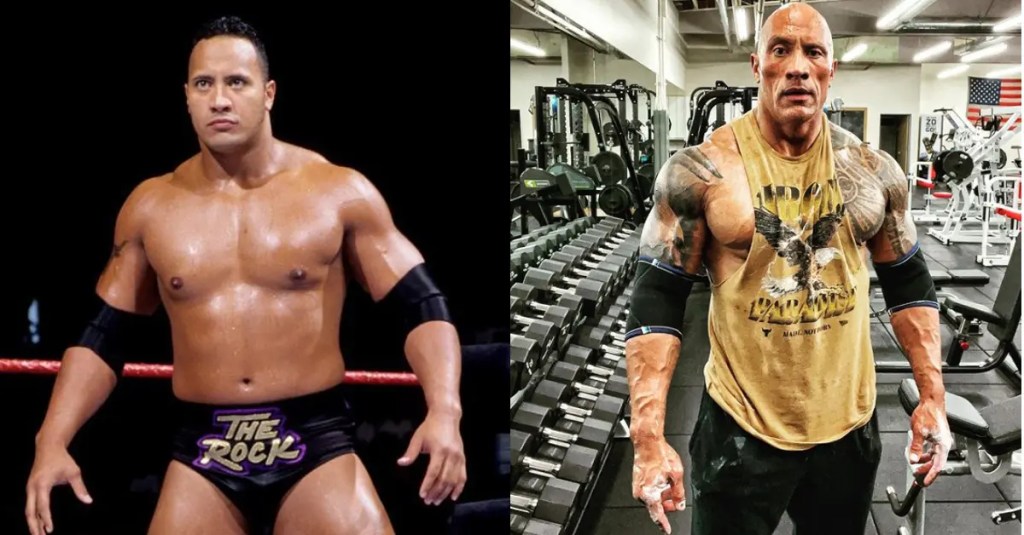
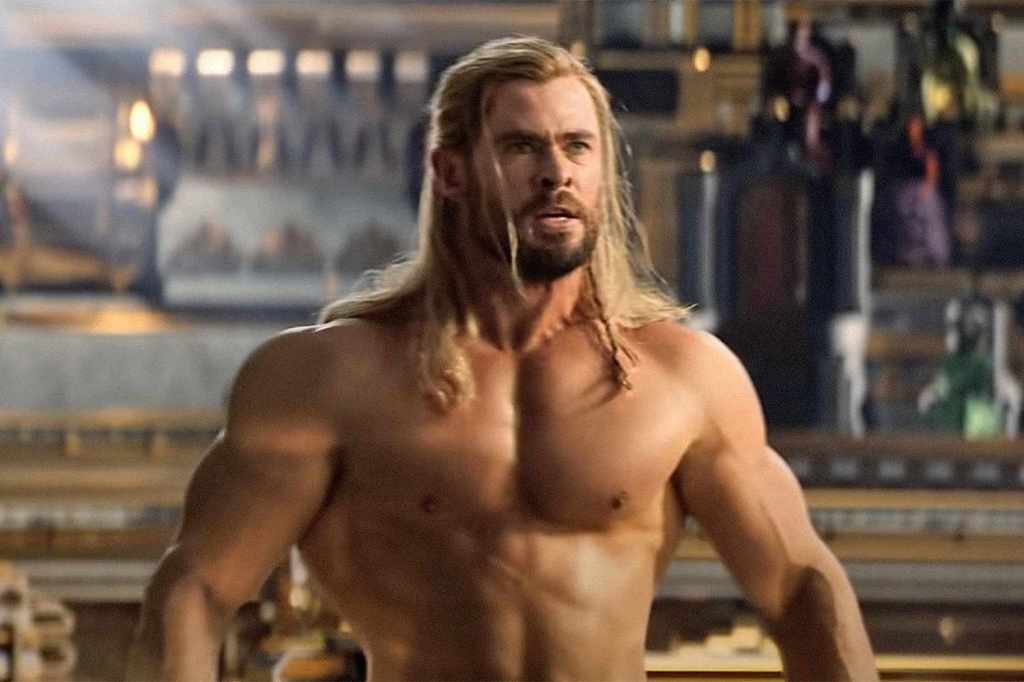
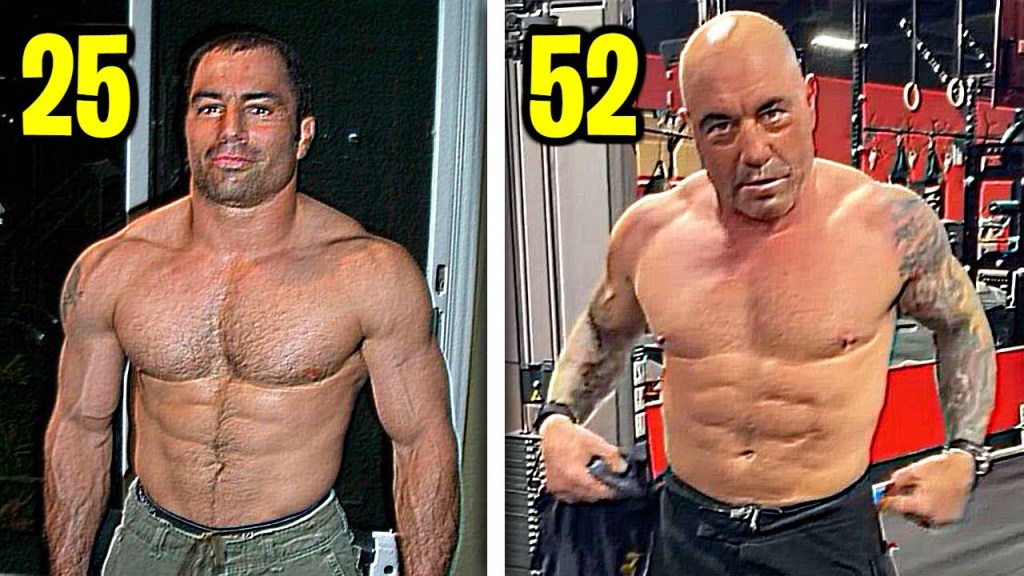
Look. I’ve worked in the fitness industry for almost 16 years now and can usually spot when someone is juicing up on some PED’s. I remember I confronted a buddy about 15 years ago. I would see him each summer as we worked together in a seasonal summertime job. One summer, he literally blew up into Chris Hemsworth. When I asked him was he on anything, I remember what he replied with. “I just drink a lot of juice.” Whether or not he meant for me to read between the lines of that answer, the denial on his part was still evident. You don’t go from being stick-thin and slender to a behemoth in under a year and a half without some sort of help outside of the gym. It always concerns me when I hear of someone that I know starting to use steroids or other enhancing-drugs because my medical brain takes over and all of a sudden, I assume the worst case scenario for that individual. I’ve also known a few guys who’ve done them and have come out perfectly fine, at least on the surface. Veteran bodybuilders and those athletes who have been on the active competition routes for a long time have probably developed some sort of tolerance for them or haven’t gone full force in terms of dosing measurements. Bodybuilding legend Arnold Schwarzenegger has in the past admitted that he’s been on the sauce and has never regretted it because it was under doctor’s supervision and they were experimenting with it. A lot of actors in preparation for roles have also done their share with PED’s. Mickey Rourke, in prepping for the 2009 film, “The Wrestler” when asked if he took steroids stated that “When I play a wrestler, I behave like a wrestler.” Other actors known to dabble with steroids are Sylvester Stallone, Joe Rogan and Dwayne ‘The Rock’ Johnson.
The science is there as well as the research, taking steroids is not without its risks. However, with the bad, let’s talk about the good too. There are some good steroids out there that men take for these athletic purposes too. The use of testosterone based therapy have given many, many men back some or a lot of what usually happens when we age. Men using TRT have regained their stregnth, stamina, sexual desire/functioning and a multitude of other things from it as well. Testosterone causes hefty gains in muscle size (20-30lbs) and remains one of the most popular steroids in bodybuilding; despite coming to market over 80 years ago.
Another good steroid on the market is Anavar. Anavar is one of the few steroids that is adept at building muscle and burning fat simultaneously.Muscle gains are not extreme on Anavar; however, an increase of 10-15lbs is common. Anavar is a mild steroid, that remains FDA-approved for medicinal purposes. It is commonly prescribed to patients suffering from bone pain due to osteoporosis; and those needing to gain weight quickly (as a consequence of trauma, infection or surgery).
Do these ‘good steroids’ have side effects? Of course, which is why you should only be prescribed them under a doctor’s supervision as is the same with the ‘not so good’ steroids. People are going to do what they are going to do in ways of taking illegal and lethal drugs to help them gain strength, performance gains, etc. It’s sometimes not the fact that a person takes them but they end up abusing them. When that happens, it’s very hard to come back from it. So what am I saying here? Do your research, consult your physician so you know the risks AND the rewards. If you are serious about using PED’s, make sure that you are dosing under the physician’s guidance so that serious medical issues do not happen because when that happens, nobody’s a winner.
John J. Schessler is a Pittsburgh-based Master Trainer, Exercise Therapist and Tactical Conditioning Specialist with over 16 years of industry experience. He is also a Men’s Life Coach and the host of the podcast, “ManAlive!”, available on Apple Podcasts. If you wish to contact John concerning personal training services, podcast bookings, etc., please email pghwellnesspt@gmail.com.
As I’ve stated many times before, personal fitness trainers are multi-faceted in their jobs because let’s face it, we have to be. You can’t teach someone how to be a people person, either you have the gift of versatility when you speak to a client or you don’t. Sure, you can wiggle your way through it uncomfortably but some people are better than other when trying to carry on a conversation or to lend an opinion to a client’s problem they are having at the moment. Personally, it’s always been relatively easy for me to be caring, compassionate and to respond appropriately to clients’ wishes, problems and questions but like anything else that a person excels at, it definitely takes practice and finesse. This raises a question however about figuring out your clients needs during every session. Do they want a trainer who’s going to kick their ass and make them sweat or do they need a caring person to lend an ear and give solid advice? Trainers wear many hats. Aside from our titled job, we also are bartenders, hairdressers, therapists and the caring friend that they may not have in their life to provide advice, comfort and direction.
During most sessions with clients, I let them take the wheel as to how the conversation and friendly banter goes. 85% of the time we end up talking shop about what happened that day, weekend plans or special occasions coming up for them/I. The other 15% of the time is where I change roles, usually the alter-ego that I play mostly is therapist. ask most other seasoned trainers and they’re likely to agree that we hear a lot of other people’s problems from day to day. Most of the time, the person isn’t looking for a fix to the issue or even advice but someone to listen and to validate that whatever it is that they’re experiencing is valid. That’s it.
In the broader scope within humanity, this is all everyone wants, from the very normal person to people with mental health concerns to serial killers (?!!!) and beyond. If people would learn that talking about their problems creates connection, vents frustrations and sets anger free, we’d probably see less problems in the world than we have today. I like to term myself as the ‘feelings trainer’ because if something is bothering you, I’m pretty much going to talk you through an emotional cleanse if that’s what you want/need.
That’s the first part, like I said. Trying to establish boundaries and develop a client dialogue for the session if the client wishes it to be that way. So many trainers miss these subtle hints and clues that may be a huge part of why they’re not reaching their goals, why their training sessions have fallen into the negative, etc. This is why it’s so important to require trainers to participate in behavior modification workshops or training to help them to recognize when specific behaviors surface in their clients and how to help them overcome whatever it is they may be experiencing that is holding them back from reaching certain goals.
Being able to read people isn’t rocket science but there is an art to being able to practice empathy and awareness for your clients effectively. Numerous fitness organizations offer behavioral modification training for continuing education credits (CEUs) or even offer a specialization in becoming Behavior Modification Specialists (BMS) through your certifying organization. Regardless, being able to spot emotional breaks in your clients and helping them to rectify them will help to further achieve their fitness goals and gain clarity in their lives.
John J. Schessler is a Pittsburgh-Based Fitness Trainer, Exercise Therapist and host of the podcast “ManAlive!”, available for download on Apple podcasts. He is also a certified Sports Injury/Orthopedics Specialist and LGBTQIA Men’s Life Coach and has been working in the the health and fitness fields for the past 15 years. If you would like to email directly concerning personal training inquiries, podcast guest information, etc., please email me at pghwellnesscoach@gmail.com.
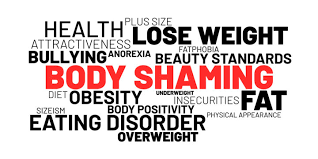
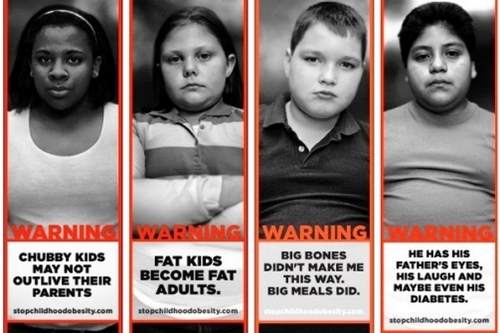
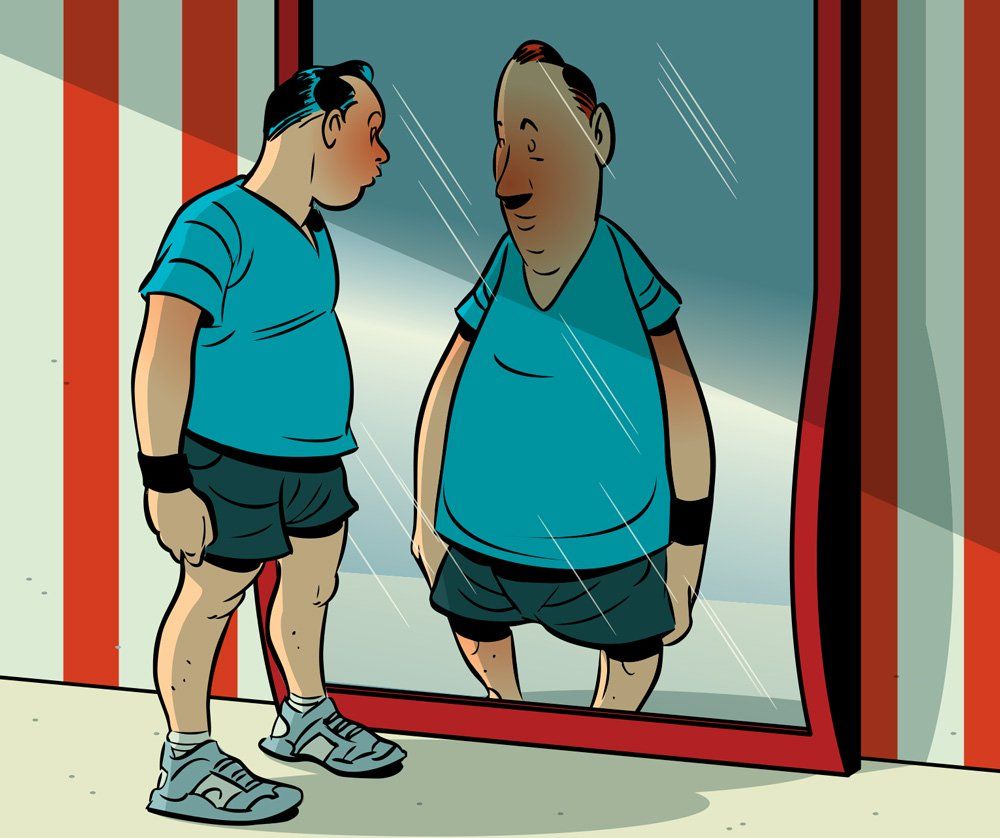
I was watching a TikTok yesterday which contained an interview with a so-called ‘Trainer’ saying that sometimes fat-shaming is needed to help motivate a client to self-motivate themselves into progressing in their fitness journey. Using phrases like ‘I had a fat client who……or ‘Fat-clients need to suck it up sometimes because….’ THIS IS NEVER OKAY TO SAY TO ANYONE! Shame on this person for even entertaining the notion that fat-shaming should even be considered is bullshit. When I got into training, I knew that anybody pursuing any sort of fitness journey is a vulnerable process; I never wanted to shame anybody for any kind of setbacks or struggles that they may have because it’s counter-productive for the professional as well as the client.
This type of bullying in the world is nothing new but it needs to be addressed, specifically by myself as well as other professionals in the fitness community because it’s degrading to the person in question and diminishes the entire fitness profession because to anyone, overweight or not knows, this isn’t an easy journey to take. The way I handle clients personally is that I never want to make anyone feel uncomfortable. Losing weight, gaining positive self-esteem, it’s a very vulnerable process. For a ‘professional’ trainer to look an overweight client in the face and tell them to suck it up baffles me to no end. Fat-shaming only crushes the clients character that much more and makes them feel unwanted and ashamed.
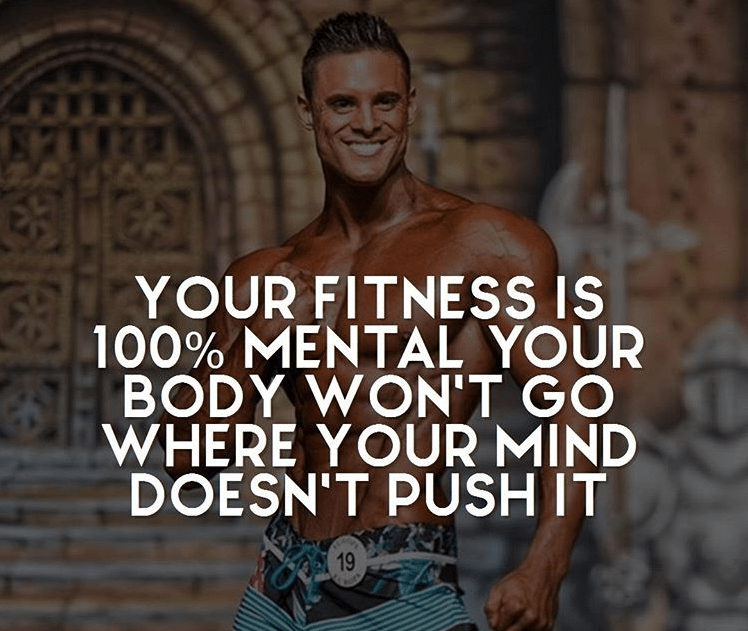
More than 80% of fitness changes are mental and when someone says something or does something to you that’s derogative, it stays with you. Think of it as ‘fitness baggage’ that your brain doesn’t need. These things people say and do to breakdown your character stays with you for years and sometimes forever, having sometimes detrimental effects. People can develop eating disorders, depression, suicidal thoughts, drug addictions, etc. If you think that they can’t, you obviously haven’t been paying attention to the news in recent months about the uprising of suicide among teens due to body image issues and shaming speech towards these individuals.
How did we get here? A big part is the thing that you’re viewing this blog post on…social media and cellular devices. Think about it, we literally hold access to the entire world’s information highway in our hands and pockets all day, everyday. Everything we want to know we just have to google it. Yeah, it’s very beneficial but depending on the content that you’re viewing, it obviously can have very negative effects on people. The emotional state of a person, no matter how tough the appear to be, is very fragile. With more and more of these messages being conveyed to a person, it’s screws with their mind, rewiring messages creating a whole cluster of detachment from what is actually being said and what the person sees as a person attack on their body and their image. Also, social media has made our society angrier as a whole. When’s the last time we went a whole day without reading or viewing something that wasn’t negative? Exactly. We suck at anger management and just genuinely being at peace with one another because we all need to be in everyone’s business.
So, how do we stop this cycle? First, we need to be able to separate fiction from reality. We can’t allow social media and the internet to dictate what’s acceptable and what’s not in relation to health, fitness and body standards for people. There’s way too much bad stuff in he world and we private citizens shouldn’t be adding to the negative energy out there. We also need to stop being hypocrites too. Telling someone they look good to their face and then shaming them to others behind their back doesn’t work. It also says a lot about you as a person and if you care at all about how other’s view you, you’d best keep your mouth shut. Being nice doesn’t cost anything and it doesn’t hurt anyone. We should be lifting people up not breaking them down because no one in the world has it easy, especially these days due to divisions politically, socially and economically…and it only seems to be getting worse. Take a chapter from any major person in history who has ever been influential in being a change for social justice and start with changing yourself for the better. When you get yourself right, spread that positive energy on to others.
Let’s create a world of positivity instead of the one we have currently.
John J. Schessler is a Pittsburgh-based Exercise Therapist, Personal Trainer, LGBTQ Men’s Life Coach and host of the Apple Podcast, “ManAlive!” He is also a certified Sports Injury and Orthopedic Specialist with over 13 years of experience in Rehabilitation and Physical Therapy settings. If you wish to send personal training or motivational speaking inquiries to John, please email him directly at pghwellnesspt@gmail.com
In today’s society, it seems that men are becoming more and more displaced in regards to how we’re seen as contributing members of society due to the boom of strong, independent females as well as causes such as Planned Parenthood, the Feminist movement and such others. Now, do not misconstrue what I am trying to say here…I am not saying that these programs aren’t important because they in fact are and we do need them to give people involved in them a voice to be heard. What I am saying is and the premise for this article is the question, “Just how useful and indispensable are men in 2022?”
For centuries, men have been viewed as the cornerstone figures for strength, leadership, courage and a multitude of many other things in our world’s history. In recent years, it seems though as if the sexes’ responsibilities have flipped giving women more visibility in society (again, which is awesome:)). Men have now taken a step back it seems to allow women to bask in the limelight of being vocal in our government, policy-making and being bread-winners for their families. Such a shift in priorities for men and women have made some men probably feel a little ‘left out’. Masculinity as well as femininity keeps getting rewritten with now expectations that exceed old ways of the past definitions of what is considered ‘manly’ and ‘womanly’. Men have taken somewhat of a backseat as I said in today’s society to women feeling more empowered by being more independent and living for themselves.
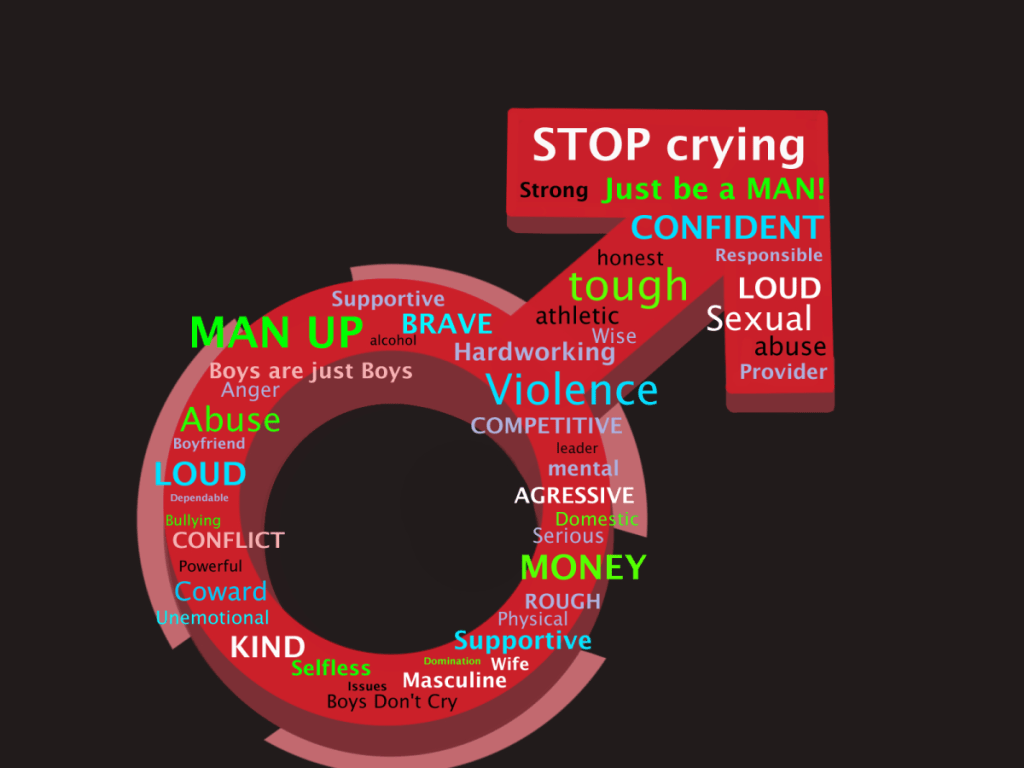
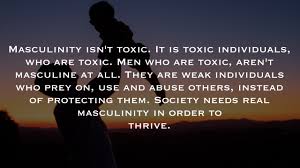
Since the term ‘toxic masculinity’ came on the social horizon, many men have has to re-assess if their own rules of what makes them a man healthy or not. The question here is “Is masculinity really toxic?” In my personal opinion, no, it’s not and here’s why. American society has set standards for men and women as what’s considered appropriate and not appropriate ways for us to act in public and among others. If we sway just a little bit to the left or right, people begin to question the behavior as good or bad. Do men have toxic traits about them that dampen how others view our entire sex? Sure we do but so do women. If we want to be fair in saying masculinity is toxic then we have to say that femininity is toxic as well and therefore, the entire human race is toxic. On an existential level, that statement is true. We all contribute to the demise of our own genders by acting out negatively, promoting ‘bad’ or ‘unaccepted’ views of behavior and it’s mostly because one group has termed the behavior wrong.
Sadly, there’s a double standard among the male gender that says that we can’t cry, show emotion or exhibit the tiniest bit of compassion towards people outwardly because if we do, we’re considered weak and in American society, that’s a no-no. Talking about our feelings? Never. We’ve created a picture of the perfect man in America that looks like the Hulk, is super well-endowed, conservative in his views and takes no nonsense from anyone. What this really portrays to people, I can sum up in one word: Insecurity.
Men young and old do not ever want to be told their insecure because it hinges on our worst fears about ourselves and our abilities to be the providers, protectors, great lovers and studs. As I said above, these ‘toxic’ behaviors are ingrained in us as little boys or we hold onto to these myths into adulthood. Although these behaviors do not kill us as a toxic substance would, these behaviors to darken the veil over a long list of over-compensating behaviors for males.
So, how do we diminish and extinguish this philosophy of toxicity among men? The first thing that I think we should extinguish these false expectations about how men should act and what is deemed acceptable behavior for men. We should also say in terms of sexuality, all types of alternative sexuality shouldn’t preclude anyone with a Y chromosome from being considered male, this is just absurd and laced with internalized homophobia. People also have to consider the fact that testosterone makes us do and act certain ways that aren’t always acceptable by the world at large. Fighting, arguing, etc. are just some of the ways that testosterone impacts our daily existence as men and although, we should not be engaging in these behaviors, we need to recognize as a whole society that these are a big part of the male experience.
I love being a dude, I love the feelings and responsibilities that come along with being a man. Do I love my penis? You better believe it, lol. There is a lot more however that defines my existence as part of the male gender though. We’re partly in this life to experience ourselves and our bodies for what they were designed for: life. Denying certain aspects of being male because they’re toxic isn’t fair because some people have decided that those behaviors go against their own expectations as to what a man is. That’s as bad as me saying a woman shouldn’t lift weights because it makes her too masculine looking. In the end of this somewhat childish debate, it all comes down to the individual really. Do they subscribe to traditional ways of being a man or do they go against the grain to the more modern approach of being male? Either way you look at it, us guys have a lot to consider in 2023 about how we move forward from here in the masculinity debate.
John J. Schessler, Jr. is a Pittsburgh-Based Exercise Therapist, Personal Trainer, LGBTQIA Men’s Life Coach and host of the podcast, “ManAlive!”, available of Apple Podcasts. He is an advocate of mental health and suicide awareness for men and is an avid contributor for the Human Rights Campaign. If you would like to email me directly, please send all inquiries to: pghwellnesspt@gmail.com
If you have a goal, any goal, the biggest part of achieving that goal is breaking through those annoying voices in your head telling you that for whatever reason, you can’t achieve it. Any fitness instructor and trainer will tell you that every client they’ve ever had has felt like this at some point, from the very experienced to the beginners. Our mind plays brain games and tricks on us in mostly, if not everything that we do in our lives so having hang-ups about fitness progressions and how somebody looks is no real big surprise or shock to anyone that it happens. The truth is getting beyond it and that’s where it gets sticky because for some individuals merely just ‘getting beyond it’ isn’t exactly an easy choice to make.
Way back in the dark ages….okay probably about 11 years ago now when I first became certified as a personal trainer, I thought long and hard about my ‘Why?’; what was the catalyst that has brought me to this career? After a while, the answer became pretty clear and simplistic: I wanted to help people. I still do thoroughly enjoy watching clients succeed and go on to win competitions, breakthrough boundaries and accomplish really awesome feats. Sadly enough, not everybody possesses skill sets that allow them to be this motivated but it is 100% teachable. Just like tying your shoes, living your life through a lens guided by hope and tenacity are products of a skill set that we all are able to learn and enhance as we age or go through different experiences. Hope is created within someone when we set goals for ourselves. Goals are a means for you to focus on a target and with each tiny victory the level of hope inside you goes up and when you experience a setback, hope levels go down. Goals also require you to put forth effort and push yourself even when you don’t feel like it. That’s the difference between childish behavior and maturity. Adults complete tasks even when we don’t feel like it, children brush it off and move onto the next new and exciting thing.
Throughout your fitness journey, there are going to be a lot of people telling you that you should hang it up because you ‘don’t know what you’re doing’ or ‘you’ll lose interest in it after a short while’. Mentally speaking, these remarks can cause a person to lose the hope the once had and get replaced with feeling of anxiety, hopelessness and defeat. To become successful with anything in life not just fitness, you need a strong support system. These are your cheerleaders, your tribe. People you can call upon when you need a shot of motivation or encouragement. Human beings are social animals so psychologically, this makes perfect sense. No one can do everything alone, even if they tell you that they can. When a person tries their hardest over and over again and the result doesn’t match their own expectations they have for themselves, they beat themselves up. Understandable, right? One phrase I use with clients a lot is to ‘not be so hard on yourself’. Lifting weights and finding yourself within a fitness journey where you basically are cultivating a new image for yourself is extremely difficult. Holding yourself accountable for tiny ‘mistakes’ and mess ups is admirable but not necessary in the long run, they only hurt you. Picture it: you eat badly one day out of the week, yet your trainer has told you that a cheat day is perfectly okay if you are eating clean the rest of the week, yet you still punish yourself for the one day of eating like crap. What exactly are you accomplishing by doing this? Again, don’t be so rough with yourself, you’re only human after all and we’re all flawed.
As somebody who has been through a lot of pain and tough moments in their life, I can tell you this: no one has ever bettered themselves focusing on the negative things in their life. We all have trials that we must face in life and paths each of us have to walk, either alone or alongside others. Things won’t get much easier if you continue to beat yourself up either. Be kind to yourself because at the end of the day, you’re all you’ve got.
John J. Schessler, Jr. is a Pittsburgh-Based Personal Trainer, Men’s Life Coach & host of the podcast, “ManAlive!”, available on Apple Podcasts. He is also certified as a Social Work Specialist, Sports Injury/Orthopedics Specialist as well as holding a Bachelor’s Degree in Corporate Communications & Marketing from Penn State University. If you have any questions or are interested in training services/packages: please email j.schessler@pghwellnesscoach.com. Thanks and have an inspiring day!








 Athlete Mindset HQ Institute