
Recreation therapy (RT) or therapeutic recreation as it is sometimes called, is a form of therapy that uses recreation and other activity-based methods to deliver therapeutic interventions that addresses the needs of an individual dealing with an illness or disability. RT includes activities and a variety of techniques such as arts/crafts, animal therapy/interactions, games, sports participation, events, drama, music, community outings, etc. Services are provided by a practitioner given the title of “Certified Therapeutic Recreational Specialist (CTRS).”

For the past two decades, development and credentialing of CTRS’ has undergone major retooling and the need of these types of therapists’ in today’s medical and mental health fields are climbing due to the increasing percentages of disorders such as Autism, ADHD, etc.
What are the benefits of RT anyway? There’s plenty.
Treatments will not only aid in a patient’s psychological and physical health recovery, but it can help improve their overall well-being. Benefits include:
- Reduces depression and stress
- Reduces anxiety
- Improves functional independence after an injury
- Recovers basic motor functioning/reasoning
- Builds confidence
- Strengthens social connections
- Increases self esteem
- Increases strength and physical fitness
These are just some of the bigger ones too. The benefits are more individualistic depending on the person and diagnosis that the person has. One study conducted in 2014 at Spaulding Rehabilitation Hospital in Boston, Mass., was to retrospectively examine program participant feedback to identify additional perceived outcomes of sport-based therapeutic recreation that may warrant future empirical research. Taking participants from 7 to 75 years of age who were mostly outpatient male community members with varying disabilities (Spina Bifida, Cerebral Palsy and Traumatic Brain Injury), each participant was to participate in his/her own interest or sport. What they found that for the fitness group, the perceived progress in the individuals sport was relatively high, each reporting a improvement score of no less than 50% percent. The second perceived benefit was that progress was made regardless of sex, gender, participation rate or hospital status. This outcome simply reinforces the notion and potential of sports to be able to provide meaningful rehabilitation to a wide variety of persons with varying disabilities.
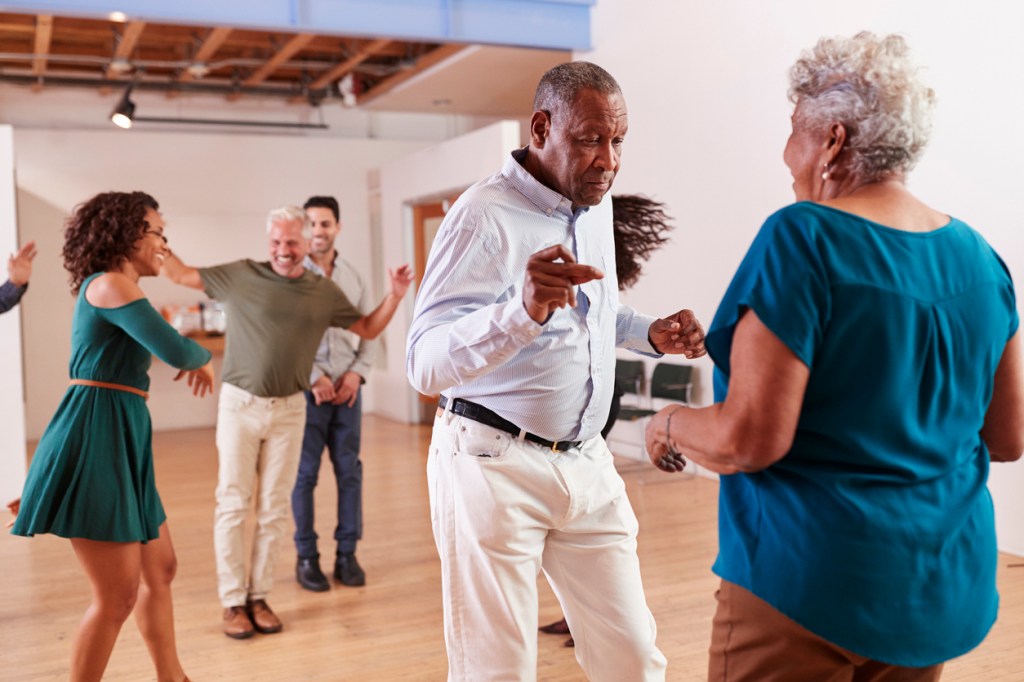
Many inpatient/outpatient rehabilitation facilities have some sort of recreational therapy department that is geared toward improving the lives of children and adults through play activities. The Department of Veterans Affairs employs recreational therapists to help disabled Vets become more active, gain motor functioning and control as well as receiving exercise through sports.
The field of Recreational Therapy is one that is breaking through the traditional ‘OT, PT and Speech-Language Therapies’ to create a whole different and innovative approach to helping individuals with disabilities learn to succeed in their everyday lives through play, socialization and bonding with other members of the community through team sports and activities.

John J. Schessler is a Pittsburgh-Based ISSA-Certified Master Trainer, Exercise Therapist and Tactical Conditioning Specialist. He is also a writer, actor, motivational speaker and Men’s Life Coach. He has also been featured with the BBC News Channel, regarding Body Dysmorphia. He is listed on Instagram @flipyourscriptpt and currently is seeking new personal training and life coaching clients. If you would like to reach me directly, please email all inquiries and questions to pghwellnesspt@gmail.com. Thank You!


Leave a comment