John J. Schessler, MS, SPC, CPT is the founder of Athlete Mindset HQ and a sport psychology, fitness, and performance professional with a background in child and adolescent psychology. His work explores the intersection of mindset, physical performance, mental well-being, fitness, and human development. Through practical, evidence-informed education, John challenges outdated ideas about fitness and performance while helping people build stronger bodies, healthier mindsets, and sustainable habits for life. His philosophy is simple: More Than Winning—build the person, and performance follows.
You know what’s great about self-care? You are finally putting yourself first, which is what we all should be doing from time to time! Think about it, if you aren’t right physically, emotionally or mentally, you’re of no use to anybody else. Men pretend all the time that they’re okay or that ‘they got this’ but in actuality, they’re screaming because they have a million things that they don’t know how to handle or what to do first.
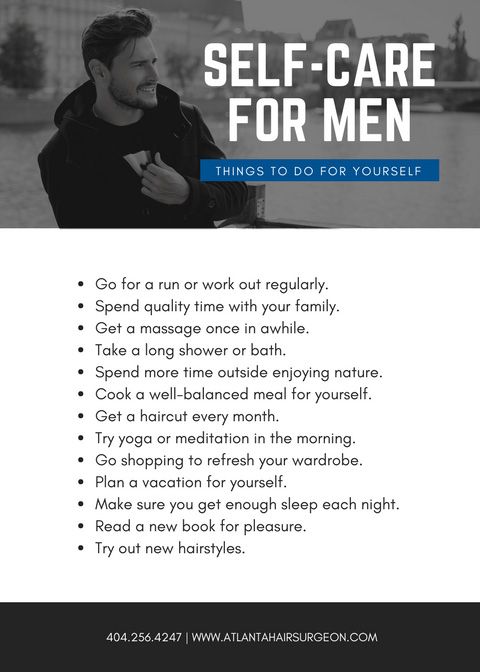
Guys, take a self-care day. Go for a run, have a spa-day with your buddies (it won’t kill your masculinity) or plan a vacation by yourself to refresh. We’re not meant to run ourselves ragged all the time so taking that much needed time out to regroup and refocus on us is exactly what the doctor or trainer (wink, wink!) ordered.
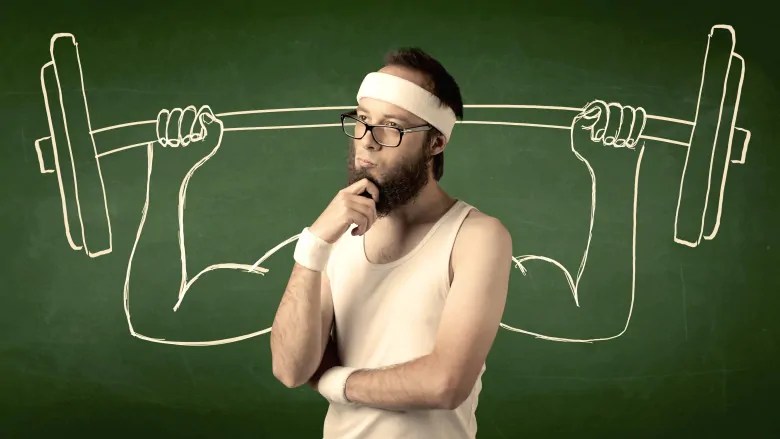
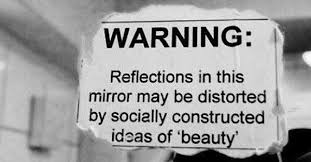
This really is where everybody’s fitness story starts, I know mine did. Everyone starts working out for a multitude of reasons but one of the main reasons is they don’t like what they see when they look in the mirror. Isn’t that sad? We should be happier with ourselves than we are because, in actuality, it’s not as bad as you might think. After looking in the mirror, what usually follows is us grabbing loose skin and grimacing to ourselves in disgust. We do this song and dance many times in life because we’re constantly being bombarded and stigmatized by negative messages hidden in advertising, television shows and other media about what’s acceptable and what’s not concerning body image. We are constantly being reminded that we’re growing older by creaky joints, depleted oxygen intake and skin starting to wrinkle…we don’t need the media telling us about it to! We’ve learned this game of self-sabotage extremely well and judging by the amount of depression and anti-anxiety medications, cosmetic surgeries and endless selfies (gag.), there is a collect low self-esteem problem in this country and it’s getting worse. So, how did we get here? What can we do about these endless negative messages that we send ourselves almost on the reg?
Let’s get this out of the way right off the bat. It is perfectly natural to judge not only others but ourselves as well. People always are looking for ways to change their appearance, dye our hair, wear makeup and get plastic surgery. When things go beyond what are considered safe ways of improving yourself to more extreme measures, that’s when it becomes a serious issue. Body dysmorphia or BDD for short, is nothing new. As a matter of fact, in 1891, Italian physician Enrique Morselli first described BDD using the term ‘dysmorphphobia’ or the fear of having a deformity. Flash forward about 100 years to 1987 when the Diagnostic Statistical Manual (DSM-IV) officially recognized BDD as a mental health disorder.
“Okay….that’s the history of it but what actually is BDD John? How does it affect people and why is it so bad?”
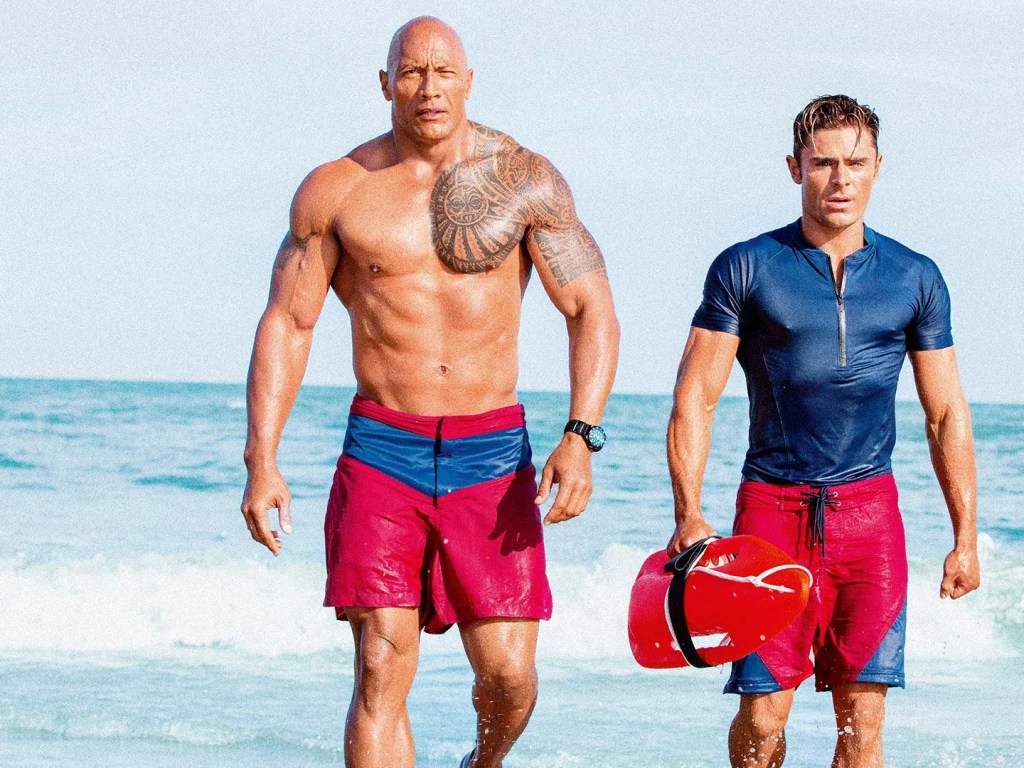
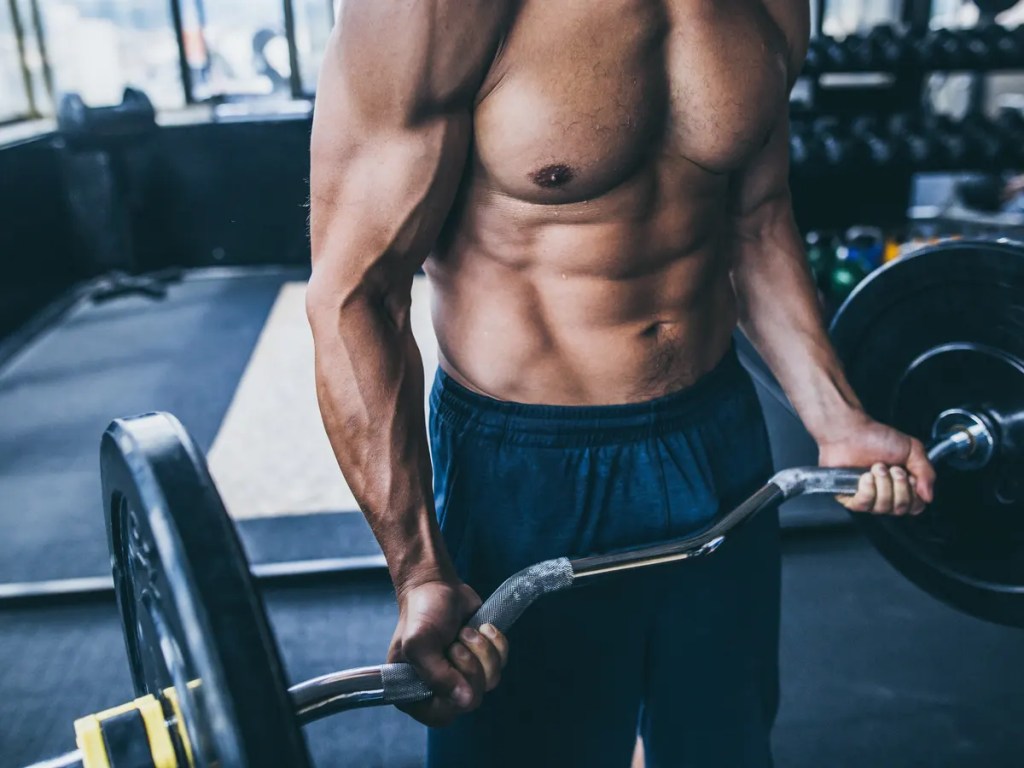
In layman’s terms, BDD is a mental health disorder in which a person perseverates on one or many ‘deformities’ concerning how they look. BDD is more commonly seen in women than men, although numbers for men are rising with constant social pressure to conform to this character ideal of strength, commonly known as ‘Alpha Male Syndrome’. Since I’m a men’s life coach, most of my work is surrounded by helping men men to tap into those ‘soft skill areas’ of the human experience and assist them in being vulnerable with all of their physical and mental issues. However, just because I work primarily with men does not mean that women aren’t as important. On the contrary, they are probably the more important piece in most of, if not all of this. Women are men’s biggest supporters whether they care to admit it or not and when it comes to how we look, they usually let us know in one way or the other that they are supportive of our bodies and appearance, even when we don’t agree with them. The truth is we have insecurities as well. Huge pecs, tight abs, larger than average penises, etc. Body image issues affect everybody. For a lot of guys, getting big is the goal and when that doesn’t happen, it becomes an unhealthy obsession for some to do whatever it takes to reach the vision they have in their head of what they want to look like. Termed ‘Bigorexia’ by some, it is the exact opposite of anorexia nervosa, an unhealthy condition where people constantly think about losing weight. Bigorexia or muscle dysmorphia, is all about becoming HUGE, literally. Studies show this normally affects male bodybuilders/athletes but doesn’t discriminate among us ‘regular’ people too.
So who or what is to blame for all of this?
Well, that part isn’t so black and white because it’s not just due to one factor but instead many of them. Typically, people who have muscle dysmorphia have low self-esteem. The former teasing we all received on the playground as children comes back to haunt these individuals as adults, sending their mental images on hopes of becoming 3, 4 or 10 times their current size. Trying to ‘make good’ on the negative teasing give these individuals an axe to grind with others and it’s nonstop, 24/7/365 days a year. 29% of people with bigorexia often have a history of an anxiety disorder and 58% have presented other kinds of mood disorders.
The endless pressures from society to look certain ways, dress in expensive clothing, drive BMW’s and starve ourselves to the point of thinness takes it toll mentally on the general public and it’s worsening. For WHAT? Honestly…for money. Corporate America profits from your buying supplements, medical bills, therapy, detoxing, etc. You physically suffer so others make a profit…it’s absolutely horrifying. This is why mental health is so important and receiving the help you needs when you need it to ensure that everything is in good shape from top to bottom.
Everybody in the fitness world almost knows of them but there are a lot of people who don’t really understand and comprehend what macros are or how they work. If you don’t quite get it, I’ve got you covered. Here’s the 4-1-1 on macros and whether or not they’re a proven method to healthy eating and healthy living.
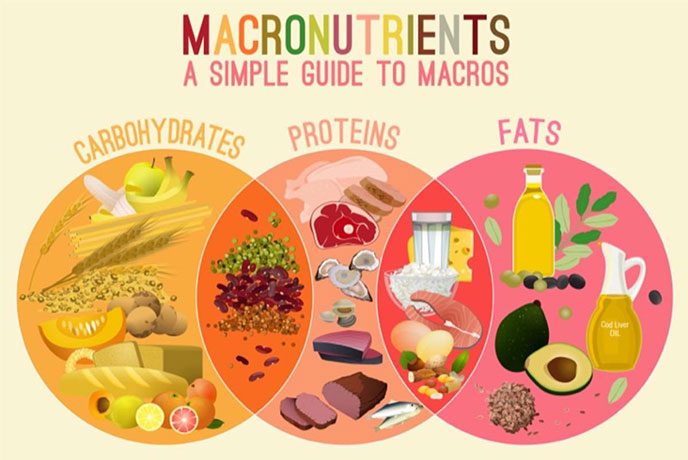
Macros are short for ‘macronutrients’. Basically, macros are three categories of nutrients that you eat the most and provide you with most of your energy each day. These categories are: protein, carbohydrates and fat. When people talk about counting macros, essentially they’re talking about how many grams of each of these categories they consume for the entire day. Some people do make a habit of counting macros each day to stay within the parameters of their diet. However, whether you count them or not, we all eat macros. The difference between people who count them and those that don’t are people who meticulously count macros have a better handle and knowledge on where the calories are going to in their diet.
Before I knew what macros were and did some research, I thought counting these little guys was something that hardcore bodybuilders did or anybody who was competing in an event would do as a form of prep work. It wasn’t until I found out my great friend, Erika Reid, counted her macros and introduced me to the process. She guided me over to her Facebook group, ‘Mama Loves Macros’, which I urge everybody reading to go check out for ideas and recipes that are macro-friendly. After she explained to me a few things, I kind of got a handle on how this all works and the science behind it. On an early episode of my podcast, ‘ManAlive!’, I talked with Erika about the importance of cooking macro-friendly meals, especially during and after her pregnancy. For any woman, getting the correct nutrients is important in itself, not only for the growing baby but mom as well. Macros tend to shift when a woman becomes pregnant due to the body needing more nutrients for the growing fetus. Counting macros is a great way to make sure that you are eating a heart-healthy, balanced diet.
“John, counting macros every. single. day. It seems so time consuming. I just don’t have time.” True, it SOUNDS time-consuming but it’s really pretty simple thanks to technology. Want to count your macros? There’s apps for that! MyFitnessPal does most of the work for you, all you need to really do is to scan the food label into the app and your part is basically done. It’s that simple!
Protein
These are your muscles’ building blocks and since muscles make our bodies look strong, we want to make sure we’re getting enough of the right ones. When your body is going through muscle-building processes, there is more happening than just shedding weight and stored water. If you have any kind of strength goals, it’s difficult to build a lot of muscle without eating the correct amounts of protein daily. The usual amount for protein recommended by most macro-coaches for fat loss is around .8 to 1 g times you ideal body weight. Some people tend to base it on lean body mass instead but either or, this is a simple and easy way to create a solid protein goal.
Carbohydrates and Fats
The breakdown with carbs and fats is a lot more flexible and easier to keep a handle on. Some people do a 50/50 split, others a 60/40, etc. but they can always be adjusted accordingly to changing dieting trends and habits.
Setting Your Macros
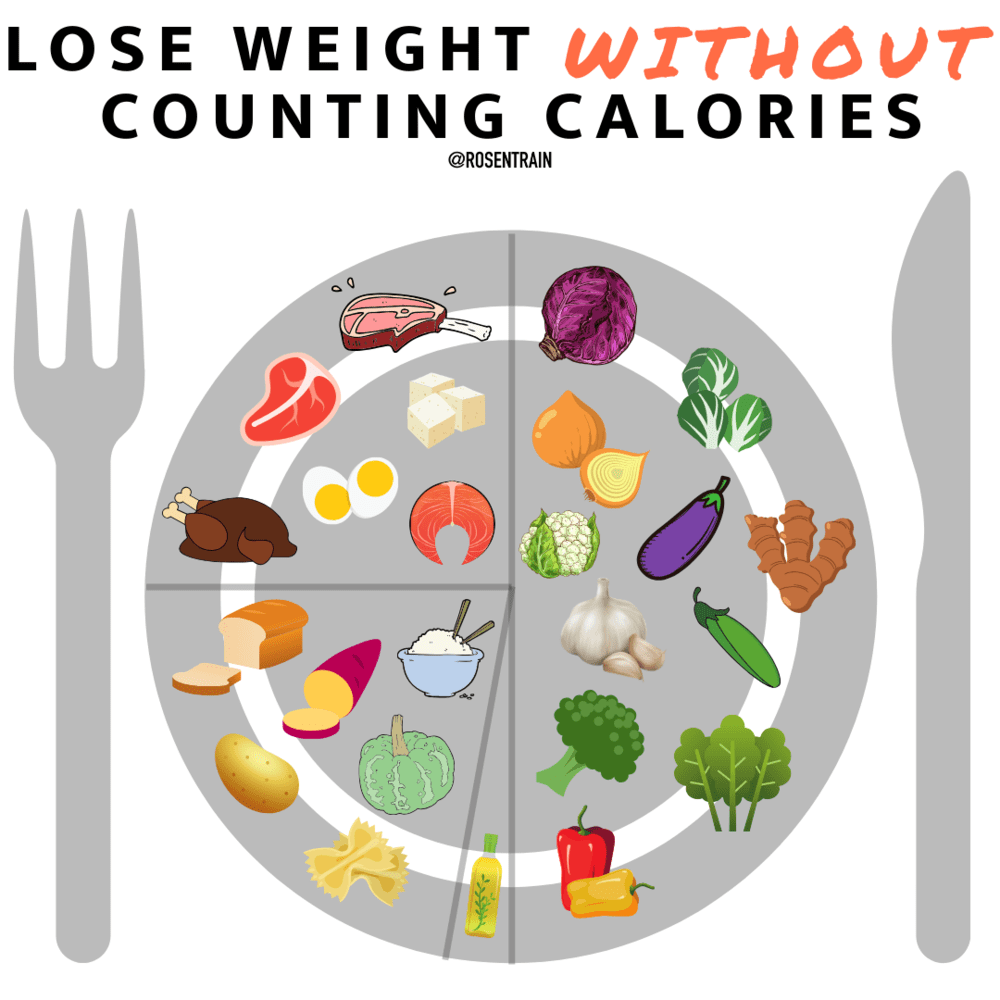
Determine you caloric deficit.
the general rule of body weight times 10, 11, 12 or 13. Adjust numbers closer to 10 for more sedentary living and closer to 13 for more of an active lifestyle.
Set a protein goal.
To set daily protein allowances in your diet, use the formula of your bodyweight OR goal bodyweight times 1.
Distribute remaining calories between fats and carbohydrates according to preference.
Is it worth it?
Counting macros or ‘flexible dieting’ as it’s commonly referred to due to the fact that you’re eating REAL food without depriving your body. People who are macro counters often use the acronym ‘IIFYM’ – if it fits your macros. So you can basically eat it as long as it fits into your macros for the day. Counting macros can assist you in:
losing stubborn fat
maintaining lean muscle mass
keeping your body satiated
Are you ready??!
If you read this far, you now know some of the basics of what macro’s are and how they are calculated. Now, if you are considering starting to really zone in and start crunching some numbers for yourself, you can now make a more informed and intelligent choice when it comes to healthy nutrition.
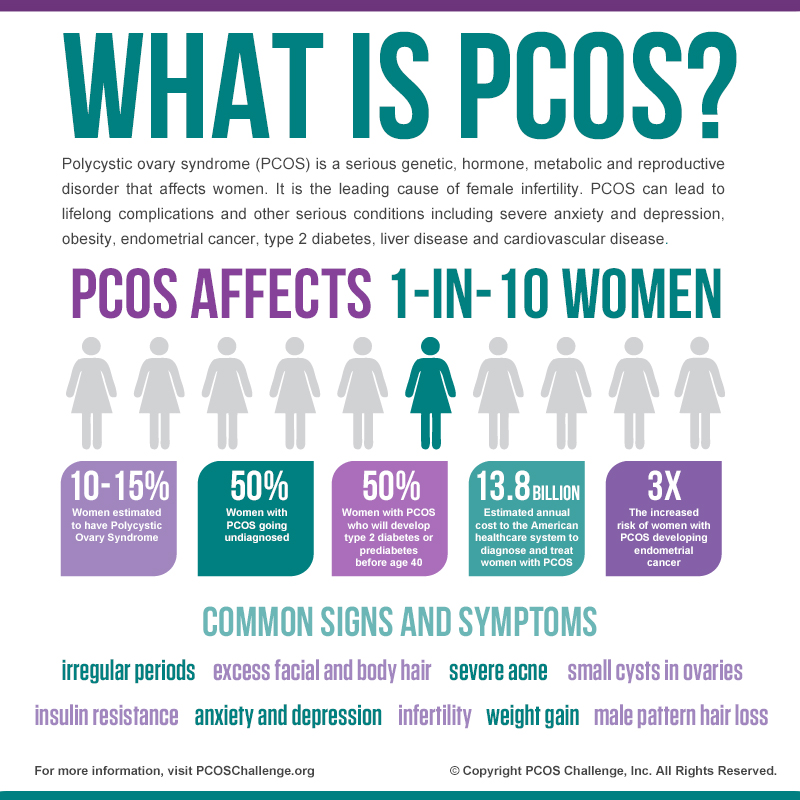
PCOS or Polycystic Ovarian Syndrome, can bring a hand full of health issues that directly affect weight, hormonal levels, menstruation, etc. For the individual, it can feel like throwing darts at a dartboard with a blindfold on. Even with all of the associated health issues, a healthy diet and consistent exercise program do help improve the vast number of symptoms a woman can experience. Let’s take a quick three-minute look at the connection between PCOS, fitness and improved health.
PCOS Challenge: The National Polycystic Ovary Syndrome Association worked with U.S Representatives David Scott (GA-13) and Roger Marshall, M.D. (KS-1) and U.S. Senators Elizabeth Warren (MA) and David Perdue (GA) in the U.S. Congress to introduce Resolutions recognizing the seriousness of Polycystic Ovary Syndrome (PCOS) and expressing support for the designation of the month of September 2019 as “PCOS Awareness Month” (H.Res.146).
Let’s look at the science for a minute. PCOS occurs due to the hypothalamus in the brain sending incorrect signals to the pituitary glad. This results in ovarian dysfunction, throwing progesterone, estrogen and other androgens out of whack. This makes trying to lost weight a slippery slope due to your hormone levels being all over the place.
PCOS and the Fitness Connection
Due to the drastic shift in hormone levels, this does make weight loss difficult because of the fact that PCOS is an insulin driven condition and can lend to weight gain, specifically around the abdominal area. Combined with poor eating habits, this can lead to Type-2 Diabetes and insulin resistance.
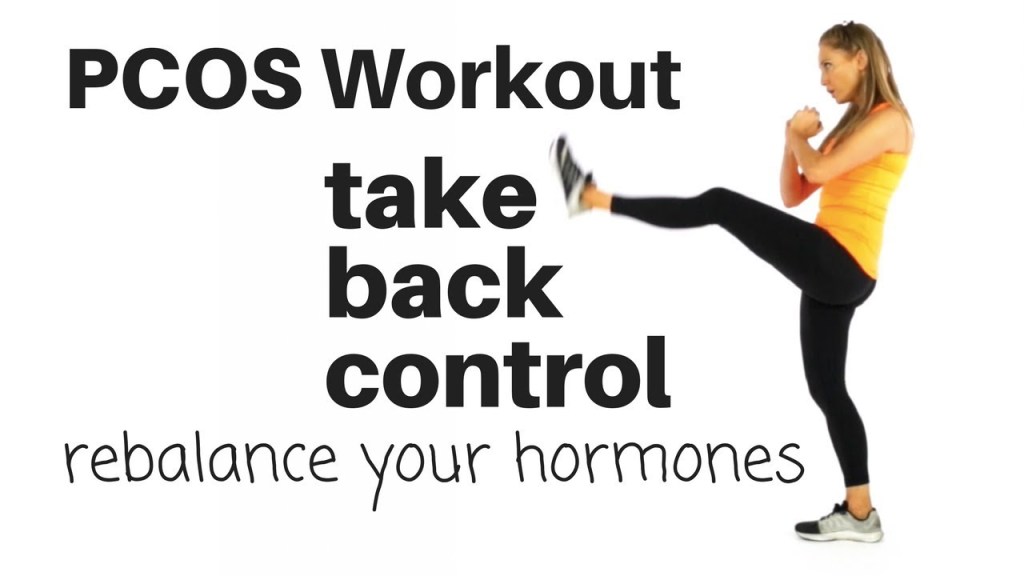
What does this mean for working out? Well, the first thing you’ll see improve you’ll see improve is your PCOS symptoms. Insulin resistance can cause you to carry extra weight but according to the NHS in the United Kingdom, if you have a high BMI, reducing body fat by just 5% can cause significant improvement in PCOS symptoms. Incorporating movement and integrating an exercise routing daily should a top priority and a part of your general lifestyle as well as eating a balanced diet. Studies have shown that strength training aids in improving with insulin resistance and adding a few sessions a week could mean managing PCOS symptoms but burning fat as well. HITT training is also a great way to manage your sensitivity to insulin through short, sharp bursts of energy.
You do want to exercise but you don’t want to over train either. Having a healthy balance is always the right way to go. Over training leads to increased levels of cortisol – the stress hormone and stress leads to increased chances of insulin resistance.
The best kind of exercise after going over the research is pretty consistent from study to study saying that the best kind of workouts for PCOS clients is moderate-intensity workouts. These types of workouts are typically three days a week for about thirty minutes at a time. Workouts like this are said to reduce insulin resistance and improve weight loss. Stress plays a major role for PCOS individuals and restorative exercises like walking or swimming can also help lower internal inflammation.
Regardless of your workout regime, movement is imperative to assist in managing the symptoms associated with PCOS. If you’re not sure as to what type of exercise program to start on, check with a medical professional about the safest route for you to take. Taking control over your health and wellness is on of the best things that any of us can do in ways of preventative measures as well as health management of current symptoms before they become unmanageable.
You’ve done it. You decided to commit yourself to going to the gym on a regular basis to change how you feel about yourself, start becoming active and adopting a better lifestyle for yourself. WONDERFUL! Wait though…do you have a plan of attack? What are you fitness goals? How and where are you fitting your workouts into your weekly schedule? Are you using a pre-workout or BCAA’s? Is it medically safe for you to be starting an exercise program? What are you eating before and after your workouts? Do you need a trainer? Do you WANT a trainer?
WHOOOOAAA! Hold on there Slappy…!
This is enough to make your head spin, right? However, if you want to do things the right way, these are some of the things you need to consider before making this sort of commitment. When you take time to consider some of these things and weight them out, it will make beginning and sticking with an exercise regime that much easier.
The day is here. You walk into the gym for the first time. Upon seeing the other members, who look experienced, a few words come to mind….intimidating, uncomfortable, overwhelming. You want to run out to your car but you don’t. Instead, you check-in, go to the locker room to change and head out onto the gym floor to get started. What do you do now? The logical answer here and the one that will yield the most positive results is to just ask. A lot of you reading this are saying to yourself, “What the hell would you ask for? Just do it!” This response is where pride and ego get in the way of expanding your choices. Most people don’t ask because it’s embarrassing or ‘beneath their intelligence’ to ask how to do something because if you’re smart, why would you need to ask? Gym staff members are there primarily for this purpose and want to provide assistance to gym members when and if they need it. Although most front desk staff are not certified trainers, they still are equipped with helping members with the ‘how-to’s’. These guys are also responsible for the cleanliness and upkeep of the facility as well so give them a huge pat on the back when you see them!
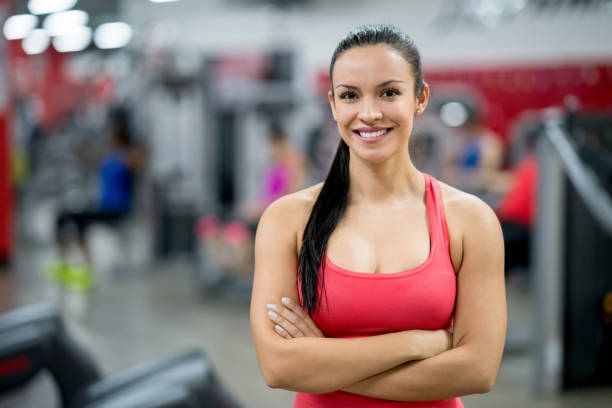
Certified personal trainers, fitness instructors and group exercise instructors are professionals in fitness, certified by a national certifying organization or educational institution. These are the people who assist members on their fitness journeys by providing one-on-one instruction, fitness and nutrition education and referral services. A lot of people have concrete visuals of what PT’s should look like, the knowledge they have and what kind of lifestyle they lead. This stereotype couldn’t be further from the truth for most of us (yours truly included). I am not a muscle-bound, steroid-crazed, heavy-weight lifting behemoth, I am quite the opposite. I’m a 5’4″, 160 lbs of athletic, wiry muscle. When i started in the business, I was so hung up on how i visually looked because I had my own hang-ups on what PT’s were supposed to look like and I DIDN’T fit the bill. Over the years, I’ve found that clients and members respond more favorably to trainers who know their stuff and not so much look the part. I have seen member gain great progress, break down their mental barriers and create functioning and healthy changes in their lives. It is a great privilege to have a hand in helping people change their lives for the better.
Anyway, are you contemplating getting a personal trainer to assist you in reaching those goals but don’t know where to start? First off, know that it’s a commitment on both of your parts. I often refer to my role in this relationship with a client as the ‘showrunner’. Showrunner’s in TV shows do just that, run the show. In a personal training instance, showrunner’s design programs and execute them with the client, adhering to safe fitness guidelines and making sure the program aligns with the clients fitness goals. Secondly, do your homework. Do you need a trainer that specializes in a certain area? Do you need a trainer to help ready you for an event? Whatever the case may be, inquire at your gym about the trainers they have available and which one will cater to your specific needs the best. After you meet with the trainer, you’ll have a clearer picture if this is something that you want to invest money, time and effort into.
Okay, you’ve got a trainer and you’ve been seeing some results in your body but feel like you need an edge of sorts, right? Supplementation may be a route that you want to take. Before you take the jump, go to GNC and get those supplements, do you know what you’re buying? If you’re not educated on the science of supplements, chances are you have no idea what you’re buying or what is contained in them. The first thing you need to know is that supplements are NOT regulated by the FDA. This means that literally anyone can put some random ingredients into a canister, give it a snappy name and potentially sell it. Again, i want to stress doing your research. There are supplements that cause more harm than good causing any number of side effects when ingesting them. Talk to your PCP, see what supplements are the best fit for you and then make the purchase.
I could go on and on about Fitness 101 and what it takes to be successful on your fitness journey and you know what? I intend to do just that. Over the next month, I’m going to write a series of posts dedicated to Fitness 101 topics that a lot of members frequently ask when beginning. The more you know, the more you grow so let’s get to it!
A lot of times, people have certain expectations when it comes to going to a personal trainer. Male or Female? Do they have any specializations? What is their success rate with clients? Regardless of what your specifications are, most clients have certain things they look for in a PT. However, what if you don’t? Where do you start? What questions do you need to ask yourself and what is going to make the search go a lot smoother?
When most people start at a gym and feel the need for direction and structure in their workouts to help them reach their personal goals, they usually seek out a personal trainer. Personal trainers are individuals at a gym who possess training specific to assisting individuals in a gym or fitness setting meet their fitness goals. We do this by way of designing programs, fitness consultations and different types of fitness testing. The first question you should be asking yourself is ‘can I afford a personal trainer?’ Most trainer rates can be very outlandish and expensive depending on the facility you are a member at. Some gyms do offer training services at no additional cost to the member and in my personal opinion, more people need to avail themselves of these services because when you compare trainer rates these days, costs can be astronomical. Getting yourself a personal trainer can be a huge investment so do your research before committing to save yourself some financial mistakes and hardships.
The next question you should ask yourself is whether or not they should specialize in specific areas of fitness to align with your goals. Most trainers have multiple certifications aside from their base personal trainer certification that allow them to specialize in things that make them more marketable as a trainer. I personally have certifications in sports injury, orthopedics and life coaching to make my personal training services more rounded out for the clientele that I serve. If you have specific fitness and health goals, you may want to seek out a trainer who specializes because they will be better equipped to guide you if you have any special considerations or contraindications (problems) they may need to accommodate for you.
One of the main points of having a personal trainer is to help you feel more comfortable in the gym and give you confidence for you to have as much autonomy over your workouts as possible. There are some people who prefer male trainers and some who prefer female trainers. In my experience, most men tend to gravitate to male trainers and women to female trainers. Men feel that another guy will probably be able to understand their goals if they want to ‘build size’ more so than a female would due to the fact the most women don’t align with those type of fitness goals. On the same token, most women would probably feel more comfortable confiding in another woman if they have weight loss goals or goals more along the lines of things a woman would understand more. Regardless of the gender, trainers are equipped to deal with all types of problems that are health and fitness related with great tact and confidentiality.
One of the things that some people tend to do is stereotype trainers or put them in a box without even talking to them or knowing anything about them or their abilities. Some people just expect the personal trainers are supposed to look a certain way, act a certain way, etc. We’re individuals too, we have flaws, things that make us different and unique in the part that we play as trainers. I’m 5’4″, 160 lbs and a toned build but am no comparison to guys in muscles mags or bodybuilding contests. On that premise, that does not mean in any circumstance that I don’t know what I’m doing. I’ve been training for ten years at this point and have worked in the medical, physical therapy and educational sectors. I have experienced clients who have had enormous success in their fitness journey and I’ve been privy to have had a hand in them. Before you judge us, ask us about our background and what we can provide for you.
The main point of this article is to shine some light on what things to look for when pursuing a personal trainer, pricing, certifications and specializations, etc. Basically, it all comes down to you and your comfort zone. Trainers get into this line of work because we want to help people become better versions of themselves and we want everyone to have that chance. There’s no need to feel intimidated or embarrassed to come to us because we have been there too. We stumble on our own fitness journeys and understand that it’s not an easy process for anyone to conquer. There’s nothing wrong with wanting someone in your corner helping you to overcome the obstacles that have stood in your way.
If you wish to ask me questions, seeking support or would like resources, please email me at j.schessler@pghwellnesscoach.com
Today is International Women’s Day! However, everyday is women’s health awareness day. So let’s talk about the number one killer of women in the United States and how to prevent it….heart disease.
Heart disease as I stated is the number one cause of death of women in the United States, killing 1 in 5 women. About 1 in 16 who are age 20 and older have coronary artery disease (CAD) which is the most common type of heart disease. CAD happens when coronary arteries struggle to supply the heart with enough blood, oxygen and nutrients. Cholesterol deposits, or plaques, are almost always to blame. Coronary artery disease can range from no symptoms, to chest pain, to a heart attack. Treatments include lifestyle changes, medications, angioplasty, and surgery. Symptoms of CAD are angina (chest pain), pain in the neck, throat and jaw as well as nausea, vomiting and fatigue. There are also some ‘silent’ symptoms of CAD as well, ranging from heart attacks, arrhythmia and heart failure.
Risk factors often are associated with high blood pressure, LDL cholesterol numbers being abnormal, smoking, being overweight or diabetic, having an unhealthy diet, living a sedentary lifestyle and consistent use of alcohol. With all of these risk factors, is there a way to lower or get rid of them? The good news is that the answer to that question is yes. Most of lowering your risk factors is to take preventative measures before things start to worsen. Here are some things that you can do to decrease your risk of CAD:
Know your BP numbers. At the doctor, have them check your BP on a regular basis.
Talk to your doctor about pre-screening for diabetes. Uncontrolled diabetes raises the risk of heart disease. Consider having your triglycerides and cholesterol checked. Abnormal numbers in these areas may be indicators of an underlying heart condition.
Make healthy food choices. This goes without saying but bears repeating because sometimes the most obvious solution is often overlooked.
Limit alcohol consumption.
Manage stress and try to find ways to cope with stressors. Seek therapy, have a support system and people you can count on to help you when things get rough.
Being proactive about your health and staying on top of things for some people can take a backseat because life tends to get in the way. However, the more in tune with your body and recognizing when things are wrong will fair better for you in the long run. Women need each other to be healthy because they feed off of each others positive energy. The best way to stay thriving is to schedule doctors appointments, medical tests, etc. Let’s help each other create a healthier world, one woman at a time.





 Athlete Mindset HQ Institute