Athlete Mindset HQ Institute

A Blog for health, wellness and mindfulness information…

  • If you have been working out for any length of time you have heard people using supplements. Supplementation for balancing out your bodies regulatory processes is nothing new. As a matter of fact, the supplement industry is a billion dollar industry that is constantly growing. In 2020, for example, total US sales for supplements for the year averaged about $55.75 billion dollars! If you’re like most people, knowing which ones to use and which ones are better than the others can get confusing due to new brands being introduced to the public all the time. Let’s try and break this supplement language down to its bear-bones.

    One thing that you have to understand before we can move forward with this talk is that the Food & Drug Administration (FDA) do not regulate the distribution or monitoring of supplements. Basically anyone can market their own line of supplements for public sales. This is why it’s imperative to know what is contained in each of the different kinds and what operations they perform. There are seven basic types of supplements, they are:

    • Minerals (15 essential)
    • Herbal/Botanical
    • Sports Nutrition
    • Weight Loss
    • Specialty
    • Probiotics
    • Vitamins

    Nearly 3 in 4 people take one or more supplements daily to help regulate and streamline certain processes that their bodies can’t handle by themselves. What I am going to try to do in short order, is break down each category with what you need to know about them.

    Vitamins

    As I said above, there are 13 essential vitamins in which our body uses to help internal processes carry on from day to day. The most essential of these vitamins are A, D, E, K and the 8 different B vitamins that make up the B Complex vitamins. People take vitamins for a few different reasons, one of which being that they may be deficient in one or more that the body makes naturally. One example is vitamin D. Over 41% of American adults are deficient in this vitamin that helps regulate calcium and phosphorus in the body. There are also individuals who are iron deficient and can develop anemia where you body doesn’t produce enough hemoglobin in your red blood cells, so people may wind up being iron deficient as well. Talking to your doctor about whether or not you may be lacking in some areas may seem like a not-so-important conversation to have and while most people just leave it up to the doc to make sure everything looks good, we need to be more vigilant in ways on checking and keeping an eye on our health. After all, we’re inside our bodies all the time.

    In regards to minerals, 15 are essential – seven are called marcominerals and the other six are trace minerals. Your body requires certain amounts of both macro and trace minerals a day to again keep the body up and running on all cylinders. What do minerals do? Well…minerals are necessary to keep your bones, brain, heart, joints and muscles healthy, so yeah, they do a lot. If a person is lacking in one or more minerals, it can result in fatique, weak bones or poor immunity causing you to get sick more often and leave you more susceptible to disease.

    Herbs & Botanicals

    In the interest of holistic body health, doctors and medical professionals have been prescribing more and more alternative routes to modern medicine for less serious of medical problems. Many people take herbs and botanicals as home remedies for a number of medical issues. St. John’s wort, for example, has been know to treat certain symptoms of depression. In ways of aromatherapy, lavender can assist in managing the symptoms of anxiety or sleep problems. Never tried these kinds of healers? Do your research and ask around, you may just find that one of them works for you!

    Sports Nutrition

    Sports nutrition supplements cover a wide-range of things all with the similar goal of improving exercise and athletic performance for people who want to focus on advance their fitness goals to the next level. Some of the more popular items here are creatine, protein, caffeine and specialty products that contain a mix of these ingredients. In regards to creatine, whey protein and caffeinated preworkout mixes, there are literally thousands on the market that contain different varieties and flavors. However, knowing the right one to take for certain outcomes may require some digging. If you belong to a gym, talk to one of the trainers and see what they think. Trainers are generally well-versed in supplementation so they’re always a good go to.

    Weight Loss

    Here it is, probably the most popular one, weight loss supplements. Again, these are probably the most sought out and popular type of supplement due to many people’s fitness goals concerning weight loss and dieting. In 2020, sales for weight loss supplements sold $6.5 billion in sales and it keeps rising each year. The one thing about these types of supplements are they can be very helpful but they can be very dangerous too if used incorrectly. In regards to proper dosage, always read the label and/or consult your doctor. Another thing to keep in mind, you shouldn’t rely on weight loss pills and powders by themselves, you need to be eating a regular, healthy diet and not neglecting getting in your full calories a day.

    Energy Drinks

    Red Bull, 5-hour energy, Monster, Rockstar….the list goes on and on. Marketed and promoted to increase your energy, these can’s of liquid speed are designed to enhance mental alertness and boost your physical performance. These are the most popular dietary supplement next to multivitamin’s with men between the ages of 18-34 consuming the most and teens ages 12-17 coming in second. There are safety concerns however when it comes to the consuming of energy drinks:
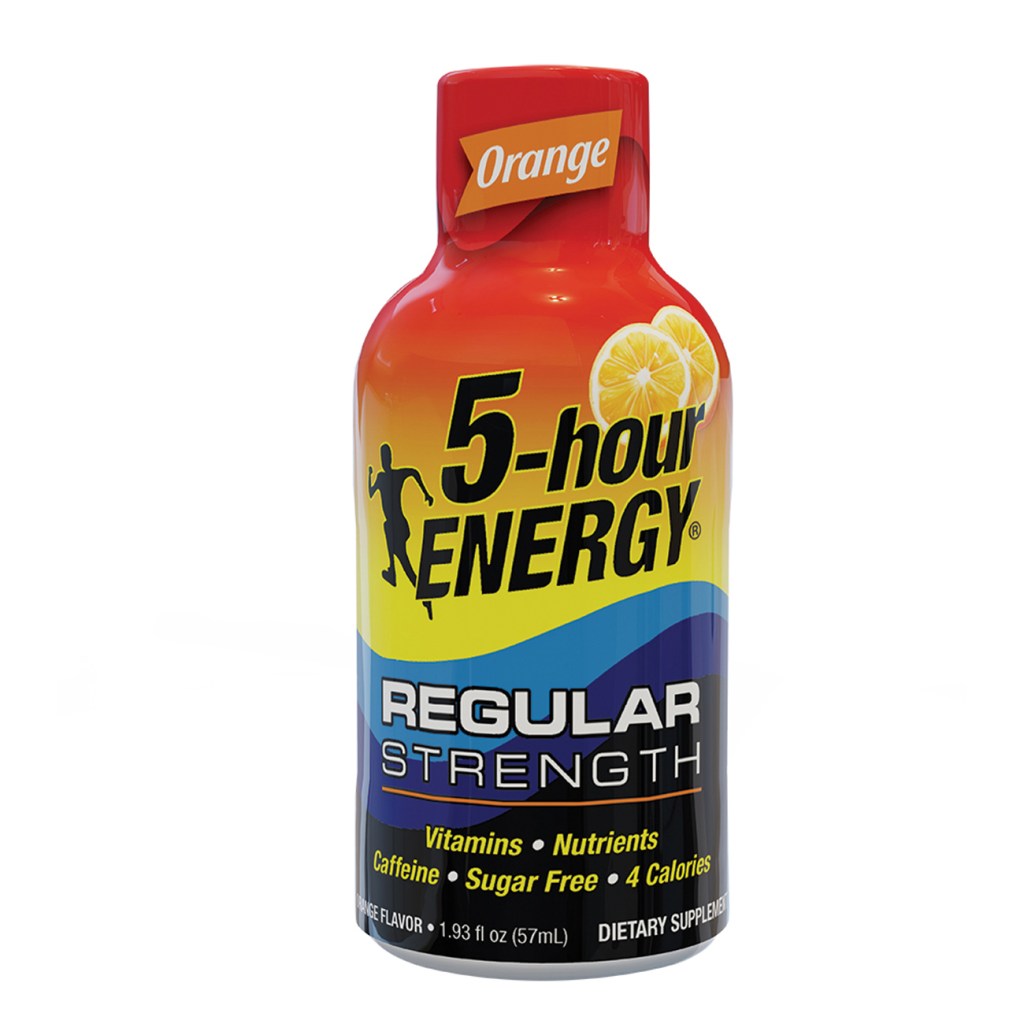
    • From 2007 to 2011, energy drink related ER visits doubles with 1 in 10 patients having to be hospitalized.
    • 25% of college students consume with alcohol and binge-drink more often than students who don’t mix drinking habits.
    • In 2011, 42% of ER visits of energy drink related ER visits involved mixing alcohol or drugs with these beverages.

    It is important that you are following the guidelines when consuming these types of drinks because they weren’t manufactured and meant to be mixed with drugs, alcohol or any other type of dangerous substance. For more information regarding safe consumption of energy drinks and other related information, log onto the National Center for Complementary and Integrative Health at www.nccih.nih.gov

    So there you have it, just a little information on supplements, what they are, what they’re utilized for and so on and so on. What are your thoughts on supplements? Have you tried them and they backfired on you? Have they taken your workouts to the next level? As always, drop a comment below and let’s begin a dialogue on this topic!

    If you would like a specific topic to be covered in this blog or have any ideas for future posts, please email me at j.schessler@pghwellnesscoach.com! Have an inspiring day!

    #supplements #menshealth #womenshealth #healthybodies #fitness #knowledgeispower #wellnesscoach #healthcoach #personaltraining #writer #blogger #bodybuilding #workouttips #gymlife #malemodel #lgbtqia #inclusion #hittworkouts #fitnessgoals #goalsetting101 #preworkout #aromatherapy #vitaminsminerals #lotions #herbs #botanicalherbs

    John Schessler, Jr. is a Wellness Coach and Personal Trainer working in Pittsburgh, Pennsylvania. He is also writer, actor and host of his podcast, “ManAlive!”, available on Apple and Spotify Podcasts. Please email all comments and inquires to j.schessler@pghwellnesscoach.com.
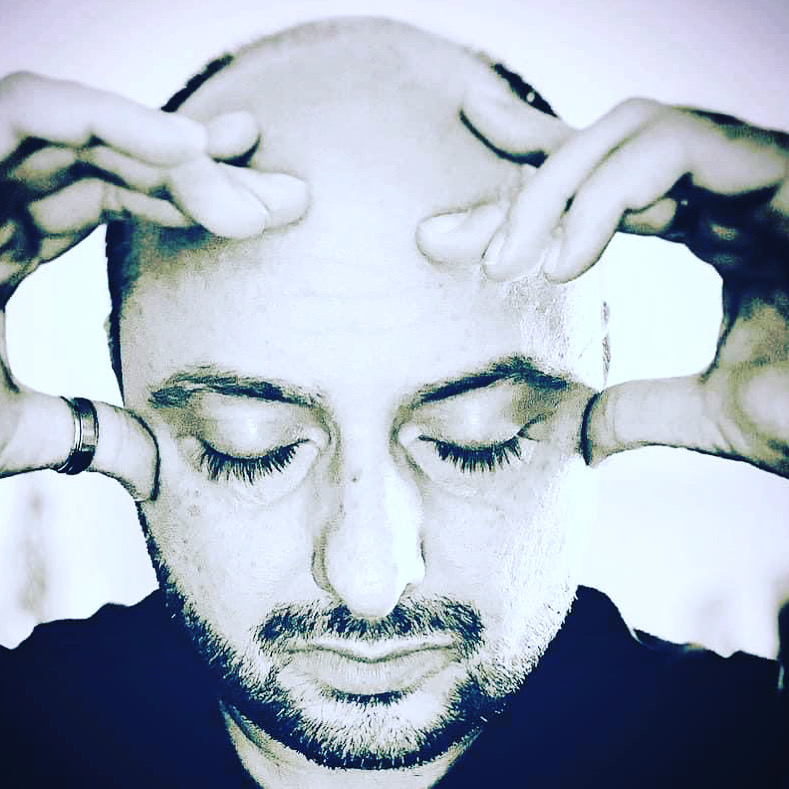
  • A person’s mental state can make or break someone’s success when trying to accomplish their fitness goals.

    I promote a lot of diversity on my socials, in my profession and personal life. People face barriers everyday from big to small. We’re so busy these days though that we rarely stop to reflect on the fears and other things that we’ve overcome. Most people may consider these things as ‘something they had to do’ but mentally in our subconscious, overcoming obstacles plays more of a role in our lives than we might think.

    Anything done within the walls of a gym or a physical fitness center is charged with motivated people, goal-setters and PR breakers BUT behind the triumphs, there’s something bubbling beneath the surface few talk about that needs to be normalized. Fitness and exercise is an extremely vulnerable process because essentially what you are doing is you are purposely putting yourself in a somewhat uncomfortable position, depending on where your mental headspace is, on a continuous schedule and purposefully making yourself sore for the sole purpose of being healthy. It sounds bad when you box it up like that, right?

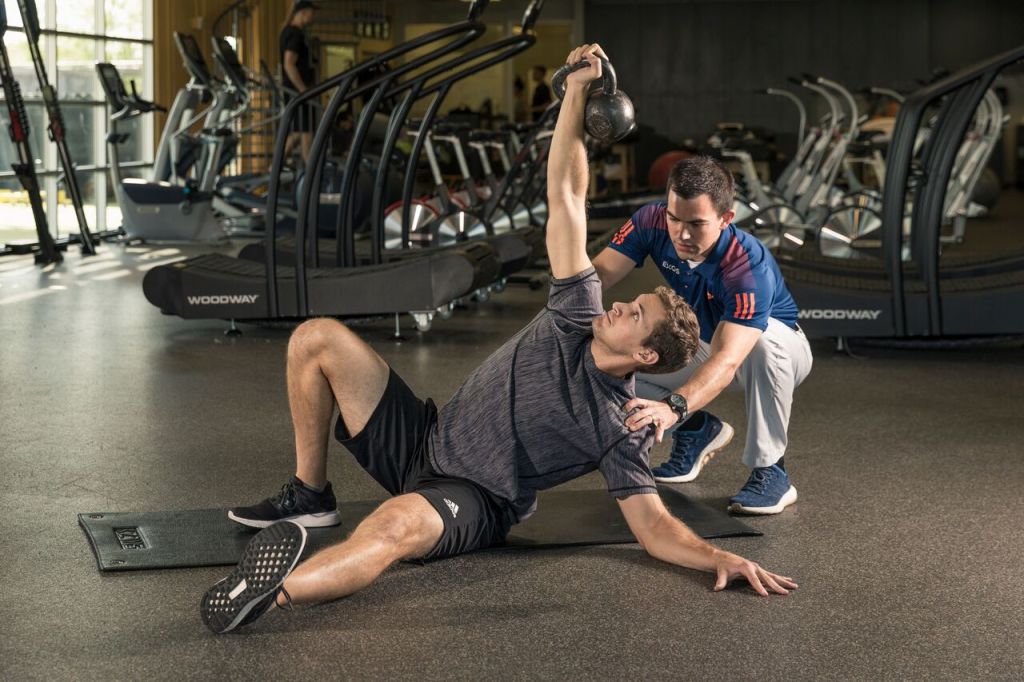
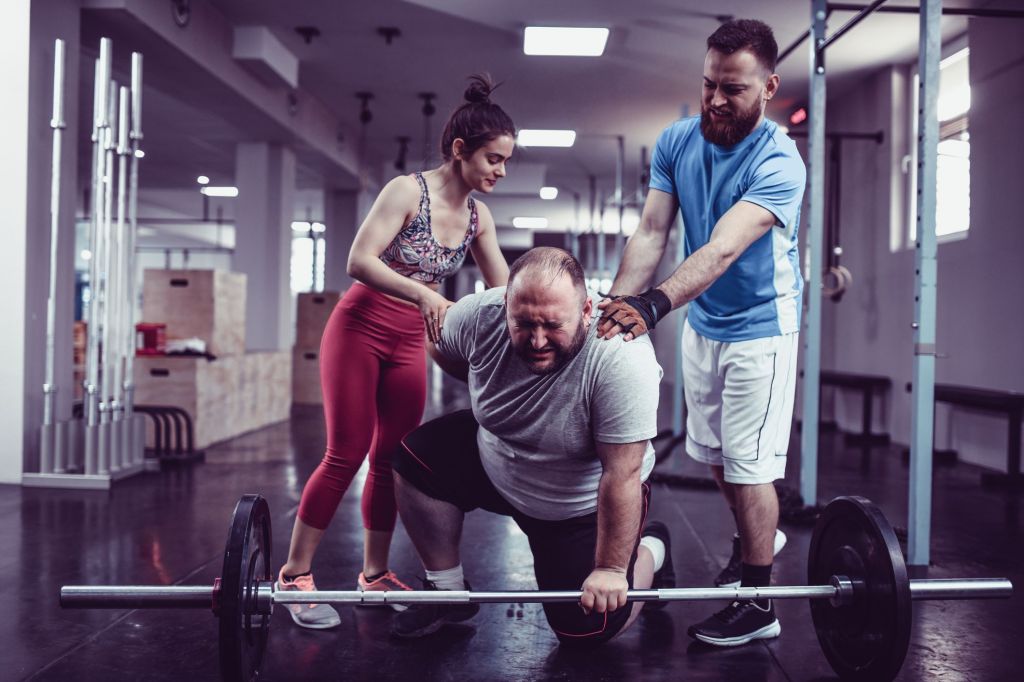
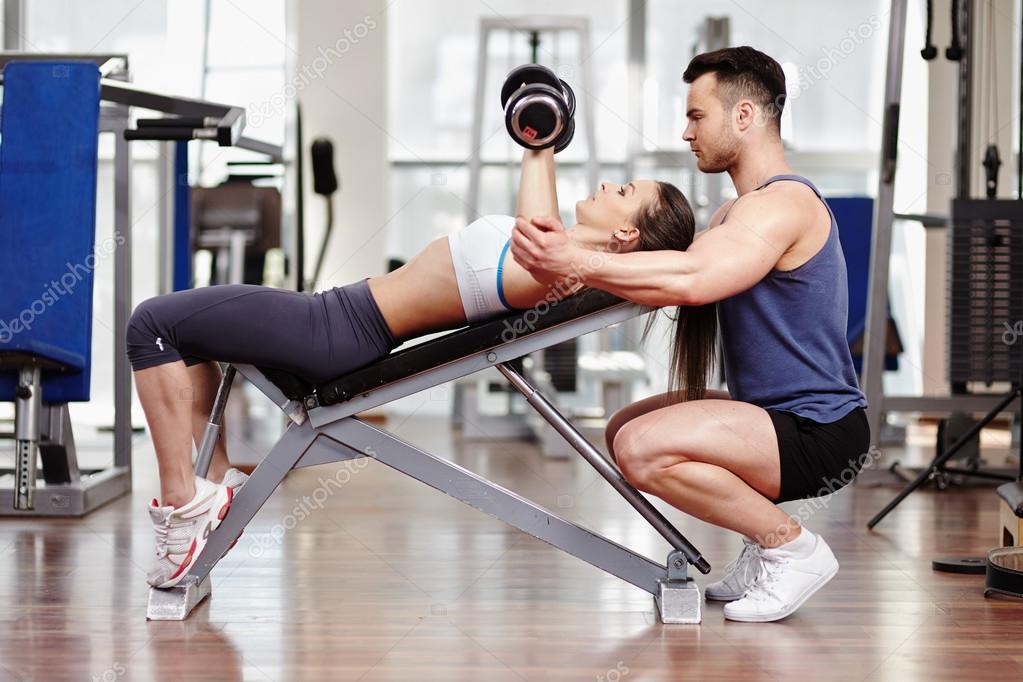
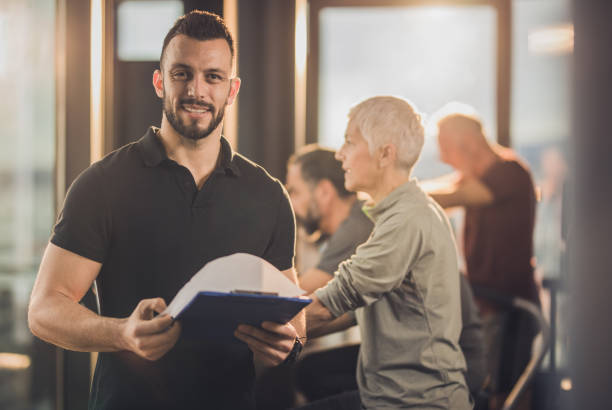
    Trainers are the professional face and advocates of fitness centers. However, we should all be assisting each other whenever possible.

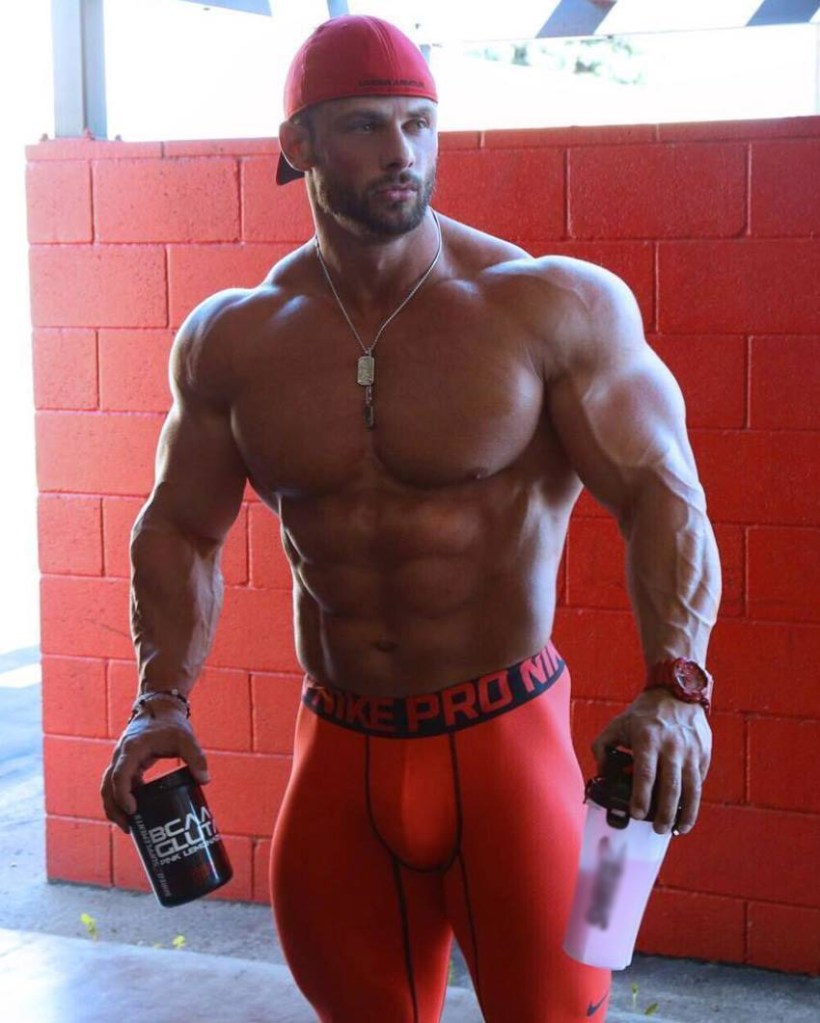
    Well, for individuals who have an affinity to working out or who are nervous about trying something new, this is what it can feel like. However, they do it anyway because these people realize that there are more benefits that come out of being in an uncomfortable situation for a while. Now I realize not everyone feels like this obviously but at some point in their journey, even the biggest bodybuilder has had their emotions tested and has become vulnerable. I don’t care how big or macho your are.

    Sometimes, even the biggest guys need help sometimes.

    So, keeping this in mind, what’s the bottom line here? Like I said before, any situation you are made to feel nervous, scared or anxious is incredibly nerve-jarring and mentally, can really screw with your head. This is why fitness is considered a vulnerable experience and it’s also a shared experience. So, in theory, we should all be empathetic in the gym when we see somebody who’s new or doesn’t know what they’re doing, right? I wish things were this black and white but of course, they aren’t. At some point, people tend to forget that feeling of being new and eventually their egos take over. We do need to create a more positive gym culture across the board and learn to squash those negative behaviors when we see them. The best thing that we can keep in mind is to not forget how it was when we started and that at some point, we were all beginners.

    Fitness isn’t a race to be won but a journey to be explored.

    #fitnessblog #fitness #motivation #fitnessmotivation #wellness #wellnessblog #menshealth #womenshealth #bodybuilding #healthjourney #fit #malemodel #lgbtqia #fitnessworkouts #personaltrainer #fitnesstraining #hwc #gymlife #epnperformance #workoutvideo #wellnesscoach #podcastersofinstagram #vulnerability #compassion #emotional #menswork #menslifecoach #gymetiquette #fitnessgirl #fitnessboy #knowledgeispower #coach

    John Schessler, Jr. is a Wellness Coach and Personal Trainer working outside of Pittsburgh.  He is also writer, actor and host of his podcast, "ManAlive!", available on Apple and Spotify Podcasts.  Please email all comments and inquires to j.schessler@pghwellnesscoach.com.
  • Good day, J-Stans! J-Stans? If you follow or read my work, that’s what your collective name is, lol. That’s not what this article is about though. This is more so a continuation of my Fitness Etiquette entry a few weeks ago. I googled ‘fitness communication’ this morning thinking not a lot would pop up, boy was I wrong!! I knew general communication in the gym is important but for this to be it’s own ‘thing’ came as a bit of a surprise.

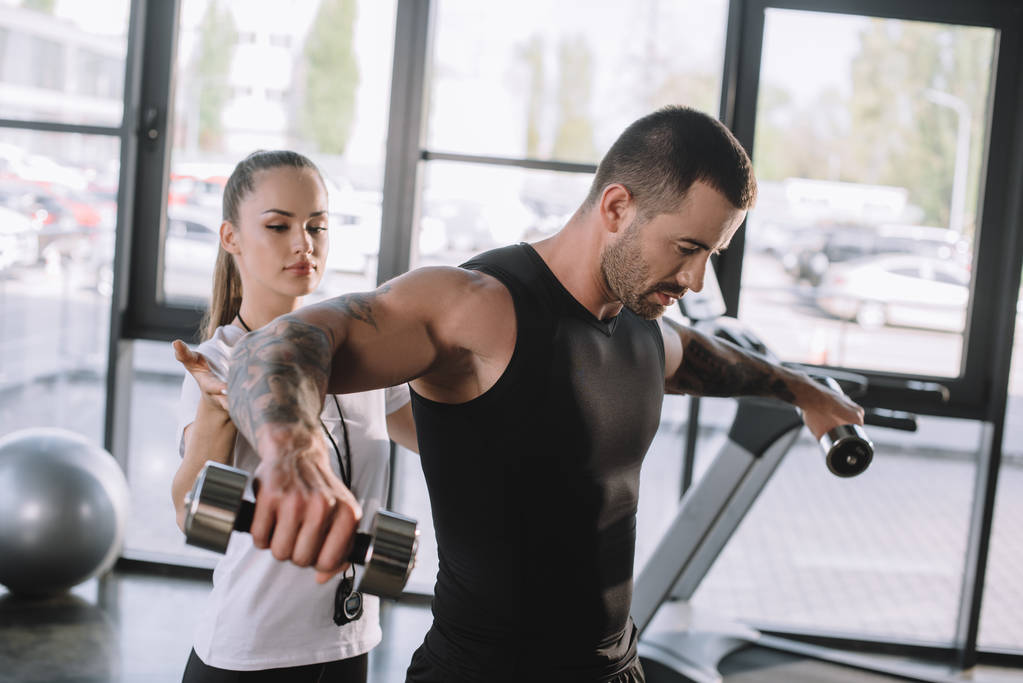
    Communication in any form is important because without it, we couldn’t convey our wants and needs to each other. Communication that is specific to health and fitness has its own importance within our vast community. Let’s start from the top-down, the client-trainer relationship or partnership. Personal Trainers or CPT’s for short, as a part of their initial certification are required to complete a chunk of their studying on their communication skills because that is the majority of our jobs…..talking, coaching and counseling. I always describe my job in ways of a bartender…remember Woody from Cheers? (I’m dating myself here, lol.) Woody was the bartender who listened to everybody’s issues and gave his own brand of home-spin advice. Trainers are kind of like that, our responses are usually more coherent though, lol. We use communication as a bridge to understand goals, barriers and wishes when it comes to their fitness journeys. Our number one goal for each of our clients SHOULD be to help them build something bigger than they thought possible for themselves. In assisting our clients through this process, the clearer the communication is, the better the outcome. Without proper conversations and conveying of wants, miscommunications follow and both parties become frustrated, leaving the clients full potential untapped and unused. As trainers, this means leaving them much better at the end of their journey than when they became our clients initially.

    For the 98.5% of my client-base, goals are not about winning pro cards at competitions or medals but about functioning at a better level from day to day. They inspire me more than I do them and I wouldn’t want it any other way. I’d rather be inspired by their hard work than them fawning over what is my my job.

    I never expect my clients to use perfect communication 100% of the time or anyone in the gym for that matter, myself included. We all just trying to learn in the long run! However, when someone isn’t sure of how to do something correctly, I would hope they would ask before attempting. This is how people get injured and accidents happen.

    Client communication starts at the moment the they meet with a trainer for the first time. It is the responsible of the client to let the trainer know their goals in a way that is clearly communicated so that expectations and a fitness plan can be made specific to those goals. True, goals change over time so even if the goals were not clearly communicated through the first meeting, it’s no big deal. Clearly stating the goals just makes things go easier. It should also be the clients’ responsibility to be truthful about questions asked to them by their trainer. The only way for us to know if you stay on track with your diet, workouts, etc., is if you are 100% transparent with us or we can’t assist you to the best of our training and knowledge. Just like any other relationship, open and honest communication between both parties will allow things to operate smoother, trust to be built and goals to be met and surpassed.

    Obviously, I haven’t stated anything that people don’t already know but sometime it’s worth repeating for the people in the back or people who are new to this environment. The golden rule: If you don’t know, ASK! The only way to get smarter is to ask questions!

    John Schessler, Jr. is a Personal Trainer, Wellness Coach and Men’s Life Coach located in Pittsburgh, PA. He is also host of the ManAlive! Podcast available on Apple Podcasts. Questions and inquiries may be sent to j.schessler@pghwellnesscoach.com.
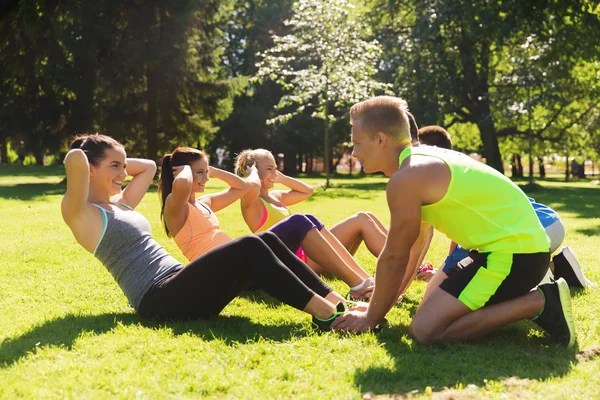
  • It’s April, which means summer is almost here. That being said, it’s time to get the hell out…outside that is! If you’re anything like me, working out in the gym all the time gets stale and stagnant. You want a breath of fresh air instead of the musty smell of the gym equipment? Well, it’s time to take your workout outdoors! The wide variety of exercises, venues and group classes that are available in insane these days when speaking of outdoor workouts and it keeps growing in popularity. Here’s my list for fun summer activities whether you’re flying solo or with a group of your buddies!:

    1. Hiking – What better way to build your muscles, lose body fat and clear your mind than with an invigorating hike! Hitting those trails are a fantastic choice for a moderate-intensity workout complete with awesome views!
    2. Yoga – This is a must for a growing number of people due to benefits that yoga alone provides but once you add in nature and scenery, it’s a gamechanger! So, throw your mat in the car, find a yoga group nearby and take in the peaceful and serenity of the outdoors.
    3. Swimming – Probably one of the best cardio workouts you can get, ask Michael Phelps or Tom Daley! Swimming incorporates all of your body’s muscles and really helps to sculpt and tone your body with the proper diet, of course. Whether you’re on a team or just doing it for fun, if you’re looking for an activity to really strengthen your cardiovascular system, this is the thing for you! Put on those speedos and hit the pool!
    4. Golf – Ahhh yes, the gentleman’s game of summer. It’s time to don those Under Armour polos, large brimmed hats and tee off. Golf is a sport that is both fun and mentally stimulating simultaneously. Golf is visually stunning and really helps to hone your hand-eye coordination skills as well as other mental faculties. Want a game with a bit of a mental edge? Get ready to tee off on the greens!
    5. Trail Walking/Jogging – It sounds pretty basic but the benefits you get from a simple thing like walking or jogging are vast. I hear from my clients all the time that they hate walking on the treadmill for lengthy amounts of time so I tell them to go outdoors! Walking on a treadmill as opposed to walking on gravel are two completely different things and if you’ve done both, you definitely notice a difference! Again, if you really want to lose some pounds while looking at the changing scenery instead of on a treadmill, lace up your running shoes and hit the trails!

    These are just some of my favorite ways to get out, get active and get fit! No matter what your idea of a great workout is, changing the scenery from indoors to an outdoor venue is a great way to inject your motivation again and switch from stagnant to stupendous!

  • Hello friends! Since beginning this blog a few weeks ago it occurred to me, “Do the people who read my articles and such know WHO I really am?” Of course not because I really haven’t introduced myself in a formal way to y’all. I’m a bit of a storyteller if you haven’t noticed and my life is full of them. So sit, relax and read about my fitness revelation and finding my purpose in life.

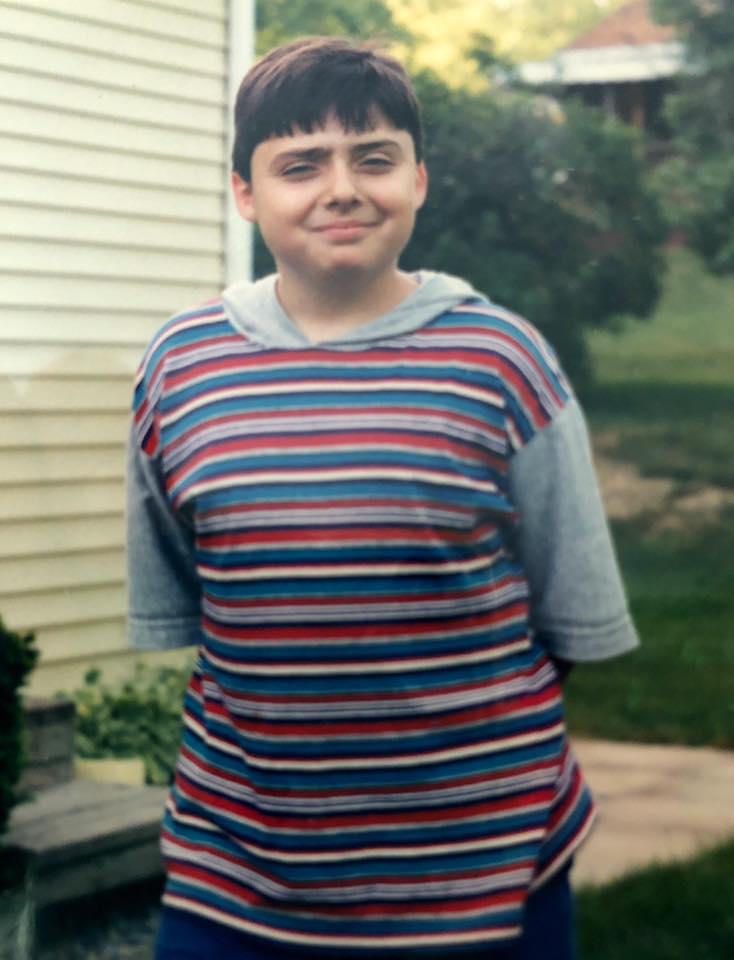
    In June of 1992, I was a normal ten year old kid, growing up in a small suburb outside of Pittsburgh, Pennsylvania. I was super excited because school was out for the summer and not having any responsibilities for the next three months was a feeling that everybody could relate to at that time. Anyway, I was walking home one afternoon from the park with some friends and I just felt ‘blah’. I told my mom when I got home, took some Tylenol and laid down for a nap. When I woke up some time later, my temperature had risen to around 105 or 106 degrees. Soon after, I was on my way with my parents to the emergency room at a local hospital. At the emergency room, it was instructed by the medical staff that I was to be transported by helicopter or lifeflighted, as we say in Pittsburgh, to Children’s Hospital of Pittsburgh for further testing and observation. As the helicopter started its journey, I was about to begin a long one of my own.

    En route to the hospital, the next blow to me was delivered and it was a big one. I fell into a coma, where I would remain for around six weeks. I have been asked at times if I remember what it was like being in a coma and my honest answer is it’s like taking a long sleep. Now keep in mind that this happened 30 years ago (?!!!) so my memory isn’t as fresh with the details at this point, lol.

    Contrary to what you have seen in the movies and on television, waking up from a coma is not instantaneous. It’s a very gradual thing that can take days up to weeks for the person to be fully awake and aware of his/her surroundings, if at all. This is where the story gets blurry for me….at least for a while so most of what you are about to read is pieced together from family re-tellings, etc. Initially after waking up from the coma, the next couple of weeks were filled with testings, being poked, prodded and stuck with needles, drawing blood and trying to find what was the cause of my full-body paralysis. You read that correctly, I was paralyzed from the neck down. I was unable to walk, talk, eat, breathe, etc. on my own and had mostly machines and people doing everything for me. I was an inpatient at Children’s Hospital for about six weeks. When it came time for the doctor’s to decide what the next steps for me would be, my family told me I was being transferred to another facility. It was called The Rehabilitation Institute of Pittsburgh, or TRI.

    Up until this point, no definitive diagnosis was made by medical teams who were treating me due to the wide range of symptoms that I was experiencing. Those symptoms mimicked a number of diseases or disorders and in 1992, medical technology wasn’t as advanced as it is in 2022. Upon coming to TRI, I was placed in isolation for a solid month. What that means is nobody but approved people were to enter my room so that basically meant I was having quality time with Bob, my nurse, my parents, grandparents and some friends but it was minimal. In those alone times in isolation, which was a lot, I either spent my time, watching taped episodes of The Simpsons, which at the time was a relatively new show, lol. I also spent some of the time wondering how the hell I got into this situation and if I ever was going to lead a ‘normal’ life. What if things got worse? What if I die??! It’s a heavy prospect for someone to think about, especially at that young of an age.

    After I was out of isolation, I was transferred to a ‘step-down’ unit where I was living with other patients who had varying diagnoses. Some of the patients I still remember to this day because this part of the story, I was fully aware of who I was, where I was and what was going on….for the most part anyway. It was at this point that I started my therapies daily too…..speech/language, physical and occupational therapy every single day. I didn’t know it at the time but exposure to these therapies, especially physical therapy would play a huge role in my professional life as an adult. After about three or four months of attending therapy and going to the day school at the Institute, I was to be discharged around the end of October of the same year.

    Something to keep in mind here is that when a person gets discharged from a hospital or medical environment, that doesn’t mean everything about the individual is perfectly normal. All that being discharged means is that the person is physically able to start acclimating themself back in their normal routine or have modifications in place to make things easier. Physically, I had gone from being in a wheelchair, to crutches to walking, and not perfect either. I had braces on my legs and arms that helped widen my gait when I walked and when I tried to use my hands. Mentally, everything had started to slowly fall into place and I mean, S-L-O-W-L-Y. I wasn’t the same kid that I was prior to all of this happening. It was like I stepped through a mirror and came out on the other side a completely different person.

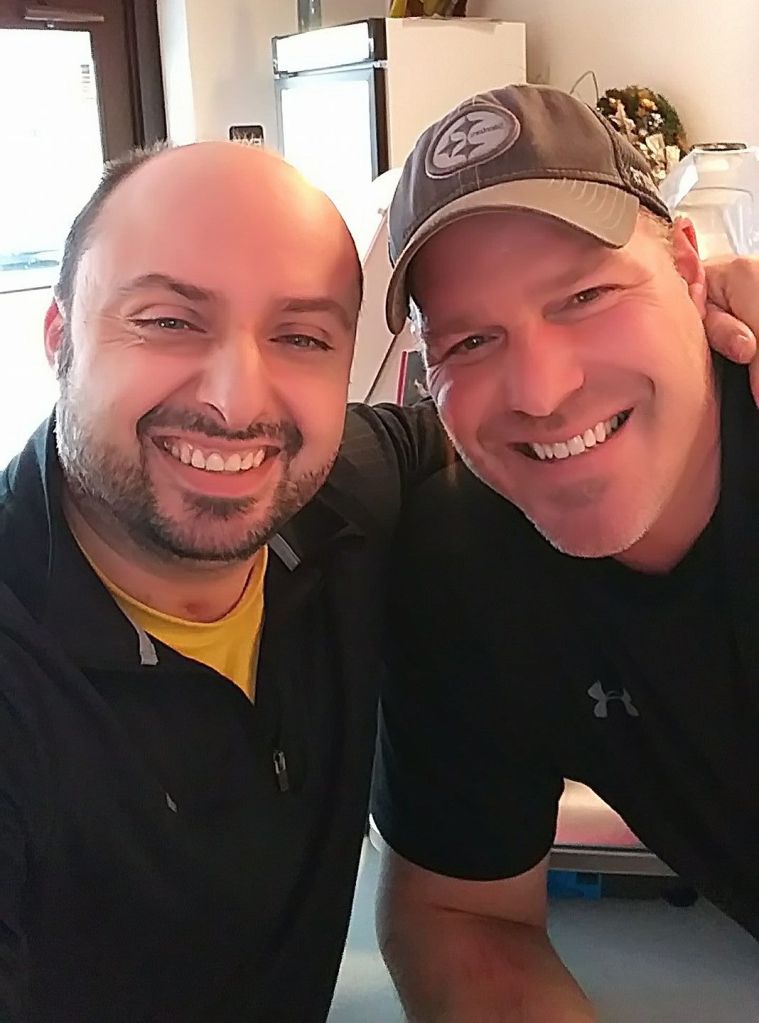
    Me with my mentor and friend, Jimmy.

    Let’s fast forward to 2009, shall we? I had graduated college with a Social Work degree and was working in education as an instructional assistant at the time in a local school district when I got a call about an interview I went on. I had interviewed to be a teacher’s aide at the Rehabilitation Institute, the same place that I was a patient at all those years prior. For me this was a coming into full circle kind of moment and for the next six years, I went onto to be employed there. It was when I was working at the Institute that I found a new appreciation for my own journey as a patient there with my battle with Guillian-Barre Syndrome. Working alongside both physical and occupational therapists, I was able to pick up and learn how to work with physically disabled children, how to help them use and strengthen there gross and fine motor skills through different kind of activities as well as venturing into the community for life skills development. During my own leisure, I had been a member of a local gym in college where I met my now-mentor and good buddy, Jimmy who was my first personal trainer. I loved every minute of our sessions because I was developing my body in a way that I never though I was going to be able to as a kid.

    To sum this whole story up, you never know what cards life is going to hand you but you have to play the ones you’re dealt. My cards that I had to play at first had appeared like the odds were against me but over time, they seemed to have worked out in my favor. Our individual journey’s almost never turn out the way we dream that they will and that’s 100% okay because what we want and what has been already written for us never add up to the same end goal. If i hadn’t gone through this experience as a kid, who knows where I would have ended up or what I would be doing with my life. As I turn 40 this year, I can now look back with pride on a time in my life where literally it was do or die because no one could help me get better, I had to rely on myself to lift me up. I now use this story as motivation with my clients because, and it’s very cliche but if I can get through all of that, there’s nothing that anybody can’t accomplish with assistance.

    So that’s the end of my very personal journey on how I became to be the personal trainer, wellness coach and positive influencer on people that I have become and I think I do an awesome job. Keep in mind, no matter what you’re are currently going through, no matter how bad your situation is right now, something great could be coming out of that bad situation. I’m living proof that your story can’t be rewritten at any point. Just grab hold of the pen and begin to write an awesome second edition!

    #overcomingtheodds #fitnessjourney #guillianbarresyndrome #survivor #personaltrainer #wellnesscoach #storyteller #actor #podcast #podcastersofinstagram #hope #tenacity #love #motivation #appreciation #development #creativity #fitfam #journey #disease #uplifting #bed10 #GBS #encephalitis #physicaltherapy #education #trending #foryou #fyp #foryourpage

  • Remember to take care of yourself each and every single day. Read a book, go shopping or spend time with those you love. In this world, the majority of us are doing the best that we can with the resources that are available to us and some days, it isn’t easy. But remember you’ve survived 💯 % of your days so you are doing excellent! If people tell you otherwise, ignore them and keep moving! The answer to all your problems are in your possession, all you have to do is turn the key!

    #motivation #fitness #health #schesspt7 #johnschesslerjr #dowhatyoucan #helpyourself #assistothersontheirjourney #spiritualgrowth #fitness #lifecoach #actor #wellnesscoach #survival #vulnerabiliity #coach #menswork #trending #positivevibes #motivation #motivationalquotes #flipyourscriptpt #lifteachother #journaling #meditation #yoga #exercisemanagement #orthopedics #sportsinjury

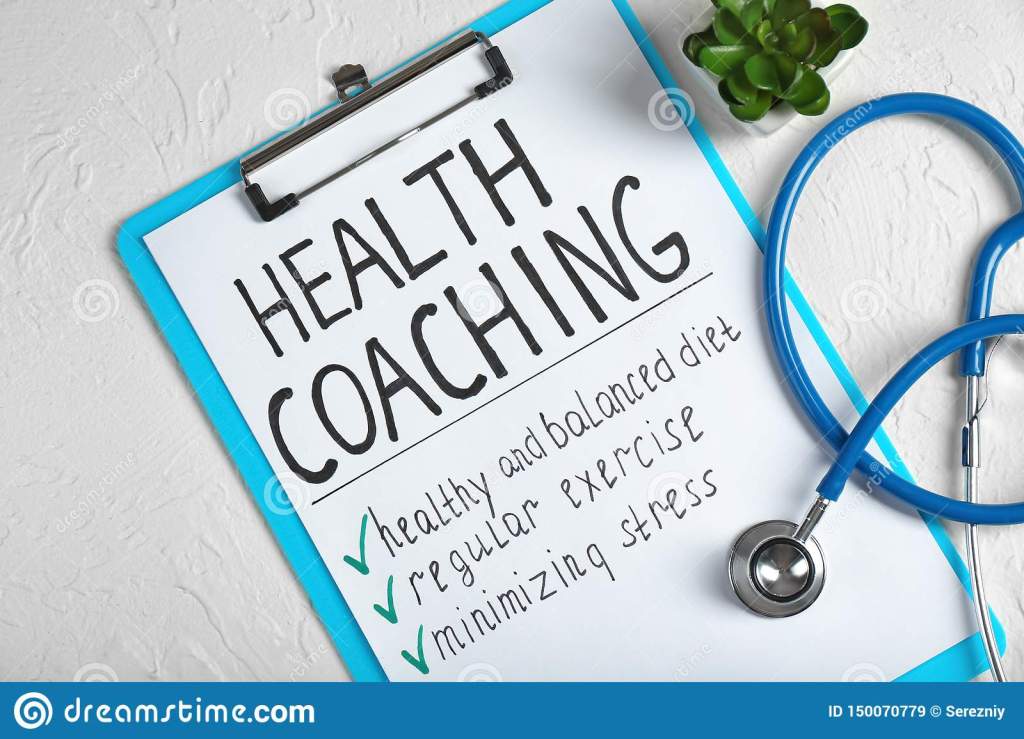
  • A health coach is something a lot of people don’t know about and if they do, they probably know very little about what services they provide. For starters, the title ‘Health Coach’ sounds like a catch-all term, blending together fitness and medicine when it is so much different than that. It also sounds like a bougie term of something only famous people and the elite few can afford, which again is so far from what they are. So, what does a health coach do anyway? Where can you find them? Let’s look into what a health coach actually is and what they can provide for their clients.

    For starters, think of health coaches as your own personal health cheerleader. They help clients implement changed to their lifestyles to see healthier outcomes over time. The number one goals of health coaches is to put the client in the driver’s seat when it comes to making decisions concerning their own personal health choices and to let them have as much autonomy of every aspect of the process as possible. Health coaches provide additional information, resources and help clients assess the pro’s and con’s of their choices so they can make a solid and sound decision. Health coaching is usually available through corporate wellness programs, hospital patient programming and through insurance programs.

    Health coaching typically addresses six key areas:

    • Smoking
    • Stress Management
    • Nutrition
    • Sleep
    • Activity
    • Time Management

    The client and coach work as a team to create goals to change a certain behavior or situation. Like I said before, health coaching is all about self-discovery for the client, the coach mainly point you in the direction to putting all of the pieces together. The client ultimately makes changes for things that will work in their life. A lot of coaching mimics psychologists’ therapy sessions with most of the obstacles facing clients are about their mental capacities concerning behavior changes. Health coaches go through motivational interviewing with each client in conjunction with cognitive behavioral therapy techniques to help them work through some of their thoughts. Eventually, people start to find out what mental blocks are keeping them from moving forward. This process is not about you listening to the health coach tell you that you have some life choices that are bad and that you need to change them ASAP. What it is about is empowering you to recognize that you have some things you want to change and they’re going to help you do that.

    Consistent attendance to health coaching sessions has many benefits. Studies have shown that people who have consistently gone to health coaches see improvement with blood pressure, lowered their cholesterol, improved glucose/triglycerides, weight loss and improved cardiovascular fitness. The important thing to make all of this work effectively is to be consistent with your coaching sessions, following through on making good on you goals and getting frequent feedback about your progress.

    Aside from all of the above, a health coach also provides accountability. The very fact that someone has a standing appointment with their coach or knowing they have to check in with you is enough to hold a lot of individuals accountable. Accountability is probably the most important cornerstone to make the rest of the process work easy or even at all. Lastly, coaches provide encouragement and unconditional support. These really go without saying but the ‘client-coach’ partnership is one that is positive and a safe space for you to talk about your health-related concerns.

    If you are or have ever considered trying out health coaching, talk to your healthcare provider so they can give you names of coaches in your area as well as to see if your insurance will cover the service. You ultimately want to choose a health and wellness coach who is board certified (NBC-WHC) that basically means that they have had proper training.

    Setting and reaching health and wellness goals can be difficult and going to see a health coach to provide some clarity and encouragement is a really smart move if you’re committed to your goals. Switching to a healthier lifestyle positively affects everything. You’ll be more energized and motivated to do more and live life to its fullest.

    #fitness #healthcoaching #healthcoach #exercise #motivation #accountability #encouragment #followthrough #writer #podcaster #actor #voiceover #physicaltherapy #personaltrainer #lifestyle #menshealth #womenshealth #development #nutrition #diet #wellness #meditation

    *John Schessler is a Pittsburgh-based Personal Trainer, Orthopedics Specialist and Men’s Life Coach. He is also host of the ManAlive! Podcast available on Apple Podcasts. Please email all questions and comments to pghwellnesspt@gmail.com.*

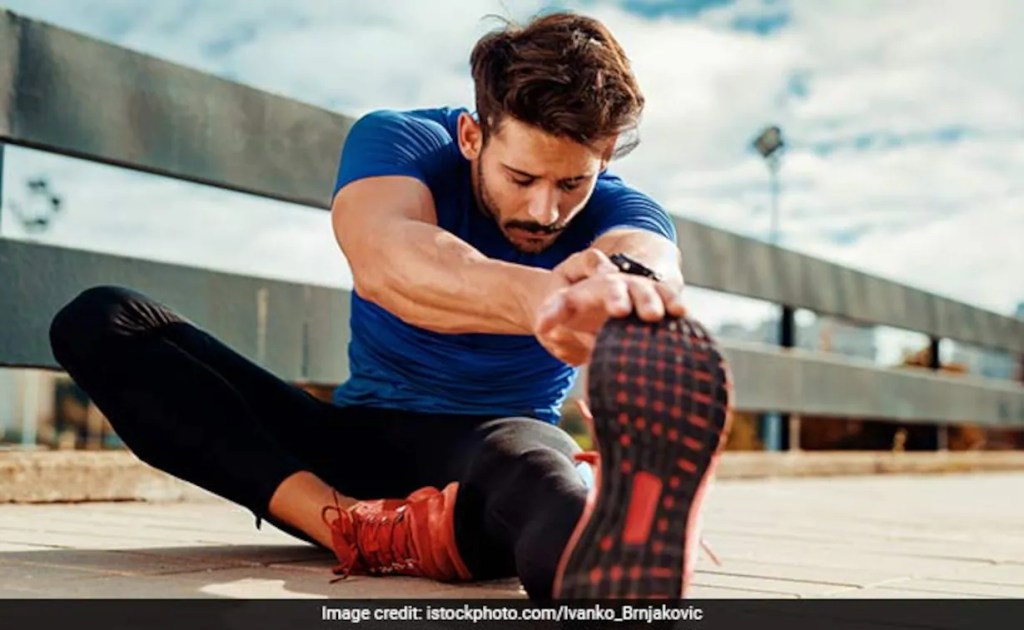
  • When I was in PT school, I had an instructor refer to me as ‘Dr. Stretch’ due to the fact that everybody loved after their workouts when I would stretch them. Even now with my clients, I always stress how important stretching is, especially as we age. Why doesn’t everybody do it then, know that we all age and become more rigid in our memories if we don’t stretch?

    There are many schools of thought on the subject and the answers you get vary from trainer to trainer because for different activities, there are different ways of stretching and making your body more flexible. I want you to think of your muscles like rubber bands for a moment. The more you use rubber bands, the more pliable and flexible they become. Newer ones tend to break due to non-usage. It’s a terrific comparison because it’s exactly what happens to our muscles if we don’t stretch the kinks out, live primarily sedentary lives or experience muscle atrophy due to immobilization from an accident or illness. All this being said, there’s literally 10’s of 100’s of stretches that can be done before as well as after your workouts.

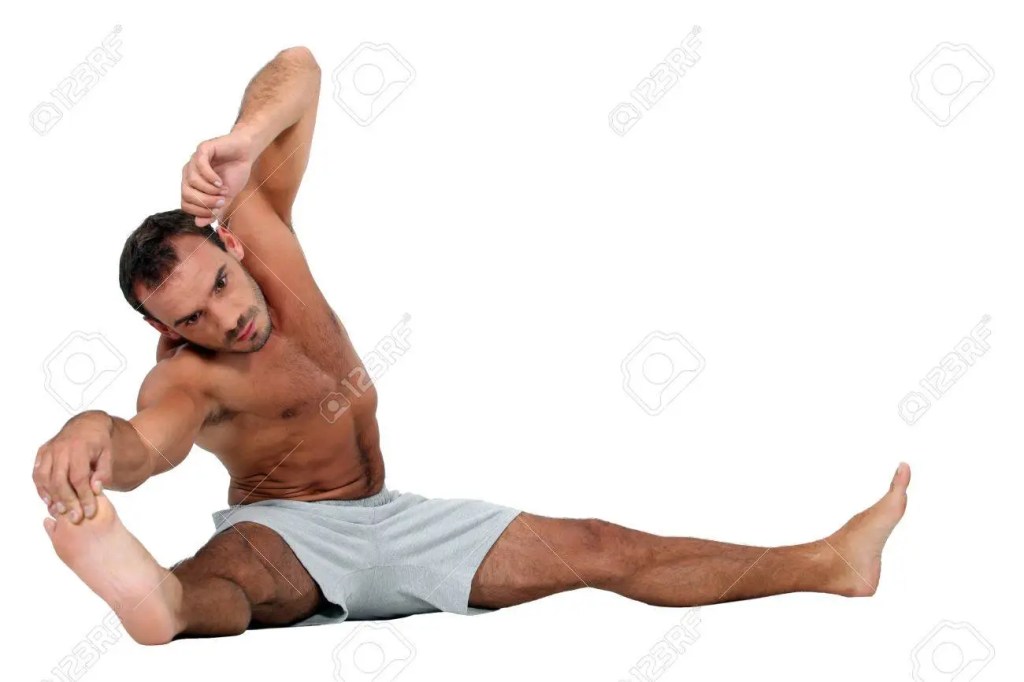
    First are static stretches. These types of stretches involve holding a position to assist with releasing tension and increasing range of motion over time. There are also dynamic stretches, which are the exact opposite of the previous ballistic ones in terms of holding the stretch. Dynamic stretches involve performing controlled movements through a larger range of motion. These exercises often help to warm up our muscles before a workout to prevent rigid movements and keep muscles from ‘locking up’.

    Another type of stretch are ballistic stretches. This type of stretch is more aggressive, bouncing consistently moving into an end range of motion. The last stretch is called proprioceptive neuromuscular facilitation or PNF for short. PNF stretches are performed by a practitioner and not usually for the general public unless you are dealing with post-injury pain or some sort of body structural discomfort.

    No matter which stretching type you do, there are universal benefits to all of them. Stretching improves you flexibility, makes day-to-day activities a lot easier, helps calm your body after exercise and decrease your risk of injury, just to name a few. These are just the physical benefits though. There’s also a slew of mental health benefits from stretching as well. Stretching helps you relax and is also a form of self-care because not only are you releasing discomfort in the body, you also take time out of your day to connect with your body. Stretching also helps you to end your workouts on a more positive note. When you’re performing difficult exercises that require 100% of you physically and mentally, stretching helps you to relax and dissociate yourself from the workout you just completed and help calm you down.

    If you’ve never stretched before, here’s some things to keep in mind:

    1.) Gauge whether to stretch before or after your workout. Look at the workout you are going to do. Each stretch-type has different timings. Dynamic stretches should be done before you workout and static stretches should be done after. If you’re not certain, consult a certified trainer at your gym so they can help you find the best stretching protocol.

    2.) Do not hold your stretches for too long. When clients ask me, “How long should I hold a stretch for?” A good and standard time is usually around 30 seconds, however, if you want to take a little more time to deepen the stretch longer, go ahead. Just make sure that it’s not too long! Anywhere between 30 to 60 seconds should be sufficient.

    Everybody has their own views on stretching and whether or not it’s for them. If you were to ask me, obviously I’m going to tell you that you need to stretch, everyday….once in the morning, once at night AT THE VERY LEAST. Like I said before, we need to stretch everyday to get the kinks out and help us to lead more happier active lives!

    fitness #stretching #personaltrainer #menshealth #womenshealth #gymlife #masculinity #menswork #exercise #healthylifestyle #writer #author #actor #lifecoach #sportsinjury #orthopedics #trending #sports

  • Do you find yourself scrambling every morning before you get out the door for your morning commute for something to eat for your lunch? Is it even healthy or just fast food that’s full of grease?

    Taking a day out of your week to meal prep is a huge time-saver, it allows your to think about what foods to prepare so you can avoid the morning rush and you know exactly what’s in the food because YOU prepared it. Healthy eating by default can be costly and boring at times but it does pay off if you stick with it. Look at the foods that you have in your pantry. Are they healthy or less than? Start by making small substitutions in your diet and over time they’ll add up to a huge victory for you!

    mealprep #nutrition #healthyrecipes #healthyeating #cooking #food #aheadofthyme #fitness #blogger #writer #wellnesscoach #personaltrainer #actor #healthcoach #acefitness #nasmcertified #dieting #energy #protein #carbs #fats #chicken #nutritionist #dietitian

  • In today’s world we are completely self-obsessed with our phones, social media and getting those likes for ‘the gram’. It may seem like an innocent thing except for when you are using those platforms for blackmail, outing someone or even more worse things. I work inside a gym, eight hours a day, forty hours a week, so this is a normal thing for me to see on a daily basis. People taking videos and pics for them to post on Instagram, Facebook, etc. I get it. I really do, however, in the social culture that we have right now, what’s considered acceptable and not acceptable in terms of what’s ‘postable’ and what’s not has a fine line drawn in between both.

    Let’s face it, gym etiquette isn’t really a thing that you can teach. Either you have it or you don’t and if you’re a part of the latter, you’ve probably been confronted by a gym member or two. Consider this scenario for a moment. You log onto a fitness influencer’s Insta to check out their most recent posts and on there you see a video of them inside the gym working out. It looks fairly innocent enough, just somebody lifting weights with proper form, showing the viewers how to lift correctly BUT….in the background, there is at least 5 or 6 people behind the lifter looking directly into the camera and talking among themselves. While watching the video, you notice people trying to sneak out of frame or covering their faces and all of this is unbeknownst to the lifter. Also, the lifter didn’t know that those same people who were in the background of the video complained to the gym staff about the incident and said if no action was taken, they would sue the gym.

    Being filmed can greatly distract focus and people can wind up severely injuring themselves.

    See how extremely difficult this can get all due to something seemingly very innocent on the surface?

    As I said before, I see this all the time and hear about it on the regular as well. We’ve all seen the videos on TikTok, Facebook, IG and other platforms too. It’s become a cultural phenomenon, not just in the fitness world, but the world in general to pull our phones out when something good OR bad is happening, capture the moment and post it so we can get likes on our pages. WTF??? These situations can become very sticky situations because as you can see they can escalate very quickly and can result in a lot of ways, ranging from membership cancellations to pursuing legal action. So, what is there to be done?

    Well, thanks to Joey Swoll, aka Joey Sergo, he has been calling out people through his social media platforms for poor gym etiquette and shaming other gym members for poor behavior. If you aren’t familiar with Joey Swoll, he is a 39 year old co-founder of a supplement company, fitness model, and a social media persona who inspires numerous people worldwide to start living a healthier, more productive lifestyle. He’s also been featured in some of the top fitness and bodybuilding magazine covers, along with releasing his own fitness book.

    He has recently been making examples as I said of those individuals who practice poor gym ethics and feel the need to shame others while they are making honest efforts while they are working out. We all need to be vigilant though, we can’t leave it up to one man to do all the dirty work. This is why fitness trainers and gym staff members need to speak up when they see this type of behavior.

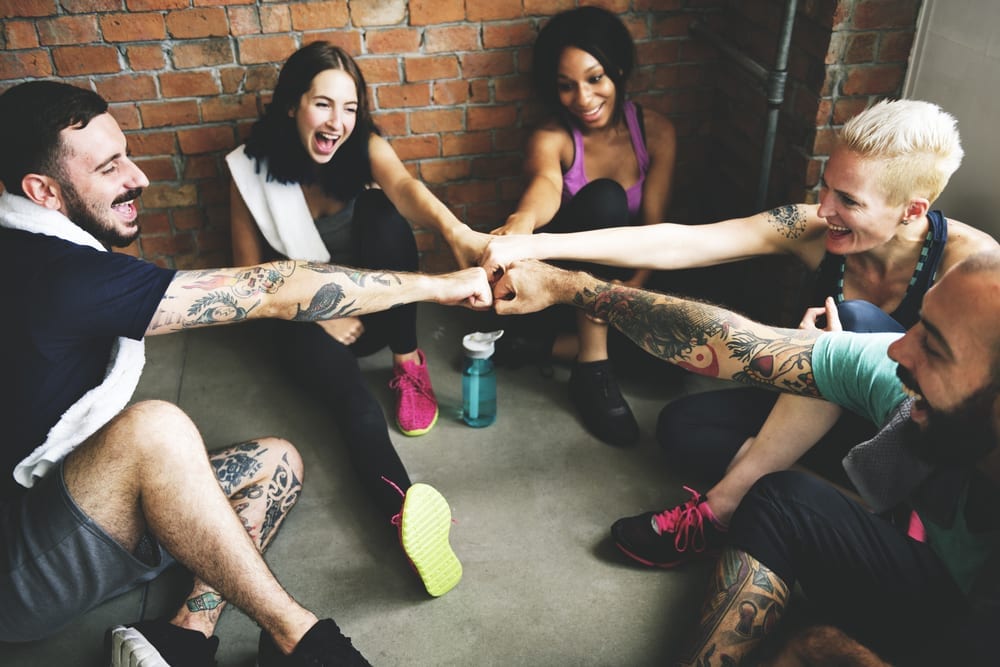
    If you look around the gym, there are really not that much differences from person to person, fitness speaking, that is. Think about it…we’re all working out for almost the exact same reasons….our health, longevity and vitality. Oh and of course, to look good too. We might be on different experience levels BUT again, at the end of the day, the effort is pretty consistent across the board. Body-shaming today is a real thing and attacks the one thing that most people are insecure about and vulnerable when exposed online for trying to do the right thing. What we need to be doing instead is lifting each other up because we’ve all been there. We shouldn’t ever forget where we started from.

    The next time you see someone in the gym doing something wrong, instead of whipping out your phone, why not approach the person and help correct the mistake? Be a lighthouse not a cave-dweller.

    #fitness #joeyswoll #nutrition @thejoeyswoll #bealight #personaltrainer #actor #speakup #speakout #health #menshealth #womenshealth #fitfam #fitcommunity #podcast #podcastersofinstagram #physicaltherapy #exercise #fitnessjourney #fyp #foryou #foryoupage #trending #positivevibes #spreadlove #empathy #compassion #teamwork #bodyshaming #blessings #fatshaming #bodybuilding #competition