
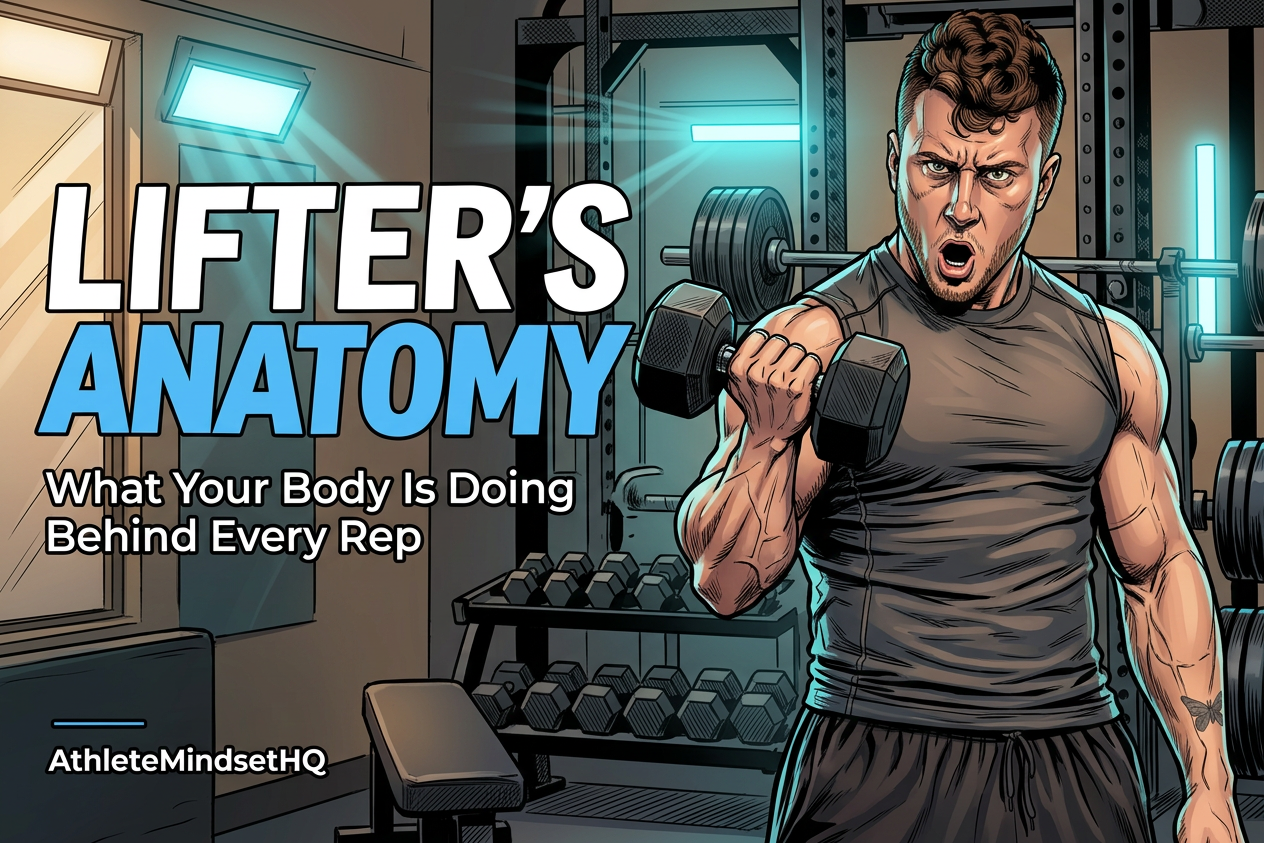
By John J. Schessler Jr., MS | AthleteMindsetHQ
You grab a dumbbell, step under a bar, or adjust the seat on a machine. You know the exercise. You know how many repetitions you want.
But do you know what your body is doing to make that movement happen?
Understanding anatomy can help you make better training decisions. You don’t need to memorize every muscle. Start by understanding how your muscles, joints, and nervous system work together—and what that means for the way you lift.
Your muscles work as a team
We often organize workouts by body part: chest day, back day, leg day.
That makes programming easier, but your body coordinates several structures during each exercise.
During a squat, your quadriceps help straighten your knees. Your glutes contribute to straightening your hips. Other muscles help manage your trunk position, balance, and movement.
During a press, your chest, shoulders, and triceps share the work. Their contributions change with the exercise, your position, and your individual proportions.
An exercise can emphasize a muscle while still requiring support from the rest of your body.
That is one reason a lift can feel challenging in places you weren’t expecting. It is also why feeling one muscle working doesn’t tell the entire story.
Learn the movement behind the muscle
Anatomy becomes more useful when you connect it to actions.
| Movement | What happens | Familiar lifting examples |
|---|---|---|
| Knee extension | The knee straightens | Leg extension, standing up from a squat |
| Hip extension | The thigh moves backward relative to the pelvis, or the body rises from a bent hip position | Romanian deadlift, hip thrust |
| Elbow flexion | The elbow bends | Dumbbell curl |
| Elbow extension | The elbow straightens | Triceps pressdown |
| Shoulder horizontal adduction | The upper arm moves across the chest | Chest fly, part of a bench press |
| Ankle plantarflexion | The foot presses downward | Calf raise |
You don’t need to recite these terms during a workout. Use them to ask a practical question:
What movement am I trying to produce, and am I controlling it?
For a curl, that might mean noticing whether your elbow is bending under control or whether you are swinging your torso to move the dumbbell.
For a hip hinge, it might mean learning to move through your hips while maintaining a manageable trunk position.
The goal is to understand what makes the repetition useful.
Your trunk muscles contribute whenever you manage your body’s position under load.
A squat, overhead press, loaded carry, and row each place different demands on your trunk. Sometimes you are producing movement. Sometimes you are resisting movement.
This is why core training can include several approaches: controlled trunk movement, carries, planks, and exercises that challenge your ability to resist rotation.
Bracing is a skill you can practice. The amount of tension you need depends on the task. A light warm-up set and a demanding squat do not require identical effort.
Strength involves your nervous system, too
Your brain and nervous system help coordinate muscle activity. Learning a lift includes learning its timing, balance, and sequence.
Think about your first few attempts at a new exercise. The movement may have felt awkward even with a light weight. With practice, the same exercise became more familiar.
That improvement matters.
Muscle-strengthening activity develops your ability to produce force, while consistent practice gives you opportunities to refine how you perform the task. Strength training belongs alongside other forms of physical activity in a balanced routine.
From a coaching perspective, this gives us another way to recognize progress:
- You set up with less uncertainty.
- You control the weight more consistently.
- You repeat your technique across the set.
- You recognize when fatigue is changing the movement.
Those are useful observations to record alongside weight and repetitions.
Your anatomy influences your setup
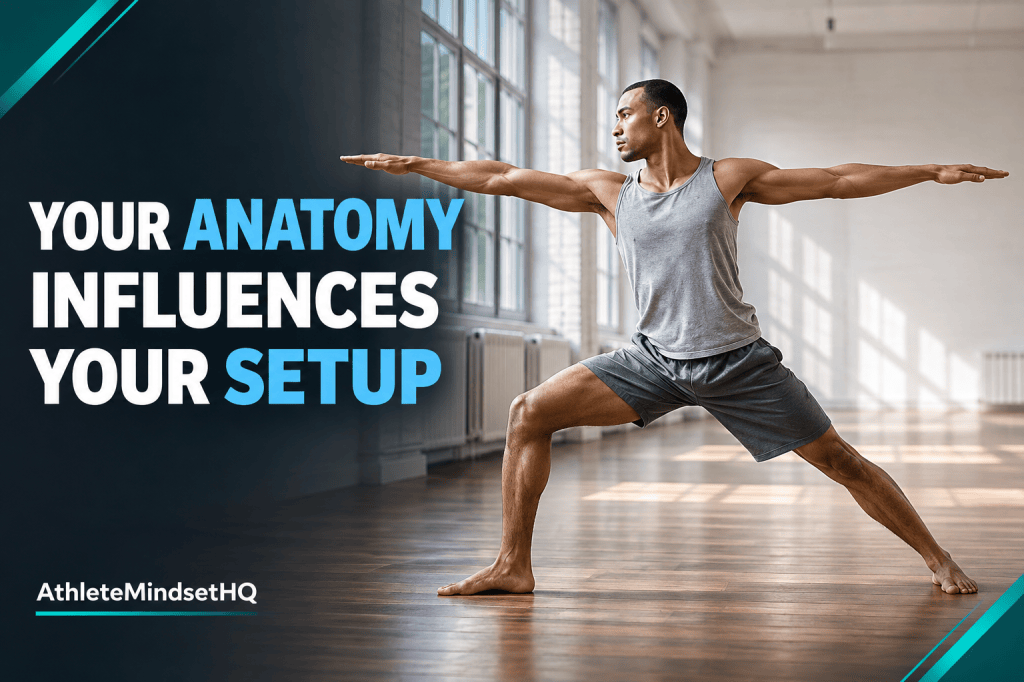
Two people can perform the same exercise well and look somewhat different doing it.
Limb lengths, body proportions, mobility, training experience, and the equipment itself influence how a movement looks and feels.
This is a reason to pay attention to your own setup. A stance, grip, or machine adjustment that works comfortably for someone else may need changing for you.
When coaching, I want the person to understand the movement and perform it with control. Copying someone’s exact appearance is a less useful goal.
Your technique should account for the body you are training.
Give your training more than one job
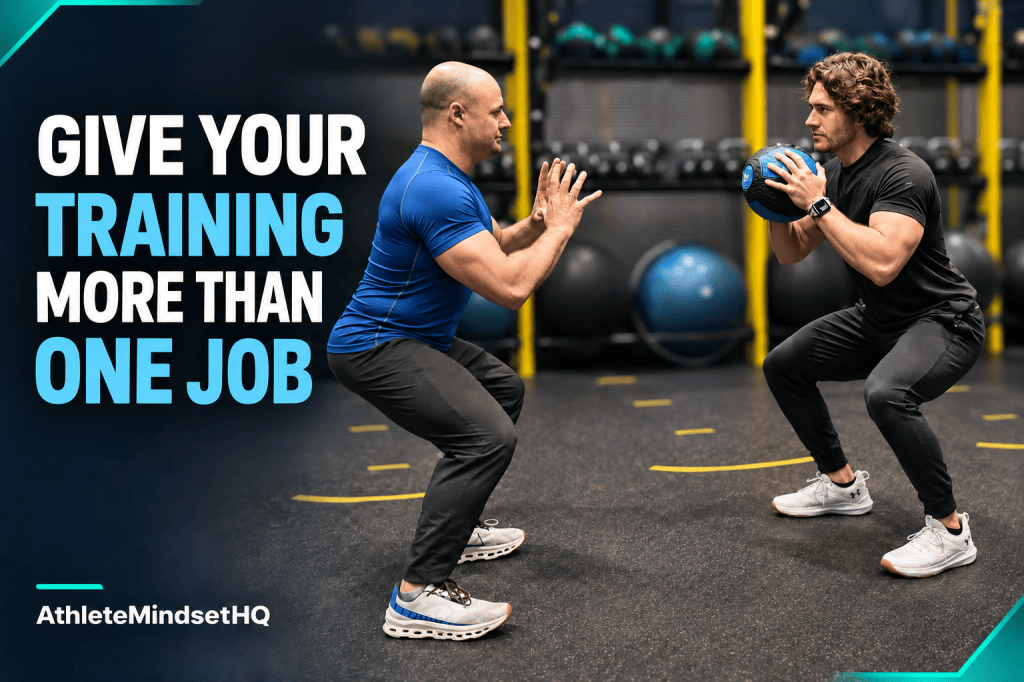
A thoughtful program gives you opportunities to develop strength, practice movements, and build the capacity to keep participating.
Depending on your goals, that might include squats or leg presses, hip hinges, presses, rows, and smaller exercises for specific muscles.
It can also include activities outside the weight room. Aerobic conditioning, strength work, and flexibility work each contribute to a balanced fitness routine.
You don’t have to make every exercise accomplish everything. Give each exercise a clear purpose.
The mental side of understanding your body

Anatomy can give you more useful language for coaching yourself.
“I’m terrible at squats” is a judgment.
“I lose control near the bottom of the repetition” is an observation you can work with.
“My upper body is weak” is broad.
“I need a more manageable load so I can finish my presses consistently” gives you a next step.
That shift matters. Specific observations make it easier to adjust your training without turning a difficult set into a statement about your worth.
At the same time, keep your attention manageable. Choose one useful cue for a set. Practice it. Reflect afterward. You do not need to mentally track every muscle during every repetition.
A question for your next workout
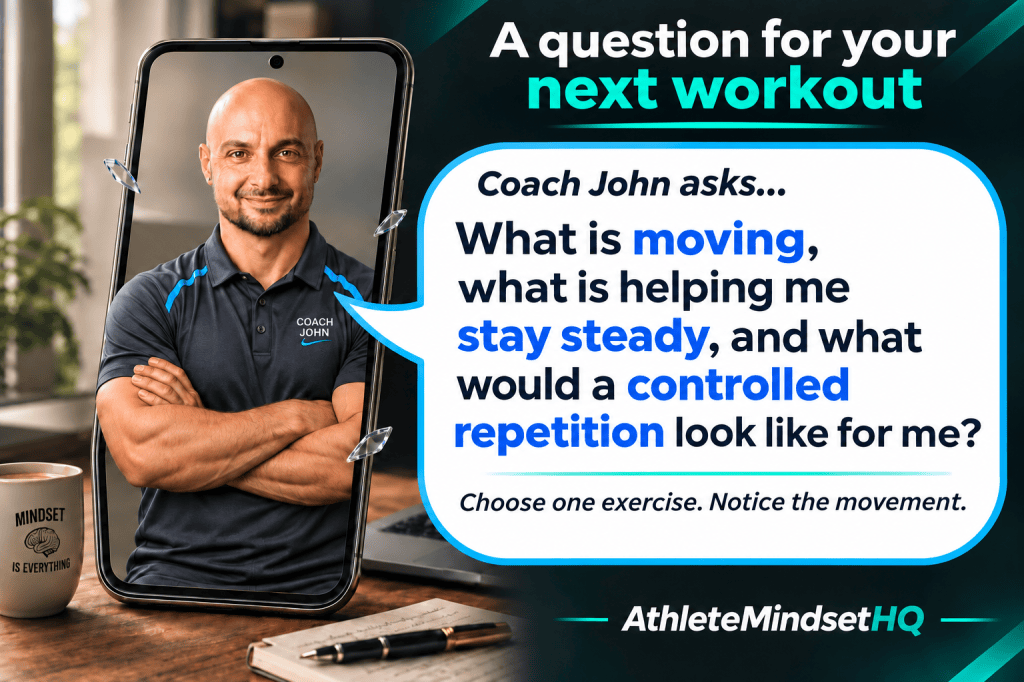
Choose one exercise and ask:
“What is moving, what is helping me stay steady, and what would a controlled repetition look like for me?”
Then watch what happens across the set.
Understanding your body gives you more ways to recognize progress—and more precise questions to ask when something needs adjusting.
For the comments: Which exercise would you like to understand better—what muscles it uses, how to set it up, or why it feels the way it does?

I’m John J. Schessler Jr., MS, CPT, SPC—founder of AthleteMindsetHQ, personal trainer, behavior interventionist, and host of the Men, Actually podcast. I hold a master’s degree in sport psychology and a bachelor’s degree in child and adolescent psychology. My work brings together movement, mindset, and honest conversations about being human.
Through this blog, I explore mental performance, fitness, resilience, masculinity, identity, and well-being. Drawing from my experience supporting autistic students, coaching clients, and navigating my own challenges, I turn psychological concepts into practical ideas you can use in training, work, relationships, and everyday life.
My interest in resilience is personal. At age 10, I survived Guillain–Barré syndrome and faced the long process of relearning abilities I once took for granted. That experience continues to shape how I understand progress, patience, and the courage it takes to begin again.
As a gay man, educator, and coach, I value spaces where people can speak honestly, question expectations, and feel supported as they grow. Whether you’re pursuing a performance goal or figuring out your next chapter, my aim is to help you understand yourself, take a meaningful next step, and follow through.


Leave a Reply