
Rethinking the Male Protector Role
By John J. Schessler Jr., MS, CPT, SPC | AthleteMindsetHQ
Some men can carry everyone else through a crisis—but don’t know what to say when someone asks, “What do you need?”
They know how to show up. They can solve the problem, pick up the extra shift, offer encouragement, and hold things together when the people around them are falling apart.
Ask how they’re doing, though, and the answer comes quickly:
“I’m good.”
Sometimes they are. Sometimes they haven’t stopped long enough to find out.
I keep coming back to a question that feels especially relevant to the conversations I want to have through Men, Actually: Who are you when nobody needs you to be strong?
When there is no emergency to manage, no person to reassure, no problem waiting for your solution—can you still feel valuable?
When being dependable becomes your identity
There is meaning in being someone others can count on. Caring for people, keeping your word, and taking responsibility can be deeply satisfying parts of a man’s life.
The difficulty starts when those qualities become the only things you believe you have to offer.
You might begin measuring a relationship by how much you do for the other person. You may feel guilty resting while someone else is struggling. You might hear yourself agreeing to another request before you have considered whether you have the time or energy.
Eventually, “I like helping” can turn into “I don’t know who I am if I’m not helping.”
That is a heavy expectation to carry into every friendship, relationship, and workday.
The rules some men learn

Some men grow up hearing direct instructions: Be tough. Handle it yourself. Don’t cry. Others learn through the reactions around them—warmth when they succeed, approval when they stay composed, and discomfort when they show fear.
Those experiences can leave a man with a narrow idea of what makes him worthy of care. He may feel welcome as the provider, the protector, the funny friend, or the guy who always has an answer. Being uncertain or overwhelmed can feel much harder to reveal.
As a gay man, I also think about the pressure to prove that you belong within an idea of masculinity that may never have made enough room for you. For some gay men, looking strong, staying composed, or being endlessly useful can become another way of seeking acceptance. Other men will recognize a different version of that pressure in their own lives.
There is no single male experience. But one question remains across those differences: What parts of yourself have you learned to hide to stay seen as dependable?
The body that survived deserves care, too
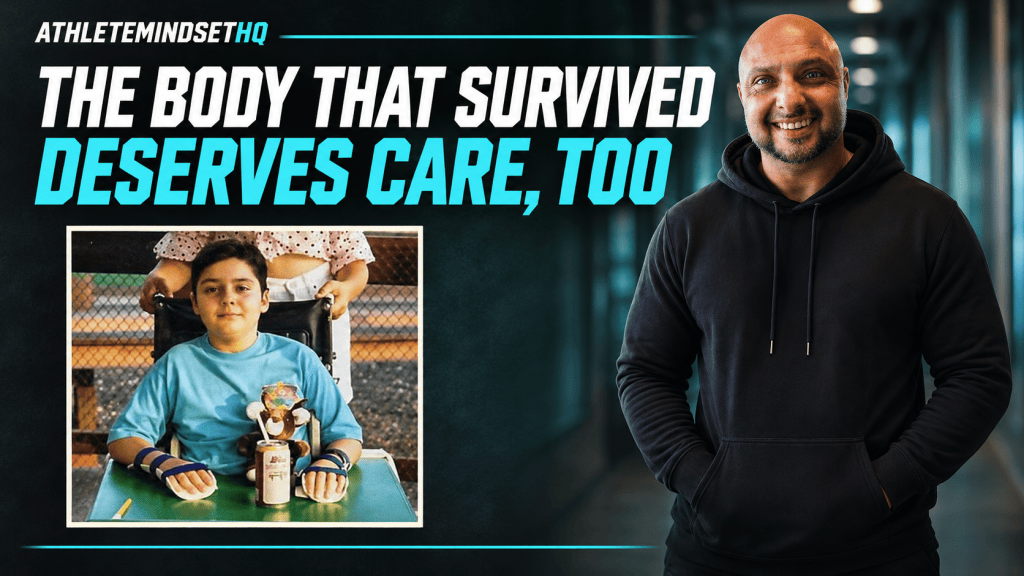
Surviving Guillain–Barré syndrome as a child and going through rehabilitation is part of my story. So is needing other people while I relearned things my body once did automatically.
That history gives me a reason to keep examining what strength means. Receiving help is part of my life story, alongside persistence and effort. The body that survived has needed care, patience, and support.
I think that matters when we talk about adult men who feel they must always be the one holding everyone else up. A person can be capable and still need assistance. A person can have survived something difficult and still deserve gentleness afterward.
You do not have to keep proving your strength by making every hard thing a solo effort.
When helping leaves no room for you
Sometimes being needed offers a comfortable role. There is a task to complete and a clear way to contribute. Receiving care can feel less familiar: you have to name a need, tolerate being seen, and allow someone else to respond.
It is worth noticing whether you regularly help past the point of exhaustion, then feel hurt that nobody recognizes how much you are carrying. The hurt deserves attention. So does the question of whether you have let anyone know what support would look like.
People who love you may still need you to say, “I’m having a difficult week. Can we spend some time together?”
And if you have communicated clearly and a relationship consistently makes room only for the other person’s needs, that pattern deserves an honest look.
Making room to receive

You can begin with small choices. You do not need to reveal everything at once or trust every person with your most vulnerable experiences.
Pause before agreeing. Try, “Let me check what I can manage and get back to you.” Give yourself time to choose a commitment you can actually keep.
Name one specific need. “Could you listen for a few minutes?” or “Can you check in with me tomorrow?” gives a trusted person a practical way to show up.
Accept a small offer of help. Let someone bring the meal, handle the errand, or take a turn making the plans. Notice any urge to repay them immediately. You can express appreciation and allow the gesture to stand.
Spend time together without a job to do. Have coffee. Take a walk. Watch a game. Give yourself opportunities to experience connection when your company is what you are bringing.
Pay attention to your own interests. Ask what you enjoy when nobody is evaluating your performance or benefiting from the result. Make a little room for that activity, even if you are a beginner and even if it produces nothing useful.
These are ways to practice being present in your own life while continuing to care about other people.
A question to sit with

Imagine a day when nobody needs you to fix anything. You have no crisis to manage and nothing to prove.
What comes up—relief, restlessness, loneliness, guilt?
Whatever the answer, approach it with curiosity. It may tell you something about the role you have been carrying and the room you want to make for yourself.
You can value being dependable and build relationships where someone checks on you, too. You can take pride in your strength and tell the truth when you are tired.
The people closest to you deserve the chance to know more than what you can do for them. They deserve the chance to know you.
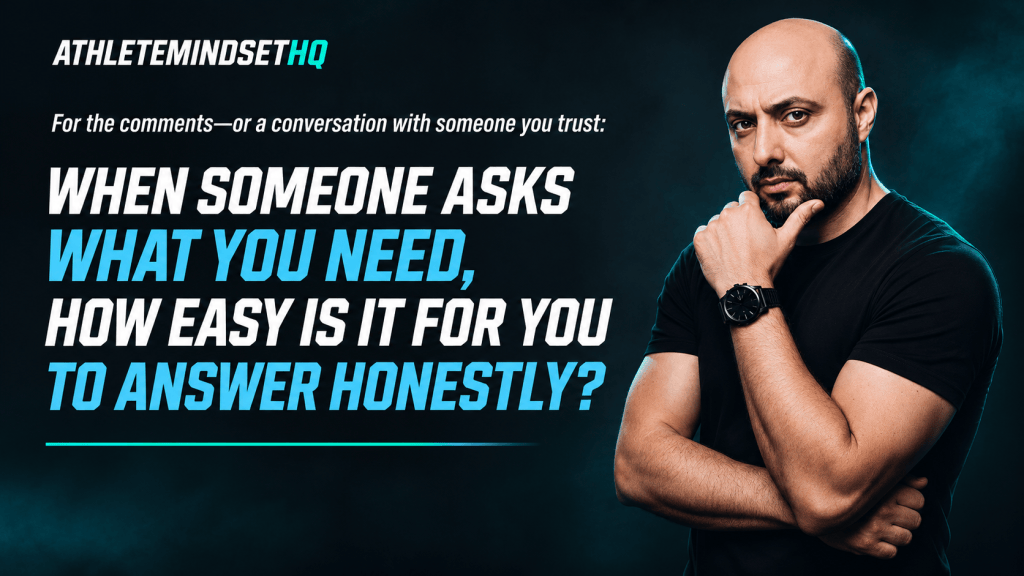
For the comments—or a conversation with someone you trust: When someone asks what you need, how easy is it for you to answer honestly?
This is the kind of conversation I want to keep opening through Men, Actually: honest conversations about masculinity, identity, connection, and the person behind the expectations.


Leave a Reply