
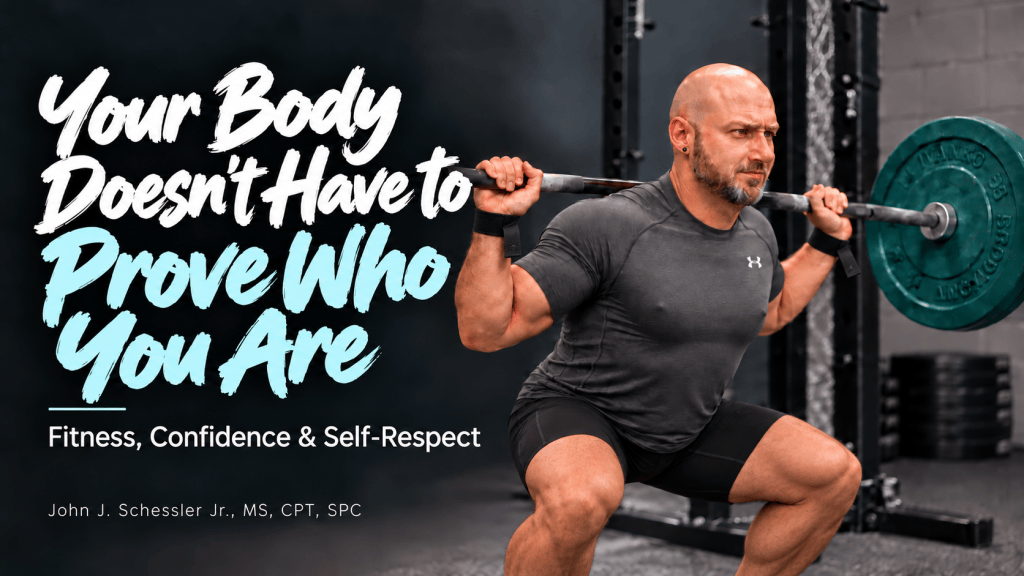
By John J. Schessler, MS
Building strength, confidence, and a fitness routine that supports your life.
In my National Coming Out Day vlog, I shared part of my story—my truth, my identity, and the journey toward living more openly.
That conversation made me think about another place where being seen can feel complicated: the gym.
As a gay man and a personal trainer, I want to make room for a conversation about fitness that includes both physical goals and the expectations we bring into the room.
Coming out doesn’t automatically erase insecurity. You can become more comfortable telling people who you are and still struggle with how you feel about your body. You can embrace your identity and still catch yourself wondering whether you look muscular, lean, or masculine enough.
Fitness can give us a place to build strength and develop skills. But when every workout becomes a test of whether we deserve acceptance, even progress can feel unsatisfying.
How do we pursue our goals while giving ourselves room to live in the body we have today?
When Appearance Becomes the Whole Goal
There is nothing wrong with wanting to change how you look.
Wanting bigger arms, more muscle definition, or a different fit in your clothes is a valid reason to train. Appearance goals don’t make you shallow, and you don’t need to pretend they don’t matter.
The difficulty comes when appearance becomes your only measure of success.
If the mirror gets the final say, you might overlook a month of consistent workouts because you don’t see the change you expected. You might dismiss stronger lifts, improved endurance, or more confidence using equipment because your stomach still looks the same.
For some gay men, appearance pressure can also intersect with belonging. Dating profiles, social media, and conversations about desirable body types can create the impression that acceptance comes with physical requirements.
That experience isn’t universal. But if you recognize it, consider this question:
What am I asking my body to prove—and who gets to decide when it has done enough?
Your fitness goals deserve attention. Your worth deserves a more stable foundation than someone else’s reaction to your appearance.
Give Your Training a Purpose You Can Use
“I want to get in shape” is a reasonable starting point. To build a useful plan, though, it helps to get more specific.
What would being fitter allow you to do?
Maybe you want to carry groceries without struggling, climb stairs more comfortably, return to a recreational sport, or feel more capable during a demanding workday.
You might also want to learn how to use the gym with confidence.
These goals give your training direction. They help you choose activities and recognize progress.
An appearance goal can sit alongside a practical goal:
- “I want more muscle definition, and I want to complete two strength workouts each week.”
- “I want my clothes to fit differently, and I want to improve my walking endurance.”
- “I want stronger arms, and I want to learn how to perform my exercises with better control.”
The action gives you something to practice now, while the longer-term outcome takes time.
Understand What Your Routine Includes
A useful fitness routine begins with understanding what different activities contribute.
Strength training asks your muscles to work against resistance. That resistance might come from machines, free weights, bands, or your own body weight.
Aerobic activity includes brisk walking, cycling, swimming, and dancing.
For general adult health, physical activity guidelines recommend at least 150 minutes of moderate-intensity aerobic activity each week, along with muscle-strengthening activity on at least two days. Those minutes can be spread throughout the week, and some activity is better than none. Choose activities that fit your abilities and that you enjoy enough to repeat.
If you are currently doing very little, use those guidelines as a direction to build toward. A manageable starting point gives you a chance to learn what fits your schedule and how your body responds.
You don’t have to turn your entire life upside down to take your first step.
Measure More Than What You See
The mirror cannot tell you how consistently you have trained or how confidently you move.
Give yourself other sources of feedback.
For strength workouts, record your exercises, resistance, and repetitions. Over time, look for changes such as completing another repetition with good control or using a little more resistance while maintaining your technique.
For aerobic activity, track your time or distance. Notice whether a familiar activity feels more manageable.
You can also ask:
- Am I following through more consistently?
- Do I understand my exercises better?
- Am I more comfortable asking for help?
- Is my routine becoming easier to fit into my week?
These observations help you evaluate the process. They also give you useful information when something needs to change.
If you keep missing a workout, examine the plan. The session may be too long, the timing may be unrealistic, or the activity may be something you dread. Adjusting the routine is part of learning how to train.
Build for the Week You Actually Have
It is easy to design a routine around an imaginary version of yourself—the person with unlimited time, steady motivation, and no competing responsibilities.
Your actual week probably includes work, relationships, appointments, fatigue, and unexpected changes.
Start there.
If two gym visits fit your schedule, plan those two visits. Decide when they will happen and what you intend to do. If you enjoy walking, look for places it can fit naturally into your day.
The CDC recommends choosing activities you enjoy and that match your abilities to help you keep going.
A useful plan gives you enough structure to act while allowing reasonable adjustments. Missing a session is information about one day. It does not have to become a judgment about your character.
Ask what happened, make the adjustment you need, and return to the next opportunity.
You Can Pursue Change and Respect Yourself Today
Self-respect and physical goals can exist together.
You can appreciate your body and want to become stronger. You can feel frustrated with your progress and still treat yourself with care. You can enjoy building muscle without making muscle the price of belonging.
That matters to me as an extension of the coming-out conversation.
Living openly includes giving ourselves permission to participate—to enter the gym, learn something unfamiliar, and take up space before we feel completely confident.
You don’t need visible abs to belong there. You don’t need a certain body type to be openly gay. You don’t need to reach a goal weight before allowing yourself connection, joy, or a life you enjoy.
Fitness can be one part of caring for that life.
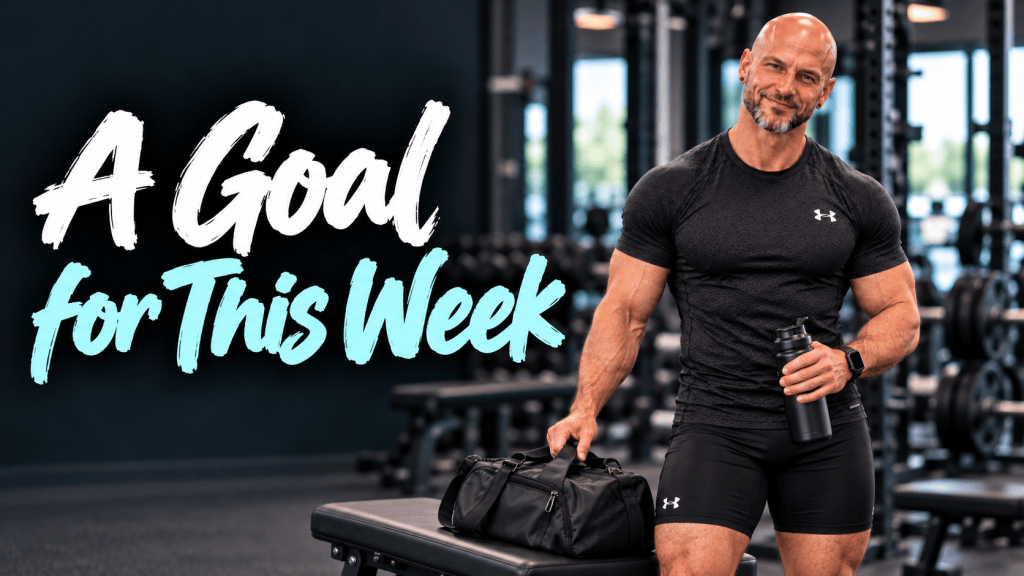
A Goal for This Week
Ask yourself:
What is one thing I want my fitness routine to help me do beyond changing how I look?
Write down your answer. Then choose one manageable action that supports it.
Schedule a strength workout. Take a walk. Record your exercises. Ask a trainer to explain a machine you have been avoiding.
Choose something concrete enough that you will know whether you did it.
My coming-out story is part of who I am. So is my work in fitness. Bringing those conversations together gives me a chance to say something I believe deserves more space:
Your body doesn’t have to prove who you are.
You can give it care, challenge it, and let it grow while continuing to live your life today.
—John J. Schessler Jr., MS, CPT, SPC
John J. Schessler, M.S.
John J. Schessler, M.S., is a Mental Performance Coach, Behavior Interventionist, speaker, and founder of Athlete Mindset HQ—a high-performance coaching platform dedicated to helping athletes, professionals, and everyday individuals develop the mindset needed to thrive under pressure and perform at their highest potential.
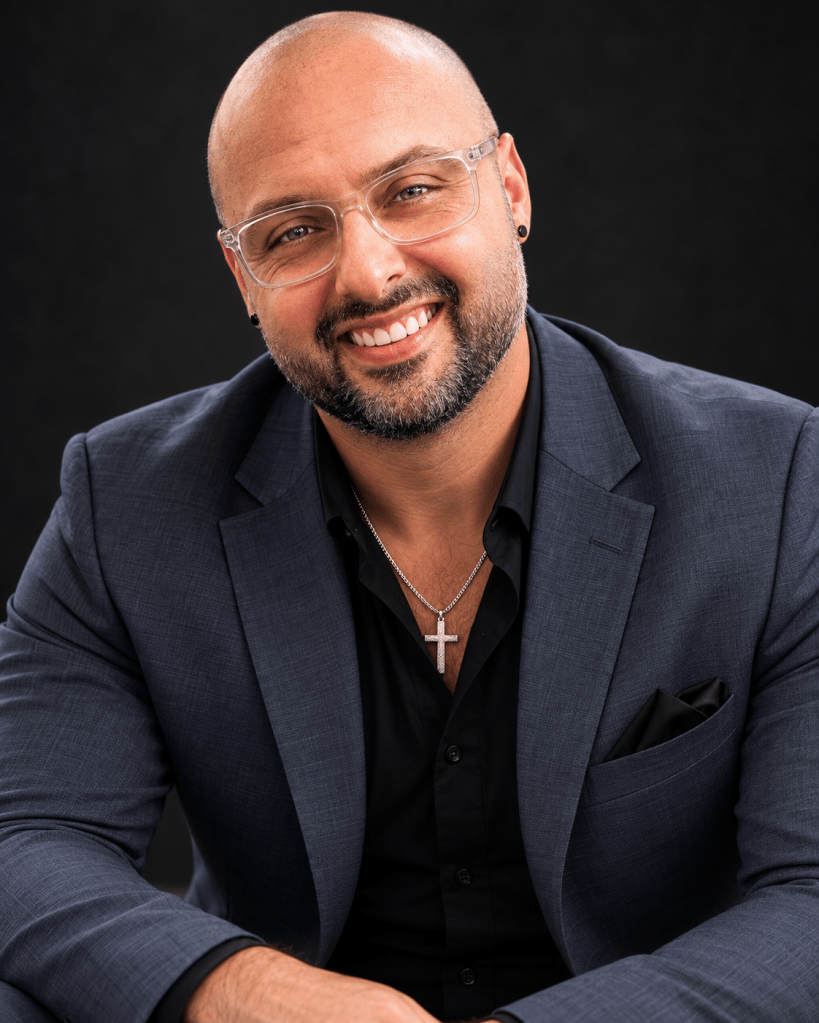
John earned his Master of Science in Sport Psychology from Capella University and his Bachelor of Arts in Child & Adolescent Psychology from Southern New Hampshire University. His work bridges the gap between psychology, human performance, behavioral science, and personal development, combining evidence-based strategies with practical coaching that people can immediately apply in sport, work, and everyday life.
His passion for helping others is rooted in his own journey. As a child, John survived Guillain-Barré Syndrome, spending weeks in a coma before fighting through rehabilitation to reclaim his life. That experience shaped his belief that resilience isn’t something you’re born with—it’s something you build through adversity, discipline, and purpose.
Today, John works with individuals from all walks of life, helping them strengthen confidence, improve emotional resilience, overcome obstacles, and develop the habits that lead to lasting success. Whether coaching athletes, mentoring students, speaking to organizations, or creating educational content, his mission remains the same: to help people become mentally stronger than the challenges they face.
John is also the host of The Follow Through Podcast, where he explores sports psychology, leadership, men’s mental health, motivation, resilience, and human performance through practical conversations that inspire listeners to move beyond intention and into action.
His philosophy is simple:
Mental strength isn’t about never struggling. It’s about developing the confidence, discipline, and resilience to keep moving forward—especially when life gets difficult.
Because success isn’t built by what you intend to do.
It’s built by what you follow through on.
Personal Brand Statement
John J. Schessler, M.S. is dedicated to helping people unlock their potential by strengthening the one asset that influences every area of life—the mind. Through education, coaching, and authentic conversation, he empowers others to develop confidence, resilience, and the discipline to follow through on their goals.


Leave a Reply