

Breast Cancer Awareness, Meaningful Support, and the Person Behind the Diagnosis
by John J. Schessler, MS, CPT, SPC
Every October, pink ribbons appear on shirts, storefronts, social media pages, and athletic uniforms. They invite us to pay attention to breast cancer and show support for those affected.
Behind those ribbons are people living through experiences we may never see.
Someone is waiting for results. Someone is preparing for surgery. Someone is trying to manage treatment while working, raising children, or caring for a parent. Someone is living with metastatic breast cancer. Someone is grieving.
Breast Cancer Awareness Month gives us an opportunity to learn, ask questions, and show up. What we do with that opportunity matters.
Pay Attention to Changes in Your Body
Knowing what is usual for your body can help you recognize when something changes.
Breast cancer symptoms can include a new lump in the breast or underarm, a change in breast size or shape, skin dimpling, or nipple changes such as unusual discharge or a nipple turning inward.
Most breast changes are not cancer. Still, an unusual change deserves an evaluation by a healthcare professional. You do not need to diagnose it yourself before making an appointment,
and you do not need to wait until it becomes painful.
It can be tempting to put a concern aside. Life is busy. An appointment may feel inconvenient, expensive, or frightening. Sometimes uncertainty makes avoiding the conversation feel easier.
But you deserve answers and care. If you notice a change, call a healthcare professional and explain what you are experiencing.
Feeling Fine Does Not Replace Screening
Early breast cancer often has no symptoms. Screening mammograms can help detect cancer before a person notices a lump or another change.
Talk with your healthcare provider about a screening plan appropriate for your age, personal history, family history, and risk. Bring up any concerns or barriers that could make it difficult to follow that plan.
If you discover a new symptom, contact your provider rather than waiting for your next routine screening appointment. A new breast change may require diagnostic testing, which serves a different purpose from screening someone who has no symptoms.
Making an appointment can be a meaningful act of self-care—even when it feels uncomfortable.
Men Belong in This Conversation, Too
Breast cancer is much more common in women, but men can develop it because they also have breast tissue.
For men, signs can include a lump or thickening near the breast, nipple changes or discharge, and changes in the skin. An unusual change should be checked by a healthcare professional. Routine screening mammograms are generally not recommended for men; those concerned about their risk should discuss it with their doctor.
As someone who often writes about men’s health and masculinity, I want to make room for this conversation.
Embarrassment should not stand between someone and an evaluation. Neither should the assumption that breast cancer could never happen to them.
Asking a question about your health is a responsible choice. You deserve to take your concern seriously.
Support Starts With Listening
When someone shares a cancer diagnosis, we may struggle to find the right words.
“Stay strong.”
“You’ve got this.”
“Keep thinking positive.”
Those phrases often come from love. Some people find them encouraging. Others may feel pressure to hide their fear or exhaustion.
Let the person tell you what helps.
Someone receiving treatment may need room to say, “I’m scared,” “I’m angry,” or “I don’t want to talk about cancer today.” They may want reassurance, distraction, company, or quiet. Their needs may change from one day to the next.
You can offer hope while making room for difficult feelings.
Sometimes a useful response is simple:
“I’m here. You don’t have to pretend with me.”
Then listen without rushing to fix the conversation.
Make Your Help Specific

“Let me know if you need anything” is a kind offer. But it can leave the person receiving it responsible for identifying a task, deciding whether to ask, and coordinating the help.
A specific offer can be easier to accept:
- “Could I bring dinner on Thursday?”
- “Would a ride to your appointment help?”
- “Can I pick up groceries this weekend?”
- “Would you like company, or would you prefer some space?”
Ask first, respect the answer, and follow through.
Protect their privacy, too. A diagnosis does not give anyone permission to share medical updates, post photographs, or tell someone else’s story. Let the person decide what they want others to know.
Keep checking in as time passes. A brief message weeks or months later can communicate that your care is still there.
A Diagnosis Does Not Define Someone’s Worth
Working in fitness and mental performance has made me attentive to how easily we connect the body with identity.
We praise strength, energy, discipline, and physical progress. But people also deserve respect when their bodies change, when they need rest, and when ordinary tasks become difficult.
A cancer diagnosis is not a verdict on someone’s character or effort.
We should never assume that illness reflects a failure to exercise enough, eat correctly, or maintain the right attitude. And we cannot measure someone’s strength by how cheerful they appear during treatment.
Nobody should have to perform positivity to deserve compassion.
A person may feel hopeful one day and overwhelmed the next. Both deserve to be heard.
They also remain a whole person—with interests, relationships, humor, goals, and preferences beyond their diagnosis. Ask about those parts of their life, too.
Remember People Whose Stories Are Still Unfolding
Awareness campaigns often celebrate recovery and survivorship. Those experiences matter.
So do the experiences of people in active treatment, people living with metastatic breast cancer, people facing uncertainty, and families grieving someone who died.
Leave room for stories that do not follow a tidy timeline or end with a celebratory photograph.
Support should meet people where they are. It should allow them to describe their own experience and choose the language that feels right to them.
Let Awareness Become an Action
This October, choose one meaningful step.
Discuss your screening plan with a healthcare provider. Make an appointment you have been postponing. Ask about your family’s health history. Offer practical help to someone affected by breast cancer. Support a reputable organization that helps people access care.
If cost or insurance is a barrier, ask a healthcare clinic or your state health department about available screening assistance.
And when you check in with someone, give them space to answer honestly.
To everyone affected by breast cancer: you deserve clear information, appropriate care, privacy, and support that respects your needs.
You do not owe anyone a perfect attitude or an inspiring story.
The pink ribbon can open a conversation. Our attention, follow-through, and compassion can help carry it forward.
The person behind the ribbon matters—this month and throughout the year.
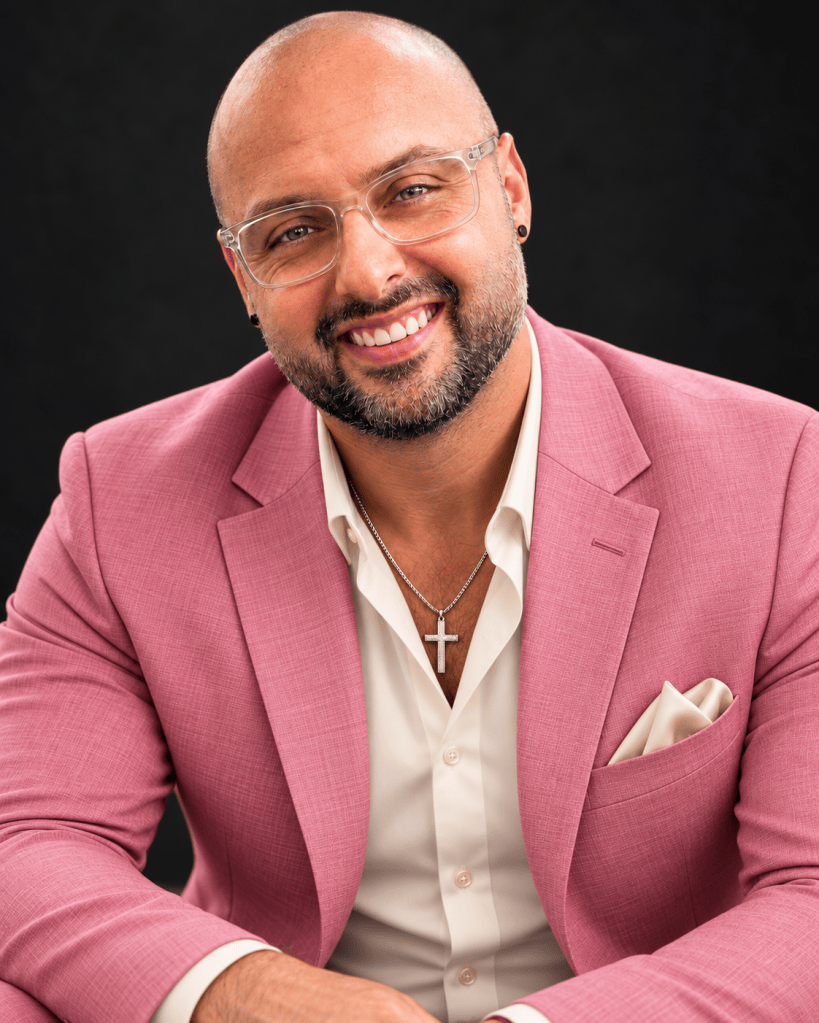
John J. Schessler, M.S.
John J. Schessler, M.S., is a Mental Performance Coach, Behavior Interventionist, speaker, and founder of Athlete Mindset HQ—a high-performance coaching platform dedicated to helping athletes, professionals, and everyday individuals develop the mindset needed to thrive under pressure and perform at their highest potential.
John earned his Master of Science in Sport Psychology from Capella University and his Bachelor of Arts in Child & Adolescent Psychology from Southern New Hampshire University. His work bridges the gap between psychology, human performance, behavioral science, and personal development, combining evidence-based strategies with practical coaching that people can immediately apply in sport, work, and everyday life.
His passion for helping others is rooted in his own journey. As a child, John survived Guillain-Barré Syndrome, spending weeks in a coma before fighting through rehabilitation to reclaim his life. That experience shaped his belief that resilience isn’t something you’re born with—it’s something you build through adversity, discipline, and purpose.
Today, John works with individuals from all walks of life, helping them strengthen confidence, improve emotional resilience, overcome obstacles, and develop the habits that lead to lasting success. Whether coaching athletes, mentoring students, speaking to organizations, or creating educational content, his mission remains the same: to help people become mentally stronger than the challenges they face.
John is also the host of The Follow Through Podcast, where he explores sports psychology, leadership, men’s mental health, motivation, resilience, and human performance through practical conversations that inspire listeners to move beyond intention and into action.
His philosophy is simple:
Mental strength isn’t about never struggling. It’s about developing the confidence, discipline, and resilience to keep moving forward—especially when life gets difficult.
Because success isn’t built by what you intend to do.
It’s built by what you follow through on.
Personal Brand Statement
John J. Schessler, M.S. is dedicated to helping people unlock their potential by strengthening the one asset that influences every area of life—the mind. Through education, coaching, and authentic conversation, he empowers others to develop confidence, resilience, and the discipline to follow through on their goals.


Leave a comment