

by John J. Schessler, MS, CPT, SPC
There is a kind of exhaustion that sleep alone does not fix.
It comes from waking up already behind. From feeling guilty when you sit down. From turning a hobby into a side business, a workout into a test of discipline, and a quiet afternoon into a list of things you should be doing.
We have become so used to that feeling that we often call it ambition.
I believe in hard work. I’m a coach. I’ve seen what consistent effort can do for someone’s confidence, health, and sense of purpose. But there is a difference between working toward something meaningful and feeling as though you must always be working to deserve your place in the world.
Hustle culture blurs that line.
It tells us that every hour has to count. If we are tired, we should improve our routine. If we have free time, we should build a second income stream. If we reach a goal, we should immediately set a bigger one. There is always another level to reach, another skill to master, another version of ourselves to become.
At first, that message can feel motivating. Over time, it can make an ordinary life feel inadequate.
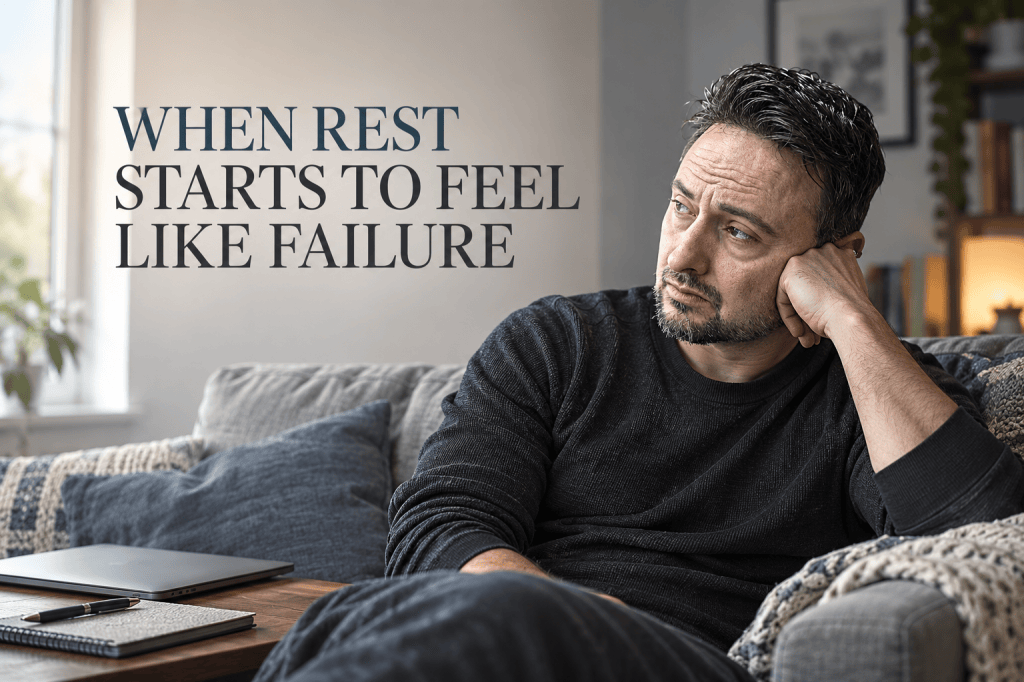
One of the clearest signs that hustle culture has gotten into our heads is the way we talk about rest.
We say we need to “earn” a day off. We call ourselves lazy for taking a break. Even when we finally stop, part of our mind stays at work, reviewing what we could be doing instead.
Rest becomes something we justify by explaining how productive we’ll be afterward.
Recovery does help us perform. Athletes know that training without recovery eventually catches up with them. But rest also matters because we are human beings. We need time to think, connect, play, grieve, and simply exist. Those needs do not require a productivity argument.
And when we ignore them long enough, the cost shows up in our lives. We become impatient. We lose interest in things we used to enjoy. We can be physically present with people we care about while mentally running through tomorrow’s tasks.
A full schedule can make us look successful from the outside while leaving us disconnected from ourselves.

It would be too easy to tell people to slow down without acknowledging why so many of us feel we cannot.
Bills are real. Job insecurity is real. Some people work multiple jobs because they need to, not because they have bought into an inspirational quote about grinding. Parents and caregivers may have very little time that truly belongs to them.
That is why the answer cannot be reduced to better boundaries or a nicer morning routine. Workplaces have a role in this. So do the expectations we set in schools, sports, and our communities.
When an organization praises balance but rewards the person who is always available, people hear the real message. When we admire someone for “never taking a day off,” we help keep that message alive.
We can start changing it by being more honest about what constant output costs.
For many of us, work is tied to who we are. We want to contribute. We want to be reliable. We want to build something we are proud of.
I understand that deeply. I care about doing meaningful work, and I know how tempting it is to treat every open hour as a chance to move one more project forward.
But if your value depends entirely on what you produce, it becomes hard to feel good about yourself for very long. There is always another deadline. Another person doing more. Another version of success you have not reached yet.
This pressure can be especially strong when we have learned that being capable means never needing help. We become the person who always handles it. People praise our strength, and eventually we may feel unable to admit when we are struggling.
We deserve a wider definition of strength. One that includes effort and commitment, but also honesty about our limits. One that allows us to ask for support before we reach a breaking point.

We can begin with the things we praise and the things we practice.
Praise someone for doing good work without glorifying the hours they sacrificed to do it. Ask a friend how they are feeling, not only what they have accomplished. If you lead a team, set expectations people can actually meet and respect their time away. If you coach athletes, teach recovery with the same seriousness you teach discipline.
And in our own lives, we can ask a few uncomfortable questions:
- Am I pursuing this goal because it matters to me, or because I feel guilty when I stop?
- What have I been neglecting while I try to keep up?
- If someone I cared about lived at this pace, would I call it healthy?
- What would “enough for today” look like?
The answers will not always be simple. Some seasons of life are demanding, and some goals require sacrifice. But we should be able to name what that sacrifice is and choose it consciously. We should not have to sacrifice ourselves indefinitely just to prove that we are serious.
I still believe in showing up, following through, and doing the work. I also believe that a meaningful life needs more than accomplishments.
I want to be able to work hard at something I care about and still notice the people sitting across from me. I want to finish a day knowing I made an effort, even if I did not finish everything. I want a quiet afternoon to feel like part of my life instead of a problem I need to fix.
We need to do something about hustle culture. We can start by refusing to treat exhaustion as proof of worth.

John J. Schessler, M.S.
John J. Schessler, M.S., is a Mental Performance Coach, Behavior Interventionist, speaker, and founder of Athlete Mindset HQ—a high-performance coaching platform dedicated to helping athletes, professionals, and everyday individuals develop the mindset needed to thrive under pressure and perform at their highest potential.
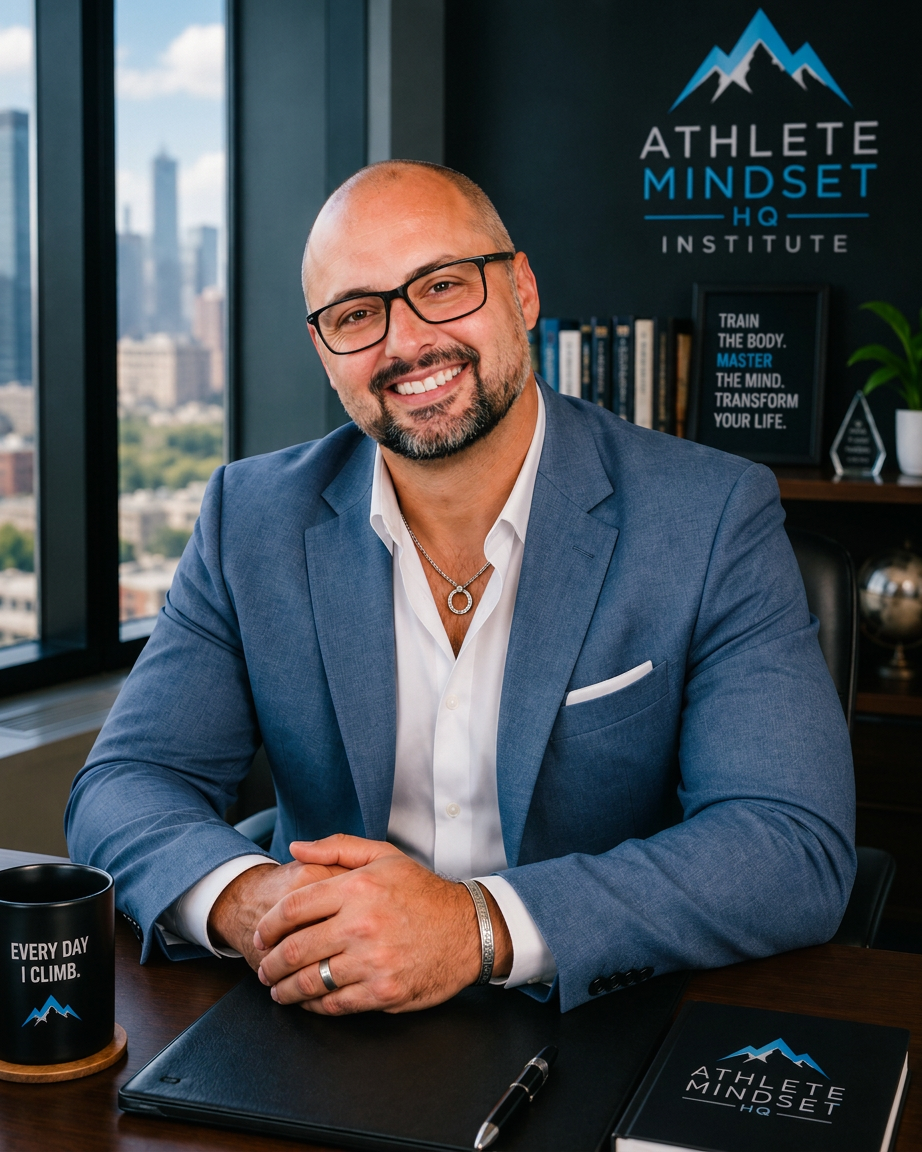
John earned his Master of Science in Sport Psychology from Capella University and his Bachelor of Arts in Child & Adolescent Psychology from Southern New Hampshire University. His work bridges the gap between psychology, human performance, behavioral science, and personal development, combining evidence-based strategies with practical coaching that people can immediately apply in sport, work, and everyday life.
His passion for helping others is rooted in his own journey. As a child, John survived Guillain-Barré Syndrome, spending weeks in a coma before fighting through rehabilitation to reclaim his life. That experience shaped his belief that resilience isn’t something you’re born with—it’s something you build through adversity, discipline, and purpose.
Today, John works with individuals from all walks of life, helping them strengthen confidence, improve emotional resilience, overcome obstacles, and develop the habits that lead to lasting success. Whether coaching athletes, mentoring students, speaking to organizations, or creating educational content, his mission remains the same: to help people become mentally stronger than the challenges they face.
John is also the host of The Follow Through Podcast, where he explores sports psychology, leadership, men’s mental health, motivation, resilience, and human performance through practical conversations that inspire listeners to move beyond intention and into action.
His philosophy is simple:
Mental strength isn’t about never struggling. It’s about developing the confidence, discipline, and resilience to keep moving forward—especially when life gets difficult.
Because success isn’t built by what you intend to do.
It’s built by what you follow through on.
Personal Brand Statement
John J. Schessler, M.S. is dedicated to helping people unlock their potential by strengthening the one asset that influences every area of life—the mind. Through education, coaching, and authentic conversation, he empowers others to develop confidence, resilience, and the discipline to follow through on their goals.


Leave a comment