
Men, Muscle & Mind: The Psychology Behind How Men Train
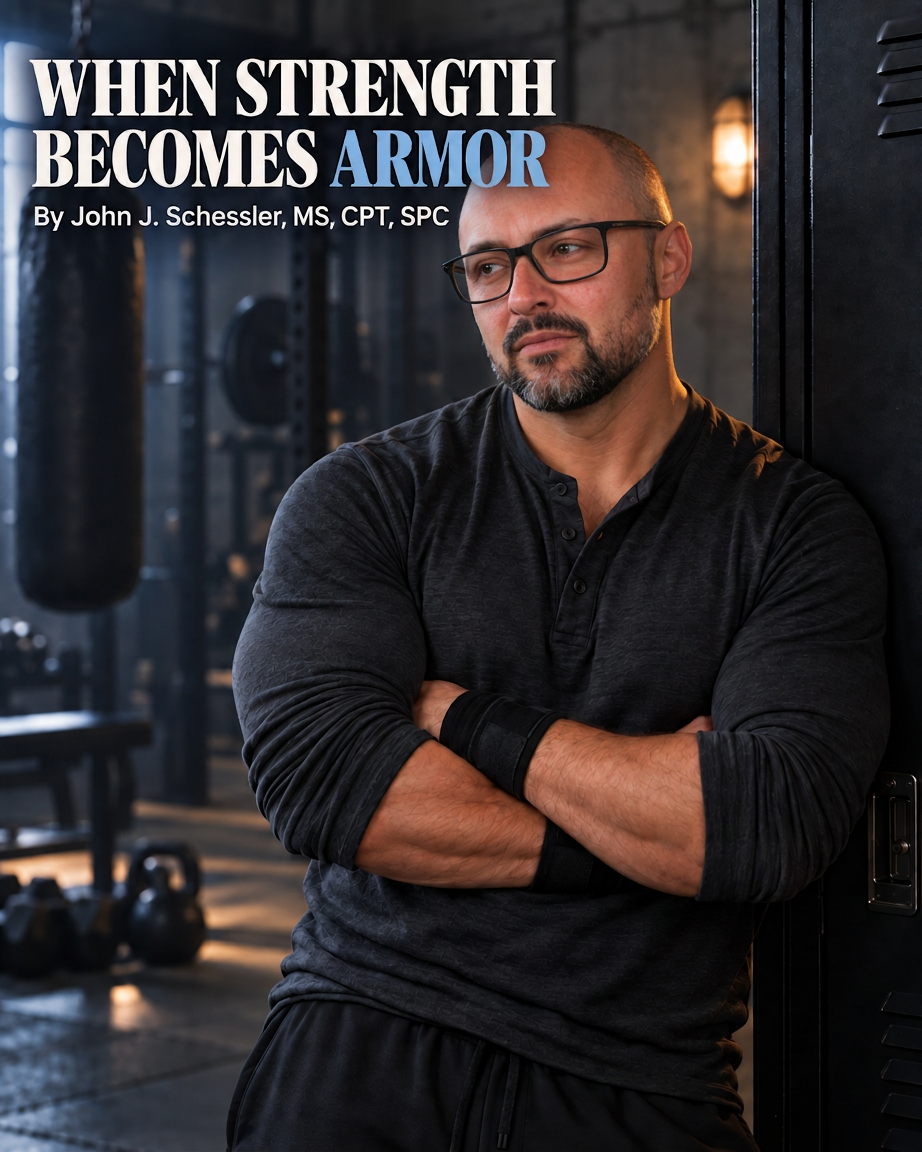
There is a particular kind of silence that exists in a gym.
It lives between the impact of one weight hitting the floor and the next repetition beginning. It appears when a man catches his reflection in the mirror—not to check his form, but to evaluate what he sees. Bigger or smaller. Stronger or weaker. Impressive or invisible.
For many men, strength training is exactly what it appears to be: a healthy way to build muscle, improve performance, reduce stress, and take care of the body. It can create confidence, structure, discipline, and community.
But training can also become something more complicated.
Muscle can become protection. Discipline can become emotional avoidance. Physical strength can become a way of making sure nobody ever sees the fear, insecurity, loneliness, or uncertainty underneath it.
Sometimes, strength becomes armor.
The body can say what a man has difficulty expressing
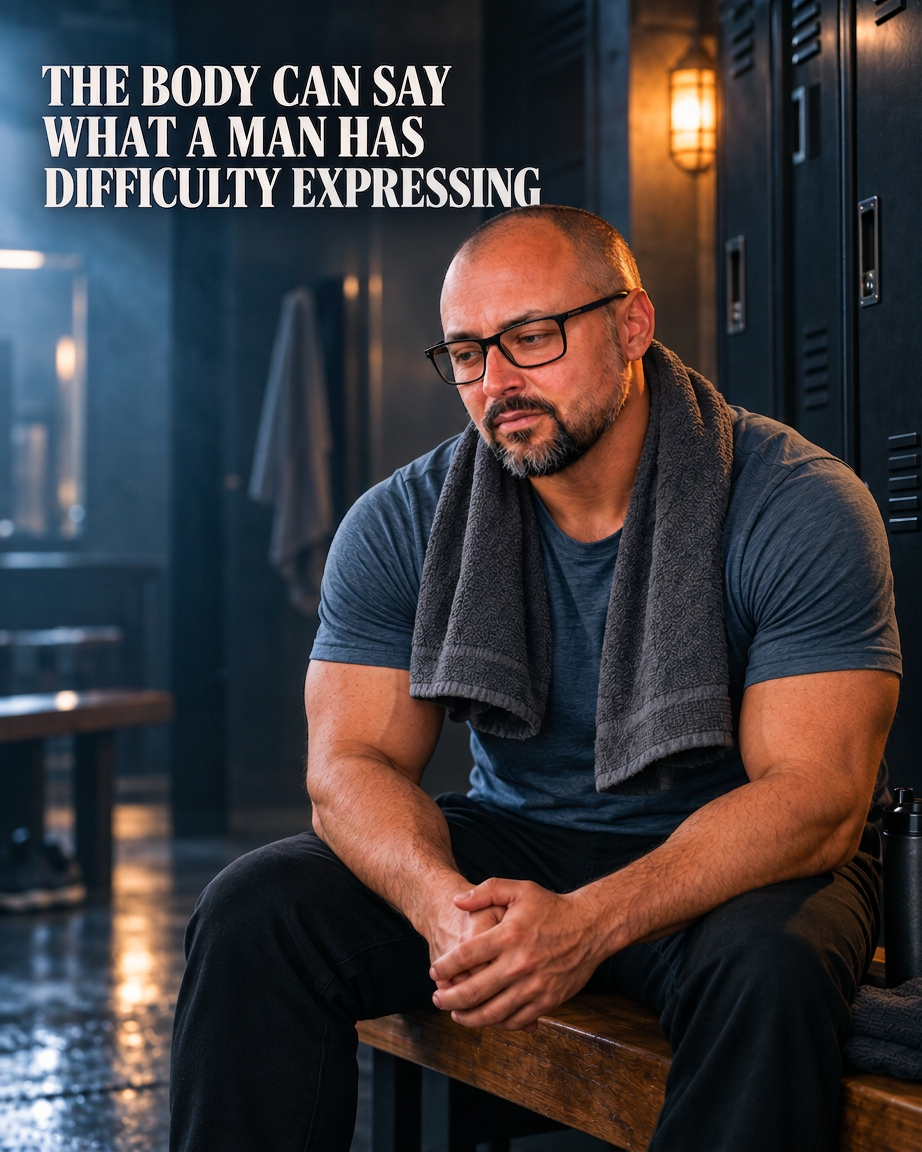
Men are often taught to communicate distress indirectly.
Instead of saying, “I feel powerless,” a man may become intensely focused on getting stronger. Instead of admitting, “I don’t feel good enough,” he may chase a body that he hopes will finally make him feel worthy. Instead of acknowledging rejection, fear, or loneliness, he may pour everything into another set, another workout, or another physical transformation.
This does not mean that every muscular man is hiding an emotional wound. Wanting to become stronger is not automatically unhealthy. Ambition, physical development, and pride in one’s appearance can all be positive.
The deeper question is not simply, “Why do you train?”
It is also, “What does being strong mean to you?”
Does strength mean health, capability, and confidence? Or does it mean that nobody can hurt you, dismiss you, reject you, or mistake you for someone vulnerable?
The difference matters.
Why muscle can feel like protection
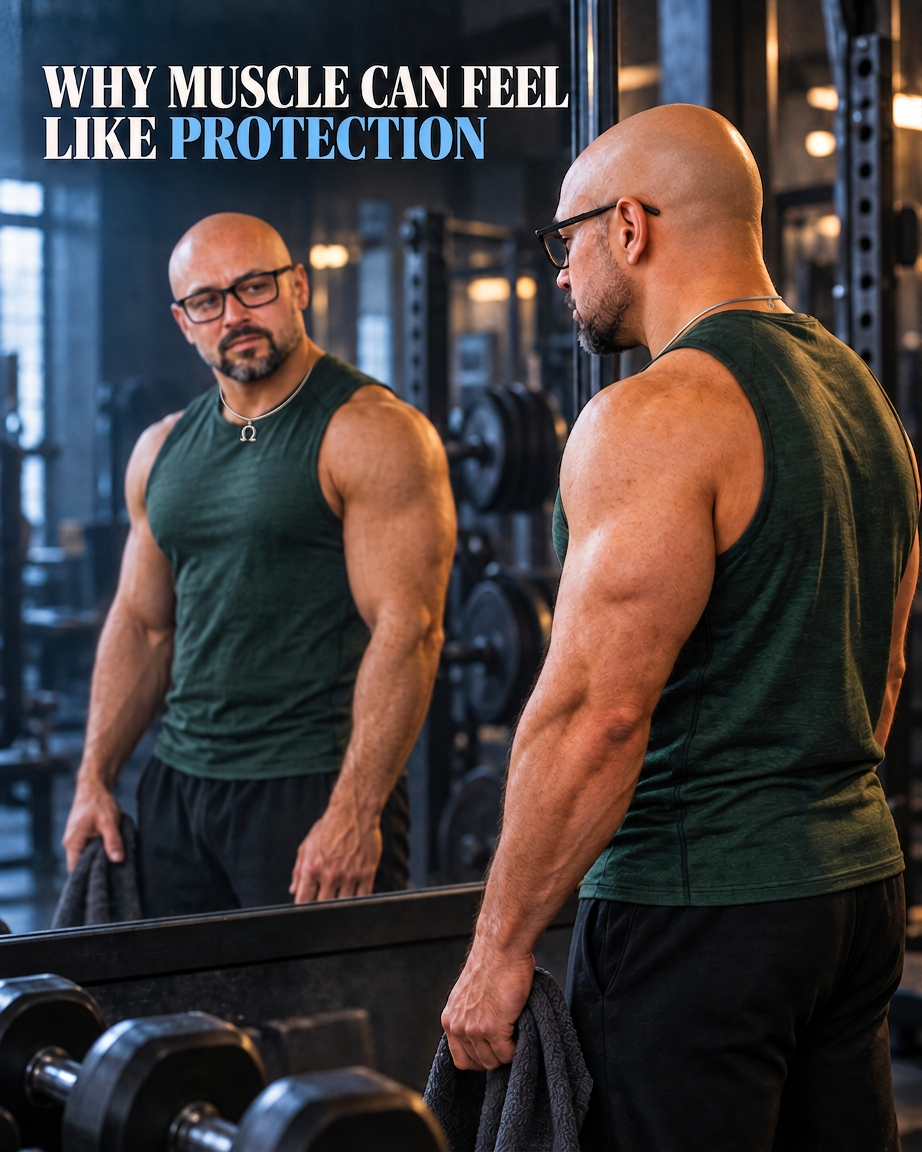
Muscle is visible. Emotional security is not.
A man can see the weight on the bar, measure his arms, track his progress, and compare this month’s photographs with last month’s. Training offers concrete evidence that he is changing.
Emotional growth is rarely that orderly.
There is no personal record for admitting that you are lonely. There is no mirror measurement for becoming more comfortable with vulnerability. There is no applause when you establish a boundary, ask for help, or tell someone that you are afraid.
The gym, by contrast, provides clear rules:
Show up. Do the work. Endure discomfort. Become stronger.
For a man who feels uncertain in other parts of his life, that structure can be deeply reassuring. Training becomes one place where effort appears to make sense.
It can also become the place where he builds the version of himself he believes the world will respect.
If he becomes muscular enough, perhaps people will take him seriously. If he becomes lean enough, perhaps he will feel desirable. If he becomes physically imposing enough, perhaps he will never feel small again.
The body begins carrying responsibilities that no body can fully satisfy.
Armor is not the same as confidence
Confidence allows a man to enter a room without constantly proving that he belongs there.
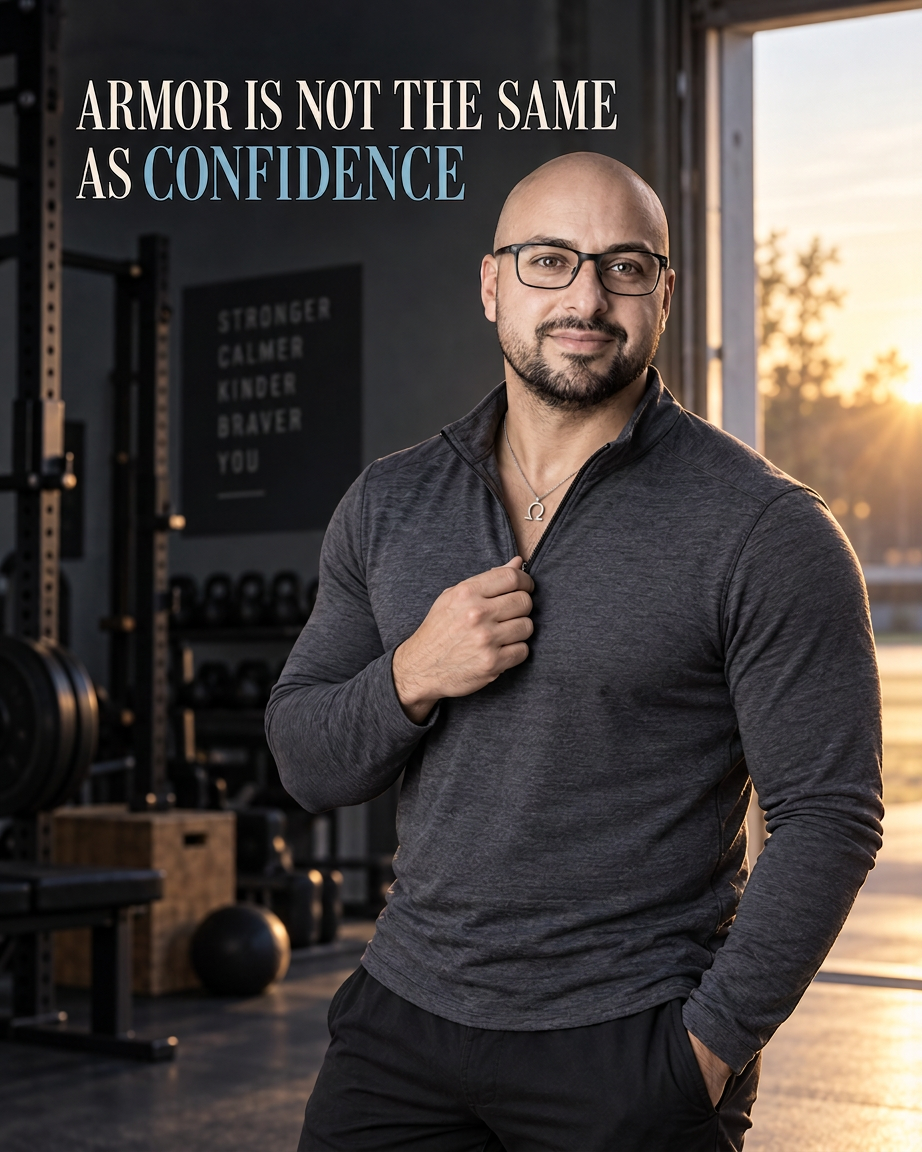
Armor requires him to keep proving it.
Confidence can tolerate an imperfect workout, a changing body, a disappointing performance, or an occasional need for assistance. Armor interprets those experiences as threats.
When strength functions as armor, several patterns may emerge:
- Training through injuries to avoid appearing weak
- Feeling intense guilt or anxiety after missing a workout
- Believing rest must be earned
- Comparing one’s body compulsively with other men’s bodies
- Avoiding activities where one might appear inexperienced
- Using exercise to punish oneself for eating
- Feeling valuable primarily when looking lean, muscular, or powerful
- Hiding emotional distress behind discipline and productivity
- Becoming increasingly muscular while continuing to feel physically inadequate
From the outside, these behaviors may look like dedication.
Internally, they may be driven by fear.
The man may not be pursuing strength because he enjoys feeling capable. He may be running from the possibility of ever feeling weak.
The armor may have once been necessary
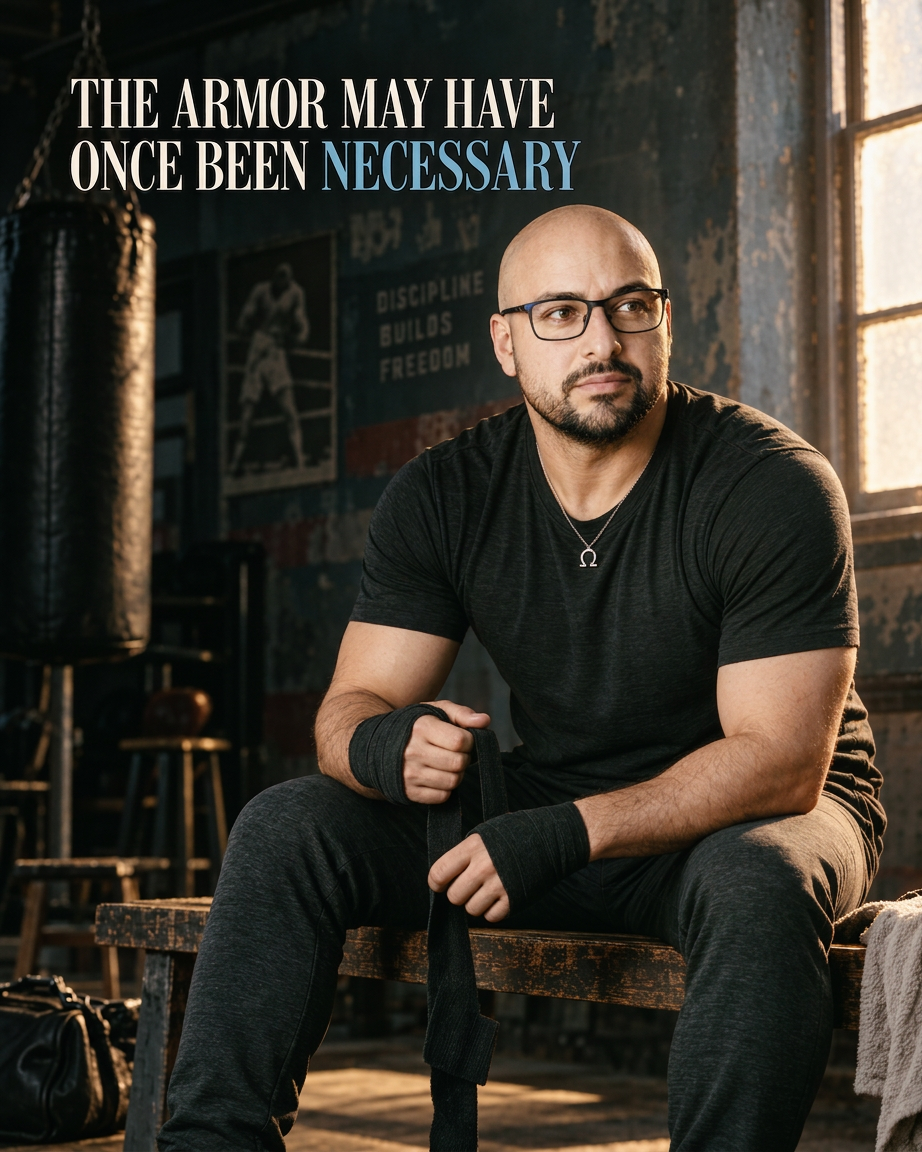
Before criticizing the armor, it is worth understanding why it was built.
Perhaps a boy was bullied for being small, heavy, uncoordinated, sensitive, or different. Maybe he learned that physical strength brought him the respect he could not receive any other way. Perhaps athletic success became his primary source of approval. Maybe he grew up in an environment where sadness was mocked, but anger was accepted.
For some gay men, building a muscular body may become connected to safety, masculinity, acceptance, desirability, or belonging. A stronger body can feel like protection from being viewed as weak or insufficiently masculine. It may also appear to offer greater visibility in spaces where the male body is treated like social currency.
For other men, the armor develops later. Divorce, rejection, aging, illness, professional failure, or a loss of identity can create a powerful desire to regain control. Transforming the body provides a mission when the rest of life feels uncertain.
The armor is not evidence that a man is shallow.
It may be evidence that he found a way to survive.
The problem begins when a strategy that once protected him starts imprisoning him.
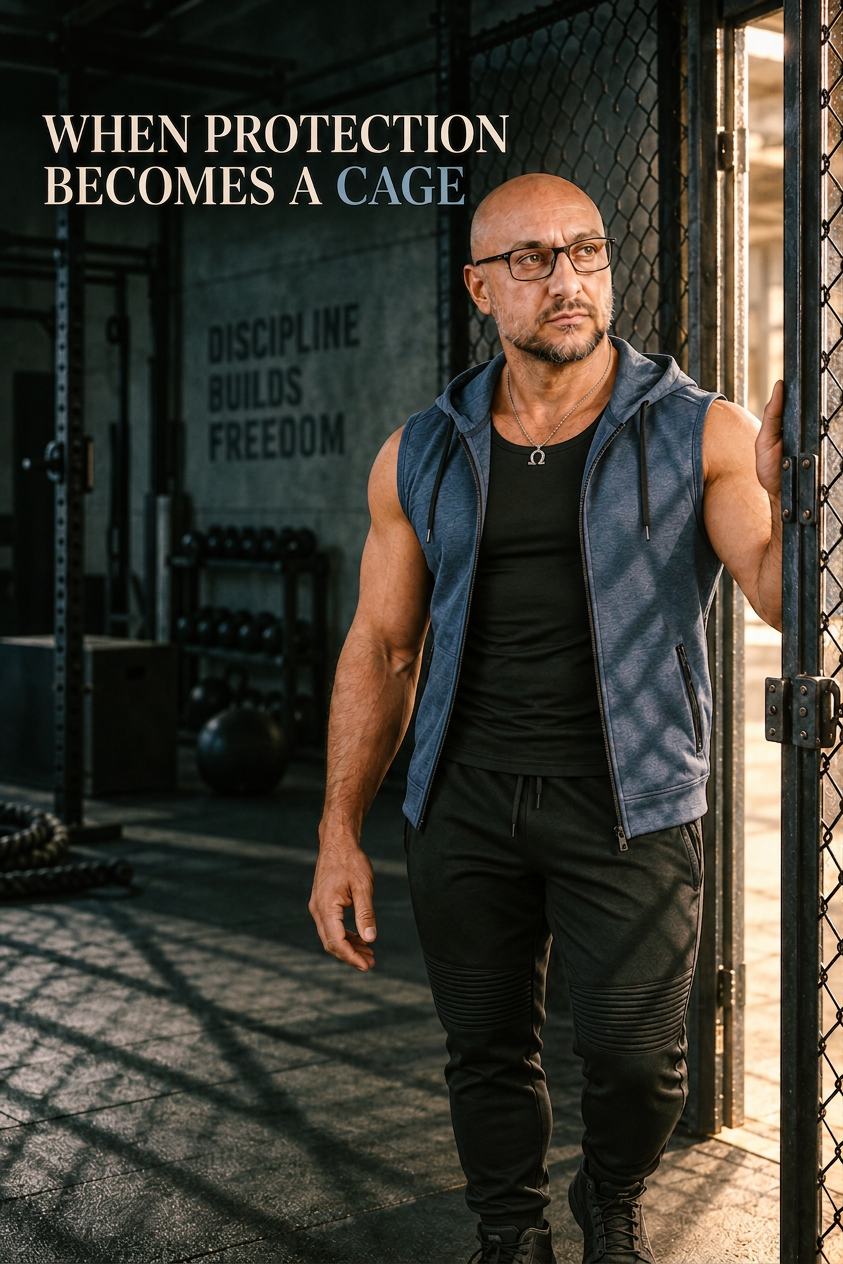
When protection becomes a cage
Armor can protect a person from immediate harm, but it also limits movement. Emotional armor
works similarly.
If a man believes that his strength is the only thing making him worthy, he cannot easily rest. If his appearance is what makes him desirable, aging becomes a threat. If physical dominance is what keeps him safe, asking for help feels dangerous.
Eventually, the training may stop serving the man. The man begins serving the training.
His relationships, health, sleep, nutrition, and emotional well-being may become secondary to maintaining the identity he has built. Compliments provide temporary relief, but they rarely last. Progress creates satisfaction, but the standard quickly moves again.
There is always another pound to lose, another muscle to build, or another man in the room who appears stronger.
Armor never feels finished because fear is never permanently satisfied by appearance.
Taking off the armor does not mean giving up strength
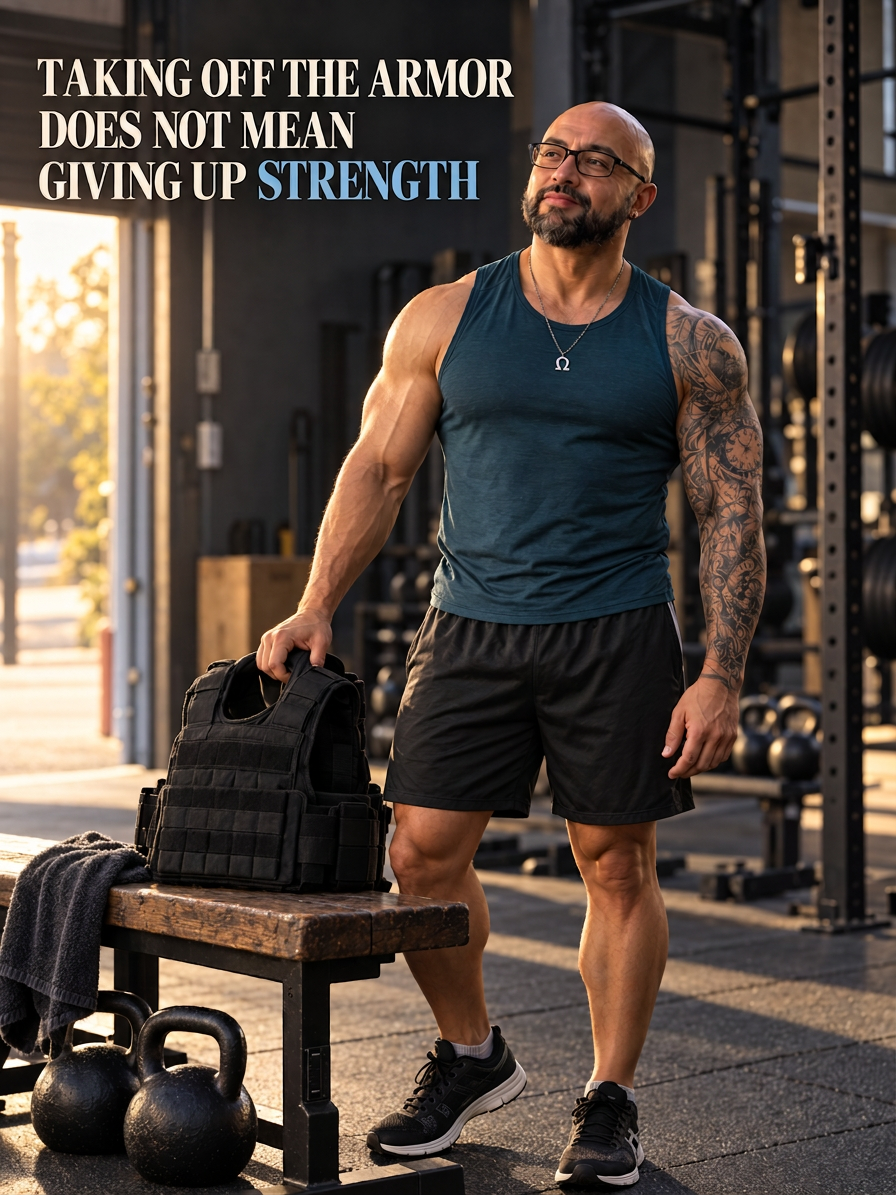
Questioning what drives your training is not an argument against hard work.
You do not need to stop lifting. You do not need to abandon your physique goals, become less competitive, or pretend that appearance does not matter to you. There is nothing wrong with enjoying muscle, progress, performance, or the confidence that can come from changing your body.
The goal is not to become less strong.
The goal is to create a form of strength that does not collapse when your body changes.
That begins by expanding the meaning of strength.
Strength can mean completing a difficult set—but it can also mean ending the set when your body signals that something is wrong.
Strength can mean maintaining discipline—but it can also mean choosing recovery without guilt.
Strength can mean developing an impressive body—but it can also mean refusing to let that body determine your entire worth.
Strength can mean protecting others—but it can also mean trusting someone enough to admit that you need support.
None of these qualities diminishes masculinity. They make strength more sustainable.
Training from respect instead of fear
One of the most useful questions a man can ask himself is:
Am I training because I respect my body—or because I am afraid of what I will feel if I stop?
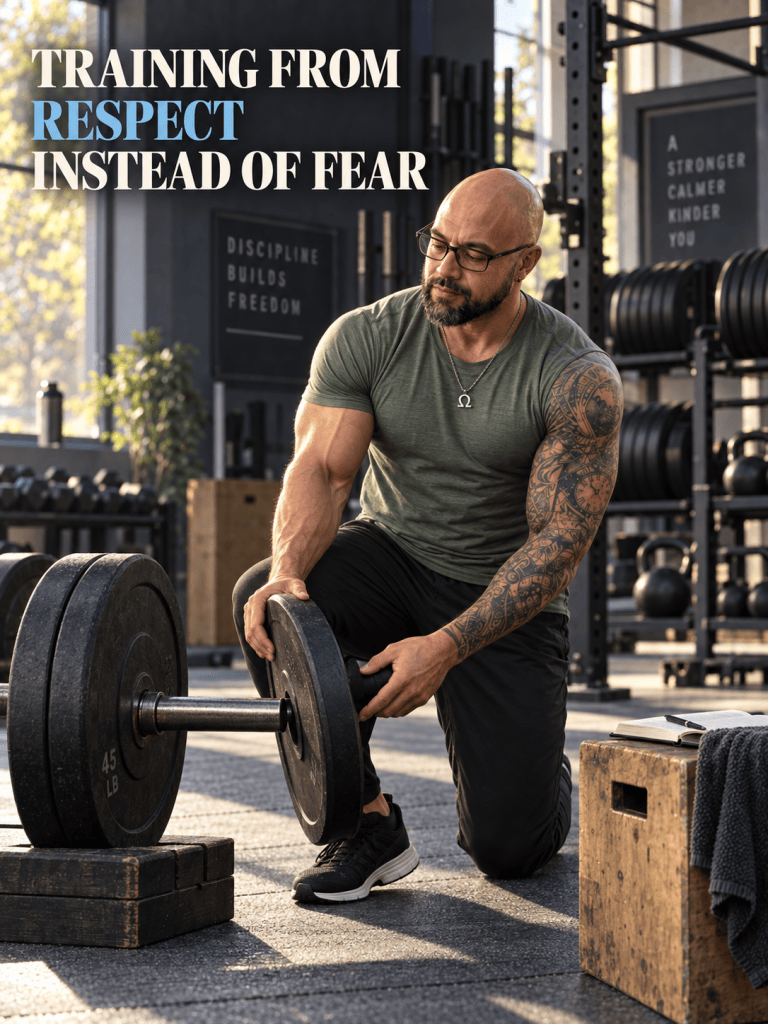
The same workout can come from two very different psychological places.
Training from self-respect sounds like:
“I want to become stronger because I value what my body can do.”
Training from fear sounds like:
“I have to become stronger because who I am right now is unacceptable.”
One creates development. The other creates a finish line that continually moves farther away.
Training from respect leaves room for recovery, flexibility, enjoyment, and life outside the gym. It allows goals to evolve as the body ages. It recognizes that a modified workout is still a workout and that rest is part of adaptation—not evidence of weakness.
Most importantly, it allows fitness to become part of a man’s identity without becoming the entirety of it.
Between the Reps
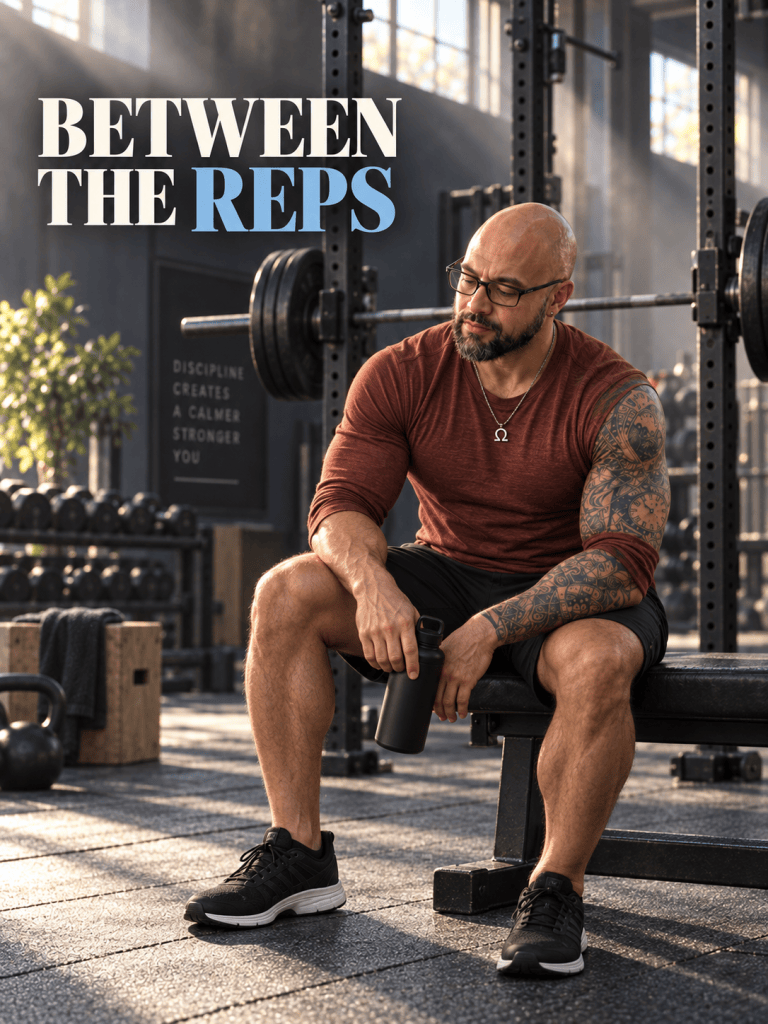
The next time you catch your reflection during a workout, pause before immediately evaluating your size, leanness, or muscularity.
Ask yourself:
What am I hoping this body will give me?
Respect? Safety? Attention? Control? Attraction? Belonging? Proof that you are not the person you once were?
There is no shame in the answer.
Awareness does not take away your strength. It gives you greater control over how you use it.
Mindset Reframe
Old belief: If I become strong enough, nobody will ever see me as weak.
New belief: Real strength gives me the security to be seen fully—not only when I appear powerful.
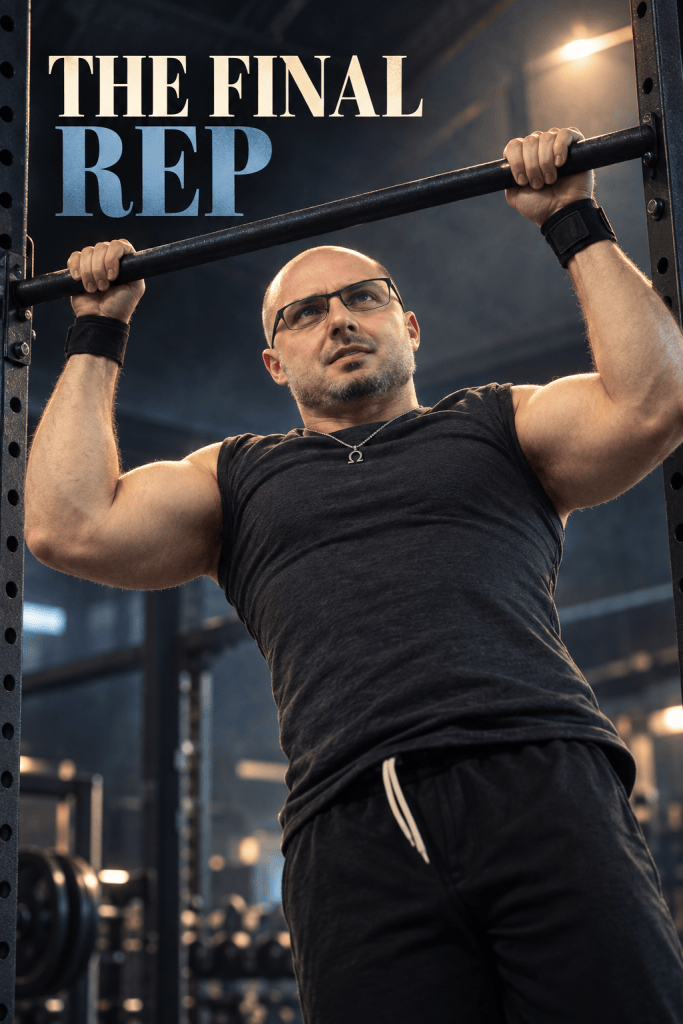
The Final Rep
Muscle can change how a man moves through the world. It can improve his health, increase his confidence, and show him what consistency can accomplish.
But muscle cannot guarantee that he will never feel rejected, uncertain, frightened, or vulnerable. No amount of physical development can permanently protect a person from being human.
Your strength does not become less meaningful when you examine what is underneath it. In fact, it may become more honest.
Build the muscle. Chase the goal. Take pride in your progress.
But remember that armor is something a person wears—not who he is.
The strongest version of you may not be the one who finally becomes impossible to hurt. It may be the one who no longer needs to hide every place that has been hurt.
John J. Schessler, M.S., is a Mental Performance Coach, Behavior Interventionist, speaker, and founder of Athlete Mindset HQ—a high-performance coaching platform dedicated to helping athletes, professionals, and everyday individuals develop the mindset needed to thrive under pressure and perform at their highest potential.
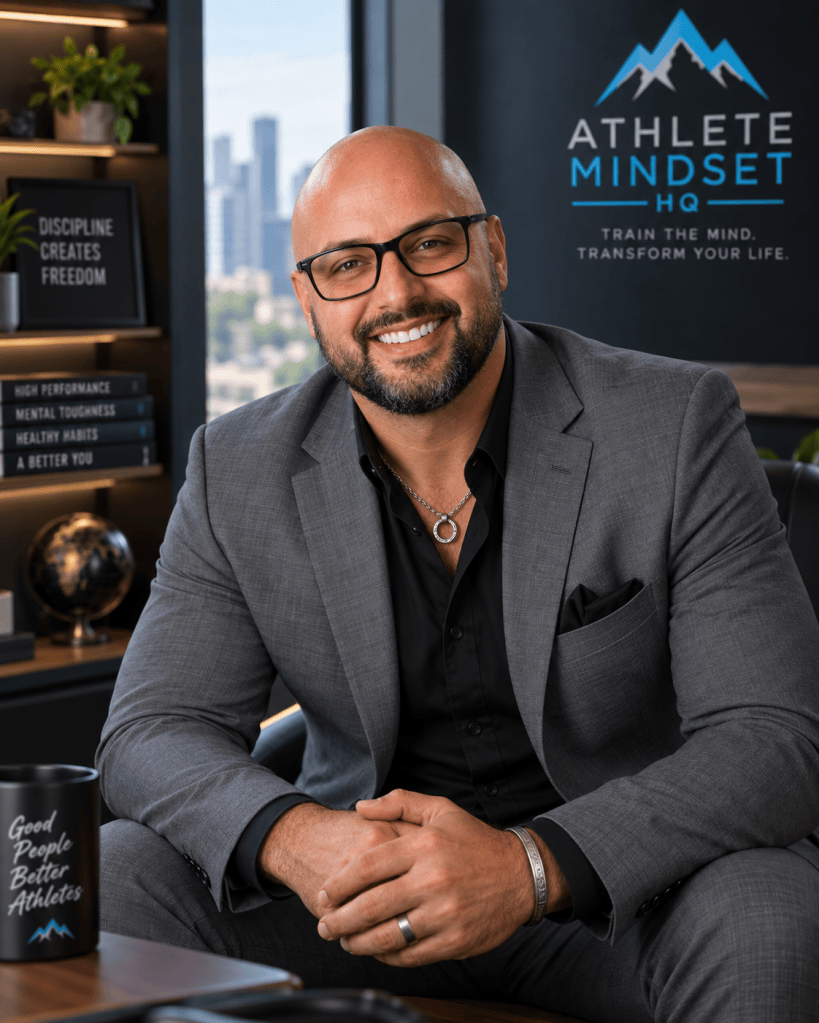
John earned his Master of Science in Sport Psychology from Capella University and his Bachelor of Arts in Child & Adolescent Psychology from Southern New Hampshire University. His work bridges the gap between psychology, human performance, behavioral science, and personal development, combining evidence-based strategies with practical coaching that people can immediately apply in sport, work, and everyday life.
His passion for helping others is rooted in his own journey. As a child, John survived Guillain-Barré Syndrome, spending weeks in a coma before fighting through rehabilitation to reclaim his life. That experience shaped his belief that resilience isn’t something you’re born with—it’s something you build through adversity, discipline, and purpose.
Today, John works with individuals from all walks of life, helping them strengthen confidence, improve emotional resilience, overcome obstacles, and develop the habits that lead to lasting success. Whether coaching athletes, mentoring students, speaking to organizations, or creating educational content, his mission remains the same: to help people become mentally stronger than the challenges they face.
John is also the host of The Follow Through Podcast, where he explores sports psychology, leadership, men’s mental health, motivation, resilience, and human performance through practical conversations that inspire listeners to move beyond intention and into action.
His philosophy is simple:
Mental strength isn’t about never struggling. It’s about developing the confidence, discipline, and resilience to keep moving forward—especially when life gets difficult.
Because success isn’t built by what you intend to do.
It’s built by what you follow through on.
Personal Brand Statement
John J. Schessler, M.S. is dedicated to helping people unlock their potential by strengthening the one asset that influences every area of life—the mind. Through education, coaching, and authentic conversation, he empowers others to develop confidence, resilience, and the discipline to follow through on their goals.


Leave a comment