
by John J. Schessler, MS, CPT, SPC
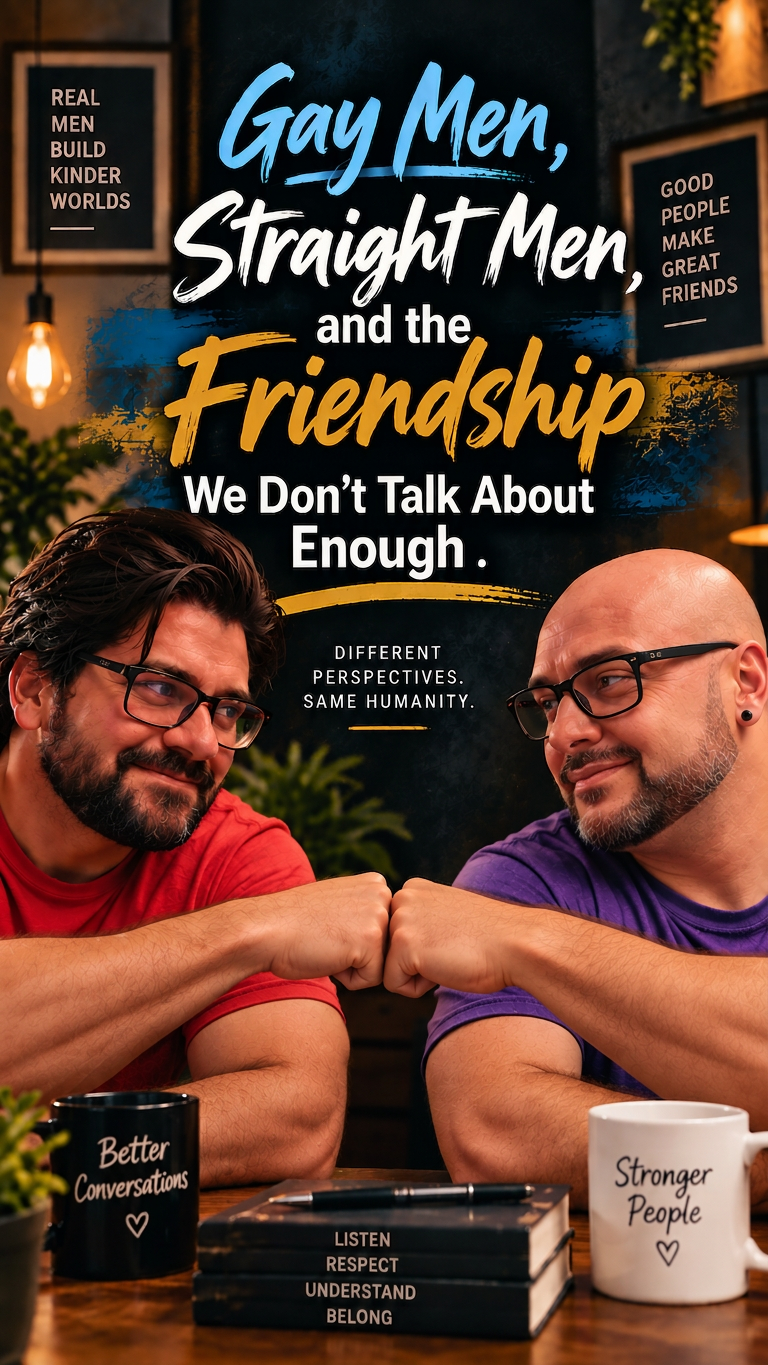
There is a particular kind of male friendship we don’t talk about very often:
Friendship between gay and straight men.
This subject is very personal for me.
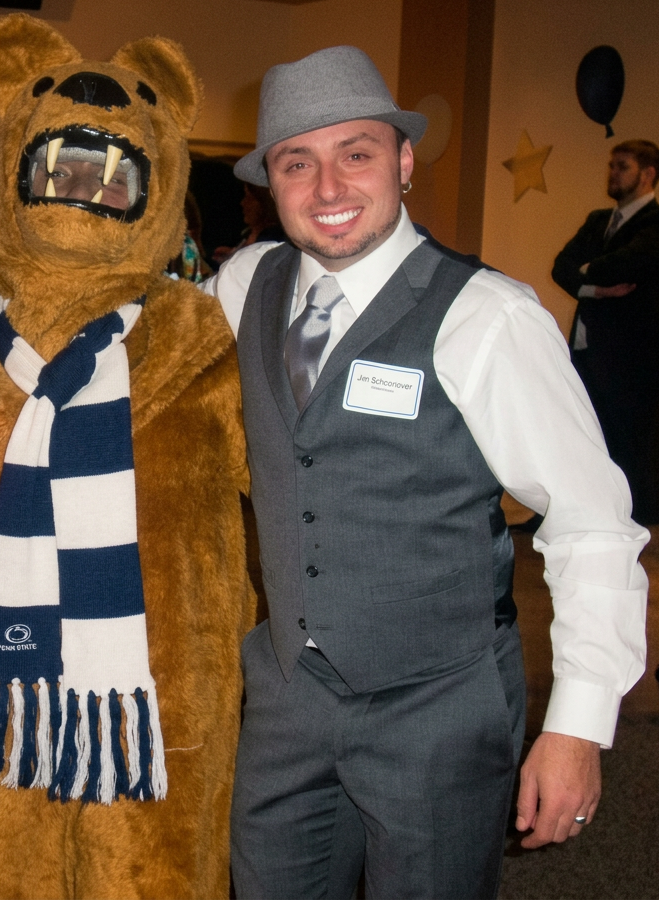
I’m a gay man. But I didn’t always live openly as one. I came out in 2009 at the age of 28, which is unheard of by today’s standards, lol. And even when I think about that, it’s so wonderful to know that we have come this far in society, but still have a LONG way to go.
For a significant part of my life, I moved through the world being perceived as straight. I had male friendships, played sports, spent time in traditionally masculine environments, and learned many of the same unwritten rules about being a guy that other boys and men learn.
Don’t be too emotional.
Don’t appear weak.
Don’t get too affectionate with another guy.
And definitely don’t give anyone a reason to question your masculinity or sexuality.
There’s a whole lot of DON’Ts, and very few DO’s when it comes to male acceptable behavior, at least when I was in my teenage years and even in my 20’s. If you really think about it, the whole idea of being masculine is stupid. It doesn’t really amount to much for you unless you make it your whole identity.
I understood those rules long before I fully understood myself.
Then I came out.
And something interesting happened.
Nobody was surprised, no getting thrown out of my house or having some rough arguments due to it. I guess you could say that in this arena, I was luckier than the stories I’ve read about people experiencing much worse.
I didn’t stop being a man. I still had male thoughts, the same male hang-ups, and masculine relationships with other men in my life. Coming out didn’t change any of that; in fact, it started to make them stronger.
I didn’t suddenly lose my connection to other men.
But I did begin looking at male friendship differently.
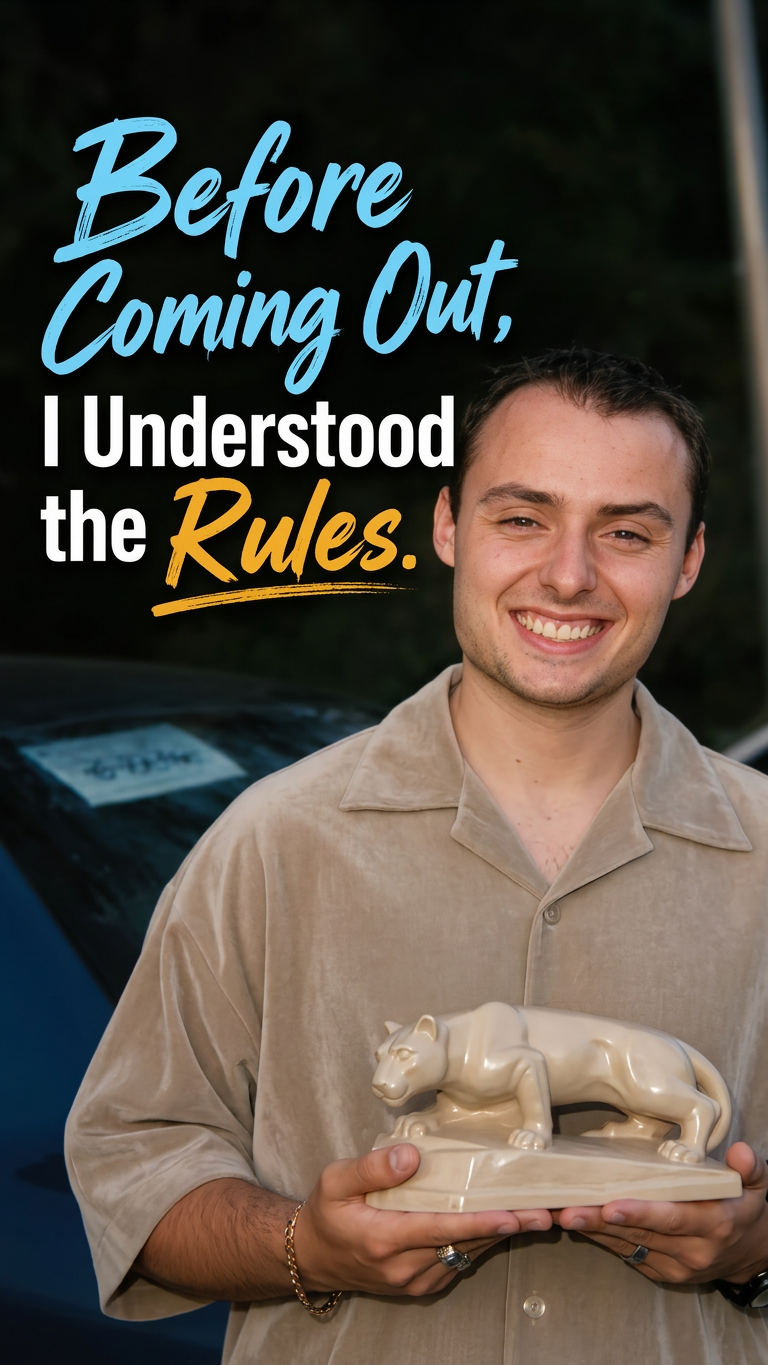
Before Coming Out, I Understood the Rules
Growing up, I understood the social language of boys.
Connection usually happens through doing something.
Sports.
Competition.
Working out.
Joking around.
Talking trash.
Just hanging out.
There is absolutely nothing wrong with that. In fact, I still believe side-by-side and shoulder-to-shoulder interactions are one of the most natural ways many men develop relationships.
But there’s another rule hiding underneath it:
Don’t get too vulnerable.
You can know another guy for twenty years and still hesitate before telling him:
“I’m lonely.”
“I’m scared.”
“I’m struggling.”
“I don’t know what I’m doing.”
“I need somebody.”
And when you’re also trying to understand your sexuality, those rules become even more complicated and muddied.
Because you’re not simply learning how to be a man. You’re unlearning all the fucking ‘rules’ that you grew up learning from those that you looked up to.
You’re wondering whether being honest about yourself might change your place among other men. I never thought too much about the terms: Alpha, Beta, Epsilon, Gamma, and Delta, as much as they had their place in the male space. Even today, I think guys who use those terms to describe themselves or other men are truly missing a couple of screws, IMHO.
Coming Out Changed the Question
Eventually, my question wasn’t simply:
“Will people accept that I’m gay?”
There was another question that was subtly bubbling underneath it.
Will other men still see me as one of them?
I think that’s something people sometimes overlook when discussing coming out.
For some gay men, there’s not only a fear of rejection from family or society.
There’s also uncertainty about male belonging.
Will the guys act differently around me?
Will they think every interaction means something sexual?
Will they censor themselves?
Will they assume I’m attracted to them?
Will I still get invited?
Will I still belong?
And maybe most importantly:
Will they still see me as a man—or will I become “the gay guy”?
Those aren’t abstract questions when you’re living them in real time.
Then Something Unexpected Happens

You discover that some of the relationships you were worried about don’t disappear.
Sometimes they actually become more honest.
Your straight friends realize you’re still you.
You still laugh at the same stupid things.
You still talk sports.
You still talk about work.
You still train.
You still complain about getting older.
You still give each other a hard time.
Except now there’s one less thing you have to hide.
And that’s where I started learning something important about male friendship.
The strongest friendships don’t require either man to perform.
My Straight Male Friends Have Been Important to My Own Understanding of Masculinity
I don’t think being gay separates me from masculinity.
If anything, coming out forced me to think more deeply about what masculinity actually means.
I had to separate being a man from performing heterosexuality.
Those aren’t the same thing.
And friendships with straight men helped reinforce that.
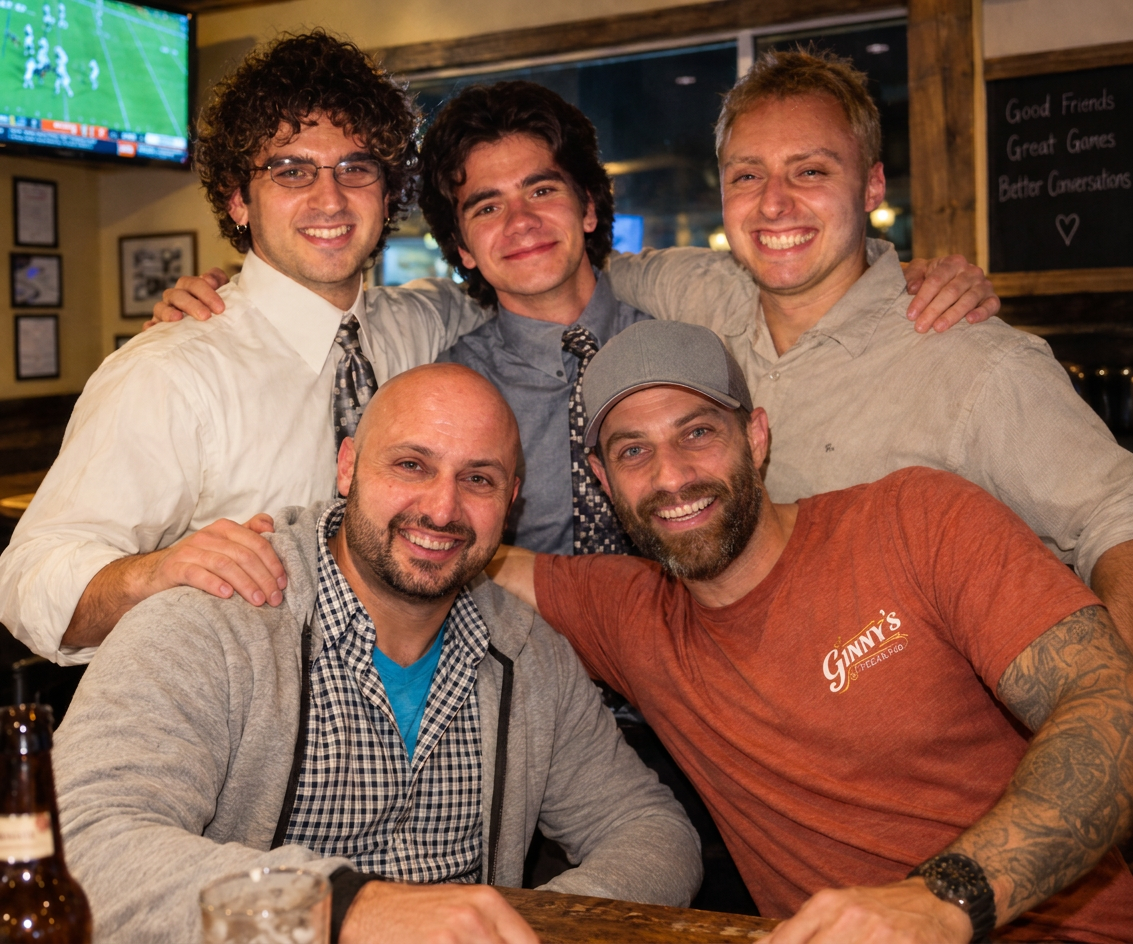
Because when another man knows you’re gay and still treats you exactly like one of the guys, something quietly powerful happens.
There’s no announcement.
There’s no inspirational music playing in the background.
You’re just two guys being friends.
And sometimes that ordinary acceptance means more than people realize.
For someone who once wondered whether being gay might change his place among men, being fully included by other men can become its own answer:
You still belong here.
And I’ve Learned From Those Friendships Too
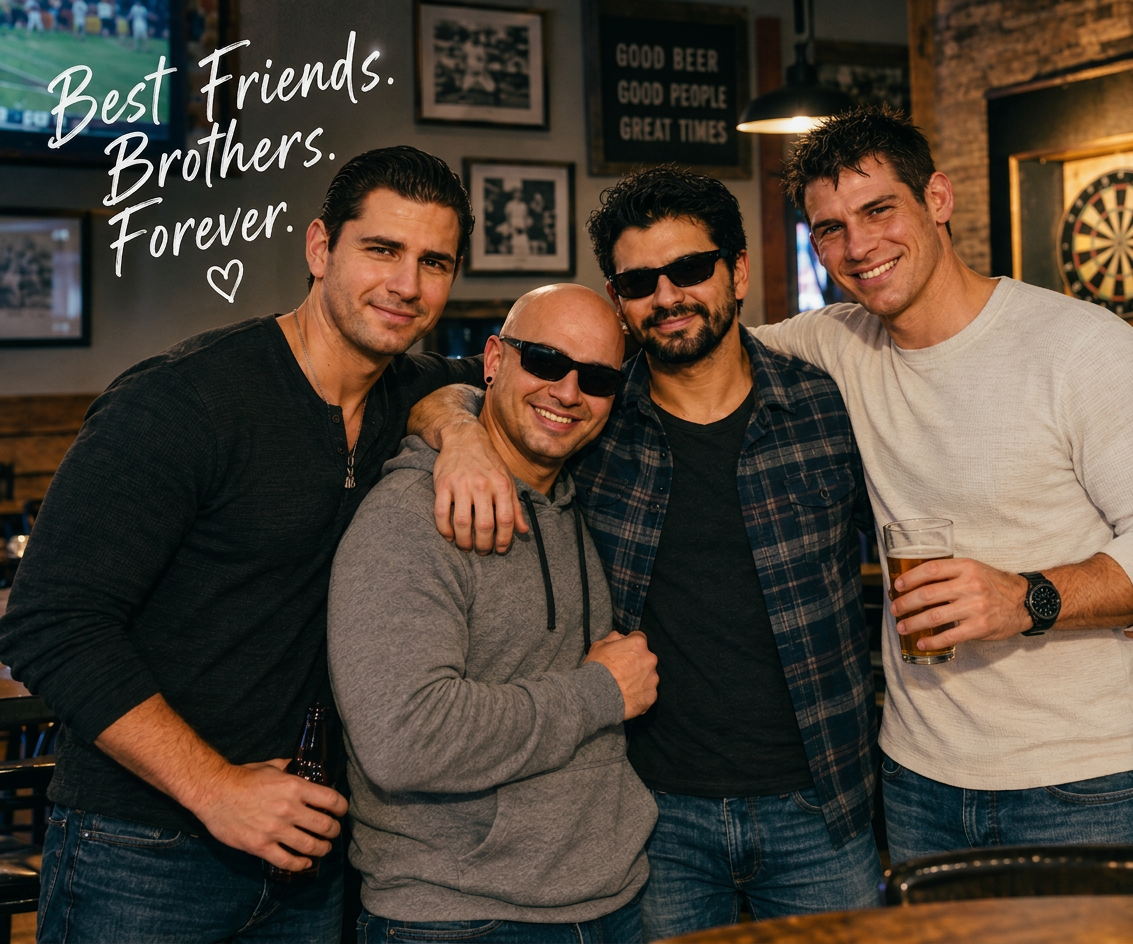
Gay and straight men don’t experience masculinity in exactly the same way.
That’s part of what makes these friendships interesting.
As a gay man, I’ve had to think about identity, acceptance, sexuality, and masculinity in ways some straight men may never have needed to.
But my straight male friends have experiences I haven’t had either.
So we learn from each other.
We talk about relationships from different perspectives.
We talk about body image.
Aging.
Careers.
Sex.
Confidence.
Family.
Mental health.
Sometimes the differences are fascinating.
Sometimes they’re hilarious.
And sometimes you realize that underneath everything, we’re dealing with many of the same insecurities.
Am I successful enough?
Do people respect me?
Am I attractive enough?
Am I getting old?
Am I providing enough?
Does anyone actually know when I’m struggling?
Those aren’t gay questions.
Those aren’t straight questions.
They’re human questions—and often very male ones.
What About Attraction?
Let’s address the elephant that sometimes enters the room.

Can a gay man find a straight friend attractive?
Sure.
We’re human.
Straight men can also find female friends attractive.
Attraction doesn’t automatically become intention.
Healthy adults understand boundaries.
I’ve learned that friendship doesn’t require pretending sexuality doesn’t exist.
It requires respecting what the relationship actually is.
A friend is a friend.
And once trust is established, sexuality doesn’t have to sit in the middle of the friendship, constantly demanding attention.
Male Affection Doesn’t Need a Sexual Explanation
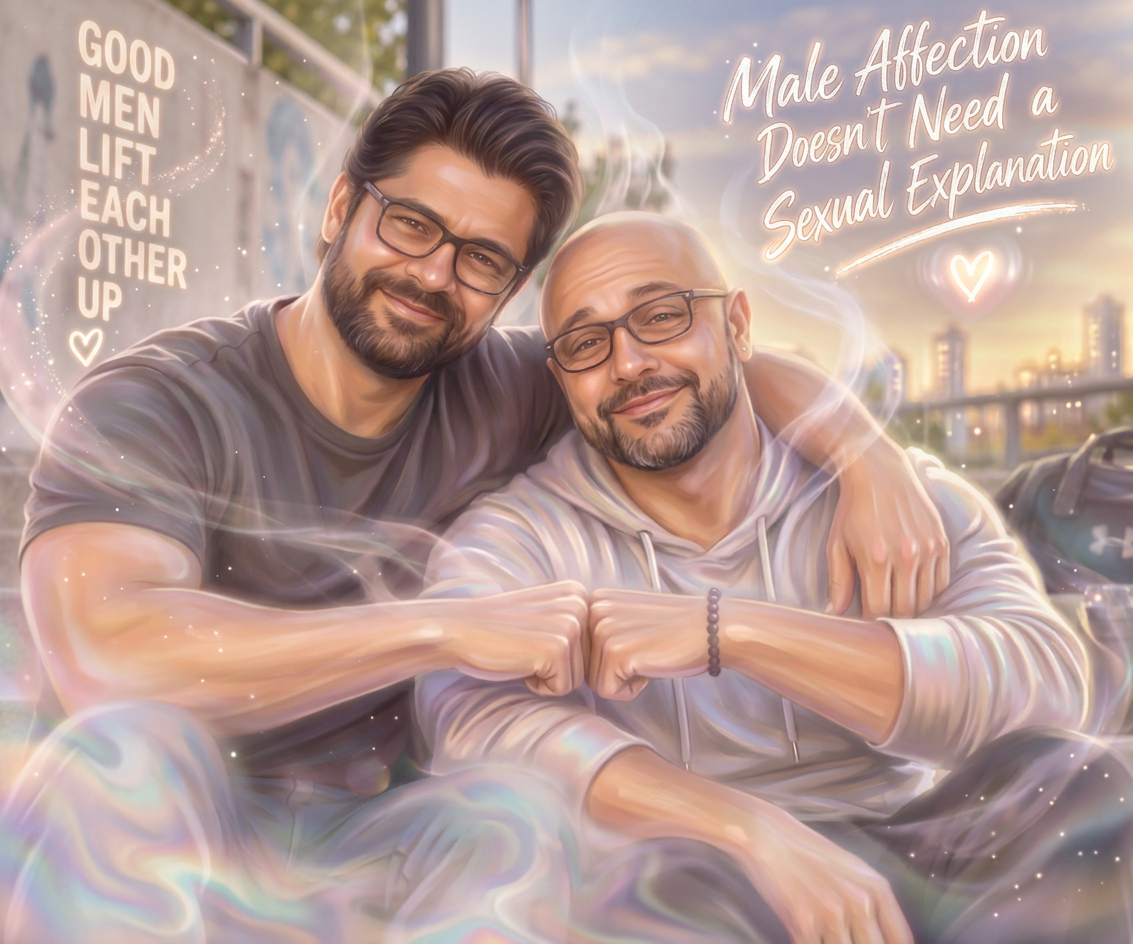
This may be one of the biggest things my own journey has taught me.
Men are starving for meaningful connection with other men while simultaneously being taught to be suspicious of it.
We make jokes before saying something sincere.
We slap somebody on the shoulder instead of hugging him.
We say, “Love you, bro,” and immediately add something funny so nobody has to sit in the emotion for too long.
I’ve become much less interested in those rules.
If I love my friends, I want them to know it.
If another man is struggling, I want to ask him about it.
If a friend needs a hug, I’ll hug him.
None of that requires a disclaimer about sexuality.
Affection between men is not inherently sexual.
Sometimes it’s simply love.
Friendship deserves that word too.
Maybe This Is Why These Friendships Matter So Much to Me
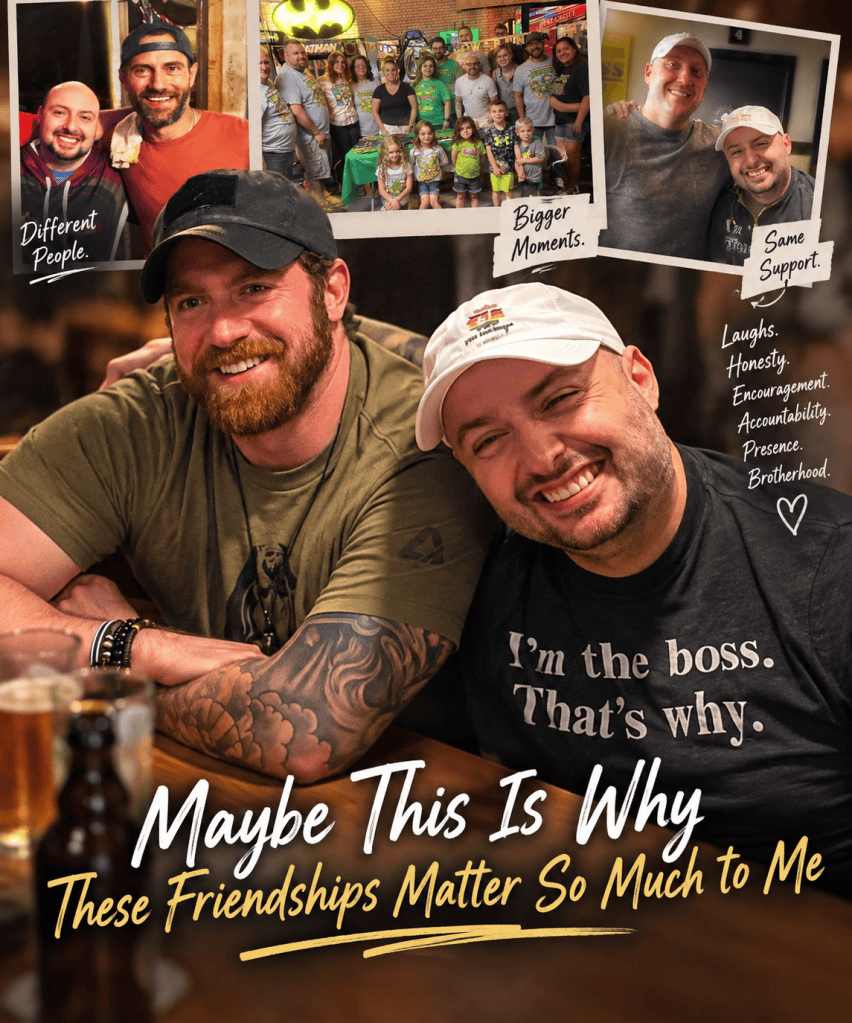
I’ve spent different periods of my life thinking about what it means to be a man, and it’s interesting how much the definition changes each time I re-evaluate it.
First, it meant to try understanding myself.
Then, while coming out, I had to assess my ‘maleness’ again. The meaning changed slightly only because I was working with a slightly different hand than my straight male counterparts.
And now in my mid 40’s, through my work and writing about male psychology, development, and masculinity, the definition of what my masculinity is has taken on richer tones and stronger connections with my brothers. I understand now that close friendships can’t survive past a certain age unless there is communication with each other that says, “I appreciate you, I respect you and I am damn grateful to have you as my ride or die.”
Something that I’ve nver really said to my best friend of 25 years is just how much that he truly means to me in those exact words. We communicate like typical guys usually do….by insulting one another, making jokes and basically being each other’s pain in the asses. Truth be told though, even though he probably wouldn’t admit it, he’s done far more for me in certain ways than I for him and if you were to ask him, I would hope he would say the same for me.
I met him at a time when I wasn’t out, was really unsure of who I was as a person and scared shitless of the prospect of coming out, and he was one of the people who’s reaction I respected the most. He knows me better than I know myself and has saved me in ways that I can’t even begin to describe.
And I’ve also come to believe something pretty simple.
Men need other men.
Gay men need male friendship.
Straight men need male friendship.
Bisexual men need male friendship.
We need men who challenge us.
Men who make us laugh.
Men who tell us when we’re full of shit.
Men who notice when something isn’t right.
Men who know our history.
Men who show up.
My sexuality is part of who I am.
But it doesn’t prevent me from connecting with other men.
And their heterosexuality doesn’t prevent them from connecting with me.
Eventually, the labels become background information.
That’s my straight friend.
That’s my gay friend.
Until one day you realize you don’t think about it that way anymore.
He’s just your friend.
And maybe that’s one of the greatest things these friendships have taught me:
Coming out didn’t make me less connected to men.
In some ways, finally knowing who I was allowed me to connect with them more honestly.
Because I wasn’t pretending anymore.
And neither of us had anything to prove.
Male closeness was never the problem.
The fear of what male closeness might mean was.
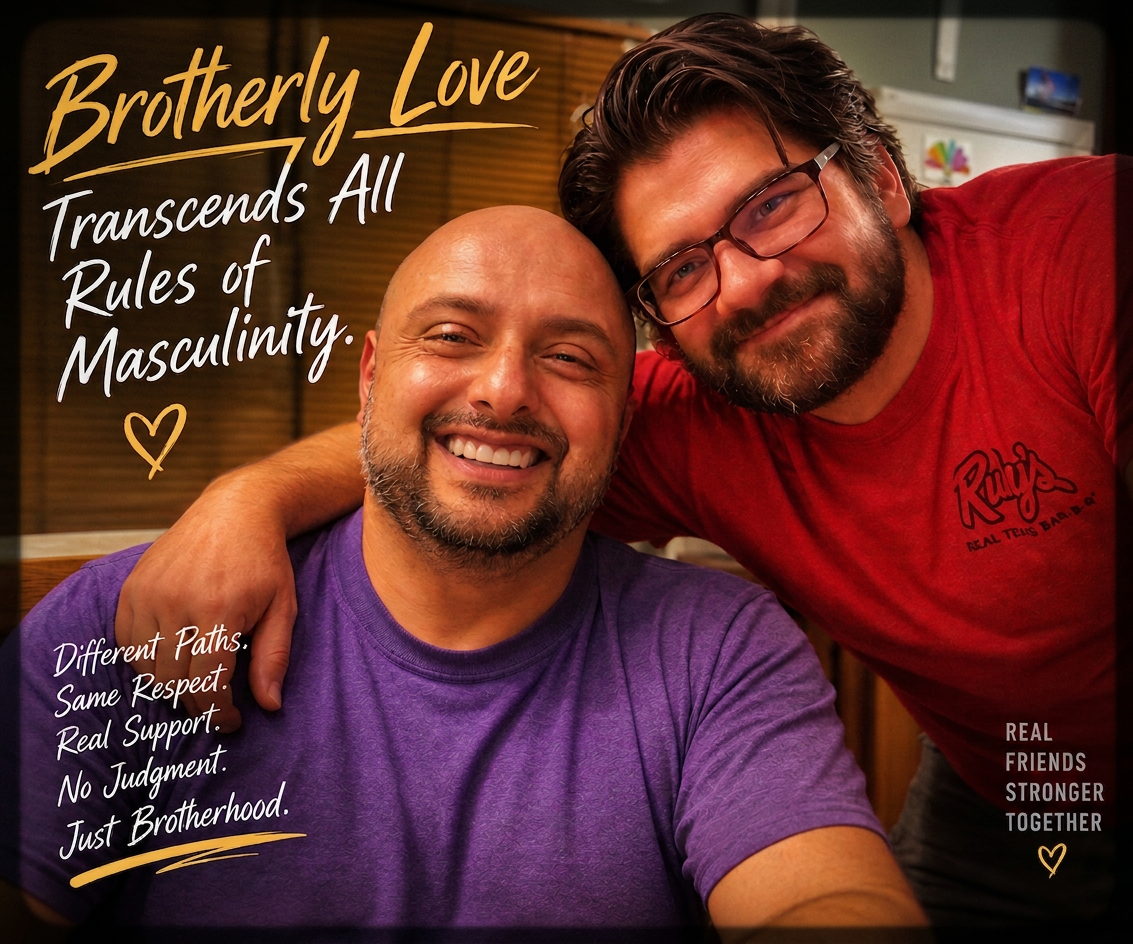
ABOUT THE AUTHOR – John J. Schessler, M.S.
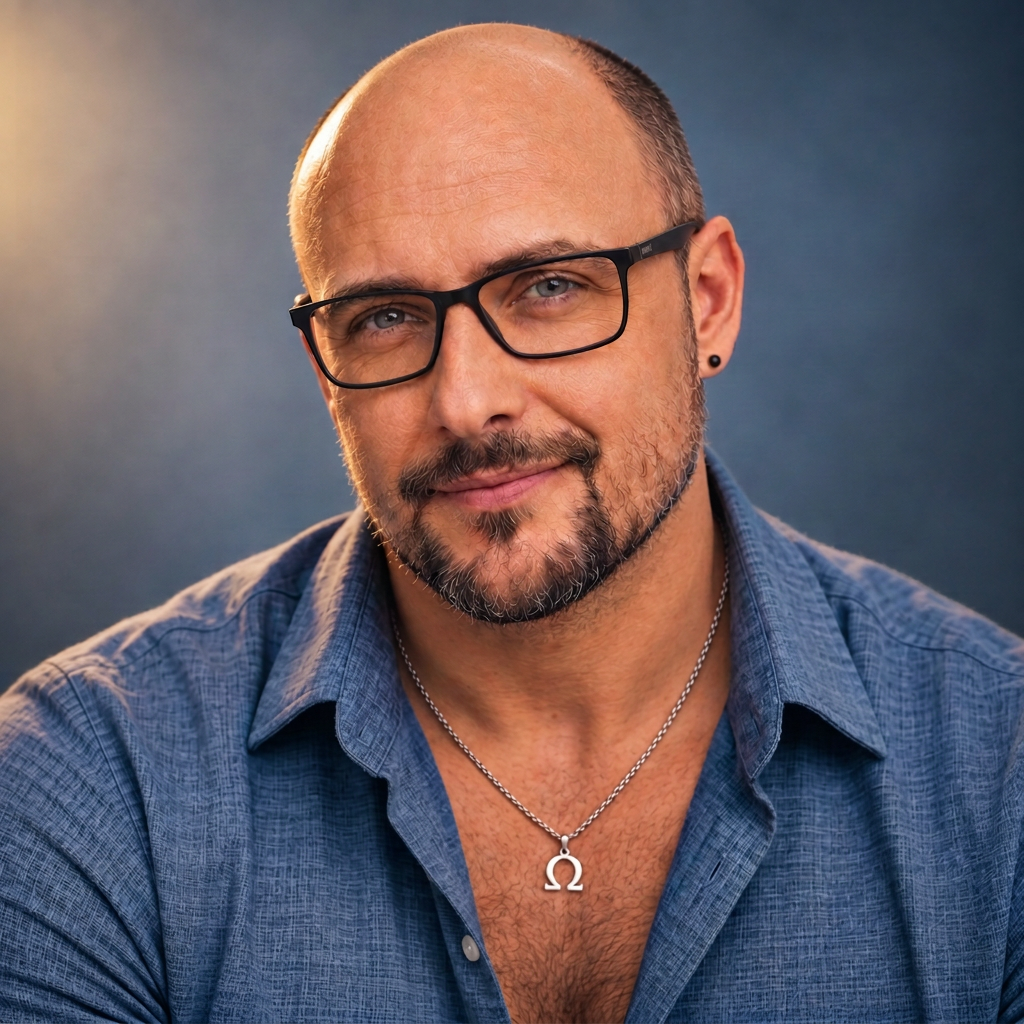
John J. Schessler, M.S., is a AFAA Certified Mental Performance/Sports Psychology Coach, NPTI Certified Personal Trainer of 20 years, Behavior Interventionist, motivational speaker, and founder of Athlete Mindset HQ—a high-performance coaching platform dedicated to helping athletes, professionals, and everyday individuals develop the mindset needed to thrive under pressure and perform at their highest potential.
John earned his Master of Science in Sport Psychology from Capella University and his Bachelor of Arts in Child & Adolescent Developmental Psychology from Southern New Hampshire University. His work bridges the gap between psychology, human performance, behavioral science, and personal development, combining evidence-based strategies with practical coaching that people can immediately apply in sport, work, and everyday life.
His passion for helping others is rooted in his own journey. As a child, John survived Guillain-Barré Syndrome, spending weeks in a coma before fighting through rehabilitation to reclaim his life. That experience shaped his belief that resilience isn’t something you’re born with—it’s something you build through adversity, discipline, and purpose.
Today, John works with individuals from all walks of life, helping them strengthen confidence, improve emotional resilience, overcome obstacles, and develop the habits that lead to lasting success. Whether coaching athletes, mentoring students, speaking to organizations, or creating educational content, his mission remains the same: to help people become mentally stronger than the challenges they face.
John is also the host of The Follow Through Podcast, where he explores sports psychology, leadership, men’s mental health, motivation, resilience, and human performance through practical conversations that inspire listeners to move beyond intention and into action.
His philosophy is simple:
Mental strength isn’t about never struggling. It’s about developing the confidence, discipline, and resilience to keep moving forward—especially when life gets difficult.
Because success isn’t built by what you intend to do.
It’s built by what you follow through on.

Personal Brand Statement
John J. Schessler, M.S. is dedicated to helping people unlock their potential by strengthening the one asset that influences every area of life—the mind. Through education, coaching, and authentic conversation, he empowers others to develop confidence, resilience, and the discipline to follow through on their goals.
#malefriendships #masculinity #masculinenorms #boys #men #manhood #menswork #fitness #health #mentalhealth

 Athlete Mindset HQ Institute
Leave a comment