
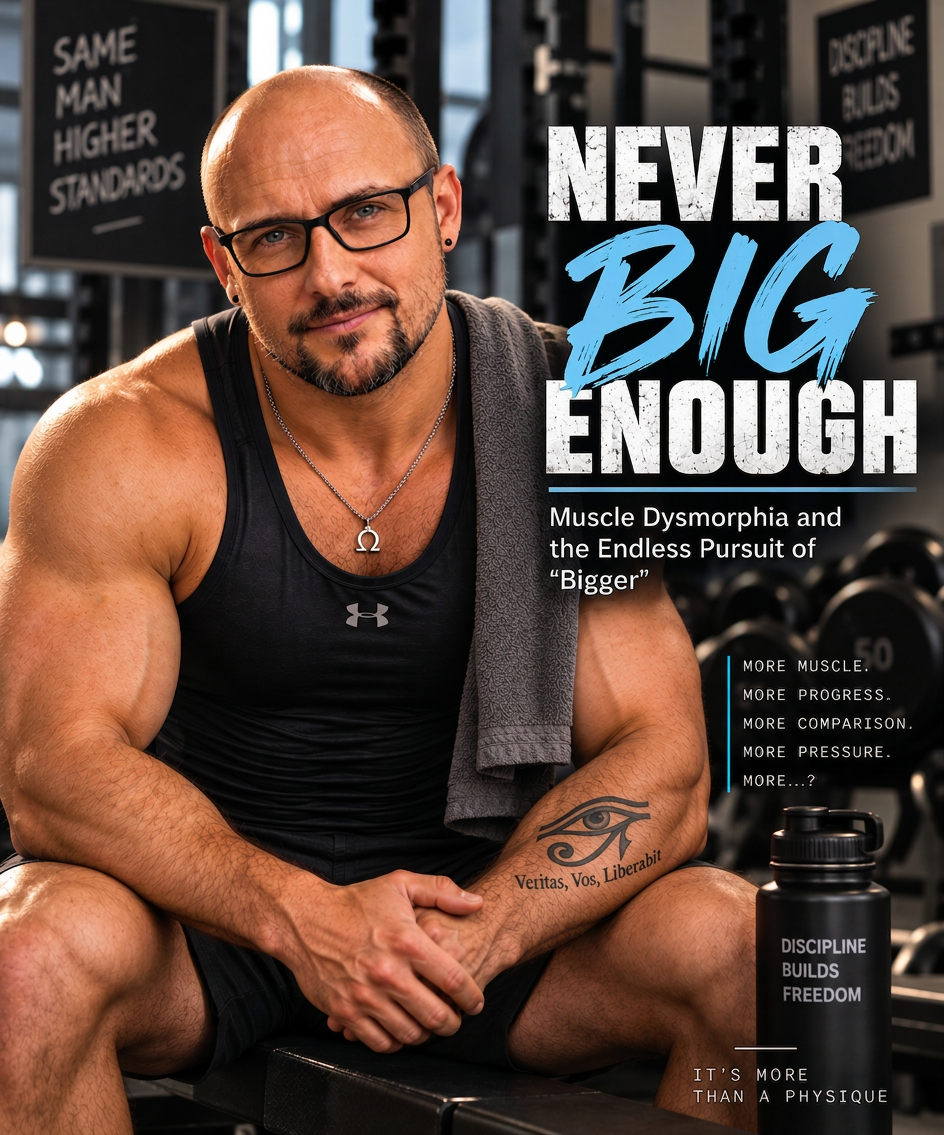
By John J. Schessler, MS, CPT, SPC
You start lifting because you want to look a little better.
Maybe you want a bigger chest. Broader shoulders. Bigger arms. A leaner waist.
So you train.
And it works.
Your bench goes up. Your sleeves get tighter. Your shoulders start filling out your shirts. People notice.
“Dude, you’ve gotten big.”
“You’ve been hitting the gym.”
“You look great.”
And yet you look in the mirror and think:
I’m still not big enough.
So you add another ten pounds to the goal.
Then another.
And somewhere along the way, something strange can happen.
Everyone else sees you getting bigger.
You keep seeing yourself as too small.
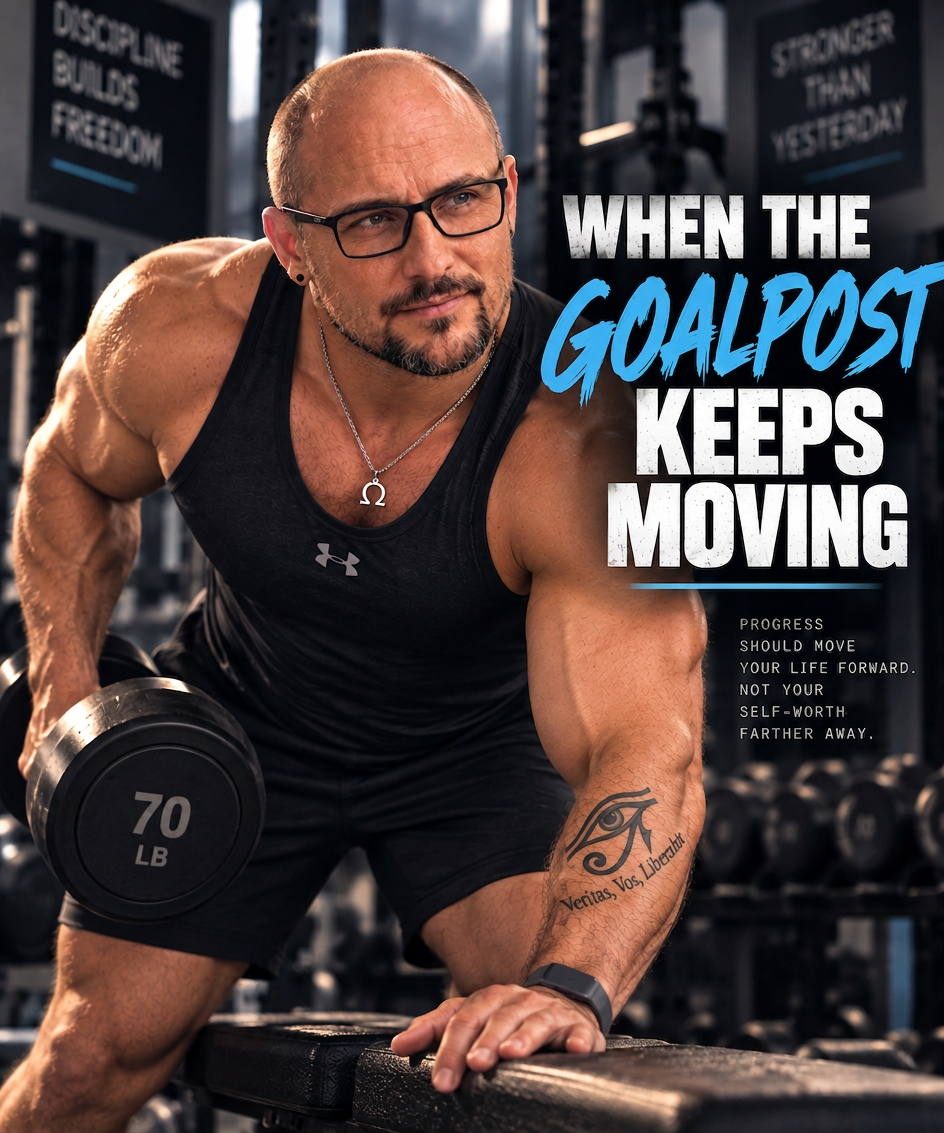
When the Goalpost Keeps Moving
There is absolutely nothing wrong with wanting to build muscle.
Strength training can improve physical health, confidence, athletic performance, and quality of life. For many men, the gym also provides structure, community, discipline, and a place to work through stress.
Wanting bigger arms doesn’t mean someone has a psychological disorder.
But there is an important question worth asking:
When does wanting to get bigger stop being a fitness goal and become the feeling that you’re never big enough?
Muscle dysmorphia is a form of body dysmorphic disorder involving an intense preoccupation with the belief that one’s body is insufficiently muscular or lean.
The important word here is belief.
A man can be objectively muscular and still perceive himself as too small.
That’s what makes this subject so fascinating—and potentially painful.
Because the problem isn’t necessarily the body.
Sometimes it’s the relationship someone has developed with the body.
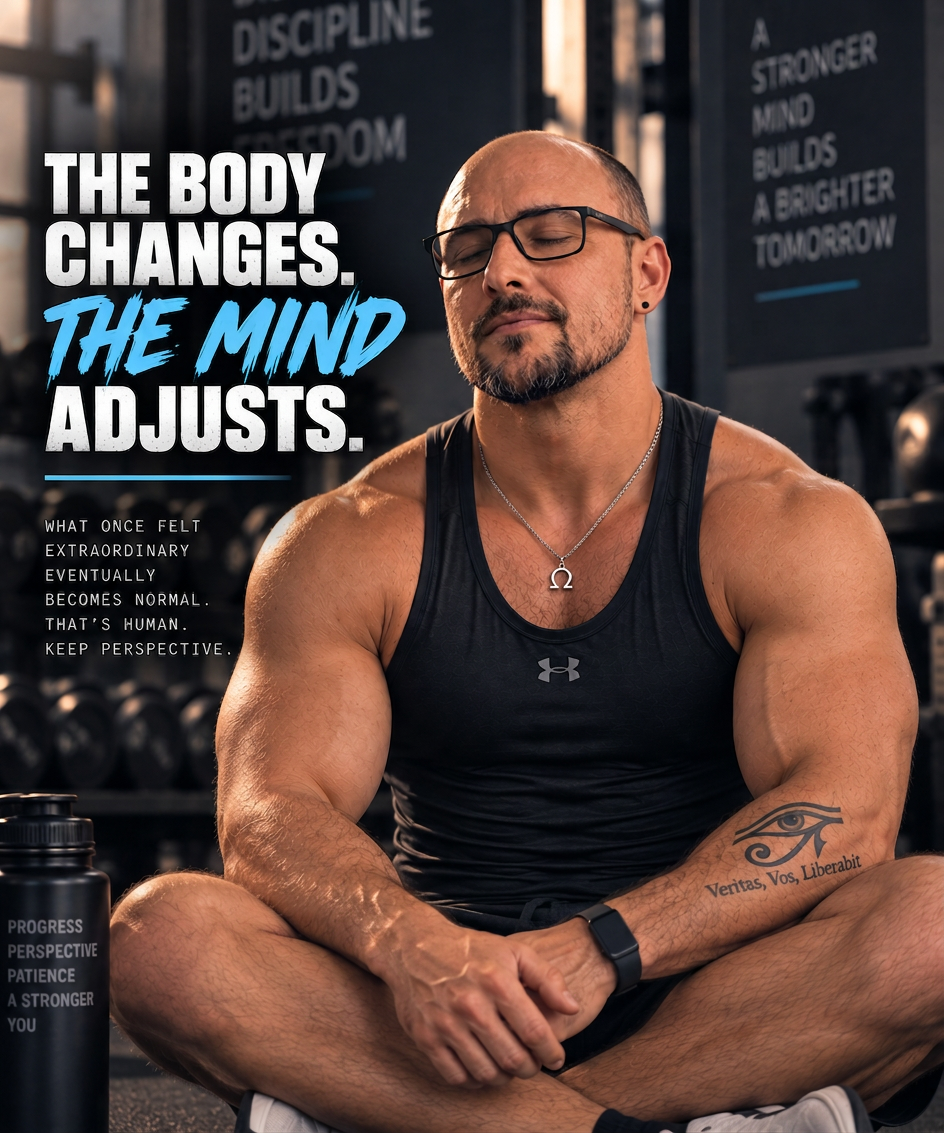
The Body Changes. The Mind Adjusts.
Think about the physique you wanted when you first started training.
If you could magically place that body in front of your younger self, you might have been thrilled.
But eventually, that body becomes normal.
Your 14-inch arms become 15.
Then 16.
And instead of thinking:
“Look how far I’ve come.”
The brain begins saying:
“Imagine how much better 17 would look.”
The goalpost moves.
This is partly why physique pursuits can become psychologically complicated.
Human beings adapt.
What once felt extraordinary eventually becomes familiar.
The body you desperately wanted five years ago may become the body you’re criticizing today.
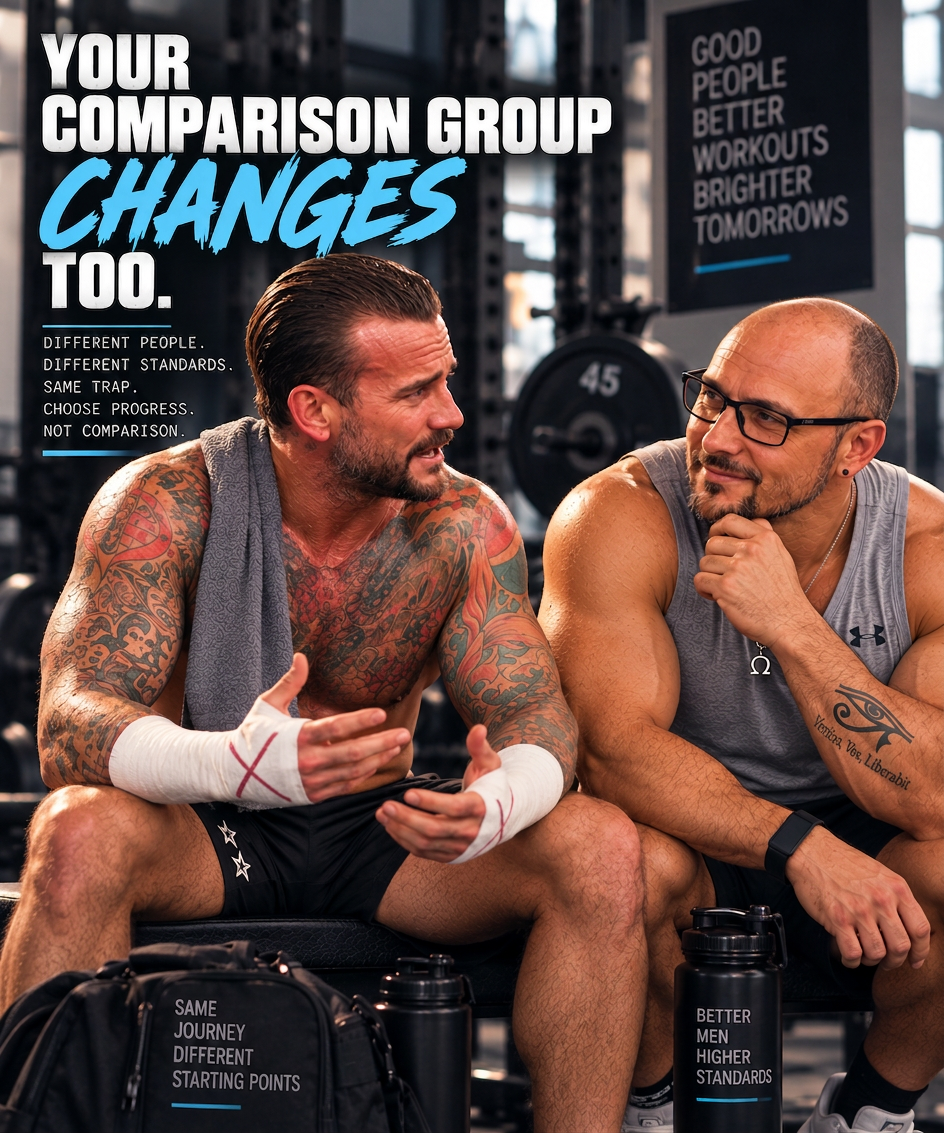
Your Comparison Group Changes Too
There’s another problem.
When you first enter a gym, you might compare yourself with the average person.
After years of training, you may start comparing yourself with other serious lifters.
Then bodybuilders.
Then fitness influencers.
Then the most genetically gifted, meticulously photographed, and carefully curated physiques on your phone.
Suddenly, your reference point for what a “normal” muscular man looks like isn’t particularly normal anymore.
Lighting matters.
Angles matter.
A pump matters.
Posing matters.
Body fat matters.
Genetics matter.
And sometimes performance-enhancing drugs matter.
Yet the brain can conveniently forget all of that while scrolling.
You aren’t comparing yourself with reality.
You’re comparing yourself with a highlight reel of bodies.
And there will always be someone bigger.
“I Look Small Today.”
Anyone who trains seriously probably knows the experience.
You have an incredible workout.
You catch yourself in the mirror afterward.
Chest full.
Shoulders rounded.
Arms vascular.
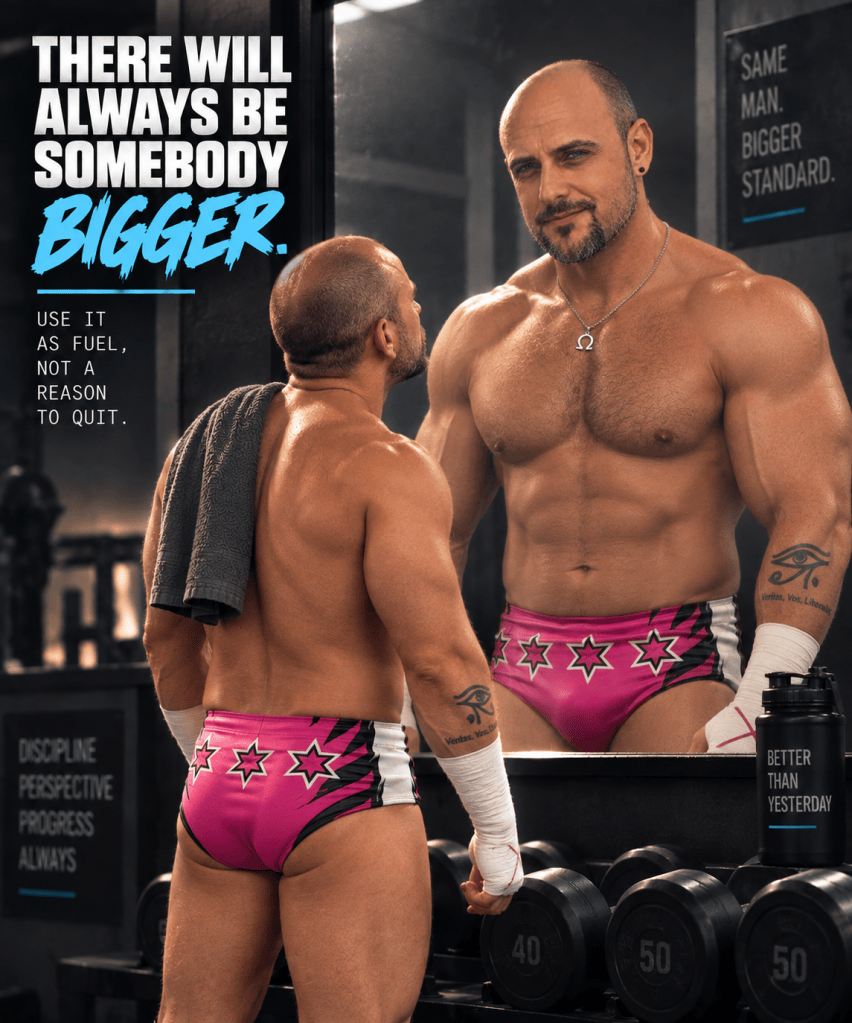
You think:
Damn. I look good.
Then you wake up the next morning without a pump, put on a loose shirt, and somehow feel like you’ve lost six months of progress overnight.
Of course you haven’t.
But perception is powerful.
That’s why one of the most interesting parts of muscularity isn’t what happens to the body.
It’s what happens to body image.
A mirror stops simply being a mirror.
It becomes a scoreboard.
When Muscle Becomes Identity
Here’s where male psychology enters the conversation.
For some men, building muscle provides much more than muscle.
It can provide:
confidence,
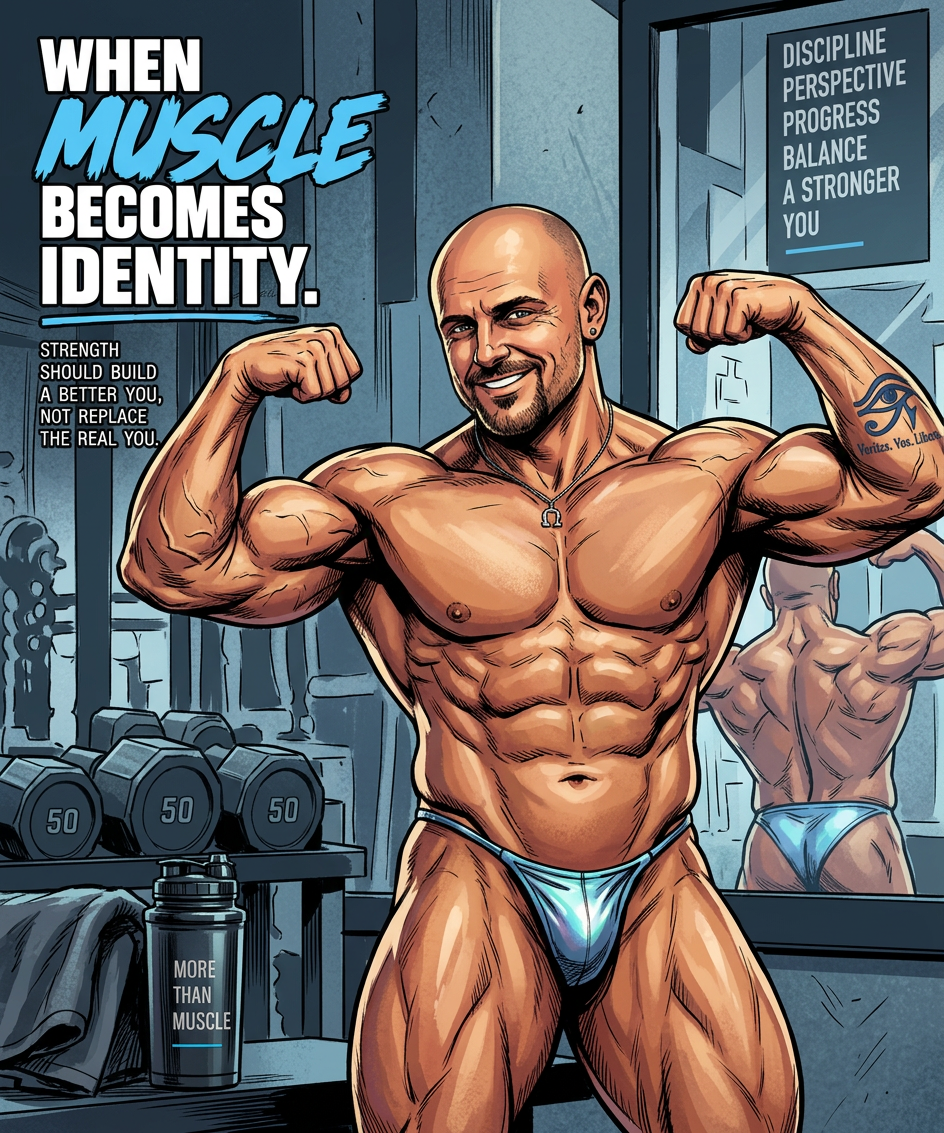
attention,
respect,
sexual desirability,
status,
discipline,
belonging,
control,
and a sense of masculinity.
None of those things are inherently unhealthy.
But imagine what happens when they all become attached to one thing:
your physique.
Now, losing muscle doesn’t simply mean losing muscle.
It can feel like losing confidence.
Losing attractiveness.
Losing status.
Losing masculinity.
Losing part of yourself.
That’s a much heavier psychological burden for a body to carry.
Who Are You Getting Bigger For?
This might be one of the most uncomfortable questions in fitness.
Who are you actually getting bigger for?
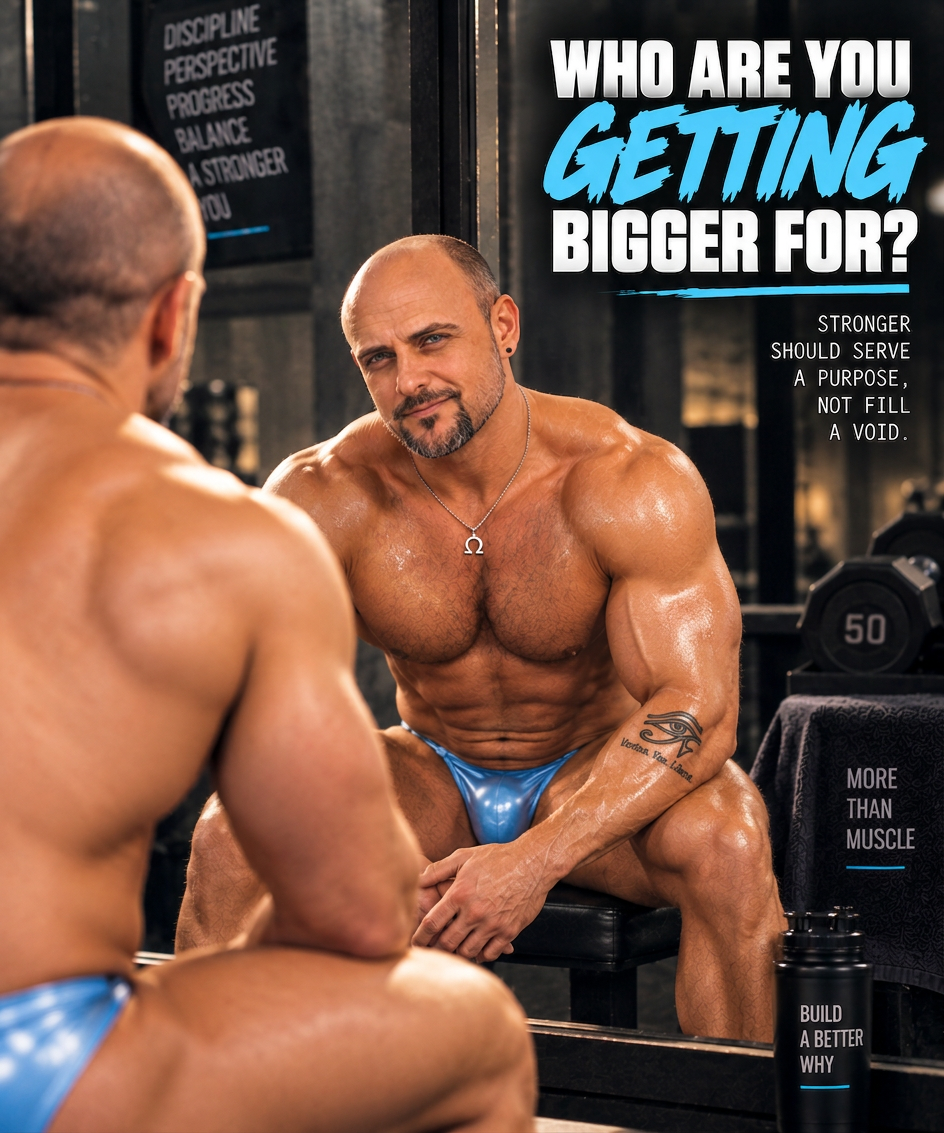
Maybe the answer really is yourself.
Great.
But it’s worth occasionally examining whether the audience has changed.
Are you training because you enjoy becoming stronger?
Or because you’re terrified of becoming smaller?
Are you choosing your nutrition because it supports your goals?
Or are you afraid of eating something that isn’t part of the plan?
Are you checking the mirror because you like your progress?
Or because you need reassurance that your body hasn’t changed?
Are you posting progress pictures because you’re proud?
Or because you need someone else to confirm that you look good?
These behaviors can look nearly identical from the outside.
Psychologically, they can be completely different.
Discipline and Compulsion Aren’t the Same Thing
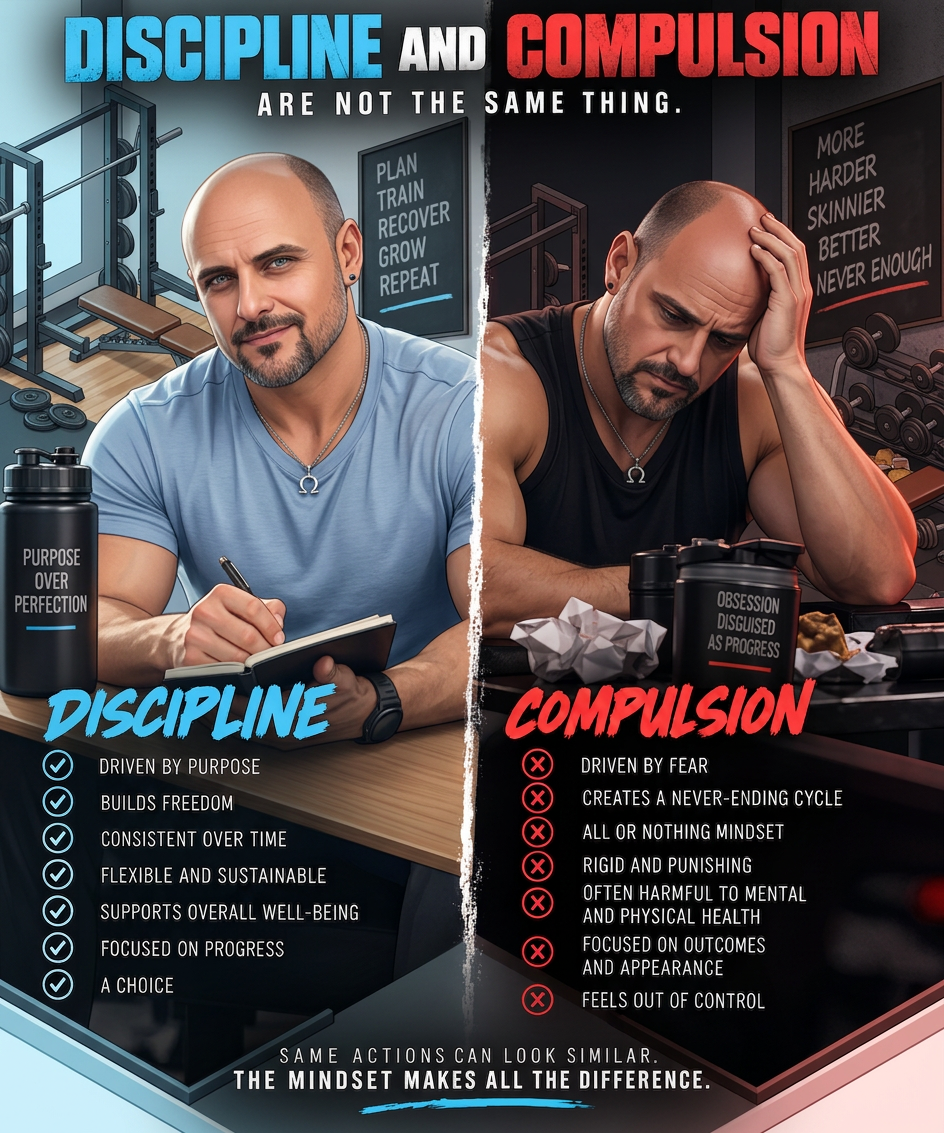
Fitness culture celebrates discipline.
And it should.
Consistency matters.
But discipline should ultimately give you more control over your life.
Compulsion gradually takes control away from you.
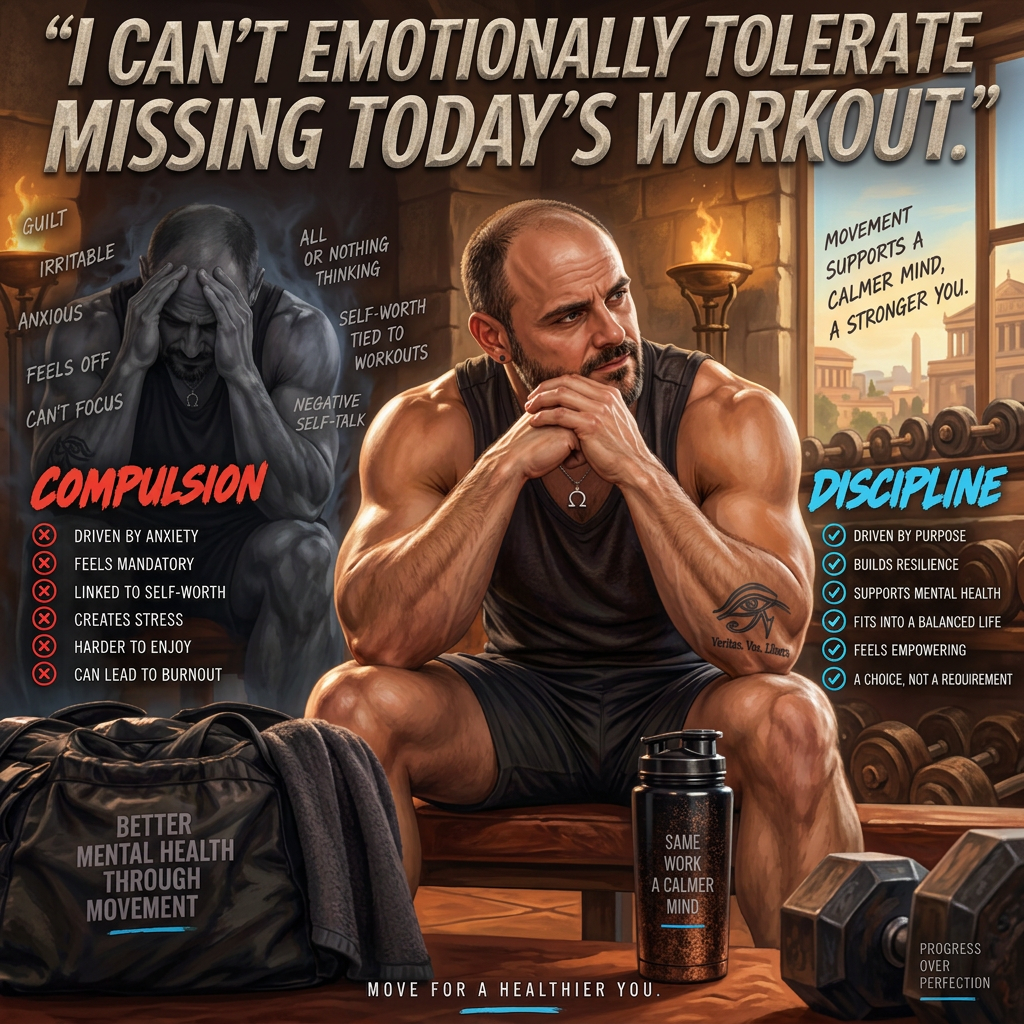
There’s a difference between:
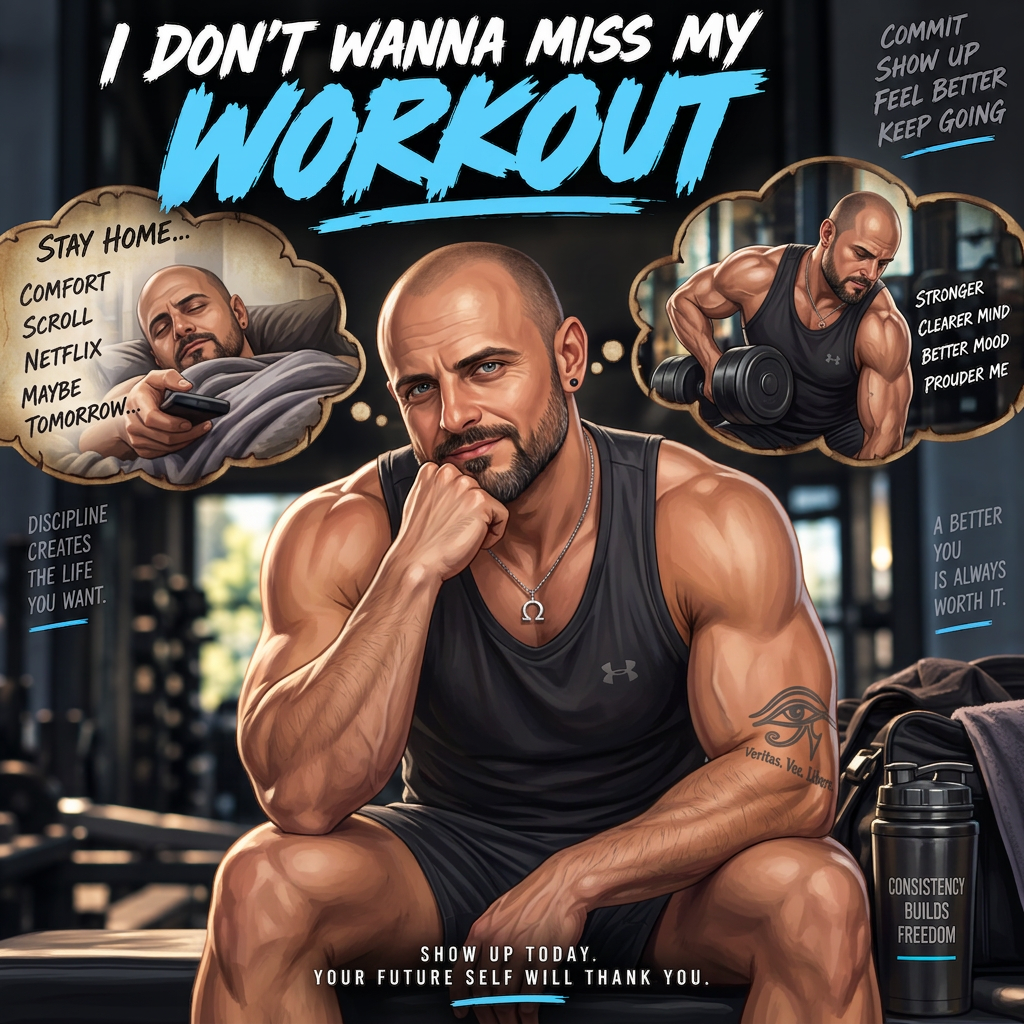
“I don’t want to miss today’s workout.”
and
“I can’t emotionally tolerate missing today’s workout.”
There’s a difference between:
“I’m watching what I eat because I have a goal.”
and
“Eating something outside my plan makes me feel ashamed.”
There’s a difference between:
“I want to improve my physique.”
and
“My physique determines my worth.”
The behavior alone doesn’t always tell the entire story.
The psychological relationship with that behavior matters.
The Bigger You Get, the Smaller You Can Feel
That’s the cruel paradox.
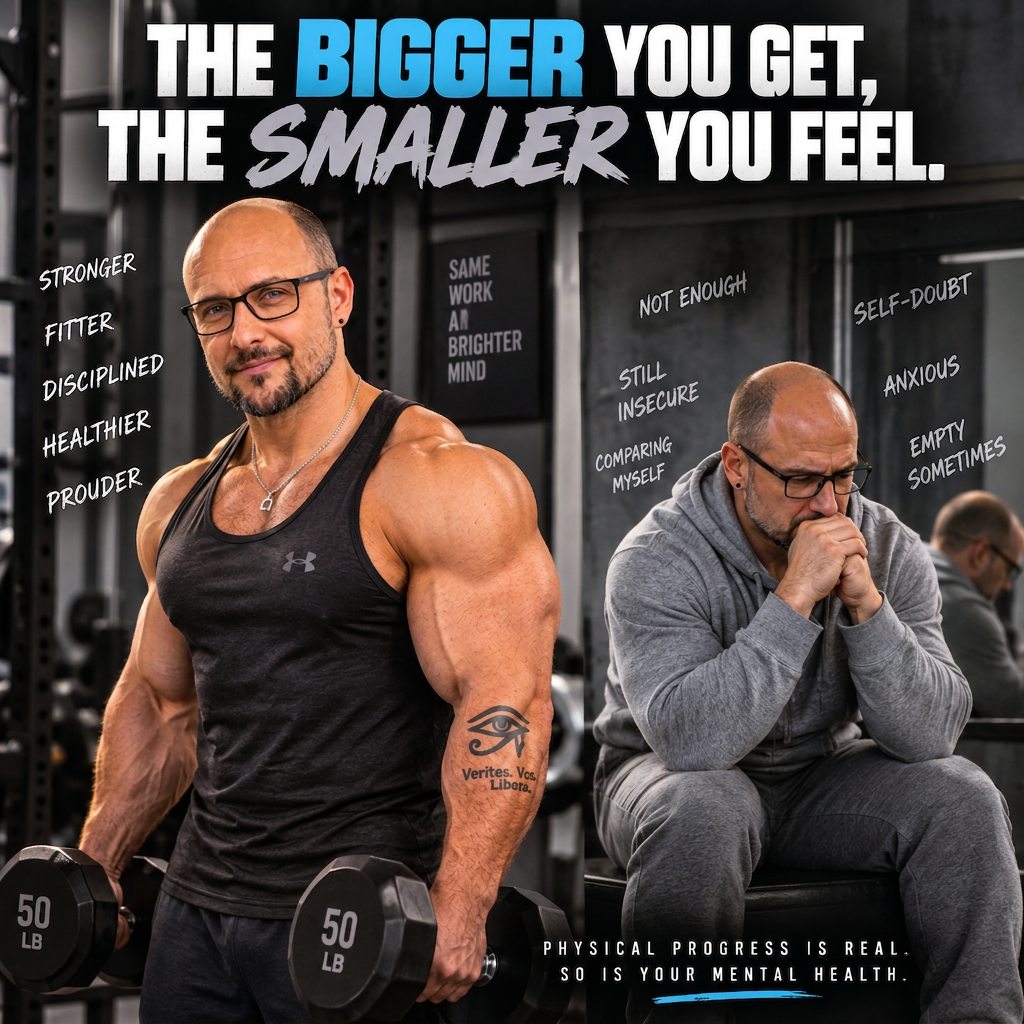
Someone can build the body they once dreamed about and still feel inadequate.
Because eventually, this isn’t a competition between your current body and your old body.
It’s a competition between your actual body and an imagined future version of yourself.
And your imagination can always add another inch.
Another five pounds.
Another vein.
Another percentage point of leanness.
There is no natural finish line to more.
Which means eventually you have to decide what enough looks like.
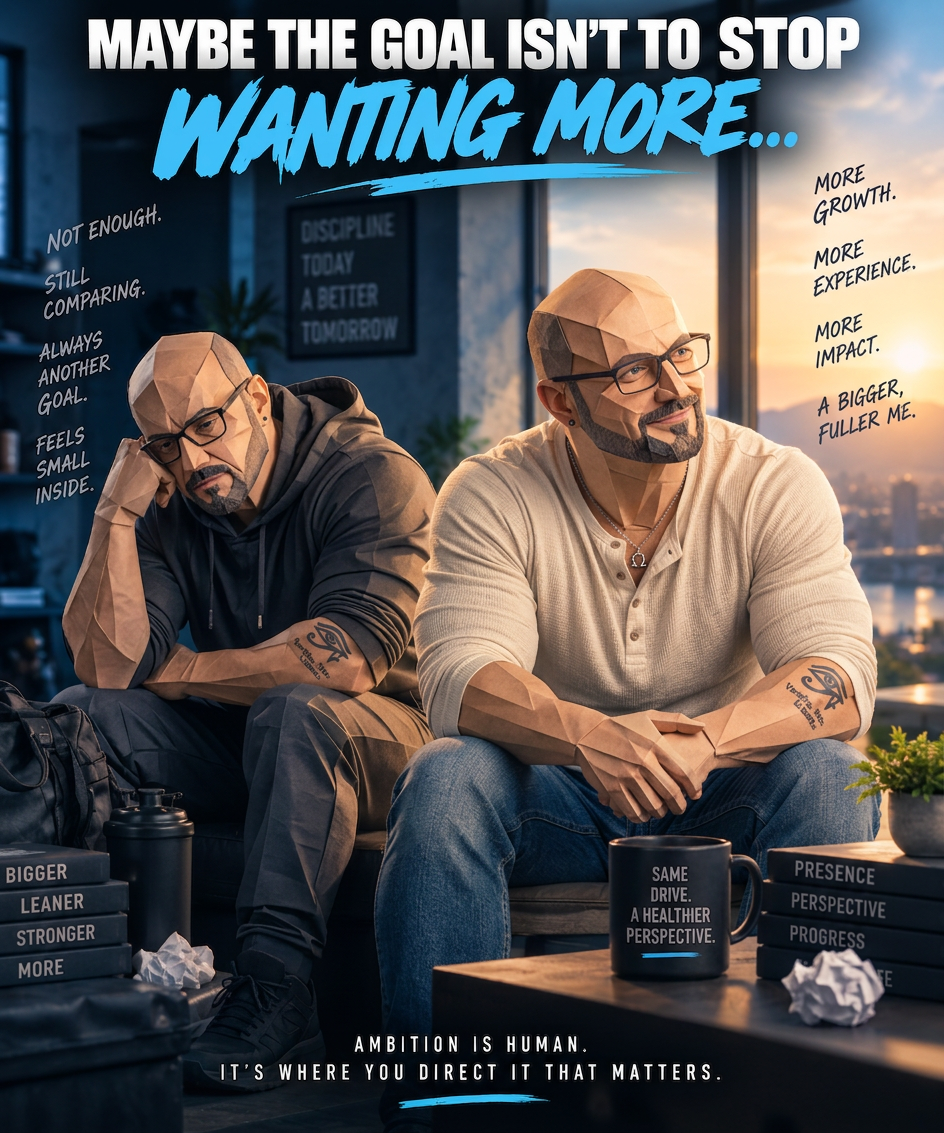
Maybe the Goal Isn’t to Stop Wanting More
I don’t think the answer is telling men to stop caring about their physiques.
Want the bigger chest.
Build the shoulders.
Chase the PR.
Get stronger.
Enjoy looking good without a shirt.
There is nothing inherently shallow about taking pride in your body.
The healthier challenge may be learning to pursue improvement without making self-acceptance conditional upon achieving it.
You can want bigger arms and still appreciate the arms you currently have.
You can want to become leaner without hating the body carrying you there.
You can admire another man’s physique without turning his body into evidence that yours isn’t good enough.
And you can take fitness seriously without allowing fitness to become the sole measure of your masculinity.
The Mirror Shouldn’t Get the Final Vote
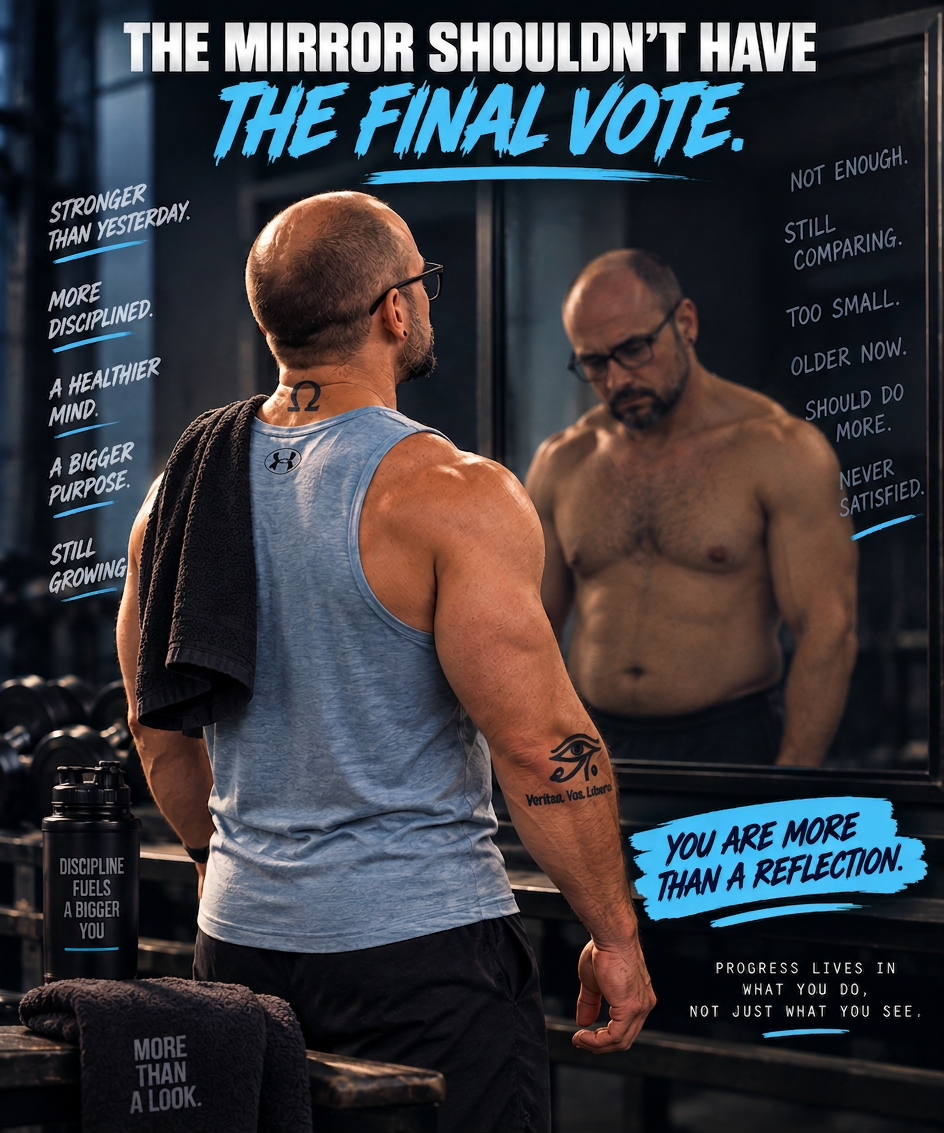
Maybe that’s the question we need to ask more often in men’s fitness:
Is the gym helping you build yourself—or are you slowly becoming dependent on what the gym allows you to see in the mirror?
Because muscle is supposed to add something to your life.
Strength.
Confidence.
Health.
Capability.
Maybe even a little swagger.
But if becoming bigger consistently makes you feel smaller, it’s worth examining what’s actually being trained.
Your body may already have changed dramatically.
The harder work might be allowing your mind to recognize it.
Keep building your body if that’s what you love.
Just don’t forget to build a version of yourself who knows that someday, somewhere, somehow—
You have to be enough before you’re bigger.
ABOUT THE AUTHOR
John J. Schessler, M.S.
John J. Schessler, M.S., is a Mental Performance Coach, Behavior Interventionist, speaker, and founder of Athlete Mindset HQ—a high-performance coaching platform dedicated to helping athletes, professionals, and everyday individuals develop the mindset needed to thrive under pressure and perform at their highest potential.
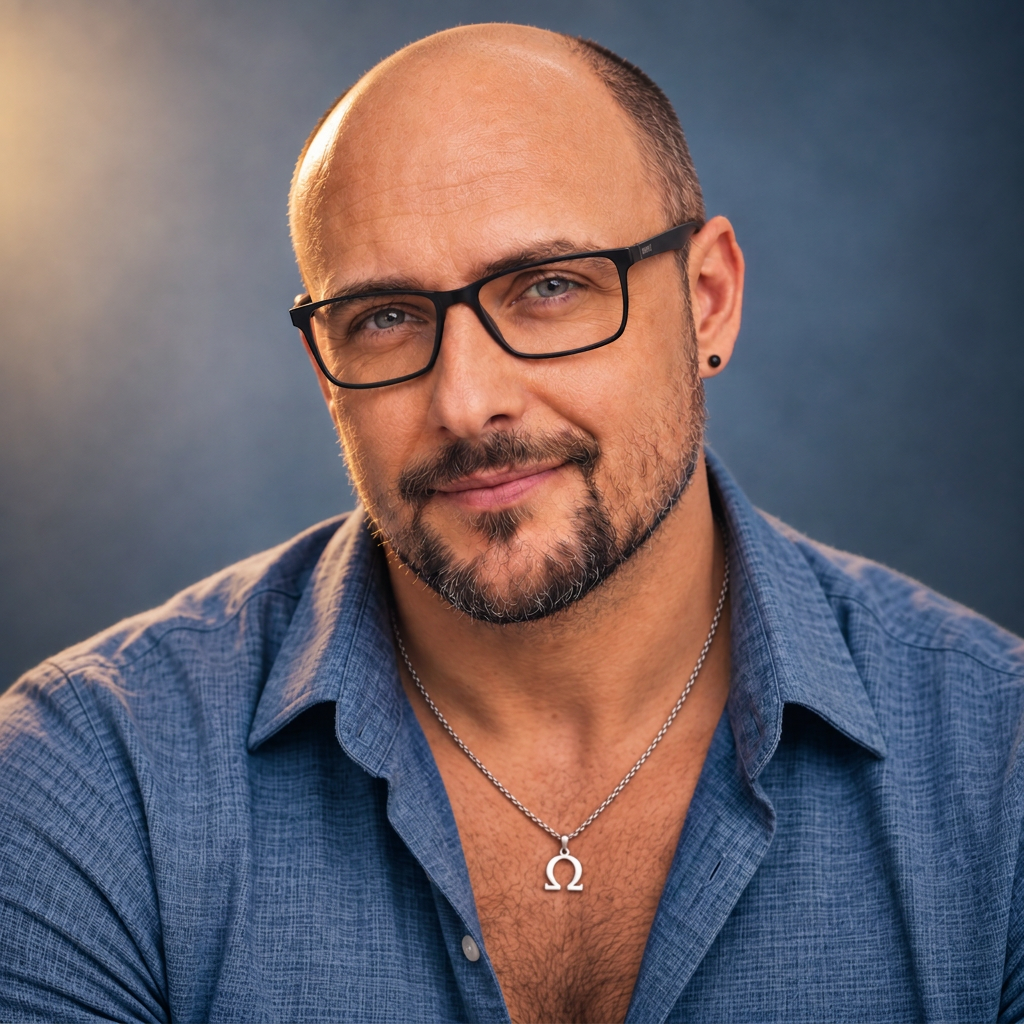
John earned his Master of Science in Sport Psychology from Capella University and his Bachelor of Arts in Child & Adolescent Psychology from Southern New Hampshire University. His work bridges the gap between psychology, human performance, behavioral science, and personal development, combining evidence-based strategies with practical coaching that people can immediately apply in sport, work, and everyday life.
His passion for helping others is rooted in his own journey. As a child, John survived Guillain-Barré Syndrome, spending weeks in a coma before fighting through rehabilitation to reclaim his life. That experience shaped his belief that resilience isn’t something you’re born with—it’s something you build through adversity, discipline, and purpose.
Today, John works with individuals from all walks of life, helping them strengthen confidence, improve emotional resilience, overcome obstacles, and develop the habits that lead to lasting success. Whether coaching athletes, mentoring students, speaking to organizations, or creating educational content, his mission remains the same: to help people become mentally stronger than the challenges they face.
John is also the host of The Follow Through Podcast, where he explores sports psychology, leadership, men’s mental health, motivation, resilience, and human performance through practical conversations that inspire listeners to move beyond intention and into action.
His philosophy is simple:
Mental strength isn’t about never struggling. It’s about developing the confidence, discipline, and resilience to keep moving forward—especially when life gets difficult.
Because success isn’t built on what you intend to do.
It’s built by what you follow through on.
#bodydysmorphia #malebodyimage #masculinity #fitnessmindset #athletemindsethq #malementality #pittsburghfitness #mentalperformance #humanperformance #practicalsolutions #mentalhealth


Leave a Reply