
When the Body Is Capable, But the Signal Is Compromised
By John J. Schessler, BA, CMT, SPC, OS
Most athletes assume performance is determined by muscular strength, conditioning, or effort. While these factors matter, they are secondary to the true driver of athletic performance:
The nervous system.
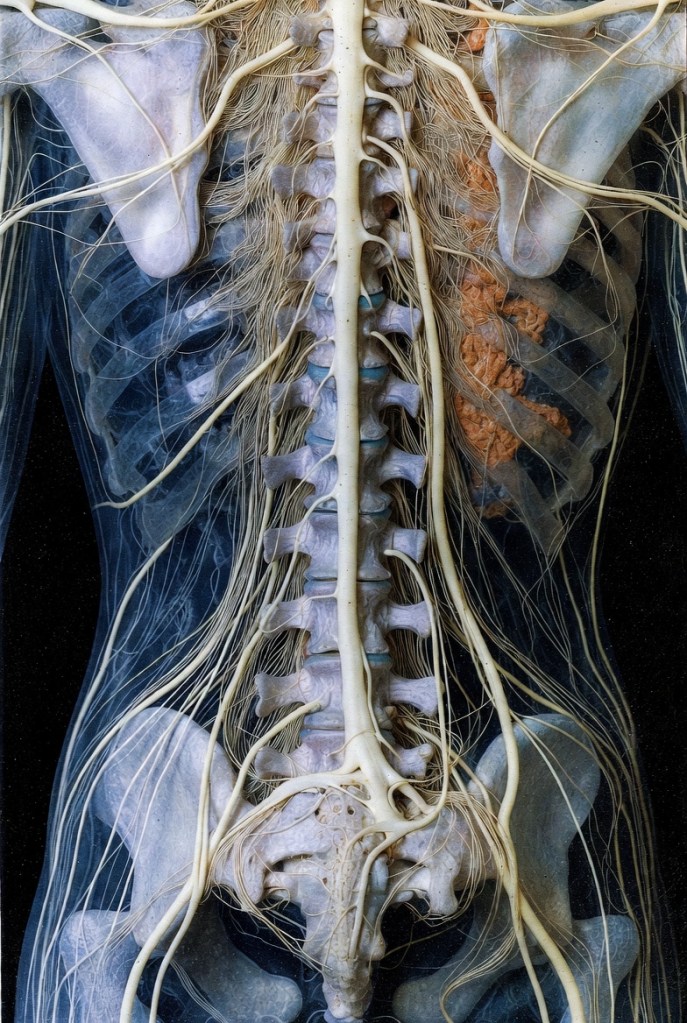
Every movement—every sprint, lift, cut, or reaction—originates as an electrical signal in the brain. That signal travels through the spinal cord and peripheral nerves to activate muscle fibers. When this signal is strong, efficient, and synchronized, performance is explosive and precise. When the signal is fatigued or disrupted, performance declines—even if the muscles themselves are physically capable.
This phenomenon is known as nervous system fatigue or neural performance failure.
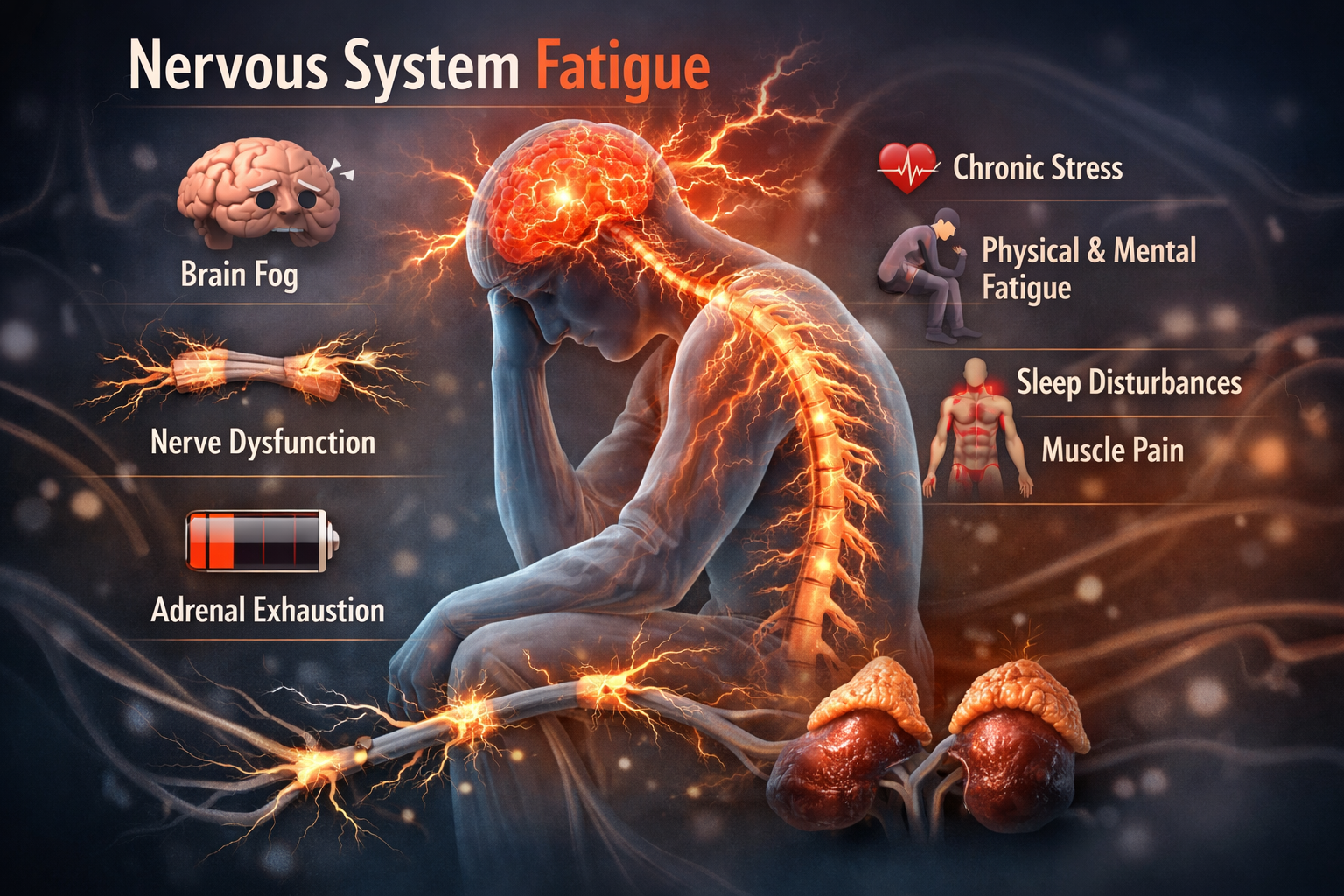
The Nervous System Is the Governor of Strength and Performance
The nervous system controls performance through motor unit recruitment. A motor unit consists of a motor neuron and the muscle fibers it activates. The ability to recruit more motor units—and recruit them faster—is what determines strength, speed, and explosiveness (Enoka & Duchateau, 2016).
Research shows that increases in strength during early training phases are driven primarily by neural adaptations, not muscle growth (Moritani & deVries, 1979).
This means:
Strength is a nervous system skill before it is a muscular trait.
The brain determines how much of your physical capacity you are allowed to use.
Central Fatigue: When the Brain Reduces Output
Central fatigue refers to reductions in the nervous system’s ability to activate muscles, originating in the brain and spinal cord (Gandevia, 2001).
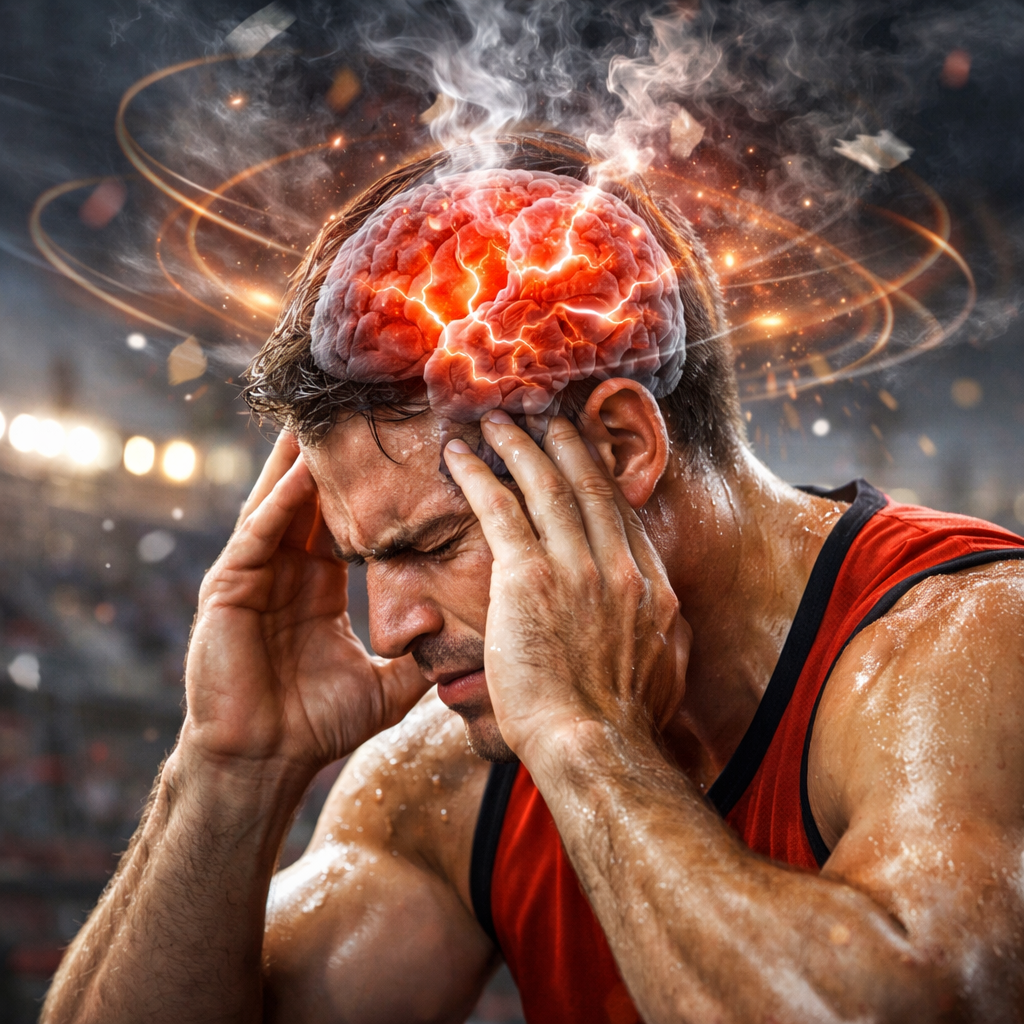
This can result in:
• Reduced force production
• Slower reaction time
• Loss of explosiveness
• Reduced coordination
• Increased injury risk
Studies show the central nervous system acts as a protective regulator, limiting motor output when it detects excessive stress, fatigue, or perceived threat (Noakes, 2012).
This is not weakness.
It is protection.
The Brain Protects You Before the Body Fails
The nervous system constantly monitors internal and external stress. When total stress load becomes too high, the brain reduces motor output to prevent injury or systemic damage (Meeusen et al., 2013).
This explains why athletes may feel:
• Strong in training but slow in competition
• Explosive one day and flat the next
• Physically capable but neurologically inhibited
The limitation is not muscular.
The limitation is neural.
Nervous System Fatigue Comes From More Than Training
Neural fatigue is influenced by both physical and psychological stress.
Contributors include:
Physical stressors
• Heavy lifting
• Maximal sprinting
• High contact exposure
• Excessive training volume
Psychological stressors
• Anxiety
• Emotional stress
• Poor sleep
• Mental overload

The nervous system does not differentiate between physical and psychological stress (McEwen, 2007). All stress contributes to total neural load.
This is why life stress alone can reduce athletic performance.
Sleep Is the Most Important Neural Recovery Tool
Sleep is essential for restoring central nervous system function, cognitive processing, and motor coordination (Fullagar et al., 2015).
Sleep deprivation has been shown to reduce:
• Strength output
• Reaction time
• Coordination
• Decision-making speed
Even one night of poor sleep can significantly impair neural performance.
Elite athletes prioritize sleep because they understand:
Recovery restores the nervous system.

Why Elite Athletes Appear Effortless
Elite athletes are not always the most muscular.
They are the most neurologically efficient.
Their nervous systems can:
• Recruit motor units faster
• Coordinate movement more efficiently
• Maintain output under fatigue
• Reduce inhibitory neural signals
They are neurologically trained, not just physically trained.
Nervous System Training Is the Foundation of Elite Performance
Proper programming must consider neural stress and recovery.
Effective neural training includes:
• Heavy strength training with proper recovery
• Explosive power training
• Sprint work
• Adequate sleep
• Periodized programming
• Stress management

This efficiency allows them to produce more force with less perceived effort (Aagaard et al., 2002).
Overtraining occurs when neural stress exceeds neural recovery capacity (Meeusen et al., 2013).
Performance declines not because the athlete is weaker—but because the nervous system is fatigued.
Final Takeaway: The Nervous System Determines Performance Capacity
Muscles do not determine your full performance potential.
Your nervous system does.
When the nervous system is healthy and efficient, performance is explosive, coordinated, and consistent.
When the nervous system is fatigued, performance declines—even in highly trained athletes.
The highest-level athletes and coaches understand this principle.
They train the nervous system—not just the muscles.
Because performance is not just about physical strength.
It is about neural strength.
Coach ABOUT ME & Credentials

I’m a Behavior Interventionist, mental performance specialist, and coach helping athletes and high-performing individuals develop the mental resilience required to perform at their highest level—when it matters most.
My work focuses on strengthening mindset, emotional regulation, and psychological consistency under pressure. Drawing from my background in behavioral psychology, education, and athletics, I translate evidence-based mental performance principles into practical, actionable strategies that directly improve performance in competition, training, and high-stakes environments.
I work with athletes, teams, and student populations to build mental toughness, confidence, focus, and stress tolerance—skills that separate preparation from execution and potential from results.
My approach is direct, practical, and results-driven. Mental toughness isn’t about being emotionless—it’s about awareness, adaptability, and disciplined follow-through.
I am available for:
• Athlete and team mental performance development
• High school and collegiate athletic program workshops
• Leadership and resilience speaking engagements
• Student performance and mindset training
• Mental performance coaching for competitive athletes
My mission is to help individuals and teams develop the psychological edge required to perform, lead, and grow with confidence.
John J. Schessler, BA, CMT, SPC, OS
Sports Performance Coach
Intervention Specialist
Certified Master Trainer
Specialist in Performance Conditioning and Neurological-Based Training
Education:
Bachelor of Arts in Psychology, Child and Adolescent Development
Master of Science in Psychology, Sports Psychology (Currently Completing)
Specializations:
• Athletic Performance Development
• Sports Psychology Coaching
• Orthopedic Exercise Specialist
• Behavioral Performance Integration
• Athlete Nervous System Optimization
References
Aagaard, P., Simonsen, E. B., Andersen, J. L., Magnusson, P., & Dyhre-Poulsen, P. (2002). Increased rate of force development and neural drive following resistance training. Journal of Applied Physiology, 93(4), 1318–1326.
Enoka, R. M., & Duchateau, J. (2016). Translating fatigue to human performance. Medicine & Science in Sports & Exercise, 48(11), 2228–2238.
Fullagar, H. H., Skorski, S., Duffield, R., Hammes, D., Coutts, A. J., & Meyer, T. (2015). Sleep and athletic performance. Sports Medicine, 45(2), 161–186.
Gandevia, S. C. (2001). Spinal and supraspinal factors in human muscle fatigue. Physiological Reviews, 81(4), 1725–1789.
McEwen, B. S. (2007). Physiology and neurobiology of stress. Physiological Reviews, 87(3), 873–904.
Meeusen, R., et al. (2013). Prevention, diagnosis, and treatment of overtraining syndrome. European Journal of Sport Science, 13(1), 1–24.
Moritani, T., & deVries, H. A. (1979). Neural factors vs hypertrophy in strength gain. American Journal of Physical Medicine, 58(3), 115–130.
Noakes, T. D. (2012). Fatigue is a brain-derived emotion. Frontiers in Physiology, 3, 82.
#nervoussystemfailure #personaljourney #fitness #athletics #physicalmedicine #physiology #neurology #strengthandconditioning #cardiovascularfitness #healthybodies #brainhealth #


Leave a comment