
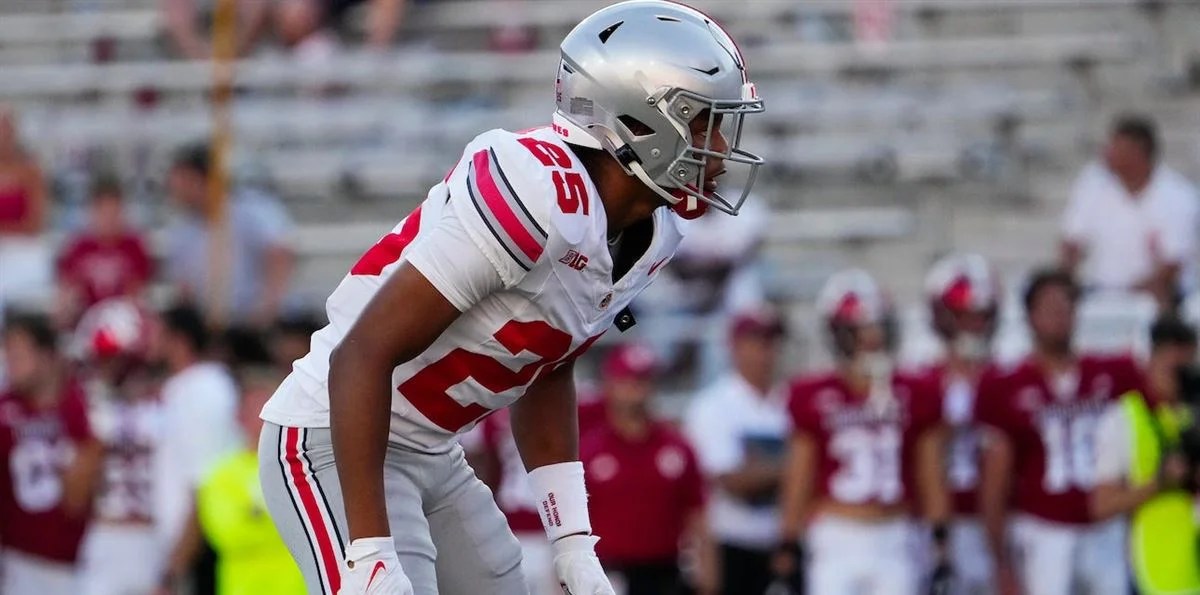
In a sports culture obsessed with now—now results, now playing time, now recognition—redshirting often gets mislabeled as a setback. Athletes hear words like “delayed,” “behind,” or worse, “not good enough yet.” That framing is wrong.
Redshirting, when used intentionally, is one of the most athlete-protective and development-focused tools in college athletics. It’s not a punishment. It’s a strategy.
1. Physical Development Takes Time—And That’s Not Weakness
The jump from high school to college athletics is massive. Faster speeds, heavier loads, denser schedules, longer seasons. Redshirting allows athletes—especially freshmen—to adapt physically without the constant stress of competition.
Research supports this transition gap. Studies on collegiate injury trends show that first-year athletes experience higher injury rates, particularly non-contact and overuse injuries, due to rapid increases in training volume and intensity (Hootman et al., 2007). A redshirt year gives athletes time to:
- Increase strength and neuromuscular control
- Improve movement efficiency
- Build tissue tolerance
- Learn recovery strategies
From a long-term athlete development perspective, delaying full competition exposure can reduce injury risk and extend playing careers (Balyi et al., 2013).
2. Mental Maturity Matters as Much as Talent
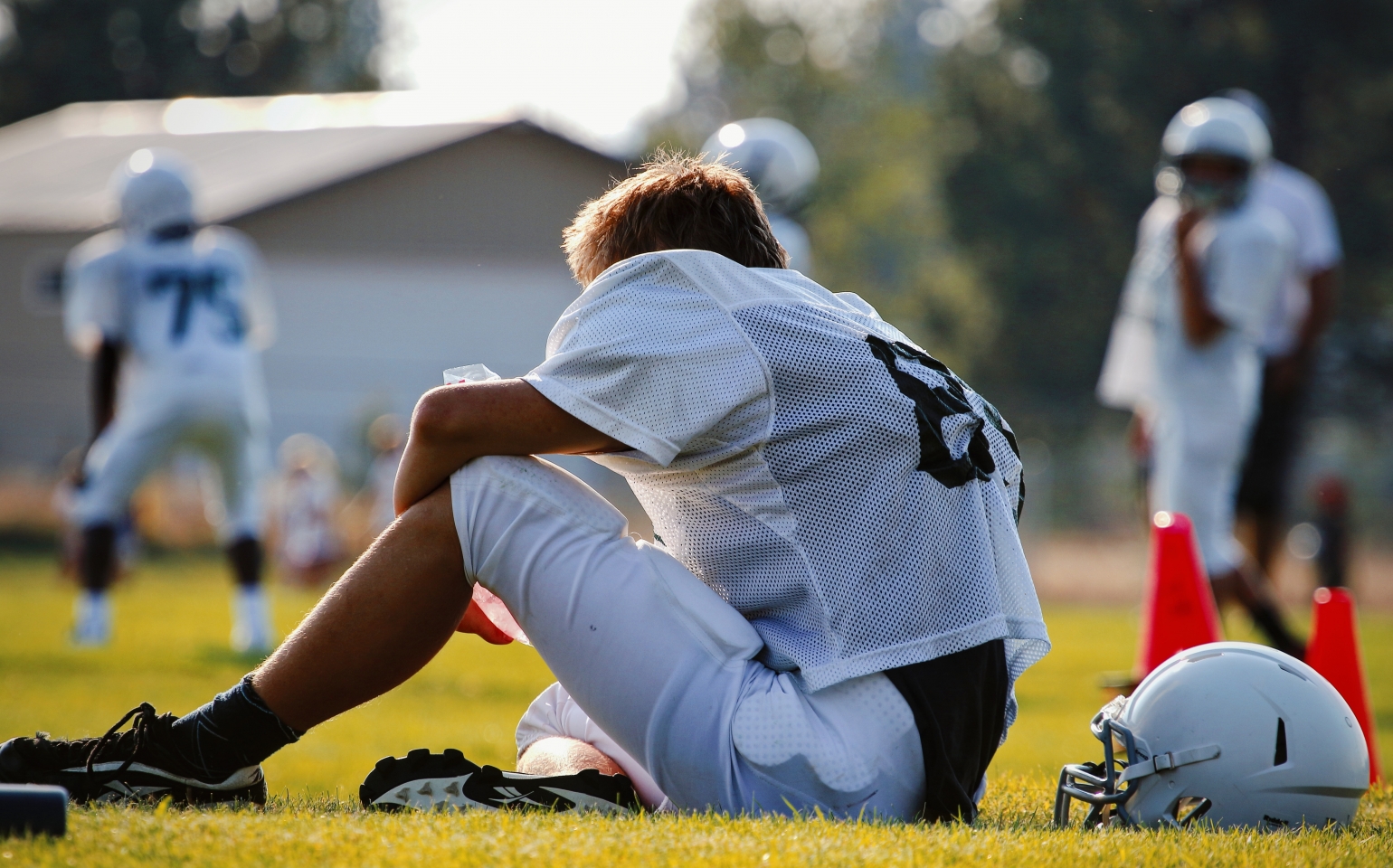
College athletics isn’t just a physical challenge—it’s a psychological one. New environments, academic pressure, social shifts, expectations, and identity changes all hit at once.
Research in sport psychology consistently shows that athlete burnout and anxiety increase when perceived demands outweigh coping resources (Gustafsson et al., 2011). Redshirting provides a buffer year to:
- Learn program expectations
- Develop confidence outside constant evaluation
- Adjust to academic rigor
- Build emotional regulation skills
This mental runway is especially important for athletes transitioning from being “the star” to one piece of a competitive roster.
3. Skill Development Without the Spotlight
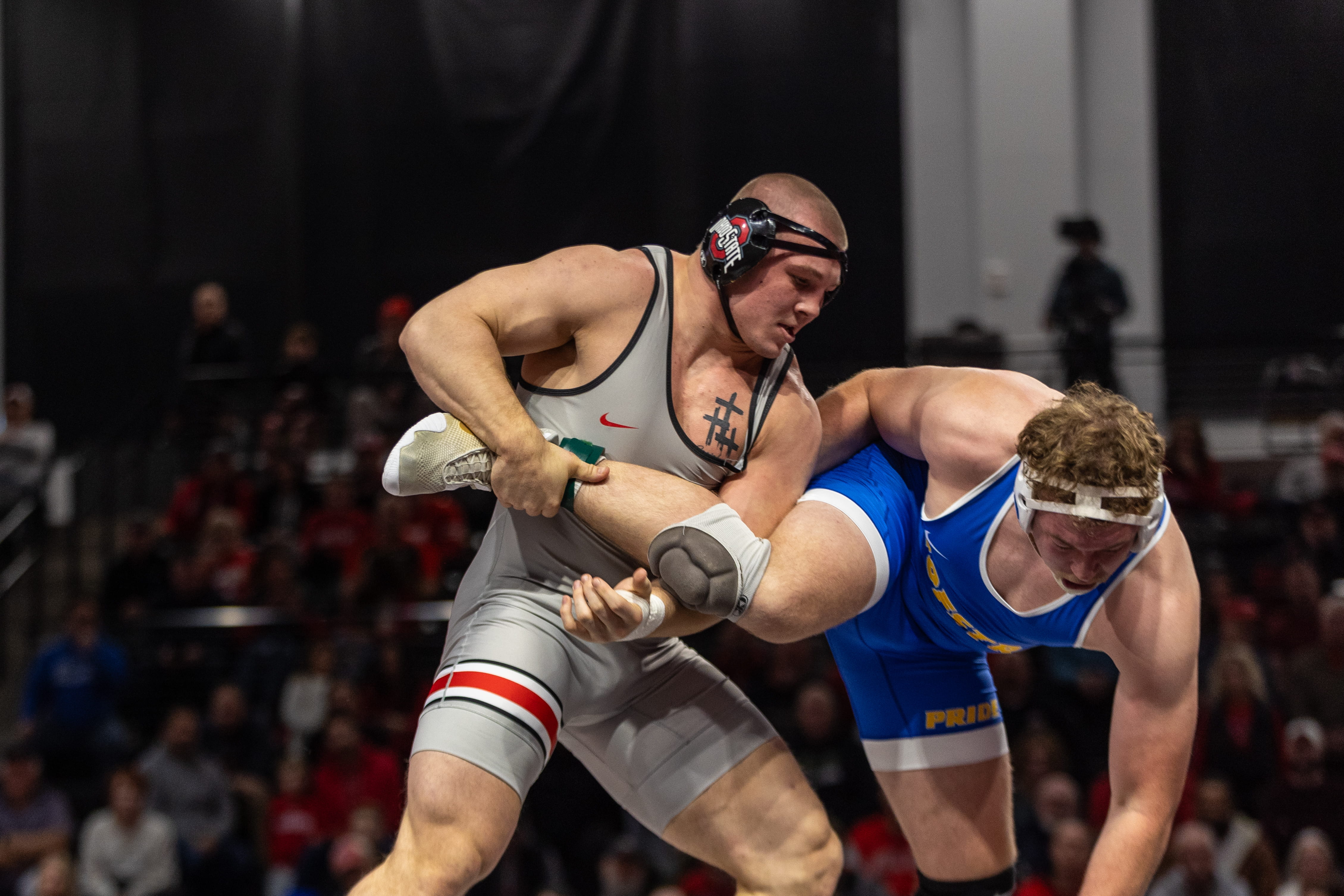
Game reps matter—but deliberate practice matters more early on. Redshirting allows athletes to refine technique, decision-making, and positional understanding without fear-based performance pressure.
Motor learning research shows that skill acquisition improves when athletes can practice at high intensity without outcome anxiety, allowing for experimentation, error correction, and deeper learning (Ericsson et al., 1993).
Instead of surviving games, redshirt athletes can:
- Learn systems thoroughly
- Correct inefficient mechanics
- Develop consistency
- Train at game speed without game consequences
When competition begins, performance is more stable—and confidence is earned, not forced.
4. Long-Term Athletic Identity > Short-Term Ego
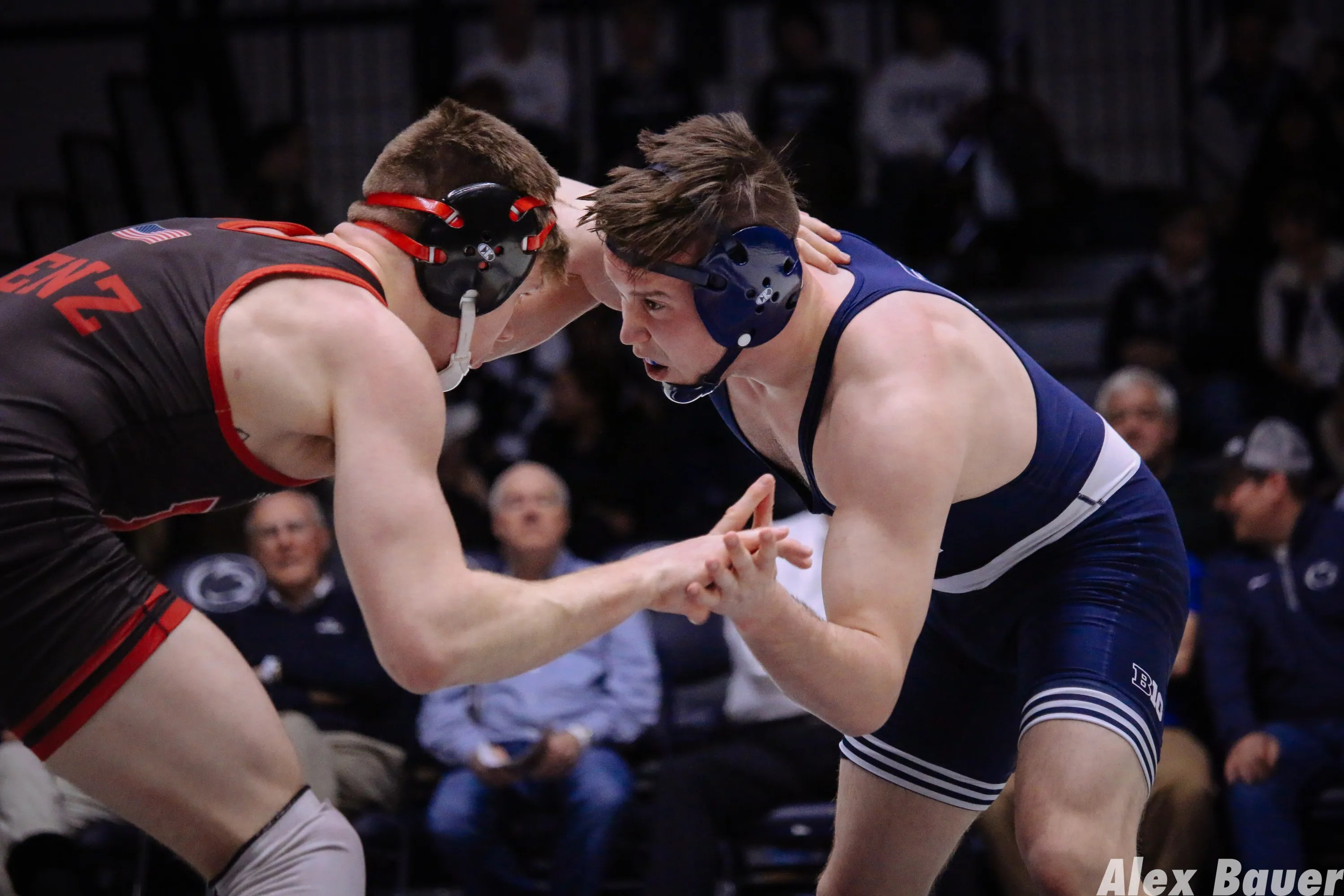
Not playing hurts. There’s no way around it. Athletes are competitors, and redshirting challenges ego, patience, and identity.
But that discomfort often builds psychological resilience, a trait strongly associated with long-term success in sport (Fletcher & Sarkar, 2012). Redshirt athletes frequently emerge as:
- More coachable
- Emotionally tougher
- Better communicators
- Stronger leaders
They learn that their value is not defined by minutes, stats, or immediate validation—but by preparation and contribution.
5. Redshirting Is an Investment, Not a Delay
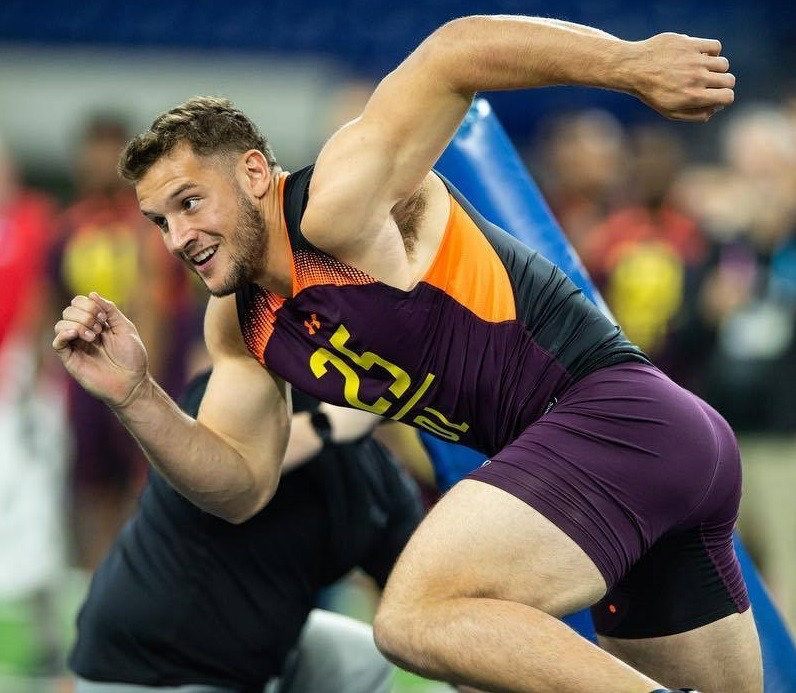
A redshirt year does not mean “you’re not good enough.” It often means “we’re investing in who you can become.”
Data from the NCAA indicates that many redshirt athletes go on to:
- Play more total seasons
- Log more career games
- Experience fewer major injuries
- Graduate at higher rates than non-redshirt peers
Programs that use redshirting well are thinking long-term—about health, sustainability, and athlete welfare, not just immediate wins.
Final Thought

Redshirting isn’t about holding athletes back—it’s about setting them up.
In an era where burnout, overuse injuries, and mental health struggles are rising in college athletics, redshirting can be one of the most ethical, strategic, and athlete-centered decisions a program makes.
The goal isn’t to play sooner.
The goal is to play better, longer, and healthier.
Sometimes, the smartest move forward is taking a season to build.
Coach’s Disclaimer
This article is for educational and informational purposes only. Redshirting decisions should be made collaboratively between the athlete, coaching staff, medical professionals, and academic advisors. Individual needs, medical history, eligibility rules, and program policies vary. This content does not replace professional medical, psychological, or athletic training advice.
Coach Credentials
John J. Schessler, BA, CMT, SPC, OS
- Certified Personal Trainer & Sports Performance Coach
- Sports Psychology Coach (Applied Focus)
- USAW Wrestling Coach
- Experience in youth, high school, collegiate, and adaptive athletics
- Specialization in athlete development, injury prevention, and long-term performance planning
Coaching philosophy: Develop the human first. Protect the athlete. Build for longevity.
References
- Balyi, I., Way, R., & Higgs, C. (2013). Long-term athlete development. Human Kinetics.
- Ericsson, K. A., Krampe, R. T., & Tesch-Römer, C. (1993). The role of deliberate practice in the acquisition of expert performance. Psychological Review, 100(3), 363–406.
- Fletcher, D., & Sarkar, M. (2012). A grounded theory of psychological resilience in Olympic champions. Psychology of Sport and Exercise, 13(5), 669–678.
- Gustafsson, H., Kenttä, G., & Hassmén, P. (2011). Athlete burnout: An integrated model and future research directions. International Review of Sport and Exercise Psychology, 4(1), 3–24.
- Hootman, J. M., Dick, R., & Agel, J. (2007). Epidemiology of collegiate injuries for 15 sports. Journal of Athletic Training, 42(2), 311–319.
About Me — Coach John Schessler
I’m Coach John — the mind behind ThePGHSportsPsyCoach — and my mission is simple: help athletes build the kind of mental toughness, confidence, and resilience that shows up long after the final whistle blows.
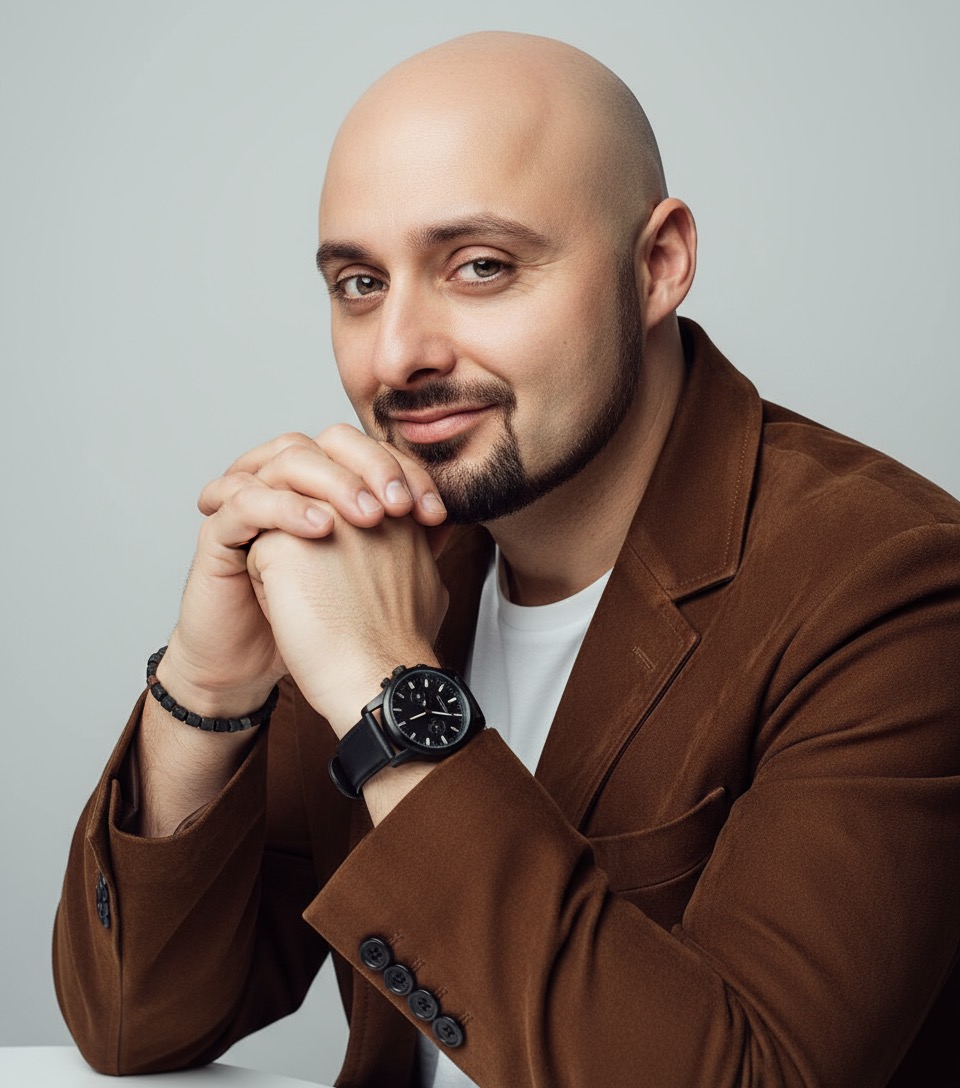
I coach from experience, education, and heart. As a Sports Psychology Coach and Behavior Interventionist, I’ve spent years working with athletes and students who carry big potential but also big pressure. My job? Teach them how to channel that pressure into power.
Right now, I’m leveling up my own game, pursuing my graduate degree in Sports Psychology so I can support athletes at an even higher level. Every day, I study how mindset, emotion, and performance work together — and every day, I bring that knowledge straight to the athletes and readers who trust me.
This blog is your locker room talk for the mind.
Here, we break limits. We train confidence.
We learn how to stay locked in when it matters most.
Because winning isn’t just physical — it’s mental.
And when you master your mind, the rest follows.
If you’re ready to grow, challenge yourself, and build an unshakeable mental edge… welcome to the team. Let’s get to work.
#trainyourmind #PittsburghAthlete #PittsburghSport #WrestlingLife #WrestlingMindset #Redshirtted #GridironMindset #FootballLife #MentalPerformance #MentalCoach #AthleteMindset


Leave a comment