
Coach Disclaimer
This article reflects my professional opinion as a personal trainer and coach based on my education, experience, and firsthand work with clients in fitness and strength training environments. It is not intended to shame, diagnose, or personally attack individuals who choose to use performance-enhancing drugs.
I do not provide guidance, instruction, or support for the use of anabolic steroids or other performance-enhancing substances. My coaching philosophy prioritizes long-term health, transparency, ethical practice, and sustainable physical development.
The views expressed here are focused on coaching ethics and men’s health, particularly the responsibility coaches and fitness professionals have when influencing clients, athletes, and the broader fitness culture.
This content is for educational and informational purposes only and should not be interpreted as medical advice. Individuals should consult qualified medical professionals regarding health-related decisions.
Let’s stop dancing around it.
In bodybuilding and modern fitness culture, anabolic steroids and performance-enhancing drugs are often framed as a “personal choice” or a “necessary tool.” As a 15 year+ Personal Trainer and Sports Psychology Graduate student, I disagree — strongly, I always have. When steroids are used to gain a competitive or aesthetic edge and then passed off as discipline, genetics, or superior coaching, that’s cheating. And worse, it’s unethical.
Not controversial. Just honest.
Steroids Break the Contract of Coaching

Coaching is a trust-based profession. When someone hires a trainer, they are buying into guidance that is supposed to be repeatable, safe, and honest.
Steroids shatter that contract.
Enhanced athletes recover faster, grow muscle at unnatural rates, tolerate higher training volumes, and maintain physiques that are biologically unattainable for natural lifters. When those results are used to:
- sell programs
- build credibility
- attract clients
- dominate “natural” competitive spaces
…without disclosure, it becomes professional deception.
That’s not coaching. That’s marketing built on omission.
Men Pay the Price for This Lie

This isn’t just about trophies or stage shots. This is a men’s health issue.
Men are quietly absorbing the message that:
- their bodies aren’t enough
- progress should be rapid or something is wrong
- extreme size equals masculinity
- pain, suppression, and long-term damage are acceptable trade-offs
I see the fallout in gyms constantly: hormonal issues, chronic injuries, anxiety, body dysmorphia, and men who feel like failures because they can’t keep up with chemically enhanced standards.
Steroid culture doesn’t just alter bodies — it distorts identity.
“They Still Work Hard” Is a Weak Defense
Yes, enhanced athletes train hard. That argument misses the point.
Steroids don’t replace effort — they change the rules. They amplify results, reduce consequences, and allow workloads that naturals physically cannot sustain. That means the outcome is no longer comparable.
If one athlete follows the rules of biology and another rewrites them pharmacologically, calling that an even contest — or selling both paths as equivalent — is intellectually dishonest.
Hard work doesn’t excuse cheating. It never has.
Coaches: Pick a Side
If you’re a coach or trainer, this part is uncomfortable — but necessary.
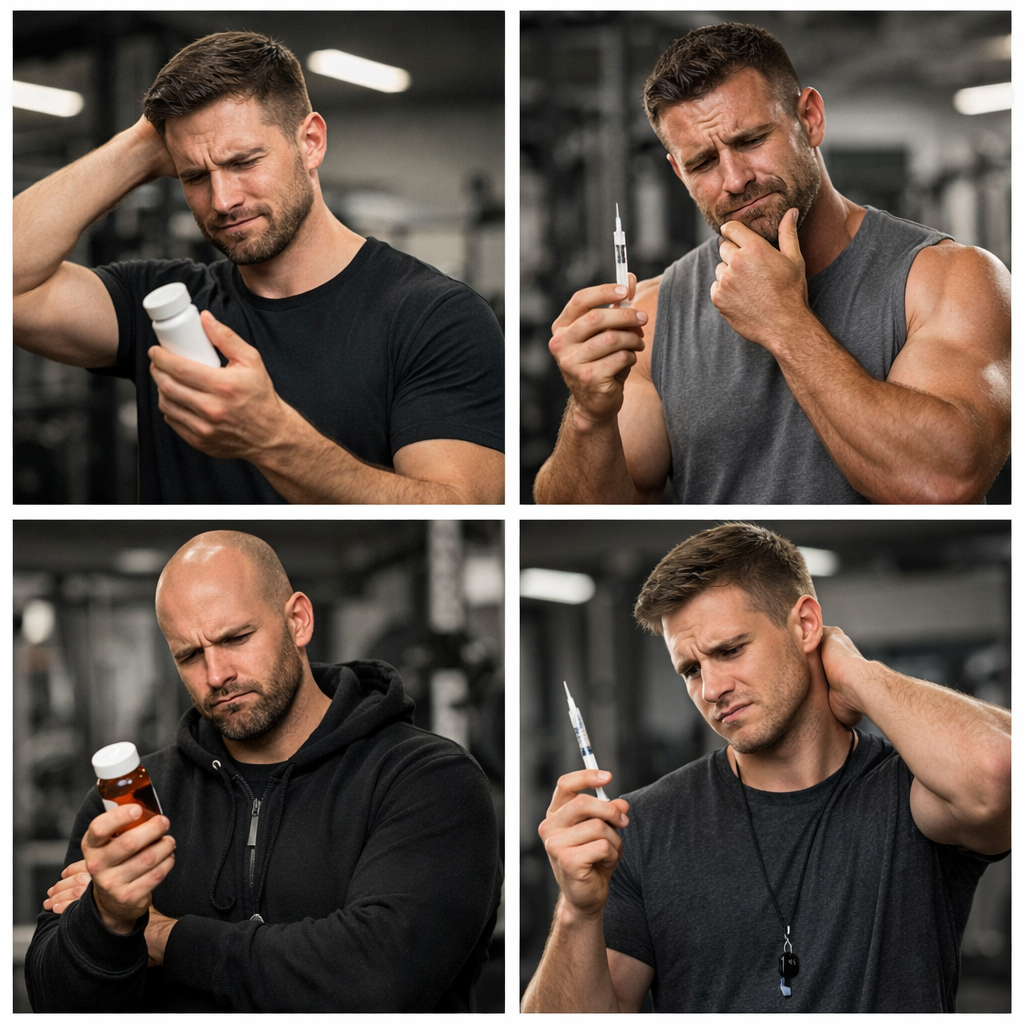
You cannot claim to care about men’s health while:
- glorifying enhanced physiques as aspirational norms
- ignoring long-term endocrine damage
- refusing to disclose PED use while selling coaching
- dismissing concerns as “part of the game”
Ethical coaching requires boundaries. It requires saying no to shortcuts that harm the very people who trust us.
Silence is not neutrality. Silence is endorsement.
Real Strength Is Built, Not Injected
Real strength is boring. It’s slow. It’s earned in seasons, not cycles.
It’s built through:
- sustainable training
- intelligent recovery
- hormonal health
- consistency under realistic expectations
- respecting the limits of the human body
That version of strength doesn’t go viral — but it lasts.
Final Word
From a coaching and men’s health perspective, steroid use to gain an edge is cheating because it corrupts fairness, destroys transparency, and sacrifices long-term wellbeing for short-term dominance.
Men deserve better than lies wrapped in muscle.
And coaches owe them the truth.

John Schessler is an NPTI Certified Personal Trainer and an AFAA Sports Psychology Coach with over 10 years of experience working in strength training, behavior change, and men’s health. His work centers on ethical coaching, long-term performance, and sustainable physical development without shortcuts. Drawing from hands-on coaching and real-world athletic environments, John challenges harmful fitness industry norms and advocates for transparency, discipline, and responsibility. As a motivational speaker, he helps men build strength that supports not only performance, but health, identity, and longevity.


Leave a comment