
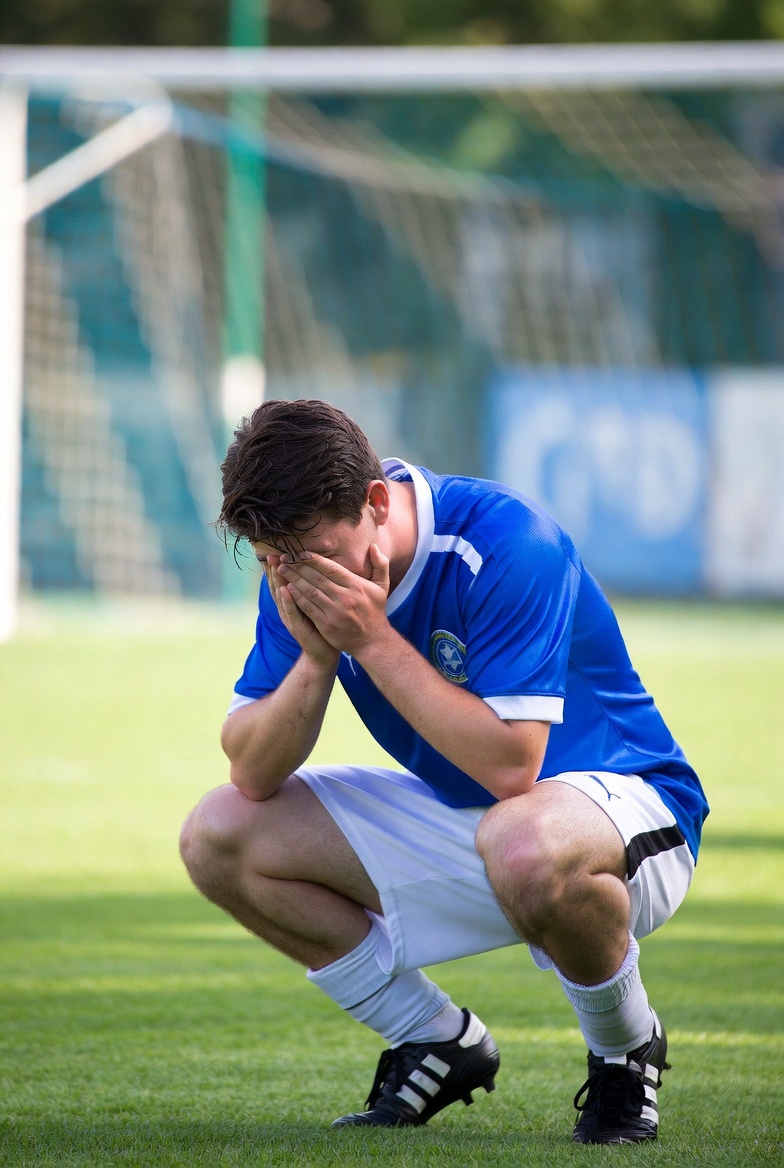
Men’s sports have long been built on a narrow definition of strength. Be tough. Be quiet. Push through. Handle it yourself. Emotion is something you manage privately—if at all. Vulnerability, for many male athletes, has been framed as a liability rather than a skill.
But the reality is this: the old model is costing men their health, longevity, and love for the game.
The Unspoken Rules Men Learn Early
From a young age, boys in sport absorb powerful messages:
- Don’t complain.
- Don’t show fear.
- Don’t be “too emotional.”
- Pain is part of the job.
These rules may produce short-term toughness, but long-term they often lead to emotional suppression, identity confusion, and burnout. Many male athletes become exceptional at performing strength while quietly carrying anxiety, self-doubt, shame, or fear of failure.
Vulnerability isn’t missing in men’s sports—it’s just hidden.
Vulnerability Is a Performance Skill
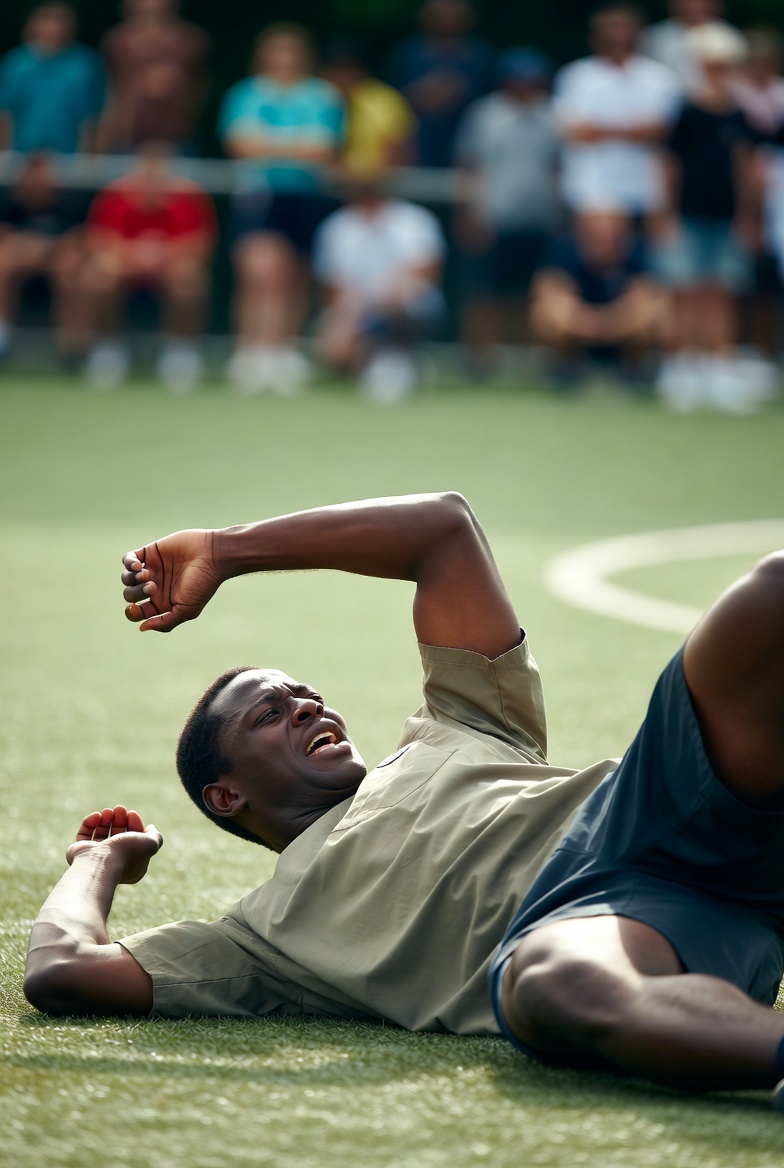
In men’s athletics, vulnerability does not mean losing composure or motivation. It means being honest enough to recognize internal signals before they sabotage performance.
A male athlete who can say:
- “I’m carrying pressure right now.”
- “I’m struggling with confidence.”
- “I need support to reset.”
…is demonstrating mental discipline, not weakness.
Elite performance depends on awareness. You can’t regulate what you refuse to acknowledge.
Why Men Struggle to Speak Up
For many men, sport is deeply tied to identity. It’s where respect, belonging, and self-worth are earned. Admitting vulnerability can feel like risking all three.
Men often fear:
- Losing status in the locker room
- Being seen as unreliable or soft
- Letting teammates or coaches down
So instead, they internalize. And what’s internalized doesn’t disappear—it leaks out as injury, anger, withdrawal, or disengagement.
Strong Teams Make Room for Real Conversations
Teams that allow men to be honest don’t become less competitive—they become more cohesive.
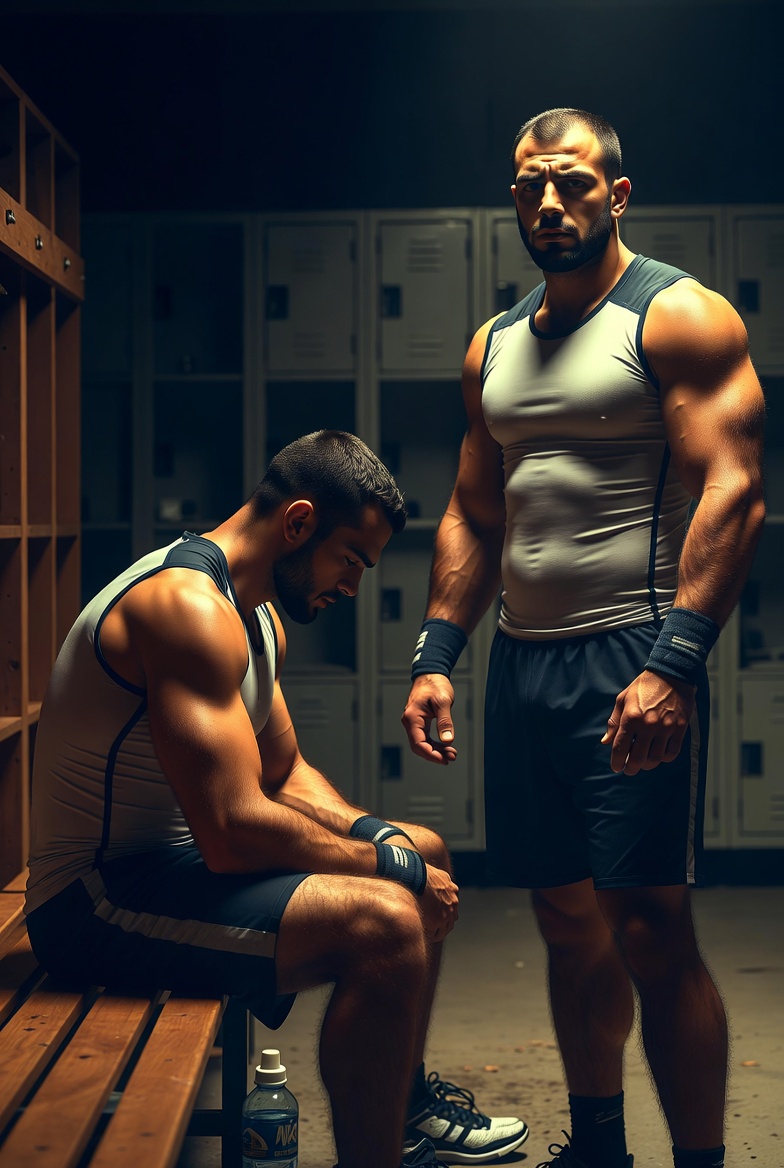
When vulnerability is normalized:
- Communication improves under pressure
- Teammates trust each other more deeply
- Mistakes are processed faster
- Accountability becomes shared, not feared
Men don’t need to be fixed—they need permission to be human without losing respect.
Coaches Shape Masculinity in Sport
In men’s sports, coaches don’t just train athletes—they shape beliefs about manhood.
A coach who models emotional regulation, names stress openly, and treats vulnerability as part of preparation sends a powerful message: strength includes self-awareness.
This doesn’t lower standards. It raises them.
Because disciplined men don’t avoid emotion—they manage it.
Vulnerability Extends Careers
Many male athletes don’t struggle during competition—they struggle after injury, transition, or retirement. When sport has been the only place vulnerability is disallowed, there’s nowhere to process loss or change.
Men who develop emotional flexibility in sport are better equipped to:
- Recover from setbacks
- Handle transitions
- Maintain identity beyond performance
- Stay engaged without burning out
Resilience isn’t emotional silence.
It’s emotional range.
Redefining Strength for Men in Sport
True strength isn’t the absence of feeling.
It’s the ability to feel and still act with purpose.
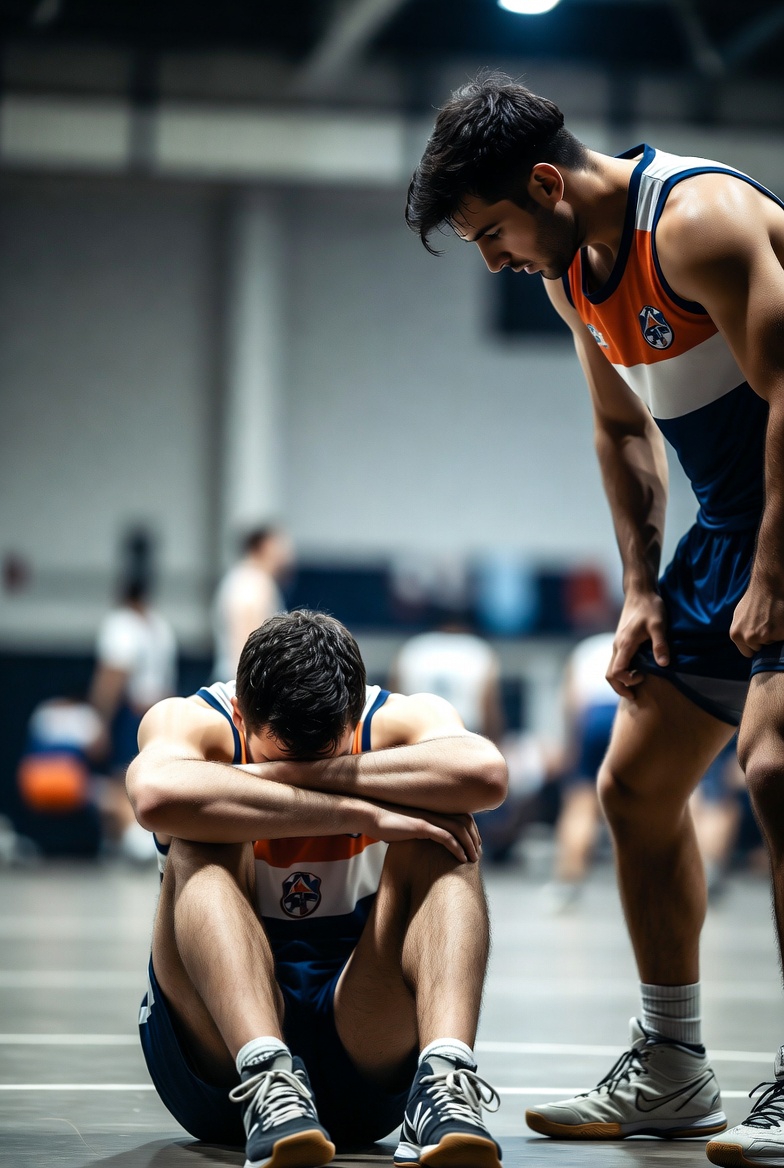
Men’s sports don’t need less toughness.
They need better definitions of it.
The strongest athletes aren’t the ones who feel nothing.
They’re the ones who feel it all—and still show up.
About Me
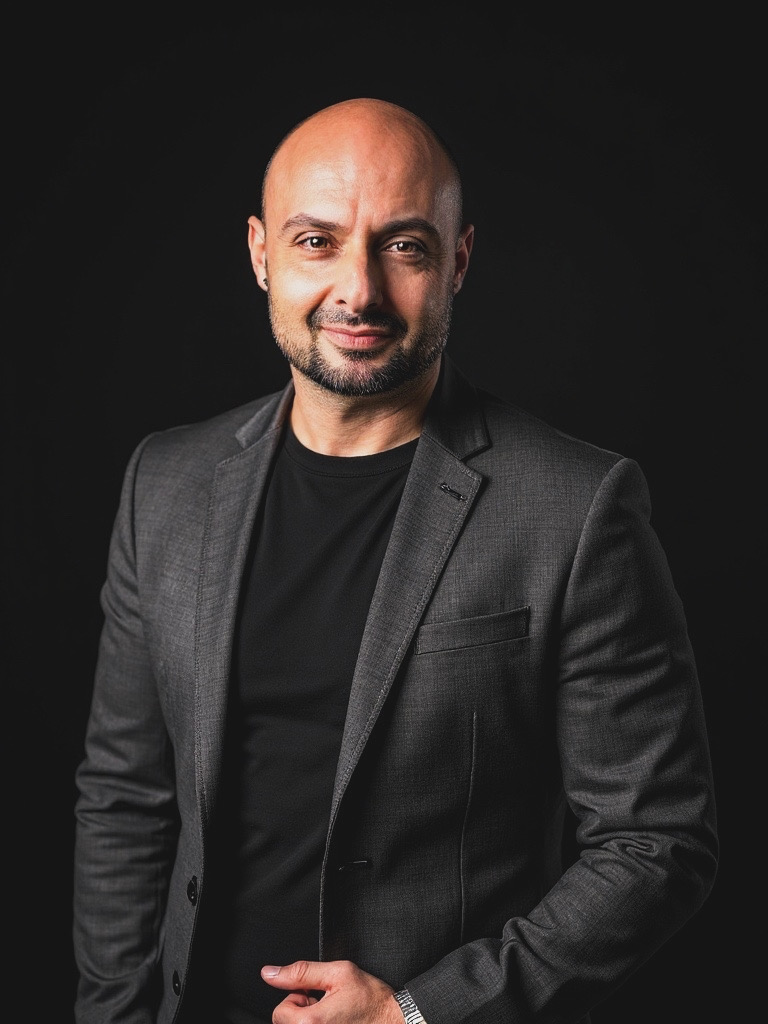
Hi, I’m John Schessler, a graduate student in Sports Psychology, Behavior Interventionist, and certified Sports Psychology Coach (AFAA) with a passion for helping athletes build stronger minds, healthier habits, and unshakable confidence. I also hold a B.A. in Psychology from Southern New Hampshire University, with a Child & Adolescent Development focus. I truly believe that if we start training our young athletes the correct way early on, we can avoid many of the injuries and other mental health ailments that plaque many of our professional athletes as well as those on the high school and collegiate levels. My work blends mental performance coaching, psychology, and lived experience to help people show up as the best version of themselves—on the field, in the gym, and in everyday life.
I’ve always believed that mental strength is the real competitive edge. That belief pushed me toward a career where I could combine my love of sport with my mission to support mental wellness. Whether I’m working with students at Merakey, coaching athletes through pressure and performance anxiety, or developing new mental-skills tools, I’m constantly exploring how mindset, behavior, and resilience shape performance.
Right now, I’m pursuing my M.S. in Sports Psychology with the goal of becoming an Athletic Mental Health Counselor. I want to change the narrative around athlete well-being, break stigmas, and help athletes of all backgrounds access mental-performance support that actually meets them where they are.
This blog is a place where I bring together everything I’ve learned—research, personal experience, coaching insights, and the lessons athletes teach me every day. My hope is that you’ll find something here that inspires you, supports you, or simply reminds you that you’re not alone in your journey to become mentally stronger.
If you’re an athlete, parent, coach, educator, or someone chasing self-improvement, welcome. You’re exactly where you need to be.
#vulnerability #sports #menssports #malevulnerability #strength #men #showyourselffully #mentalhealth #depressionawareness #anxiety #pressuretosucceed #thePGHsportspsychcoach #johnschesslerjr


Leave a comment