
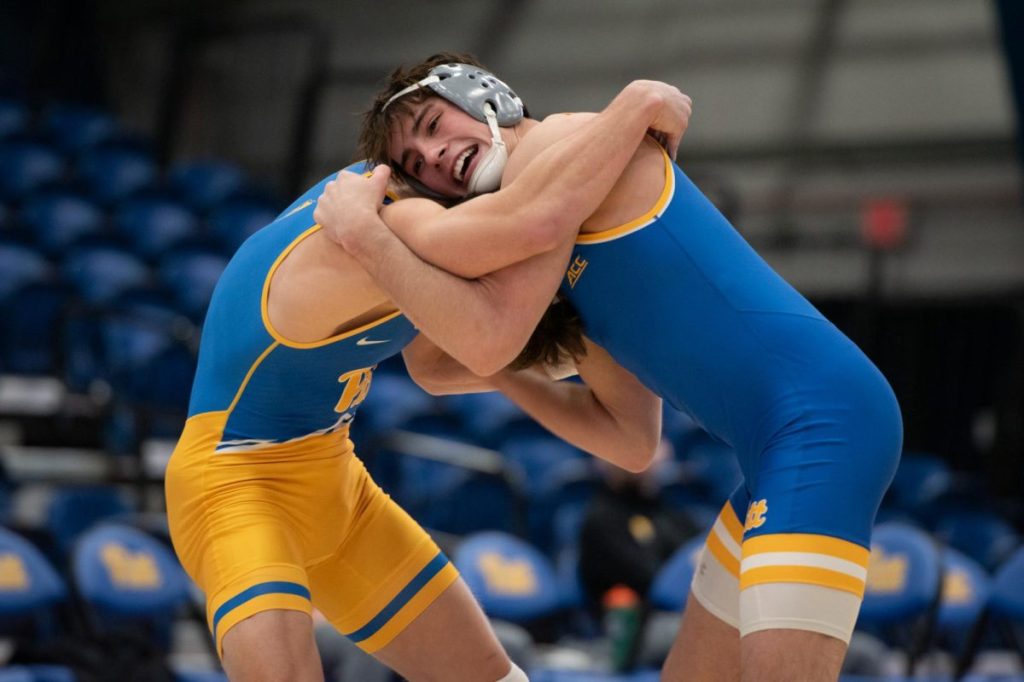
Wrestling doesn’t change when you move from high school to college—but the demands on your body absolutely do. Training volume increases, recovery windows shrink, and the margin for error gets smaller.
Nutrition at each level should reflect not just performance goals, but age, independence, training load, and long-term health.
Let’s break it down.
High School Wrestlers: Building the Foundation
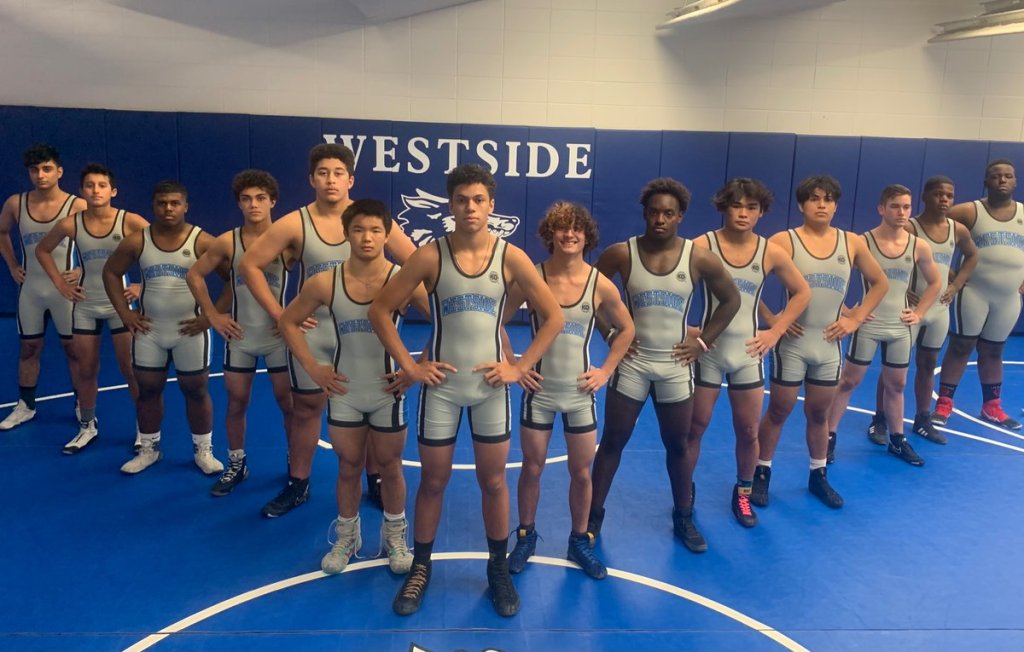
High school wrestlers are still growing—physically, hormonally, and neurologically. That alone changes how nutrition should be approached.
Key Focus: Growth, Energy, and Consistency
At this level, nutrition should:
- Support growth and development
- Fuel daily practices and competitions
- Prevent burnout and disordered eating patterns
- Establish healthy habits that last beyond the season
Common High School Pitfalls
- Skipping meals (especially breakfast)
- Relying on energy drinks or junk food
- Crash dieting to make weight
- Inconsistent hydration during the school day
High School Nutrition Priorities
Protein
- Needed for growth and recovery
- Aim to include it at every meal
- Examples: eggs, chicken, yogurt, milk, beans
Carbohydrates
- Critical for school + practice energy
- Should not be feared
- Examples: rice, potatoes, fruit, oats, whole grains
Hydration
- Often the biggest limiter
- Water throughout the day > last-minute chugging
- Sports drinks only during long or intense sessions
Weight Management at the HS Level
- Gradual and supervised
- Focus on performance, not the scale
- Extreme cutting can stunt growth and increase injury risk
Bottom line for high school wrestlers:
Eat regularly. Fuel practices. Recover well. Build habits that support both wrestling and development.
College Wrestlers: Performance, Recovery, and Precision
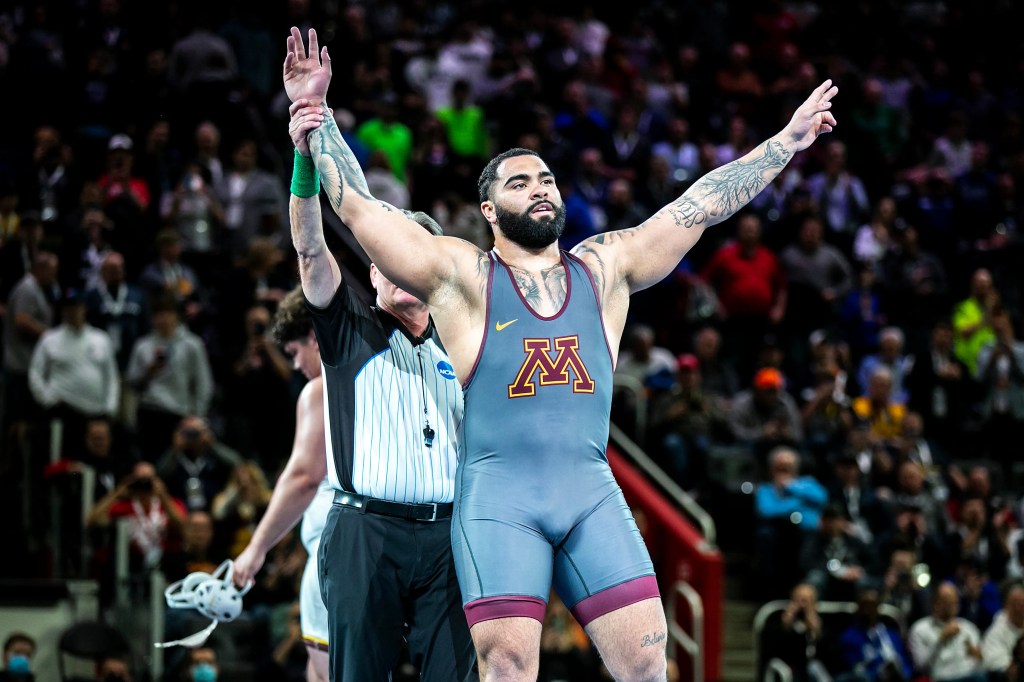
College wrestling is a different animal. Training frequency increases, intensity rises, and recovery becomes a skill—not a luxury.
Key Focus: Output, Recovery, and Sustainability
Nutrition now must:
- Support multiple daily training sessions
- Accelerate recovery between practices
- Preserve lean mass during weight management
- Sustain performance across long seasons
Common College Pitfalls
- Under-fueling due to time constraints
- Over-reliance on caffeine
- Poor recovery nutrition
- Inconsistent eating during travel or heavy weeks
College Nutrition Priorities
Protein
- Higher daily needs due to training volume
- Spread intake evenly across the day
- Essential post-practice and post-lift
Carbohydrates
- Strategic, not random
- Heavy intake around training sessions
- Essential for repeat high-intensity efforts
Fats
- Support hormones and joint health
- Especially important during long seasons
- Shouldn’t be eliminated during weight management
Hydration & Recovery
- Sweat losses are higher
- Electrolytes matter more
- Sleep + food + hydration = recovery triangle
Weight Management at the College Level
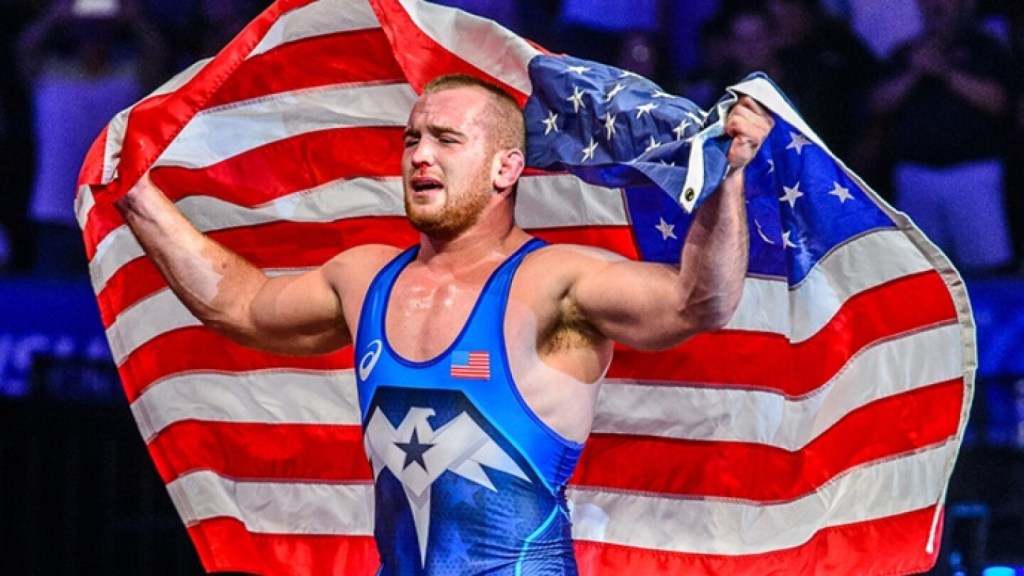
- Requires planning and consistency
- Extreme cuts reduce power, reaction time, and resilience
- Smarter fueling often leads to better body composition outcomes
Bottom line for college wrestlers:
Nutrition is no longer optional—it’s a performance tool. The athletes who fuel well last longer, train harder, and stay healthier.
The Big Picture: Development vs. Optimization
| High School | College |
|---|---|
| Growth & habit formation | Performance & recovery |
| Parent-supported structure | Athlete-driven responsibility |
| Lower training volume | High training density |
| Long-term health priority | Output + sustainability |
Final Thoughts
The mat doesn’t care what level you’re at—but your body does.
High school wrestlers need support, structure, and education.
College wrestlers need precision, consistency, and recovery strategy.
The athletes who respect nutrition early don’t just win more matches—they extend their careers and protect their health long after the final whistle.
About Me — Coach John Schessler

I’m Coach John — the mind behind ThePGHSportsPsyCoach — and my mission is simple: help athletes build the kind of mental toughness, confidence, and resilience that shows up long after the final whistle blows.
I coach from experience, education, and heart. As a Sports Psychology Coach and Behavior Interventionist, I’ve spent years working with athletes and students who carry big potential but also big pressure. My job? Teach them how to channel that pressure into power.
Right now, I’m leveling up my own game, pursuing my graduate degree in Sports Psychology so I can support athletes at an even higher level. Every day, I study how mindset, emotion, and performance work together — and every day, I bring that knowledge straight to the athletes and readers who trust me.
This blog is your locker room talk for the mind.
Here, we break limits.
We train confidence.
We learn how to stay locked in when it matters most.
Because winning isn’t just physical — it’s mental.
And when you master your mind, the rest follows.
If you’re ready to grow, challenge yourself, and build an unshakeable mental edge… welcome to the team. Let’s get to work.
#athletemindset #performance #personaltrainer #CSCS #sportspsychology #athletics #training #confidence #breaklimits #pittsburgh #autism #confidence #resilience


Leave a comment