
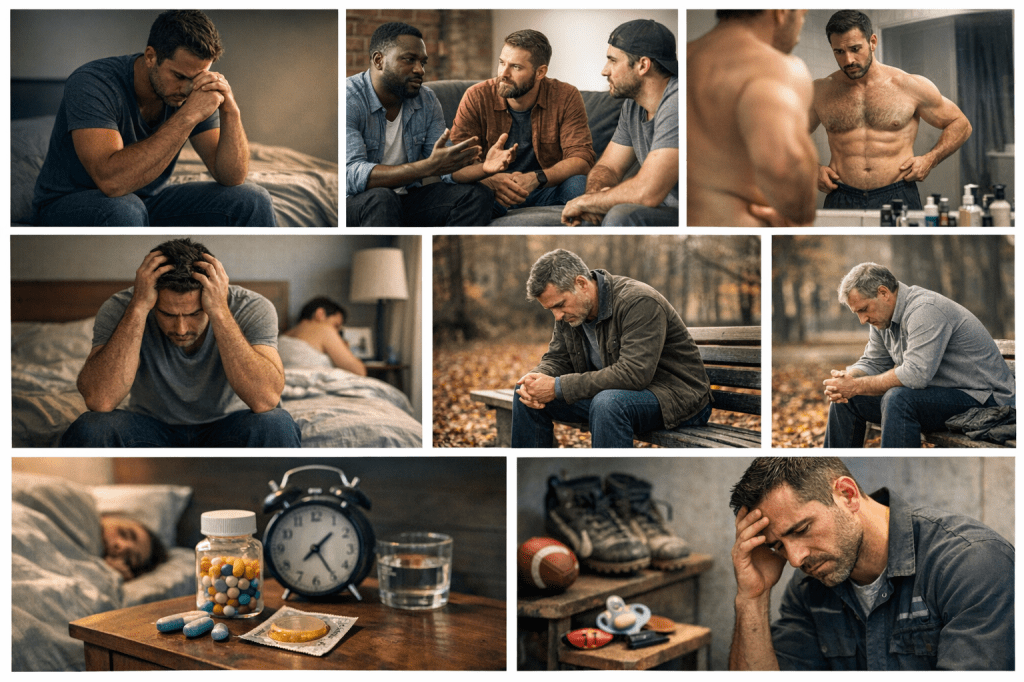
There’s a version of masculinity a lot of men were handed early on: be strong, don’t complain, handle it yourself.
It works… until it doesn’t.
Men’s health conversations often stop at the gym, the doctor’s office, or jokes that deflect anything uncomfortable. But beneath the surface, there are real struggles men carry quietly—sometimes for years—because talking about them feels risky, embarrassing, or “unmanly.”
Let’s talk about the stuff that usually stays unspoken.
1. Emotional Suppression & “White-Knuckling” Life
Many men are experts at pushing through. Stress, grief, anxiety, burnout—rather than naming it, they grip tighter and move forward. This “white-knuckling” approach can look like strength from the outside, but internally it often leads to emotional numbness, irritability, or sudden breakdowns.
Suppressing emotions doesn’t make them disappear. It just forces them to come out sideways—through anger, withdrawal, overworking, or health problems.
2. Anxiety That Doesn’t Look Like Anxiety
When people picture anxiety, they imagine panic attacks or visible fear. For men, anxiety often shows up differently:
- Constant tension
- Trouble sleeping
- Hyper-focus on control
- Over-preparing or avoiding situations entirely
- Feeling “on edge” with no clear reason
Because it doesn’t match the stereotype, many men don’t even label it as anxiety—they just assume something is wrong with them.
3. Depression Without Sadness
Men’s depression is frequently missed because it doesn’t always look like sadness or tears. It can show up as:
- Anger or impatience
- Emotional flatness
- Loss of motivation
- Isolation
- Risk-taking behaviors
Instead of saying “I’m depressed,” men often say, “I’m just tired,” or “I’m fine, just busy.”
4. Body Image & Performance Pressure

We talk about women and body image (rightfully so), but men struggle here too—just more quietly. Pressure to be:
- Lean but muscular
- Strong but not “vain”
- Athletic, capable, youthful
This can drive unhealthy training habits, disordered eating, steroid use, or deep shame when the body changes with age or injury.
5. Sexual Health, Libido & Performance Anxiety
Few topics carry more silence than sexual health. Erectile dysfunction, low libido, performance anxiety, fertility concerns—many men would rather suffer quietly than admit fear or insecurity.
What often goes unsaid: stress, mental health, sleep, hormones, and emotional connection play huge roles here. Silence just compounds the problem.

6. Loneliness & the Shrinking Circle
As men age, friendships often fade. Work, family, and responsibilities take over, and social connection quietly erodes. Many men find themselves surrounded by people—but emotionally alone.
Loneliness doesn’t always feel dramatic. Sometimes it’s just the absence of being known.
7. Identity Loss After Injury, Job Changes, or Fatherhood
When a man’s identity is tied to performance—athlete, provider, protector—any disruption can feel like a personal failure. Injury, job loss, career stagnation, divorce, or even becoming a parent can trigger deep identity confusion.
Instead of grieving the change, men often push forward without processing what was lost.
Why This Silence Matters
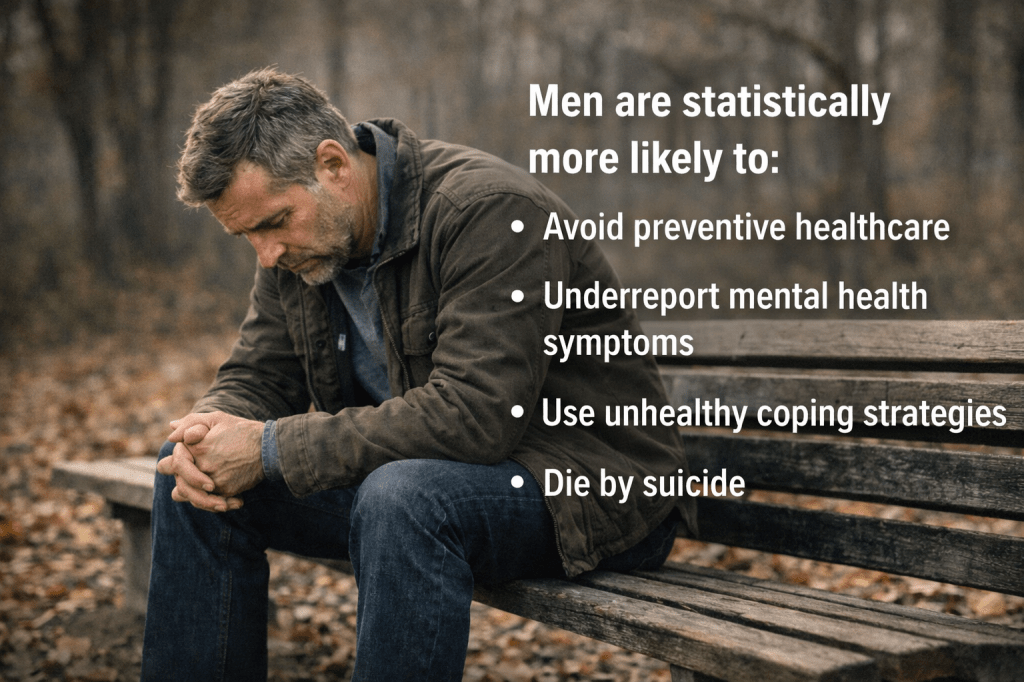
Men are statistically more likely to:
- Avoid preventive healthcare
- Underreport mental health symptoms
- Use unhealthy coping strategies
- Die by suicide
This isn’t about weakness. It’s about conditioning—and a lack of safe spaces to be honest.
What Real Strength Actually Looks Like
Strength isn’t pretending you’re unaffected.
It’s recognizing when something isn’t right—and choosing to address it.
That might look like:
- Talking to a coach, therapist, or trusted friend
- Going to the doctor without minimizing symptoms
- Learning emotional language for the first time
- Letting someone see you unsure, tired, or scared
Final Thought
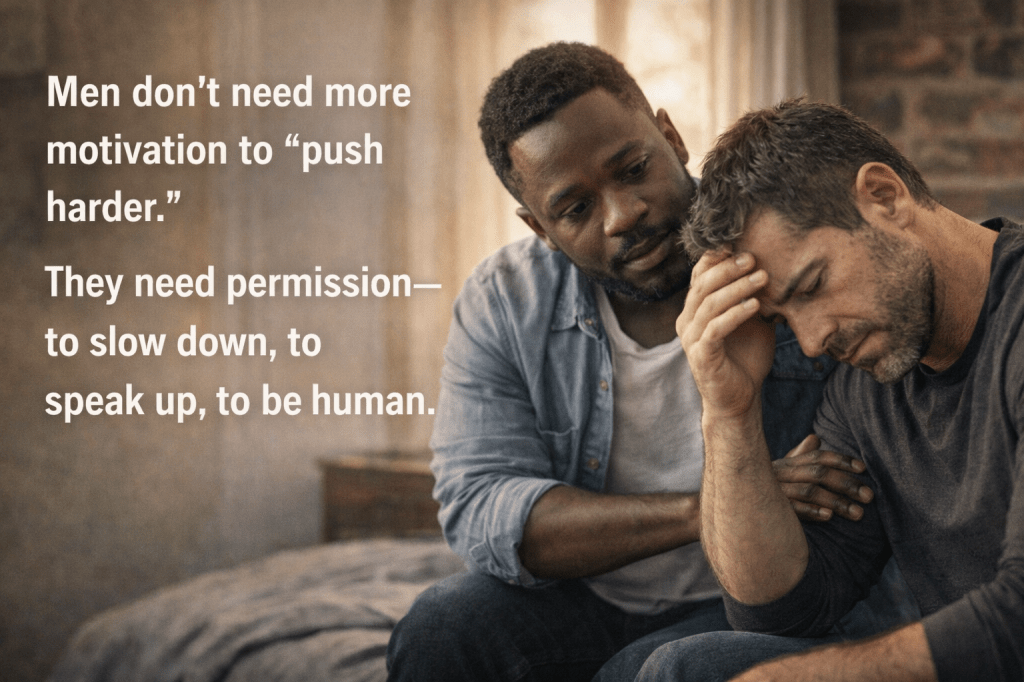
Men don’t need more motivation to “push harder.”
They need permission—to slow down, to speak up, to be human.
If any of this resonates, you’re not broken. You’re responding normally to pressure that was never meant to be carried alone.
And the moment you start talking about it?
That’s not weakness—that’s where healing starts.
About Me — Coach John Schessler Jr.
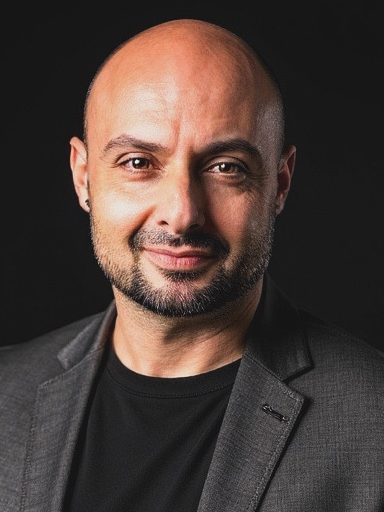
I’m Coach John — the mind behind ThePGHSportsPsyCoach — and my mission is simple: help athletes build the kind of mental toughness, confidence, and resilience that shows up long after the final whistle blows.
I coach from experience, education, and heart. As a Sports Psychology Coach and Behavior Interventionist, I’ve spent years working with athletes and students who carry big potential but also big pressure. My job? Teach them how to channel that pressure into power.
Right now, I’m leveling up my own game, pursuing my graduate degree in Sports Psychology so I can support athletes at an even higher level. Every day, I study how mindset, emotion, and performance work together — and every day, I bring that knowledge straight to the athletes and readers who trust me.
This blog is your locker room talk for the mind.
Here, we break limits.
We train confidence.
We learn how to stay locked in when it matters most.
Because winning isn’t just physical — it’s mental.
And when you master your mind, the rest follows.
If you’re ready to grow, challenge yourself, and build an unshakeable mental edge… welcome to the team. Let’s get to work.


Leave a comment