
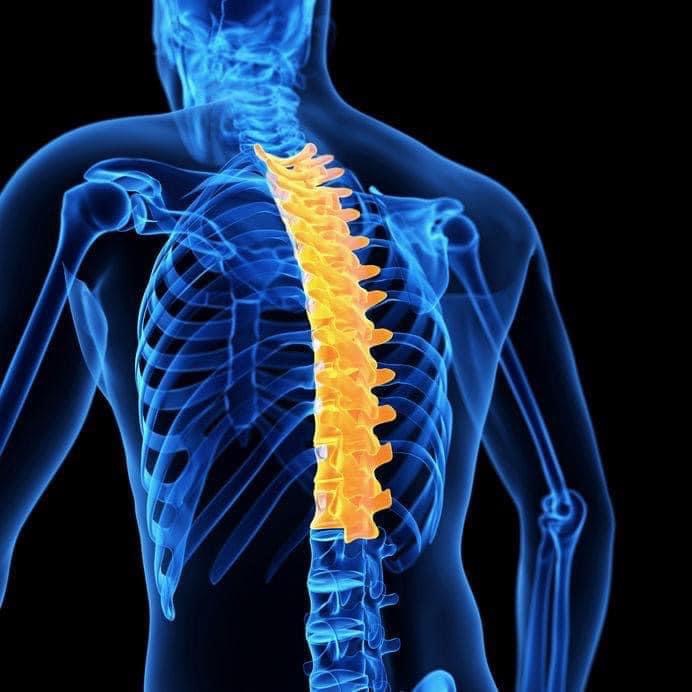
According to Blue Cross/Blue Shield, more than $2.8 billion or 14 percent of overall healthcare spending is represented by orthopedic pain conditions (pain in the muscles, joints and bones). Keep in mind that 90% of all orthopedic surgeries performed on patients every year result in major reductions in pain and discomfort, but what about the surgeries that are not so successful? What are the risks?
It’s important to note that while the majority of orthopedic surgeries are successful in alleviating pain and discomfort, there are still risks associated with these procedures. These risks can include infection, blood clots, nerve damage, and in some cases, the need for additional surgeries. In 2023, there were instances of unsuccessful orthopedic surgeries, which can have various implications for patients. It is essential for individuals considering orthopedic surgery to thoroughly discuss potential outcomes, including the possibility of unsuccessful procedures, with their medical professionals before making any decisions. One of the most common orthopedic surgeries that are unsuccessful despite their overwhelming success rate is hip replacement surgeries, and with over 600,000 of these surgeries performed each year, there’s bound to be some errors. This type of surgery deals with displacing pain and discomfort from the hips and surrounding regions and one of the telltale signs that your body is rejecting the surgery is that the pain doesn’t subside but instead worsens. Also, take into account the mechanical pieces used in the surgery, over the years they wear, tear and get old. With that in mind, it’s no wonder that over 32 billion hip replacement revision surergies are also performed each year in the US. Keep in mind that this doesn’t mean that something has gone horribly wrong during the initial surgery or that problems are going to happen right away. However, if you are suspecting that your replacement surgery has gone wrong or you’re experiencing complications, seek to get an evaluation from a Board-Certified Orthopedic surgeon to be determine a plan of action. (Gilbert, 2020)
In 2009, the AMA called upon hospitals & medical personnel performing surgeries and life sustaining care to follow checklists to insure that the care they were providing was not going to create negative patient outcomes and is now the universal standard by which the medical community operates during routine operations with patients. However, even with checklists, some errors during surgeries are unseen or done by mistake. One of the most important things post-op is to do something that goes without saying, ‘follow your doctors orders’. Usually this includes eating a healthy diet, exercising regularly and do anything else you doctor or surgeon may include in your aftercare plan. If you avoid eating healthy and exercise and gain weight, that could unfortunately put undo stress onto the artificial joint causing it to become damaged. Once an artificial limb has become damaged, it’s imperative that a surgeon opn you back up to correct what has been done so you don’t experience more pain down the road.

Any surgery or medical procedure is always vulnerable to a cluster of problems that may go wrong becuase not all surgeries or surgeons are created equal. Doctors and Surgeons aren’t perfect, they’re human. All they are really doing is treating a problem the same way they’ve been trained and educated to. Errors in technique are usually due to misplacement of tools, devices or tissues. These errors can be reduced, fortunately, by the adoption of pre-surgical 3D imaging and planning, robotic technology for artificial component placement, cadavers and virtual laboratories for surgeon training, and the ubiquitous YouTube instructional videos. At the University of Pittsburgh Medical Center (UPMC) in Pittsburgh, a team of physicians are publishing their finding on Risk Analysis (RA) as a means of screening surgical patients for frailty. Patients who are exhibiting signs of frailty are often at risk for a higher mortality risk, pre-operative morbidities, particularly those individuals over the age of 65. For every healthcare system, improving patient outcomes is extremely important because it helps people develop trust in the medical personnel that treat patients daily. Hospitals are continually working to improve patient outcomes with the introduction of patient portals, new safety measures and standards as well as the use of Artificial Intelligence (AI)
This is why doctors and medical personnel urge patients to ask questions about everything that could go wrong before they have their surgery so they can be prepared as to what the outcomes may be and they can plan accordingly with the medical team as issues arise. In life there are no guarantees for 100% success in all things and the world of medicine is definitely no exception. Treatments may not work, surgeries may be unsuccessful and people sometimes make mistakes unknowingly. The main thing for patients to do is their homework, ask the appropriate questions and follow the doctors orders!
Resources:
https://brettgilbert.emergeortho.com/blog/symptoms-of-a-failed-hip-replacement/
Improving Upon Postoperative Outcomes | UPMC Physician Resources
John J. Schessler is a Pittsburgh-Based Master Fitness Trainer Motivational Speaker and certified Exercise Therapist. He is also a fitness writer and host of the podcast, “Flip Your Script’, available on all podcast platforms. Aside from fitness, John is also a Senior at Southern New Hampshire University majoring in Child & Adolsecent Psychology and is working towards a Master’s degree in Pediatric Counseling. Working in fitness for over 15 years, John has certifications in Orthopedics, Sports Medicine and is a Tactical Conditioning Specialist. For speaking engagements or training inquiries, please email pghwellnesspt@gmail.com.
#fitness #patientoutcomes #surgery #teampediatrics #teamortho #medicine #haveachecklist #strength #upmc #postoperative #orthopedics #sportsmedicine #nasm #bodybuilding #motivation #foryou #trending #hipreplacement #physicaltherapy #followdoctorsorders #riskanalysis #americanmedicalassociation #americanorthopedicassociation #bluecrossblueshield #insurance #liability #positive #outreach #artificalintelligence #writer #medical #psychology #counseling #personaltrainer #therapist #counselor


Leave a comment